
Kilimanjaro Crater Camp
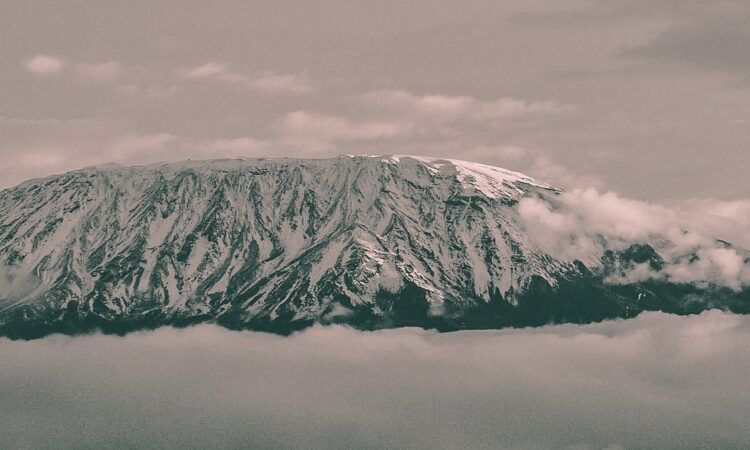
Kilimanjaro Crater Camp Kilimanjaro Crater Camp is one of the most extraordinary high-altitude camping experiences on Mount Kilimanjaro, offering trekkers a rare overnight stay near the volcano’s summit zone. Located close to the Kibo Crater on the world-famous Mount Kilimanjaro in Tanzania, this remote camp is part of elite Kilimanjaro climbing routes such as Lemosho, Machame, and Northern Circuit. “Kilimanjaro trekking,” “summit push,” “high altitude camping,” and “best Kilimanjaro routes.” A Kilimanjaro Crater Camp sits at extreme elevation, giving climbers a unique chance to experience glaciers, ash fields, and surreal lunar landscapes just below Uhuru Peak, Africa’s highest point. Because of thin air and cold temperatures, it is recommended only for well-acclimatized hikers attempting a challenging adventure safari in Tanzania. Staying at Kilimanjaro Crater Camp is rare, exclusive, and unforgettable, making it a top bucket-list experience for climbers worldwide seeking a once-in-a-lifetime African mountaineering journey. Kilimanjaro tours, hiking expeditions, and Tanzania safari adventure packages it attracts elite mountaineers globally, offering unmatched views and an extreme high-altitude wilderness experience for serious climbers and adventure seekers. Key details about Kilimanjaro Crater Camp: Location & Altitude Situated in the Kibo caldera, just below the summit. Altitude ~5,730m – 5,750m (approx. 18,800+ ft) Proximity to Summit ~1 km (0.6 mi) from Uhuru Peak, allowing a short ~1-hour hike to the summit for sunrise. Landscape Barren, lunar-like, and snowy, featuring the Furtwängler Glacier and the Ash Pit (Reusch Crater). Temperature Extremely cold; night temperatures can reach (-15^{circ}text{C}) or lower. Bed Type | Mountain Tent Area | Machame Route, Lemosho Route, and Northern Circuit. Full Board Access Usually accessed via specialized itineraries on the Lemosho, Northern Circuit, or Machame routes. Bed Type | Mountain Tent Area | Machame Route, Lemosho Route, and Northern Circuit. Full Board Conditions High-risk for altitude sickness due to extreme altitude; no permanent facilities exist (tents only). Bed Type | Mountain Tent Area | Machame Route, Lemosho Route, and Northern Circuit. Full Board What Makes Crater Camp Special Kilimanjaro Crater Camp is one of the most unique high-altitude camping experiences in the world, located inside the summit crater of Mount Kilimanjaro in Kilimanjaro National Park. Unlike standard Kilimanjaro trekking camps, Crater Camp sits at around 5,700 meters, offering trekkers a rare overnight stay at the roof of Africa. What makes it special is its extreme altitude, surreal volcanic landscape, and close proximity to glaciers, ash pits, and the Reusch Crater. It is far less visited than Uhuru Peak routes, making it an exclusive adventure for experienced climbers. The silence, thin air, and dramatic scenery create a once-in-a-lifetime experience. Many climbers choose Crater Camp to witness sunrise over the ice fields and explore the inner summit zone of Kilimanjaro. It is truly unforgettable high altitude adventure experience awaits here. Kilimanjaro Ice Fields and Glaciers Kilimanjaro Ice Fields and Glaciers on Mount Kilimanjaro are among the most iconic features seen during Kilimanjaro trekking and Crater Camp expeditions. These ancient glaciers, including the famous Furtwängler Glacier, are remnants of a once vast ice cap that has slowly retreated due to climate change. Trekkers staying at Kilimanjaro Crater Camp experience a rare close-up view of shimmering ice formations, frozen ash, and dramatic alpine desert landscapes. The ice fields near the summit crater create a surreal contrast against the volcanic terrain. Early morning sunlight reflecting off the glaciers produces breathtaking photography opportunities. Despite their shrinking size, they remain one of the top Kilimanjaro highlights for climbers seeking extreme altitude adventure, glacier trekking experience, and unforgettable views from the roof of Africa, an ultimate alpine experience above clouds, forever memorable. Kilimanjaro Crater Camp on Map, Google Maps Kilimanjaro Crater Camp on Map shows its extreme summit location within Mount Kilimanjaro in northern Tanzania, inside Kilimanjaro National Park. The camp is positioned near the Reusch Crater, just below Uhuru Peak, making it one of the highest camping spots in Africa. On most Kilimanjaro trekking maps, Crater Camp appears at approximately 5,700 meters elevation, accessible only via the Barafu or Northern Circuit routes. Maps highlight its proximity to glaciers, ash pits, and the summit ice fields. This remote location is often marked as an optional acclimatization and exploration point for experienced climbers. GPS mapping for Kilimanjaro expeditions often includes Crater Camp as a key waypoint for summit-day strategies, altitude planning, and extreme adventure trekking itineraries. It is rarely used but highly rewarding for elite climbers seeking challenge above all. Request A free Quote Hiking to Reusch Crater and the Ash Pit Hiking to Reusch Crater and the Ash Pit is one of the most dramatic parts of the Kilimanjaro Crater Camp experience inside Mount Kilimanjaro. Located within the summit zone of Kilimanjaro National Park, this trek takes climbers across volcanic ash, ice formations, and extreme high-altitude terrain. The Reusch Crater, a massive volcanic depression, features the famous ash pit and remnants of ancient volcanic activity. Guided Kilimanjaro trekking tours lead climbers from Crater Camp through thin-air conditions, requiring strong acclimatization and endurance. The ash pit is a striking geological feature that highlights Kilimanjaro’s volcanic origin. This short but challenging hike is often considered a highlight for adventure seekers aiming to explore the hidden inner summit of Africa’s tallest mountain and experience extreme altitude exploration true alpine volcanic adventure awaits here always. Ensuring the Proper Experience for Crater Camp Ensuring the Proper Experience for Crater Camp on Mount Kilimanjaro requires careful planning, expert guidance, and strong physical preparation for high-altitude trekking in Kilimanjaro National Park. Due to extreme altitude above 5,700 meters, climbers must acclimatize properly to reduce risks of altitude sickness. Choosing experienced Kilimanjaro trekking operators is essential for safety, weather adaptation, and route planning. Proper gear, including insulated clothing, oxygen support, and quality sleeping systems, enhances comfort at Crater Camp. Guides monitor climbers closely to ensure safe progression through the summit zone. Weather conditions can change rapidly, so flexibility is important. A successful Crater Camp experience combines adventure, safety, and respect for the harsh alpine environment of Africa’s highest
What Vaccinations Do You Need for an East Africa Safari

Planning an East African safari in Tanzania is an unforgettable adventure filled with wildlife safaris, luxury lodges, the Great Migration, and breathtaking landscapes like Serengeti National Park and Ngorongoro Crater. Before traveling, understanding the recommended travel Vaccinations for an East Africa Safari and health precautions is essential for a safe and stress-free African Safari journey. Many travelers ask whether vaccines for Tanzania safaris are mandatory, which malaria medications are best, and how to prepare for safari health risks. While Tanzania is considered one of Africa’s safest safari destinations, proper travel health planning protects against mosquito-borne diseases, foodborne illnesses, and infections common in tropical regions. Visiting a travel clinic before departure helps travelers receive updated vaccination advice for East Africa safari tours, Kilimanjaro climbs, Zanzibar holidays, family safaris, seniors safaris, honeymoon trips, and luxury wildlife adventures. Are Vaccinations Required for East Africa Vaccination requirements for East Africa safaris depend on your travel history, countries visited before arrival, and your Tanzania safari itinerary. Tanzania does not require most international travelers arriving directly from Europe, North America, or Asia to present vaccination certificates. However, travelers entering Tanzania from countries with Yellow Fever transmission may be required to show proof of Yellow Fever vaccination upon arrival. This rule also applies to travelers transiting through high-risk countries for extended periods. Beyond official entry requirements, health experts strongly recommend travelers remain updated on routine immunizations, including measles, tetanus, hepatitis, polio, influenza, and COVID-19 vaccines before beginning an African safari holiday. Vaccinations reduce health risks during game drives, cultural tours, mountain trekking, and beach vacations in tropical regions. Consulting a travel health specialist at least four to six weeks before departure remains the best way to prepare for a Tanzania safari adventure safely. Required Vaccinations for East Africa Safaris East Africa safari vaccinations vary depending on destination, travel duration, accommodation style, and activities planned during the trip. Most Tanzania safari travelers are advised to receive vaccines protecting against foodborne diseases, mosquito-borne infections, and routine viral illnesses. Recommended vaccinations often include Hepatitis A, Typhoid, Hepatitis B, Tetanus, Diphtheria, Measles-Mumps-Rubella, and seasonal influenza. Travelers visiting remote wildlife areas, local villages, or volunteering projects may require additional vaccines such as Rabies. Malaria prevention is also strongly recommended for most safari circuits, including Serengeti, Zanzibar, Tarangire, Ruaha, and Selous. Luxury safari lodges reduce exposure through mosquito nets and screened rooms, but preventive medication still provides extra protection. Health preparation is especially important for family safaris, honeymoon vacations, solo travel, and Kilimanjaro trekking tours. Travel medicine specialists customize vaccine recommendations based on medical history, age, pregnancy status, and planned safari activities across East Africa. Yellow Fever Vaccination Requirement The Yellow Fever vaccine is the most commonly discussed vaccination for travel to East Africa. Tanzania generally requires proof of Yellow Fever vaccination only if travelers arrive from, or transit through, countries where Yellow Fever is present. Travelers flying directly from countries without a Yellow Fever risk often do not need the vaccine certificate. However, because regulations may change and border officials sometimes enforce requirements strictly, many safari travelers still choose vaccination for peace of mind. Yellow Fever is spread through infected mosquitoes in tropical regions of Africa and South America. The vaccine provides long-term protection and is usually administered once in a lifetime. Travelers planning multi-country East Africa itineraries involving Kenya, Uganda, Rwanda, or Ethiopia should carefully review transit rules before departure. It is advisable to carry your International Certificate of Vaccination while traveling between East African countries during your safari holiday or Kilimanjaro trekking adventure. Hepatitis A and Typhoid Vaccinations Hepatitis A and Typhoid vaccinations are among the most recommended travel vaccines for Tanzania safari tours. Both illnesses can spread through contaminated food, untreated water, or poor sanitation conditions, especially in rural areas and local markets. Safari travelers enjoying local cuisine, street food, village tours, or extended overland travel face higher exposure risks. The Hepatitis A vaccine provides strong protection against liver infection and is commonly advised for nearly all travelers visiting Africa. Typhoid vaccination is particularly important for budget safaris, camping safaris, backpacking trips, and travelers eating outside major hotels or luxury lodges. Although upscale safari camps maintain excellent hygiene standards, vaccination adds an important layer of safety. Travelers should also follow healthy habits such as drinking bottled water, avoiding uncooked foods, and washing hands regularly during safari activities. Proper food and water precautions greatly reduce illness risks while exploring Tanzania’s wildlife destinations and coastal regions. Hepatitis B Vaccination for Long Stays The Hepatitis B vaccine is highly recommended for travelers planning extended stays in Tanzania or participating in activities involving close personal contact, volunteering, medical work, or adventure travel. Hepatitis B spreads through blood and bodily fluids, making the vaccine especially important for travelers who may require medical treatment abroad. Long-term visitors, digital nomads, researchers, photographers, and students traveling throughout East Africa often receive this vaccination before departure. Although short safari vacations carry a lower risk, many travel health clinics still recommend Hepatitis B protection as part of a complete travel vaccination plan. The vaccine is administered in multiple doses over several weeks or months, so early preparation before your Tanzania safari is important. Combined Hepatitis A and B vaccines are also available in many countries. Travelers climbing Mount Kilimanjaro, volunteering in local communities, or spending extended time in remote safari regions should discuss Hepatitis B vaccination with a travel medicine specialist. Rabies Vaccination Considerations Rabies vaccination is not required for most standard Tanzania safari vacations, but it may be recommended for travelers spending extensive time outdoors or working closely with animals. Rabies exists in parts of Africa and is transmitted through bites or scratches from infected animals, including dogs, monkeys, and bats. Wildlife photographers, veterinarians, researchers, cyclists, campers, and travelers visiting remote rural communities may benefit from pre-exposure rabies vaccination. Although safari guides and lodge staff prioritize guest safety around wildlife, travelers should never touch wild or stray animals during safari activities. The rabies vaccine simplifies treatment if exposure occurs, especially in remote areas where emergency medical care
How to Plan a Safe Tanzania Safari with Kids
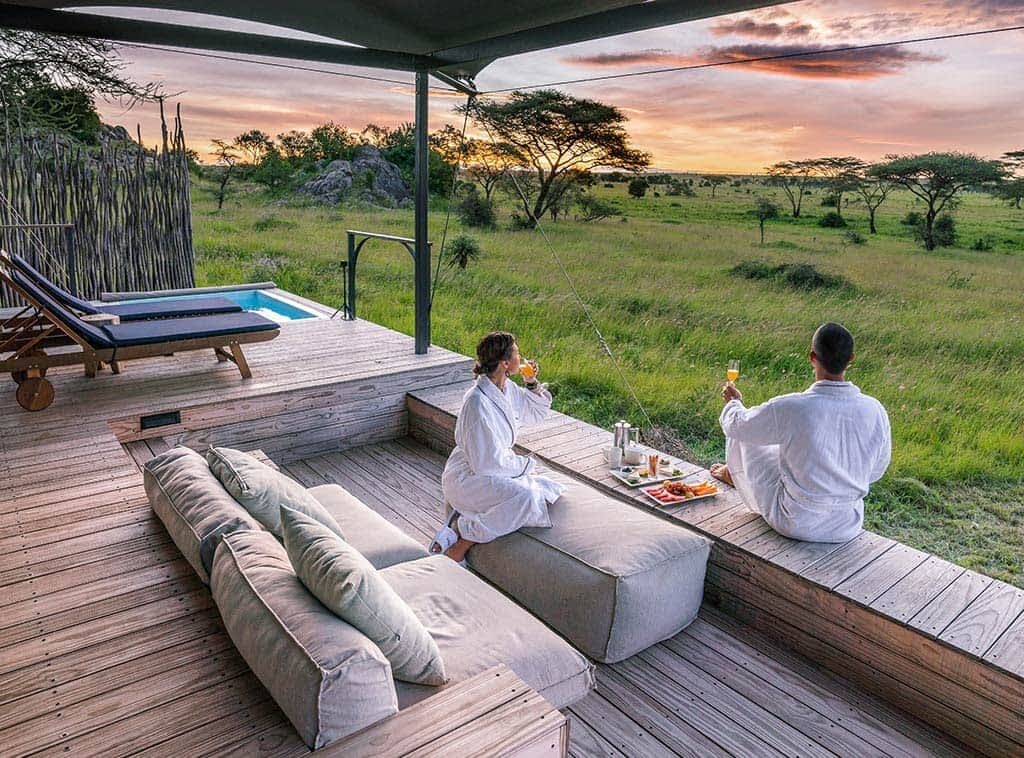
Planning a safe Tanzania safari with kids is one of the most rewarding family travel experiences in Africa, indicative of how to plan a Safe Tanzania Safari with Kids. Tanzania offers unforgettable wildlife safaris, luxury family safari lodges, child-friendly safari camps, and exciting adventures across famous destinations like the Serengeti National Park, Ngorongoro Crater, Tarangire National Park, and Lake Manyara National Park. Families can enjoy Tanzania safari game drives, cultural encounters, and relaxing beach holidays while staying safe and comfortable. Proper safari planning includes choosing trusted Tanzania safari tour operators, selecting family-friendly accommodations, understanding health precautions, packing safari essentials, and traveling during the best season. A well-organized Tanzania family safari combines adventure, education, comfort, and safety for children of all ages. With expert guides, private safari vehicles, and flexible itineraries, parents can create a memorable African safari vacation that is both exciting and secure for the whole family. Choose the Right Family-Friendly Safari Destinations Selecting the right safari destinations is the first step toward a safe Tanzania safari with children. Family-friendly parks such as Tarangire National Park, Ngorongoro Crater, and Lake Manyara National Park offer shorter driving distances, excellent wildlife viewing, and safe safari experiences for families. These parks are ideal for spotting elephants, giraffes, zebras, lions, and hippos without extremely long game drives that may tire younger kids. Many Tanzania safari packages for families include kid-friendly lodges, swimming pools, cultural activities, and flexible schedules. Avoid overly rushed itineraries and choose parks with comfortable road access and reliable medical support nearby. Families traveling with toddlers or young children should prioritize destinations with calm environments and quality accommodations. Planning a balanced itinerary ensures children remain comfortable, entertained, and excited throughout the entire Tanzania wildlife safari adventure. Travel During the Best Time for Tanzania Family Safaris Timing is essential when planning a safe Tanzania family safari holiday. The best time for a Tanzania safari with kids is during the dry season from June to October, when wildlife viewing is easier, and malaria risks are generally lower. Roads are more accessible, temperatures are pleasant, and animals gather near water sources, creating incredible safari experiences. Families also enjoy clear skies for Tanzania photography safari and outdoor activities. Traveling during school holidays makes planning easier for parents and children alike how to plan a Safe Tanzania Safari with Kids. The calving season in the southern Serengeti National Park between January and March can also be magical for kids, with opportunities to see baby animals. Avoid traveling with family to Tanzania during the extremely rainy months, April and May, if traveling with toddlers, as muddy roads and long transfers may become uncomfortable. Choosing the right Tanzania safari travel season helps families experience safer game drives, comfortable weather, and unforgettable Tanzania safari memories. Select Trusted Tanzania Safari Tour Operators How to plan a Safe Tanzania Safari with Kids? Booking with experienced Tanzania safari companies is one of the most important safety decisions for families. Trusted tour operators provide professional safari guides, well-maintained safari vehicles, emergency communication systems, and carefully designed family itineraries. Look for Tanzania safari tour companies with excellent reviews, strong safety records, and experience handling safaris with children. Reliable operators also offer private safaris, which allow parents flexibility with meal times, rest stops, and shorter game drives. Family-focused safari guides know how to keep children engaged while ensuring safety near wildlife. Luxury Tanzania family safaris often include highly trained staff, medical preparedness, and child-friendly accommodations. Before booking, ask about first aid kits, guide certifications, vehicle safety standards, and evacuation procedures. Choosing a reputable safari operator gives families peace of mind and allows parents to focus on enjoying Africa’s breathtaking wildlife and landscapes with their children. Book Child-Friendly Safari Lodges and Camps How to plan a Safe Tanzania Safari with Kids? Family-friendly safari lodges and tented camps make a huge difference when traveling in Tanzania with kids. Many luxury safari lodges near the Serengeti National Park and Ngorongoro Crater offer spacious family suites, swimming pools, babysitting services, kid-friendly meals, and educational safari activities. Safe accommodations usually have fenced areas, attentive staff, and comfortable sleeping arrangements for families. Parents should choose lodges with reliable hygiene standards, mosquito protection, and easy access to medical assistance if needed. Some safari camps organize nature walks, storytelling sessions, Maasai cultural experiences, and junior ranger programs that make safaris exciting for children. Staying in family-oriented accommodations reduces stress and improves overall safety and comfort. Comfortable lodges also help children rest properly after long safari days, ensuring the entire family remains energized for the adventure ahead. Prepare Essential Health and Vaccination Requirements Health preparation is critical for a safe Tanzania safari with children. Before traveling, parents should consult a travel doctor about recommended vaccinations, malaria prevention, and family travel health advice. Common recommendations may include routine vaccinations, yellow fever requirements for some travelers, and anti-malaria medication depending on travel routes. Families should carry a well-stocked safari first aid kit with fever medicine, allergy treatments, insect repellent, sunscreen, antiseptic wipes, and rehydration salts. Staying hydrated is especially important during game drives in warm African climates. Many Tanzania safari lodges provide purified drinking water, but parents should still carry reusable water bottles. Travel insurance covering medical emergencies and evacuation is strongly recommended for all family safaris. Proper health planning allows parents to relax and enjoy the safari experience while protecting children from common travel-related health concerns during their African adventure. Pack Smart for a Tanzania Safari with Kids Packing wisely improves comfort, convenience, and safety during a Tanzania family safari. Parents should pack lightweight neutral-colored clothing, sun hats, sunglasses, comfortable walking shoes, and warm layers for chilly morning game drives. Children often need extra clothing, snacks, and entertainment during long travel days. Essential safari gear includes binoculars, cameras, reusable water bottles, insect repellent, sunscreen, wet wipes, and small backpacks for day trips. Avoid bright colors that may disturb wildlife during game drives. Many family safari travelers also pack tablets, books, or travel games for airport waits and lodge downtime. Laundry services are available at
Millennium Camp
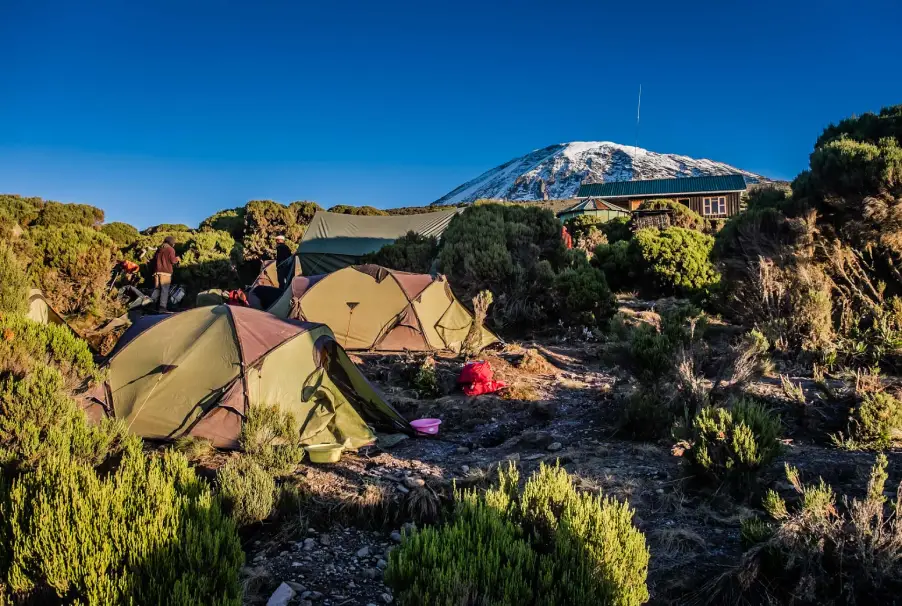
Millennium Camp on Mount Kilimanjaro Located on the southeastern slopes of Mount Kilimanjaro, Millennium Camp is a vital overnight stop for climbers descending after reaching Uhuru Peak. Sitting at approximately 3,820 meters above sea level, this campsite offers a much-needed transition from the harsh alpine summit to more oxygen-rich environments, helping trekkers recover safely after the demanding climb. Widely used on popular Kilimanjaro routes such as Machame, Lemosho, and Umbwe, Millennium Camp is known for its peaceful atmosphere, spacious tented grounds, and fewer crowds compared to Mweka Camp. Surrounded by heath and moorland vegetation, climbers enjoy warmer temperatures, improved breathing conditions, and stunning sunset views over the mountain’s southern slopes. As a key recovery point, Millennium Camp plays an essential role in altitude adjustment and post-summit rest. It symbolizes achievement, relief, and celebration, making it one of the most memorable stops on any Mount Kilimanjaro climbing adventure. 6 Key Aspects of Millennium Camp on Mount Kilimanjaro Location and Usage Situated on a ridge on the southern slopes of Mount Kilimanjaro, it is a designated, popular overnight stop for hikers descending after reaching the summit. Optimal Descent Logistics It serves as a midway rest point during the grueling descent, usually after a night at Barafu Camp (summit camp). It reduces the strain of walking from high altitude directly to the gate in one day. Altitude and Environment Located at approximately (3,820) (12,532 ft), it sits in the heath and moorland zone, surrounded by heather, providing a scenic, quieter, and less crowded atmosphere than Mweka Camp. Accommodations and Facilities It offers flat, designated camping areas. Most operators provide high-quality, weather-resistant tents, private dining tents, and toilet tents to ensure hygiene and comfort. Bed Type | Mountain tents Area | Rongai Route Full Board Essential Staff Support The camp is supported by a large team of porters and chefs who manage all logistics, ensuring climbers have hot food and water, allowing them to rest and recover, according to. Bed Type | Mountain tents Area | Rongai Route Full Board Safety and Health Focus As a high-altitude camp, it allows for a final health check (often with pulse oximeters) by professional guides to monitor for Altitude Sickness as climbers begin their exit. The camp offers a welcome, often emotional stop, bringing a sense of relief after the strenuous summit attempt. Bed Type | Mountain tents Area | Rongai Route Full Board Millennium Camp on Mount Kilimanjaro Weather, Climate, and Vegetation Millennium Camp on Mount Kilimanjaro sits within the lush rainforest zone of the mountain, where the weather, climate, and vegetation are characteristically humid, cool, and constantly changing. Temperatures at this part of the Mount Kilimanjaro trekking route usually range between 10°C and 20°C, with frequent mist, light rain, and high cloud cover. The climate is influenced by altitude and dense forest canopy, making conditions damp but refreshing for climbers. Vegetation around Millennium Camp includes thick montane rainforest, giant ferns, moss-covered trees, and rich biodiversity of birds and monkeys. This zone is part of Kilimanjaro National Park, offering one of the most scenic ecological transitions on the mountain. The humid environment helps trekkers acclimatize while experiencing the natural beauty of Tanzania’s iconic Mount Kilimanjaro rainforest ecosystem and its unique alpine weather patterns. What we love at Millennium Camp on Mount Kilimanjaro What we love most at Millennium Camp on Mount Kilimanjaro is its peaceful atmosphere, scenic rainforest setting, and sense of achievement after a long trekking day. As one of the key overnight camps on the Mount Kilimanjaro climbing routes, it offers trekkers a calm environment surrounded by dense greenery and fresh mountain air. The camp is less crowded compared to lower trail camps, giving climbers a more intimate wilderness experience. We also appreciate the warm hospitality of Kilimanjaro porters and guides who make the stay comfortable despite the remote location. The soft sounds of nature, including birds and rustling trees, create a relaxing backdrop. Millennium Camp is also loved for being a strategic acclimatization point before ascending higher toward the alpine desert zone of Kilimanjaro, making it both beautiful and essential for successful summit attempts. Millennium Camp on Mount Kilimanjaro Map Millennium Camp on Mount Kilimanjaro is located on the southern trekking routes of Kilimanjaro National Park, commonly used in the Machame Route itinerary. On a Kilimanjaro map, it sits above Shira Camp and below the higher alpine camps that lead toward the summit of Uhuru Peak. Positioned at approximately mid-mountain level, Millennium Camp is surrounded by dense rainforest and lies along a well-defined trekking trail used by thousands of climbers each year. The map of Mount Kilimanjaro highlights this camp as a crucial overnight stop for acclimatization and rest. It is strategically placed to help climbers adjust gradually to altitude gain while continuing the ascent toward Barranco Camp and Barafu Camp. This location makes Millennium Camp an important navigational and logistical point on any Kilimanjaro trekking map, especially for multi-day guided expeditions and guided Kilimanjaro climbing tours. Request A free Quote What is Millennium Camp on Mount Kilimanjaro Millennium Camp is the final overnight stop on the Mweka Route of Mount Kilimanjaro, typically used by climbers descending after reaching Uhuru Peak. Located at around 3,800 meters (12,500 feet), it sits within the lush montane forest zone. The camp serves as a rest and recovery point after the physically demanding summit push from Barafu Camp. Many trekkers arrive here exhausted but relieved, as oxygen levels are higher and breathing becomes easier. Millennium Camp is known for its peaceful atmosphere, dense vegetation, and sense of accomplishment among climbers. It marks the beginning of the final descent toward Mweka Gate and is an essential part of most Kilimanjaro itineraries. Where is Millennium Camp Located Millennium Camp is located on the southern slopes of Mount Kilimanjaro, along the Mweka Route, which is the primary descent path for several Kilimanjaro climbing routes. Positioned between Barafu Camp and Mweka Gate, it lies in a transition zone between alpine desert
Umbwe Cave Camp
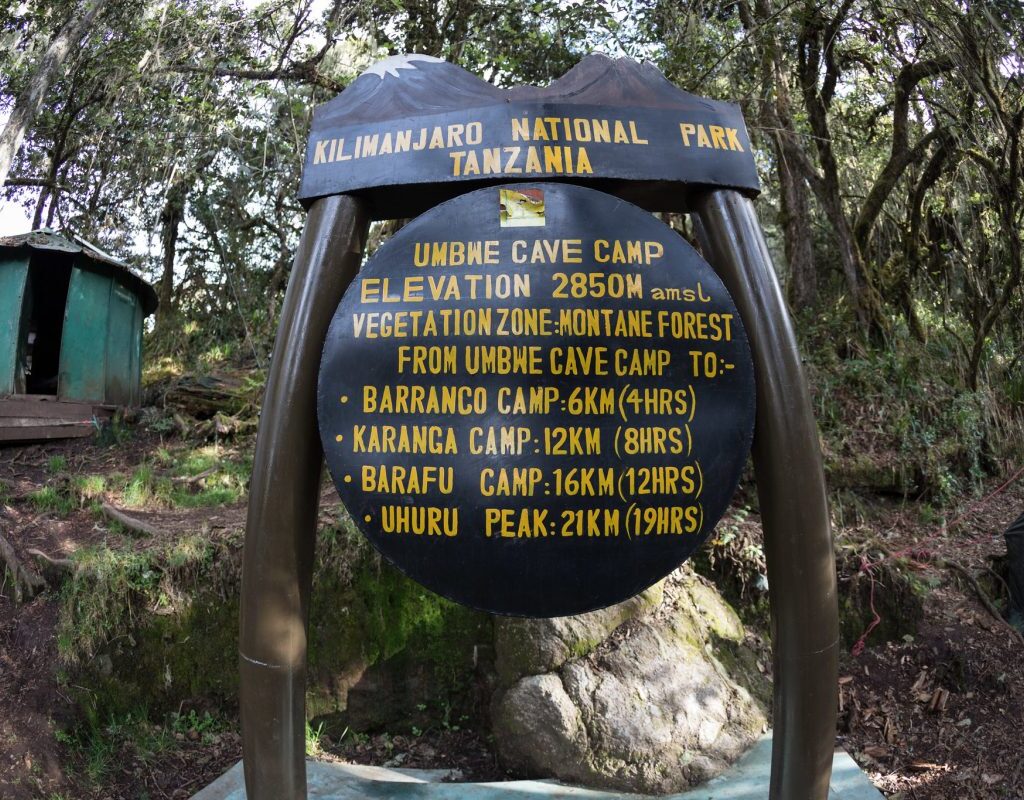
Umbwe Cave Camp – A Unique Overnight Experience on Mount Kilimanjaro Umbwe Cave Camp on Mount Kilimanjaro is one of the most remote and dramatic overnight stops on the famous Umbwe Route, attracting adventure seekers searching for an authentic Kilimanjaro climbing experience. Located at approximately 2,850–2,930 meters above sea level, this campsite sits deep within the lush rainforest zone, surrounded by towering trees, moss-covered rocks, and rich biodiversity. As the first camp on the Umbwe Route—widely regarded as the steepest and most challenging trail on Kilimanjaro—Umbwe Cave Camp offers a rugged, uncrowded alternative to popular routes like Machame or Marangu. Trekkers reach the camp after a demanding 5–7 hour hike through dense forest, muddy paths, and sharp ascents, making it ideal for experienced climbers seeking a fast-paced ascent. Unlike developed camps, Umbwe Cave Camp has minimal facilities, typically limited to basic camping areas and simple pit latrines, enhancing its raw wilderness appeal. Its serene atmosphere, low traffic, and proximity to historic Umbwe Caves create a unique, immersive start to a Kilimanjaro adventure. Key Details About Umbwe Cave Camp on Mount Kilimanjaro Location/Elevation Located in the dense montane forest zone, it sits at approximately 2,850m to 2,944m above sea level. The walk from Umbwe Gate to this camp is a very steep, rigorous, and often muddy hike through dense forest. Purpose It is the primary overnight stop for the first night of the 5- or 6-day Umbwe Route. The following day’s trek takes hikers from the forest zone into the heather and moorland zone, ascending toward Barranco Camp. The Cave A massive natural volcanic cave sits adjacent to the camping area, serving as a landmark and sheltered area. Umbwe Cave Camp offers a unique, serene, and, for many, the most memorable night’s sleep of the adventure because of its deep forest location. Atmosphere It is widely considered one of the least crowded and most secluded campsites on Kilimanjaro, offering a true wilderness experience. Bed Type | Mountain Tent Area | Kilimanjaro Umbwe Route Full Board Environment The camp is characterized by dense, wet, and misty jungle conditions surrounded by steep ridges. Bed Type | Mountain Tent Area | Kilimanjaro Umbwe Route Full Board Facilities As with most Kilimanjaro sites, camping is done in tents, with tents, sleeping pads, and dining areas set up by the crew Bed Type | Mountain Tent Area | Kilimanjaro Umbwe Route Full Board Umbwe Route – Umbwe Gate – Umbwe Cave Camp Our driver picks you up at the hotel and takes you to the Umbwe Gate to complete the registration formalities. The Kilimanjaro climb begins through dense rainforest, where you can hear and spot various animals. As you approach the Umbwe River, the route becomes steeper, offering views of Kibo Peak in the distance and the deep valleys surrounding you. The climb ends after 5-7 hours at Umbwe Cave Camp. Umbwe Cave Camp Map The Umbwe Cave Camp map on Mount Kilimanjaro highlights one of the most remote and steep trekking approaches via the Umbwe Route. Located at an elevation of approximately 2,850 m, the camp sits on the southern rainforest slopes between the Umbwe and Lonzo rivers, surrounded by dense vegetation and rugged ridgelines. The map typically shows the trail starting at Umbwe Gate, ascending sharply through forest terrain to the campsite, then continuing toward Barranco Camp. As a key first stop, Umbwe Cave Camp marks a challenging yet scenic entry point, favored by experienced climbers seeking solitude and a direct Kilimanjaro ascent. Request A free Quote How difficult is the Umbwe Route The Umbwe Route on Mount Kilimanjaro is widely recognized as the most difficult Kilimanjaro route, attracting experienced trekkers seeking a physically demanding adventure. Its reputation comes from its steep, direct ascent profile, which gains altitude rapidly with minimal acclimatization time. Unlike popular routes such as Machame or Lemosho, Umbwe offers a short but intense climb, making altitude sickness a real concern. The trail rises sharply through dense rainforest before transitioning into rugged ridges and alpine terrain. This combination of fast elevation gain and limited recovery time significantly lowers summit success rates compared to other Kilimanjaro routes. For climbers searching for solitude, the Umbwe Route provides fewer crowds but demands excellent fitness, mental resilience, and prior high-altitude trekking experience. Request A free Quote What is the distance of the Umbwe Route, and how many days does it take The Umbwe Route covers approximately 53 kilometers (32–33 miles) from start to summit and descent, making it the shortest route up Mount Kilimanjaro. Despite its shorter distance, it is not easier—in fact, it is far more strenuous due to its steep gradients. Trekkers typically complete the route in 5 to 7 days, though most reputable operators recommend 6 or 7 days for better acclimatization and higher summit success rates. A 5-day itinerary is considered too rushed and increases the risk of altitude sickness. The journey begins on the southern slopes of Kilimanjaro, merging with the Southern Circuit near Barranco Camp before summiting via Barafu and descending through the Mweka Route. This structure defines the Umbwe Route map and overall trekking flow. Request A free Quote Umbwe Gate to Umbwe Camp The first trekking day on the Umbwe Route begins at Umbwe Gate (about 1,600 meters) and ascends to Umbwe Cave Camp (around 2,850–2,900 meters). This stage covers roughly 10–11 kilometers and takes 5–7 hours of hiking through dense rainforest. The trail initially follows a forest track before quickly becoming steep and narrow, climbing along a ridge between the Umbwe and Lonzo rivers. The terrain is often muddy and humid, with towering trees and thick vegetation creating a dramatic jungle atmosphere. This section of the Umbwe Route map is crucial for setting the pace of the climb. It is physically demanding right from the start, with minimal warm-up, making it a true test of endurance. By evening, climbers reach Umbwe Cave Camp surrounded by lush forest. Umbwe Cave Camp Activities, Facilities, Dining, and Rooms Umbwe
The Big Five and Beyond – Must-See Tanzania Safari Wildlife
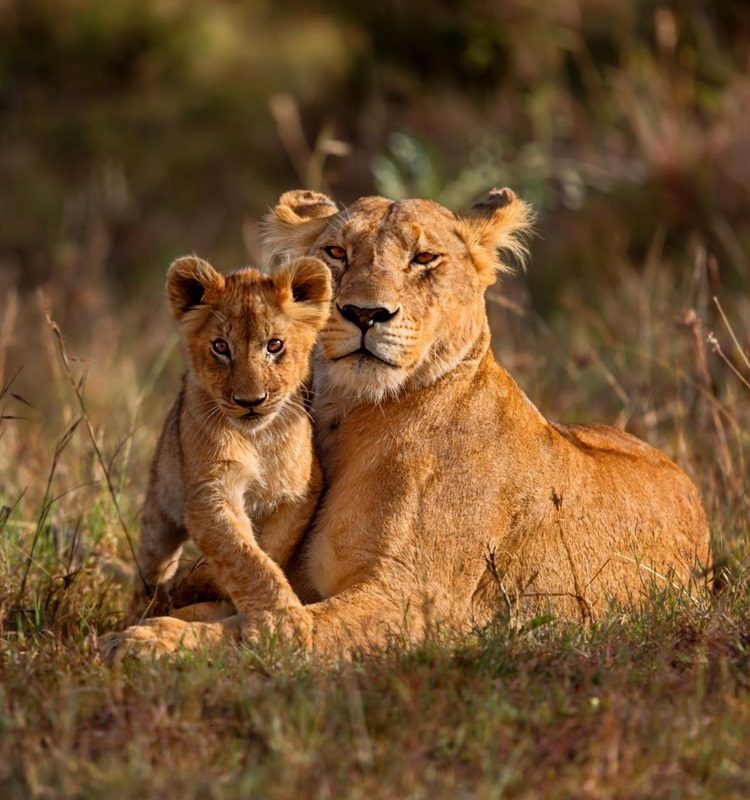
Tanzania stands as one of Africa’s ultimate safari destinations, a land where untamed wilderness, iconic landscapes, and extraordinary wildlife encounters define the journey. From the vast Serengeti plains to the dramatic Ngorongoro Crater, Tanzania safari wildlife experiences offer unmatched diversity. Travelers from around the world come seeking the legendary Big Five—lion, leopard, elephant, buffalo, and rhino—but quickly discover that Tanzania offers far more. This East African paradise is home to the Great Migration, rare birdlife, elusive predators, and vibrant ecosystems that create unforgettable moments. Whether you are planning a luxury safari, budget adventure, honeymoon getaway, or family trip, Tanzania delivers exceptional game viewing year-round. In this guide, we explore the Big Five and beyond, uncovering must-see wildlife experiences, top safari destinations, and expert travel insights to help you plan the ultimate Tanzania safari adventure. The Big Five: Africa’s Most Iconic Wildlife African Lion (Panthera leo) The African lion is one of the most sought-after animals on a Tanzania safari, symbolizing power and wilderness. Found in iconic destinations like Serengeti National Park and Ngorongoro Crater, lions are often seen resting under acacia trees or stalking prey during early morning and evening game drives. Tanzania hosts some of Africa’s largest lion populations, making it a prime location for wildlife photography and luxury safari tours. Watching a pride interact offers unforgettable safari moments, from playful cubs to dominant males guarding territory. Lions are the top highlights in Tanzania wildlife safaris, big cat safari tours, and Great Migration experiences. Their dramatic hunting behavior and social structure attract photographers, filmmakers, and travelers seeking authentic African safari adventures and unforgettable Luxury African Safari Tours wildlife encounters. African Elephant (Loxodonta Africana) The African elephant, the largest land animal on Earth, is a majestic highlight of any safari tour in Tanzania. Herds roam freely in Tarangire National Park, famous for its high elephant density and iconic baobab trees. These gentle giants display strong family bonds, often seen protecting calves and communicating through deep rumbles. Tanzania offers some of the best elephant safari experiences in Africa, especially during the dry season when herds gather near rivers. Elephant sightings are essential for Tanzania luxury safaris, African Big Five Safaris and Tours, Tanzania family safaris, and Tanzania photographic safari tours. Their intelligence, size, and emotional behavior make them unforgettable. From close encounters to panoramic landscapes filled with herds, elephants represent the essence of Tanzania wildlife safaris and are a must-see for anyone planning a dream African safari. African Leopard (Panthera pardus) Elusive and graceful, the African leopard is a prized sighting for safari enthusiasts visiting Tanzania. Known for its solitary nature and incredible camouflage, leopards are often spotted draped over tree branches in Lake Manyara National Park or hidden within the plains of Serengeti National Park. These nocturnal predators are skilled hunters, making sightings rare but thrilling. Tanzania is one of the best destinations for leopard safaris, especially for experienced guides who know where to look. Leopard sightings enhance luxury safari experiences, big cat safaris, and photography tours. Their mysterious behavior and stunning spotted coats make them a favorite among wildlife lovers. Encountering a leopard in the wild is often described as one of the most magical moments of a Tanzania safari adventure. African Buffalo (Syncerus caffer) The African buffalo is one of the most underestimated members of the Big Five, yet it plays a vital role in Tanzania’s ecosystem. Often found in large herds across Serengeti National Park and Ruaha National Park, buffalo are known for their unpredictable nature and formidable strength. They are a favorite target for predators like lions, leading to dramatic wildlife encounters. Buffalo sightings are common on Tanzania safaris, making them accessible for both first-time visitors and seasoned travelers. Their social structure, herd protection strategies, and resilience make them fascinating to observe. Buffalo are essential highlights in Tanzania wildlife tours, safari packages, and African game drives, contributing to the authentic wilderness experience that defines Tanzania as a top safari destination. Black Rhinoceros (Diceros bicornis) The black rhinoceros is the rarest of the Big Five and a true conservation success story in Tanzania. Best seen in Ngorongoro Crater, these critically endangered animals are heavily protected. Spotting a rhino is a highlight of any Tanzania safari, offering a sense of privilege and awe. Known for their solitary behavior and powerful build, black rhinos are browsers, feeding on shrubs and bushes. Tanzania’s conservation efforts have helped stabilize its population, making sightings possible with expert guides. Rhino encounters are key attractions for luxury safaris, eco-tourism, and wildlife conservation tours. Seeing a black rhino in its natural habitat is not just a safari achievement but a meaningful experience that connects travelers to Africa’s ongoing wildlife protection efforts. Beyond the Big Five: Other Wildlife Highlights Cheetah (Acinonyx jubatus) Cheetahs are the fastest land animals and a thrilling sight on Tanzania safaris. Commonly seen in the open plains of Serengeti National Park, they rely on speed and agility to hunt prey. Unlike other big cats, cheetahs hunt during the day, making sightings more frequent. Tanzania is a top destination for cheetah safaris, especially during the Great Migration when prey is abundant. Their slender bodies and tear-mark facial patterns make them easily recognizable. Watching a cheetah sprint across the savannah is a highlight for wildlife photographers and safari enthusiasts. Cheetahs add excitement to Tanzania safari tours, big-cat luxury African Safaris, bespoke Tours experiences, and African wildlife adventures. Giraffe (Giraffa camelopardalis) The giraffe, Tanzania’s national animal, is a graceful and iconic presence on safari. Frequently seen browsing treetops in Tarangire National Park and Arusha National Park, giraffes offer stunning photographic opportunities. Their long necks and unique patterns make each identifiable. Giraffes move in loose groups and are known for their calm demeanor. They are a favorite on family safaris, Luxury African Big 5 Safari Tours & Tailor-Made Trips, East Africa Safari Inspired by Conde Nast Traveler, African Safari Holidays, and luxury wildlife tours. Watching giraffes walk across the African savannah at sunset is a classic safari moment. Their presence enhances Tanzania wildlife safaris, making
Mawenzi Tarn Camp
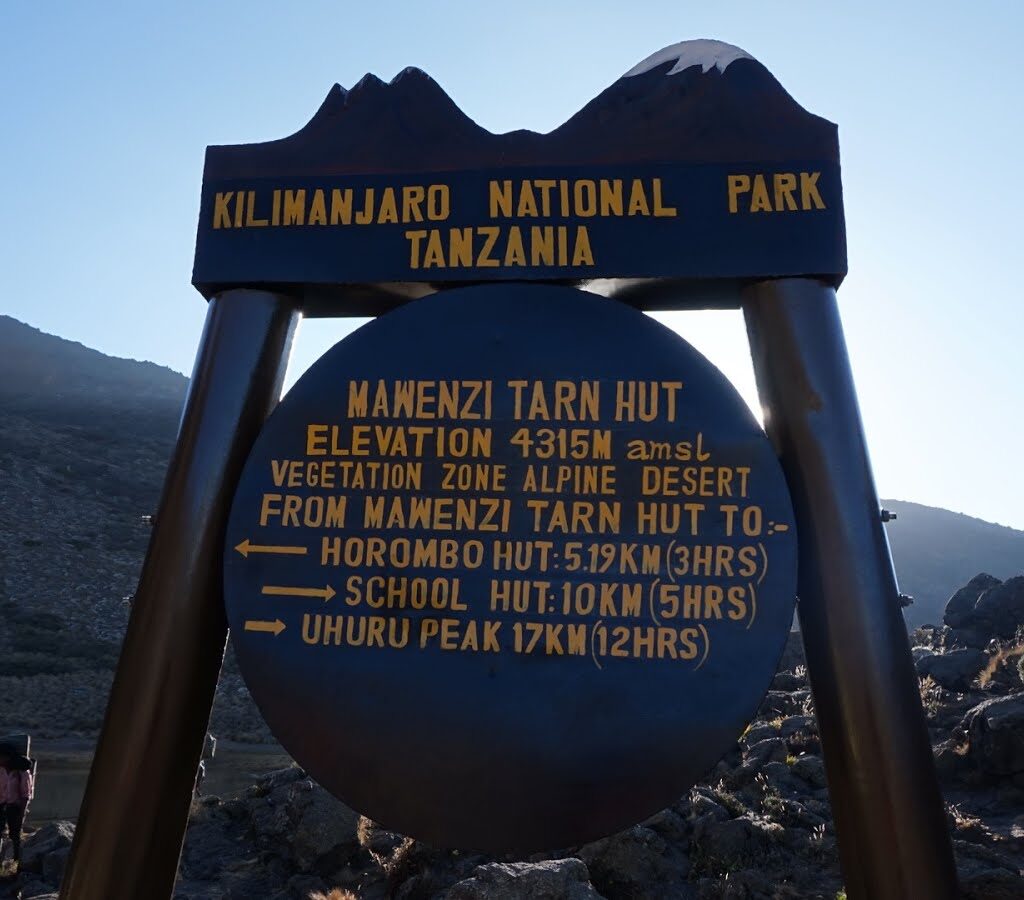
Mawenzi Tarn Camp – Scenic High Camp on Kilimanjaro Nestled beneath the jagged spires of Mawenzi Peak on Mount Kilimanjaro, Mawenzi Tarn Camp is a breathtaking high-altitude campsite at 4,300 meters, offering one of the most scenic and peaceful stops on the Rongai Route. This remote alpine desert camp sits beside a small glacial lake, creating a dramatic contrast of rugged volcanic terrain and tranquil water reflections. Kilimanjaro National Park surrounds the area with raw wilderness, where silence, star-filled skies, and sweeping cloud views define the experience. Highly valued for acclimatization, Mawenzi Tarn Camp provides climbers with a serene environment to rest before the summit push, while enjoying panoramic views of the Saddle Plateau between Mawenzi and Kibo. The camp features simple tented accommodation, basic facilities, and water sourced from the nearby tarn for sanitation. Its secluded setting, minimal crowds, and striking landscapes make it a hidden gem for trekkers seeking authentic Kilimanjaro adventure, natural beauty, and unforgettable high-altitude camping experiences. Key Aspects of Mawenzi Tarn Camp High-Altitude Location (4,330m) Situated on the edge of the Saddle Plateau at 4,330 meters, the camp serves as an excellent, vital stop for acclimatization before tackling the final summit push. Spectacular Scenery The camp is nestled directly below the jagged, imposing spires of Mawenzi Peak, the second-highest peak on Kilimanjaro. The “Tarn” (Water Source) It is one of the few camps on the mountain located beside a small, natural tarn, providing scenic beauty and water, although treatment is required. Rongai Route Pivot Point Primarily used by climbers on the Rongai route, the camp provides a strategic, scenic alternative to the standard itinerary, acting as a pivotal, breathtaking stop, according to Climb Mount Kilimanjaro. Bed Type | Mountain Hut Area | Rongai Route Full Board Small and Intimate Atmosphere It is a small, quiet, and tranquil spot, offering a more remote and serene experience compared to larger, busier campsites like Horombo. Bed Type | Mountain Hut Area | Rongai Route Full Board Basic Camping Infrastructure There are no huts, only open-air camping. Facilities are minimal, featuring only a small ranger’s hut and basic pit latrines Bed Type | Mountain Hut Area | Rongai Route Full Board Mawenzi Tarn Camp Weather, Climate, and Vegetation Set high on the rugged eastern flank of Mount Kilimanjaro, Mawenzi Tarn Camp offers a dramatic alpine climate shaped by altitude and exposure. Days are typically cool and crisp, with temperatures ranging between 5°C and 15°C, while nights can drop well below freezing, especially during the dry seasons from June to October and January to March. The weather is often clear, revealing spectacular views of Mawenzi Peak, though sudden mists and winds are common. Vegetation here transitions into afro-alpine moorland, dominated by hardy tussock grasses, giant lobelias, and everlasting flowers adapted to extreme conditions. This unique ecosystem creates a surreal, almost lunar landscape, making Mawenzi Tarn Camp one of the most visually striking and ecologically fascinating camps on Kilimanjaro. What we love at Mawenzi Tarn Camp Mawenzi Tarn Camp is widely loved for its raw beauty, tranquility, and unmatched proximity to the jagged spires of Mawenzi Peak. Unlike busier camps along other Kilimanjaro routes, this camp offers a quieter, more intimate trekking experience, perfect for climbers seeking solitude and connection with nature. The scenic tarn (mountain lake) beside the camp reflects the dramatic skyline, creating breathtaking sunrise and sunset views. Trekkers also appreciate the excellent acclimatization opportunities, as the camp is often used for rest and short hikes. The sense of wilderness here is profound, with fewer crowds and expansive views across the moorland. It’s a favorite among adventurers on the Rongai Route who want a unique perspective of Mount Kilimanjaro away from the main trails. Mawenzi Tarn Camp on Kilimanjaro Map Mawenzi Tarn Camp is strategically located on the northeastern side of Mount Kilimanjaro, along the scenic Rongai Route—one of the quieter and less crowded approaches to the summit. On the Kilimanjaro map, it sits beneath the towering cliffs of Mawenzi Peak, offering a unique contrast to the gentler slopes of Kibo. Positioned between Second Cave Camp and Kibo Hut, Mawenzi Tarn serves as a key acclimatization stop before the final ascent. Its location provides trekkers with a rare chance to explore the eastern alpine zone of Kilimanjaro. The camp’s placement near a small glacial tarn enhances its scenic value, making it a standout point on trekking maps and a must-visit landmark for those choosing the Rongai Route. Request A free Quote How high is Mawenzi Tarn Camp Mawenzi Tarn Camp sits at an altitude of approximately 4,315 meters (14,160 feet) above sea level on Mount Kilimanjaro. This elevation places it firmly within the alpine desert zone, where oxygen levels are significantly lower and temperatures can drop below freezing, especially at night. Trekkers often begin to feel stronger effects of altitude here, making acclimatization practices essential. Spending a night at Mawenzi Tarn Camp helps the body adjust before ascending to higher camps like Kibo Hut. The height also offers incredible panoramic views across the mountain and surrounding plains. Understanding the altitude of Mawenzi Tarn Camp is crucial for preparation, as it marks a transition into more challenging high-altitude trekking conditions on the journey to Uhuru Peak. Where is Mawenzi Tarn Camp located Mawenzi Tarn Camp is located on the eastern side of Mount Kilimanjaro, nestled directly beneath the steep slopes of Mawenzi Peak, the mountain’s second-highest summit. It lies along the Rongai Route and is one of the last major camps before trekkers traverse toward Kibo. The camp sits beside a small alpine lake, which provides a rare water source in this otherwise dry, rocky environment. Its location offers dramatic views of Mawenzi’s rugged cliffs and the saddle that connects Mawenzi and Kibo peaks. This remote positioning makes it less crowded than camps on southern routes. The setting is both beautiful and harsh, giving trekkers a true sense of Kilimanjaro’s wild alpine landscape while providing a strategic stop for acclimatization
Kikelelwa Camp
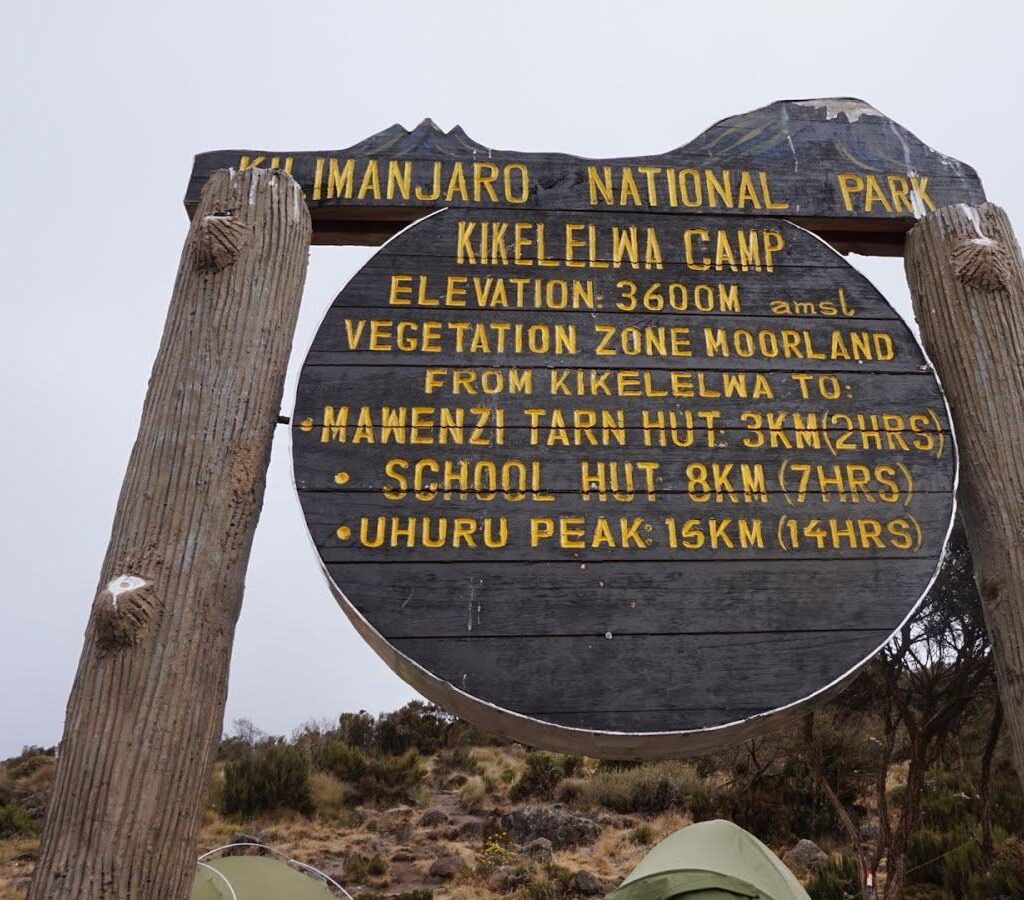
Kikelelwa Camp on Mount Kilimanjaro Perched on the remote northeastern slopes of Mount Kilimanjaro, Kikelelwa Camp is a scenic and tranquil overnight stop along the famous Rongai Route, ideal for climbers seeking a quieter Kilimanjaro trekking experience. Sitting at 3,600 meters above sea level, this high-altitude campsite serves as a key acclimatization point before ascending toward Mawenzi Tarn. Kikelelwa Camp on Mount Kilimanjaro surrounded by striking moorland vegetation, giant senecios, and sweeping mountain views, the camp offers a raw, authentic wilderness atmosphere. Kilimanjaro National Park enhances its appeal with unspoiled landscapes and minimal crowds. Accommodation at Kikelelwa Camp is purely camping-based, with trekkers pitching tents and enjoying hearty, energy-rich meals prepared by mountain crews. Despite basic facilities like pit latrines and limited water supply, the experience is unforgettable—featuring star-filled skies, crisp alpine air, and peaceful silence. For those planning a Mount Kilimanjaro climb, Kikelelwa Camp delivers a perfect blend of adventure, solitude, and breathtaking natural beauty. Key Aspects of Kikelelwa Camp on Mount Kilimanjaro Location and Scenery Located on the northwest side of Kilimanjaro, it serves as the traditional, necessary first stop after starting at the Londorossi Gate, allowing hikers to ease into the trek, usually after a 3-4 hour hike. Accommodation and Facilities This is a public, open-site camping area with no permanent huts. Hikers must bring their own tents, or use tents provided by tour operators. The camp has a single semi-permanent ranger hut for administration. Toilet Facilities There are no indoor toilets, and travelers often use pit latrines (dry toilets). Climate The site is often exposed to winds as it lacks dense trees for shelter, making it cold, especially at night. Bed Type | Mount Tent Area | Rongai Route Full Board Acclimatization Situated at over 3,600m, it allows for a gradual increase in altitude. Bed Type | Mount Tent Area | Rongai Route Full Board Route Context It is used exclusively on the Rongai route—often considered the best route for those seeking a less crowded, remote experience, particularly during the wet season, as it lies in a dry rain shadow. Bed Type | Mount Tent Area | Rongai Route Full Board How high is Kikelelwa Camp Kikelelwa Camp sits at approximately 3,600 meters (11,800 feet) above sea level on the slopes of Mount Kilimanjaro. This altitude makes it a crucial acclimatization stop for trekkers climbing Africa’s highest peak via the Rongai Route. At this elevation, the air becomes thinner, and hikers begin to feel the real effects of high altitude, making proper pacing and hydration essential. Kikelelwa Camp is often reached after leaving the moorland zone, offering a cooler climate and breathtaking alpine scenery. Many climbers consider this altitude perfect for gradual adaptation before ascending to higher camps like Mawenzi Tarn. Its elevation also provides sweeping panoramic views, making it one of the most scenic overnight stops. Understanding the altitude of Kikelelwa Camp helps trekkers prepare physically and mentally for the Kilimanjaro summit journey. Where is Kikelelwa Camp located on Kilimanjaro Kikelelwa Camp is located on the northeastern side of Mount Kilimanjaro along the famous Rongai Route, the only trail approaching the mountain from the north near the Kenyan border. This remote location makes it less crowded compared to southern routes like Machame or Marangu. Positioned between Second Cave and Mawenzi Tarn, Kikelelwa Camp lies in a sheltered valley surrounded by giant heather and rugged alpine landscapes. Its unique position offers incredible views of Mawenzi Peak, Kilimanjaro’s jagged secondary summit. The northern approach provides a drier climate, making Kikelelwa Camp a preferred stop during rainy seasons. Its peaceful setting allows trekkers to experience a quieter, more intimate Kilimanjaro adventure. This location is ideal for those seeking solitude, scenic beauty, and a gradual acclimatization profile during their trek. Kikelelwa Campon Kilimanjaro Map On a Kilimanjaro trekking map, Kikelelwa Camp is clearly marked along the Rongai Route between Second Cave and Mawenzi Tarn Camp. It sits slightly off the main ridge in a scenic valley, making it distinct from other camps located directly along the trail. The map shows a gradual ascent from the northern slopes, highlighting Kikelelwa Camp as a mid-altitude stop critical for acclimatization. Trekkers typically reach this camp after a moderate hike through moorland terrain. Maps also illustrate its proximity to Mawenzi Peak, offering insight into the dramatic landscapes surrounding the camp. Whether using digital GPS maps or traditional trekking charts, Kikelelwa Camp is easy to identify as a key overnight point. Understanding its map position helps trekkers visualize the route progression and plan their Kilimanjaro climbing itinerary effectively. Request A free Quote What makes Kikelelwa Camp special on the Rongai Route Kikelelwa Camp is considered one of the most scenic and peaceful camps on the Rongai Route. Its secluded valley setting, surrounded by towering heather plants and alpine wilderness, offers a tranquil atmosphere rarely found on busier Kilimanjaro trails. Unlike crowded camps, Kikelelwa provides a quiet environment where trekkers can relax and connect with nature. The stunning views of Mawenzi Peak create a dramatic backdrop, especially during sunrise and sunset. Its position also makes it a perfect acclimatization stop, helping climbers adjust to altitude gradually. The camp’s unique terrain, with soft grassy areas and natural shelter, enhances comfort compared to more exposed camps. Many climbers highlight Kikelelwa Camp as a memorable highlight of their journey due to its beauty, serenity, and strategic importance on the climb. How is the camping experience different at Kikelelwa Camp Camping at Kikelelwa Camp feels more intimate and immersive compared to other Kilimanjaro camps. The smaller number of trekkers creates a quieter, less commercial atmosphere. The camp is set on soft ground, making tent pitching more comfortable than rocky high-altitude camps. Its sheltered valley location protects trekkers from strong winds, improving overall comfort during the night. The surrounding vegetation adds a sense of warmth and natural beauty, unlike the barren landscapes found at higher elevations. Nights are colder due to altitude, but the peaceful environment enhances rest and recovery.
Second Cave Camp
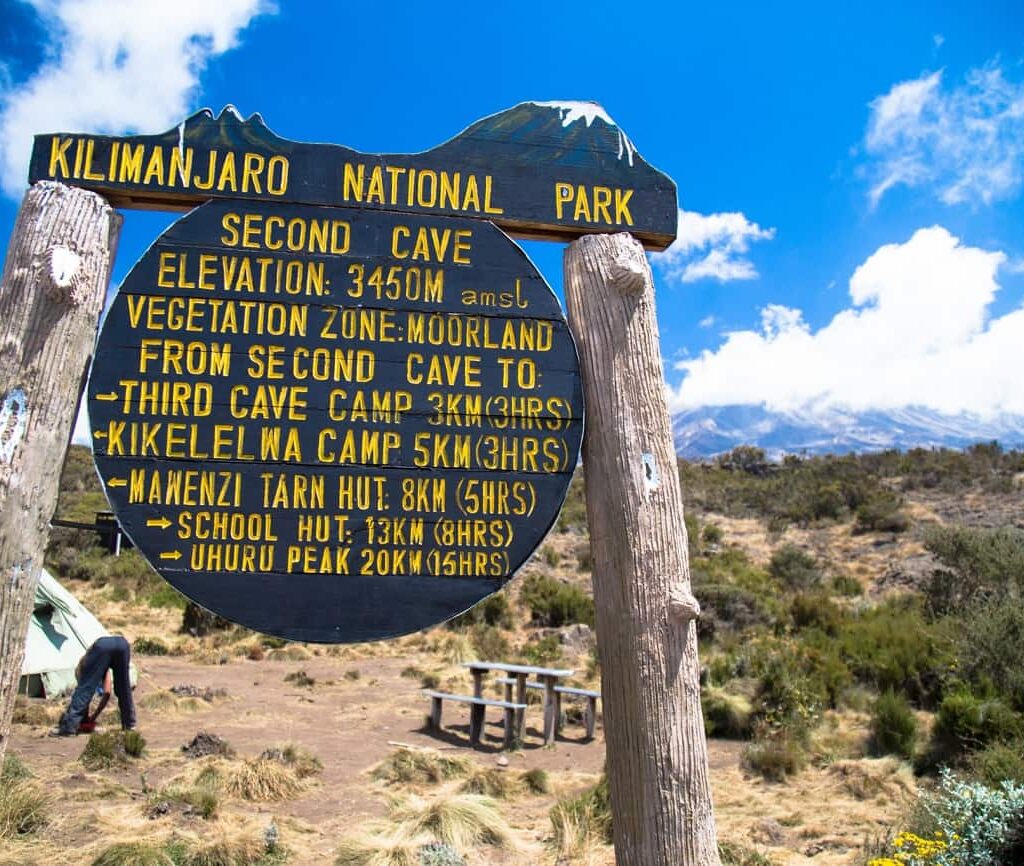
Second Cave Camp | Kilimanjaro’s Rongai Route Rest Stop Second Cave Camp on Mount Kilimanjaro, located along the scenic Rongai Route, is a vital acclimatization stop for climbers seeking a successful Tanzania trekking experience. Situated at approximately 3,450 meters above sea level, this remote wilderness campsite offers breathtaking views of Mawenzi Peak and the vast northern slopes of Africa’s highest mountain. The Rongai Route is known for its quiet, less crowded trails, making Second Cave Camp an ideal resting point for trekkers aiming to avoid congestion while enjoying pristine alpine landscapes. Climbers experience cooler temperatures, unique high-altitude vegetation, and a peaceful atmosphere that enhances gradual acclimatization for Kilimanjaro summit success. The camp features basic tented facilities, guiding teams, and stunning sunrise views that highlight the untouched beauty of Mount Kilimanjaro National Park. As part of a well-structured Kilimanjaro climbing itinerary, Second Cave Camp plays a crucial role in preparing hikers for higher elevations, ensuring safety, endurance, and memorable adventure on one of the world’s most iconic trekking routes in Tanzania. It remains a key acclimatization camp offering an unforgettable Kilimanjaro trekking experience with stunning northern route wilderness scenery views. Key Details About Second Cave Camp on Kilimanjaro Rongai Route Elevation and Landscape Located at 3,450 meters (11,320 feet), the Second Cave Camp (Go Climbing Kilimanjaro) is situated in the moorland vegetation zone, specifically below the third cave camp and featuring heather and rocky, open terrain. Primary Purpose (Lunch Stop) Most hikers stop here for a picnic lunch on Day 2 of the Rongai Route (Climbing Kilimanjaro) before moving on to the higher-elevation Kikelelwa Cave camp, though it can be used for overnight stays. No Permanent Infrastructure This camp is rustic, lacking huts or cabins, 2 requiring hikers to bring their own tents. It features only a small tent for ranger administration. Excellent Acclimatization & Views It offers superb views of the Kibo crater rim and Eastern icefields, acting as a great spot to acclimatize to high altitude before moving into the high alpine zone. Bed Type | Mount Tent Area | Rongai Route Full Board Water Scarcity & Sanitation Water is scarce, and the camp has no running water, with only basic pit latrines available for use. Bed Type | Mount Tent Area | Rongai Route Full Board Quiet Atmosphere Because the Rongai Route (Kilimanjaro Company) is less heavily trafficked, the camp is generally quieter, less crowded, and more scenic than routes like Marangu. Bed Type | Mount Tent Area | Rongai Route Full Board How high is Second Cave Camp on Kilimanjaro Second Cave Camp is located at an altitude of approximately 3,450 meters (11,319 feet) above sea level on Mount Kilimanjaro. This makes it one of the key mid-altitude resting points on the popular Marangu Route, often used for acclimatization before continuing toward higher camps such as Kibo Hut. At this elevation, the air is noticeably thinner, and climbers begin to feel the effects of reduced oxygen levels. The camp sits above Mandara Hut and is part of the gradual ascent through Kilimanjaro’s ecological zones, transitioning from rainforest to heath and moorland. Because of its elevation, Second Cave Camp is important for acclimatization on Kilimanjaro trekking routes, helping hikers adapt before reaching the summit zone. It is a crucial stop for improving summit success rates on Africa’s highest mountain. Where is Second Cave Camp located on Kilimanjaro Second Cave Camp is situated on the Marangu Route on the eastern side of Mount Kilimanjaro within Kilimanjaro National Park, Tanzania. It lies between Mandara Hut and Horombo Hut, forming part of the classic hut-based trekking system. The camp is positioned just after the forest zone, where the landscape opens into heath and moorland terrain. This location offers trekkers a gradual and scenic ascent through different ecological zones of Kilimanjaro. It is accessible only on foot, as all Kilimanjaro routes are non-vehicular. The camp’s strategic placement makes it an important acclimatization stop for climbers adjusting to high altitude. Surrounded by volcanic slopes and open views, Second Cave Camp provides a peaceful and rugged environment that reflects the natural beauty of Mount Kilimanjaro trekking routes. Second Cave Camp on Kilimanjaro Map On a Kilimanjaro trekking map, Second Cave Camp appears along the Marangu Route trail section between Mandara Hut and Horombo Hut. It is marked as a minor but important acclimatization point on the eastern approach of Mount Kilimanjaro. The route begins at Marangu Gate, passes through dense rainforest to Mandara Hut, and then ascends gradually to Second Cave Camp before continuing upward. Maps typically show the camp located within the moorland zone, characterized by open landscapes and volcanic terrain. Its position helps trekkers visualize elevation gain and acclimatization progress during the climb. On most Kilimanjaro route maps, Second Cave Camp is not a major overnight hut but a short-stay or acclimatization stop, making it essential for understanding altitude progression and trekking logistics on the Marangu Route. Request A free Quote How difficult is the hike to Second Cave Camp The hike to Second Cave Camp is considered moderate in difficulty compared to other sections of Mount Kilimanjaro. Starting from Mandara Hut, trekkers experience a gradual ascent through changing vegetation zones, including forest edges and heathland. The trail is not technically challenging, but the increasing altitude makes physical effort more demanding. Most climbers feel the reduced oxygen levels as they approach 3,450 meters. The path is well-established and used frequently by trekkers on the Marangu Route Kilimanjaro climb, making navigation straightforward. However, stamina and slow pacing are important for avoiding altitude strain. While not steep or technical, the hike requires good endurance and acclimatization awareness. Overall, it is a manageable section that prepares climbers for more difficult stages ahead on their Kilimanjaro ascent. What views can I see from Second Cave Camp From Second Cave Camp, climbers are rewarded with expansive views of Kilimanjaro’s lower slopes and surrounding volcanic landscapes. On clear days, you can see sweeping moorland terrain stretching toward the
Simba Camp
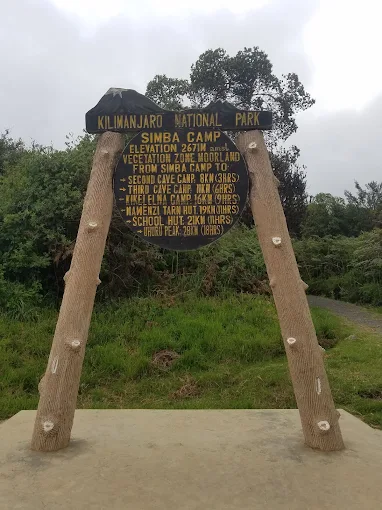
Simba Camp on Kilimanjaro | First Stop on Rongai Route Perched dramatically on the northern slopes of Mount Kilimanjaro, Simba Camp is a spectacular overnight stop along the scenic Rongai Route, one of the best routes for climbing Kilimanjaro. Known for its remote wilderness feel and breathtaking views over Kenya’s plains, Simba Camp sits at approximately 2,600 meters, offering climbers a peaceful and less crowded alternative compared to southern routes. This Kilimanjaro campsite is ideal for acclimatization, with cool mountain air, stunning sunrise and sunset views, and clear night skies perfect for stargazing. For travelers searching for “Kilimanjaro camping experience,” “Rongai Route itinerary,” or “best Kilimanjaro camps,” Simba Camp delivers an authentic adventure. Trekkers often spot wildlife such as colobus monkeys and antelope nearby, enhancing the safari-like atmosphere. The camp features basic but well-organized facilities, including designated tent areas and dining setups managed by experienced guides and porters. Simba Camp is a key highlight of any Tanzania trekking tour, combining adventure, serenity, and unforgettable landscapes, making it a must-visit stop for climbers aiming to conquer Africa’s highest peak. Key Aspects of Simba Camp on Kilimanjaro Location Situated on the northeastern edge of Kilimanjaro near the Kenyan border, typically reached after a 3-4 hour hike from the Rongai Gate through forest zones. Elevation Simba Camp is the first overnight stop on Kilimanjaro’s northern Rongai route, situated at approximately 2,600–2,700 meters. It offers a quiet, remote experience compared to southern routes, featuring stunning views of the Kenyan plains, basic tented accommodation, and access to moorland scenery. Accommodations & Facilities It is a rustic, high-altitude campsite with no permanent lodges. Accommodation consists of small, tented sites (often booked through operators) with pit latrines. Environment Located on the border of the forest and moorland zones, providing scenic views and cooler, sunny weather compared to the humid forest below. Bed Type | Mount Tent Area | Rongai route Full Board Wildlife Hikers may spot black-and-white Colobus monkeys, and occasionally buffalo or elephants in the surrounding areas. Bed Type | Mount Tent Area | Rongai route Full Board Route Context Serving as the first day’s destination, it is followed by a journey toward Second Cave Camp Bed Type | Mount Tent Area | Rongai route Full Board How high is Simba Camp on Kilimanjaro Simba Camp on Mount Kilimanjaro sits at an elevation of approximately 2,625 meters (8,612 feet) above sea level. This altitude places it within the moorland zone, where the landscape transitions from dense forest to open terrain dotted with giant heathers and volcanic rock. For climbers, reaching Simba Camp marks a significant milestone, as it is often the first overnight stop on the Rongai Route. At this height, the air begins to thin slightly, and temperatures drop noticeably, especially at night. While not extremely high compared to summit elevations, Simba Camp is crucial for early acclimatization. Trekkers often notice mild altitude effects here, making hydration and pacing essential. This elevation also offers stunning panoramic views, adding to the overall Kilimanjaro trekking experience. Where is Simba Camp on Kilimanjaro located on Kilimanjaro Simba Camp is located on the northeastern slopes of Mount Kilimanjaro, along the less crowded Rongai Route. Unlike the popular southern approaches, this route begins near the Kenyan border, offering a quieter and more remote trekking experience. Simba Camp lies just beyond the first day’s hike from the Rongai Gate, making it the initial overnight campsite for climbers. Its position provides unique views of the Kenyan plains and the northern side of Kilimanjaro, which is drier and less forested than other regions. This location is ideal for trekkers seeking solitude and scenic diversity. Being on the mountain’s northern circuit, Simba Camp also benefits from more stable weather conditions, making it a preferred choice for those looking to avoid heavy rainfall during their Kilimanjaro climb. Simba Camp on Kilimanjaro Map On a Kilimanjaro trekking map, Simba Camp appears along the Rongai Route, positioned between the Rongai Gate and Second Cave Camp. It is typically marked as the first overnight stop, making it easy to identify for climbers planning their itinerary. Located on the northeastern flank of Mount Kilimanjaro, Simba Camp sits at a moderate altitude and serves as a key acclimatization point. Most detailed Kilimanjaro maps highlight Simba Camp due to its importance in the ascent schedule. GPS coordinates and altitude markers are often included, helping trekkers visualize elevation gain. When reviewing a Kilimanjaro route map, Simba Camp represents the beginning of the moorland zone, where vegetation becomes sparse and views expand dramatically. It’s a strategic checkpoint in any Rongai Route itinerary. Request A free Quote What the hike to Simba Camp on Kilimanjaro feels like The hike to Simba Camp on Mount Kilimanjaro is a rewarding introduction to high-altitude trekking. Starting from Rongai Gate, the trail winds through lush rainforest filled with birds and occasional wildlife. As you ascend, the environment gradually transitions into moorland, with cooler views. The pace is gentle, allowing trekkers to acclimatize and enjoy the scenery. You’ll likely feel a mix of excitement and anticipation, as this is the beginning of your Kilimanjaro adventure. The trail is not technically difficult, but the steady incline provides a physical challenge. By the time you reach Simba Camp, there’s a strong sense of accomplishment. The experience sets the tone for the journey ahead, blending natural beauty with the thrill of climbing Africa’s highest mountain. Which routes pass through Simba Camp Simba Camp is exclusively associated with the Rongai Route on Mount Kilimanjaro, one of the quieter and more scenic paths to the summit. Unlike routes such as Machame or Marangu, the Rongai Route approaches Kilimanjaro from the north, offering a unique perspective and fewer crowds. Simba Camp serves as the first overnight stop for climbers beginning their ascent from Rongai Gate. This route is popular among trekkers seeking a less congested experience while still enjoying high summit success rates. The Rongai Route is also known for its gradual ascent profile, making