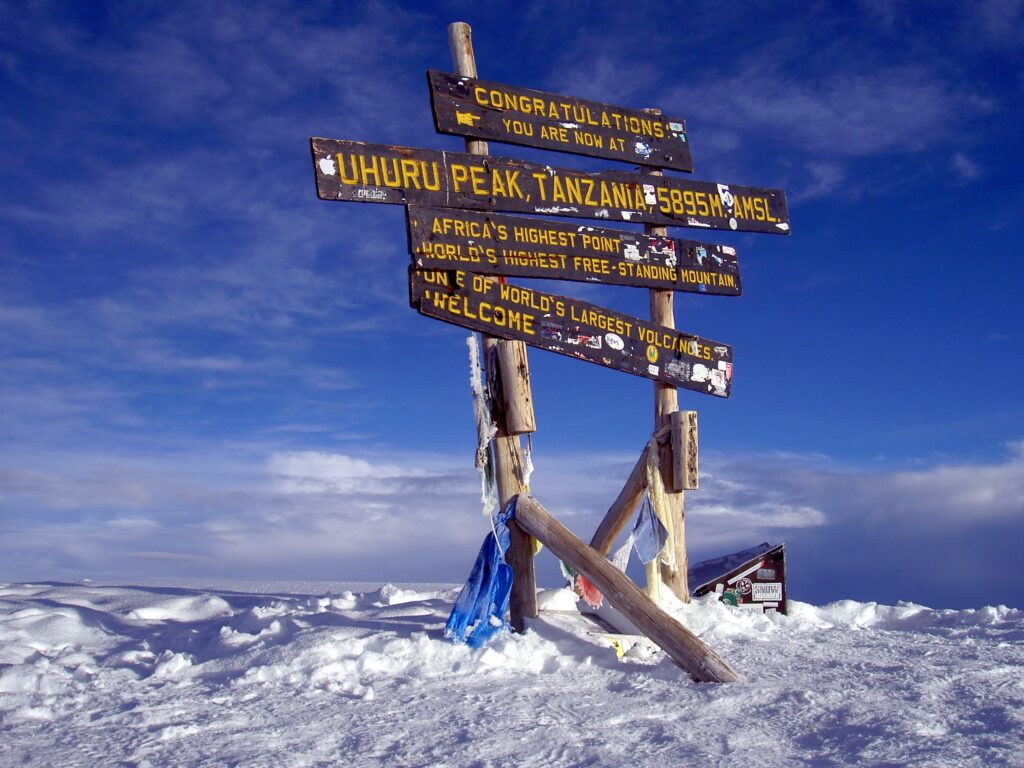
The Barranco, Karanga & Barafu Camp route forms the heart of Mount Kilimanjaro’s famous Southern Circuit Route, one of the most scenic and strategically important sections of the mountain. This trekking corridor is used by popular routes such as Machame, Lemosho, and Umbwe, leading climbers through dramatic landscapes before the final summit push to Uhuru Peak. Known for its high-altitude acclimatization benefits, breathtaking scenery, and challenging terrain, this route connects three essential camps: Barranco Camp, Karanga Camp, and Barafu Base Camp. Each camp plays a vital role in preparing climbers for the summit. From the iconic Barranco Wall to the icy slopes of Barafu, this route showcases Kilimanjaro’s diverse ecosystems, making it a key highlight for Kilimanjaro trekking tours, climbing expeditions, and African adventure safaris.
Southern Circuit Route Overview
The Southern Circuit Route is a key section on Mount Kilimanjaro that links major camps on the southern slope of the mountain. It is commonly used after crossing the Lava Tower, where climbers descend into Barranco Valley for better altitude acclimatization and summit success rates. This route offers some of the best views of Kilimanjaro’s glaciers, valleys, and volcanic formations. Trekkers experience a gradual transition from heath and moorland zones to alpine desert landscapes, making it one of the most visually rewarding paths. The Southern Circuit is not a standalone route but a connecting trail used by top trekking routes like Machame and Lemosho. It is essential for climbers aiming for a safer ascent to Uhuru Peak while enjoying iconic features like Barranco Wall, Karanga Valley, and Barafu Camp base preparation zone.
Barranco Camp Overview – Elevation: 13,044 feet / 3,976 meters
Barranco Camp is one of the most scenic and famous camps on Mount Kilimanjaro, located at approximately 3,976 meters. It sits at the base of the iconic Barranco Wall, a steep but non-technical climb that challenges trekkers early in their journey. The camp is surrounded by dramatic valleys, giant groundsels, and unique alpine vegetation, offering an unforgettable Kilimanjaro experience. Known for its excellent acclimatization environment, Barranco Camp is a key stop for climbers using the Machame and Lemosho routes. Nights here are cold but peaceful, with stunning views of Kibo Peak in the distance. Many climbers consider Barranco one of the most beautiful camps on the entire mountain due to its dramatic landscape, sunrise views, and the thrilling anticipation of climbing the Barranco Wall the following morning.
Barranco Wall Challenge
The Barranco Wall is one of the most iconic features of the Southern Circuit Route on Mount Kilimanjaro. Despite its intimidating appearance, it is a non-technical scramble that requires basic climbing skills and steady footing. Rising over 250 meters, the wall leads climbers from Barranco Camp into Karanga Valley. It is often described as the “Breakfast Wall” because trekkers typically climb it early in the morning. The route includes narrow paths and rocky sections, but guides assist climbers safely to the top. Once completed, trekkers are rewarded with breathtaking views of glaciers, valleys, and the southern slopes of Kilimanjaro. The Barranco Wall is not only a physical challenge but also a mental boost, as it builds confidence for the more demanding summit sections ahead on the Kilimanjaro climbing expedition.
Karanga Camp Overview – Elevation: 13,106 feet / 3,995 meters
Karanga Camp is a crucial acclimatization stop located at approximately 3,995 meters on Mount Kilimanjaro. Positioned between Barranco Camp and Barafu Camp, it serves as a resting point for climbers preparing for the final ascent. The trail to Karanga includes rolling ridges and scenic descents, offering panoramic views of the mountain’s icy summit. Karanga is often called the “energy recovery camp” because it allows trekkers to rest, hydrate, and adapt to the thinning air. Vegetation becomes sparse here, marking the transition into Kilimanjaro’s alpine desert zone. Although close in elevation to Barranco, Karanga plays a vital role in improving summit success rates on Kilimanjaro routes. The camp is quiet, exposed, and cold at night, but it provides essential preparation before the challenging climb to Barafu Camp.
Karanga Valley Experience
Karanga Valley is a striking landscape section that connects Barranco Camp to Karanga Camp on Mount Kilimanjaro’s Southern Circuit Route. The trail passes through steep ridges, dry riverbeds, and rocky slopes shaped by volcanic activity. This valley is known for its high-altitude trekking conditions and rapid weather changes, making it both challenging and rewarding. Climbers often experience breathtaking views of Kibo Peak while crossing the valley. The terrain requires moderate endurance but is less technical than the Barranco Wall. Karanga Valley plays an important role in acclimatization, allowing climbers to adjust before reaching higher elevations. It is also a psychological milestone, as trekkers realize they are entering the final phase of their Kilimanjaro ascent. Many consider this section a quiet, reflective part of the journey toward the summit of Africa’s highest mountain.
Barafu Camp Overview – Elevation: 15,331 feet / 4,673 meters
Barafu Camp, located at approximately 4,673 meters, is the final base camp before the summit attempt on Mount Kilimanjaro. The name “Barafu” means “ice” in Swahili, reflecting its cold, harsh, and windy environment. This camp marks the end of the Southern Circuit Route and the beginning of the Uhuru Peak summit push. The terrain is rocky and barren, with little vegetation, emphasizing the extreme altitude conditions. Climbers typically arrive in the afternoon, rest briefly, and prepare for a midnight ascent. Barafu is known for its freezing temperatures and thin oxygen levels, making proper acclimatization essential. Despite its harsh conditions, it offers incredible views of Mawenzi Peak and the surrounding plains. Barafu Camp is a critical staging point in all major Kilimanjaro climbing routes, including Machame, Lemosho, and Umbwe.
Summit Preparation from Barafu
Summit preparation at Barafu Camp is one of the most intense stages of the Kilimanjaro climb. After arriving from Karanga Camp, climbers rest briefly before beginning the final ascent to Uhuru Peak. Guides prepare trekkers with hot meals, hydration, and gear checks to ensure readiness for extreme altitude conditions. Around midnight, climbers begin the slow, demanding ascent under freezing temperatures and strong winds. The path from Barafu leads through Stella Point and finally to the summit of Africa’s highest mountain. Proper pacing, hydration, and mental endurance are critical during this stage. Most climbers experience fatigue due to low oxygen levels, but determination and guide support make the summit achievable. Barafu Camp serves as the final psychological and physical checkpoint before reaching the Kilimanjaro summit success experience.
Acclimatization Importance
Acclimatization is one of the most important factors for success on the Southern Circuit Route of Mount Kilimanjaro. The gradual ascent through Barranco, Karanga, and Barafu Camps helps the body adjust to decreasing oxygen levels. This process significantly reduces the risk of altitude sickness, fatigue, and summit failure. The route is designed with a “climb high, sleep low” strategy, especially between Barranco and Karanga. Proper acclimatization increases oxygen efficiency and stamina, allowing climbers to perform better on summit night. Tour operators often recommend longer itineraries, such as 7–9 day climbs, to maximize acclimatization benefits. Without proper adaptation, climbers may struggle with headaches, nausea, and dizziness. Therefore, this section of the mountain is considered essential for safe and successful trekking on Kilimanjaro’s Southern Circuit Route.
Difficulty Level of the Route
The Barranco, Karanga & Barafu section of Kilimanjaro’s Southern Circuit Route is considered moderate to challenging depending on fitness and acclimatization. While the Barranco Wall is the most technical obstacle, it does not require climbing equipment. The main difficulty comes from high altitude and long trekking days. As climbers ascend from Barranco to Barafu, oxygen levels decrease significantly, increasing fatigue and slowing movement. Weather conditions also become colder and more unpredictable. Despite these challenges, the route is manageable for fit trekkers with proper preparation. It is widely used in popular Kilimanjaro trekking packages because it offers high summit success rates. The combination of scenic beauty and gradual ascent makes it one of the most recommended routes for both beginners and experienced hikers.
Best Time to Trek
The best time to climb Kilimanjaro via the Southern Circuit Route is during the dry seasons, which occur from January to March and June to October. These months offer clearer skies, stable weather conditions, and safer trekking paths. During this period, climbers enjoy spectacular views of Barranco Valley, Karanga slopes, and Barafu Camp without heavy rainfall or muddy trails. The dry season also improves visibility of Kilimanjaro’s glaciers and surrounding landscapes. However, it is also the busiest period, meaning more trekkers on the mountain. The rainy seasons, from April to May and November, bring fewer crowds but more challenging conditions. Choosing the right time is essential for comfort, safety, and maximizing summit success rates on the Kilimanjaro Southern Circuit Route.
Kilimanjaro Routes Using Southern Circuit
Several major Kilimanjaro routes utilize the Southern Circuit, making Barranco, Karanga, and Barafu Camps essential stops for most climbers. The most popular routes include Machame, Lemosho, and Umbwe, all of which converge after the Lava Tower before descending into Barranco Valley. From there, trekkers continue through Karanga Camp and onward to Barafu Camp for the summit push. These routes are known for their scenic diversity and high acclimatization success rates. The Southern Circuit is widely regarded as the best approach for reaching Uhuru Peak due to its gradual altitude gain and stunning landscapes. It allows climbers to experience multiple ecological zones while improving endurance. This makes it a preferred choice for Kilimanjaro guided tours, adventure trekking packages, and luxury mountain climbs.
Safety and Preparation Tips
Proper preparation is essential for safely completing the Barranco, Karanga & Barafu section of Kilimanjaro’s Southern Circuit Route. Climbers should focus on physical training, endurance hiking, and altitude conditioning before the expedition. Essential gear includes layered clothing, insulated jackets, trekking boots, and sleeping bags rated for extreme cold. Hydration is critical to prevent altitude sickness and maintain energy levels. Slow pacing is recommended, especially during steep sections like Barranco Wall. Following the guide instructions significantly increases safety and summit success. The weather on Kilimanjaro can change rapidly, so climbers must be prepared for cold winds, rain, and freezing conditions. Choosing experienced tour operators ensures better logistics, safety support, and proper acclimatization planning. These preparations are vital for a successful and safe Kilimanjaro climbing experience.
What is the difficulty of the Southern Circuit Route?
The Southern Circuit Route on Mount Kilimanjaro is considered a moderate to challenging trekking route, mainly due to high altitude gain rather than technical climbing difficulty. While no mountaineering skills are required, climbers must be prepared for long hiking days, steep ascents like the Barranco Wall, and rapidly changing terrain from rainforest to alpine desert. The biggest challenge is altitude sickness risk above 4,000 meters, especially at Karanga and Barafu Camp. However, with proper acclimatization, hydration, and a slow “pole pole” pace, this route offers one of the highest summit success rates on Kilimanjaro trekking routes.
How long does the Southern Circuit Route take?
The Southern Circuit Route typically takes 7 to 9 days, depending on the itinerary chosen (Machame, Lemosho, Shira, or Umbwe variations). Longer itineraries are highly recommended because they allow better acclimatization, especially when passing through Barranco, Karanga, and Barafu Camp before the summit push to Uhuru Peak. A 7–8 day trek is ideal for balancing time and safety, while 9-day options significantly increase success rates. Most climbers reach Barafu Camp on day 5 or 6, rest briefly, then attempt the summit at midnight. Overall, the route duration is designed to maximize safe altitude adaptation and summit success probability.
What is the accommodation like on the Southern Circuit Route?
Accommodation along the Southern Circuit Route is tented camping only, as there are no permanent huts like on the Marangu Route. At Barranco, Karanga, and Barafu Camp, climbers sleep in high-quality expedition tents provided by tour operators. Camps are basic but well-organized, with dining tents, kitchen setups, and shared toilet facilities. Barranco Camp is known for its scenic beauty, Karanga Camp for rest and acclimatization comfort, and Barafu Camp for its rugged, high-altitude base camp atmosphere before summit night. Sleeping conditions become colder and more extreme as altitude increases, especially at Barafu, where temperatures often drop below freezing.
What kind of weather can I expect on the Southern Circuit Route?
The weather on the Southern Circuit Route changes dramatically with altitude. At Barranco Camp, conditions are cool with possible mist and afternoon fog due to its valley location. Karanga Camp is colder and windier, with temperatures approaching freezing at night. Barafu Camp is the harshest environment, located in the alpine desert zone where strong winds, dry air, and sub-zero temperatures are common. Across the route, climbers may experience sun, rain, fog, and even snow near the summit. Proper layering is essential, as Kilimanjaro weather is unpredictable and can shift within hours, especially above 4,000 meters.
What gear do I need for the Southern Circuit Route?
Essential gear packing list for the Southern Circuit Route includes layered clothing, thermal insulation, and high-altitude trekking equipment. Key items include waterproof jackets and pants, an insulated down jacket, thermal base layers, trekking boots with ankle support, gloves, warm hats, and UV sunglasses. A high-quality sleeping bag rated to -10°C or lower is crucial for Barafu Camp nights. Trekking poles are highly recommended for steep sections like the Barranco Wall. Additional essentials include a headlamp for summit night, a hydration system, sunscreen, and altitude medication if advised. Proper gear ensures comfort, safety, and a successful Kilimanjaro summit experience.
When is the best time to climb Kilimanjaro via the Southern Circuit Route?
The best time to climb Kilimanjaro via the Southern Circuit Route is during the dry seasons: January to March and June to October. These months offer clearer skies, safer trail conditions, and higher summit success rates due to stable weather. January–March is colder but less crowded, while June–October is the most popular trekking period with excellent visibility. Avoid the rainy seasons in April–May and November, when trails become slippery and cloud cover increases. Choosing the right season greatly improves the Kilimanjaro trekking experience, safety, and photographic opportunities along Barranco, Karanga, and Barafu Camp.
Final Thought
The Barranco, Karanga & Barafu Camp section of Mount Kilimanjaro’s Southern Circuit Route represents one of the most important and rewarding parts of the entire climb. It combines breathtaking scenery, challenging terrain, and essential acclimatization stages that prepare climbers for the final ascent to Uhuru Peak. From the iconic Barranco Wall to the high-altitude Barafu Base Camp, every step brings trekkers closer to the roof of Africa. This route is not just a physical journey but also a mental and emotional transformation. With proper preparation, guided support, and determination, climbers can successfully navigate this legendary path. The Southern Circuit remains one of the most popular choices for Kilimanjaro trekking tours, adventure safaris, Kilimanjaro reviews, and mountain climbing expeditions, offering a once-in-a-lifetime experience in the heart of Tanzania.