Kilimanjaro Summit
Kilimanjaro Summit
Reaching the Kilimanjaro Summit is one of the world’s most iconic bucket-list adventures, drawing trekkers, climbers, and nature lovers from across the globe. Standing at 5,895 meters, Mount Kilimanjaro is Africa’s highest peak and the tallest free-standing mountain on Earth. This ultimate trekking experience combines breathtaking landscapes, diverse ecosystems, and the thrill of high-altitude adventure travel. From lush rainforest to alpine desert and arctic summit, every step toward Uhuru Peak offers unforgettable views and personal triumph. Whether you’re planning a luxury Kilimanjaro climb, budget trekking tour, or private guided expedition, understanding routes, costs, success rates, safety tips, and the best time to climb is essential. This detailed guide is packed with top-ranking keys to help you plan, prepare, and conquer Kilimanjaro successfully.
Kilimanjaro Summit Overview
The Kilimanjaro Summit, known as Uhuru Peak, is the ultimate goal for climbers seeking a once-in-a-lifetime African trekking adventure. Located within Kilimanjaro National Park, this UNESCO World Heritage Site offers unmatched panoramic views above the clouds. Reaching the summit requires determination, proper acclimatization, and expert guidance from professional tour operators. The climb is non-technical, making it accessible to beginners with good fitness levels, such as “Kilimanjaro summit climb,” “Africa's highest mountain,” and “Uhuru Peak trekking experience” attract global adventurers. Climbers often begin their journey from Moshi or Arusha, choosing routes based on success rates, scenery, and duration. Standing at the summit sign is a life-changing achievement, symbolizing perseverance and adventure travel success.
Best Routes to Reach the Summit
Choosing the best Kilimanjaro route significantly impacts your summit success rate and overall trekking experience. The most popular routes include the Machame Route, the Marangu Route, the Lemosho Route, the Rongai Route, the Umbwe Route, and the Northern Circuit. Each route offers unique landscapes, difficulty levels, and acclimatization profiles. The Lemosho and Northern Circuit routes are highly recommended for higher success rates due to their gradual ascent and better altitude adjustment, best Kilimanjaro routes,” “highest summit success rate Kilimanjaro,” and “top trekking routes Tanzania” are essential for visibility. Climbers seeking scenic beauty often prefer the Machame Route, while budget travelers may choose the Marangu Route. Selecting the right route ensures a safer, more enjoyable journey to the Kilimanjaro Summit.
Kilimanjaro Summit Success Rates
Understanding Kilimanjaro summit success rates is crucial for planning a successful climb. Success rates vary depending on the chosen route, duration, and acclimatization strategy. Proper preparation, experienced guides, and slow ascent increase your chances of reaching the summit. Altitude sickness is the main challenge, making acclimatization days essential. Tour operators often emphasize “pole pole” (slowly, slowly) to ensure safe progression. A well-planned itinerary significantly boosts your likelihood of standing at Africa’s highest point.
Best Time to Climb Kilimanjaro
The best time to climb Kilimanjaro plays a major role in summit success and overall experience. During these peak seasons, climbers enjoy stable conditions and safer trekking paths. The rainy seasons (April-May and November) are less popular due to slippery trails and reduced visibility, though they offer fewer crowds. Choosing the right season enhances your chances of reaching Uhuru Peak comfortably while enjoying spectacular sunrise views from the summit.
Kilimanjaro Climbing Costs
Kilimanjaro climbing costs vary depending on route, duration, and level of comfort. Prices range from budget packages to luxury all-inclusive safari-style climbs, such as “Kilimanjaro climb cost,” “affordable Kilimanjaro tours,” and “luxury Kilimanjaro packages” dominate search engines. Budget climbs may cost around $1,850–$2,500, while premium luxury expeditions can exceed $6,000. Costs typically include park fees, guides, porters, meals, accommodation, and safety equipment. Choosing reputable tour operators ensures ethical treatment of porters and quality service. Understanding pricing helps travelers plan effectively while balancing cost and comfort. Investing in a reliable operator significantly increases your summit success rate and overall trekking experience.
- Accommodation
- Meals
- Park fees
- Vehicle & guide
- Transfers
- International flights
- Visas
- Travel insurance
- Tips
- Premium drinks
Physical Preparation for the Summit
Proper physical preparation is essential for a successful Kilimanjaro summit attempt. Hiking, running, and strength training help build stamina for long trekking days. Practicing with a backpack improves readiness for real conditions. While technical climbing skills are not required, good physical fitness enhances comfort and reduces fatigue. Mental strength is equally important, as summit night is challenging. Consistent preparation ensures you are ready to handle altitude, weather changes, and long trekking hours on your journey to Uhuru Peak.
Altitude Sickness and Safety Tips
Altitude sickness is the biggest challenge when climbing Kilimanjaro. Understanding symptoms and prevention methods is critical for safety, such as “Kilimanjaro altitude sickness,” “high altitude trekking safety,” and “how to avoid AMS,” which are essential for climbers. Common symptoms include headaches, nausea, and fatigue. Proper acclimatization, hydration, and slow ascent help reduce risks. Guides monitor climbers daily using oxygen level checks. Choosing longer routes improves acclimatization and increases summit success. Safety is a top priority, and reputable operators provide emergency support and evacuation procedures. Listening to your body and following the guide instructions ensures a safer journey to the Kilimanjaro Summit.
What to Expect on Summit Night
Summit night is the most challenging and rewarding part of the Kilimanjaro climb.Temperatures can drop below freezing, requiring proper gear and mental determination. The slow, steady climb tests endurance, but reaching the summit at sunrise offers breathtaking views above the clouds. This moment is often described as emotional and life-changing. Preparation and a positive mindset are key to overcoming the physical and mental challenges of summit night.
Essential Packing List
Essential items include layered clothing, waterproof jackets, thermal wear, hiking boots, gloves, and a warm sleeping bag. Proper gear protects against extreme weather conditions from the rainforest to the Arctic summit. Trekking poles, headlamps, and hydration systems enhance comfort and safety. Packing smart ensures you are ready for changing temperatures and terrain. Investing in high-quality gear improves your overall trekking experience and increases your chances of reaching the summit comfortably.
Kilimanjaro Summit Weather Conditions
Climbers experience rainforest humidity, alpine desert dryness, and freezing summit conditions. Temperatures at Uhuru Peak can drop to -20°C. Understanding weather patterns helps in proper preparation and gear selection. Dry seasons offer clearer skies and better trekking conditions, while wet seasons present challenges. Being prepared for extreme temperature changes ensures a safe and enjoyable climb. Weather awareness is essential for reaching the summit successfully.
Guided Tours and Tour Operators
Professional guides provide expertise, safety, and logistical support throughout the journey. Ethical operators ensure fair treatment of porters and high-quality service. Guided tours include meals, accommodation, and equipment, making the climb more comfortable. Experienced guides also improve acclimatization and success rates. Selecting a reputable company enhances your overall experience and ensures a safe, well-organized trek to the summit.
Kilimanjaro Summit for Different Travelers
Kilimanjaro climbing appeals to a wide range of travelers, including solo adventurers, families, honeymoon couples, and seniors, like “Kilimanjaro for beginners,” “family trekking in Tanzania,” and “luxury Kilimanjaro climb” are popular online. Routes and packages can be customized to suit different fitness levels and preferences. Luxury options offer comfortable tents, gourmet meals, and personalized services, while budget climbs provide affordable adventure experiences. The mountain’s accessibility makes it a top destination for diverse travelers. With proper planning, anyone can achieve the dream of reaching the Kilimanjaro Summit.
Combining Kilimanjaro with Safari
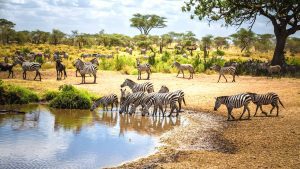
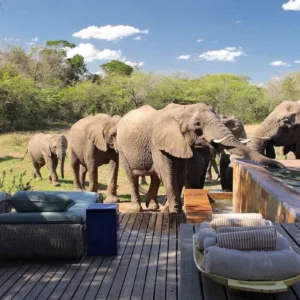
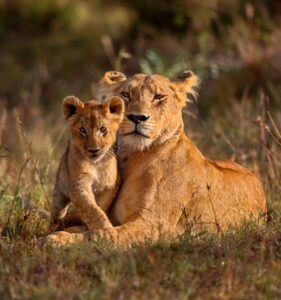
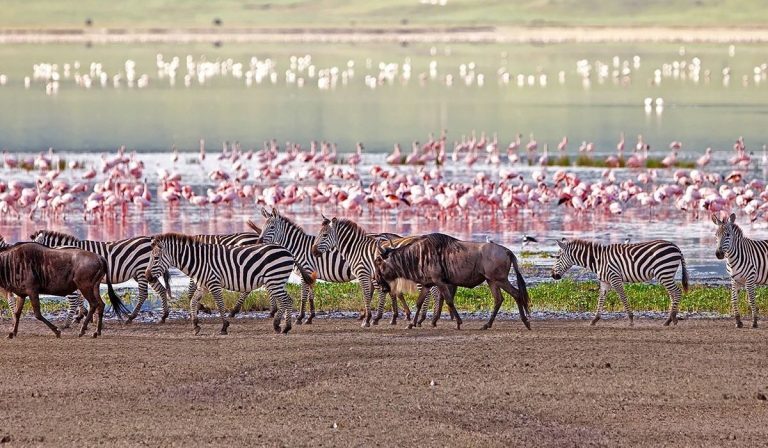
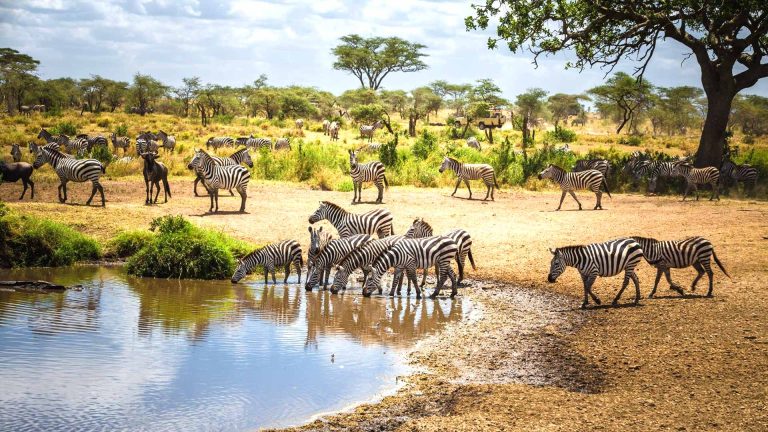
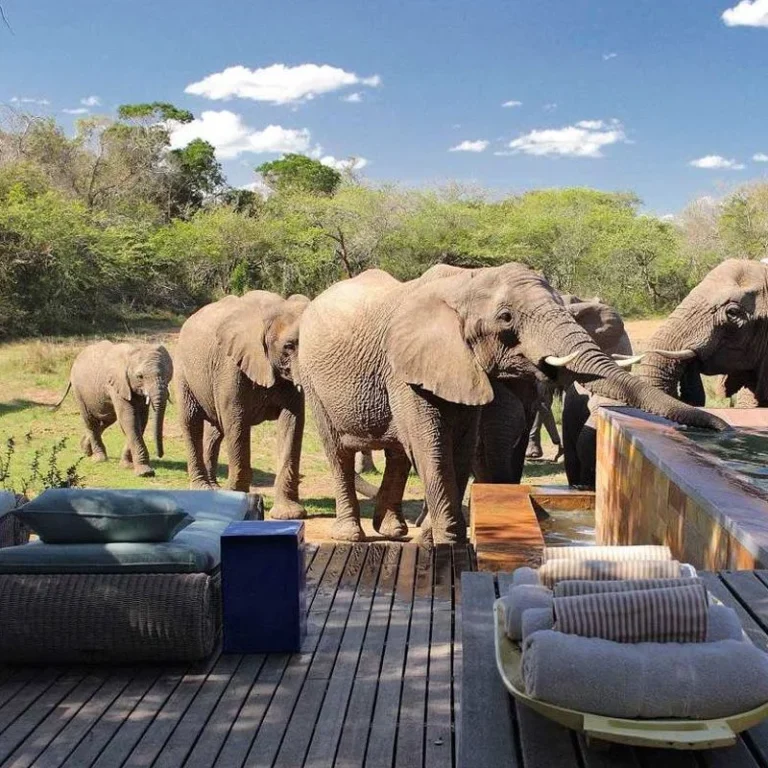
After summiting, visitors explore iconic parks like Serengeti, Ngorongoro Crater, and Tarangire. This combination offers wildlife encounters and relaxation after the climb. Tour operators provide seamless packages that include trekking and safari experiences. Combining both adventures creates a memorable journey filled with diverse landscapes and wildlife experiences.
Sustainable and Responsible Climbing
Sustainable tourism is essential for preserving Kilimanjaro’s natural environment, like “eco-friendly Kilimanjaro climb,” “responsible trekking Tanzania,” and “sustainable travel Africa” are increasingly important. Ethical tour operators follow environmental guidelines and support local communities. Proper waste management and respecting park rules help protect the mountain. Supporting fair wages for porters ensures responsible tourism practices. Choosing sustainable options contributes to conservation and enhances your travel experience. Responsible climbing ensures future generations can enjoy the beauty of Kilimanjaro.
Photography and Scenic Highlights
Kilimanjaro offers incredible photography opportunities throughout the climb, such as “Kilimanjaro photography,” “best views on Kilimanjaro,” and “Uhuru Peak sunrise photos,” which attract travelers. From lush forests to glaciers and panoramic summit views, every stage provides stunning landscapes. Sunrise at Uhuru Peak is the highlight, offering golden light above the clouds. Capturing these moments creates lasting memories. Proper camera gear and preparation help photographers make the most of their journey. Kilimanjaro is a dream destination for travel photography enthusiasts.
Why Kilimanjaro Summit is a Bucket List Experience
Climbing Kilimanjaro is more than just a trek; it’s a transformative journey, like “Kilimanjaro bucket list,” “life-changing adventures,” and “top trekking destinations in the world” highlight its global appeal. The challenge, beauty, and sense of achievement make it unforgettable. Reaching Uhuru Peak symbolizes determination and personal success. The experience connects travelers with nature, culture, and themselves. Kilimanjaro remains one of the most sought-after adventure travel destinations worldwide.
Final Thought
The Kilimanjaro Summit is the ultimate adventure for travelers seeking challenge, beauty, and personal achievement. With proper planning, the right route, and expert guidance, reaching Uhuru Peak is achievable for many. From breathtaking landscapes to unforgettable summit moments, Kilimanjaro offers a truly life-changing experience. Whether you choose a luxury climb, budget trek, or private expedition, this iconic mountain promises memories that last a lifetime.
Kilimanjaro Summit: FAQs
What should you know about Kilimanjaro summit Overview?
The Kilimanjaro Summit, known as Uhuru Peak, is the ultimate goal for climbers seeking a once-in-a-lifetime African trekking adventure. Located within Kilimanjaro National Park, this UNESCO World Heritage Site offers unmatched panoramic views above the clouds. Reaching the summit requires determination, proper acclimatization, and expert guidance from professional tour operators.
What are the best routes to Reach the summit?
Choosing the best Kilimanjaro route significantly impacts your summit success rate and overall trekking experience. The most popular routes include the Machame Route, the Marangu Route, the Lemosho Route, the Rongai Route, the Umbwe Route, and the Northern Circuit. Each route offers unique landscapes, difficulty levels, and acclimatization profiles.
What can you expect from Kilimanjaro summit success rates?
Understanding Kilimanjaro summit success rates is crucial for planning a successful climb. Success rates vary depending on the chosen route, duration, and acclimatization strategy. Proper preparation, experienced guides, and slow ascent increase your chances of reaching the summit. Altitude sickness is the main challenge, making acclimatization days essential.
What are the best time to climb Kilimanjaro?
The best time to climb Kilimanjaro plays a major role in summit success and overall experience. During these peak seasons, climbers enjoy stable conditions and safer trekking paths. The rainy seasons (April-May and November) are less popular due to slippery trails and reduced visibility, though they offer fewer crowds.
How much should you budget for Kilimanjaro climbing costs?
Kilimanjaro climbing costs vary depending on route, duration, and level of comfort. Prices range from budget packages to luxury all-inclusive safari-style climbs, such as “Kilimanjaro climb cost,” “affordable Kilimanjaro tours,” and “luxury Kilimanjaro packages” dominate search engines. Budget climbs may cost around $1,850–$2,500, while premium luxury expeditions can exceed $6,000.
What should you know about physical preparation for the summit?
Proper physical preparation is essential for a successful Kilimanjaro summit attempt. Hiking, running, and strength training help build stamina for long trekking days. Practicing with a backpack improves readiness for real conditions. While technical climbing skills are not required, good physical fitness enhances comfort and reduces fatigue.
What are the altitude sickness and safety tips for Kilimanjaro summit?
Altitude sickness is the biggest challenge when climbing Kilimanjaro. Understanding symptoms and prevention methods is critical for safety, such as “Kilimanjaro altitude sickness,” “high altitude trekking safety,” and “how to avoid AMS,” which are essential for climbers. Common symptoms include headaches, nausea, and fatigue. Proper acclimatization, hydration, and slow ascent help reduce risks.
What to Expect on Summit Night?
Summit night is the most challenging and rewarding part of the Kilimanjaro climb.Temperatures can drop below freezing, requiring proper gear and mental determination. The slow, steady climb tests endurance, but reaching the summit at sunrise offers breathtaking views above the clouds. This moment is often described as emotional and life-changing.
Climb Kilimanjaro With Confidence
Tell us your dates and fitness, and our experienced mountain team will plan a safe, well-acclimatized private climb.