Nested in the foothills of Mount Meru, the Arusha National Park, Africa’s most beautiful volcanoes and fifth-highest peak, is one of Tanzania’s most scenic and accessible safari destinations, located just a short drive from Arusha City and Kilimanjaro International Airport. Often called a “mini Tanzania,” the park combines lush rainforest, open savannah, volcanic craters, and alpine landscapes in one compact area. It is home to Mount Meru, the second-highest mountain in Tanzania, as well as the famous Momella Lakes and Ngurdoto Crater. Unlike larger parks such as Serengeti, Arusha National Park offers a peaceful and uncrowded safari experience with walking safaris, canoeing, and game drives. Wildlife includes giraffes, buffalo, zebras, colobus monkeys, and over 400 bird species. This makes it a top choice for Tanzania safari tours, day trips from Arusha, and nature lovers seeking authentic East African wildlife experiences.
Location and Accessibility – Arusha National Park
Arusha National Park is located in northern Tanzania within the famous Northern Safari Circuit, making it one of the easiest parks to access. It lies approximately 35 km from Arusha City and about 60 km from Kilimanjaro International Airport. This strategic location makes it ideal for day trips, short safaris, and multi-park itineraries combining Serengeti, Ngorongoro Crater, and Tarangire National Park. The main entry gate is Ngongongare Gate, which is reachable by a smooth road suitable for 4×4 safari vehicles. Visitors can also access the park through Momella Gate, especially those heading for the Mount Meru trek. Because of its proximity, Arusha National Park is often the first or last stop on a Tanzania safari itinerary, offering a perfect introduction to African wildlife and landscapes.
History and Formation
Arusha National Park was officially established in 1960 and later expanded to include Mount Meru in 1967. The park was created to protect its unique ecosystems, including volcanic craters, montane forests, and diverse wildlife habitats. It is managed by the Tanzania National Parks Authority (TANAPA), which ensures conservation and sustainable tourism practices. The park takes its name from the Waarusha people, an ethnic group that historically lived in the region. Over time, Arusha National Park has grown into an important conservation area within Tanzania’s Northern Circuit safari route. Despite being smaller than other national parks in Tanzania, it plays a significant role in biodiversity preservation and eco-tourism. Today, it is recognized globally as a top destination for walking safaris, birdwatching tours, and Mount Meru climbing expeditions.
Mount Meru – The Iconic Peak
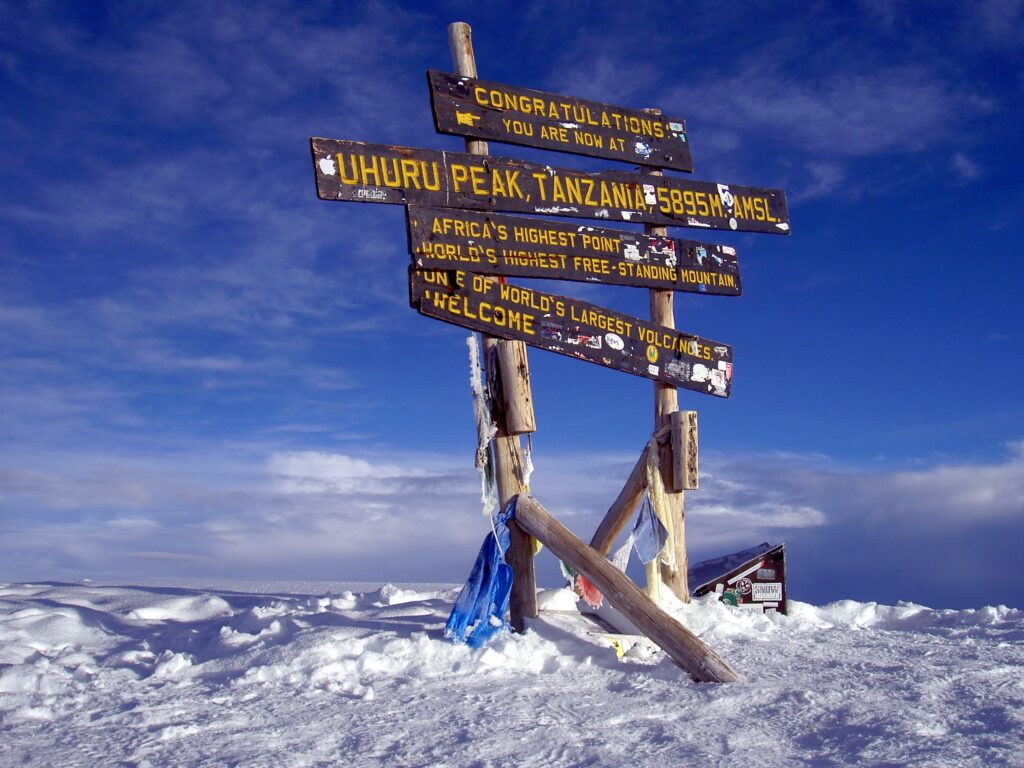
Mount Meru dominates Arusha National Park as its most famous landmark and the second-highest mountain in Tanzania at 4,566 meters. It is a popular alternative trekking destination to Mount Kilimanjaro, offering fewer crowds and stunning scenery. The climb typically takes 3 to 4 days, passing through lush rainforest, wildlife zones, and alpine desert landscapes. Trekkers often encounter giraffes, buffalo, and colobus monkeys along the lower slopes. At the summit, visitors enjoy breathtaking sunrise views of Mount Kilimanjaro, making it a top highlight of Tanzania adventure tourism. Mount Meru is also a volcanic peak with a dramatic crater, adding geological significance to its beauty. For hikers and adventure seekers, it is one of the most rewarding trekking experiences in East Africa.
Ngurdoto Crater
Ngurdoto Crater is one of the most fascinating geological features in Arusha National Park. Often referred to as the “Little Ngorongoro,” this volcanic caldera is surrounded by steep forested walls and a lush, swampy floor. While entry into the crater is restricted for conservation reasons, visitors can enjoy panoramic viewpoints along the crater rim. The area is rich in wildlife, including buffalo, warthogs, bushbucks, and monkeys. The surrounding vegetation is dense and tropical, making it a haven for birdwatching and photography. The crater also supports unique ecosystems that contribute to Tanzania’s biodiversity. Its dramatic landscapes make it a must-see attraction for anyone visiting Arusha National Park. It is especially popular among safari travelers looking for scenic views and peaceful nature experiences.
Momella Lakes
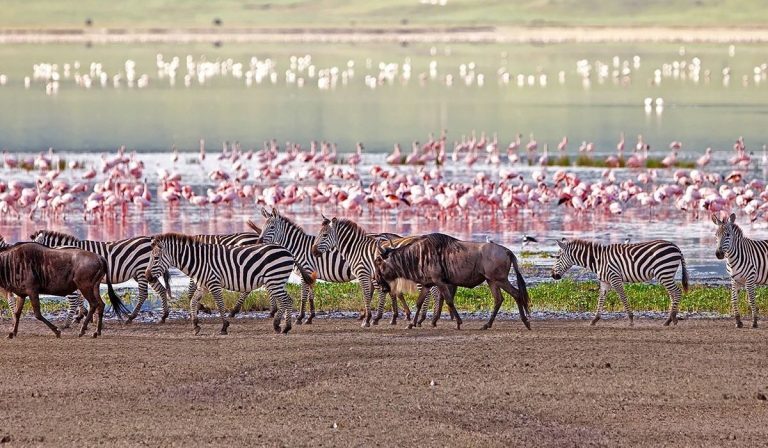
The Momella Lakes are a group of seven shallow alkaline lakes located in the northeastern part of Arusha National Park. These lakes are famous for their striking green and blue colors, created by mineral-rich waters and algae. They are a major attraction for birdwatching in Tanzania, especially for flamingos, pelicans, herons, and storks. Game drives around the lakes also offer sightings of giraffes, zebras, and waterbucks grazing nearby. One of the unique experiences here is a canoe safari, allowing visitors to explore wildlife from the water while enjoying peaceful scenery. The Momella Lakes are also an excellent photography destination, particularly during sunrise and sunset. Their combination of wildlife, water, and mountain views makes them one of the most iconic landscapes in Arusha National Park.
Wildlife & Animals in Arusha National Park
Arusha National Park offers a diverse range of wildlife despite its relatively small size. It is especially known for its large population of giraffes, often seen grazing in open plains. Other commonly spotted animals include zebras, buffaloes, warthogs, bushbucks, waterbucks, and dik-diks. The park is also home to primates such as black-and-white colobus monkeys and blue monkeys, which are frequently seen in the forest canopy. Although big predators like lions are rare, leopards and hyenas are occasionally present. The park is a paradise for birdwatchers, with over 400 recorded bird species, including flamingos, turacos, eagles, and kingfishers. This rich biodiversity makes Arusha National Park a perfect destination for wildlife safaris in Tanzania, especially for travelers seeking a quieter and more intimate safari experience.
Birds & Birding in Arusha National Park
Arusha National Park is one of the best birdwatching destinations in Tanzania, attracting bird enthusiasts from around the world. With more than 400 bird species recorded, the park offers incredible diversity across forests, lakes, and savannah habitats. The Momella Lakes are especially famous for flamingos, pelicans, and waterfowl. Forest areas are home to colorful species such as turacos, trogons, and hornbills, while open plains attract raptors like eagles and vultures. Migratory birds also visit the park seasonally, enhancing its biodiversity. Birdwatching tours are often combined with walking safaris, making it easy to spot rare and endemic species. Whether you are a professional ornithologist or a casual nature lover, Arusha National Park provides one of the richest birding experiences in East Africa.
Walking Safaris Experience
One of the most unique features of Arusha National Park is the opportunity to enjoy guided walking safaris. Unlike most national parks in Tanzania, where game drives dominate, Arusha allows visitors to explore nature on foot under the supervision of trained rangers. Walking safaris offer a closer and more immersive experience with wildlife, including giraffes, zebras, and monkeys. The experience also allows visitors to learn about smaller details of the ecosystem such as plants, insects, and birdlife. Walking trails often pass through forests, grasslands, and scenic viewpoints. This eco-friendly activity is ideal for travelers seeking a deeper connection with nature. It is also one of the safest walking safari experiences in Tanzania, making Arusha National Park a top choice for adventure tourism.
Canoeing Safaris
Canoeing safaris on the Momella Lakes provide a peaceful and unique way to explore Arusha National Park. Unlike traditional game drives, canoeing allows visitors to glide quietly across calm waters while observing wildlife up close. Flamingos, hippos, and waterbirds are commonly seen along the lake shores. The experience also offers stunning views of Mount Meru and the surrounding landscapes. Canoeing safaris are guided by experienced rangers, ensuring safety and providing insights into the park’s ecosystem. This activity is ideal for photographers and nature lovers seeking tranquility away from crowded safari routes. It is one of the most relaxing safari experiences in Tanzania, offering a perfect balance between adventure and serenity.
Best Time to Visit Arusha National Park
Arusha National Park can be visited year-round, but the best time depends on travel preferences. The dry season from June to October is ideal for wildlife viewing, as animals gather around water sources and vegetation is less dense. This period also offers clear views of Mount Meru and Mount Kilimanjaro. The wet season from November to May is perfect for birdwatching, as migratory birds arrive and landscapes become lush and green. Photography is especially rewarding during this time due to dramatic skies and vibrant scenery. Despite seasonal variations, Arusha National Park remains accessible throughout the year, making it a flexible destination for Tanzania safari tours and short-day trips.
Weather & Climate in Arusha National Park
Arusha National Park’s weather and climate are mild, cool, and highly influenced by Mount Meru, making it one of the most comfortable Tanzania safari destinations year-round. The park experiences two main seasons: the dry season from June to October and the wet season from November to May. Temperatures range from about 9°C in early mornings to 22°C in afternoons. The park’s highland forest creates a unique microclimate with mist, light rain, and clear skies in a single day. This makes Arusha National Park ideal for wildlife viewing, birdwatching, and photography year-round for travelers seeking scenic safari experiences in Tanzania.
Malaria & Safety – Arusha National Park
Arusha National Park malaria and safety conditions are generally favorable for travelers, making it one of the safest safari destinations in northern Tanzania. The park is located at higher elevations, so malaria risk is considered low compared to coastal or lowland regions, but insect repellent is still recommended. Safety is well managed by TANAPA rangers, with strict rules for guided safaris, walking tours, and wildlife viewing. Visitors must stay in vehicles unless guided. The park is safe, family-friendly, and ideal for first-time Tanzania safari travelers. Following the guide instructions ensures a secure, enjoyable wildlife experience around Mount Meru and Ngurdoto Crater.
How To Get to Arusha National Park – Flights, Roads, and Driving Time
Getting to Arusha National Park is easy due to its strategic location in northern Tanzania, close to Arusha city and Kilimanjaro Airport. Travelers can fly into Kilimanjaro Airport (JRO), then drive about 1.5 to 2 hours to the park. Alternatively, Arusha Airport offers short domestic flight connections. By road, the park is approximately 35 km from Arusha city, taking about 45 to 60 minutes via well-maintained highways and gravel roads. Safari vehicles, private transfers, and tour operators are the most common transport options. This accessibility makes Arusha National Park ideal for day trips and northern Tanzania safari itineraries.
Safari Activities – Arusha National Park
Arusha National Park offers a wide range of safari activities suitable for all types of travelers. Popular experiences include game drives, walking safaris, canoeing, birdwatching, and Mount Meru trekking. Game drives provide opportunities to see giraffes, buffalo, and zebras in open landscapes, while walking safaris offer a more intimate wildlife experience. Canoeing on Momella Lakes adds a unique water-based safari adventure. Birdwatching is another highlight, with hundreds of species recorded in the park. For adventure seekers, climbing Mount Meru is a multi-day trekking experience with rewarding summit views. These diverse activities make Arusha National Park one of the most versatile safari destinations in Tanzania.
Photography Opportunities – Arusha National Park,
Arusha National Park is a paradise for photographers due to its diverse landscapes and rich wildlife. The combination of Mount Meru, crater landscapes, lakes, and forests creates dramatic and scenic backdrops. Wildlife photography is equally rewarding, with giraffes, monkeys, and birds easily accessible in natural settings. The Momella Lakes provide reflective water surfaces that enhance sunrise and sunset photography. Ngurdoto Crater offers panoramic views perfect for landscape shots. Early morning and late afternoon light create the best conditions for capturing the park’s beauty. Whether you are a professional photographer or a travel enthusiast, Arusha National Park offers endless visual inspiration and unforgettable safari moments.
Accommodation Options – Arusha National Park
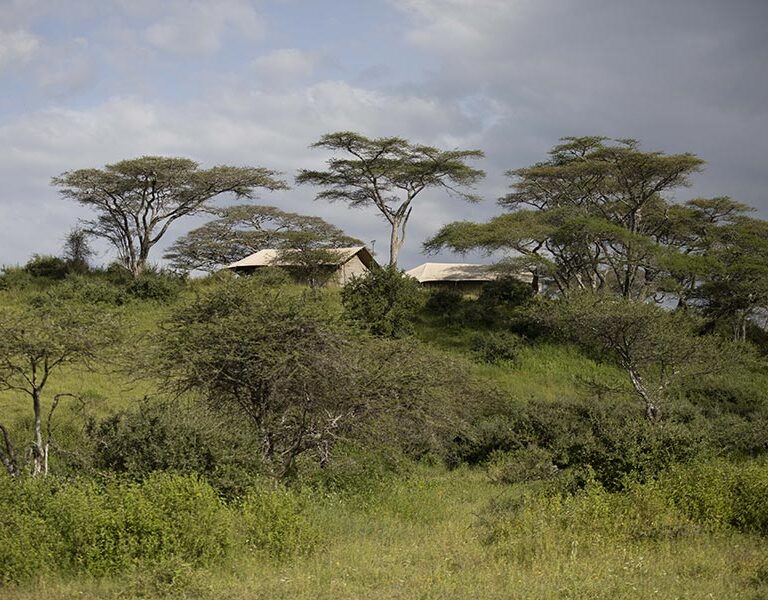
Accommodation around Arusha National Park ranges from luxury lodges to mid-range and budget options. Many visitors choose to stay in Arusha City due to its proximity to the park. Luxury lodges on the slopes of Mount Meru offer stunning views and high-end safari experiences. Mid-range safari camps provide comfort and convenience, while budget travelers can find affordable guesthouses in Arusha. Inside the park, limited camping sites are available for those seeking a more immersive wilderness experience. Most accommodations offer easy access to the park’s main gates, making it convenient for day trips and early morning game drives.
Travel Tips – Arusha National Park
When visiting Arusha National Park, it is important to plan for the best safari experience. Wearing comfortable clothing, neutral colors, and sturdy walking shoes is recommended. A camera, binoculars, sunscreen, and insect repellent are essential items. Hiring a professional guide enhances the experience by providing insights into wildlife and ecosystems. Early morning and late afternoon are the best times for game viewing. Visitors should also respect park rules and maintain a safe distance from animals. Booking tours through reputable Tanzania safari operators ensures safety and quality service. These tips help travelers enjoy a smooth and memorable safari experience in Arusha National Park.
Why Visit Arusha National Park
Arusha National Park is one of Tanzania’s most underrated safari destinations, offering incredible diversity in a compact area. Its proximity to Arusha City makes it perfect for short safaris, day trips, and pre-safari excursions. The park combines Mount Meru, volcanic craters, lakes, forests, and savannahs in one destination. It is ideal for walking safaris, canoeing, birdwatching, and photography. Unlike larger parks, it provides a peaceful and less crowded experience. Visitors can enjoy close encounters with wildlife and breathtaking scenery without long travel distances. This makes Arusha National Park a must-visit destination for anyone exploring Tanzania’s Northern Safari Circuit.
Conservation and Sustainability
Conservation plays a vital role in Arusha National Park, ensuring the protection of its unique ecosystems and wildlife. Managed by TANAPA, the park focuses on sustainable tourism practices that balance visitor experience with environmental preservation. Efforts include habitat protection, anti-poaching programs, and community engagement initiatives. Local communities benefit through tourism-related employment and conservation projects. Eco-friendly activities such as walking safaris and canoeing help minimize environmental impact. The park also supports research and education programs that promote wildlife conservation awareness. These efforts ensure that Arusha National Park remains a thriving natural sanctuary for future generations.
Final Thought
Arusha National Park is a true hidden gem in Tanzania’s Northern Safari Circuit, offering an unforgettable blend of wildlife, landscapes, and adventure. From the towering Mount Meru to the serene Momella Lakes and dramatic Ngurdoto Crater, the park showcases the best of East African nature in one compact destination. It is perfect for travelers seeking short safaris, walking tours, birdwatching, or a peaceful introduction to Tanzania’s wilderness. Its accessibility, diversity, and rich biodiversity make it a must-visit location for safari lovers. Whether part of a longer Tanzania safari itinerary or a standalone day trip, Arusha National Park delivers a unique and enriching experience that captures the spirit of African wildlife and natural beauty.