Stella Point Kilimanjaro is one of the most iconic milestones on the journey to the summit of Africa’s highest mountain, Mount Kilimanjaro. Located on the rim of Kibo Crater within Kilimanjaro National Park, Stella Point sits at approximately 5,756 meters above sea level and is often reached by climbers just before the final push to Uhuru Peak. It is a critical highlight of the Kilimanjaro trekking experience, especially for those on popular routes like Machame, Lemosho, and Marangu. Known for its breathtaking sunrise views, extreme altitude, and emotional achievement, Stella Point represents both physical endurance and mental strength. Many climbers describe it as the most challenging yet rewarding stage of the Mount Kilimanjaro climb, making it a major focus in Kilimanjaro trekking tours, Tanzania safari and adventure travel packages, and high-altitude mountaineering experiences across Africa.
Geographic Location of Stella Point
Stella Point is situated on the southern rim of Kibo Crater within Mount Kilimanjaro, Tanzania, forming part of the volcanic summit zone. It lies between the final ascent routes leading from Barafu Camp and the ultimate destination, Uhuru Peak. This location is significant in Kilimanjaro trekking routes because it marks the first official summit point recognized by the park authorities. Climbers passing through Stella Point are already above 5,700 meters, where oxygen levels are significantly reduced. The terrain is steep, rocky, and often covered in ice or snow depending on the season. As part of Kilimanjaro National Park, Stella Point offers panoramic views of the crater and surrounding glaciers. Its strategic position makes it a key milestone in all Mount Kilimanjaro climb itineraries and a must-pass checkpoint for summit success.
Altitude and Climatic Conditions
At an elevation of about 5,756 meters, Stella Point experiences extreme alpine conditions typical of high-altitude environments. Temperatures can drop far below freezing, especially during nighttime summit attempts, making proper Kilimanjaro climbing gear essential. Oxygen levels are significantly reduced, contributing to altitude sickness risks, which is a major consideration in Kilimanjaro trekking safety guidelines. Weather conditions can change rapidly, with strong winds, snow, and low visibility common around the crater rim. Despite these harsh conditions, many climbers encounter stunning sunrise views from Stella Point, making it one of the most memorable sections of the Mount Kilimanjaro climb. Proper acclimatization, hydration, and pacing are critical for reaching this stage successfully. In all Kilimanjaro trekking packages, Stella Point is described as a high-risk, high-reward zone requiring endurance and determination.
Significance in the Kilimanjaro Summit Journey
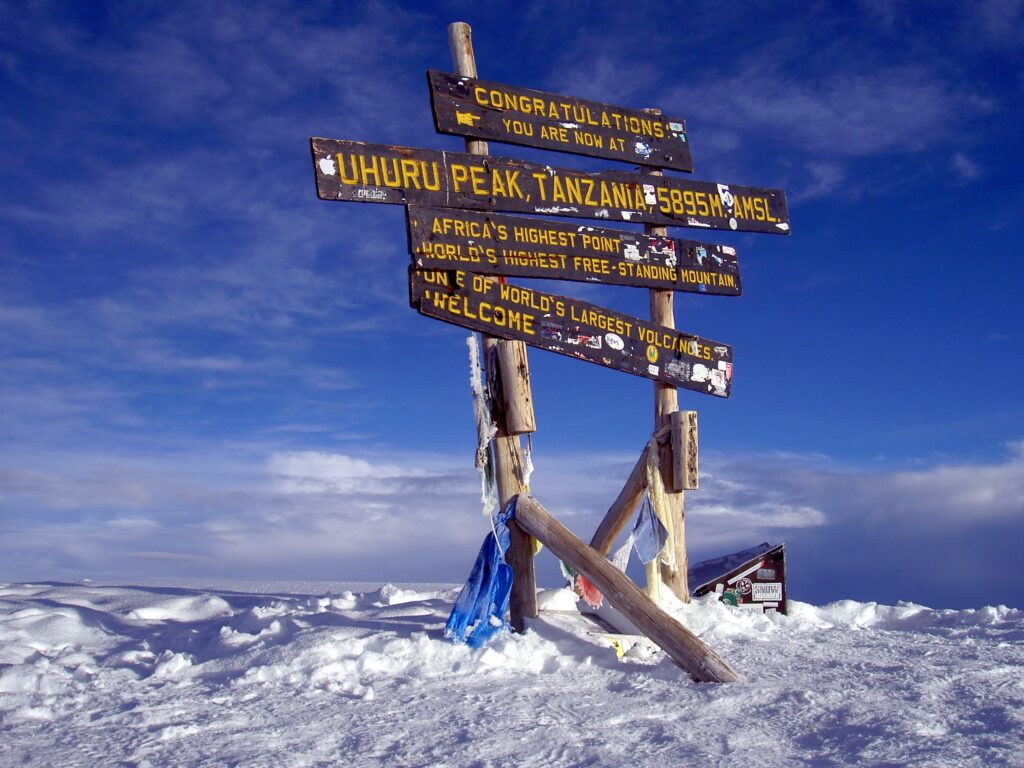
Stella Point holds immense significance as a psychological and physical milestone on the way to Uhuru Peak, the true summit of Mount Kilimanjaro. Many climbers consider reaching Stella Point as achieving the “first summit,” even though the final ascent continues for about 1 hour to Uhuru Peak. It is a major checkpoint in all Kilimanjaro trekking routes, especially Machame and Lemosho routes, where summit night begins from Barafu Camp. Reaching Stella Point is often a moment of emotional relief and celebration due to the exhaustion and altitude challenges faced. In Kilimanjaro National Park trekking experiences, this point symbolizes resilience, determination, and success in high-altitude mountaineering. It is also a key highlight in Tanzania safari adventure itineraries that combine wildlife safaris with mountain climbing experiences.
The Final Push from Barafu Camp
The journey to Stella Point begins at Barafu Camp, the final base camp before the summit attempt on Mount Kilimanjaro. Climbers typically start around midnight, trekking through darkness, cold winds, and steep volcanic scree. This section is widely considered the most difficult part of Kilimanjaro trekking due to fatigue, low oxygen, and harsh terrain. The slow, steady pace known as “pole pole” is essential for success. After approximately 6–8 hours of climbing, trekkers finally reach Stella Point on the crater rim. This moment is often emotional as climbers witness the sunrise above Africa. In Kilimanjaro trekking tours, this segment is carefully guided to maximize summit success rates while ensuring safety. It is a defining moment in every Mount Kilimanjaro climb experience.
Physical Challenges on the Ascent
Climbing to Stella Point presents significant physical challenges due to high altitude, steep gradients, and oxygen scarcity. Many trekkers experience fatigue, headaches, nausea, and dizziness caused by altitude sickness. The Kilimanjaro trekking experience demands strong cardiovascular endurance and mental resilience. The terrain consists of loose volcanic ash and rocky slopes, making every step physically demanding. Trekking poles, layered clothing, and proper hydration are essential tools for success. Despite the difficulty, guided Kilimanjaro climbs are designed to support gradual acclimatization, improving summit success rates. Professional guides in Kilimanjaro National Park monitor climbers closely for signs of altitude stress. Reaching Stella Point is considered a major physical achievement in high-altitude mountaineering and a highlight of Tanzania safari adventure tourism.
Mental Strength and Motivation
Mental endurance plays a crucial role in reaching Stella Point during a Mount Kilimanjaro climb. Many climbers describe the summit night as a psychological battle against exhaustion, cold, and doubt. The darkness and silence of the mountain amplify the difficulty, making motivation and determination essential. Kilimanjaro trekking guides often encourage climbers with positive reinforcement, reminding them of the goal—reaching Uhuru Peak. The sight of Stella Point at sunrise provides a powerful emotional boost, renewing energy for the final ascent. In Kilimanjaro trekking experiences, mental preparation is just as important as physical training. Many Tanzania safari and climbing packages emphasize mental resilience as a key factor for success on high-altitude expeditions.
Sunrise Experience at Stella Point
One of the most breathtaking experiences in Kilimanjaro trekking is witnessing the sunrise from Stella Point. As the sun rises above the African continent, it illuminates the crater rim and glaciers of Mount Kilimanjaro, creating a surreal landscape. This moment is often described as spiritual and life-changing by climbers. The contrast between the freezing night and golden sunrise symbolizes triumph over hardship. In Kilimanjaro trekking tours, guides often time the ascent to reach Stella Point during sunrise for maximum visual impact. This experience is a highlight of Tanzania safari adventure tourism and is frequently featured in travel photography and documentaries. It remains one of the most memorable rewards of the Mount Kilimanjaro climb.
Flora and Geological Features
The area around Stella Point is characterized by volcanic rock formations, ice patches, and barren alpine desert terrain. Unlike lower Kilimanjaro trekking zones, vegetation is absent due to extreme altitude. The geological landscape reflects the volcanic origin of Mount Kilimanjaro, with exposed lava formations and crater walls visible from the rim. This unique environment is part of Kilimanjaro National Park’s protected high-altitude ecosystem. Although harsh, it offers valuable scientific insight into volcanic mountain formation and glacial retreat. In Tanzania safari and trekking experiences, this zone represents the transition from life-filled rainforest to extreme alpine desert, showcasing the mountain’s diverse ecological zones.
Role in Different Climbing Routes
Stella Point is accessed through several Kilimanjaro trekking routes, including Machame, Lemosho, and Marangu. Each route approaches the summit differently, but all converge near the crater rim before reaching Stella Point. The Machame and Lemosho routes are popular for higher success rates due to better acclimatization schedules. The Marangu route, often called the “Coca-Cola route,” also reaches Stella Point but with a more direct ascent profile. In all Kilimanjaro trekking packages, Stella Point serves as a shared milestone before the final push to Uhuru Peak. Its inclusion in all major routes makes it a central feature of Mount Kilimanjaro climb planning and Tanzania adventure tourism.
Altitude Sickness Risks and Safety
Altitude sickness is one of the most serious risks encountered when climbing to Stella Point. Symptoms include headaches, nausea, fatigue, and shortness of breath due to reduced oxygen levels at high elevation. Kilimanjaro trekking safety protocols emphasize slow ascent, hydration, and proper acclimatization to reduce these risks. Professional guides in Kilimanjaro National Park are trained to monitor climbers and make critical decisions regarding health and safety. In severe cases, descent is recommended to prevent complications. Most Kilimanjaro trekking tours include medical support strategies to ensure climber safety. Understanding altitude risks is essential for a successful Mount Kilimanjaro climb and safe Tanzania safari adventure experience.
Equipment and Preparation Tips
Proper preparation is essential for reaching Stella Point successfully. Climbers need insulated clothing, waterproof jackets, thermal gloves, trekking boots, headlamps, and trekking poles. High-energy snacks and hydration systems are also crucial for maintaining stamina during the Kilimanjaro climb. Physical training before the expedition improves endurance and reduces fatigue. Most Kilimanjaro trekking tours provide detailed packing lists and pre-climb guidance. In Tanzania safari and mountain climbing packages, preparation is emphasized as a key factor in summit success rates. Adequate preparation ensures climbers can handle the extreme conditions encountered on the way to Stella Point.
Emotional Achievement at Stella Point
Reaching Stella Point is an emotional milestone for many climbers on Mount Kilimanjaro. After hours of exhausting ascent, stepping onto the crater rim brings a sense of victory and relief. Many trekkers celebrate with photos, hugs, and emotional reflection before continuing to Uhuru Peak. In Kilimanjaro trekking experiences, this moment often marks the peak of personal achievement. The combination of physical struggle and mental endurance makes Stella Point one of the most rewarding stages of the climb. It is frequently highlighted in Tanzania safari adventure stories as a life-changing accomplishment.
Tourism Importance of Stella Point
Stella Point plays a significant role in Tanzania’s adventure tourism industry, attracting thousands of climbers annually. It contributes to Kilimanjaro trekking popularity and supports local guiding communities, porters, and tour operators. As part of Kilimanjaro National Park, it is a protected site that enhances eco-tourism and sustainable travel initiatives. Many Kilimanjaro trekking packages highlight Stella Point as a major selling feature due to its iconic status and scenic value. Its global recognition strengthens Tanzania’s position as a leading destination for high-altitude trekking and safari adventures.
Final Thought
Stella Point Kilimanjaro represents more than just a waypoint on a mountain—it symbolizes endurance, courage, and triumph over extreme natural challenges. As part of the Mount Kilimanjaro climb, it offers breathtaking views, emotional fulfillment, and a gateway to Africa’s highest peak, Uhuru Peak. Whether approached through Machame, Lemosho, or Marangu routes, reaching Stella Point is a defining moment in every Kilimanjaro trekking journey. It remains one of the most powerful highlights in Tanzania safari and adventure tourism, inspiring climbers from around the world to challenge themselves and experience the beauty of Kilimanjaro National Park.