
Safari w Tanzanii, Kilimandżaro, Zansibar, Serengeti, Tarangire
Tanzania pairs some of Africa's richest wildlife country with a genuinely varied travel experience, and Foot Slopes Tours and Safaris designs itineraries that bring the best of it together in one trip. A journey can combine a Kilimanjaro climb along a well-chosen route, days tracking wildlife across the Serengeti's endless plains, a stop in Tarangire among its baobabs and elephant herds, and a closing stretch of white sand and warm water on Zanzibar.
Plan Your Luxury Safari
Trip Length
Comfort Level
Safari Style
Operator Rating
Specialized Tours
Filter by Operator
Other Tour Features
Popular Safari w Tanzanii Packages
Real itineraries and expert planning across Tanzania's top parks.
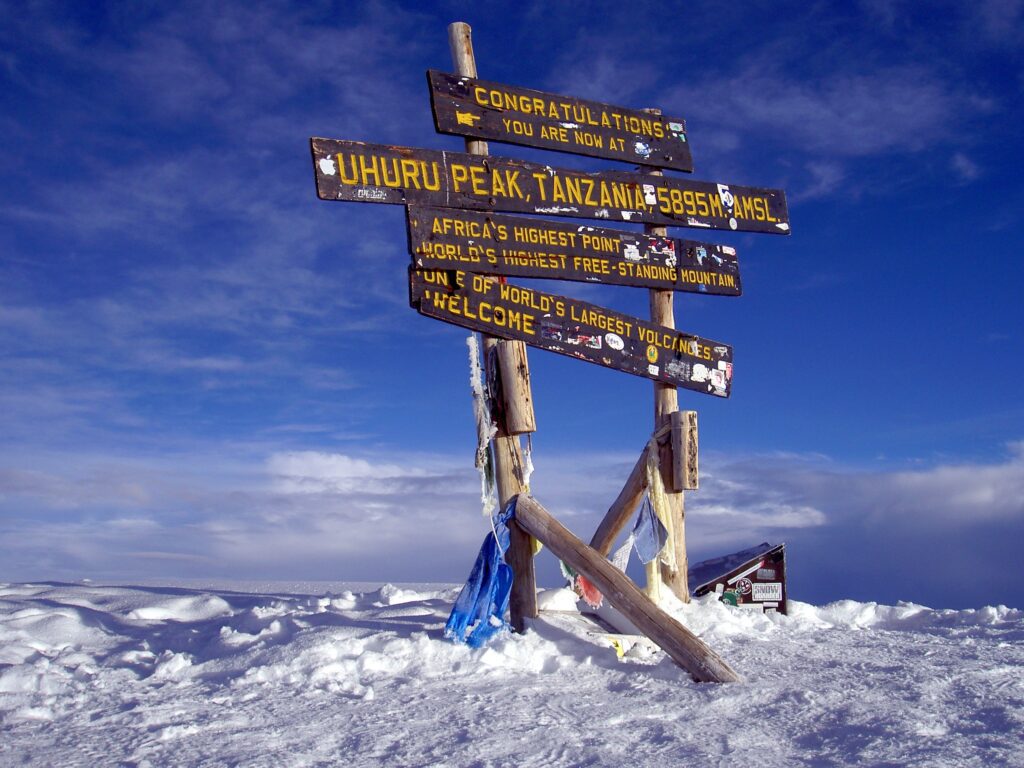
7-Day Machame Route
An extra acclimatization day on Machame significantly boosts summit success rates.
View Package →
7-Day Best of Serengeti Safari
A seven-day safari highlighting the very best of the Serengeti ecosystem.
View Package →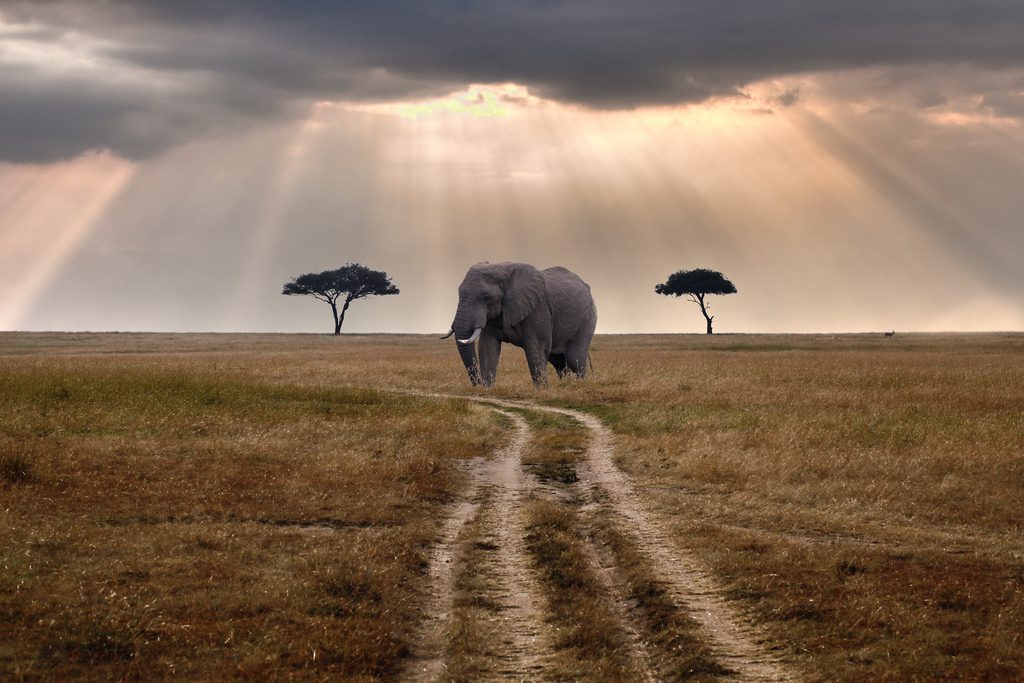
10-Day Best of Northern Tanzania Safari
Ten days combining the very best of the northern safari circuit.
View Package →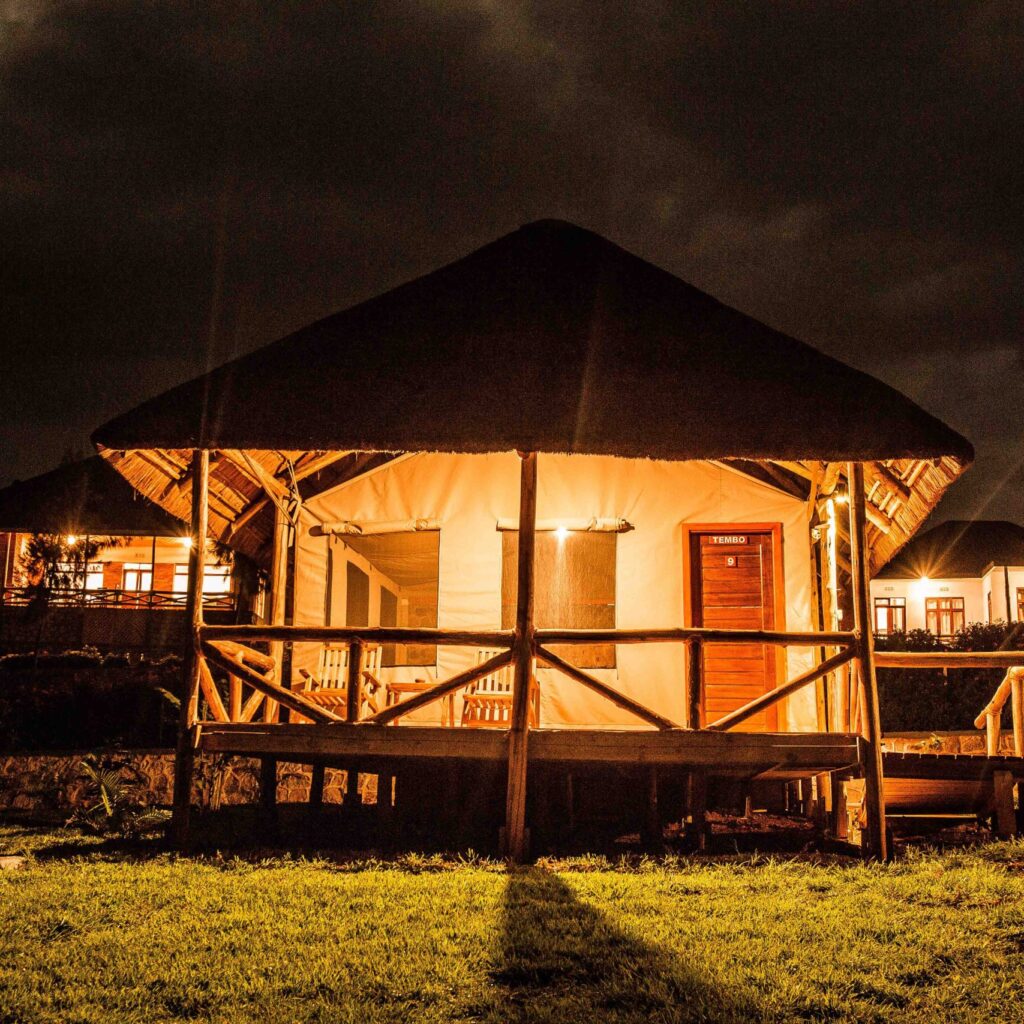
5-Day Fly-Out Safari from Serengeti to Zanzibar
A five-day safari ending with a scenic fly-out to Zanzibar's beaches.
View Package →
8-Day Tanzania Safari and Zanzibar Itinerary
An eight-day safari paired with a relaxing Zanzibar beach extension.
View Package →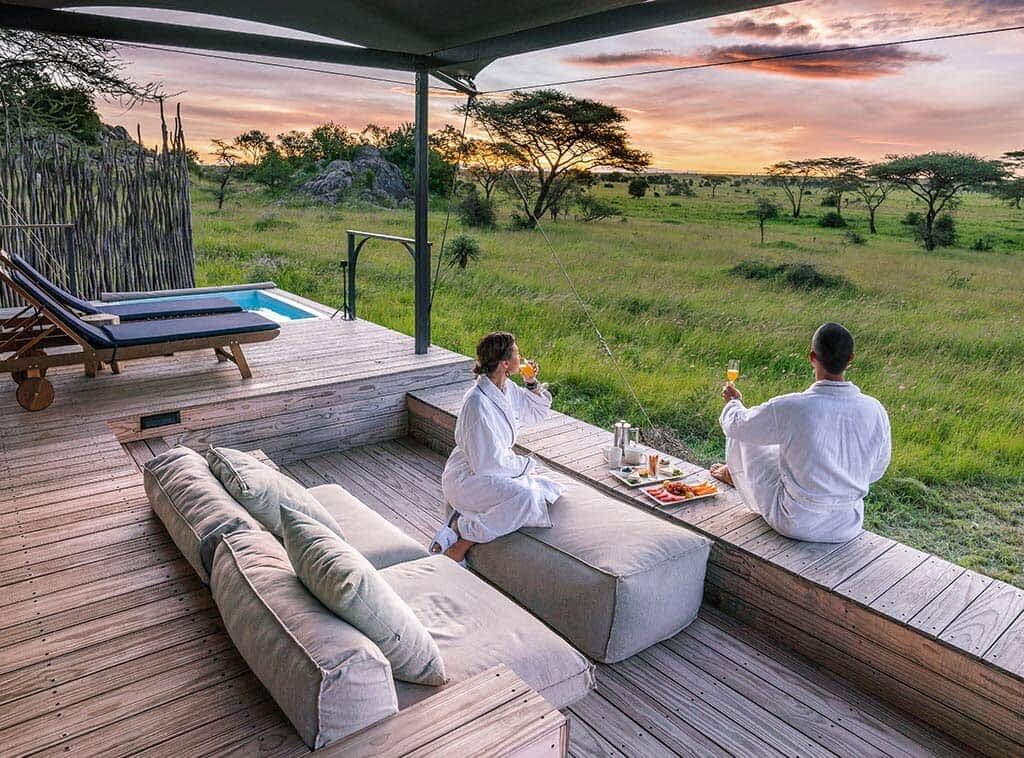
15-Day Luxury Tanzania Safari & Zanzibar Beach Escape
A fifteen-day luxury safari and Zanzibar beach escape combined.
View Package →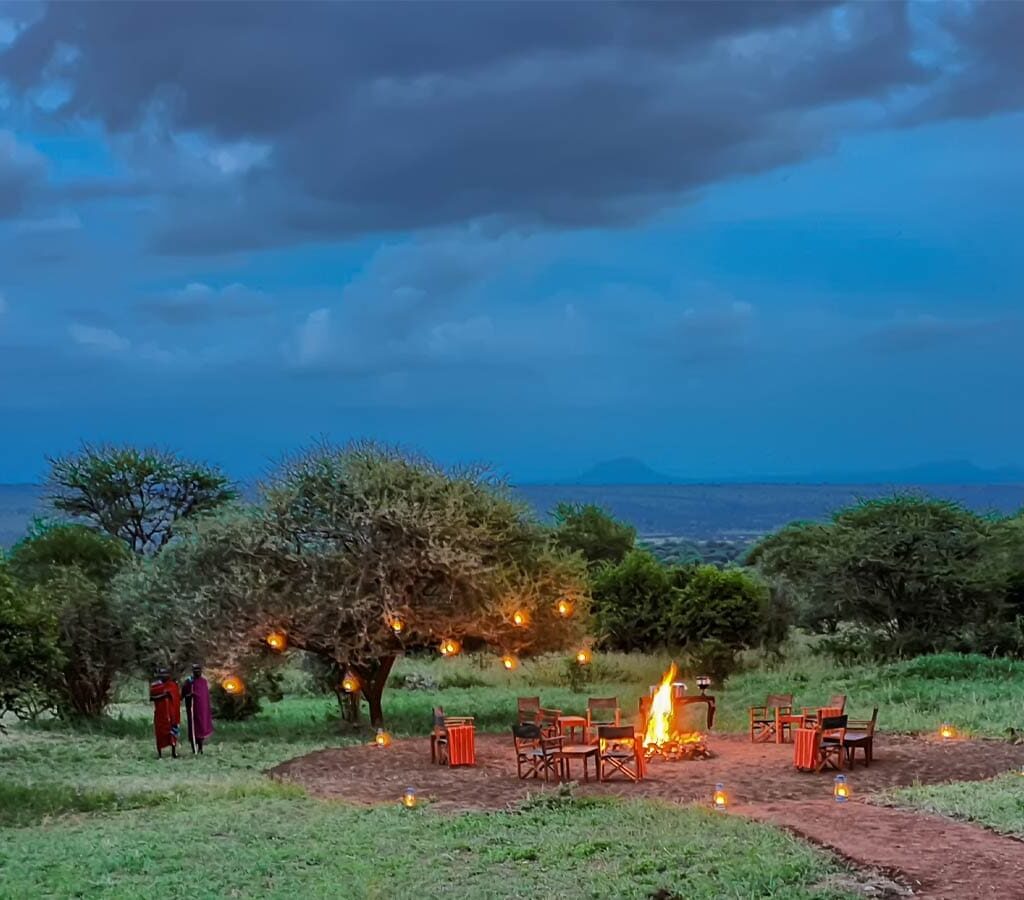
8-Day Northern Tanzania Safaris
An eight-day tour across Tanzania's top northern circuit parks.
View Package →
7-Day Serengeti Migration Safari
A seven-day safari tracking the Serengeti's legendary wildebeest migration.
View Package →Questions About Safari w Tanzanii
What is the best way to combine Kilimanjaro, Serengeti, Zanzibar, and Tarangire in one trip?
The most efficient sequence generally starts with the Kilimanjaro climb, since travelers benefit from tackling the physically demanding portion of the trip while still fresh, followed by a period of rest before heading into the parks. From there, a northern circuit safari through Tarangire and on to the Serengeti allows travelers to see contrasting landscapes, from Tarangire's baobab-studded plains and elephant herds to the Serengeti's open grasslands. Zanzibar works well as a final stage, offering a relaxed coastal close after the climb and the dust of the safari vehicles.
How many days should I plan for a trip covering all four destinations?
A trip that meaningfully covers Kilimanjaro, Tarangire, the Serengeti, and Zanzibar typically needs at least twelve to fifteen days to avoid feeling rushed, since the mountain alone requires a minimum of six to seven days for a reasonably safe and comfortable ascent. Shorter trips are possible by focusing on two or three of these destinations rather than all four, which often produces a more relaxed and satisfying experience than trying to compress everything into too few days. Foot Slopes Tours and Safaris can outline realistic day counts for different combinations based on how much time a traveler has available.
Which Kilimanjaro route is best if I'm also doing a safari afterward?
For travelers combining a climb with a safari, routes with a strong acclimatization profile, such as Lemosho or Machame over six to seven days, are usually preferable, since a longer route reduces the physical toll compared to a rushed ascent. A less punishing climb leaves travelers in better condition to enjoy the early days of a safari that follows immediately afterward. Foot Slopes Tours and Safaris typically recommends building in at least a day of rest in Moshi or Arusha between the descent and the start of safari activities so travelers arrive at the parks in better condition.
What makes Tarangire worth including alongside the more famous Serengeti?
Tarangire is known for its large elephant herds and dramatic baobab trees, and during the dry season it concentrates wildlife around the shrinking Tarangire River in a way that can rival the density seen in more famous parks. It also tends to be quieter than the Serengeti, giving travelers a different pace and atmosphere as part of a broader circuit. Including Tarangire alongside the Serengeti gives a fuller sense of northern Tanzania's ecological range rather than a single park experience. Foot Slopes Tours and Safaris often positions Tarangire as an early stop on a circuit heading toward the Serengeti.
When is the best time of year to see the Serengeti migration?
The Great Migration moves through the Serengeti ecosystem on a roughly annual cycle, with calving season typically occurring in the southern plains and Ndutu area around January through March, and the dramatic river crossings usually happening further north between roughly June and September, depending on rainfall patterns each year. Timing a Serengeti safari around these movements takes some planning, since the herds do not follow an exact calendar. Foot Slopes Tours and Safaris tracks seasonal patterns each year to help position itineraries where the migration is most likely to be during a traveler's specific travel dates.
How do I get from the Serengeti to Zanzibar?
The most practical way to reach Zanzibar after a Serengeti safari is by short domestic flight, typically routed through Arusha or a direct scheduled connection where available, since overland travel would consume days better spent relaxing on the coast. Flight schedules and baggage allowances on small aircraft used for safari routes can be more limited than international flights, so timing and luggage need some coordination. Foot Slopes Tours and Safaris arranges these connecting flights as part of a combined itinerary, aiming to minimize layover time and keep the transition from savannah to beach as smooth as possible.
Is Zanzibar worth adding if I only have a short amount of extra time?
Even a short two to three day stay on Zanzibar can be a worthwhile addition after a physically demanding climb or a dusty multi-day safari, offering a genuine change of pace with warm water, historic Stone Town, and relaxed beach lodges. It is not necessary to spend a full week there to appreciate the contrast it offers against the mountain and savannah portions of a trip. Foot Slopes Tours and Safaris can tailor the length of a Zanzibar extension to fit whatever time remains in an itinerary, from a brief unwind to a longer beach-focused stay.
Do I need different packing lists for Kilimanjaro, the Serengeti, and Zanzibar?
Yes, the climate and activities differ enough between these destinations that a single packing list rarely covers all of them well. Kilimanjaro requires layered, technical cold-weather gear for summit night alongside lighter clothing for the lower forest zones, while Serengeti game drives call for neutral-toned, breathable clothing and early-morning layers for cool starts. Zanzibar shifts entirely toward lightweight, warm-weather beachwear and reef-safe sun protection. Foot Slopes Tours and Safaris provides tailored packing guidance for each leg of a combined itinerary so travelers are not carrying unnecessary bulk through the mountain and safari portions of the trip.
Can beginners realistically attempt Kilimanjaro before or after a safari?
Kilimanjaro does not require technical climbing skills and is achievable by reasonably fit beginners, provided they choose a longer acclimatization-friendly route and take the ascent at a slow, steady pace. Combining it with a safari adds no difficulty to the climb itself, though travelers should be aware that fatigue from the mountain can affect the first day or two of game drives that follow. Foot Slopes Tours and Safaris factors this into itinerary pacing, typically scheduling a rest day between the descent and the start of safari activities so travelers arrive at the parks in better condition.
What wildlife can I expect to see in Tarangire versus the Serengeti?
Tarangire is particularly known for its large elephant herds, which gather in high numbers around the Tarangire River during the dry season, alongside baobab-dotted landscapes and a good variety of birdlife. The Serengeti offers a broader cross-section of predator and grazing species across its open plains, including lion, cheetah, and, depending on timing, the wildebeest and zebra herds of the Great Migration. The two parks complement rather than duplicate each other, which is part of why combining them in one circuit gives a fuller picture of Tanzania's wildlife.
How physically demanding is a safari compared to the Kilimanjaro climb?
A safari itself is far less physically demanding than climbing Kilimanjaro, since most of each day is spent seated in a safari vehicle with stops for short walks, meals, and photography rather than sustained hiking at altitude. The main physical factors on safari are long driving days on sometimes bumpy roads and early wake-up calls for dawn game drives, which are manageable for nearly all fitness levels. This contrast is one reason a safari pairs well as a lower-intensity follow-up to a demanding climb.
Do I need a visa to visit Tanzania and Zanzibar separately?
Zanzibar is part of Tanzania, so a standard Tanzanian visa covers both the mainland and the islands, meaning travelers generally do not need a separate visa specifically for Zanzibar. Most visitors can obtain a visa on arrival or apply online in advance, though requirements vary by nationality and can change, so checking current rules well before departure is important. Foot Slopes Tours and Safaris advises travelers to confirm the latest visa requirements for their specific passport ahead of booking flights, since entry rules are set by immigration authorities rather than by the tour operator.
What is the climate like across these four destinations?
Conditions vary considerably across a combined itinerary: Kilimanjaro moves from warm rainforest at its base to freezing, wind-exposed conditions near the summit, while the Serengeti and Tarangire have a warm, dry daytime climate with cool mornings and evenings, especially during the June to October dry season. Zanzibar stays warm and humid year-round, with a distinct long rainy season roughly from March to May. This range is part of why layered, flexible packing matters so much for a multi-region trip. Foot Slopes Tours and Safaris factors seasonal climate patterns into recommended travel windows for combined itineraries.
Is it better to do the safari before or after Zanzibar?
Most travelers find it more satisfying to finish with Zanzibar rather than start there, since arriving relaxed and sunburned before days of early wake-ups and dusty roads can undercut the safari experience. Ending on the beach instead gives the trip a natural wind-down after the more demanding mountain and game-drive portions. That said, some travelers prefer easing into the trip with a few beach days before tackling the climb and safari, and either order can work depending on personal preference. Foot Slopes Tours and Safaris sequences itineraries around what best suits each traveler's energy and priorities.
How far in advance should I book a multi-region Tanzania trip?
Because a combined Kilimanjaro, safari, and Zanzibar itinerary involves coordinating mountain park permits, lodge and camp availability, and domestic flight schedules, booking at least three to six months ahead is advisable, and longer for peak migration or holiday season travel dates. Popular lodges and mobile camps in the Serengeti can sell out well in advance during the busiest months. Foot Slopes Tours and Safaris recommends starting the planning conversation early, particularly for trips built around a specific migration window or a fixed set of travel dates, to secure the best combination of properties and permits.
Can this itinerary be adjusted for families traveling with children?
Yes, a Kilimanjaro, Serengeti, Tarangire, and Zanzibar itinerary can be adapted for families, though the Kilimanjaro portion is generally recommended only for older children who meet the physical and age requirements set by park authorities. Families with younger children often focus the trip on the safari and Zanzibar legs, which are comfortable and engaging for a wider age range, and add the mountain only when children are old enough to handle the altitude and exertion involved. Foot Slopes Tours and Safaris can restructure the itinerary around a family's specific ages and comfort levels.
What currency and language should I expect while traveling this circuit?
The Tanzanian shilling is the local currency, though US dollars are widely accepted for tourism services including park fees, lodges, and guided activities, and many travelers use a mix of both throughout the trip. Swahili is the national language, and English is commonly spoken in tourism settings including hotels, lodges, and by safari guides, so language is rarely a significant barrier for visitors. Zanzibar's Stone Town also reflects a strong Swahili coastal culture worth exploring on foot. Foot Slopes Tours and Safaris provides practical currency and communication guidance as part of standard pre-trip planning information.
Plan Your Safari w Tanzanii
Tell us your dates, style, and preferred parks, and we will build the perfect itinerary around you.
Book Now Online →What Our Travelers Say
Real 5-star reviews from guests who traveled with us
Our Private African luxury Safari experience with Foot Slopes Tours and Safaris was nothing short of exceptional. From the very beginning, owner Gabriel was incredibly responsive, making the entire booking process smooth and stress-free. Gabriel went above and
We had an incredible private safari experience with Foot Slopes Tours and Safaris. Their office staff was very helpful and informative, and they communicated very well. Our pick-ups to and from the airport were on time and hassle-free, an unforgettable Safari
Foot Slopes Tours and Safaris is truly one of the best local tour companies in Tanzania. From start to finish, their service was professional, reliable, and personalized. The team went above and beyond to make sure every detail of our trip was perfect. Our saf
Our family chose Foot Slopes Tours and Safaris for a custom 11-day safari itinerary, and we couldn’t be happier with our choice! Everything from our initial inquiry to building our custom itinerary to pre-departure and on-trip support was top quality. Communic