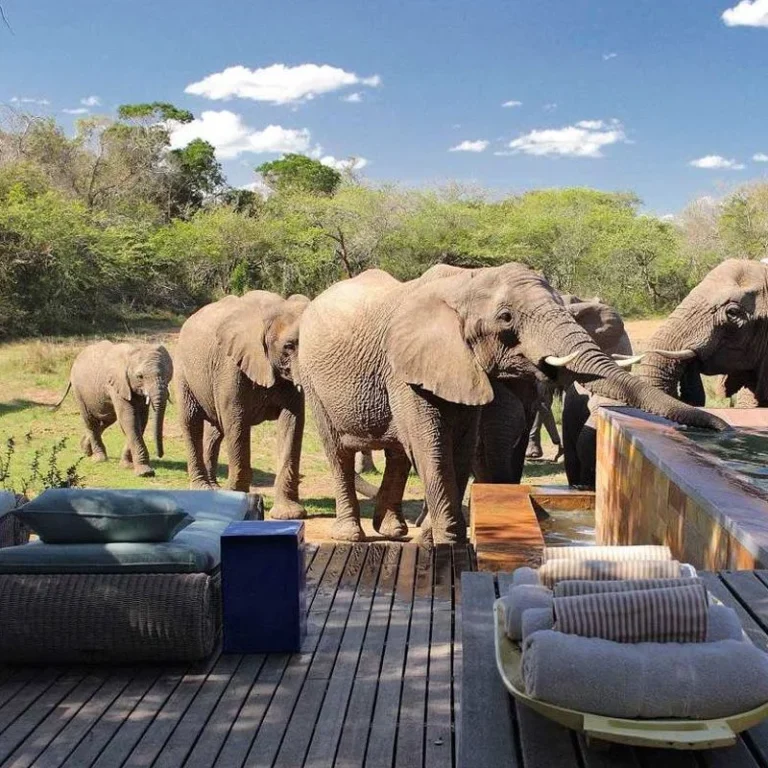
Sustainable tourism in Tanzania is rapidly becoming one of the most important pillars of modern African travel, combining conservation, community empowerment, and eco friendly safari experiences across world famous destinations such as Serengeti, Ngorongoro Crater, and Kilimanjaro. As global demand for responsible travel increases, Tanzania stands out as a leading destination for eco tourism, wildlife conservation, and low impact safari adventures. Sustainable tourism focuses on protecting natural ecosystems, supporting local communities, and reducing carbon emissions while offering authentic cultural and wildlife experiences. Visitors are increasingly seeking green travel options, eco lodges, and ethical safari operators that prioritize environmental protection. This introduction highlights how Tanzania is embracing sustainable tourism practices to ensure long term preservation of its rich biodiversity, while still delivering unforgettable safari experiences for travelers from around the world.
Eco-Friendly Safari Practices
Eco friendly safari practices in Tanzania are at the heart of sustainable tourism, ensuring that wildlife viewing experiences have minimal impact on natural habitats. Tour operators are increasingly adopting electric safari vehicles, solar powered camps, and waste reduction systems to lower environmental footprints. National parks such as Serengeti National Park and Ngorongoro Conservation Area promote strict guidelines for vehicle movement and visitor behavior to protect wildlife ecosystems. Travelers are encouraged to respect wildlife distances, avoid littering, and choose certified eco lodges that support conservation efforts. These practices not only preserve biodiversity but also enhance the authenticity of safari experiences. By integrating sustainability into daily operations, Tanzania is setting a benchmark for responsible tourism in Africa. Eco friendly safaris also contribute to climate change mitigation while supporting long term conservation goals across protected areas and wildlife corridors.
Community-Based Tourism
Community based tourism in Tanzania plays a vital role in sustainable tourism development by directly involving local communities in the benefits of travel and conservation. This model empowers indigenous groups such as the Maasai to share their culture, traditions, and daily lifestyles with visitors while earning income from tourism activities. Revenue generated from cultural tours, homestays, and craft markets helps improve education, healthcare, and infrastructure in rural areas. Tourists gain authentic cultural experiences while supporting economic growth at the grassroots level. Community led initiatives also encourage conservation of wildlife and natural resources, as locals become active guardians of their environment. By integrating cultural heritage with responsible travel, Tanzania ensures that tourism benefits are widely distributed. This approach strengthens social equity, reduces poverty, and promotes long term sustainability across safari destinations and cultural landscapes.
Wildlife Conservation Efforts
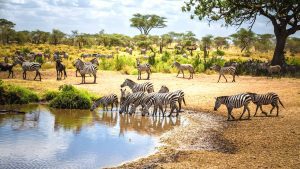
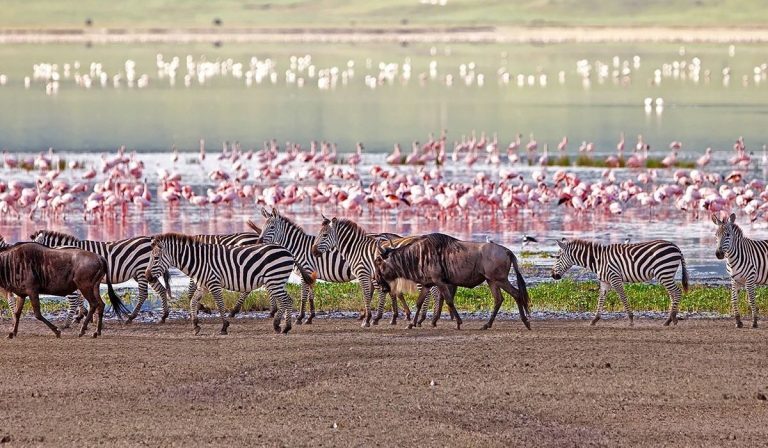
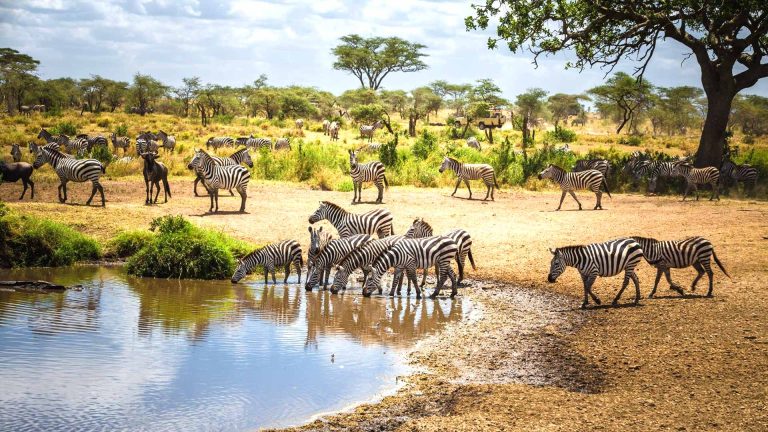
Wildlife conservation efforts in Tanzania are central to sustainable tourism, ensuring the protection of iconic species such as elephants, lions, rhinos, and wildebeest across major national parks and reserves. Anti poaching programs supported by government agencies and international organizations play a crucial role in safeguarding endangered wildlife populations. Protected areas like Serengeti National Park and Ngorongoro Conservation Area are carefully managed to balance tourism activities with ecological preservation. Revenue from park fees directly contributes to conservation projects, ranger patrols, and habitat restoration. Advanced monitoring technologies, including GPS tracking and drone surveillance, help authorities detect and prevent illegal hunting. Tourists visiting Tanzania contribute significantly to conservation funding through responsible travel choices. These combined efforts ensure stable wildlife populations while maintaining Tanzania’s reputation as one of Africa’s premier safari destinations for future generations.
Protected Areas and National Parks Management
Protected areas in Tanzania are essential for maintaining biodiversity and supporting sustainable tourism across iconic landscapes such as Serengeti, Ngorongoro, Tarangire, and Lake Manyara. These national parks are managed under strict conservation policies that regulate visitor numbers, wildlife protection, and habitat preservation. Park authorities work closely with local communities and international conservation organizations to ensure sustainable ecosystem management. Revenue generated from tourism activities is reinvested into anti poaching efforts, wildlife research, and infrastructure development. Advanced monitoring systems such as satellite tracking and drone surveillance help protect endangered species from illegal hunting. Sustainable tourism policies ensure that human activity does not disrupt natural migration routes and ecological balance. These efforts make Tanzania a global leader in wildlife conservation and responsible safari tourism practices for long term ecological stability goals and protection.
Eco Lodges and Green Accommodation
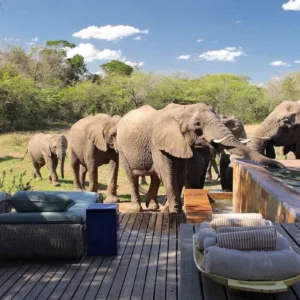
Eco lodges and green accommodation in Tanzania are transforming the hospitality industry by offering sustainable lodging options that minimize environmental impact while maximizing guest comfort. These accommodations are often built using locally sourced materials and designed to blend seamlessly with natural landscapes. Many eco lodges operate on solar energy, harvest rainwater, and implement strict waste recycling systems to reduce their ecological footprint. Located near major safari destinations such as Serengeti, Tarangire, and Ngorongoro, they provide travelers with immersive nature experiences. Guests are encouraged to participate in conservation activities and learn about local ecosystems during their stay. Eco friendly hospitality also supports community employment and fair trade practices. By choosing green accommodation, visitors contribute directly to environmental protection and sustainable tourism development across Tanzania’s most iconic wildlife regions long term impact.
Carbon Footprint Reduction and Sustainable Transport
Reducing carbon footprints in Tanzania’s tourism sector is a key priority for achieving sustainable tourism goals and combating climate change. Safari operators are increasingly investing in fuel efficient vehicles, hybrid technologies, and group travel systems to minimize emissions during game drives. Some companies also offer carbon offset programs that support tree planting and renewable energy projects within local communities. Air travel to and within Tanzania is being complemented by greener transport solutions such as electric airport shuttles and bicycle tours in urban areas like Arusha. National parks encourage designated driving routes to reduce fuel consumption and environmental disturbance. Travelers are also advised to choose longer stays and fewer domestic flights to lower their overall carbon impact. These initiatives collectively contribute to a more sustainable and environmentally responsible tourism industry Tanzania.
Protected Areas and Ecosystem Management
Protected areas in Tanzania are essential for maintaining biodiversity and supporting sustainable tourism across iconic landscapes such as Serengeti, Ngorongoro, Tarangire, and Lake Manyara. These national parks are managed under strict conservation policies that regulate visitor numbers, wildlife protection, and habitat preservation. Park authorities work closely with local communities and international conservation organizations to ensure sustainable ecosystem management. Revenue generated from tourism activities is reinvested into anti poaching efforts, wildlife research, and infrastructure development. Advanced monitoring systems such as satellite tracking and drone surveillance help protect endangered species from illegal hunting. Sustainable tourism policies ensure that human activity does not disrupt natural migration routes and ecological balance. These efforts make Tanzania a global leader in wildlife conservation and responsible safari tourism practices for long term ecological stability goals and protection.
Cultural and Community Tourism
Cultural tourism in Tanzania plays a significant role in promoting sustainable tourism by showcasing the rich traditions of indigenous communities such as the Maasai, Hadzabe, and Chaga. These cultural experiences allow visitors to engage with local people, learn traditional practices, and support community based tourism initiatives. Tourists can participate in activities such as traditional dance, beadwork, cooking, and guided village tours. Revenue from cultural tourism directly benefits local communities by improving education, healthcare, and infrastructure development. Sustainable cultural tourism helps preserve indigenous heritage while creating economic opportunities for rural populations. Community involvement ensures authenticity and reduces negative impacts of mass tourism on traditional lifestyles. Tanzania is recognized globally for its responsible cultural tourism practices and conservation of heritage supporting sustainable development and cultural preservation across generations in tourism industry future.
Eco Transportation and Travel Logistics
Eco transportation in Tanzania is becoming an essential part of sustainable tourism, helping reduce environmental impact while improving travel efficiency for visitors exploring national parks and cities. Public transport systems, shared safari vehicles, and bicycle rentals are increasingly promoted as eco friendly travel options. Tour operators encourage group travel to minimize fuel consumption and reduce carbon emissions during safari excursions. Airports and lodges are integrating green technologies such as solar power and energy efficient infrastructure. Travel planning increasingly focuses on longer stays and fewer domestic flights to reduce carbon footprints. Visitors are encouraged to choose eco certified operators that prioritize conservation and community benefits. These practices strengthen sustainable tourism development across Tanzania’s growing travel industry supporting climate action goals and responsible tourism practices nationwide for future generations long term impact.
Economic Benefits of Sustainable Tourism
Sustainable tourism in Tanzania generates significant economic benefits by creating jobs, supporting local businesses, and increasing national revenue from eco friendly travel activities. Communities near national parks benefit from tourism related employment such as guiding, hospitality, and cultural experiences. Revenue from park fees and tourism services is reinvested into infrastructure development, education, and healthcare systems. Small and medium enterprises, including craft markets and local tour operators, play a vital role in the tourism economy. Foreign exchange earnings from tourism strengthen Tanzania’s national economy and support sustainable development initiatives. Eco tourism also encourages investment in conservation projects and community based tourism enterprises. Overall sustainable tourism ensures long term economic stability while protecting natural and cultural resources supporting inclusive growth environmental protection and community empowerment across tourism destinations in Tanzania economy future.
Challenges of Sustainable Tourism
Despite strong progress, sustainable tourism in Tanzania faces several challenges including environmental degradation, climate change impacts, and pressure from increasing tourist numbers. Overcrowding in popular destinations such as Serengeti and Ngorongoro can strain ecosystems and infrastructure. Limited funding and resources for conservation efforts also hinder effective wildlife protection in some areas. Balancing economic growth with environmental preservation remains a key challenge for policymakers and tour operators. Illegal poaching and habitat loss continue to threaten biodiversity despite ongoing conservation efforts. Climate change further affects wildlife migration patterns and water availability in protected areas. Sustainable tourism strategies are needed to address these issues and ensure long term resilience through improved policy enforcement community participation conservation funding international cooperation and adoption of green tourism technologies for sustainable development goals achievement in Tanzania tourism future.
Future of Sustainable Tourism in Tanzania
The future of sustainable tourism in Tanzania looks promising as the country continues to invest in conservation, community development, and eco friendly travel infrastructure. Innovations such as digital tourism platforms, smart park management systems, and renewable energy adoption are shaping the industry. Government policies increasingly prioritize sustainability, environmental protection, and local community empowerment in tourism planning. Private sector investment in eco lodges, green transport, and carbon neutral safaris is rapidly expanding. Education and awareness programs are helping tourists understand the importance of responsible travel. Partnerships between government, NGOs, and local communities strengthen conservation and tourism sustainability efforts. Overall Tanzania is positioned as a global leader in sustainable tourism development in Africa driving sustainable growth environmental conservation and community empowerment for future generations across tourism sector development initiatives long term impact.
Final Thought
Sustainable tourism in Tanzania represents a powerful pathway toward balancing economic growth with environmental conservation and cultural preservation. It ensures that future generations can continue to enjoy the country’s rich wildlife, landscapes, and cultural heritage. Through eco friendly practices, community involvement, and responsible travel, Tanzania sets a global example for sustainable tourism development. Collaboration between government, private sector, and local communities is key to long term success. By protecting natural resources and supporting community livelihoods, tourism becomes a force for positive change. Continuous innovation and strong conservation policies will shape the future of tourism in Tanzania. Ultimately sustainable tourism must remain a shared responsibility among all stakeholders for lasting impact ensuring sustainable growth environmental protection and community empowerment across Tanzania tourism industry future development goals for generations to come always.