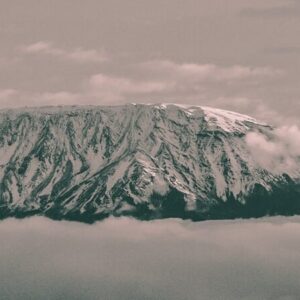
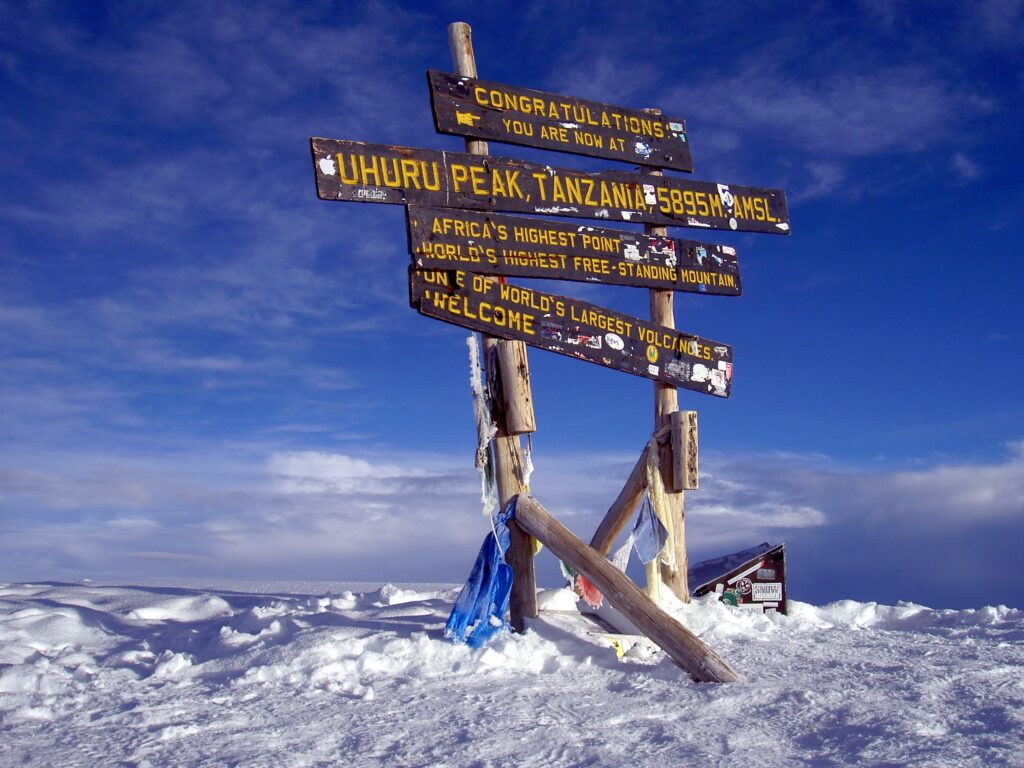
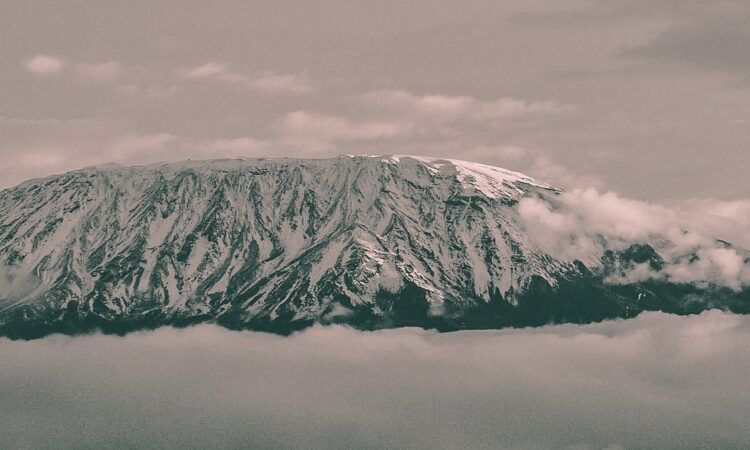
Climbing Mount Kilimanjaro is one of the most searched adventure travel experiences in the world, attracting trekkers who dream of reaching the highest free-standing mountain on Earth. Located in Tanzania within Kilimanjaro National Park, this iconic peak rises to 5,895 meters and is part of the famous “Seven Summits” challenge. Many people ask: Can anyone climb Mount Kilimanjaro? The answer is yes, because it is a non-technical trekking mountain, not a technical climb. However, success depends on fitness, preparation, acclimatization, and choosing the right Kilimanjaro climbing route, such as Machame, Marangu, Lemosho, or Rongai. This article explores whether beginners, older travelers, and first-time hikers can safely attempt a Kilimanjaro trek. It also highlights essential Kilimanjaro trekking tips, altitude sickness awareness, and what makes this Tanzania safari adventure both challenging and achievable for thousands of climbers each year.
Accessibility of Mount Kilimanjaro
Mount Kilimanjaro is considered one of the most accessible high-altitude trekking mountains in the world, making it a top destination for adventure tourism in Tanzania. Unlike technical peaks that require ropes, ice axes, or mountaineering skills, Kilimanjaro is a walking climb. This means almost anyone with determination and basic physical fitness can attempt it. The Kilimanjaro trekking routes are well-established, supported by professional guides and porters, ensuring safety and guidance throughout the journey. Popular routes like Machame and Lemosho offer gradual ascent profiles, improving summit success rates. Because of its non-technical nature, Kilimanjaro climbing is often chosen by first-time high-altitude trekkers. However, accessibility does not mean easy; altitude challenges, long trekking days, and changing weather conditions require mental and physical preparation for a successful summit experience on Africa’s tallest mountain.
Physical Fitness Requirements
Although Mount Kilimanjaro does not require technical climbing skills, a reasonable level of physical fitness is essential for a successful trek. Climbers should prepare for long hiking days, steep ascents, and walking at high altitude. Cardiovascular endurance is especially important, as oxygen levels decrease significantly above 3,000 meters. Training for Kilimanjaro typically includes hiking, jogging, stair climbing, and strength conditioning several weeks before departure. Many trekking experts recommend at least 2–3 months of preparation for beginners. The good news is that you do not need to be an athlete or marathon runner to reach the summit. Thousands of ordinary travelers complete the Kilimanjaro trek each year. With proper pacing, hydration, and mental resilience, most healthy individuals can successfully climb Kilimanjaro and enjoy one of the most rewarding trekking adventures in Africa.
Age and Experience Factors
One of the most remarkable aspects of Mount Kilimanjaro is that climbers of many ages and experience levels successfully reach the summit. There is no strict requirement for prior mountaineering experience, making it ideal for beginners. Teenagers, adults, and even seniors over 60 have completed the Kilimanjaro trek. What matters most is not age, but physical condition, determination, and proper acclimatization. First-time trekkers are strongly advised to choose longer routes such as Lemosho or Northern Circuit, which increase the chances of successful acclimatization. Experienced hikers may prefer shorter routes, but must still respect altitude risks. Kilimanjaro is often called a “walkable mountain,” but it still demands endurance and patience. With the right preparation and guided support, age is not a barrier to achieving the incredible goal of reaching Uhuru Peak.
Understanding Altitude Challenges
Altitude is the biggest challenge on Mount Kilimanjaro, not technical climbing difficulty. As trekkers ascend, oxygen levels drop, making breathing harder and increasing fatigue. This condition, known as altitude sickness, can affect anyone regardless of fitness level. Symptoms include headaches, nausea, dizziness, and loss of appetite. Proper acclimatization is key to reducing these risks. That is why longer Kilimanjaro climbing routes are recommended for higher success rates. Slow ascent, hydration, and “pole pole” (slowly, slowly in Swahili) are essential trekking principles. Most climbers who respect altitude rules safely reach summit levels. However, ignoring symptoms can lead to serious health risks. Understanding altitude is crucial for anyone planning a Kilimanjaro trekking adventure, as it is the main factor that determines whether climbers successfully reach the summit or turn back early.
Importance of Acclimatization
Acclimatization is one of the most important factors in determining whether someone can successfully climb Mount Kilimanjaro. It refers to how the body adapts to lower oxygen levels at higher altitudes. Good acclimatization increases summit success rates significantly. This is why longer trekking routes such as Lemosho and Machame are recommended—they allow gradual ascent. Climbers are encouraged to follow the “climb high, sleep low” strategy when possible. Rest days built into itineraries also help the body adjust. Proper hydration and slow pacing are essential. Many failed summit attempts are due to poor acclimatization rather than a lack of fitness. Professional guides on Kilimanjaro trekking tours carefully monitor climbers’ health throughout the journey. With the right acclimatization plan, even beginners can safely reach the summit of Africa’s highest mountain.
Choosing the Right Route
Selecting the right Kilimanjaro climbing route plays a major role in determining success. There are several popular routes, including Marangu, Machame, Lemosho, Rongai, and Northern Circuit. Each route varies in duration, scenery, difficulty, and acclimatization profile. The Machame route is known for its scenic beauty and moderate challenge, while Lemosho offers the best acclimatization and higher summit success rates. Marangu is shorter but less effective for acclimatization. Beginners are often advised to avoid rushed itineraries. Longer routes increase the chances of reaching Uhuru Peak comfortably. Choosing the right route also depends on budget, time availability, and personal preference. Professional Kilimanjaro tour operators in Tanzania help trekkers select the most suitable path. Ultimately, the right route can make the difference between struggling and successfully standing on the roof of Africa.
Role of Guides and Porters
Climbing Mount Kilimanjaro is a guided experience, and every climber is required to trek with licensed guides and porters. These professionals play a vital role in ensuring safety, comfort, and success. Guides monitor health conditions, manage pace, and provide important altitude advice. Porters carry camping equipment, food, and supplies, allowing trekkers to focus on walking and acclimatization. Without this support system, climbing Kilimanjaro would be extremely difficult. The guide-to-climber ratio is regulated by the Tanzania National Parks Authority (TANAPA) to ensure safety standards are maintained. This team structure makes Kilimanjaro accessible even for first-time trekkers. Their experience, encouragement, and knowledge of the mountain significantly increase summit success rates. For anyone wondering if they can climb Kilimanjaro, the professional support system is one of the strongest reasons the answer is yes.
Weather Conditions on Kilimanjaro
The weather on Mount Kilimanjaro varies greatly depending on altitude and season. Climbers experience tropical forests at the base, alpine desert in the middle zones, and arctic conditions near the summit. Temperatures can drop well below freezing at night, especially at higher elevations. The best climbing months are typically during dry seasons when trails are less slippery, and visibility is better. However, weather conditions can still change rapidly. Proper gear, including layered clothing, waterproof jackets, and insulated gloves, is essential. Many climbers underestimate the mountain’s climate diversity. Understanding Kilimanjaro’s weather patterns helps trekkers prepare mentally and physically for the journey. Even during favorable seasons, strong winds and cold temperatures are common near Uhuru Peak. Proper preparation ensures climbers remain comfortable and safe throughout their Kilimanjaro trekking adventure.
Mental Strength and Motivation
Mental strength is just as important as physical fitness when climbing Mount Kilimanjaro. Many trekkers find the journey emotionally challenging due to long hiking hours, cold temperatures, and altitude fatigue. However, strong motivation can carry climbers through difficult moments. The “pole pole” philosophy helps maintain steady progress without burnout. Positive mindset, goal setting, and encouragement from guides and fellow trekkers are crucial. Reaching the summit requires patience, resilience, and determination. Many climbers say Kilimanjaro is more of a mental journey than a physical one. Visualization of reaching Uhuru Peak often helps maintain focus. Understanding that discomfort is temporary but achievement is lifelong makes a big difference. Anyone with strong determination and mental endurance can complete the Kilimanjaro climb, even if they are not highly experienced hikers.
Common Challenges on the Trek
Climbing Mount Kilimanjaro presents several challenges that trekkers must prepare for. The most common issues include altitude sickness, fatigue, cold temperatures, and long trekking hours. Some climbers also struggle with reduced appetite and dehydration at high altitude. Weather changes can add difficulty, especially rain or strong winds. Trail conditions vary depending on the route, with some paths being steep and rocky. However, these challenges are manageable with proper preparation and guidance. Trekking slowly, staying hydrated, and listening to guides are key strategies. Most difficulties are temporary and part of the adventure experience. Despite these challenges, thousands of climbers successfully reach the summit each year. With awareness and preparation, these obstacles become part of the rewarding journey rather than reasons to turn back.
Success Rates and Expectations
Success rates for climbing Mount Kilimanjaro vary depending on the route chosen and the duration of the trek. Longer routes such as Lemosho and Northern Circuit generally have higher summit success rates due to better acclimatization. Shorter routes may be more challenging and have lower success rates. On average, a significant number of climbers reach Uhuru Peak each year when properly prepared. Expectations should be realistic—summit success is not guaranteed, even for fit individuals. However, with proper pacing, hydration, and guidance, the chances increase significantly. Understanding the difficulty level helps climbers prepare mentally and physically. Kilimanjaro is not about speed but endurance and adaptation. With the right approach, most climbers who respect the mountain’s conditions successfully achieve their goal.
Preparation and Training Tips
Proper preparation is essential for anyone planning to climb Mount Kilimanjaro. Training should begin at least a few months before departure and include hiking, walking long distances, and cardiovascular exercises. Stair climbing and leg strengthening are particularly useful. Mental preparation is equally important, as the trek involves long days and changing conditions. Practicing with a loaded backpack can simulate real trekking conditions. It is also important to break in hiking boots before the trip to avoid blisters. Hydration and nutrition planning should not be overlooked. Many trekking operators in Tanzania provide pre-climb advice to help climbers prepare effectively. With consistent training and preparation, even beginners can build the endurance needed for a successful Kilimanjaro trekking experience.
Cost and Planning Considerations
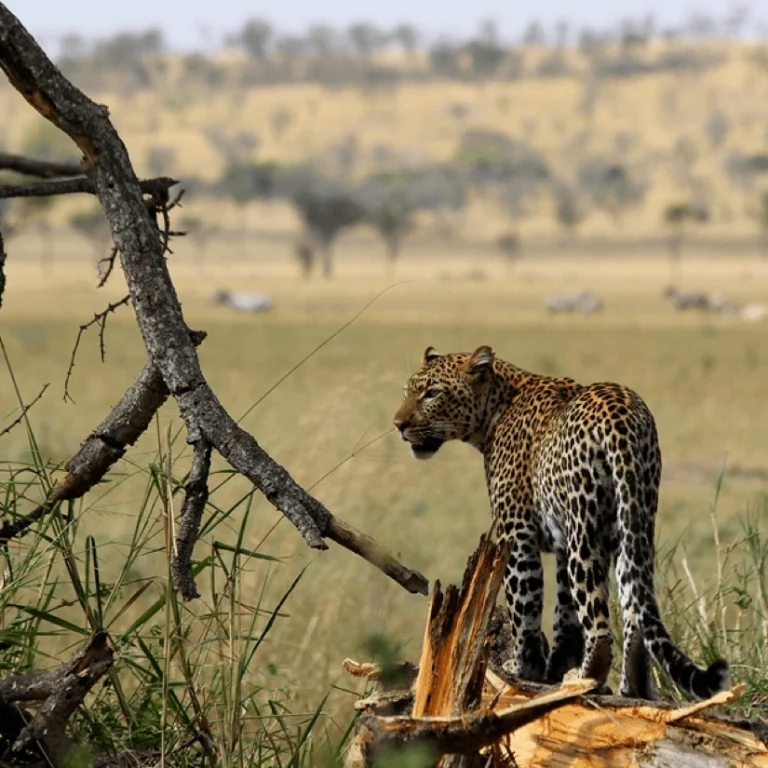
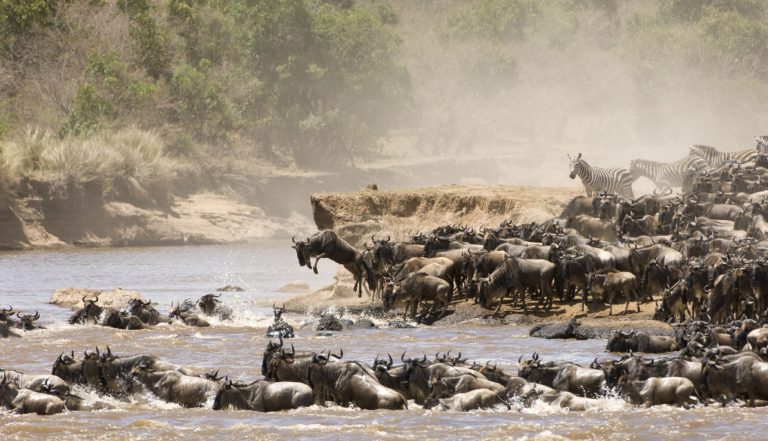
Planning a Kilimanjaro climb involves considering costs, logistics, and travel arrangements. Prices vary depending on route, duration, and level of service. Longer routes tend to cost more but offer better success rates. Costs typically include park fees, guides, porters, food, camping equipment, and transport. Booking with a reputable Kilimanjaro tour operator ensures safety and quality service. Travelers also need to consider travel insurance that covers high-altitude trekking. Planning is essential, especially during peak climbing seasons. Many climbers combine their trip with a Tanzania safari for a complete African adventure experience. Proper budgeting ensures a smooth and stress-free journey. While Kilimanjaro is not a cheap expedition, it offers incredible value for one of the world’s most iconic trekking experiences.
Final Thought
So, can anyone climb Mount Kilimanjaro? The answer is yes—almost anyone with determination, basic fitness, and proper preparation can attempt and potentially succeed in reaching the summit. It is not a technical climb but a high-altitude trekking adventure that challenges both body and mind. With the support of experienced guides, structured routes, and gradual acclimatization, thousands of people from around the world reach Uhuru Peak every year. While challenges such as altitude sickness and fatigue exist, they can be managed with the right approach. Ultimately, Kilimanjaro is not just about physical strength but about resilience, patience, and mindset. For those seeking a life-changing adventure in Tanzania, climbing Mount Kilimanjaro remains one of the most rewarding and achievable bucket-list experiences in the world.