The Ngorongoro Crater is one of Africa’s most extraordinary natural wonders and a top highlight of any Tanzania safari. Formed millions of years ago after a massive volcanic eruption, this UNESCO World Heritage Site is often called the “Eighth Wonder of the World.” Located in northern Tanzania within the greater Ngorongoro Conservation Area, it is home to one of the densest populations of wildlife in Africa. Visitors come here for Big Five sightings, breathtaking landscapes, and a unique ecosystem where animals live inside a collapsed volcanic caldera. The crater floor is a natural wildlife sanctuary surrounded by steep forested walls, creating a self-contained safari paradise. From lions and elephants to flamingos and rhinos, Ngorongoro offers unmatched safari experiences and remains a must-visit destination for wildlife lovers, photographers, and adventure seekers exploring East Africa.
Frequently Asked Questions About Ngorongoro Crater
1. How Was the Ngorongoro Crater Created?
Ngorongoro Crater in Tanzania was formed through a massive volcanic eruption millions of years ago when a huge volcano exploded and collapsed inward. This powerful geological event created one of the largest intact calderas in the world. Over time, the crater floor developed fertile soils, grasslands, and water sources, attracting abundant wildlife. Today, it is a UNESCO World Heritage Site and one of Africa’s top safari destinations, famous for Ngorongoro Crater safari tours, wildlife conservation, and natural geological beauty landscape.
2. What is a Caldera?
A caldera is a large volcanic depression formed when a volcano erupts and collapses after emptying its magma chamber. This creates a bowl-shaped landscape, often many kilometers wide. Caldera systems are significant in geology and are found in volcanic regions around the world, including Tanzania’s Ngorongoro Crater. They often contain lakes, grasslands, and unique ecosystems. Caldera formations are key attractions for geology tourism, safari experiences, and scientific study, making them important natural features in understanding volcanic activity and Earth’s history.
3. What is Unique About Ngorongoro Crater?
Ngorongoro Crater is unique because it is the world’s largest intact volcanic caldera and a natural wildlife sanctuary supporting a dense population of animals. Unlike other safari parks, animals live year-round within its enclosed ecosystem, including the Big Five. Its steep crater walls create a natural enclosure that protects wildlife and maintains biodiversity. The crater also features lakes, forests, and open plains, making it one of the most scenic and biologically diverse safari destinations in Tanzania and the overall region.
4. How Old is Ngorongoro Crater?
Ngorongoro Crater is estimated to be about 2 to 3 million years old, formed during a massive volcanic eruption in the East African Rift system. Over millions of years, erosion and geological processes shaped its current structure. Despite its ancient origins, the crater remains remarkably well-preserved, supporting rich ecosystems and wildlife. Its age makes it a key site for geological research and a major attraction for Tanzania safari tours, offering insights into Earth’s volcanic and evolutionary history natural heritage site.
5. What is Ngorongoro Crater Known For?
Ngorongoro Crater is known for its exceptional wildlife density, stunning landscapes, and status as a UNESCO World Heritage Site in Tanzania. It is famous for hosting the Big Five, including lions, elephants, rhinos, leopards, and buffalo within a single natural enclosure. The crater is also renowned for its scenic beauty, diverse ecosystems, and year-round safari opportunities. As a top destination for Tanzania safari tours, it attracts travelers seeking wildlife photography, conservation experiences, and unforgettable African adventure journeys tourism hotspot destination.
6. What Does Ngorongoro Mean in English?
Ngorongoro is believed to originate from the Maasai language, meaning ‘gift of life’ or referring to the sound of the traditional Maasai cowbell. In English, it is often interpreted as a symbol of life, abundance, and natural heritage due to the rich wildlife found in the crater. The name reflects the cultural connection between the Maasai people and this iconic Tanzania safari destination, emphasizing both linguistic heritage and the ecological importance of Ngorongoro Conservation Area, an East African cultural landmark site.
7. When is the Best Time to Visit Ngorongoro Crater?
The best time to visit Ngorongoro Crater is during the dry season from June to October, when wildlife viewing is at its peak and grasslands are shorter, making animals easier to spot. This period is ideal for Tanzania safari tours, photography, and game drives. However, the crater is a year-round destination, with the wet season offering lush landscapes and fewer crowds. Each season provides unique safari experiences, making Ngorongoro a versatile and rewarding wildlife destination perfect for travel planning insight guide.
Facts About Ngorongoro Crater
1. The World’s Biggest Intact Volcanic Caldera (That’s Not a Lake)
The Ngorongoro Crater is one of the most remarkable geological wonders in the world and a top highlight of any Tanzania safari or East Africa wildlife safari. Formed about 2–3 million years ago when a massive volcano exploded and collapsed, it created the world’s largest intact and unfilled volcanic caldera. Unlike many large craters filled with water, Ngorongoro remains a thriving ecosystem filled with grasslands, forests, and wetlands. The crater floor spans about 260 square kilometers, creating a natural enclosure for wildlife. Because of its unique structure, it is often called the “Eden of Africa.” This UNESCO-listed Ngorongoro Conservation Area is a must-visit destination for travelers seeking unforgettable safari experiences, photography opportunities, and rich biodiversity in Tanzania’s northern safari circuit.
2. One of the Seven Natural Wonders of Africa
The Ngorongoro Crater is officially recognized as one of the Seven Natural Wonders of Africa, making it a bucket-list destination for global travelers seeking the best African safari experiences. Located within the larger Ngorongoro Conservation Area in northern Tanzania, it offers breathtaking scenery where wildlife and landscapes coexist in perfect harmony. Tourists visiting this UNESCO World Heritage Site often combine it with Serengeti National Park for a complete Tanzania safari itinerary. The crater’s dramatic escarpments, lush crater floor, and constant wildlife activity make it one of the most photographed safari destinations in Africa. Its global recognition boosts Tanzania’s tourism and positions it as one of the top wildlife safari destinations in the world, attracting luxury safari travelers, honeymooners, and adventure seekers year-round.
3. Home to Africa’s Densest Populations of Predators
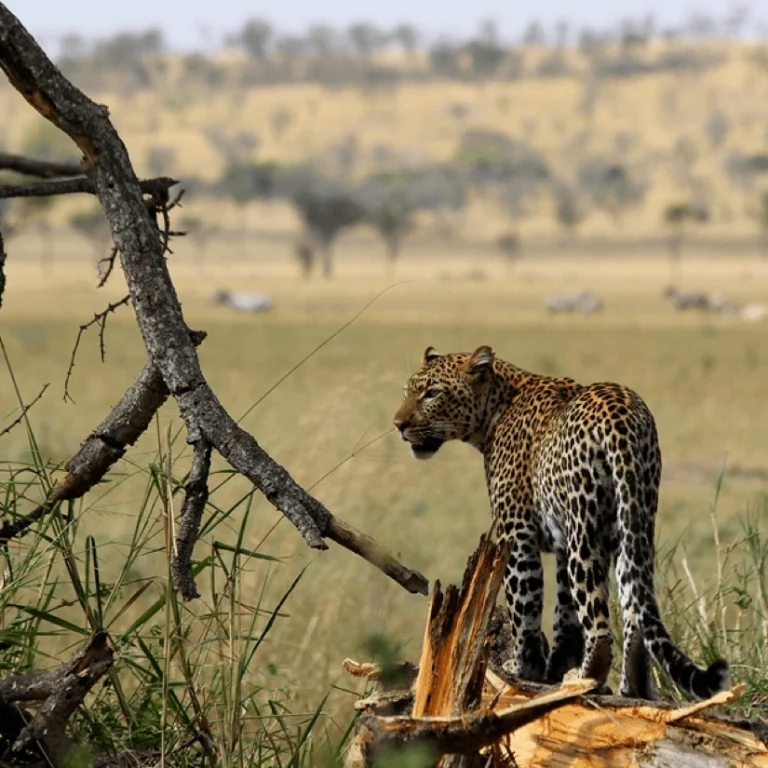
One of the most fascinating facts about the Ngorongoro Crater is its incredibly high concentration of predators. The ecosystem supports one of the densest populations of lions in Africa, along with spotted hyenas, jackals, and the elusive leopard. This makes it one of the best places for wildlife safari game drives in Tanzania and the entire East African safari circuit. Because prey animals are abundant and remain within the crater walls, predators thrive in proximity. Visitors on a Ngorongoro safari often witness dramatic wildlife interactions within a single day. The crater is especially popular for Big Cat sightings, making it a prime destination for wildlife photographers and safari enthusiasts seeking authentic, action-packed African safari experiences.
4. Almost 30,000 Large Mammals Live in the Ngorongoro Crater
The Ngorongoro Crater supports an astonishing population of nearly 25,000–30,000 large mammals, making it one of the most densely populated wildlife areas on Earth. These include elephants, buffalo, zebras, wildebeests, hippos, and many other species commonly seen on Tanzania safari tours. The crater’s unique ecosystem allows animals to thrive year-round without migrating long distances, unlike in the Serengeti. This constant presence of wildlife makes game drives highly rewarding in any season. Visitors exploring the Ngorongoro Conservation Area experience unmatched biodiversity in a compact area, which increases the chances of seeing multiple species within a few hours. This high concentration of wildlife is one of the main reasons Ngorongoro is considered a top luxury safari destination in Africa.
5. East Africa’s Best Destination to Spot the Big 5
The Ngorongoro Crater is widely regarded as one of the best places in East Africa to see the famous Big 5: lion, elephant, buffalo, leopard, and rhinoceros. This makes it a top choice for travelers planning a Tanzania safari or combining Serengeti and Ngorongoro safari itineraries. The crater is especially important for black rhino conservation, as it provides one of the last safe habitats for this endangered species in Tanzania. Because the area is enclosed, wildlife sightings are highly predictable compared to other safari destinations. Many safari experts recommend Ngorongoro as a must-visit for first-time safari travelers seeking guaranteed Big Five encounters. Its combination of scenery, wildlife density, and accessibility makes it one of Africa’s most rewarding wildlife safari destinations.
6. No Giraffe & Impala Live in the Ngorongoro Crater
Unlike most Tanzanian national parks, the Ngorongoro Crater has a unique ecological limitation—giraffes and impalas are absent from the crater floor. This is mainly due to the steep crater walls, which make it difficult for giraffes to descend safely, and ecological competition affecting impalas. This unusual fact surprises many visitors on their first Ngorongoro safari. Despite their absence, the crater remains one of the richest wildlife habitats in Africa, filled with zebras, wildebeests, buffaloes, and predators. The balance of species creates a natural ecosystem unlike anywhere else in the world. This distinct wildlife composition is one of the reasons Ngorongoro stands out among Tanzania safari destinations, offering a rare and scientifically fascinating safari experience for nature lovers and researchers.
7. One of the World’s Most Important Prehistoric Sites
The Ngorongoro Conservation Area is not only a wildlife paradise but also one of the most important prehistoric archaeological sites in the world. Nearby Olduvai Gorge, often called the “Cradle of Mankind,” has revealed some of the earliest evidence of human evolution. Fossils discovered here date back millions of years, making it a key destination for both safari tourism and scientific research. Visitors on a Tanzania safari often combine wildlife viewing in the Ngorongoro Crater with cultural and historical exploration of Olduvai Gorge. This rare combination of natural beauty, wildlife, and human history makes Ngorongoro one of the most significant UNESCO World Heritage Sites in Africa. It continues to attract historians, archaeologists, and travelers seeking deeper insight into human origins.
8. A Natural Amphitheater of Stunning Landscapes
The Ngorongoro Crater is often described as a natural amphitheater because of its breathtaking circular shape and dramatic scenery. The steep crater walls rise above the floor, creating a natural boundary that encloses grasslands, swamps, and lakes. From the rim viewpoints, visitors enjoy panoramic views that are among the most photographed in Tanzania. The landscape changes dramatically with altitude, from lush montane forests on the rim to open savannah below. This variety of habitats supports a wide range of wildlife and plant species. Sunrise and sunset over the crater are especially magical, with golden light illuminating the vast plains. For many travelers on a Tanzania safari, the scenery alone is worth the journey, offering one of the most iconic visual experiences in all of Africa.
9. Home to the Rare Black Rhinoceros
One of the most important conservation facts about Ngorongoro Crater is its role as a sanctuary for the endangered black rhinoceros. These magnificent animals are critically endangered across Africa due to poaching, but Ngorongoro provides one of their safest remaining habitats. Strict protection measures within the Ngorongoro Conservation Area have helped maintain a small but stable population. Seeing a black rhino in the wild is a rare and emotional experience for safari travelers. Rangers closely monitor their movements to ensure their safety. The presence of rhinos also reflects the success of Tanzania’s wildlife conservation efforts. For visitors on a Ngorongoro Crater safari, spotting a rhino completes the Big Five experience and highlights the importance of protecting Africa’s most threatened species.
10. A Unique Coexistence Between Maasai Culture and Wildlife
Ngorongoro is not just about wildlife—it is also home to the Maasai people, one of Africa’s most well-known indigenous communities. The Maasai continue traditional livestock herding practices within the Ngorongoro Conservation Area, living alongside wild animals. This coexistence is rare in modern conservation areas and adds cultural depth to the safari experience. Visitors often see Maasai villages, traditional homes, and herds of cattle grazing near wildlife zones. The Maasai culture emphasizes respect for nature and livestock, creating a balanced relationship with the environment. Travelers on Tanzania safari tours can learn about their customs, dress, and way of life. This cultural interaction makes Ngorongoro Crater not only a wildlife destination but also a living cultural landscape where tradition and conservation meet.
11. A Permanent Water Source Supporting Year-Round Wildlife
One of the key reasons Ngorongoro Crater supports such dense wildlife populations is its permanent water sources. Unlike many seasonal safari destinations, the crater has lakes, rivers, and swamps that provide water throughout the year. Lake Magadi, a shallow soda lake, attracts flamingos and other bird species, while freshwater streams support hippos and grazing animals. This reliable water supply ensures that animals remain in the crater even during dry seasons. As a result, visitors can enjoy excellent game viewing at any time of year. This stability makes Ngorongoro one of the most dependable safari destinations in Tanzania. Whether visiting in the dry or wet season, travelers are almost guaranteed to see a wide variety of wildlife in a compact and accessible area.
12. A Photographer’s Paradise for Wildlife and Landscapes
Ngorongoro Crater is widely considered one of the best photography destinations in Africa. The combination of dramatic landscapes, abundant wildlife, and changing light conditions creates endless opportunities for stunning images. Early morning mist over the crater rim, golden savannah plains, and close-up wildlife encounters make every moment picture-perfect. Photographers can capture lions resting in the grass, elephants moving through forests, and flamingos along the lake edges. The compact nature of the crater also means less travel time between sightings, allowing more time for photography. Many professional wildlife photographers include Ngorongoro in their Tanzania safari itineraries because of its reliability and visual diversity. It is truly a natural studio for capturing Africa’s beauty.
13. A Short Distance from Other Famous Safari Parks
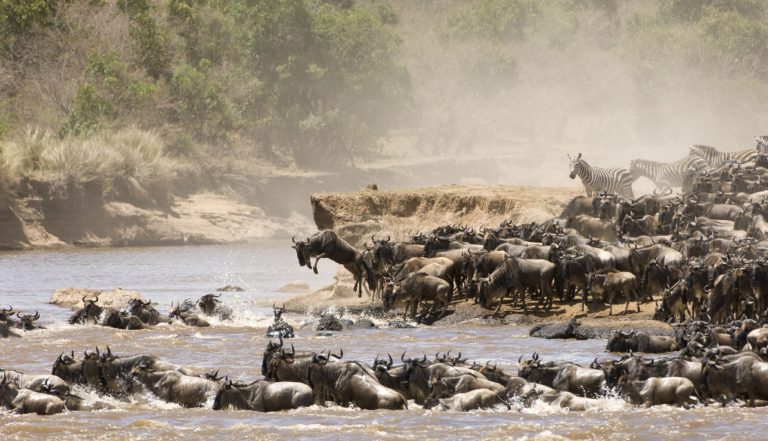
Ngorongoro Crater is strategically located near some of Tanzania’s most famous safari destinations, including Serengeti National Park, Tarangire National Park, and Lake Manyara National Park. This makes it a key stop on the popular northern circuit safari route. Travelers can easily combine multiple parks into a single itinerary, experiencing diverse landscapes and wildlife within a few days. The proximity to the Serengeti also allows visitors to witness the Great Wildebeest Migration during certain seasons. This geographical advantage enhances Ngorongoro’s value as a safari hub. It serves as both a destination and a gateway to some of Africa’s most iconic wildlife experiences, making it essential for comprehensive Tanzania safari planning.
14. One of the Most Visited Safari Destinations in Africa
Ngorongoro Crater attracts hundreds of thousands of visitors each year, making it one of the most visited safari destinations in Africa. Its fame comes from its unique combination of wildlife density, geological wonder, and accessibility. Despite its popularity, strict management ensures that tourism remains sustainable. Safari vehicles are regulated to prevent overcrowding in sensitive areas. The crater’s global reputation continues to grow as more travelers seek authentic wildlife experiences. Many international travel publications rank Ngorongoro among the top natural wonders of the world. Its ability to deliver unforgettable safari moments in a single day makes it a highlight for travelers from all over the globe.
Final Thought
The Ngorongoro Crater remains one of the most remarkable safari destinations in the world, combining unmatched wildlife density, dramatic landscapes, and deep historical significance. As part of Tanzania’s northern safari circuit, it offers travelers a rare chance to experience the Big Five, ancient human history, and breathtaking scenery all in one place. Whether you are a first-time visitor or a seasoned safari traveler, the crater delivers unforgettable moments at every turn. Its balance of conservation, culture, and natural beauty makes it a true African icon. For anyone planning a Tanzania safari, Ngorongoro Crater is not just a destination—it is an essential journey into the heart of wild Africa.