Ways to Boost Your Hiking Endurance for Climbing Kilimanjaro
Kilimanjaro Endurance Training at a Glance
Climbing Mount Kilimanjaro demands more than excitement—it requires strong hiking endurance, physical fitness, and smart preparation. Whether you choose the Machame Route, Lemosho Route, or Marangu Route, building stamina is key to reaching the summit successfully. Training for a Kilimanjaro climb involves improving cardiovascular endurance, leg strength, and mental resilience. By focusing on structured workouts and real hiking practice, you can reduce fatigue and improve your chances of success. From altitude training to strength conditioning, every step counts toward your summit goal. This guide highlights proven ways to boost endurance, helping you prepare for one of Africa’s most iconic adventures. With consistency and the right techniques, your Kilimanjaro trekking experience can be safer, stronger, and more rewarding.
Consistent Long-Distance Hiking
Regular long-distance hiking is one of the most effective forms of Kilimanjaro endurance training. Aim for weekly hikes that gradually increase in distance and difficulty. This improves your stamina for hiking, strengthens muscles, and conditions your body for multi-day treks. Choose varied terrain—hills, trails, and uneven paths—to simulate real Kilimanjaro trekking conditions. Consistency is crucial; even shorter hikes done frequently can significantly improve your cardiovascular fitness. Wearing the same boots you’ll use during your climb helps prevent blisters and discomfort. Over time, your body adapts to sustained effort, making long summit days feel manageable. Incorporating endurance hiking workouts into your routine ensures you’re physically prepared for the demands of Africa’s highest mountain.
Weighted Pack Training
Training with a weighted backpack is essential for realistic Kilimanjaro preparation. Carrying 5–10 kg during hikes mimics actual trekking conditions, helping build strength and endurance simultaneously. This type of pack training for hiking strengthens your back, shoulders, and core while improving balance. Gradually increase the weight to avoid injury and enhance your trekking stamina safely. Practicing with gear also helps you adjust straps and find comfortable positioning. This reduces fatigue during long trekking days on Mount Kilimanjaro. Consistent backpack training prepares your body for sustained effort, making your climb smoother and more efficient. It’s a simple yet powerful method to improve your overall hiking performance.
Stair Climbing and Step-Ups
Stair climbing workouts are excellent for building leg endurance for hiking. Since Kilimanjaro trekking involves continuous uphill walking, stairs simulate this challenge effectively. Incorporate step-ups using a bench or box to target your quads, hamstrings, and glutes. These strength exercises for hikers improve power and stamina, essential for summit success. Adding a weighted pack increases intensity and enhances your climbing fitness. Regular stair sessions boost your cardiovascular endurance while strengthening key muscle groups. This combination helps reduce fatigue during steep ascents on Mount Kilimanjaro. Consistent training ensures your legs are prepared for long trekking days, making your journey to the summit more achievable.
High Intensity Interval Training (HIIT)
HIIT workouts are highly effective for improving cardiovascular fitness and endurance training for hiking. These short, intense bursts of exercise followed by recovery periods boost stamina and efficiency. Activities like sprinting, cycling, or bodyweight circuits enhance your oxygen utilization, crucial for high-altitude trekking. Incorporating HIIT training for climbers helps your body adapt to physical stress, making long hiking days less exhausting. Just 20–30 minutes per session can significantly improve performance. This method also increases calorie burn and overall fitness levels. Including HIIT in your routine ensures you’re well-prepared for the demanding conditions of Mount Kilimanjaro climbing.
Leg Strengthening Exercises
Strong legs are vital for Kilimanjaro hiking success. Focus on leg workouts for hikers, such as squats, lunges, and deadlifts, to build power and endurance. These exercises target major muscle groups used during trekking, improving stability and reducing injury risk. Incorporating resistance training enhances your mountain climbing fitness and supports long hiking days. Stronger legs help you manage steep ascents and descents more efficiently. Adding variations like single-leg exercises improves balance and coordination. Consistent strength training for trekking ensures your body can handle the physical demands of Mount Kilimanjaro. This foundation is key to a successful and enjoyable climb.
Practice Hiking at Altitude
One of the most effective ways to boost your hiking endurance for Kilimanjaro is to practice hiking at altitude. Training on high-altitude trails helps your body adapt to reduced oxygen levels, improving aerobic capacity and stamina. Gradually increasing elevation gain and hiking steep terrains builds muscular endurance and conditions your lungs for mountain trekking. Include multi-day hikes with a loaded backpack to simulate Kilimanjaro climbing conditions. Tracking your heart rate, pace, and altitude acclimatization ensures safe and effective training. Combining altitude hiking with strength exercises enhances overall hiking performance. Remember, practicing on trails similar in terrain and elevation to Mount Kilimanjaro gives you the confidence and physical readiness required for a successful summit attempt.
Incorporate Aerobic Activities
Incorporating aerobic activities into your training is essential for Kilimanjaro hiking preparation. Running, cycling, swimming, and stair climbing improve cardiovascular endurance, enabling you to sustain long hours of trekking. Focus on interval training and steady-state cardio to boost your lung capacity and heart efficiency. These activities also help in weight management, reducing the energy cost of climbing Mount Kilimanjaro. Consistent cardio training strengthens your musculoskeletal system, allowing your legs and core to endure long uphill hikes. Pairing aerobic exercises with hill or stair simulations closely mimics the altitude hiking environment, improving your overall hiking stamina, reducing fatigue, and increasing your chances of a successful Kilimanjaro summit.
Use Trekking Poles
Using trekking poles is a simple yet effective strategy to enhance your hiking endurance for Mount Kilimanjaro climbs. Poles distribute weight evenly, reducing stress on knees, hips, and ankles, especially on steep ascents and descents. They improve balance and stability on rocky or uneven trails, lowering the risk of injuries. Training with poles during practice hikes allows your upper body to engage, boosting overall endurance and strength. Proper pole technique can conserve energy and maintain a steady pace, crucial for multi-day Kilimanjaro treks. Incorporating pole-assisted hikes into your pre-summit training increases confidence on challenging terrain and enhances your climbing efficiency.
Flexibility and Mobility Training
Flexibility and mobility training are vital for preparing for Kilimanjaro hiking. Stretching improves range of motion, reduces muscle tightness, and minimizes injury risk during long treks. Yoga, dynamic stretches, and foam rolling exercises enhance joint stability and muscle elasticity, critical for navigating steep slopes and rocky paths. Regular mobility training strengthens core muscles, improving posture and endurance while carrying a backpack on long hikes. Combining strength and mobility workouts ensures your body adapts to mountain trekking demands. Increased flexibility also helps in recovery after strenuous hikes, keeping you energized for consecutive days on Kilimanjaro climbing routes, ultimately boosting hiking efficiency and summit success.
Mental Conditioning
Mental conditioning is as important as physical training when preparing for Kilimanjaro climbs. Visualization techniques, mindfulness, and positive self-talk help overcome fatigue and altitude challenges. Training your mind to push through discomfort enhances hiking endurance and focus on long, steep trails. Simulating real trekking conditions in practice hikes strengthens resilience against adverse weather or high-altitude stress. Break down the summit challenge into achievable goals, reducing anxiety and improving mental stamina. Incorporating mental exercises with physical training ensures you remain motivated and confident throughout your Kilimanjaro trek, significantly increasing the likelihood of a successful and enjoyable mountain adventure.
Important Tips: Start Early, Rest and Stay Consistent
Start Early
When preparing for Mount Kilimanjaro climbing, one of the most effective strategies to boost your hiking endurance is to start early in your training. Beginning your Kilimanjaro preparation weeks or even months ahead allows your body to gradually adapt to high-altitude trekking and long-distance hikes. Early starters benefit from improved cardiovascular fitness, leg strength, and stamina, which are essential for conquering Kilimanjaro trekking routes like Machame, Lemosho, or Rongai. Incorporating morning hikes, stair climbing, and interval training builds a solid foundation for sustained energy during Kilimanjaro expeditions. Starting early also provides time to adjust to altitude sickness prevention strategies and experiment with hiking gear, hydration, and nutrition plans, ensuring you’re fully prepared for a safe and successful Kilimanjaro summit attempt.
Rest
In any serious Kilimanjaro climbing training program, rest is just as critical as active preparation. Overtraining can lead to fatigue, muscle strain, and reduced aerobic endurance, all of which hinder your high-altitude hiking performance. Strategic rest days and sleep optimization allow your muscles to recover, improving strength, balance, and hiking efficiency. Even brief naps or lighter recovery sessions after long-distance trekking can enhance your Kilimanjaro stamina. Incorporating stretching routines, yoga, or mobility exercises during rest periods ensures your joints stay flexible for challenging Kilimanjaro trails. Proper rest and recovery also support your body in adapting to altitude, reducing altitude sickness risk, and enabling consistent progress toward your ultimate Kilimanjaro summit goal.
Consistency
The key to boosting hiking endurance for Kilimanjaro is unwavering consistency. Regular long-distance hikes, stair workouts, and strength training sessions condition your body for the sustained effort required on Mount Kilimanjaro treks. Consistent training increases cardiovascular capacity, muscle endurance, and mental resilience, all crucial for conquering routes like Shira, Marangu, or Umbwe. Maintaining a weekly training schedule that alternates hiking, cardio, and strength exercises ensures gradual improvement without overexertion. Tracking your progress and steadily increasing altitude and distance builds confidence for the Kilimanjaro summit climb. Those who train consistently experience less fatigue, better energy management, and a higher likelihood of reaching the top of Kilimanjaro safely and efficiently.
- 1Monday: leg strength (squats, lunges, deadlifts)
- 2Tuesday: 20–30 minutes of HIIT
- 3Wednesday: rest, yoga or mobility
- 4Thursday: stair climbing with a weighted pack
- 5Friday: steady aerobic session (cycling, swimming or running)
- 6Saturday: long hike with a 5–10 kg pack
- 7Sunday: rest and recovery
Kilimanjaro Training Questions Answered
How can I increase my hiking endurance?
Boosting hiking endurance for climbing Kilimanjaro requires a mix of cardiovascular training, strength exercises, and gradual exposure to long-distance hikes. Begin with daily brisk walks, jogging, or cycling to improve stamina and lung capacity. Incorporate leg-strengthening exercises like squats, lunges, and step-ups to handle steep trails. Practice backpacking with weighted packs to simulate real climbing conditions. Consistency is key: train at least 4–6 days per week for optimal results. Using interval training and hill workouts boosts aerobic capacity and prepares your body for high-altitude trekking. Combining endurance building with proper rest and recovery ensures your muscles adapt and reduces fatigue during the Kilimanjaro climb.
How long does it take to prepare for climbing Kilimanjaro?
Preparation time for climbing Mount Kilimanjaro varies based on fitness levels and prior hiking experience. Most climbers benefit from 8–12 weeks of focused training to build endurance, strength, and cardiovascular fitness. Beginners may require up to 6 months to safely handle high-altitude trekking. Key preparation includes multi-day hikes, stair climbing, and weighted backpack exercises. Adding core workouts improves balance and reduces muscle strain. Combining aerobic training, leg strength routines, and long-distance hiking practice ensures your body adapts to the physical demands of Kilimanjaro routes. Proper preparation timeline reduces altitude sickness risk, enhances climbing success rates, and allows climbers to enjoy the majestic landscapes of Tanzania’s Kilimanjaro National Park.
Is it necessary to train at high altitudes for Kilimanjaro?
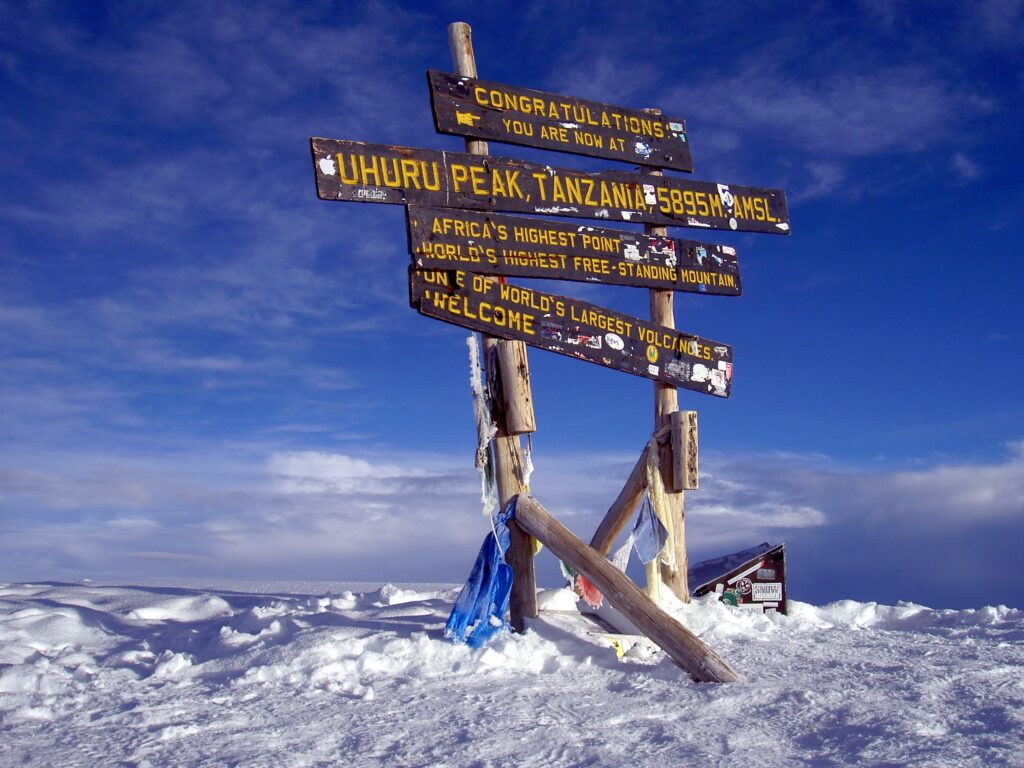
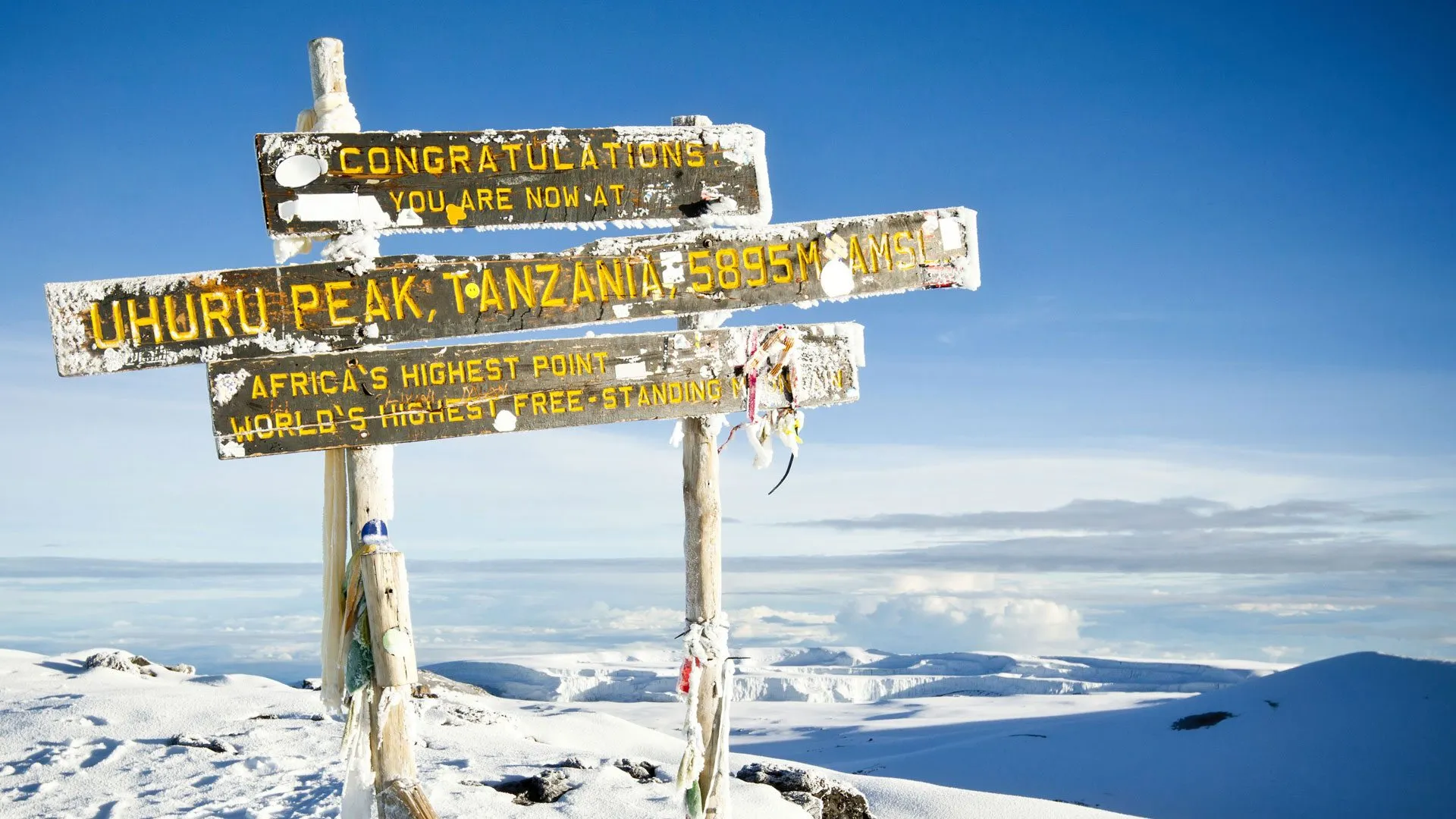
While not mandatory, high-altitude training can significantly improve your climbing performance on Mount Kilimanjaro. Training at elevated terrains increases red blood cell production, improving oxygen efficiency during altitude trekking. If access to mountains is limited, simulate altitude using stair climbing, hiking with a weighted pack, or hypoxic training masks. Gradual exposure to increasing elevations helps reduce altitude sickness symptoms, such as headaches or fatigue, during the Kilimanjaro climb. Even moderate elevation hikes combined with cardio endurance exercises can prepare climbers effectively. While Kilimanjaro’s summit, Uhuru Peak, reaches 5,895 meters, building adaptability through high-altitude or simulated training improves success rates and enhances overall hiking endurance for the demanding trek.
What is the best footwear for hiking Kilimanjaro?
Choosing the right hiking boots is crucial for climbing Kilimanjaro. Opt for sturdy, waterproof trekking boots with ankle support, durable grip soles, and breathable materials to handle varying terrain, from rainforest trails to rocky summits. Many climbers prefer lightweight mountaineering boots for higher sections and well-cushioned boots for lower trails. Proper fit is essential to avoid blisters and foot fatigue. Break in your footwear during training hikes to prevent discomfort. Combining moisture-wicking socks with insulated boots helps maintain foot warmth and dryness in cold, wet conditions. Quality hiking footwear not only enhances performance but also ensures safety during the physically demanding Kilimanjaro climb.
How can I prevent blisters during the climb?
Preventing blisters on Kilimanjaro requires proper foot care, hydration, and footwear choices. Always wear well-fitted hiking boots and moisture-wicking socks to reduce friction. Using double-layer socks, blister tape, or anti-chafing balms on hotspots can prevent painful skin irritation. Break in boots gradually during training hikes to allow foot adaptation. Keep feet dry by changing socks daily and airing them at camp. Strengthening foot muscles during preparation hikes improves endurance. Avoid overly tight or loose boots, and monitor feet regularly for redness or hotspots. Proper blister prevention ensures a comfortable climb, reduces downtime, and enhances success on Kilimanjaro’s trails.
Should I carry a trekking pole?
Using trekking poles is highly recommended for climbing Kilimanjaro, providing balance and reducing stress on knees during steep ascents and descents. Poles improve endurance, distribute weight evenly, and help maintain stability on rocky or uneven trails. Adjustable lightweight poles with shock-absorbing tips are ideal for varying terrain. Poles also aid in maintaining rhythm, which conserves energy over long distances. For climbers with back or joint concerns, trekking poles significantly reduce fatigue. Combine poles with proper pack weight distribution and footwear for optimal performance. Carrying a trekking pole enhances safety, hiking efficiency, and overall enjoyment during the physically demanding Kilimanjaro adventure.
What is the role of nutrition during the Kilimanjaro climb?
Nutrition plays a crucial role in boosting energy and endurance during Kilimanjaro treks. Consume high-carbohydrate meals, protein-rich snacks, and hydrating fluids to fuel muscles and maintain energy levels. Eating small, frequent meals helps prevent fatigue and nausea at high altitudes. Incorporate electrolytes, nuts, dried fruits, and energy bars for quick energy boosts. Avoid excessive sugary foods or alcohol, which can exacerbate dehydration. Proper nutrition planning during the climb supports muscle recovery, immune function, and overall physical performance. Combining a balanced diet with hydration strategies enhances hiking endurance, reduces altitude sickness risk, and ensures climbers enjoy the full Kilimanjaro experience.
Final Thought
Preparing for Mount Kilimanjaro climbing requires dedication, strategy, and consistency. By combining endurance training, strength workouts, and mental preparation, you can significantly improve your chances of success. Every hike, workout, and training session brings you closer to the summit. With the right approach, your Kilimanjaro trekking journey becomes not just achievable—but unforgettable.
Boost Your Hiking Endurance for Kilimanjaro: FAQs
How does long-distance hiking help prepare for Kilimanjaro?
Weekly hikes that gradually increase in distance and difficulty build stamina, strengthen muscles and condition your body for multi-day treks. Hike on varied terrain and wear your climbing boots.
How heavy should my training backpack be for Kilimanjaro?
Train with around 5 to 10 kg, increasing the weight gradually. This strengthens your back, shoulders and core and helps you adjust your straps before the climb.
Is stair climbing good training for Kilimanjaro?
Yes. Stairs and step-ups simulate continuous uphill walking and build your quads, hamstrings and glutes. Adding a weighted pack increases the challenge.
Does HIIT help with Kilimanjaro training?
Yes. Just 20 to 30 minutes of high-intensity intervals, such as sprints, cycling or bodyweight circuits, improves cardiovascular fitness and oxygen use.
What leg exercises are best for Kilimanjaro?
Squats, lunges, deadlifts and step-ups build power and endurance. Single-leg exercises improve balance and coordination for steep ascents and descents.
Should I practise hiking at altitude before Kilimanjaro?
It helps but is not essential. Hiking on high trails conditions your lungs and stamina. If you cannot reach altitude, use stairs and weighted pack hikes instead.
Which aerobic activities help prepare for Kilimanjaro?
Running, cycling, swimming and stair climbing improve heart and lung efficiency, helping you sustain long hours of trekking.
Should I use trekking poles on Kilimanjaro?
Yes. Poles reduce stress on your knees, hips and ankles, improve balance on rocky trails and help you keep a steady, energy-saving pace.
Why is flexibility important for Kilimanjaro?
Stretching, yoga and foam rolling improve range of motion, reduce injury risk and speed recovery between long trekking days.
How can I prepare mentally for Kilimanjaro?
Use visualisation, mindfulness and positive self-talk, and break the summit challenge into smaller goals to stay motivated and confident.
How many days a week should I train for Kilimanjaro?
Aim for 4 to 6 days a week, alternating hiking, cardio and strength training, with planned rest days to let your muscles recover.
How long does it take to prepare for Kilimanjaro?
Most climbers need 8 to 12 weeks of focused training. Beginners may need up to 6 months. Include multi-day hikes, stairs, weighted pack training and core work.
Can I climb Kilimanjaro with a guided team?
Yes. Our experienced local mountain team plans private, well-acclimatised climbs on routes such as Machame and Lemosho, tailored to your fitness and dates.
Climb Kilimanjaro With Confidence
Tell us your dates and fitness, and our experienced mountain team will plan a safe, well-acclimatized private climb.