
Routes, costs, safety and the best time to visit the Roof of Africa
Kilimanjaro National Park Travel Guide
Rising above the African plains, Kilimanjaro National Park is one of the world’s most iconic travel destinations, drawing adventurers, nature lovers, and luxury safari seekers alike. Home to the legendary Mount Kilimanjaro, this UNESCO World Heritage Site offers breathtaking landscapes, diverse ecosystems, and unforgettable trekking experiences. From lush rainforests to alpine deserts and snow-capped summits, Kilimanjaro delivers a once-in-a-lifetime journey. Whether you’re planning a budget climb, luxury Kilimanjaro safari, honeymoon adventure, or private guided expedition, this comprehensive travel guide covers routes, costs, safety, packing lists, and the best time to visit. With expert insights and SEO-rich tips, discover how to plan, book, and experience the ultimate Kilimanjaro climbing tour from Arusha or beyond.
Where is Kilimanjaro
Mount Kilimanjaro is located in northeastern Tanzania, near the border with Kenya. It stands proudly within Kilimanjaro National Park, covering over 1,600 square kilometers of protected wilderness. The nearest major town is Moshi, often considered the gateway to Kilimanjaro climbing adventures, while Arusha serves as the main safari hub. This strategic location makes Kilimanjaro easily accessible for travelers, combining wildlife safaris with mountain trekking. The mountain itself is a dormant volcano with three cones—Kibo, Mawenzi, and Shira. Its equatorial location creates unique climatic zones, ranging from tropical forest to arctic summit. This geographical diversity makes Kilimanjaro one of the most sought-after trekking destinations globally, ideal for both beginners and experienced climbers seeking bucket-list adventures.
How to Get to Kilimanjaro National Park
Reaching Kilimanjaro National Park is straightforward, making it a top destination for international and local travelers. The primary gateway is Kilimanjaro International Airport (JRO), located between Arusha and Moshi. Direct flights are available from major global hubs, including Europe, the Middle East, and Africa. Alternatively, travelers can fly into Dar es Salaam and take a domestic flight or scenic drive north. Once you arrive, most tour operators provide private transfers to park gates such as Marangu or Machame. Road travel offers stunning views of rural Tanzania and Mount Kilimanjaro itself. Whether you choose a luxury fly-in safari or a budget overland journey, access to Kilimanjaro is seamless. Booking with reputable tour companies ensures smooth logistics, including airport pickups, accommodation, and guided trekking packages tailored to your itinerary.
- Fly into JROKilimanjaro International Airport, between Arusha and Moshi
- Or via Dar es SalaamDomestic flight or a scenic drive north
- Private transferTo Marangu, Machame or another park gate
How long does it take to climb Kilimanjaro
Climbing Mount Kilimanjaro typically takes between 5 and 9 days, depending on the chosen route and acclimatization schedule. Shorter routes like Marangu can be completed in 5–6 days, but longer routes such as Lemosho or Northern Circuit (7–9 days) offer higher success rates due to better altitude adjustment. Time on the mountain is crucial for reducing the risk of altitude sickness and increasing summit success. Each day involves trekking through different ecological zones, culminating in a challenging summit push to Uhuru Peak. Travelers seeking luxury or comfort climbing experiences often opt for longer itineraries with extra acclimatization days. Whether you are a beginner or experienced hiker, selecting the right duration is key. Professional guides, porters, and structured itineraries make the journey manageable, enjoyable, and safe for most physically fit individuals.
- Marangu5+ days5–6 days, hut accommodation
- Machame7+ days6–7 days, scenic
- Rongai7+ days6–7 days, northern approach
- Lemosho8+ days7–8 days, high success
- Northern Circuit9+ days8–9 days, quietest
Wildlife and Vegetation
Kilimanjaro National Park is not just about climbing—it’s a biodiversity hotspot with diverse wildlife and vegetation zones. The lower slopes feature dense rainforests teeming with monkeys, including colobus and blue monkeys, as well as birds and small mammals. As you ascend, the landscape transitions into moorland with giant lobelias and senecios, followed by alpine desert and icy summit conditions. Larger animals like elephants, buffalo, and leopards are occasionally spotted in forested areas, particularly on the lower routes. This ecological diversity makes Kilimanjaro unique among global trekking destinations. The vegetation zones create ever-changing scenery, enhancing the trekking experience. Nature lovers and photographers will find endless opportunities to capture stunning landscapes and rare flora. Conservation efforts ensure this natural heritage remains protected, making Kilimanjaro both a trekking paradise and an ecological treasure.
- RainforestColobus and blue monkeys
- MoorlandGiant lobelias and senecios
- Alpine desertStark, rocky landscapes
- Arctic summitGlaciers and icy air
Best Time to Visit Kilimanjaro National Park
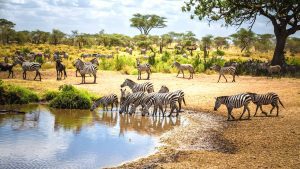
The best time to visit Kilimanjaro National Park is during the dry seasons: January to March and June to October. These months offer clear skies, stable weather, and excellent visibility, ideal for climbing Mount Kilimanjaro. January to March is quieter and colder, while June to October is the most popular period with warmer conditions. Avoid the rainy seasons (April–May and November), as trails can become slippery and visibility is limited. However, experienced trekkers may still climb during off-peak months for fewer crowds. Choosing the right time significantly impacts your summit success and overall experience. Peak seasons offer vibrant trekking communities and better logistics, while shoulder seasons provide solitude. For combining Kilimanjaro climbing with Tanzania safari tours, June to October is ideal, aligning with the Great Migration in the Serengeti.
How difficult is it to climb Mount Kilimanjaro
Climbing Mount Kilimanjaro is considered moderately difficult, but it does not require technical mountaineering skills. The main challenge is altitude rather than terrain. Trekkers must walk for several hours daily over varied landscapes, with the final summit push being the most demanding. Physical fitness, mental endurance, and proper acclimatization are essential for success. Many first-time climbers reach the summit with proper preparation and guidance. Routes like Lemosho and Machame offer gradual ascents, improving success rates. Professional guides monitor your health, pace, and hydration throughout the journey. While challenging, Kilimanjaro is achievable for most people with determination and preparation. Training hikes, cardiovascular fitness, and mental readiness greatly enhance your experience. Choosing a reputable operator ensures safety, comfort, and a higher chance of reaching Uhuru Peak successfully.
- Technical skillNot required
- Daily trekkingSeveral hours a day
- AltitudeThe main challenge
- Mental enduranceKey on summit night
Mount Kilimanjaro Camps & Lodges Guide for Tanzania
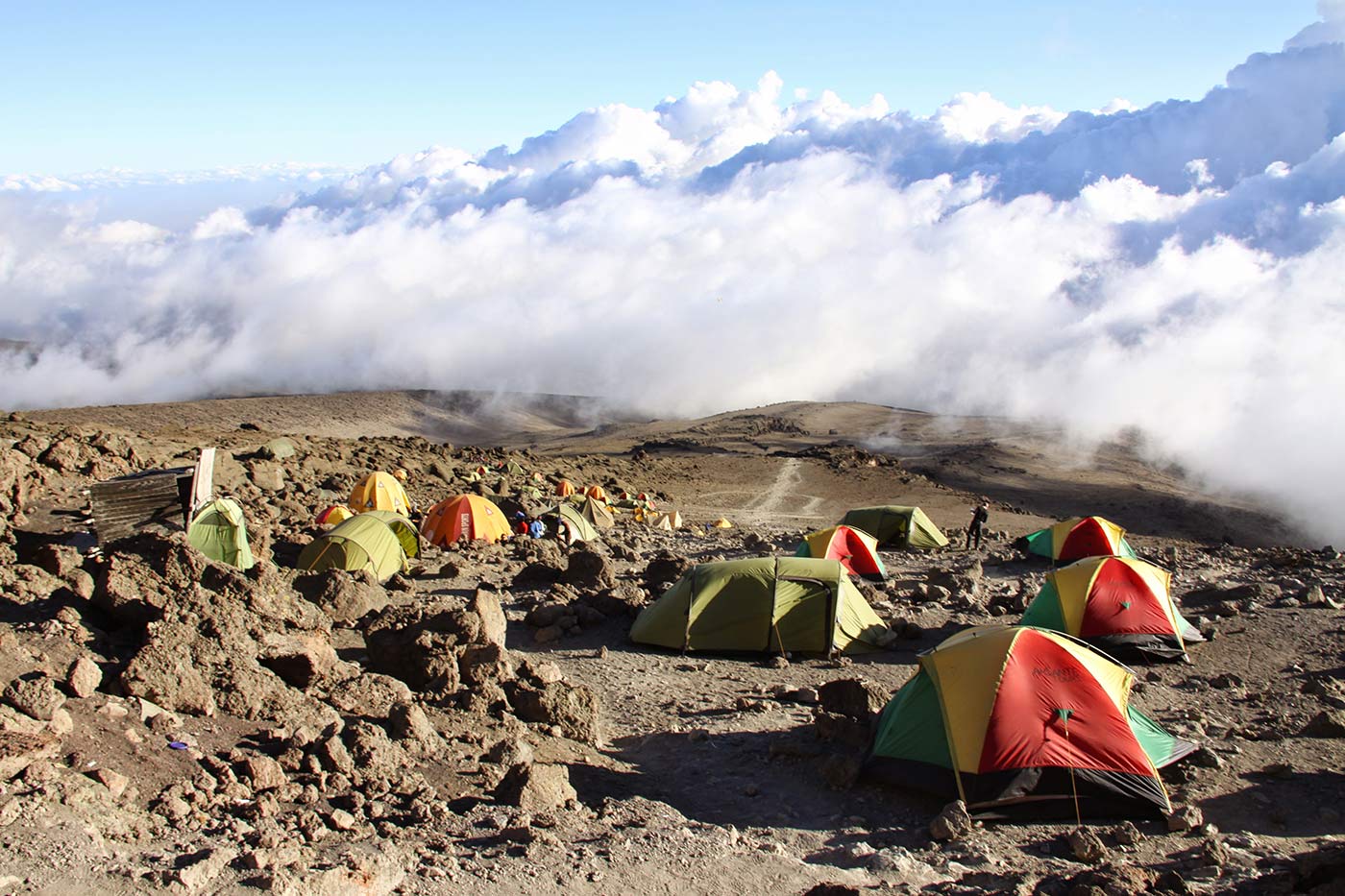
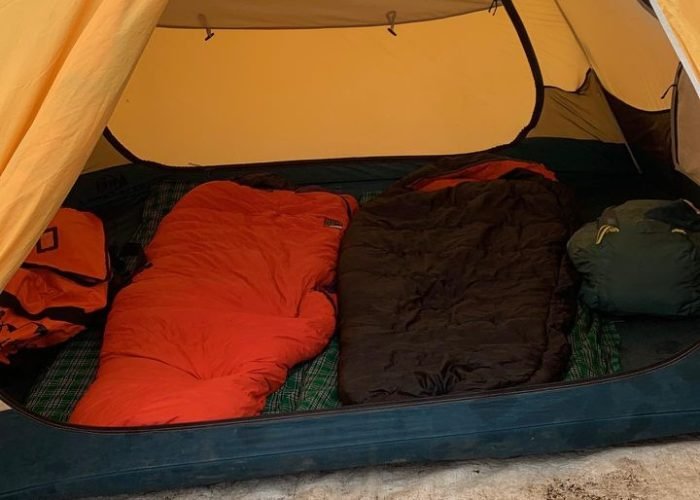
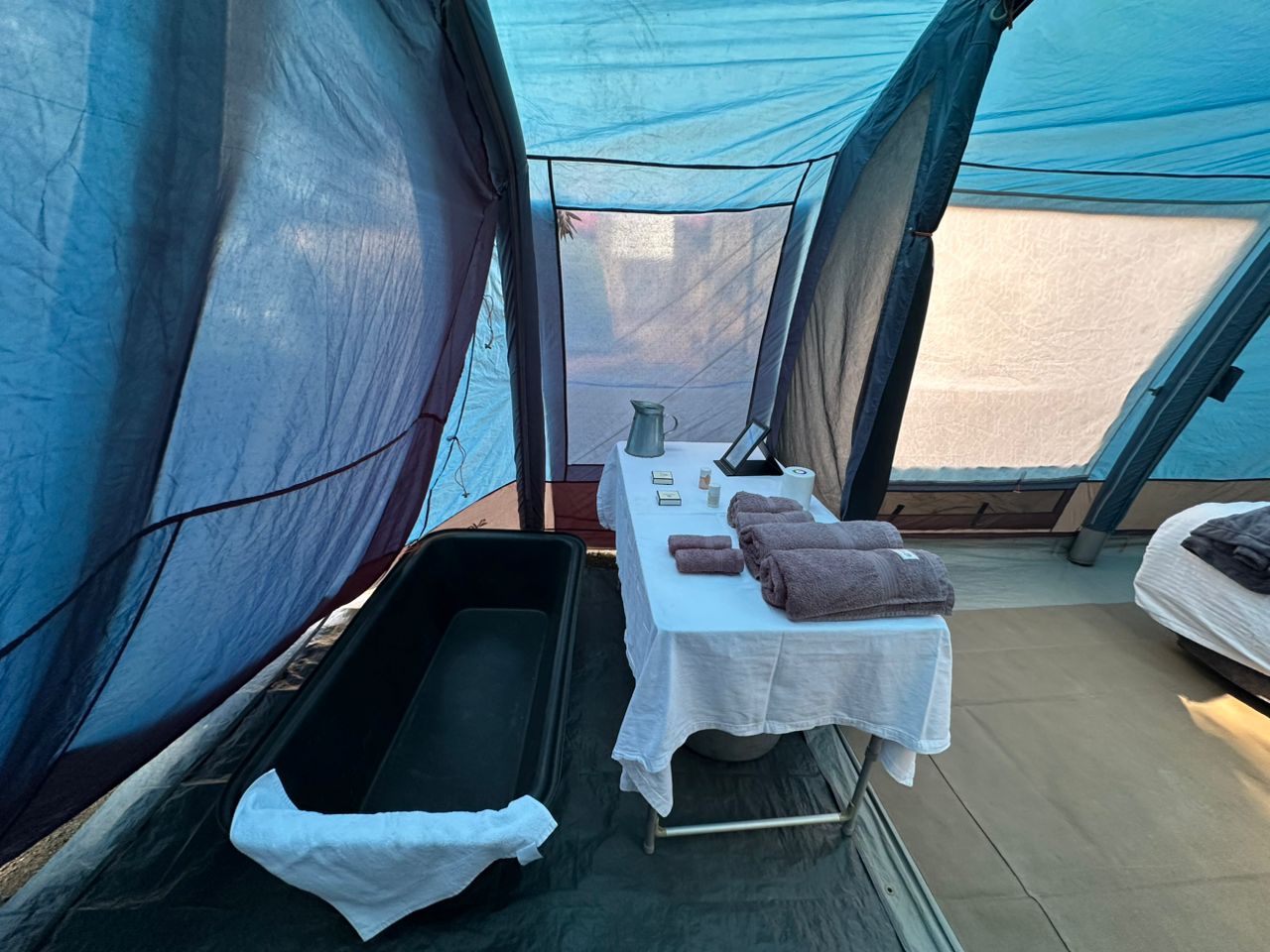
Accommodation on Mount Kilimanjaro varies by route, ranging from mountain huts to luxury tented camps. The Marangu Route offers basic huts with beds and shared facilities, while other routes like Machame and Lemosho use camping setups. High-end operators provide luxury mobile camps with comfortable tents, dining areas, and even hot meals. Before and after your climb, you can stay in lodges around Moshi or Arusha, ranging from budget hotels to luxury safari lodges. Popular options include boutique lodges, eco-resorts, and spa retreats. Choosing the right accommodation enhances your overall Kilimanjaro experience. Whether you prefer budget trekking or premium glamping, there are options for every traveler. Many packages include full-board services, transfers, and professional guides, ensuring a seamless and comfortable adventure.
Kilimanjaro Altitude Sickness
Altitude sickness is the biggest challenge when climbing Mount Kilimanjaro. As you ascend above 2,500 meters, oxygen levels decrease, causing symptoms like headaches, nausea, and fatigue. Proper acclimatization is key to preventing severe conditions such as Acute Mountain Sickness (AMS). Choosing longer routes, maintaining a slow pace (“pole pole” in Swahili), staying hydrated, and following your guide’s instructions are essential. Most reputable tour operators include daily health checks using pulse oximeters. Medications like acetazolamide may help, but should be taken under medical advice. Recognizing symptoms early and descending if necessary ensures safety. While altitude sickness is common, it is manageable with preparation and awareness. Climbers who prioritize acclimatization significantly improve their chances of reaching the summit safely and enjoying the journey.
- Choose a longer route
- Walk slowly, pole pole
- Stay hydrated
- Follow your guide
- Headaches
- Nausea
- Fatigue
- Descend if symptoms worsen
What to pack for the Kilimanjaro climb
Packing for Mount Kilimanjaro requires careful planning to handle varying climates. Essentials include layered clothing, waterproof jackets, thermal wear, hiking boots, gloves, and a warm sleeping bag. Accessories like headlamps, trekking poles, sunglasses, and sunscreen are crucial. A daypack should carry water, snacks, and personal items, while porters handle larger bags. Proper gear ensures comfort and safety throughout the climb. High-quality equipment is especially important for summit night, where temperatures drop below freezing. Many tour operators provide rental gear, making it easier for international travelers. Packing smart reduces fatigue and enhances your overall experience. Whether you’re on a budget or luxury climb, having the right gear is essential for success. Always follow a detailed Kilimanjaro packing list provided by your tour company.
Kilimanjaro Safety
Safety is a top priority in Kilimanjaro National Park, and climbing Mount Kilimanjaro is considered safe with professional guidance. Licensed guides, porters, and cooks accompany all trekkers, ensuring support throughout the journey. Reputable operators follow strict safety protocols, including health monitoring, emergency evacuation plans, and altitude management. Kilimanjaro has well-established routes and rescue systems, including stretcher evacuations and helicopter services. Choosing a certified tour operator is essential for safety and ethical practices. Climbers are advised to obtain travel insurance covering high-altitude trekking. Following the guide instructions, maintaining hydration, and pacing yourself are key safety measures. With proper preparation and expert support, Kilimanjaro remains one of the safest high-altitude trekking destinations in the world.
Which is the easiest route to climb Mount Kilimanjaro
The Marangu Route is often considered the easiest way to climb Mount Kilimanjaro due to its gradual ascent and hut accommodations. Known as the “Coca-Cola Route,” it offers a straightforward path and basic comforts. However, its shorter duration reduces acclimatization time, which can affect success rates. For a better balance of ease and success, many experts recommend the Lemosho Route, which provides a slower ascent and stunning scenery. Choosing the easiest route depends on your fitness level, experience, and preference for comfort. Longer routes generally increase your chances of reaching the summit. Consulting experienced tour operators helps you select the best route for your needs, ensuring a safer and more enjoyable Kilimanjaro climbing experience.
Marangu Route: Gradual ascent and hut accommodation, the “Coca-Cola Route”.
View the Marangu Route →Lemosho Route: A slower ascent, excellent acclimatization and stunning scenery.
View the Lemosho Route →Machame Route: Scenic beauty with a challenging but rewarding trek.
View the Machame Route →Northern Circuit: A longer, less crowded experience.
View the Northern Circuit →Is there anyone who should not climb Mount Kilimanjaro
While Mount Kilimanjaro is accessible to many, it may not be suitable for everyone. Individuals with severe heart conditions, respiratory issues, or uncontrolled medical conditions should consult a doctor before attempting the climb. Altitude can exacerbate underlying health problems, making medical clearance essential. Pregnant travelers and those with limited mobility may also face challenges. However, age alone is not a barrier—both young and older climbers have successfully reached the summit. Proper fitness, preparation, and medical advice are key factors. Tour operators often require health questionnaires to ensure safety. If you’re unsure, consider alternative experiences like day hikes in Kilimanjaro National Park or nearby safaris. Safety should always come first when planning your adventure.
Always consult a doctor before your climb if you have any medical concerns.
What is the best route to climb Mount Kilimanjaro
The best route on Mount Kilimanjaro depends on your goals, but the Lemosho Route is widely regarded as the top choice. It offers excellent acclimatization, high success rates, and diverse scenery. The Machame Route is also popular, combining scenic beauty with a challenging but rewarding trek. For those seeking solitude, the Northern Circuit provides a longer, less crowded experience. Each route varies in duration, difficulty, and cost. Choosing the best route involves balancing comfort, budget, and success probability. Experienced guides can help tailor your itinerary based on your fitness level and preferences. Investing in a longer route often leads to a safer and more enjoyable climb, increasing your chances of reaching Uhuru Peak.
What is the best month to climb Mount Kilimanjaro
The best months to climb Mount Kilimanjaro are January, February, July, August, September, and October. These periods fall within the dry seasons, offering clear skies, minimal rainfall, and optimal trekking conditions. January and February are slightly warmer and less crowded, while July to October is peak season with excellent visibility. Choosing the right month enhances your experience and summit success. Avoid heavy rainy months like April and May, when trails become muddy and challenging. Shoulder months can still be viable for experienced trekkers seeking fewer crowds. Planning your climb during favorable weather conditions ensures better safety, comfort, and stunning panoramic views from the summit.
Park Fees and Regulations
Entry to Kilimanjaro National Park involves several fees, including conservation fees, camping or hut fees, rescue fees, and guide requirements. These costs are regulated by the Tanzania National Parks Authority. All climbers must be accompanied by licensed guides, ensuring safety and environmental protection. Fees contribute to conservation efforts and park maintenance. Regulations also promote responsible tourism, including waste management and porter welfare. Understanding park fees is essential when budgeting for your Kilimanjaro climb. Most tour operators include these costs in their packages, simplifying the booking process. Compliance with park rules ensures a sustainable and enjoyable experience for all visitors.
- Conservation fees
- Camping or hut fees
- Rescue fees
- Licensed guide
Fees are set by Tanzania National Parks; most climbing packages include them.
Things To Do in Kilimanjaro National Park
Beyond climbing Mount Kilimanjaro, Kilimanjaro National Park offers a range of activities. Visitors can enjoy day hikes, nature walks, birdwatching, and cultural tours in nearby villages. Coffee tours in Moshi provide insight into local traditions. Waterfalls, such as Materuni, offer scenic excursions. Wildlife viewing is possible in the lower forest zones. Combining Kilimanjaro with Tanzania safari tours to Serengeti or Ngorongoro enhances your adventure. Whether you’re a climber or a leisure traveler, Kilimanjaro offers diverse experiences for all interests. Discover Kilimanjaro adventure travel, Kilimanjaro summit Uhuru Peak, Tanzania travel guide Kilimanjaro, Kilimanjaro packing list, Kilimanjaro weather and climate, Kilimanjaro trekking success rate, Kilimanjaro guided tours, Kilimanjaro UNESCO World Heritage site
What Are the Rates of Climbing Kilimanjaro
Climbing Mount Kilimanjaro costs vary widely, typically ranging from $1,850 for budget tours to over $6,000 for luxury packages. Prices depend on route, duration, group size, and level of service. Budget climbs offer basic camping, while luxury options include premium tents, gourmet meals, and personalized service. Costs usually cover park fees, guides, porters, meals, and transfers. Choosing a reputable operator ensures value, safety, and ethical treatment of staff. Investing in quality services increases your chances of success and enhances your experience. Comparing packages helps you find the best option for your budget and expectations. Explore Mount Kilimanjaro climbing tours, Kilimanjaro trekking routes, best time to climb Kilimanjaro, Kilimanjaro safari packages, Kilimanjaro hiking tips, Kilimanjaro tour packages Tanzania, Kilimanjaro climb cost, Kilimanjaro itinerary guide, Kilimanjaro altitude sickness tips, Kilimanjaro routes comparison, Kilimanjaro National Park fees.
Climbing Kilimanjaro: What to Expect, Routes, Preparation & Safety
Climbing Mount Kilimanjaro is a life-changing journey combining adventure, endurance, and natural beauty. Expect daily hikes through diverse landscapes, guided support, and a challenging summit night. Popular routes include Marangu, Machame, Lemosho, and Northern Circuit. Preparation involves physical training, proper gear, and mental readiness. Safety is ensured through professional guides, acclimatization schedules, and health monitoring. Each step brings you closer to Uhuru Peak, the highest point in Africa. Whether you choose a budget trek or a luxury expedition, Kilimanjaro offers an unforgettable experience.
- Daily hikesThrough diverse landscapes with guided support
- AcclimatizationSchedules and daily health monitoring
- Summit nightThe challenging push to Uhuru Peak
- Uhuru PeakThe highest point in Africa
Related Kilimanjaro & Tanzania Guides
All You Need to Know to Climb Mt Kilimanjaro→15 Best Tanzania Safari Lodges & Camps→Ultimate 2-Week Tanzania & Zanzibar Safari Itinerary & Costs→How Much Does It Cost to Climb Kilimanjaro?→10 Best Luxury African Safari Resorts & Lodges→Final Thought
A journey to Kilimanjaro National Park is more than a climb—it’s a transformative adventure. From planning and preparation to reaching the summit of Mount Kilimanjaro, every moment is unforgettable. With the right guidance, timing, and mindset, Kilimanjaro becomes achievable for many. Whether you seek challenge, inspiration, or breathtaking views, this iconic destination delivers beyond expectations.
Questions About Kilimanjaro National Park
Where is Kilimanjaro National Park?
Kilimanjaro National Park is in northeastern Tanzania, near the Kenyan border, protecting over 1,600 square kilometers around Mount Kilimanjaro, Africa’s highest mountain. The nearest town is Moshi, the gateway for Kilimanjaro climbs, while Arusha is the main safari hub. Kilimanjaro International Airport lies between the two towns, making the park easy to reach and simple to combine with a Serengeti, Ngorongoro or Tarangire wildlife safari.
Why is Kilimanjaro a UNESCO World Heritage Site?
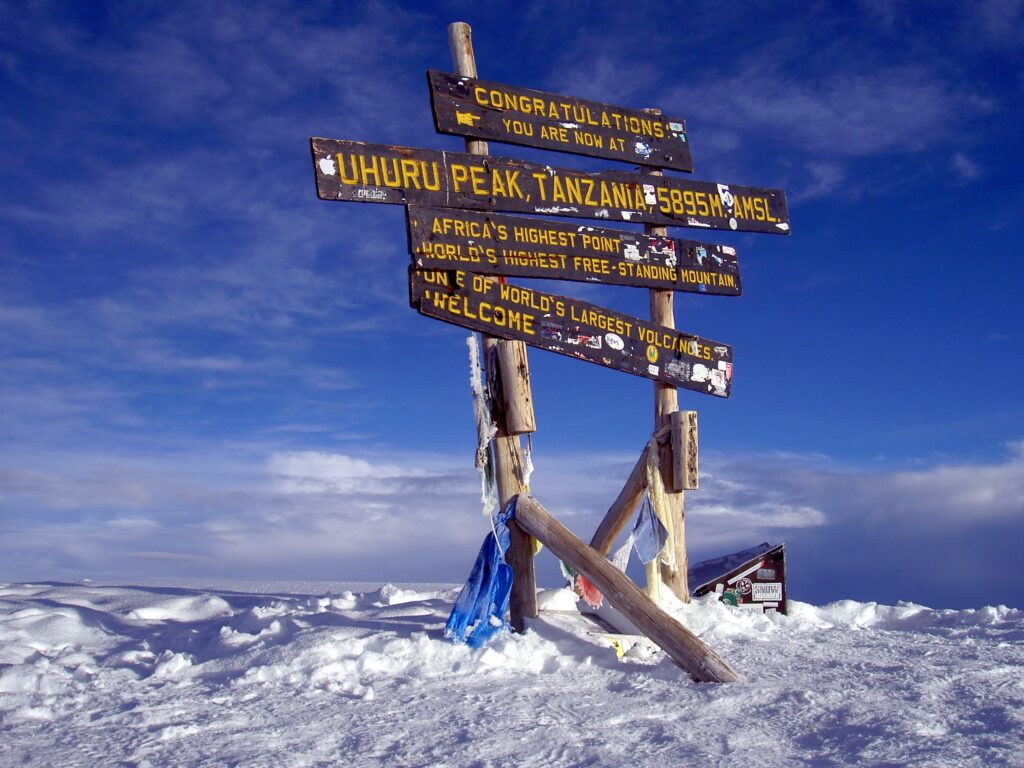
Kilimanjaro National Park is a UNESCO World Heritage Site because of its outstanding natural beauty and unique ecology. Rising 5,895 meters from the surrounding plains, the snow-capped dormant volcano is the world’s tallest free-standing mountain. Its slopes hold distinct climate zones, from rainforest and heath to alpine desert and arctic summit, supporting rare plants such as giant lobelias and senecios, along with diverse wildlife and birdlife.
What are the three volcanic cones of Kilimanjaro?
Mount Kilimanjaro is a dormant volcano made up of three cones: Kibo, Mawenzi and Shira. Kibo is the highest and youngest cone, crowned by Uhuru Peak at 5,895 meters and its famous glaciers. Mawenzi is a jagged, eroded peak to the east, popular with photographers, while Shira, the oldest cone, has collapsed into a wide plateau crossed by the Lemosho and Machame routes.
What wildlife lives in Kilimanjaro National Park?
Kilimanjaro National Park’s rainforest zone is home to black-and-white colobus monkeys, blue monkeys, bushbabies, duikers and colorful birds such as turacos and hornbills. Elephants, buffalo and leopards are occasionally seen in the lower forests, especially on quieter routes. Higher up, wildlife becomes scarce, but the moorland and alpine desert reveal unique plants such as giant lobelias and senecios, rewarding nature lovers and photographers on every climb.
Can I visit Kilimanjaro National Park without climbing to the summit?
Yes, you can enjoy Kilimanjaro National Park without climbing to Uhuru Peak. Popular options include guided day hikes from Marangu or Machame gate into the rainforest, nature walks, birdwatching and short treks toward Mandara Hut. Nearby, coffee tours in Moshi, Materuni waterfalls and village cultural visits offer authentic local experiences. These activities are ideal for travelers short on time, families or anyone combining Kilimanjaro with a Tanzania safari.
How cold is the summit of Kilimanjaro?
The summit of Mount Kilimanjaro is very cold, with temperatures often falling well below freezing, especially during the night-time summit push. Strong winds can make it feel even colder at Uhuru Peak. Pack insulated layers, a down jacket, thermal base layers, warm gloves, a hat and a sleeping bag rated for sub-zero temperatures. Proper gear keeps you warm, safe and comfortable for the final climb to the Roof of Africa.
Do I need a guide to climb Kilimanjaro?
Yes, all climbers in Kilimanjaro National Park must be accompanied by licensed guides, as required by Tanzania National Parks regulations. Licensed guides, porters and cooks support your climb, monitor your health and manage altitude risks. Booking with a reputable, ethical tour operator ensures certified guides, fair porter treatment, quality equipment and well-planned acclimatization schedules, giving you the best chance of a safe and successful summit at Uhuru Peak.
Can I combine a Kilimanjaro climb with a safari?
Yes, combining a Kilimanjaro climb with a Tanzania safari is a popular adventure. After summiting Uhuru Peak, travelers rest in Moshi or Arusha before heading to Tarangire, Ngorongoro Crater and Serengeti National Park for private game drives. From June to October, your safari may coincide with the Great Migration. Many travelers finish with a Zanzibar beach holiday, creating the ultimate mountain, wildlife and beach journey in one trip.
How much does it cost to climb Kilimanjaro?
As noted in our guide, climbing Kilimanjaro typically costs from about $1,850 for budget tours to over $6,000 for luxury packages. Prices depend on the route, number of days and level of service. Most packages include park fees, guides, porters, meals, camping equipment and transfers. Tips, gear rental, travel insurance and flights are usually extra. A reputable operator ensures safety, value and ethical treatment of the mountain crew.
Plan Your Kilimanjaro Adventure
Tell us your dates, preferred route and fitness level, and we will plan a private Kilimanjaro climb or day hike with experienced, licensed guides.