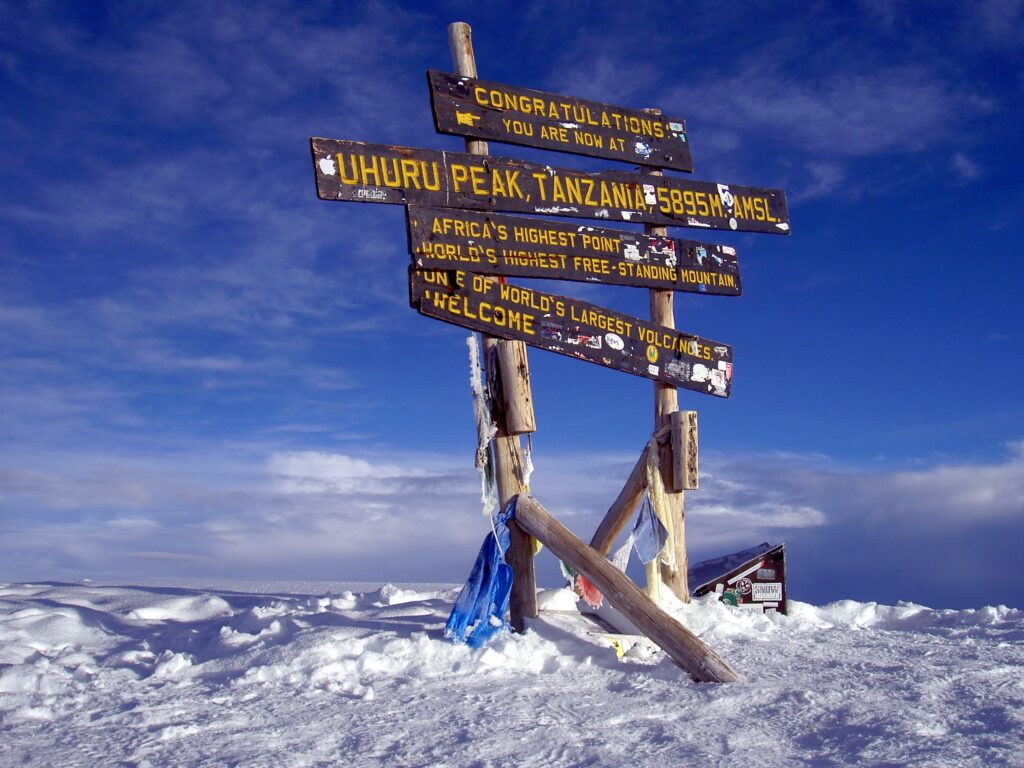
Choosing the best Mount Kilimanjaro route depends on your fitness, trekking experience, available time, budget, scenery preferences, accommodation style and acclimatization needs. Tanzania’s main climbing routes include Lemosho, Northern Circuit, Machame, Marangu, Rongai, Umbwe and Shira, with each offering a different approach to Uhuru Peak. Longer itineraries generally allow more time for acclimatization, while shorter climbs can be more demanding. Consider route duration, elevation gain, terrain, camping or hut accommodation, weather and overall trekking difficulty before booking your Kilimanjaro climbing tour.
Lemosho Route on Mount Kilimanjaro
The Lemosho Route is a scenic western approach to Mount Kilimanjaro, beginning at a relatively lower elevation before passing through rainforest, heath, moorland and high-altitude landscapes. Its longer itineraries provide valuable time for gradual acclimatization, making it popular among both first-time and experienced trekkers. Lemosho later joins the Shira and southern circuit routes before the summit push. If you value beautiful scenery, wilderness atmosphere, gradual altitude gain and a longer Kilimanjaro trek, Lemosho is an excellent route to consider. Seven-, eight- and longer-day itineraries are commonly offered.
Northern Circuit Route Kilimanjaro
The Northern Circuit Route offers the longest and most gradual way to climb Mount Kilimanjaro. Starting from the western side, it travels around the quieter northern slopes before approaching the summit. Its extended itinerary provides substantial time for acclimatization and exposes trekkers to diverse landscapes and panoramic mountain views. The route is particularly suitable for hikers with enough time who prioritise a gradual ascent, quieter trails and a comprehensive Kilimanjaro trekking experience. Because it requires more days, it generally costs more than shorter routes. Current trekking guides commonly describe Northern Circuit itineraries as around nine or more days.
Machame Route Kilimanjaro
The Machame Route, often called the “Whiskey Route,” is one of the most popular ways to climb Mount Kilimanjaro. It approaches from the south and offers varied scenery, including rainforest, moorland, alpine desert and spectacular views of Kibo. Machame involves camping rather than mountain huts and includes challenging sections such as the Barranco Wall. A longer itinerary allows more time for acclimatization than the shortest version. Choose Machame if you want a scenic Kilimanjaro trek, camping adventure, diverse landscapes and a well-established climbing route.
Marangu Route Kilimanjaro
The Marangu Route, popularly known as the “Coca-Cola Route,” is the only main Kilimanjaro route using permanent mountain huts for overnight accommodation. It approaches Uhuru Peak from the southeast and follows a relatively direct trail through rainforest, moorland and high-altitude terrain. Its hut accommodation appeals to trekkers who prefer beds and shelter instead of tent camping. However, shorter Marangu itineraries provide less acclimatization time, so adding an extra day can be worthwhile. Choose Marangu if mountain huts, a direct route and a simpler camping-free experience are important to you.
Rongai Route
The Rongai Route is the only major Kilimanjaro ascent route approaching from the northern side of the mountain. It offers a different perspective from the southern and western routes and is often associated with quieter trekking conditions. The northern slopes can also be comparatively drier during some rainy periods. Rongai is worth considering if you want a less-crowded Kilimanjaro route, northern approach, gradual trekking experience and distinctive scenery. Trekkers should still consider itinerary length carefully, because additional days can provide more opportunity for acclimatization before the summit attempt.
Umbwe Route
The Umbwe Route is known for its steep, direct approach and demanding terrain. It begins on the southern side of Mount Kilimanjaro and quickly gains elevation before joining the southern circuit. Because the initial ascent is steep and offers less gradual acclimatization than longer alternatives, Umbwe is generally more appropriate for experienced high-altitude trekkers. It can appeal to hikers seeking a challenging and adventurous Kilimanjaro climbing experience rather than the most gradual route. If you are a first-time high-altitude trekker, compare Umbwe carefully with longer routes before making your decision.
The Shira Route on Kilimanjaro
The Shira Route approaches Kilimanjaro from the western side and crosses the spectacular Shira Plateau before connecting with the southern circuit. Its major consideration is the relatively high starting elevation, which means trekkers begin the route already above 3,500 metres. This can make the first stage more demanding for some climbers. Shira can suit experienced hikers seeking remote Kilimanjaro trekking, volcanic landscapes, high-altitude scenery and fewer crowds. Because Lemosho offers a lower starting point while accessing similar western scenery, many modern itineraries favour Lemosho for a more gradual approach.
What Else Should You Consider Before Choosing a Kilimanjaro Route?
Look beyond the route name and compare trekking days, acclimatization profile, daily distances, elevation gain, terrain, weather, accommodation, scenery, trail traffic, fitness requirements and total Kilimanjaro climbing cost. Consider whether you prefer mountain huts or camping, a quieter trail or a more established route, and whether you plan to combine Kilimanjaro with a Tanzania safari or Zanzibar holiday. A professional guide should also explain the itinerary, altitude management, safety procedures, equipment requirements and emergency arrangements before you book. Longer climbs generally provide more time to adapt to altitude.
Choose a Route Based on Your Fitness
Your fitness level should influence your Kilimanjaro route selection. Kilimanjaro is a high-altitude trek requiring sustained walking, uphill and downhill sections and a demanding summit day. You do not necessarily need technical mountaineering experience for the standard routes, but good cardiovascular fitness, leg strength and hiking endurance are valuable. If you are less experienced, consider a longer itinerary with a more gradual ascent rather than selecting a route simply because it is shorter or cheaper. Discuss your experience and preparation honestly with your trekking operator before choosing your Kilimanjaro climbing route.
Prioritise Acclimatization and Trekking Duration
Acclimatization should be one of the most important considerations when choosing a Kilimanjaro route. Longer itineraries allow more gradual altitude gain and additional nights on the mountain. SafariBookings’ expert guidance recommends at least six days, with seven or eight days offering a better approach than the absolute five-day minimum. (safaribookings.com) When comparing Kilimanjaro trekking packages, examine the daily elevation profile rather than choosing solely by total price.
Compare Kilimanjaro Route Scenery
Each Kilimanjaro route provides a different visual experience. Lemosho and Shira showcase western landscapes and the Shira Plateau; Machame offers varied southern scenery; Northern Circuit explores the quieter northern slopes; Rongai provides a northern perspective; Marangu passes through distinctive vegetation zones; and Umbwe delivers a steeper wilderness approach. If photography and landscapes are important, compare the route’s forests, volcanic formations, moorland, alpine desert and summit views when selecting your scenic Kilimanjaro trek.
Decide Between Camping and Mountain Huts
Accommodation can significantly affect your trekking experience. Marangu is distinctive because it uses permanent mountain huts, while most other popular routes use tents at designated camps. If you prefer sleeping in huts with basic facilities, Marangu may suit your preferences. If you want a more traditional Kilimanjaro camping experience, Lemosho, Machame, Northern Circuit, Rongai, Umbwe and Shira itineraries are commonly operated using mountain tents. Always confirm accommodation arrangements and facilities with your tour operator before booking.
Consider Your Preferred Level of Challenge
Kilimanjaro routes differ in steepness, duration and acclimatization profile. Umbwe is known for a steep and demanding approach, while longer Lemosho and Northern Circuit itineraries provide a more gradual progression. Machame combines challenging terrain with varied scenery, while Marangu offers a more direct trail. Your preferred challenge should match your hiking experience rather than being based solely on the route’s reputation. A professional operator can help you compare Kilimanjaro route difficulty, elevation gain, and daily trekking distances.
Consider Weather and Trekking Season
Kilimanjaro can be climbed throughout the year, but weather conditions vary considerably. The mountain can experience cold temperatures, rain, wind, and changing conditions at altitude even during generally favourable trekking periods. Route selection can therefore be influenced by your travel dates and weather preferences. The northern approach of Rongai can be worth considering during wetter periods because it generally receives less precipitation than some southern slopes. Always prepare for rapidly changing mountain weather regardless of route.
Compare Cost, Time and Overall Experience
Your Kilimanjaro climbing cost depends on route, number of trekking days, park fees, accommodation, group size, guide and porter services, meals, transfers and operator standards. Shorter routes may reduce the number of days and some associated costs, while longer routes generally require more accommodation, meals and park days. Instead of comparing price alone, examine what each Kilimanjaro trekking package includes and whether it provides an appropriate acclimatization schedule, experienced guides, suitable equipment and responsible porter practices.
Final Thought
Choosing the best Kilimanjaro route is ultimately about matching the mountain experience to your personal goals. Lemosho suits trekkers seeking scenic western landscapes and gradual progression; Northern Circuit offers an extended, quieter itinerary; Machame combines varied scenery with challenging trekking; Marangu provides mountain-hut accommodation; Rongai offers a northern approach; Umbwe is more demanding; and Shira provides a high-altitude western experience. Focus on fitness, acclimatization, trekking days, scenery, accommodation, season and budget before booking. With careful preparation and professional mountain guiding, your Mount Kilimanjaro climb can become an unforgettable journey to Uhuru Peak, 5,895 metres above sea level.