
Tanzania Photo Safari Tours: Private Photography
A Tanzania photo safari is a private wildlife photography journey built around the best light, the best locations and plenty of time at each sighting. The Serengeti, Ngorongoro Crater, Tarangire and Lake Manyara offer big cats, elephants, migration herds and dramatic skies. Foot Slopes Tours and Safaris designs individual private tailor-made photo safaris with your own vehicle and private guide, so you can position for the light, wait for behavior and leave camp at dawn without compromise. Itineraries suit beginners, enthusiasts and professionals, with pacing shaped by your camera, interests and goals.
Plan Your Photo Safari
Trip Length
Comfort Level
Safari Style
Operator Rating
Specialized Tours
Filter by Operator
Other Tour Features
Senior Safaris
Senior-Friendly Safari Packages
Tanzania Photo Safari Tours: Private Photography
A Tanzania photo safari is a private, tailor-made journey designed around light, behaviour and composition, with a personal guide and private vehicle placed at the best positions in Serengeti, Ngorongoro and Tarangire.
Private Photo Safari Packages in Tanzania
Browse private photography itineraries below and we will tailor parks, camps and timing to your photographic goals.
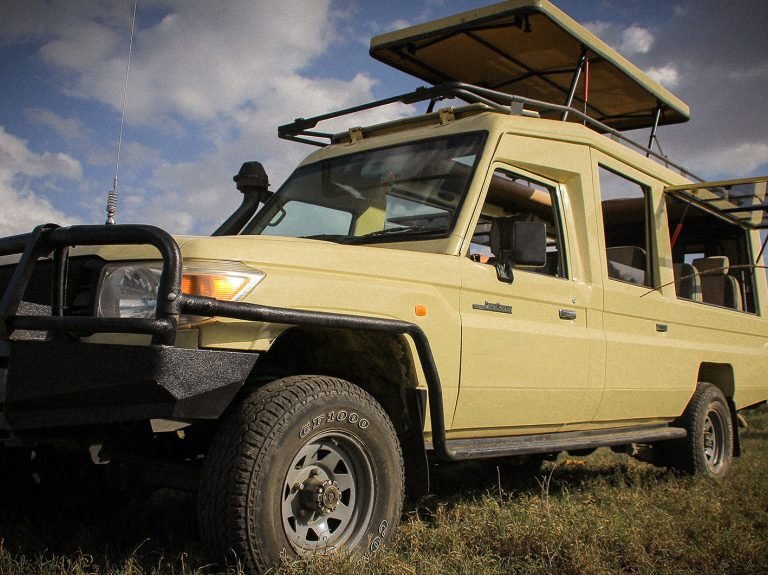
11-Day Tanzania Big Five Private Experience
Experience the ultimate 11-day Tanzania Big Five private safari – see lions, elephants, leopards,…
View Package →
African Big Cats Safaris
Experience a magical 14-day Serengeti honeymoon safari. Luxury lodges, private game drives, and romantic…
View Package →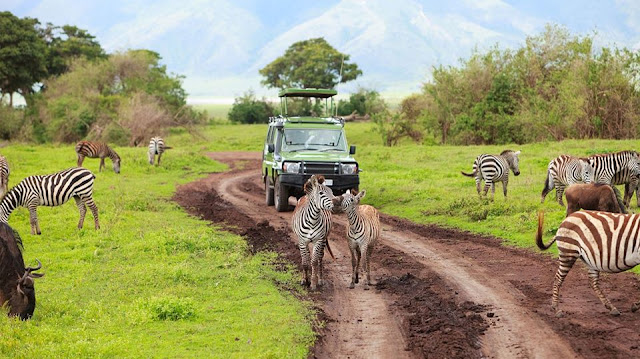
10-Day Best African Photographic Safaris
Experience the ultimate 10-day African photographic safari across Serengeti, Ngorongoro, and Tarangire. Capture stunning…
View Package →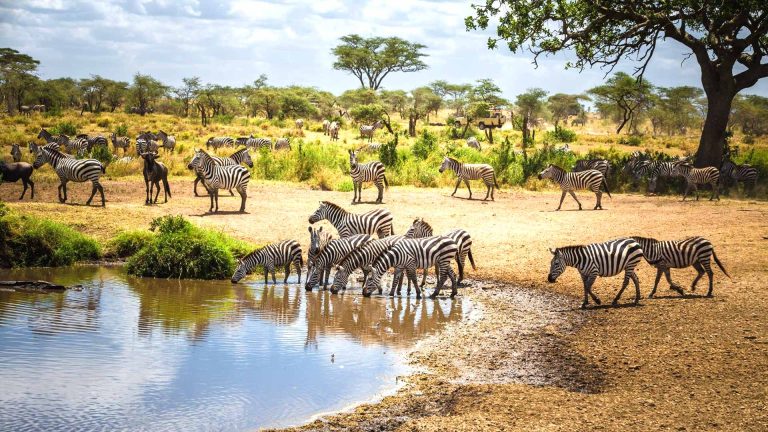
Top 10 Best Tanzania Photography Safari
Discover the Top 10 Best Tanzania Photography Safaris for stunning wildlife, landscapes, and Maasai…
View Package →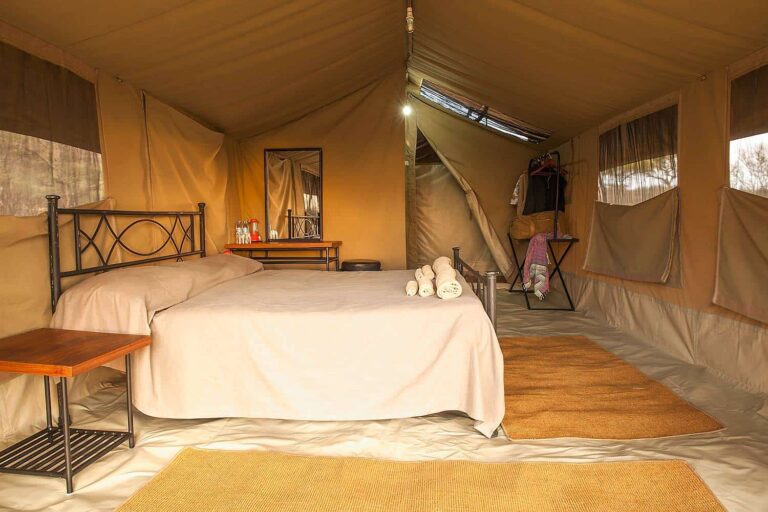
Tanzania Leopard Safari
Experience a Luxury Leopard Safari in Tanzania – Track elusive leopards in pristine reserves,…
View Package →
7-Day Best of Serengeti Safari
Book a 7-Day 7-Day Best of Serengeti Safari adventure in Tanzania and experience luxury…
View Package →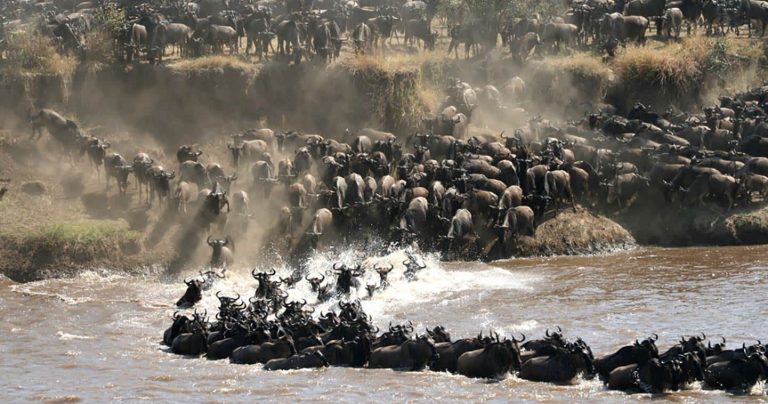
7-Day Serengeti Migration Safari
Compare 7-Day Serengeti Migration Safari offers by specialized tour operators. Find the best deals…
View Package →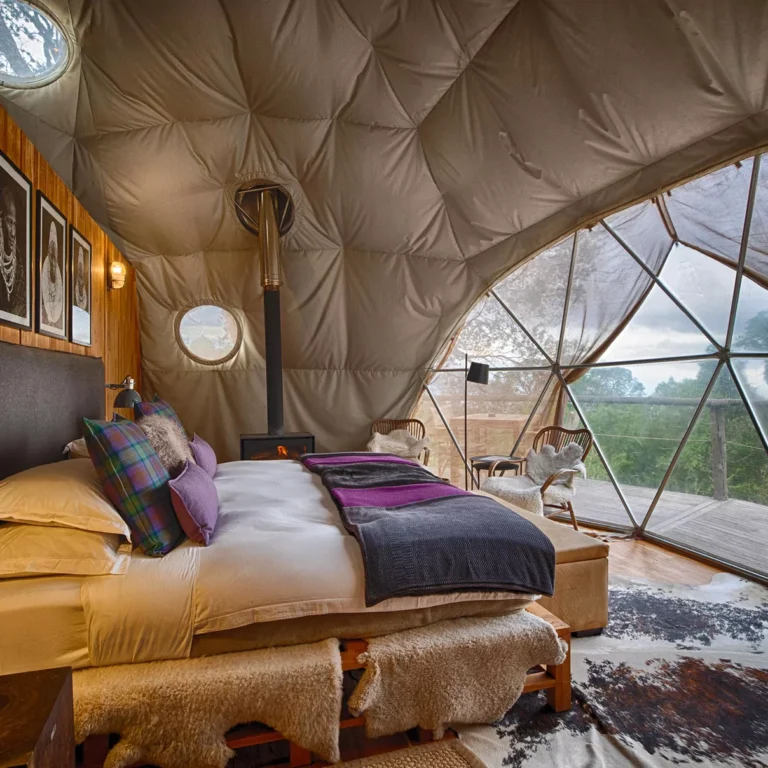
8-Day Tanzania Big Five Luxury Safari
Experience the ultimate Tanzania Big Five Luxury Safari with Tarangire, Serengeti, Ngorongoro Embalaki walking…
View Package →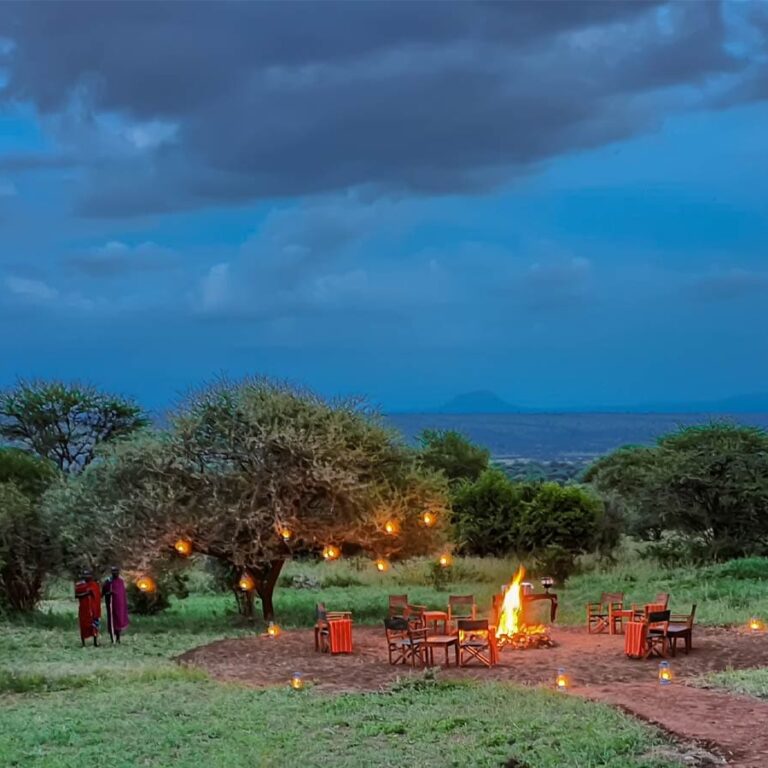
8-Day Northern Tanzania Safaris
Explore Northern Tanzania on an 8-day safari: Tarangire, Serengeti, and Ngorongoro Crater. Discover wildlife,…
View Package →Tanzania Photo Safari FAQs
Why Choose a Private Photo Safari
A private photo safari is the best way to photograph wildlife in Tanzania because you control the vehicle, the timing and the position. Your guide can approach sightings slowly, switch the engine off for sharp images, reposition for backlight and stay as long as the action continues. Every traveler has a window seat, and equipment can be spread out without worry. The result is more frames of real behavior, fewer rushed moments and a calmer, more creative experience at each stop.
Best Parks for Wildlife Photography
The best parks for wildlife photography in Tanzania include the Serengeti for big cats and migration scenes, Ngorongoro Crater for dense wildlife with dramatic backdrops, Tarangire for elephants beneath baobab trees, and Lake Manyara for birds and flamingos. Southern parks such as Ruaha and Nyerere add remote, uncrowded options. Each location offers different compositions, from sweeping landscapes to intimate portraits. We help you pick parks that match your subjects, and we plan enough nights in each to work in good light.
Best Time for Photography
The best time for photography depends on the subjects you want. Dry months from late June to October bring clear skies, short grass and Mara River crossings in the northern Serengeti from about July to October. January to March offers calving season and predators in the south. The green season from April to May gives lush backdrops, dramatic storm clouds and fewer vehicles. Golden hours near sunrise and sunset deliver the softest light every day of the year. Our guides track conditions and adjust plans accordingly.
Vehicles, Gear and Tips
Photo safari vehicles are private 4x4 safari vehicles with pop-up roofs, so you can shoot standing or seated with a clear view. Bring a telephoto lens, ideally 100-400mm or longer, plus a wide lens for landscapes, spare batteries, memory cards and a bean bag or clamp for stable support. Dust is common, so carry cleaning cloths and protective covers. We can discuss window positions, charging options in camps and handy tips for panning, low angles and sharp action shots. Ask us about anything you are unsure of.
Camps Placed for Great Light
Good photography often starts with where you sleep. Camps close to key habitats save time, letting you reach sightings at sunrise rather than mid-morning. Mobile camps that follow the migration put you near the herds, while permanent lodges near rivers and kopjes suit big cat sightings. We choose accommodation for location, comfort and early-departure flexibility, and your guide arranges packed breakfasts or picnic lunches so you never have to leave a rewarding scene simply because the clock says it is time.
Planning Your Photo Itinerary
A typical Tanzania photo safari lasts seven to ten days, with at least two or three nights in each main area so you can revisit promising places in different light. Beginners may want a guide who explains camera settings and animal behavior, while experienced photographers may prefer quiet efficiency. Every itinerary is private and tailor-made, so we can plan around specific subjects such as cheetahs, elephants, river crossings or birds, and add extra days if you wish. Tell us what you most want to photograph.
What is a photo safari in Tanzania?
A photo safari in Tanzania is a safari planned around wildlife photography, with longer time at sightings, early starts for golden light and a vehicle set up for shooting. You travel privately with your own vehicle and guide, who understands positioning and animal behavior. Our individual tailor-made photo safaris suit all skill levels, and we shape the parks, camps and daily rhythm around your camera, subjects and goals. Pace and extras are entirely up to you.
What is the best time of year for a photo safari in Tanzania?
The best time for a Tanzania photo safari depends on your subjects. Late June to October is classic dry season, with clear light and migration crossings in the north from about July to October. January to March is superb for calving season and predators in the south. April and May bring green landscapes, dramatic skies and fewer vehicles. Because migration timing varies with rainfall, our private guides adapt your route.
What camera gear should I bring on a photo safari?
Bring a camera body with fast autofocus, a telephoto lens of at least 300mm, a wide lens for landscapes, spare batteries, extra memory cards and a bean bag for stable support. A lens cloth and protective covers help against dust. Binoculars are useful for spotting distant animals. Pack in soft-sided bags, because light aircraft have strict baggage limits. We can advise on equipment and charging at camps before you travel.
Can a private vehicle help with photography?
Yes, a private vehicle makes a major difference for photography. You can choose where to stop, ask the guide to reposition for better light, stay as long as a sighting rewards patience and leave camp at dawn without waiting for anyone else. Space inside is yours alone, so lenses and bags stay organized and every passenger has a window. This flexibility often leads to more natural behavior shots and calmer, more creative days.
Do I need to be a professional to book a photo safari?
No, you do not need to be a professional. Our photo safaris suit beginners, enthusiasts and professionals alike. Beginners can enjoy extra time at sightings and guidance on settings and composition, while experienced photographers get the freedom to work at their own pace. Your guide understands that photography requires patience. We tailor each private itinerary to your skill level, equipment and the type of images you hope to capture. Every photographer is welcome.
How much does a Tanzania photo safari cost?
The cost of a Tanzania photo safari depends on accommodation style, season, length and flights. As a general guide, budget camping runs about $250 to $390 per person per day, mid-range about $550 to $990, and luxury about $990 to $2,500. Ultra-luxury trips start from about $2,500 per person per day. We quote each private itinerary individually, so you can see what is included and adjust the plan. Longer stays give more chances for great light.
How many days do I need for a Tanzania photo safari?
Plan at least seven to ten days for a rewarding Tanzania photo safari, because wildlife photography depends on patience and changing light. This allows two or three nights in each key area, such as the Serengeti, Ngorongoro and Tarangire, with time to revisit promising sightings. Longer stays give you more chances at leopards, cheetah hunts or river scenes. A private vehicle means you can leave at dawn, stay for golden hour and rest at midday. Foot Slopes Tours and Safaris shapes the length around your goals and budget.
How do I photograph the Great Migration river crossings?
Position is everything, so ask your private guide to arrive early at the Mara River viewpoints in northern Serengeti, usually from July to October with peak crossings in August and September. Use a long lens, a fast shutter speed of at least one five-hundredth of a second, and burst mode for splashing action. Expect long waits, because herds may hesitate for hours or not cross that day. Timing varies with rainfall. A private vehicle lets you stay as long as the herds need, without compromise. Each night's rest helps you rise early for the best light.
Can I photograph local people respectfully in Tanzania?
Yes, but always ask permission before photographing people, especially in villages or Maasai communities, and respect a refusal with a smile. Many people welcome portraits when approached politely, and some may appreciate a small contribution or the chance to see the photo on your screen. Your guide can introduce you, translate a few Swahili greetings and suggest the right moments. Avoid photographing children without a parent's consent. Foot Slopes Tours and Safaris can include respectful cultural visits in your private itinerary for meaningful images and genuine connection. Patience and courtesy always bring better images.
Can I use a drone on a Tanzania photo safari?
Drones are heavily restricted in Tanzania, and flying one in national parks is generally not permitted without official authorisation. Rules change and permits can take time, so please check before packing one. Drones also disturb wildlife and other guests, which is why most camps discourage them. A better way to capture sweeping landscapes is a wide-angle lens from the vehicle roof or a scenic flight. Foot Slopes Tours and Safaris can advise on current regulations and arrange a private balloon or light-aircraft experience for elevated views. It is a safer and kinder choice for every animal.
How do I protect camera gear from dust and keep batteries charged?
Dusty tracks are part of safari, so carry a lens cloth, a blower brush, zip bags and a soft cover for your camera. Change lenses inside the vehicle with the windows up whenever possible, and store gear in a padded bag. Most lodges and camps have charging points, though some tented camps use limited solar power or generators at set times. Bring spare batteries, extra memory cards and a multi-plug adapter. Your private vehicle may also carry a charging outlet, which Foot Slopes Tours and Safaris can confirm. A little care keeps equipment working all trip.
Plan Your Photo Safari Today
Tell us your dates, camera interests and budget, and our team will design a private tailor-made Tanzania photo safari with your own vehicle and guide.
Book Now Online →What Our Travelers Say
Real 5-star reviews from guests who traveled with us
Our Private African luxury Safari experience with Foot Slopes Tours and Safaris exceeded every expectation - beautifully planned, comfortable, and genuinely unforgettable.
We had an incredible private safari experience with Foot Slopes Tours and Safaris - professional guides, excellent lodges, and a truly seamless trip from start to finish.
Foot Slopes Tours and Safaris is truly one of the best local tour companies in Tanzania - professional, reliable, and genuinely invested in giving guests a great experience.
Our family chose Foot Slopes Tours and Safaris for a custom 11-day safari itinerary - the level of personal attention and care throughout was exceptional from start to finish.