
Serengeti Wildlife Photo Safaris
Serengeti wildlife photo safaris give photographers time, space and the right position to capture lions, leopards, elephants and migrating herds in golden light. A private photographic safari with Foot Slopes Tours and Safaris means your own vehicle, a patient guide and a schedule built around sunrise, sunset and the sightings you care about. There is no need to move on before you have the shot. Tell us your experience level, equipment and favorite subjects, and we will design a tailor-made Serengeti itinerary that suits both beginners and serious enthusiasts.
Plan Your Photo Safari
Trip Length
Comfort Level
Safari Style
Operator Rating
Specialized Tours
Filter by Operator
Other Tour Features
Senior Safaris
Senior-Friendly Safari Packages
Serengeti Wildlife Photo Safaris
A Serengeti wildlife photo safari is a private, tailor-made journey designed for photographers, with a dedicated vehicle and guide, flexible timing and the chance to capture predators, the Great Migration and golden light across the plains.
Private Serengeti Photography Safari Packages
Choose a private photographic itinerary, then ask us to adjust the zones, nights and pace for you.
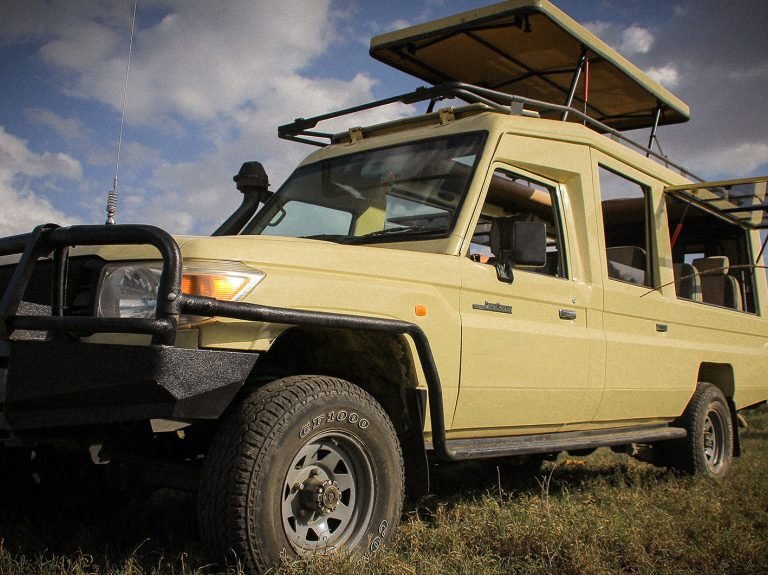
11-Day Tanzania Big Five Private Experience
Experience the ultimate 11-day Tanzania Big Five private safari – see lions, elephants, leopards,…
View Package →
African Big Cats Safaris
Experience a magical 14-day Serengeti honeymoon safari. Luxury lodges, private game drives, and romantic…
View Package →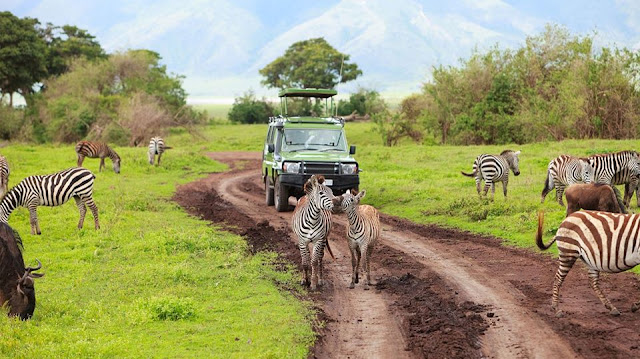
10-Day Best African Photographic Safaris
Experience the ultimate 10-day African photographic safari across Serengeti, Ngorongoro, and Tarangire. Capture stunning…
View Package →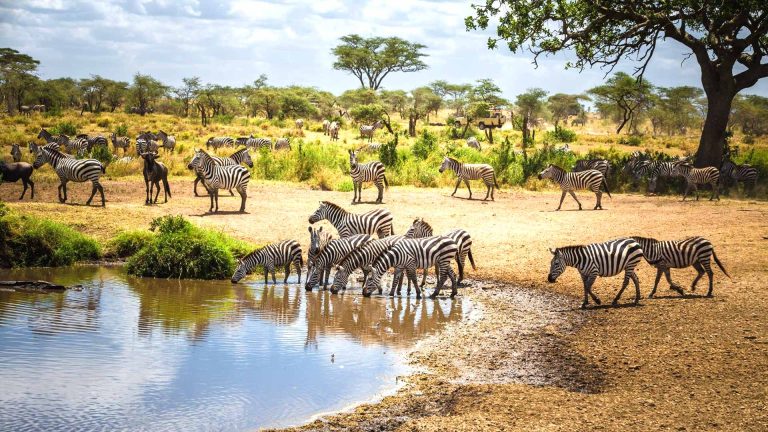
Top 10 Best Tanzania Photography Safari
Discover the Top 10 Best Tanzania Photography Safaris for stunning wildlife, landscapes, and Maasai…
View Package →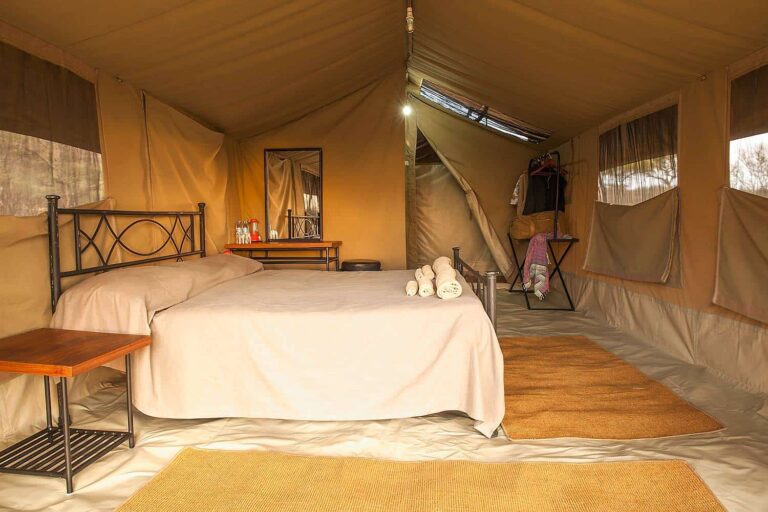
Tanzania Leopard Safari
Experience a Luxury Leopard Safari in Tanzania – Track elusive leopards in pristine reserves,…
View Package →
7-Day Best of Serengeti Safari
Book a 7-Day 7-Day Best of Serengeti Safari adventure in Tanzania and experience luxury…
View Package →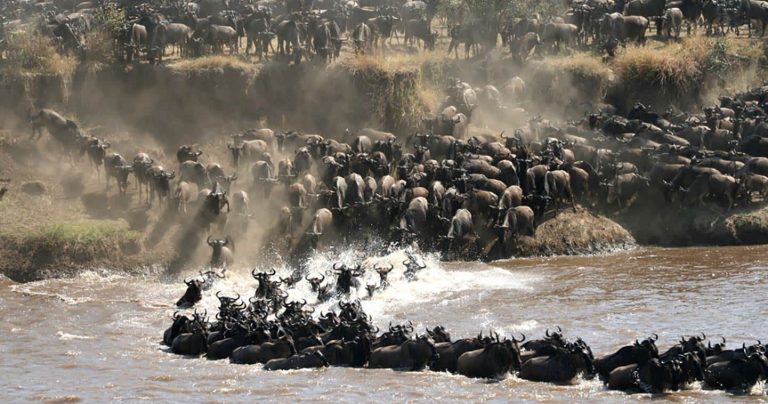
7-Day Serengeti Migration Safari
Compare 7-Day Serengeti Migration Safari offers by specialized tour operators. Find the best deals…
View Package →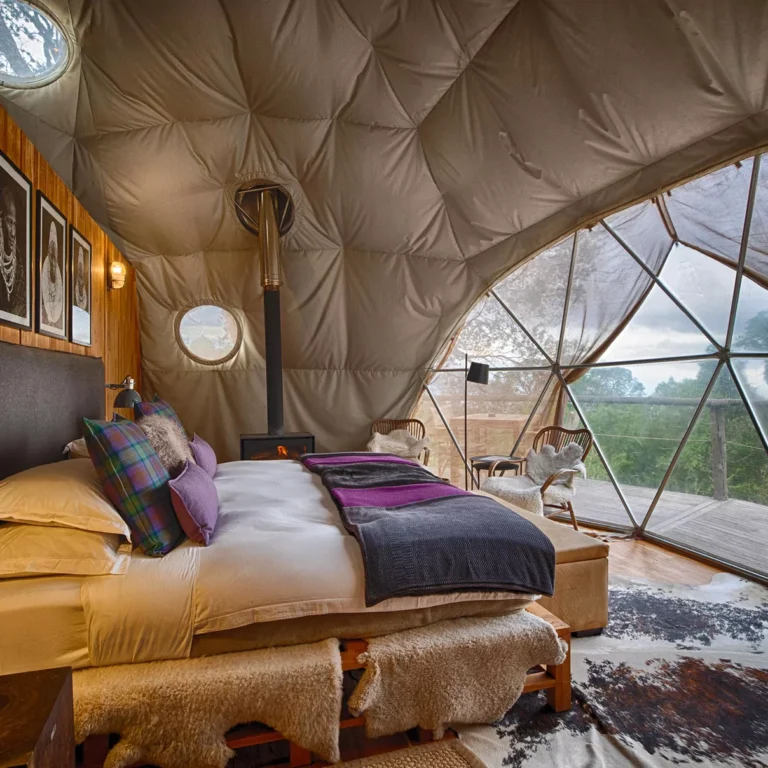
8-Day Tanzania Big Five Luxury Safari
Experience the ultimate Tanzania Big Five Luxury Safari with Tarangire, Serengeti, Ngorongoro Embalaki walking…
View Package →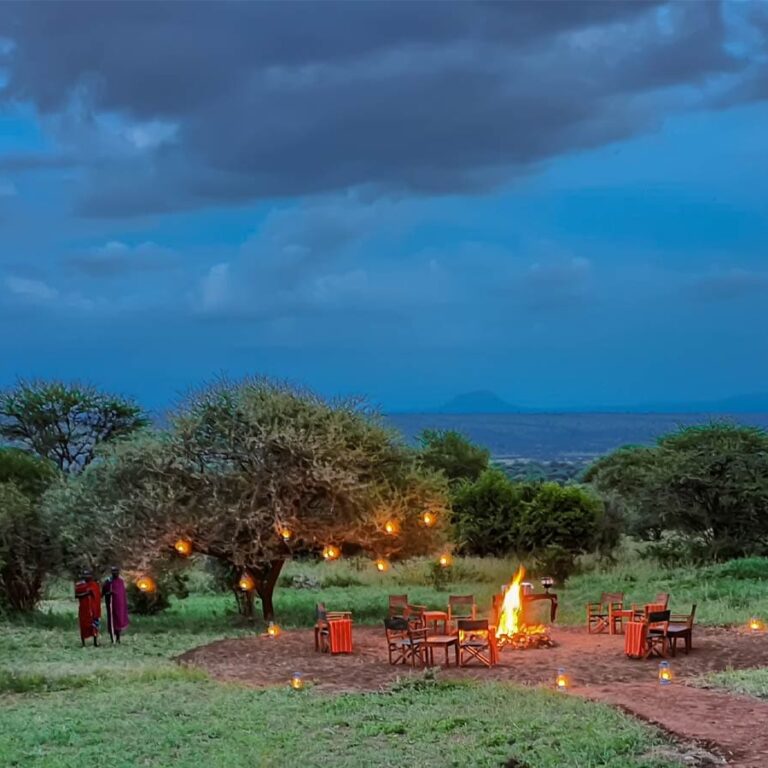
8-Day Northern Tanzania Safaris
Explore Northern Tanzania on an 8-day safari: Tarangire, Serengeti, and Ngorongoro Crater. Discover wildlife,…
View Package →Serengeti Photo Safari FAQs
Why the Serengeti Is Ideal for Photography
The Serengeti is ideal for wildlife photography because of its open plains, big cats, dramatic skies and varied habitats. Wide landscapes give clean backgrounds, while kopjes and acacia trees create striking compositions. Predators such as lions, leopards and cheetahs are often visible, and the Great Migration adds scale and action. Soft light at sunrise and sunset gives images a warm, golden quality. A private vehicle lets you spend time getting the shot properly. Patience is rewarded here, and our guides know where to wait for the best moments of each day.
Private Vehicles Built for Photographers
A private safari vehicle makes a major difference for photography. You control where the vehicle stops, which side it faces and how long you stay, so no one blocks your view or rushes you. Pop-up roofs and large windows allow flexible shooting angles, and camera bags, bean bags and charging points can be arranged. We can plan seating so every photographer has a clear window and room to work. Our team will discuss your equipment beforehand so the vehicle setup works for your lenses and style.
Best Time of Day and Season for Photos
The best light is at sunrise and in the late afternoon, when predators are active and the colors are soft. Midday is better for rest or editing. For seasons, January to February offers calving and green plains, while July to October brings dry-season clarity and northern river crossings, usually peaking around August to September. The green season, March to May, has dramatic clouds. We build your days around the light. Light and weather change quickly, so flexibility during the day often leads to the most memorable images.
Great Migration and Predator Photography
The Great Migration offers some of the most powerful wildlife photography in Africa, from dust-filled herds on the move to river crossings and calving scenes. Predators follow the herds, giving chances for hunting behavior and portraits. Because timing varies with rainfall, we choose zones and camps near the herds for your month. Your guide reads behavior and anticipates movement, helping you place the vehicle before the moment happens. Whether you prefer wide environmental scenes or close portraits, a flexible plan gives you more chances.
Camps, Lodges and Time in the Field
Photographers benefit from camps close to the action, since less driving means more time in good light. We can arrange early starts, packed breakfasts and picnic lunches to keep you in the field. As a general guide, budget camping is about $250-$390, mid-range about $550-$990, luxury about $990-$2,500, and ultra-luxury from about $2,500 per person per day. Longer stays in fewer locations usually yield better results. Our team will explain which camps sit closest to the zones you want, and why that matters for you.
Gear, Etiquette and Planning Tips
Bring a telephoto lens, a wide-angle lens, spare batteries, memory cards and dust protection, plus a bean bag for steady support. Respect the wildlife by keeping a distance, staying quiet and following your guide's advice. We recommend at least five nights in the Serengeti for varied opportunities. Tell us your goals, whether portraits, action or landscapes, and our team will help plan a realistic and rewarding photographic itinerary. We are happy to review your kit list with you, so you arrive prepared and confident with your equipment.
What is the best time for a Serengeti photo safari?
The best time depends on your subject. January to February is wonderful for calving and predators in the south. July to October brings dry-season clarity and northern river crossings, usually peaking around August to September. March to May offers green landscapes and dramatic skies with fewer vehicles. Sunrise and late afternoon are the best hours for light, so we plan your private days around them. Our team will suggest the month that best matches the images you hope to create during your trip.
What camera gear should I bring on a Serengeti safari?
A telephoto lens of about 200 to 600 mm is very useful, with a wide-angle lens for landscapes and a spare body if you have one. Bring extra batteries, memory cards, a bean bag, lens cloths and dust protection. Charging is usually available at camps and sometimes in vehicles. We can advise on packing based on your equipment before you travel. If you are unsure what to pack, send us your kit list and we will happily advise you in detail.
Is a private vehicle important for photographers?
Yes, a private vehicle gives you control over positioning, timing and how long you stay with each sighting. You are never asked to leave early, and you can face the vehicle toward the best light. It also gives space for equipment and room to move between windows. This is why our photo safaris are always private and tailor-made. Our guides understand what photographers need, and they will patiently adjust the position whenever the light shifts.
How many days do I need for a Serengeti photography safari?
Five to eight days is ideal for most photographers, with at least four nights in the Serengeti. This gives you a variety of light, behavior and conditions, and a buffer if weather or sightings change. Longer trips can include a second zone or Ngorongoro Crater. We recommend a length that suits your goals and budget. Ask us about extra nights if you want more time for specific subjects such as cheetahs, leopards or migration scenes.
Is a photo safari suitable for beginners?
Yes, a private photo safari suits every level, from beginners with a simple camera or phone to experienced photographers with professional equipment. Your guide can help you find good angles and explain how animals behave, so you know what to anticipate. You choose how much time to spend on photography and how much simply enjoying the wildlife. There is no pressure to take perfect pictures, and your guide will happily share practical tips as you go along.
How much does a Serengeti photo safari cost?
Cost depends on season, camp level and trip length. As a general guide, budget camping is about $250-$390, mid-range about $550-$990, luxury about $990-$2,500, and ultra-luxury from about $2,500 per person per day. Photographers often prefer fewer, longer stays, which can also simplify costs. Tell us your plans and we will prepare a clear private quote with options. We also explain exactly what is included, so you can budget calmly for lenses, travel and extra nights.
Which Tanzania parks are best for wildlife photography besides the Serengeti?
Besides the Serengeti, Ngorongoro Crater offers dense wildlife against a dramatic backdrop, and Tarangire is known for elephants beneath baobab trees, especially in the dry season. Lake Manyara adds tree-climbing lions, flamingos and forest birds, while remote Ruaha and Nyerere give quiet, uncrowded photography. Each park offers different light, landscapes and subjects. Foot Slopes Tours and Safaris builds a private photographic itinerary that links the right parks with enough time at each, so you are never rushed away from a good scene. Tell us your favourite subjects, and we will shape the route.
Can I use a drone on a Tanzania photo safari?
Drones are generally restricted in Tanzania's national parks, and flying one without proper permission can disturb wildlife and cause serious legal problems. Please do not bring a drone without first confirming the current rules with us, because regulations and permit requirements can change. Most travelers capture excellent aerial views by adding a hot-air balloon flight over the Serengeti, which is a safe and legal way to photograph the plains from above. We can arrange this in your private itinerary, subject to weather conditions and availability. Tell us your questions beforehand.
How should I photograph local people respectfully in Tanzania?
Always ask permission before photographing people, and accept a polite refusal with a smile. Many communities, including Maasai villages, welcome visitors, but photography should be respectful, and some people may prefer not to be photographed at all. Your guide can introduce you, explain local customs and help you communicate. Taking a moment to talk and learn names often leads to warmer, more natural portraits. We can include a respectful cultural visit in your private itinerary, with time to connect with people before you raise your camera. Ask us to arrange it.
How do I protect camera gear from dust on a Serengeti safari?
Keep your camera in a padded bag or a zip bag when you are driving between sightings, and avoid changing lenses in dusty or windy conditions. Close the vehicle roof or windows when other vehicles pass, wipe lenses with a soft microfibre cloth, and bring a blower brush and lens tissues. A beanbag protects your camera on the window frame and reduces vibration. Dust is heaviest in the dry season, so pack extra cleaning supplies. Your private vehicle lets you control the roof and the pace to protect your equipment.
What camera settings work best for wildlife action in the Serengeti?
For moving animals, use a fast shutter speed, continuous autofocus and burst mode, and consider shutter priority or manual mode with auto ISO so you can react quickly. Focus on the eyes, and keep the horizon level. In early and late light, increase ISO rather than risk blurred images. Shoot in raw if your camera allows it, and review images during the midday break. Your driver-guide positions the vehicle for good light and background, and a private safari gives you time to experiment without pressure. We happily explain settings during quiet moments.
Plan Your Photo Safari
Tell us your equipment, interests and travel dates, and we will design a private, tailor-made Serengeti photography safari with your own guide and vehicle.
Book Now Online →What Our Travelers Say
Real 5-star reviews from guests who traveled with us
Our Private African luxury Safari experience with Foot Slopes Tours and Safaris exceeded every expectation - beautifully planned, comfortable, and genuinely unforgettable.
We had an incredible private safari experience with Foot Slopes Tours and Safaris - professional guides, excellent lodges, and a truly seamless trip from start to finish.
Foot Slopes Tours and Safaris is truly one of the best local tour companies in Tanzania - professional, reliable, and genuinely invested in giving guests a great experience.
Our family chose Foot Slopes Tours and Safaris for a custom 11-day safari itinerary - the level of personal attention and care throughout was exceptional from start to finish.