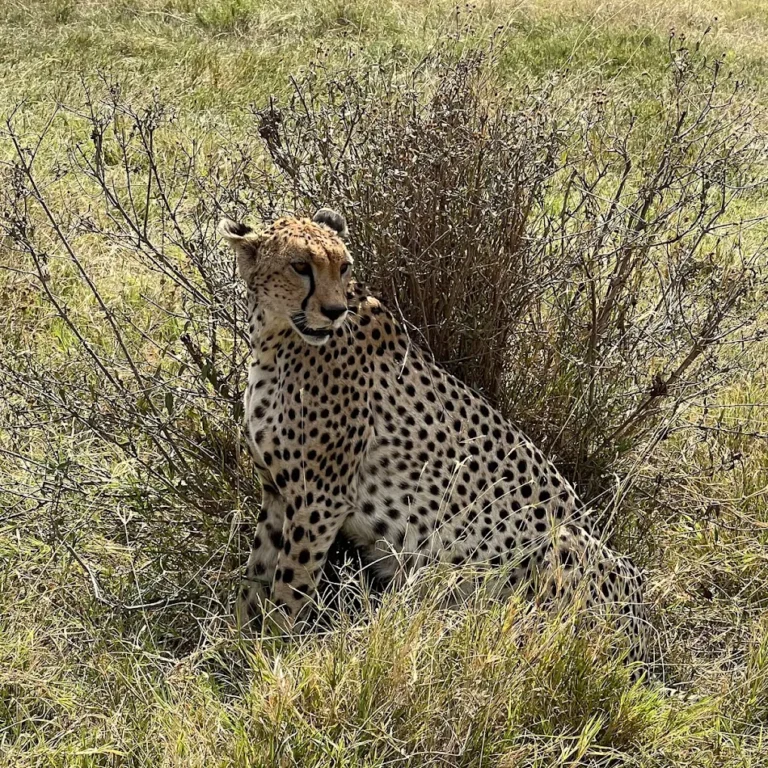
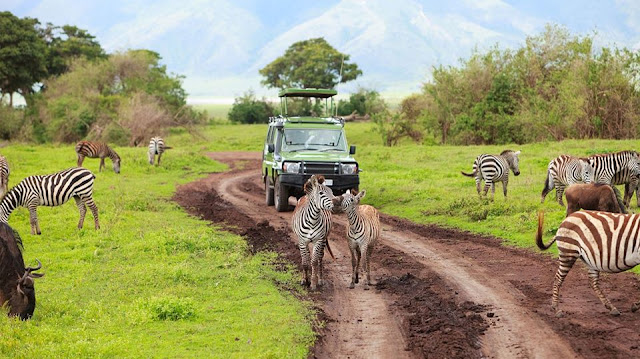
Ngorongoro Crater in February is one of the best safari destinations in Africa for travelers seeking incredible wildlife viewing, green landscapes, warm weather, and unforgettable safari adventures. February falls within Tanzania’s short dry season between the November rains and the heavier March rains, creating excellent conditions for game drives and photography. The Ngorongoro Conservation Area becomes vibrant and lush, while wildlife gathers around water sources on the crater floor. Visitors can enjoy sightings of the Big Five safari animals, including lions, elephants, buffaloes, leopards, and rhinos. February is also famous for the wildebeest calving season in nearby Southern Serengeti, making it ideal for combining a Ngorongoro safari with the Great Migration experience. Pleasant temperatures, fewer crowds, luxury safari lodges, and breathtaking scenery make Ngorongoro in February perfect for honeymoon safaris, family vacations, and photography tours in Tanzania.
Weather in Ngorongoro During February
February weather in Ngorongoro Conservation Area is warm during the day and cool in the evenings because of the high altitude surrounding the crater rim. Daytime temperatures usually range between 20°C and 27°C, while nights can drop to around 10°C to 15°C. The region experiences light rainfall occasionally, but most days remain sunny and pleasant for safari activities. The lush green vegetation created by earlier rains transforms the crater into a stunning paradise filled with colorful scenery and fresh air. Morning mist around the crater rim adds magical views perfect for photographers and nature lovers. February’s climate is considered excellent for wildlife safaris because roads are generally accessible and animals remain active throughout the day. Travelers should still pack warm jackets for chilly mornings and evenings, especially when staying at high-altitude safari lodges near the crater rim.
Why February Is One of the Best Months to Visit
February is widely regarded as one of the best months for a Tanzania safari because it combines favorable weather, excellent wildlife viewing, and spectacular landscapes. In Ngorongoro Crater, the grass is shorter than during peak rainy months, making it easier to spot animals across the crater floor. Safari vehicles can comfortably navigate most roads, allowing visitors to enjoy smooth game drives throughout the conservation area. The atmosphere is quieter compared to the peak tourist months of June through October, creating a more peaceful safari experience. February is especially popular among photographers because the landscapes remain green and vibrant while the skies often stay clear and bright. Birdwatchers also enjoy this season due to the presence of migratory birds from Europe and Asia. Combining Ngorongoro with Serengeti’s wildebeest calving season makes February one of the most rewarding safari periods in East Africa.
Wildlife Viewing in February
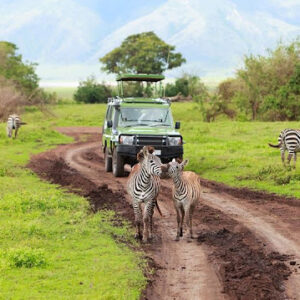
Wildlife viewing in Ngorongoro Crater during February is truly extraordinary. The crater floor supports one of the highest concentrations of wildlife in Africa, giving visitors excellent chances to spot animals throughout a single game drive. Lions rest in the open grasslands, elephants roam the forests, and large buffalo herds graze near wetlands and freshwater pools. February’s green scenery creates dramatic contrasts for wildlife photography while keeping animals active during cooler temperatures. The endangered black rhino, one of Ngorongoro’s biggest attractions, can often be seen grazing peacefully across the plains. Hippos gather in pools, while hyenas and jackals patrol the crater searching for prey. Zebras and wildebeests remain abundant, and predators frequently follow them across the crater floor. Because food and water are widely available, wildlife disperses naturally, creating authentic and unforgettable safari encounters for travelers.
The Big Five Safari Experience
A Big Five safari in Ngorongoro Crater during February offers one of Africa’s greatest wildlife experiences. The crater is among the few places in Tanzania where visitors have a realistic opportunity to see all the Big Five animals in a single day. Lions dominate the grasslands and are often seen resting beside safari tracks. Elephants with impressive tusks roam the forested areas along the crater walls, while buffalo gather in massive herds across open plains. Leopards remain elusive but occasionally appear in trees or dense vegetation. The endangered black rhino is the rarest sighting, yet Ngorongoro provides one of the best opportunities in East Africa to observe this magnificent animal in its natural habitat. February’s pleasant weather encourages animals to remain active for longer periods, increasing safari success rates. This makes the month highly attractive for first-time safari travelers and wildlife enthusiasts.
Birdwatching Opportunities in February
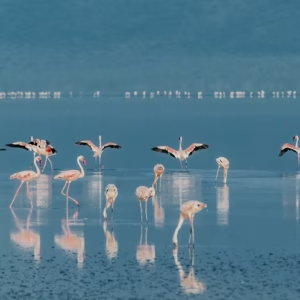
February is a fantastic month for birdwatching in Ngorongoro Conservation Area because migratory birds join the area’s rich resident birdlife. More than 500 bird species have been recorded in the conservation area, making it one of Tanzania’s top birding destinations. Flamingos decorate Lake Magadi on the crater floor, while crowned cranes, ostriches, secretary birds, and kori bustards roam the grasslands. The lush vegetation and blooming flowers attract colorful sunbirds and weavers, creating beautiful safari scenery. Raptors such as augur buzzards and eagles soar above the crater searching for prey. February’s green season enhances bird activity because food sources become abundant after seasonal rains. Bird photographers particularly enjoy the dramatic landscapes, soft lighting, and active wildlife interactions during this period. Whether you are an experienced birder or a casual traveler, Ngorongoro in February offers rewarding birdwatching experiences throughout every safari drive.
Scenic Beauty of Ngorongoro in February
The scenic beauty of Ngorongoro Crater in February is breathtaking and unforgettable. Seasonal rains transform the conservation area into a lush green paradise filled with rolling hills, wildflowers, forests, and sparkling lakes. Morning fog drifting over the crater rim creates magical views that photographers and honeymoon travelers especially love. The crater floor appears vibrant with green grasslands dotted by zebras, wildebeests, and grazing antelope. Acacia trees stand beautifully against blue skies, while flamingos add pink colors around Lake Magadi. February’s landscapes are ideal for photography because visibility remains excellent and sunlight creates dramatic contrasts throughout the day. Safari visitors often describe Ngorongoro during this season as one of Africa’s most beautiful natural wonders. The combination of wildlife, volcanic scenery, and green vegetation creates a safari atmosphere that feels peaceful, fresh, and alive with nature at every turn.
Ngorongoro and the Wildebeest Calving Season
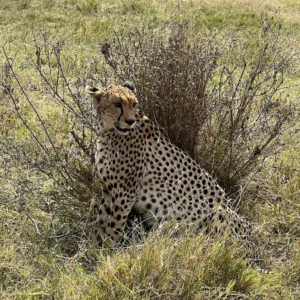
February coincides with the famous wildebeest calving season in the nearby southern plains of Serengeti National Park, making it an exceptional time to combine a Ngorongoro safari with the Great Migration. Thousands of wildebeest calves are born every day across the nutrient-rich grasslands of Ndutu and Southern Serengeti. Predators such as lions, cheetahs, hyenas, and leopards closely follow the herds, creating dramatic wildlife interactions for safari travelers. Many visitors choose to stay near Ngorongoro while taking game drives into the Ndutu region to witness these spectacular migration events. February’s abundant grazing conditions support healthy wildlife populations throughout the ecosystem. The calving season attracts photographers, documentary filmmakers, and wildlife enthusiasts from around the world. Combining Ngorongoro Crater game drives with migration safaris offers travelers one of the most complete and rewarding wildlife experiences available anywhere in Africa during February.
Safari Activities Available in February
Safari activities in Ngorongoro Conservation Area during February go beyond traditional game drives. Visitors can enjoy guided nature walks, Maasai cultural tours, crater rim hikes, birdwatching excursions, and photographic safaris. Full-day crater game drives remain the most popular activity because they provide opportunities to see abundant wildlife within a compact area. Travelers can also visit nearby Olduvai Gorge, one of the world’s most important archaeological sites, often called the “Cradle of Mankind.” Maasai villages offer cultural experiences where guests learn about traditional dances, local customs, and pastoral lifestyles. February’s pleasant temperatures make outdoor activities comfortable throughout the day. Photography tours are especially rewarding because green landscapes and dramatic skies enhance wildlife images. Luxury safari lodges frequently organize sundowner experiences overlooking the crater, allowing guests to enjoy breathtaking sunsets after exciting safari adventures in Tanzania’s iconic conservation area.
Luxury Safari Lodges and Camps
February is an excellent time to enjoy luxury safari accommodations around Ngorongoro Crater because the weather is comfortable and the scenery is exceptionally beautiful. Luxury lodges on the crater rim provide panoramic views of the world’s largest intact volcanic caldera. Many safari camps offer cozy fireplaces, elegant suites, gourmet dining, spa treatments, and private balconies overlooking forests and wildlife areas. Travelers seeking romantic Tanzania honeymoon safaris often prefer February due to the green landscapes and quieter atmosphere compared to peak tourist months. Luxury tented camps near Ndutu also become highly popular because they provide easy access to the wildebeest calving season. Eco-friendly Ngorongoro safari lodges emphasize sustainable tourism while delivering world-class comfort and hospitality. Whether staying in a luxury lodge, boutique camp, or mid-range safari accommodation, visitors can enjoy unforgettable wildlife experiences combined with spectacular scenery and authentic Tanzanian hospitality during February.
Photography Opportunities in February
February offers some of the best safari photography conditions in the Ngorongoro Conservation Area. The green season creates lush backdrops that dramatically enhance wildlife images, while soft natural lighting improves photo quality throughout the day. Early mornings often feature misty crater views, producing magical landscapes ideal for travel photographers. Wildlife remains abundant, giving photographers opportunities to capture elephants, lions, rhinos, zebras, flamingos, and many other species in vibrant surroundings. The nearby wildebeest calving season in Southern Serengeti adds action-packed predator scenes and newborn wildlife photography opportunities. February skies are often filled with dramatic clouds that create breathtaking sunset and sunrise images. Bird photographers also enjoy colorful migratory species active throughout the conservation area. Professional safari guides help position vehicles for optimal photography angles, making Ngorongoro in February one of Africa’s top destinations for wildlife photography tours and nature-focused travel experiences.
What to Pack for Ngorongoro in February
Packing correctly for Ngorongoro Crater in February ensures a comfortable and enjoyable safari experience. Lightweight clothing is ideal for warm daytime temperatures, while warm jackets or fleece layers are essential for chilly mornings and evenings on the crater rim. Neutral-colored safari clothes, such as khaki, olive, and beige, help travelers blend into natural surroundings during wildlife viewing. Waterproof jackets are recommended because occasional short rains may occur during February. Comfortable walking shoes, sunglasses, sunscreen, hats, and insect repellent are also important safari essentials. Travelers interested in photography should carry cameras with extra batteries and memory cards to capture incredible wildlife moments. Binoculars enhance animal and birdwatching experiences across the crater floor. Since Ngorongoro’s altitude can feel cool even during warmer months, layered clothing works best. Proper packing helps visitors stay comfortable while enjoying Tanzania’s unforgettable safari adventures.
Crowd Levels and Safari Experience
February offers a balanced safari atmosphere in Ngorongoro Crater because visitor numbers are moderate compared to the busy peak season months. Travelers can enjoy excellent wildlife viewing without experiencing the larger crowds commonly seen during June, July, and August. Safari vehicles spread comfortably across the crater floor, creating more peaceful game viewing experiences. Many photographers and honeymoon travelers prefer February because lodges and safari camps feel quieter and more intimate. Although the wildebeest calving season attracts wildlife enthusiasts to nearby Ndutu, Ngorongoro itself still maintains a relaxed atmosphere. Guides often have more flexibility during game drives, allowing visitors to spend additional time observing animals and taking photographs. The combination of fewer crowds, green landscapes, and exceptional wildlife activity creates a more exclusive safari experience. February is therefore ideal for travelers seeking comfort, tranquility, and memorable wildlife encounters.
Combining Ngorongoro with Other Tanzania Destinations
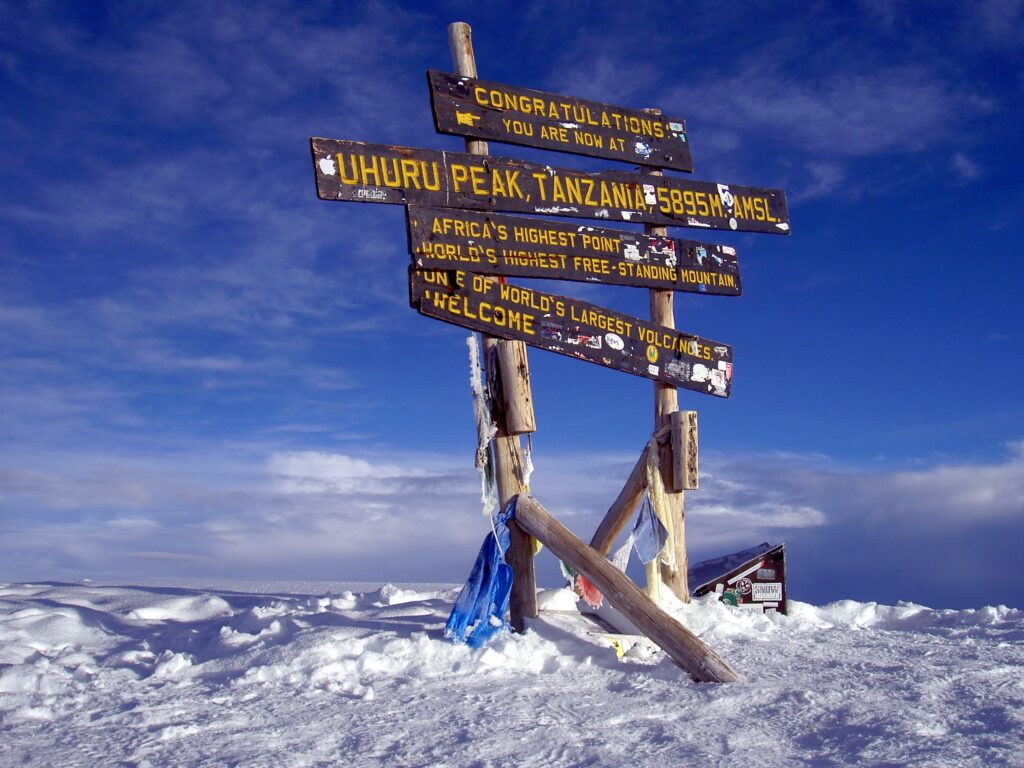
A February safari to Ngorongoro Crater can easily be combined with other iconic Tanzania destinations for a complete East African adventure. Many travelers include Serengeti National Park to witness the Great Migration calving season and predator action in the Ndutu plains. Tarangire National Park offers impressive elephant herds and baobab landscapes, while Lake Manyara National Park provides tree-climbing lions and rich birdlife. Travelers can also continue to Mount Kilimanjaro for trekking adventures or relax on the white-sand beaches of Zanzibar after their safari. February’s favorable weather conditions make multi-destination travel smooth and enjoyable. Combining wildlife safaris, cultural experiences, mountain adventures, and beach holidays creates an unforgettable Tanzania travel itinerary filled with diverse African experiences.
Travel Tips for Visiting Ngorongoro in February
Planning ahead is important when visiting Ngorongoro Conservation Area in February. Booking safari lodges and camps early is recommended because the wildebeest calving season increases demand across northern Tanzania safari circuits. Travelers should prepare for cool temperatures around the crater rim by carrying layered clothing and rain protection. Early morning game drives often provide the best wildlife sightings and photography opportunities, so waking up before sunrise is highly worthwhile. Hiring experienced safari guides improves wildlife tracking and enhances overall safari experiences. Visitors should also carry travel insurance, cameras, binoculars, and personal medications for convenience during remote safari activities. Respecting wildlife rules and maintaining quiet behavior during game drives helps preserve the natural environment. Combining Ngorongoro with Serengeti and other parks allows travelers to maximize wildlife encounters while experiencing Tanzania’s incredible landscapes, culture, and world-famous safari destinations during February.
Why Ngorongoro in February Is Perfect for Honeymoon Safaris
February is one of the most romantic months for honeymoon safaris in Ngorongoro Crater because of its green scenery, mild weather, and luxurious safari atmosphere. Couples can enjoy breathtaking crater views, private game drives, candlelit dinners, and cozy safari lodges surrounded by nature. Morning mist over the crater creates magical landscapes perfect for romantic photography and unforgettable memories. Wildlife viewing remains exceptional, allowing honeymooners to experience thrilling lion sightings, elephant encounters, and peaceful sunsets together. Luxury lodges often provide honeymoon packages with spa treatments, private balconies, and personalized safari experiences. February’s quieter tourism season also adds privacy and tranquility to romantic vacations. Many couples combine Ngorongoro with Zanzibar beach holidays for the perfect blend of safari adventure and tropical relaxation. The combination of wildlife, scenery, luxury, and romance makes Ngorongoro in February an unforgettable honeymoon destination in Africa.
Final Thought
Ngorongoro Crater in February delivers one of the finest safari experiences in Tanzania and across Africa. Travelers enjoy excellent wildlife viewing, beautiful green landscapes, pleasant temperatures, fewer crowds, and unforgettable photographic opportunities. From Big Five game drives to birdwatching and nearby wildebeest calving season adventures, February offers diverse safari experiences for families, honeymooners, photographers, and nature lovers alike. Luxury safari lodges, Maasai cultural encounters, and breathtaking crater scenery make every moment memorable. Whether combined with Serengeti safaris, Zanzibar beaches, or Kilimanjaro adventures, a February journey to Ngorongoro promises extraordinary wildlife encounters and authentic African beauty. For anyone dreaming of a Tanzania safari filled with adventure, romance, and spectacular scenery, Ngorongoro in February remains one of the most rewarding travel experiences in the world.