
Tanzania Safari
Discover the ultimate Tanzania safari experience, where iconic destinations like Serengeti National Park, Ngorongoro Crater, and Tarangire National Park deliver unforgettable wildlife adventures in comfort and style. Tanzania safari tours suit honeymoon couples, family safaris, seniors, solo travelers, and budget-to-luxury travelers alike. Choose budget, mid-range, or luxury Tanzania safari packages from a trusted local tour operator, with genuine reviews guiding your choice. Options include fly-in and fly-out transfers, all-inclusive vacations, and bespoke, tailor-made private itineraries. Witness the Great Migration, Big Five wildlife, and breathtaking landscapes with expert local guides. Whether your Tanzania safari is a honeymoon, family holiday, or solo adventure, find cost-effective options or luxury experiences with transparent pricing and expert travel support for a seamless, memorable safari.
Plan Your Tanzania Safari
Trip Length
Comfort Level
Safari Style
Operator Rating
Specialized Tours
Filter by Operator
Other Tour Features
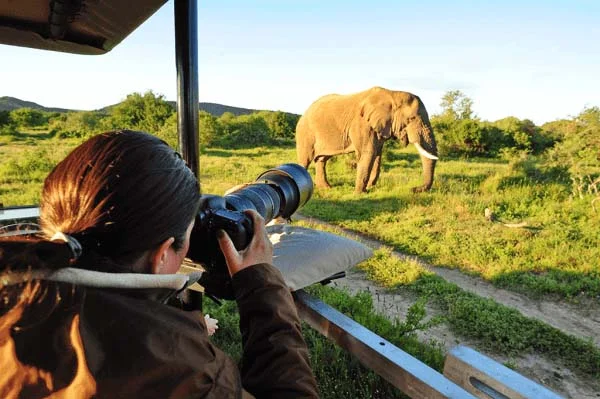
Tanzania Safari
Experience the ultimate Tanzania Safari, a bucket-list African adventure for families, honeymoon couples, seniors, and solo travelers, exploring iconic destinations like Serengeti National Park, Ngorongoro Crater, Tarangire National Park, and the beaches of Zanzibar. Choose Tanzania budget, mid-range, luxury, or premium fly-in fly-out safaris with personalized, tailor-made packages from trusted local tour operators.
10 Best Most Popular Tanzania Safari Tours
Expert-guided adventures across Tanzania's top national parks, for every travel style.
9-Day Classic Serengeti Safari
A comprehensive Northern Circuit itinerary covering Tanzania's top parks.
View Package →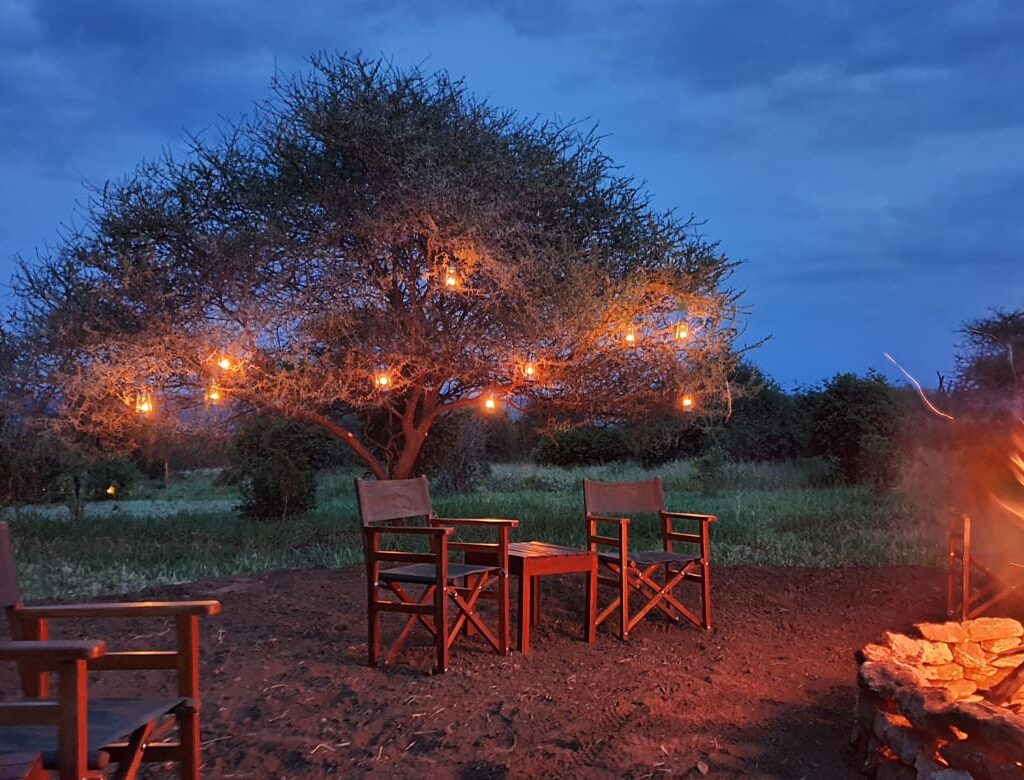
9-Day Tanzania Family Safari with Older Children
A comfortable itinerary designed specifically for older kids and teens.
View Package →
10-Day Ultra-Luxury Tanzania Lodge Safari
Treetop suites and exceptional service across Tanzania's top parks.
View Package →
6-Day Highlights of Tanzania Mid-Range Safari
A well-balanced week across Tanzania's top safari destinations.
View Package →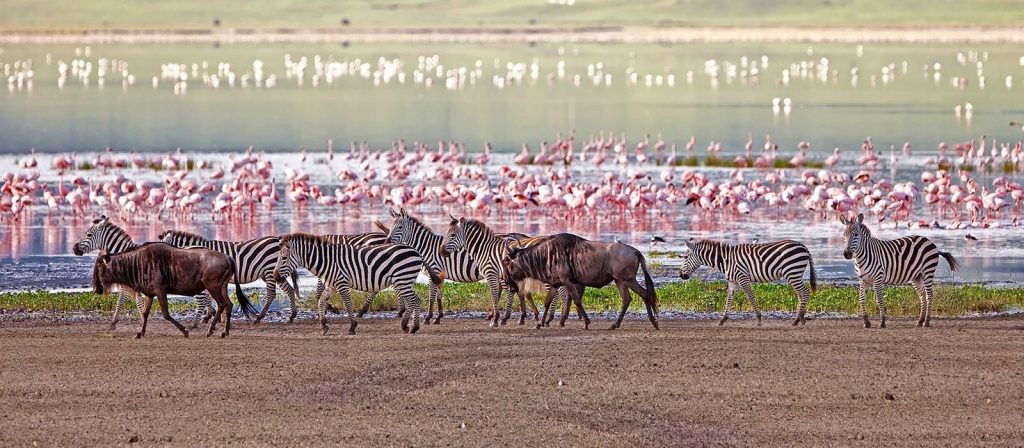
11-Day Bespoke Tanzania Safari & Beach Experience
Northern Circuit game drives paired with a Zanzibar beach finish.
View Package →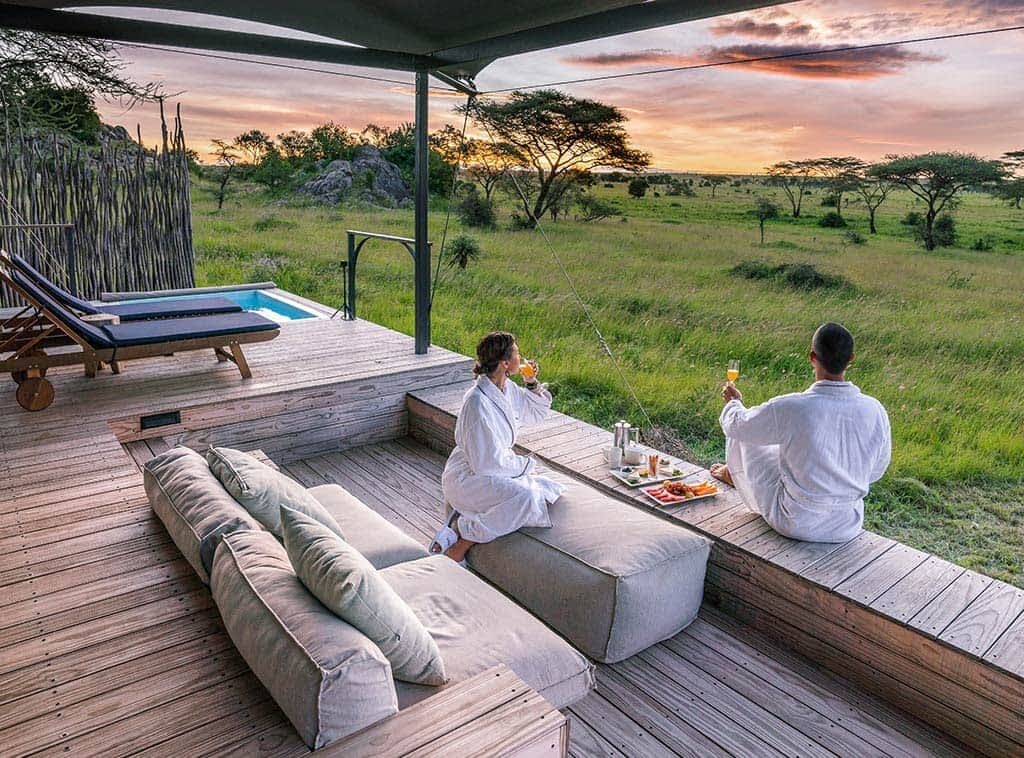
12-Day Serengeti Calving Safari & Zanzibar Beach Holiday
Witness calving season, finished with a beach escape.
View Package →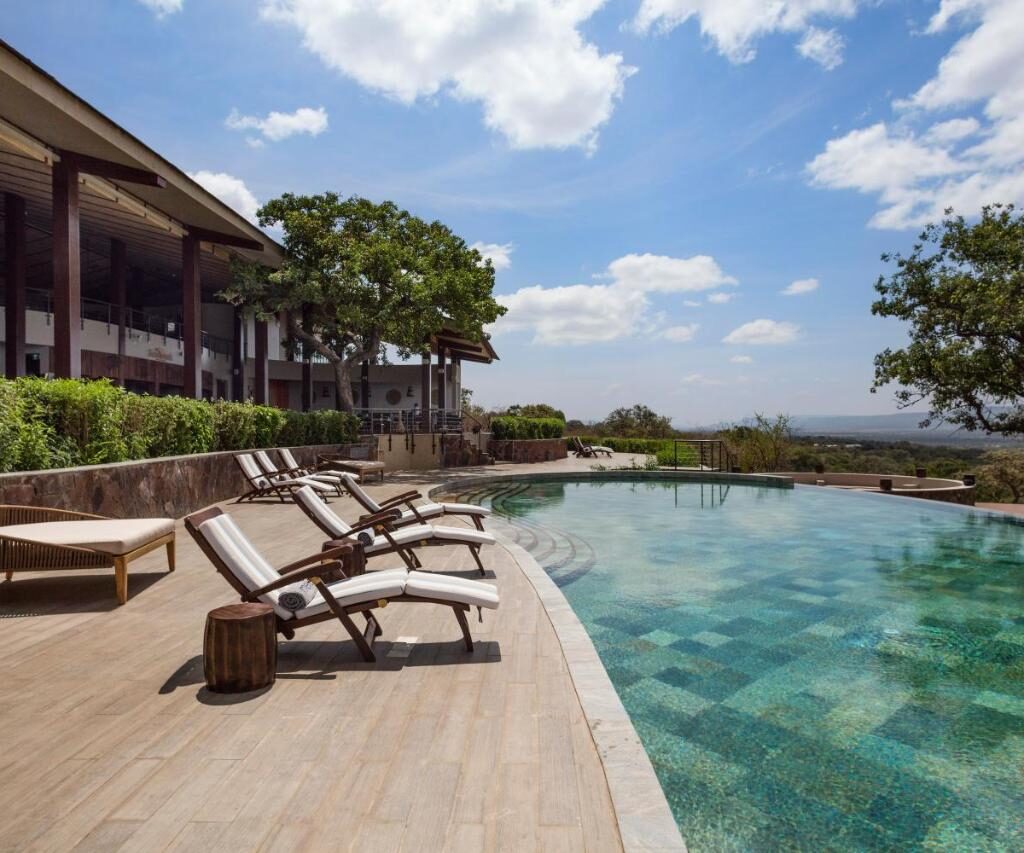
Wonderful 11-Day Ultra-Luxury Tanzania Safari Packages
Premium lodges and exceptional service across the Northern Circuit.
View Package →15-Day Luxury Tanzania Safari & Zanzibar Beach Escape
An extended luxury circuit finished with a beach escape.
View Package →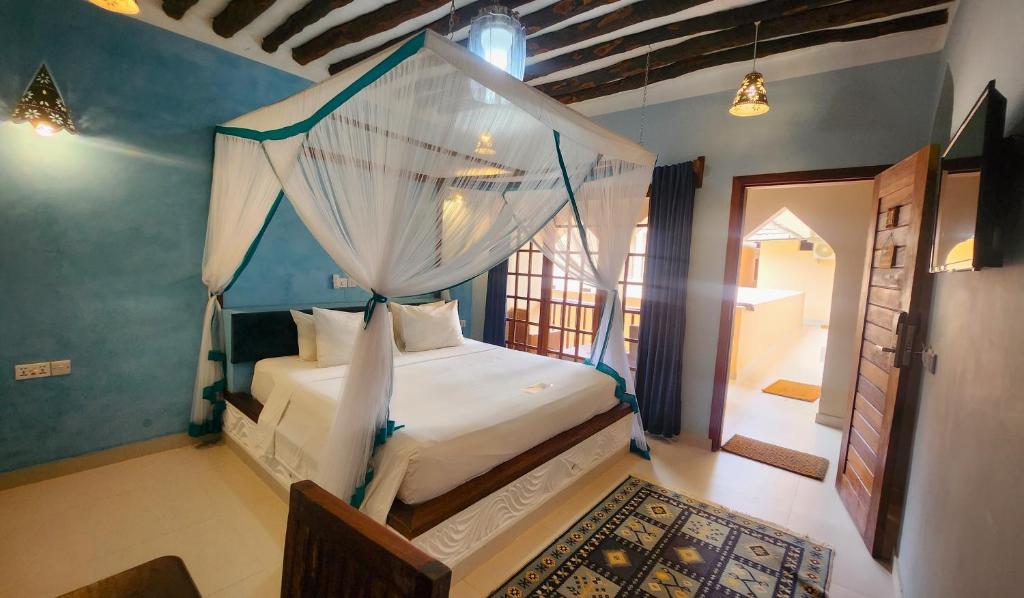
11-Day The Perfect Tanzania Luxury Safari
A well-rounded luxury circuit through Tanzania's top parks.
View Package →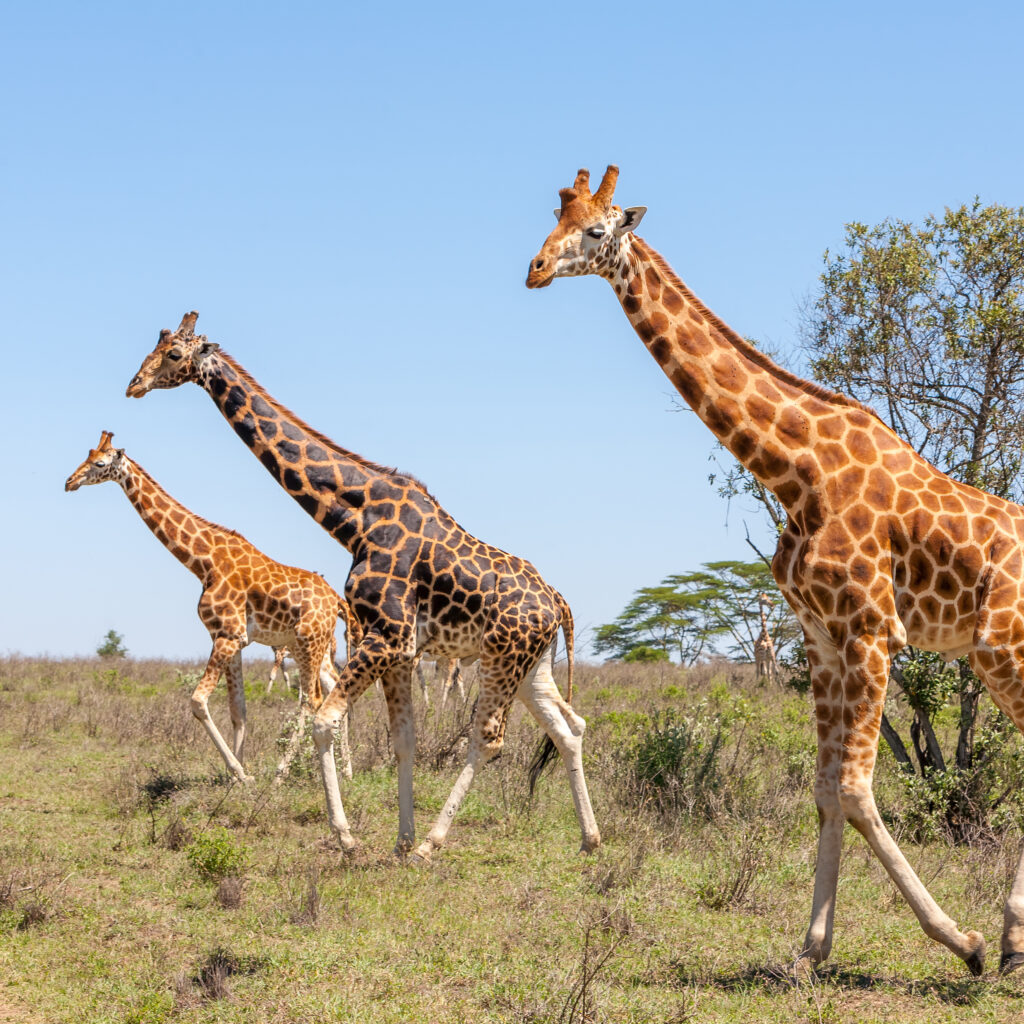
Nomad Tanzania
An affordable camping-style adventure across the Northern Circuit.
View Package →Tanzania Leopard Safari
A dedicated itinerary focused on leopard sightings.
View Package →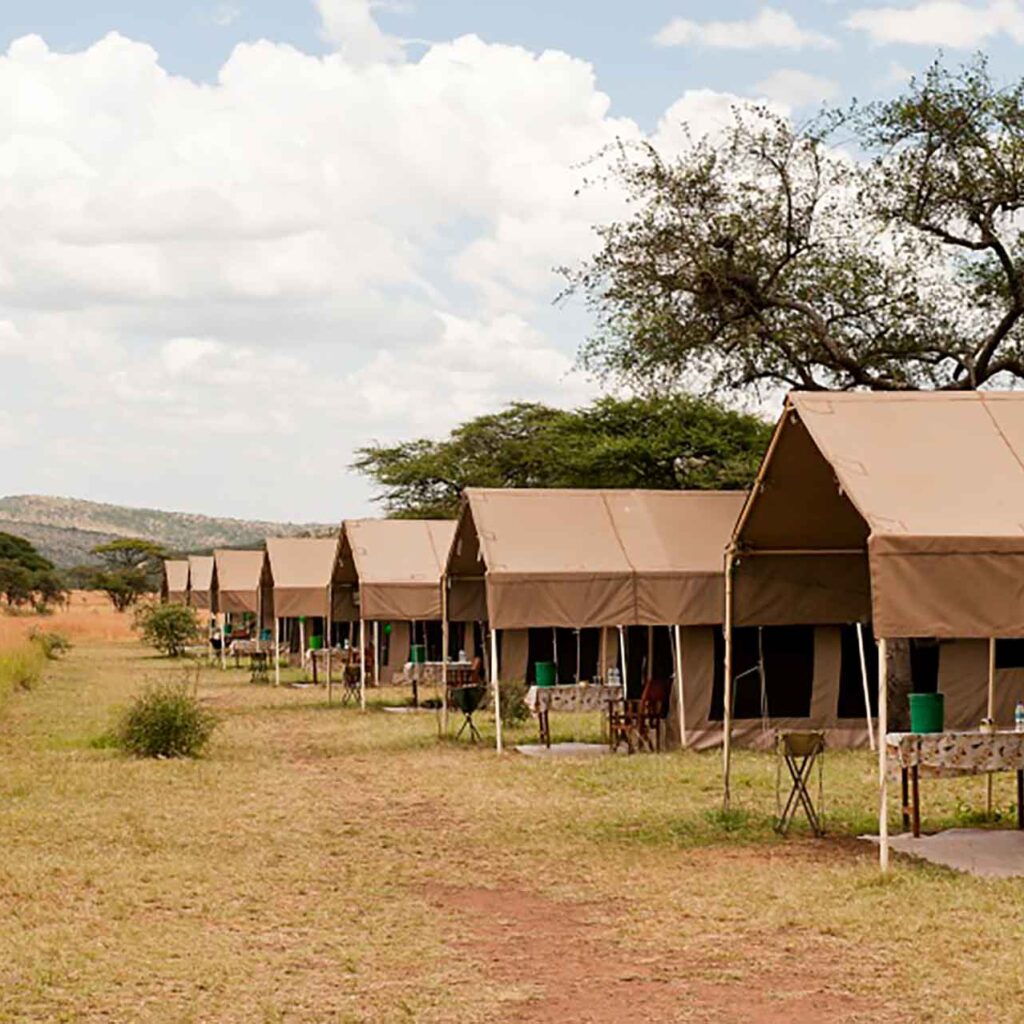
5-Day Tanzania Glamping Experience
A fun, glamping-style adventure combining comfort and wildlife.
View Package →Questions About Tanzania Safari
When is the best time to visit Tanzania?
The best time to visit Tanzania is generally the dry season, from June to October, when wildlife concentrates reliably around water sources across the Serengeti, Ngorongoro Crater, and Tarangire, delivering excellent game viewing and clear skies. January and February also offer strong value, coinciding with dramatic calving season in the southern Serengeti. The rainy season from March to May brings lush green landscapes, fewer tourists, and lower prices, though some roads become harder to navigate. Timing your Tanzania safari around the Great Migration's seasonal position, with guidance from an experienced local operator, helps maximize wildlife sightings during whichever travel window suits your schedule and budget best.
Why visit Tanzania, what are the major attractions?
Tanzania stands out as one of Africa's premier safari destinations, home to the Serengeti's endless plains, the Ngorongoro Crater's concentrated Big Five wildlife, Tarangire's enormous elephant herds, and Mount Kilimanjaro, Africa's highest peak. The Great Migration draws travelers hoping to witness over a million wildebeest and zebra crossing the plains each year. Zanzibar's white-sand beaches add a relaxing coastal extension after game drives. Rich Maasai culture, diverse national parks, and well-developed tourism infrastructure make Tanzania genuinely accessible for first-time and experienced safari travelers alike. These major attractions combine to make Tanzania a consistently top-ranked, bucket-list African safari destination.
How much does a Tanzania safari cost?
A Tanzania safari cost varies widely depending on comfort level, season, and trip length, with budget camping safaris starting around 150 to 250 dollars per person daily, mid-range lodge safaris running 300 to 500 dollars daily, and luxury properties reaching 600 dollars or more per person. Private vehicles typically cost more than shared group safaris, reflecting added flexibility. A typical 7 to 10 day mid-range safari for two travelers might total 4,000 to 8,000 dollars including flights, though exact pricing depends heavily on chosen parks, accommodation style, and season. Requesting a detailed quote from a reputable local tour operator is genuinely worthwhile before booking.
How is the wildlife viewing in Tanzania?
Wildlife viewing in Tanzania ranks among the best in Africa, with the Serengeti, Ngorongoro Crater, and Tarangire offering exceptional, reliable sightings of the Big Five: lion, elephant, leopard, rhino, and buffalo. The Great Migration adds a spectacular seasonal dimension, as over a million wildebeest and zebra move across the ecosystem throughout the year. Ngorongoro Crater delivers particularly concentrated viewing within a compact caldera, while Tarangire is famous for enormous elephant herds. Experienced local guides know exactly where to find wildlife during each season, turning every game drive into a genuinely rewarding, close-up encounter with Tanzania's iconic species.
How safe is Tanzania for tourists?
Tanzania is genuinely safe for tourists when booked with an experienced, reputable safari operator using licensed guides, well-maintained vehicles, and established safety protocols. Game drives are conducted entirely from within the vehicle, keeping travelers safely separated from wildlife at all times. Violent crime against tourists is rare, though standard travel precautions around valuables and reputable transport still apply, particularly in cities. Malaria precautions, travel insurance covering medical evacuation, and yellow fever vaccination where required further reduce risk. Choosing well-reviewed local companies and following your guide's safety instructions consistently makes Tanzania one of the safest, most welcoming African safari destinations.
How do I select a reliable Tanzanian tour operator?
Selecting a reliable Tanzanian safari tour operator starts with checking genuine reviews on independent platforms, confirming proper licensing and membership in recognized tourism associations, and asking detailed questions about guide qualifications, vehicle condition, and exactly what's included in quoted prices. Reputable Tanzania safari tour operators respond promptly, provide clear Tanzania safari itineraries, and offer transparent pricing without hidden fees. Local, Tanzania-based safari operators/company often provide better value and more authentic knowledge than international resellers. Requesting references from past travelers and verifying the company's physical presence in Tanzania adds further confidence. Taking time to compare a few genuine African safari tour operators/company before booking consistently leads to a better overall safari experience.
What type of accommodation can I expect?
Tanzania safari accommodation ranges from basic public campsites and mobile tented camps to comfortable mid-range lodges and five-star luxury properties with private plunge pools and butler service. Budget options typically involve shared facilities and simple meals, while mid-range tented camps offer en-suite bathrooms and genuine comfort within canvas walls. Luxury lodges across the Serengeti, Ngorongoro Crater, and Tarangire feature spacious suites, gourmet dining, and spectacular views. Many properties blend seamlessly into the natural landscape, enhancing the immersive safari feel. Choosing accommodation style significantly shapes both your budget and overall comfort level throughout your Tanzania safari journey.
What can I expect from a safari in Tanzania?
A Tanzania safari typically involves early morning game drives when wildlife is most active, comfortable travel in open-sided 4x4 vehicles, and knowledgeable guides sharing wildlife facts and tracking skills throughout each day. Expect dust, sun, and genuine excitement alongside occasional longer drives between parks. Meals and accommodation vary by budget, from simple camping to luxury lodges, but quality is often surprisingly excellent given the remote settings. Wildlife sightings are never entirely guaranteed but are highly likely across the Serengeti, Ngorongoro Crater, and Tarangire. Overall, expect a physically comfortable, emotionally memorable adventure most travelers describe as genuinely life-changing.
How Many Days Do You Need for a Tanzania Safari?
Most Tanzania safaris run 5 to 10 days, long enough to visit two or three major parks like the Serengeti, Ngorongoro Crater, and Tarangire without excessive daily driving between destinations. Shorter 3 to 4 day itineraries suit travelers with limited time, focusing on one or two accessible parks near Arusha. Longer 10 to 14 day trips allow a relaxed pace plus a Zanzibar beach extension or Kilimanjaro climb. Trip length should balance genuine wildlife immersion with realistic vacation time, since packing too many park transfers into a short trip often reduces overall enjoyment and increases travel fatigue considerably.
What animals will I see on a Tanzania safari?
A Tanzania safari delivers close encounters with the Big Five: lion, elephant, leopard, rhino, and buffalo, alongside giraffe, zebra, wildebeest, hippo, cheetah, and hundreds of bird species across the Serengeti, Ngorongoro Crater, and Tarangire. Seasonal highlights include the Great Migration's dramatic river crossings and calving season in the southern Serengeti, when thousands of wildebeest calves are born daily. Ngorongoro Crater offers particularly reliable, concentrated sightings within a compact area. Skilled local guides know exactly where and when to find specific species, turning every game drive into a genuinely rewarding, close-up wildlife encounter throughout your trip.
When Is the Best Time to See the Wildebeest Migration?
The best time to see the wildebeest migration depends on which phase interests you most: calving season occurs from January to March in the southern Serengeti and Ndutu area, drawing intense predator action around newborn calves, while dramatic Mara River crossings typically happen between July and September as herds push north toward Kenya. The migration moves continuously throughout the year across the greater Serengeti ecosystem, so wildlife is visible in some form during any season. Working with an experienced local operator who tracks the herds' current position ensures your Tanzania safari itinerary aligns with the specific migration moment you most want to witness.
How Do I Plan and Book a Tanzania Safari?
Planning a Tanzania safari starts with choosing your travel dates around the dry season or calving season, selecting two to three parks like the Serengeti, Ngorongoro Crater, and Tarangire, and deciding on comfort level and budget. Working with an experienced local tour operator ensures well-paced itineraries, reliable guides, and transparent pricing. Compare a few operators, check genuine reviews, and confirm exactly what's included before booking. Book several months ahead for peak dry-season travel to secure preferred lodges and flights. Adding a Zanzibar beach extension or Kilimanjaro climb rounds out a well-planned, genuinely memorable Tanzania safari itinerary.
Why is Tanzania the best safari destination in Africa?
Tanzania consistently ranks among Africa's best safari destinations thanks to its exceptional wildlife density, including the Big Five and the world-famous Great Migration, combined with diverse landscapes spanning the Serengeti's plains, Ngorongoro Crater's caldera, and Kilimanjaro's snow-capped peak. Well-developed tourism infrastructure, experienced local guides, and a wide range of accommodation styles from budget camping to ultra-luxury lodges make Tanzania accessible to every type of traveler. The option to pair a safari with Zanzibar's beaches adds further appeal. This genuine combination of wildlife, landscape diversity, and accessibility explains why Tanzania remains a top-ranked, bucket-list safari destination worldwide.
How far in advance should I book a Tanzania Safari?
Booking a Tanzania safari 6 to 12 months in advance is generally recommended, particularly for travel during peak dry season months from June to October or the popular calving season in January and February, when top lodges and flights fill up quickly. Shorter-notice bookings are still possible, especially during shoulder or rainy seasons when availability is higher and prices often lower. Private and highly-rated luxury properties tend to book out fastest, so securing preferred accommodation early matters most for luxury travelers. Working with an experienced local operator helps navigate availability and lock in the best combination of dates and lodges.
Why is a private safari the Best Way to explore Tanzania?
A private safari offers genuine flexibility unavailable in shared group vehicles, letting travelers set their own pace, linger longer at exciting sightings, and adjust the daily schedule around personal interests or family needs. A dedicated vehicle and guide throughout the trip also means more personalized commentary and the ability to skip or extend activities freely. While private safaris typically cost more than joining a shared group, the added comfort, privacy, and control over the entire itinerary consistently deliver a more personal, memorable experience. For travelers prioritizing comfort and customization, a private safari remains genuinely the best way to explore Tanzania.
Which safari circuit is right for me — Northern or Southern?
The Northern Circuit, including the Serengeti, Ngorongoro Crater, and Tarangire, suits most first-time visitors thanks to excellent infrastructure, shorter distances between parks, and reliable Big Five and Great Migration viewing. The Southern Circuit, featuring Ruaha and Selous, offers a more remote, less-crowded experience with genuine wilderness appeal, better suited to repeat visitors or those seeking solitude over convenience. Northern parks generally cost less to reach and offer more accommodation variety, while Southern parks reward travelers willing to pay more for exclusivity. Choosing between circuits depends on your priorities: accessibility and famous wildlife versus remoteness and fewer crowds.
What can you do on a Tanzania safari besides game drives?
Beyond game drives, a Tanzania safari offers hot air balloon rides over the Serengeti, guided walking safaris in select parks, cultural visits to Maasai villages, birdwatching across diverse habitats, and scenic sundowners overlooking the plains. Many itineraries include a Zanzibar beach extension for swimming and snorkeling after days of wildlife viewing, while Kilimanjaro trekking appeals to more adventurous travelers. Photography-focused activities, night drives in select conservancies, and visits to local markets or coffee farms near Arusha add further variety. These additional experiences round out a Tanzania safari with genuine cultural depth and adventure beyond wildlife viewing alone.
What is included and excluded in a Tanzania safari?
A typical Tanzania safari package includes accommodation, a vehicle with driver-guide, park entry fees, meals, bottled water, and daily game drives across chosen parks. Airport transfers are often included, while international flights, visa fees, travel insurance, tips, alcoholic drinks, and optional activities like hot air balloon safaris are usually excluded and paid separately. Exact inclusions vary significantly between budget, mid-range, and luxury packages, so confirming precisely what's covered before booking is genuinely important. A reputable operator provides a clear, itemized breakdown of everything included and excluded, helping travelers budget accurately for their complete Tanzania safari experience.
What to know before visiting Tanzania on safari?
Before visiting Tanzania on safari, know that the dry season from June to October offers the most reliable wildlife viewing, a valid passport and tourist visa are required, and yellow fever vaccination applies if arriving from certain countries. Malaria precautions and travel insurance covering medical evacuation are strongly recommended given the remote nature of safari destinations. Packing layered clothing, sun protection, and a good camera matters more than most first-timers expect. Choosing an experienced, well-reviewed local operator rather than the cheapest option consistently makes the biggest difference in trip quality, safety, and overall enjoyment of your Tanzania safari.
Why should I choose a private Tanzania safari?
Choosing a private Tanzania safari means a dedicated vehicle and guide throughout your entire trip, offering genuine flexibility to adjust pacing, linger at wildlife sightings, and customize the itinerary around your specific interests rather than a fixed group schedule. This is particularly valuable for families with children, photographers wanting extra time at sightings, or travelers with specific comfort needs. While private safaris cost more than shared group options, the added privacy, personalized guiding, and control over daily decisions consistently deliver a more relaxed, memorable experience, making it genuinely worthwhile for travelers who value comfort and customization over saving on cost.
How much to tip a Tanzania safari guide?
Tipping a Tanzania safari guide typically ranges from 15 to 25 dollars per day per group, reflecting the guide's expertise, safety responsibility, and personalized service throughout your trip. Camp or lodge staff are usually tipped separately, often 10 to 15 dollars per day per group, sometimes pooled into a shared staff box. Drivers on longer transfers may also receive a smaller separate tip. Exact amounts depend on service quality, trip length, and group size, and many tour operators provide suggested tipping guidelines beforehand. Bringing sufficient cash in US dollars for tipping is genuinely practical, since card payment isn't available in remote areas.
What type of jeep is best for Tanzania safari photography?
For Tanzania safari photography, a customized 4x4 Land Cruiser with a pop-up roof is genuinely the best choice, offering standing room for unobstructed shooting angles, large windows for wide-frame compositions, and stable window mounts for long lenses. Extended wheelbase vehicles provide more interior space and smoother rides on rough terrain, benefiting photographers carrying substantial gear. Private vehicles are strongly preferred over shared group jeeps, since photographers need flexibility to reposition freely without competing for space or window access. Choosing a photography-specialized tour operator familiar with beanbag supports and charging setups further enhances the experience for serious wildlife photographers.
What cars do we use for our Tanzania safaris?
Our Tanzania safaris use specially customized 4x4 Toyota Land Cruisers, built specifically for rough African terrain with pop-up roofs for standing wildlife viewing and photography, large windows for visibility, and high ground clearance for navigating dirt roads and river crossings. Each vehicle is well-maintained, regularly serviced, and driven by an experienced, licensed driver-guide trained in both navigation and wildlife tracking. Private vehicles are available for travelers wanting complete flexibility, while shared group vehicles offer a more affordable option. These reliable, purpose-built safari vehicles ensure safety, comfort, and excellent wildlife viewing across every park on your itinerary.
What are the Different Types of African Safari Vehicles?
African safari vehicles range from 4x4 Land Cruisers and Land Rovers with pop-up roofs, ideal for photography and wildlife viewing. Our classic safari jeeps accommodate larger overland-style trips; private 4x4s suit families or photographers wanting flexibility. Some remote lodges also use specialized game-viewing vehicles with raised seating for optimal sightlines. Choosing the right private African safari vehicle type is a top priority, like photography access or comfort, with private 4x4s generally offering the best overall safari experience. All of our African 4x4 4WD safari jeeps are new models with pop-up roofs! Our East African safari guides in Tanzania are experienced and multilingual, speaking English, Spanish, Italian, French, German, and Chinese.
How to Choose the Right Tanzania Safari Vehicle?
Choosing the right Tanzania safari vehicle depends on your priorities: photographers should prioritize a private 4x4 with a pop-up roof and stable window mounts, while families may value extra interior space and flexible seating. Budget travelers often join shared group vehicles to reduce cost, accepting less flexibility in exchange for savings. Checking vehicle age, maintenance standards, and whether the roof genuinely pops up for standing views matters more than brand name. Confirming vehicle details directly with your tour operator before booking, rather than assuming, ensures the vehicle genuinely matches your specific safari goals and comfort expectations.
What to Pack for a Serengeti or Tanzania Safari?
For a Serengeti or Tanzania safari, pack lightweight, neutral-colored clothing for game drives, warm layers for cool mornings and evenings, comfortable closed shoes, a sun hat, sunscreen, and insect repellent. Binoculars and a good camera help capture distant wildlife, while a basic first-aid kit, regular medications, and malaria prophylaxis (as advised by a doctor) are essential. A dust-blocking scarf helps on drier routes, and a reusable water bottle rounds out the essentials. Most lodges offer laundry service, so packing light for a multi-day itinerary remains entirely practical for a comfortable, well-prepared Tanzania safari experience.
What is a safari?
A safari is an organized overland journey, typically by 4x4 vehicle, to observe wildlife in its natural habitat, most commonly across Africa's national parks and game reserves. The word originates from the Swahili term for 'journey,' reflecting East Africa's deep connection to the tradition. Modern safaris range from budget camping trips to ultra-luxury lodge experiences, typically involving guided game drives, knowledgeable local guides, and accommodation ranging from tents to five-star lodges. In Tanzania specifically, a safari usually means visiting parks like the Serengeti, Ngorongoro Crater, or Tarangire to witness the Big Five, the Great Migration, and Africa's iconic landscapes firsthand.
Which Tanzania safari lodges are best for luxury travelers?
Luxury travelers on a Tanzania safari can choose from exceptional properties across the Serengeti, Ngorongoro Crater, and Tarangire, featuring private plunge pools, gourmet dining, spacious suites, and butler-level service. Rim-top lodges overlooking Ngorongoro Crater offer spectacular sunrise views, while Serengeti camps positioned along the Great Migration route deliver front-row wildlife access. Tarangire's treetop-style lodges provide a genuinely unique elevated perspective over elephant herds and baobab landscapes. Many luxury properties also offer fly-in access, reducing long road transfers. Working with an experienced local operator ensures matching the right luxury lodge to your specific interests, travel dates, and preferred parks.
How to Pay for a Safari in Tanzania?
Most Tanzania safari operators accept payment via bank transfer or credit card, with a deposit of 20 to 30 percent typically required to confirm booking and the remaining balance due 30 to 60 days before departure. Reputable local companies often provide secure online payment links or direct bank details for international wire transfers, which usually carry lower processing fees than card payments. Once in Tanzania, carrying US dollars in cash remains genuinely practical for tips, souvenirs, and small purchases at lodges or markets, since card acceptance is limited outside major towns. Always confirm payment terms, cancellation policies, and currency exchange rates directly with your safari operator before booking to avoid unexpected costs.
Plan Your Tanzania Safari
Tell us your dates, style, and preferred parks, and we will build the perfect itinerary around you.
Book Now Online →What Our Travelers Say
Real 5-star reviews from guests who traveled with us
Our Private African luxury Safari experience with Foot Slopes Tours and Safaris exceeded every expectation - beautifully planned, comfortable, and genuinely unforgettable.
We had an incredible private safari experience with Foot Slopes Tours and Safaris - professional guides, excellent lodges, and a truly seamless trip from start to finish.
Foot Slopes Tours and Safaris is truly one of the best local tour companies in Tanzania - professional, reliable, and genuinely invested in giving guests a great experience.
Our family chose Foot Slopes Tours and Safaris for a custom 11-day safari itinerary - the level of personal attention and care throughout was exceptional from start to finish.