
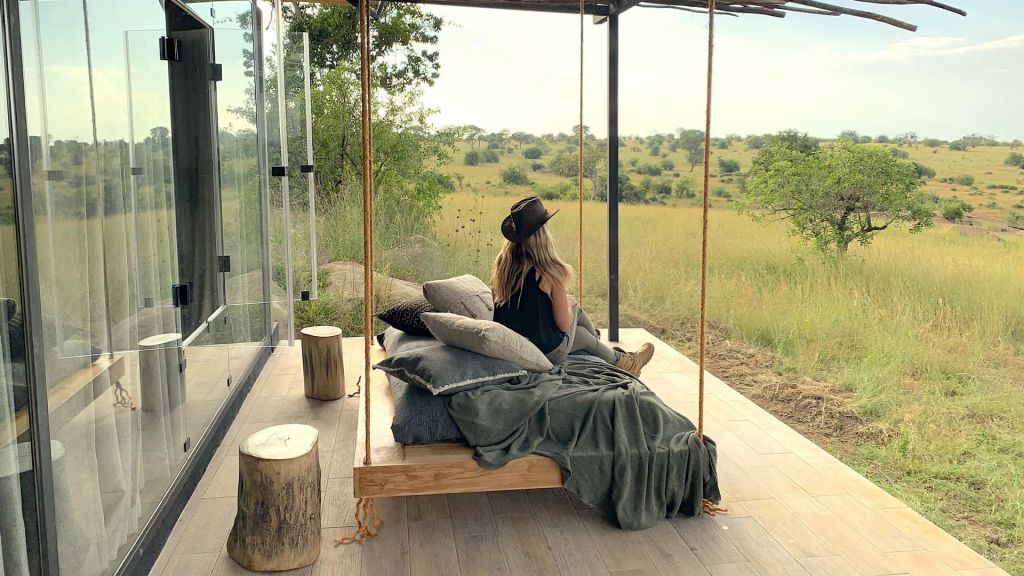
9-Day Premium Tanzania Luxury Safari All-Inclusive Magnificent best Tanzania Luxury Tours & Safaris ✓Exclusive genuine Luxury Travel Company …
How Much Does an African Safari Cost?
An African safari is one of the most unforgettable travel experiences in the world, but understanding the real cost of an African safari is essential for smart planning. African safari prices vary widely depending on destination, travel style, accommodation, season, and level of exclusivity. On average, African safari costs range from $150 to over $1,500 per person per day, with budget, mid-range, and luxury options available across destinations like Tanzania. A typical 6–7 day African safari can cost between $4,500 and $18,000+ per person, depending on comfort level. Key factors influencing African safari pricing include park fees, accommodation type, transportation (road vs fly-in safari), and guide expertise. Whether you’re planning an African family safari, a romantic honeymoon for couple/ senior safaris, or a luxury wildlife adventure, understanding each safari category helps you match your budget with your dream African experience.
African Family Safari Cost $250 and $700 per person per day
African family safari costs are designed to balance comfort, safety, and value, making them ideal for multi-generational travel. On average, an African family safari costs between $250 and $700 per person per day, depending on accommodation and group size. African family safari adventures often benefit from shared vehicles and African family-friendly lodges, which reduce overall expenses. Many African family safari packages include discounted child rates, private guides, and flexible itineraries tailored to children’s needs. Mid-range African family safari lodges and tented camps are the most popular for families, offering comfort without the high price of luxury safaris. A typical 7-day African family safari may cost $5,000 to $10,000 per adult, with lower rates for children. Additional costs include park entry fees, flights, and tips. Choosing the right African Safari destinations, like Tanzania, ensures access to iconic wildlife experiences while maintaining a manageable safari budget.
African Romantic Honeymoon Safari Cost $500 to $1,500+ per person per day
A romantic African honeymoon safari is a premium experience focused on privacy, exclusivity, and unforgettable moments. The African Honeymoon safari costs typically range from $500 to $1,500+ per person per day, depending on the level of luxury and destination. Couples often choose luxury tented camps, boutique lodges, or private safari villas with amenities such as plunge pools, candlelit bush dinners, and personalized game drives. Popular honeymoon destinations include Serengeti, Zanzibar, Tarangire, and the Ngorongoro Crater. A 7–10 day honeymoon safari can cost between $7,000 and $20,000 per couple, excluding international flights. Fly-in safaris, which reduce travel time and enhance comfort, significantly increase African Safari costs. Our African honeymoon packages often include extras like champagne, spa treatments, and romantic excursions. While expensive, these African couple safaris deliver once-in-a-lifetime experiences, combining wildlife adventure with luxury and intimacy in Africa’s most breathtaking landscapes.
African Luxury Safari Cost $990 to $1,500+ per person per day
Luxury African safaris represent the highest tier of wildlife travel, offering exclusivity, personalized service, and world-class accommodations. Luxury African safari prices typically range from $650 to $1,500+ per person per day, with ultra-luxury options exceeding $2,000 daily. These premium high-end African safaris include private guides, luxury lodges, gourmet dining, and fly-in transfers between remote parks. A 7-day luxury African safari can cost $12,000 to $18,000 per person or more. Destinations such as Tanzania’s Serengeti are known for high-end safari experiences. Luxury African safaris also emphasize sustainability, conservation, and low guest density, which contributes to higher luxury African Safari costs. Amenities may include spa services, infinity pools, and exclusive wildlife viewing areas. While expensive, luxury African safaris provide unmatched comfort and access to pristine wilderness, making them ideal for travelers seeking a premium African safari experience.
African Mid-Range Safari Cost $650 to $990 per person per day
Mid-range African safaris offer the perfect balance between affordability and comfort, making them the most popular choice for travelers. Our Mid-range African safari prices typically range from $650 to $990 per person per day, depending on location and lodge quality. These comfort mid-range African safaris include comfortable lodges or tented camps with en-suite bathrooms, professional guides, and shared or private game drives. A 7-day mid-range safari generally costs between $6,500 and $10,000 per person. African safari destinations like Tanzania offer excellent mid-range options with high-quality wildlife viewing. This Mid-range African safari category is ideal for couples, families, and first-time safari travelers who want a comfortable experience without luxury pricing. Mid-range safaris often include meals, park fees, and transportation, making them a convenient and cost-effective way to explore Africa’s iconic national parks.
African Budget Safari Cost $250 to $350 per person per day
Budget African safaris provide affordable access to wildlife experiences without sacrificing adventure. African budget safari prices start from around $250 to $350 per person per day, making them ideal for backpackers and cost-conscious travelers. These affordable African safaris typically involve camping or basic lodges, shared vehicles, and private African safari tours. A 5–7 day budget African safari may cost between $1,500 and $4,500 per person, depending on destination and inclusions. Countries like Tanzania offer excellent budget safari options with abundant wildlife. While amenities are simpler, the core safari experience—game drives, wildlife sightings, and cultural interactions—remains intact. African budget safaris are perfect for families, romantic couples, seniors, solo travelers, students, and adventurers seeking value for money. Traveling during the low season can further reduce costs, making African safaris more accessible to a wider range of travelers.
African Photographic Safari Cost $600 and $2,000+ per person per day
African Photographic safaris are specialized experiences designed for wildlife photography enthusiasts. These African photographic safaris typically cost between $600 and $2,000+ per person per day, depending on equipment, exclusivity, and guiding expertise. High-end African photographic safaris often include private vehicles, professional photography guides, and customized itineraries focused on optimal lighting and wildlife behavior. Destinations like the Serengeti, Tarangire, Kilimanjaro, Lake Manyara, Arusha National Park, Lake Natron, Lake Eyasi, Zanzibar, and Ngorongoro Crater are popular due to abundant wildlife and dramatic landscapes. A 7-day African photographic safari can cost $8,000 to $20,000 per person. A well-equipped African specialized photographic safari vehicle with camera mounts and fewer guests increases costs but enhances the experience. These African photographic safaris are ideal for serious photographers seeking unique wildlife encounters, including the Great Migration and predator action. The higher African photo safari price reflects expert guidance, flexibility, and access to prime wildlife viewing locations.
African Senior Safari Cost $400 to $990 per person per day
Senior-friendly African safaris prioritize comfort, accessibility, and a relaxed pace. A Senior-friendly African safari costs typically range from $400 to $990 per person per day, depending on accommodation and level of service. Seniors-friendly African safari often prefer mid-range to luxury lodges with easy access, comfortable seating, and shorter game drives. A 7-day African Senior Safari usually costs between $6,000 and $12,000 per person. Many senior-friendly African safari tour operators offer tailored itineraries with fewer travel hours and more rest time. Fly-in senior-friendly African safaris are popular among seniors as they reduce long road transfers, though they increase overall costs. African Senior-friendly safari destinations such as Tanzania – Serengeti, Tarangire, Lake Manyara, Arusha National Park, and Ngorongoro Crater provide excellent infrastructure for senior travelers. Additional services may include medical support, personalized assistance, and flexible schedules. These African senior safaris ensure that older travelers can enjoy Africa’s wildlife safely and comfortably without compromising on the overall safari experience.
African Solo Safari Cost $400 to $2500 per person per day
Solo African safari costs are slightly higher per person due to single supplements, which increase accommodation expenses. African Solo Safari prices typically range from $400 to $2500 per day, depending on whether you choose budget, mid-range, or luxury options . Solo travelers can reduce costs by taking a short private individual customized African safaris with 4×4 safari vehicles. A 7-day African solo safari may cost between $3,500 and $10,000+, depending on comfort level. Many African safari operators now offer solo-friendly packages with no or reduced single supplements. An African safari destinations Tanzania – Serengeti, Tarangire, Lake Manyara, Arusha National Park, Lake Eyasi, Lake Natron, Mount Kilimanjaro, and Ngorongoro Crater are popular for solo safaris due to their well-developed tourism infrastructure. Solo African safaris provide flexibility, independence, and opportunities to meet other travelers. Despite slightly higher costs, they offer a deeply personal and immersive wildlife experience across Africa’s iconic safari destinations.
African Flying Safari Cost $800 to $2,500+ per person per day
Flying safaris, also known as fly-in safaris, are among the most exclusive and time-efficient safari options. Costs typically range from $800 to $2,500+ per person per day, depending on distance, aircraft type, and level of luxury. These safaris use small charter planes to transport guests between remote parks and lodges, eliminating long road journeys. A 7-day flying safari can cost between $10,000 and $25,000 per person. Destinations like Tanzania’s- Serengeti, Tarangire, Lake Manyara, Arusha National Park, Lake Eyasi, Lake Natron, Mount Kilimanjaro, and Ngorongoro Crater are popular for fly-in experiences. While expensive, flying African safaris maximize wildlife viewing time and provide breathtaking aerial views of Africa’s landscapes. They are ideal for luxury travelers, honeymooners, and those with limited time. The higher African safari cost reflects convenience, exclusivity, and access to remote wilderness areas that are otherwise difficult to reach.
Factors affecting the cost of an East African Safari
Planning an East African safari involves balancing your budget with your bucket list. Whether you’re tracking gorillas in the misty forests or watching lions prowl the plains of the Serengeti, knowing what influences the cost helps ensure your safari is both unforgettable and financially sound. Embarking on an East African safari promises unforgettable encounters with nature, but your dream adventure’s cost can vary greatly depending on several key factors. Understanding these will help you plan smartly and get the best value for your budget while still enjoying the magic of the wild.
Time of Travel and Seasonality
One of the biggest factors affecting the cost of an East African safari is the time of year you travel. High season, often aligned with the Great Migration in Serengeti National Park and Maasai Mara National Reserve, brings peak prices due to high demand. Lodges and camps charge premium rates, and availability becomes limited. Conversely, the low or green season offers discounted safari packages, fewer crowds, and lush landscapes, making it attractive for budget-conscious travelers. Shoulder seasons provide a balance between price and experience. Weather conditions, wildlife visibility, and road accessibility also influence pricing. For example, dry seasons are preferred for game viewing, driving up costs. Planning your safari during off-peak months can significantly reduce expenses while still delivering exceptional wildlife encounters across East Africa.
Choice of Safari Destination
The specific destination you choose in East Africa plays a major role in determining safari costs. Premium parks like Ngorongoro Crater and Serengeti National Park often have higher entry fees and accommodation rates compared to lesser-known reserves. Similarly, gorilla trekking in Bwindi Impenetrable National Park is significantly more expensive due to permit costs. Remote and exclusive conservancies a or private reserves in Tanzania also come with higher price tags due to limited access and personalized experiences. On the other hand, destinations like Tarangire National Park or Lake Manyara National Park can be more affordable while still offering incredible wildlife. Choosing the right combination of parks can help balance your safari budget without compromising on experience.
Type of Accommodation
Accommodation is a key cost driver in any East African safari. Options range from budget camping and basic lodges to luxury tented camps and high-end safari lodges. Staying in luxury properties near Serengeti National Park or Ngorongoro Crater can dramatically increase your safari cost due to premium amenities, fine dining, and exclusive locations. Mid-range lodges offer comfort and value, while budget camps provide affordable alternatives for adventurous travelers. The level of service, room size, views, and inclusions such as meals and guided activities also affect pricing. Eco-lodges and sustainable camps may charge more due to conservation efforts. Ultimately, your choice of accommodation directly impacts your safari experience and overall cost, making it important to align with your travel style and expectations.
Mode of Transportation
Transportation is another major factor influencing East African safari prices. Road safaris using 4×4 vehicles are generally more affordable, especially for group tours. However, distances between parks in Tanzania and Kenya can be long, increasing fuel and travel time costs. Fly-in safaris, which use light aircraft to access remote areas like the Serengeti National Park, are faster and more convenient but significantly more expensive. Private transfers and charter flights further raise the price but offer flexibility and comfort. The choice between shared and private vehicles also matters, as private safaris cost more but provide personalized experiences. Transportation costs can quickly add up, especially when visiting multiple destinations across East Africa.
Park Fees and Conservation Charges
National park fees and conservation charges are unavoidable costs that significantly impact safari pricing. Parks like Ngorongoro Crater have some of the highest fees in Africa, including vehicle entry and crater service charges. Similarly, accessing Serengeti National Park or Tarangiire National Park requires daily park fees that are often included in safari packages. These fees support wildlife conservation, anti-poaching efforts, and community development. Private conservancies may charge additional fees for exclusive access. In Uganda, gorilla trekking permits in Bwindi Impenetrable National Park are among the most expensive safari activities. Understanding these mandatory costs helps travelers budget accurately and appreciate the value of conservation-driven tourism.
Safari Duration and Itinerary Design
The length of your safari and how your itinerary is structured directly affect the total cost. A short 3-day safari to Tarangire National Park and Ngorongoro Crater will cost significantly less than a 10-day extended trip covering Serengeti National Park and beyond. More days mean additional accommodation, park fees, meals, and guide services. Complex itineraries involving multiple countries—such as combining Tanzania—also increase logistical costs. Carefully planning your route to minimize travel time and maximize game viewing can help optimize your budget. Custom itineraries tailored to your interests may cost more but provide a richer experience. Balancing duration with key highlights ensures you get the best value from your East African safari.
Level of Exclusivity and Activities
The level of exclusivity and additional activities you choose can greatly influence safari costs. Private game drives, hot air balloon safaris over the Serengeti National Park, and guided walking safaris all come at an extra cost. Exclusive lodges in private conservancies offer fewer crowds and personalized service but at a premium price. Activities like cultural visits to Maasai villages, night drives, and photographic safaris also add to the total expense. High-end experiences focus on comfort, privacy, and unique encounters, making them ideal for luxury travelers. Budget safaris may include fewer extras but still deliver incredible wildlife viewing. Understanding which experiences matter most to you allows you to allocate your budget wisely and create a memorable East African safari adventure.
African safari cost, how much does an African safari cost, African safari prices, safari cost per day, budget African safari cost, mid-range safari prices, luxury African safari cost, Tanzania safari cost, Serengeti safari prices, How much does a 2-week African safari cost, African safari price breakdown, All-inclusive African safari cost, safari tour costs, How much does a 1 week African safari cost, African safari packages price, cost of safari in Africa, private safari cost, African safari cost per person
Additional African Safari Costs to Consider
Planning for these African safari costs for a family of 4 extra expenses ensures a smooth and stress-free safari, letting you focus on the real magic—witnessing Africa’s wildlife in its raw, untamed beauty. While the core cost of an African safari often includes accommodation, meals, and game drives, several essential extras can catch travelers off guard if not planned for in advance.
Visas and Travel Insurance
When planning an East African safari, visa fees and travel insurance are essential cost factors that travelers often overlook. Most countries like Tanzania, Kenya, and Uganda require a tourist visa, with costs typically ranging between $50 and $100 per person. Multi-country itineraries may require multiple visas or an East Africa Tourist Visa, which can impact your safari budget. In addition, comprehensive travel insurance is highly recommended for safari trips, covering medical emergencies, trip cancellations, evacuation, and lost luggage. Premium safari travel insurance plans may cost anywhere from 4% to 10% of your total trip cost. Investing in reliable insurance ensures peace of mind during your African safari adventure, especially when visiting remote national parks and wildlife reserves where healthcare access may be limited.
International Flights
International flights are one of the largest expenses affecting the overall cost of an East African safari. Airfare prices vary widely depending on departure location, travel season, airline choice, and how early you book. Flights from the United States or Europe to major safari gateways such as Kilimanjaro International Airport, Nairobi, or Entebbe can range from $700 to over $2,000 per person. Peak safari seasons, including the Great Migration period, tend to have higher airfare costs due to increased demand. Booking flights well in advance and being flexible with travel dates can significantly reduce costs. Additionally, choosing indirect flights or budget airlines may offer savings. For luxury safari travelers, business-class or first-class tickets will considerably increase the total safari budget.
Tipping
Tipping is a customary and expected practice on an East African safari, and it should be factored into your overall travel budget. Safari guides, drivers, lodge staff, porters, and camp teams rely heavily on gratuities as part of their income. Typical tipping guidelines suggest $10–$20 per day for safari guides, $5–$10 per day for camp staff, and smaller amounts for porters or housekeeping. For Kilimanjaro climbs, tipping can be significantly higher due to the larger support team involved. While tipping is discretionary, it reflects appreciation for exceptional service and enhances your safari experience. Budget-conscious travelers should plan ahead and allocate a tipping fund to avoid unexpected expenses at the end of their journey.
Extra Activities
Optional safari activities can significantly influence the total cost of an East African safari. While game drives are typically included in safari packages, premium experiences such as hot air balloon safaris, guided walking safaris, cultural village visits, and night game drives often come at an additional cost. For example, a Serengeti hot air balloon safari can cost between $500 and $700 per person, making it one of the most expensive add-ons. Other activities like Maasai cultural tours or boat safaris are more affordable but still add to your overall expenses. Travelers seeking a luxury or immersive safari experience should budget for these extras, as they enhance wildlife encounters and provide unique perspectives of East Africa’s landscapes and cultures.
Accommodation Standards
Accommodation type plays a major role in determining the cost of an East African safari. Options range from budget camping and mid-range lodges to luxury tented camps and ultra-premium safari resorts. Budget accommodations may cost $100–$250 per night, while mid-range lodges typically range from $250–$500 per person per night. Luxury safari lodges and exclusive camps can exceed $1,000 per night, offering world-class amenities, private guides, gourmet dining, and stunning wildlife views. High-end properties often include all-inclusive services, which can justify the higher price. Choosing the right accommodation depends on your travel style, comfort level, and budget. Travelers seeking affordability can opt for group tours or off-season deals, while luxury seekers can enjoy unmatched comfort and exclusivity.
Safari Duration
The length of your safari directly impacts the total cost, making it a crucial factor in budgeting for an East African adventure. Short safaris of 3–5 days are more affordable, typically ranging from $1,500 to $3,000 per person, while longer itineraries of 7–14 days can cost between $4,000 and $10,000 or more. Extended safaris allow travelers to explore multiple destinations, such as Serengeti, Ngorongoro Crater, Maasai Mara, and Amboseli National Park, increasing overall expenses. However, longer safaris often provide better value per day, as transportation costs are spread out. Travelers should balance their budget with their desire for a comprehensive wildlife experience, ensuring they allocate enough time to fully enjoy East Africa’s iconic safari destinations.
Transportation and Internal Flights
Transportation within East Africa is another key factor influencing safari costs. Overland safaris using 4×4 safari vehicles are generally more affordable and provide a scenic, immersive experience. However, long driving distances between parks can increase fuel and time costs. Alternatively, domestic flights or fly-in safaris offer convenience and save time but come at a higher price. Internal flights between destinations like Serengeti, Zanzibar, or Maasai Mara can cost $200–$600 per person per leg. Luxury travelers often prefer fly-in safaris for comfort and efficiency, while budget travelers may opt for road transfers. The choice between road and air travel significantly impacts the overall safari budget and travel experience.
Time of Travel (Seasonality)
The time of year you choose to travel greatly affects the cost of an East African safari. Peak season, typically from June to October and during the Great Migration, sees the highest prices due to increased demand. Accommodation rates, park fees, and flights are significantly higher during this period. Conversely, the low or green season (March to May and November) offers more affordable safari packages, discounted lodge rates, and fewer crowds. While some travelers worry about rain, the green season provides lush landscapes, excellent birdwatching, and unique wildlife experiences. Shoulder seasons offer a balance between cost and favorable weather. Choosing the right travel season can help you maximize value while enjoying an unforgettable safari adventure.
What’s Included in an East African Safari Packages?
East African safari packages are typically designed as all-inclusive experiences, offering exceptional value and convenience for travelers. Most African Safari packages include airport transfers, comfortable accommodation in lodges or tented camps, and full-board meals covering breakfast, lunch, and dinner. Daily game drives in 4×4 safari vehicles with professional guides are a core highlight, often accompanied by park entry fees and conservation charges. Many safari packages also include bottled water, soft drinks, and sometimes local flights between destinations such as Serengeti and Ngorongoro Crater. Additional inclusions may feature cultural visits, walking safaris, and hot air balloon experiences at an extra cost. High-end African safari packages often provide personalized services, luxury amenities, and private guides. Overall, these African safari packages ensure a seamless, stress-free African safari experience with everything carefully arranged.
How to Save on Your African Safari
Planning a dream African safari doesn’t have to break the bank if you use smart, cost-saving strategies. One of the best ways to save on an East African safari is by traveling during the shoulder or low season, when prices for lodges, camps, and safari packages are significantly reduced. Booking with reputable local tour operators can also cut costs, as they often offer competitive, all-inclusive safari deals. Consider group safaris instead of private tours to share expenses such as transport and guides. Choosing mid-range lodges or luxury tented camps instead of ultra-luxury accommodations helps manage your safari budget without sacrificing comfort. Additionally, combining destinations like Serengeti, Ngorongoro, and Tarangire in one itinerary reduces transport costs. Early booking discounts, last-minute deals, and flexible travel dates can further maximize value for money.
Ready To Find Your Dream African Safari?
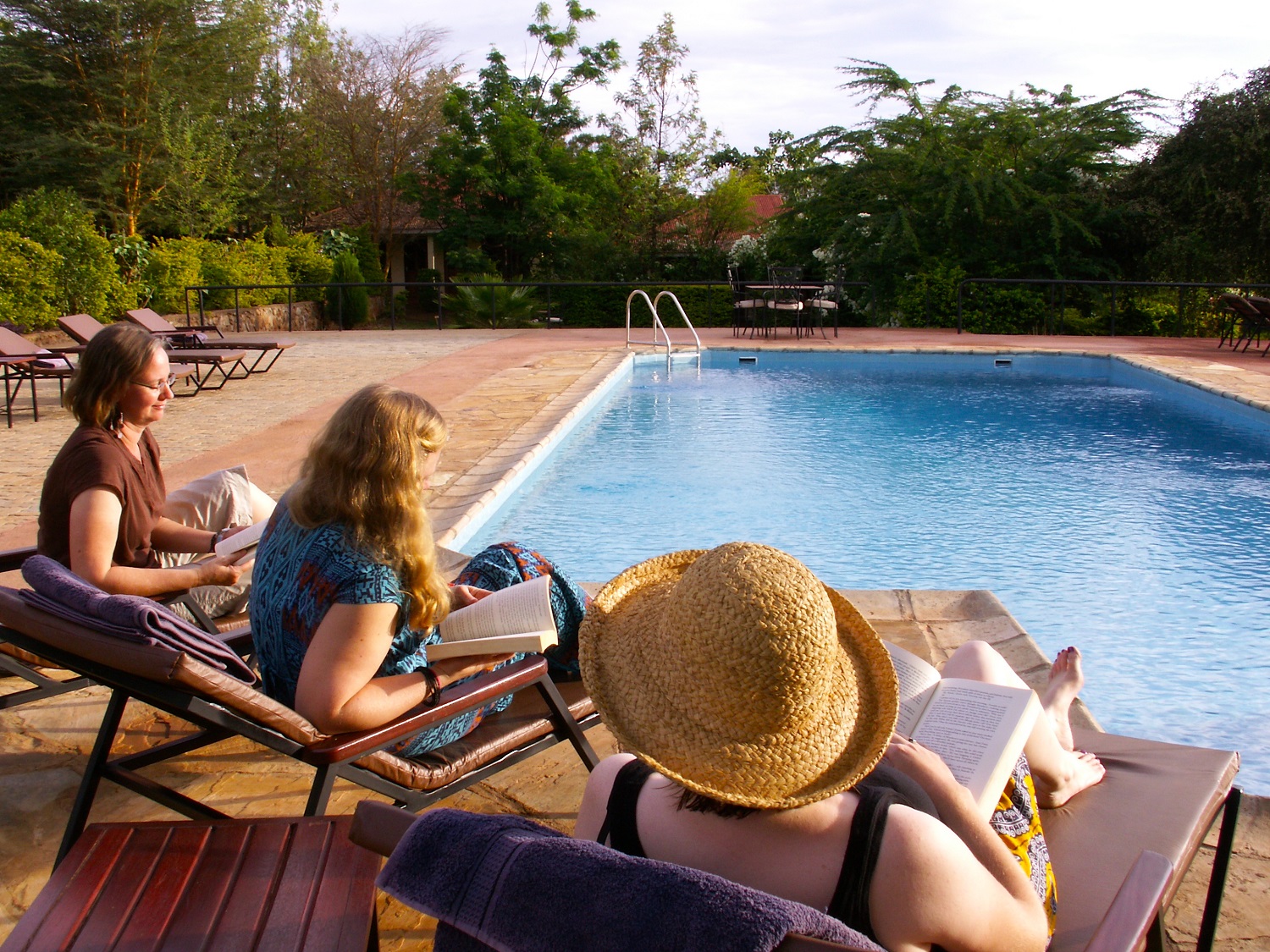
8-Day Tanzania family Safari Itinerary ✓Best Safari Packages for East Africa Trips ✓ world-class First-Time Travelers All Inclusive …

Enthralling 9-Day Luxury Tanzania Great Migration Safari ✓Big Five Safaris ✓ Exclusive Private Safari ✓ Great Wildebeest Migration …