

Karanga camp | Essential Rest on Kilimanjaro’s Climb Karanga Camp is a vital acclimatization campsite on Mount Kilimanjaro, …
Climbing Kilimanjaro Guide
Embark on the adventure of a lifetime with our ultimate Climbing Kilimanjaro Guide. Discover detailed insights on all major routes—Marangu, Machame, Lemosho, Rongai, and Northern Circuit—helping you choose the best path for your experience and fitness level. Learn about essential preparation, training tips, packing lists, altitude strategies, safety measures, and success rates to ensure a smooth climb. Our guide also covers costs, permit requirements, seasonal weather patterns, and insider tips from expert guides. Perfect for first-timers, solo adventurers, couples, and seasoned trekkers, this comprehensive resource equips you to summit Africa’s highest peak confidently. Plan, prepare, and conquer Mount Kilimanjaro safely, sustainably, and memorably, with trusted advice from top-rated local tour operators.
The current query has no posts. Please make sure you have published items matching your query.
Why choose Climbing Kilimanjaro Guide
Unmatched Safety and Expertise
Choosing Foot Slopes Tours and Safaris ensures an expert Kilimanjaro climbing guide experience with unmatched safety standards, certified mountain guides, emergency protocols, and professional support for Machame Route, Lemosho Route, and Uhuru Peak summit success on Mount Kilimanjaro in Tanzania Africa adventure travel
Significantly Higher Success Rates
Foot Slopes Tours and Safaris ensures significantly higher Kilimanjaro summit success rates through expert acclimatization plans, professional guides, and proven trekking strategies, making it a top-rated Kilimanjaro climbing guide in Tanzania for safe, successful, and memorable Mount Kilimanjaro expeditions worldwide climbing experience excellence.
Cultural and Environmental Insight
Foot Slopes Tours and Safaris offers immersive Kilimanjaro climbing guide experiences with rich cultural encounters, Maasai heritage insights, and environmental conservation education, enhancing Tanzania trekking adventures while promoting sustainable tourism and unforgettable mountain journeys on Mount Kilimanjaro expert local guided safari experience.
24/7 Customer Support
Foot Slopes Tours and Safaris provides 24/7 Kilimanjaro climbing guide customer support, ensuring real-time assistance, travel updates, and emergency response services for Tanzania trekking adventures, making every climber feel safe, supported, and confident throughout their Mount Kilimanjaro expedition journey reliable expert guidance always.
Logistical Support and Comfort
Foot Slopes Tours and Safaris ensures seamless Kilimanjaro climbing guide logistics, including transport, accommodation, gear arrangements, and well-organized Tanzania trekking itineraries, delivering maximum comfort, efficiency, and stress-free planning for climbers pursuing successful Mount Kilimanjaro summit adventures ensuring safe and comfortable climbing experience guaranteed.
Ethical Support
Foot Slopes Tours and Safaris promotes ethical Kilimanjaro climbing guide practices, supporting fair porter treatment, responsible tourism, and environmental conservation, ensuring sustainable Tanzania trekking experiences that respect local communities and protect Mount Kilimanjaro’s natural ecosystem for future generations and long term preservation efforts.
What are the best Climbing Kilimanjaro accommodations
Choosing the best Mount Kilimanjaro accommodations is essential for a successful and comfortable climb. Unlike traditional hotels, Kilimanjaro offers a mix of mountain huts and high-quality camping options depending on your chosen route. On popular routes like the Marangu Route, climbers stay in permanent huts such as Mandara Hut, Horombo Hut, and Kibo Hut, offering basic beds, shared dining areas, and a sense of shelter. On routes like Machame, Lemosho, and Rongai, trekkers experience scenic camping safaris with durable tents, sleeping mats, and mobile dining setups managed by professional porters and guides. Luxury Kilimanjaro climbing packages even provide upgraded tents, portable toilets, and gourmet meals. Whether you prefer budget camping or premium comfort, Kilimanjaro accommodations are designed to balance safety, rest, and unforgettable high-altitude adventure experiences.
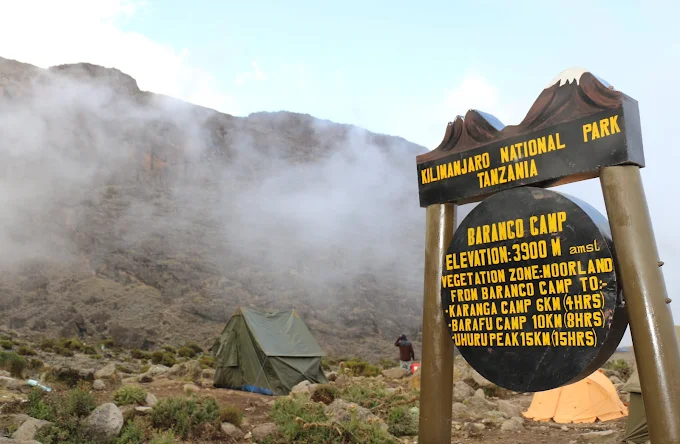
Barranco Camp | Essential Rest on Kilimanjaro’s Climb Barranco Camp is one of the most iconic Kilimanjaro trekking …

Shira Camp Set on the western slopes of Mount Kilimanjaro, Shira Camp is one of the most scenic …
Which is the best route to climb Kilimanjaro
Choosing the best route to climb Mount Kilimanjaro depends on your fitness level, budget, and summit success goals, but the Lemosho Route consistently ranks as the top choice for most climbers. Known for its high success rate, excellent acclimatization profile, and breathtaking scenery, Lemosho offers a gradual ascent that significantly reduces the risk of altitude sickness. Trekkers experience diverse landscapes—from lush rainforest to alpine desert—before reaching Uhuru Peak. The Machame Route, often called the “Whiskey Route,” is another popular option, offering scenic trails and a strong success rate, though it is steeper. For beginners seeking a simpler path, the Marangu Route provides hut accommodations but has a lower summit success rate. Ultimately, the best Kilimanjaro route balances acclimatization, safety, and experience, making Lemosho the most recommended for a successful and memorable climb.
The current query has no posts. Please make sure you have published items matching your query.
Climb Kilimanjaro, Kilimanjaro trekking, Mount Kilimanjaro routes, Kilimanjaro climb cost, Kilimanjaro guides, Kilimanjaro tours, Kilimanjaro safari combo, Kilimanjaro best season, Kilimanjaro hiking tips, Kilimanjaro summit success, Kilimanjaro adventure travel, Tanzania mountain climbing, Kilimanjaro itinerary, Kilimanjaro bucket list, Kilimanjaro expedition, Kilimanjaro travel packages, Kilimanjaro safety, Kilimanjaro solo climb, Kilimanjaro family trek, Kilimanjaro luxury climb.
When Should I Book My Kilimanjaro Climb Local Expert Guide
Booking your Kilimanjaro climb at the right time is crucial for a safe and successful ascent. Local expert guides recommend reserving your trek 3–6 months in advance to secure the best routes, accommodations, and experienced guides. Peak climbing seasons—January to March and June to October—offer optimal weather and clearer skies, while off-peak months may provide fewer crowds and lower costs. Early booking ensures personalized itineraries, acclimatization plans, and reliable logistics. Trusting a local guide not only enhances safety but also enriches your experience with insider knowledge of trails, wildlife, and cultural insights unique to Mount Kilimanjaro.
How to Choose the Best Kilimanjaro Tour Operators
Choosing the best Kilimanjaro tour operator is key to a safe, successful climb. Look for licensed guides with strong safety records, experienced trekking staff, and personalized itineraries. Check reviews, success rates, and included services like meals, gear, and park fees. Consider operator expertise in different routes, group sizes, and altitude acclimatization strategies. Ethical and sustainable practices, transparent pricing, and 24/7 support ensure peace of mind. Whether you seek luxury, mid-range, or budget options, trusted operators from Arusha, Moshi, or Kilimanjaro International Airport make your climb seamless, memorable, and stress-free.
Is Climbing Kilimanjaro Worth It
Climbing Mount Kilimanjaro is absolutely worth it for adventurers seeking the ultimate challenge. Standing at 5,895 meters, Africa’s highest peak offers breathtaking landscapes—from lush rainforests to alpine deserts and the iconic snowy summit. Whether you’re chasing a personal achievement, stunning sunrise views, or unforgettable wildlife encounters along the trail, Kilimanjaro delivers a once-in-a-lifetime experience. Guided climbs ensure safety, support, and local cultural insights, making it accessible for fit beginners and seasoned hikers alike. Perfect for solo travelers, couples, or groups, this adventure combines physical endurance, natural beauty, and lifelong memories, making it a must-do bucket-list climb.
Kilimanjaro hike distance and elevation
Embark on a thrilling Kilimanjaro hike, where adventure meets breathtaking landscapes. Climbers face varying distances depending on the route: Machame (62 km), Marangu (72 km), Lemosho (70 km), and Rongai (64 km). Elevation gain is equally impressive, starting at 1,800 m and reaching the summit at 5,895 m—Africa’s highest peak. Each trail offers unique scenery, from lush rainforests and alpine meadows to lunar-like volcanic deserts. Proper acclimatization is key to conquering the elevation safely. Whether you seek a challenging trek or a scenic journey, Kilimanjaro promises unforgettable experiences, stunning panoramas, and the ultimate high-altitude adventure.
Can you climb mount Kilimanjaro without a guide
Climbing Mount Kilimanjaro without a guide is technically possible but highly discouraged. Tanzania law requires all climbers to hire licensed guides for safety, navigation, and environmental protection. Attempting it solo increases risks of altitude sickness, injuries, and getting lost on rugged trails. Guided climbs ensure proper acclimatization, access to reliable camps, and support from experienced staff. For first-time climbers, a professional guide dramatically improves success rates while preserving the mountain’s ecosystem. Whether choosing Machame, Lemosho, or Marangu routes, hiring a certified guide is essential for a safe, enjoyable, and legally compliant Kilimanjaro adventure.
Climbing Kilimanjaro Success Rates by Routes
Climbing Kilimanjaro success rates vary significantly by route, season, and acclimatization. The Machame Route boasts a high success rate of 70–85% due to its gradual ascent and scenic variety. Lemosho offers the best odds, 80–90%, thanks to longer acclimatization days. Rongai and Northern Circuit routes provide moderate success (65–80%), while the shorter Marangu Route sees lower rates, around 50–60%, despite its popularity. Choosing a route that allows proper acclimatization, hiring experienced guides, and pacing yourself increase your summit chances. Understanding these rates helps climbers plan realistically and safely for their Kilimanjaro adventure.
How Hard Is It to Climb Mount Kilimanjaro
Climbing Mount Kilimanjaro is challenging but achievable for most fit travelers. Difficulty depends on the chosen route, altitude gain, and physical fitness. Trekking involves long days, steep ascents, and coping with thin air above 4,500 m. Proper acclimatization, guided tours, and moderate pace dramatically increase success rates. While not technical, hikers face altitude sickness, cold nights, and variable weather. Preparation, training, and a positive mindset are key. With the right guide and strategy, reaching the summit is a rewarding adventure, offering breathtaking views of Africa’s highest peak.
Can a Beginner Climb Kilimanjaro
Climbing Mount Kilimanjaro as a beginner is entirely possible with proper preparation, the right route, and a trusted guide. Most beginners choose easier routes like Marangu or Machame, which balance scenic views with manageable altitude gain. Success depends on gradual acclimatization, physical fitness, and understanding altitude sickness prevention. Tours offer full support including porters, guides, meals, and accommodations. With careful planning, beginners can safely reach Kilimanjaro’s summit, experience breathtaking landscapes, and enjoy an unforgettable adventure. Ideal for first-time climbers seeking a life-changing challenge in Tanzania’s iconic mountains.
What You Need to Know Before You Climb Kilimanjaro
Climbing Mount Kilimanjaro is a once-in-a-lifetime African adventure, but proper preparation is essential for success. As the highest mountain in Africa and the tallest free-standing mountain in the world, Kilimanjaro attracts trekkers of all experience levels. You don’t need technical climbing skills, but you must be physically fit and mentally prepared. Choosing a reputable Kilimanjaro tour operator, understanding park regulations, and booking early are crucial steps. Altitude acclimatization is the biggest challenge, making route selection and itinerary length extremely important. Travel insurance, visa requirements for Tanzania, and necessary vaccinations should also be arranged in advance. Whether you’re planning a luxury Kilimanjaro climb or a budget trekking experience, preparation determines your summit success rate and overall experience on this iconic African safari and trekking destination.
When is Best Time to Climb Mount Kilimanjaro
The best time to climb Mount Kilimanjaro is during the dry seasons: January to March and June to October. These months offer clear skies, better trail conditions, and higher summit success rates. January to March is slightly quieter, colder, and ideal for experienced trekkers seeking solitude and scenic snow-capped views. June to October is the most popular period, with warmer temperatures and excellent visibility, making it perfect for first-time climbers. Avoid the rainy seasons (April–May and November), when trails become slippery and challenging. However, budget travelers may find lower Kilimanjaro climbing costs during these months. Choosing the right season significantly impacts your trekking experience, safety, and comfort. Whether you want a luxury Kilimanjaro safari or a budget adventure, timing your climb properly ensures breathtaking views and a successful Uhuru Peak summit.
What’s the Safest Kilimanjaro Itinerary
The safest Kilimanjaro itinerary focuses on gradual acclimatization and sufficient time on the mountain. Routes like the Lemosho Route and Northern Circuit Route are widely regarded as the best for safety and high summit success rates. These itineraries typically last 7–9 days, allowing your body to adjust to high altitude conditions and reducing the risk of altitude sickness. Shorter itineraries, such as the 5-day Marangu Route, may be cheaper but significantly lower your chances of reaching Uhuru Peak. A well-planned itinerary includes rest days, “climb high, sleep low” strategies, and experienced guides monitoring your health daily. Choosing a reputable Kilimanjaro trekking company that follows safety protocols is essential. Investing in a longer, safer itinerary ensures not only a successful summit but also a more enjoyable and memorable Mount Kilimanjaro climbing experience.
How Much Does It Cost to Climb Mount Kilimanjaro
The cost to climb Mount Kilimanjaro typically ranges from $1,800 to $6,000 or more, depending on the route, duration, and level of comfort. Budget Kilimanjaro climbs $USD 1800- $USD3000 per person per hike, offer basic camping services, while mid-range Kilimanjaro climbs $USD 3500- $USD 5500 per person per hike, and luxury Kilimanjaro climbs packages $USD 6000+ per person per hike, include better equipment, experienced guides, and enhanced safety measures. Park fees alone account for a significant portion of the cost, including conservation fees, camping or hut fees, and rescue fees. Additional expenses include international flights to Tanzania, visas, travel insurance, tips for guides and porters, and gear rental. Luxury Kilimanjaro tours may include private guides, high-quality tents, and gourmet meals. While cheaper options exist, prioritizing safety and ethical tour operators is crucial. Investing in a reputable company increases your chances of reaching Uhuru Peak and ensures a responsible, sustainable trekking experience.
How Should I Train to Climb Kilimanjaro
Training for Mount Kilimanjaro is essential for a successful and enjoyable climb. Focus on building endurance, strength, and cardiovascular fitness at least 8–12 weeks before your trek. Regular hiking with a backpack, stair climbing, and long-distance walking are excellent ways to simulate Kilimanjaro conditions. Incorporate aerobic exercises such as running, cycling, or swimming to improve stamina. Strength training should target your legs, core, and back to handle steep ascents and long trekking days. Mental preparation is equally important, as summit night can be physically and emotionally demanding. If possible, train at higher altitudes to improve acclimatization. Consistency is key—gradually increase intensity and duration over time. Proper training reduces fatigue, minimizes injury risk, and increases your chances of reaching the summit of Africa’s highest mountain.
Altitude Sickness and the Dangers of Climbing Kilimanjaro
Altitude sickness is the biggest challenge when climbing Mount Kilimanjaro. As you ascend above 2,500 meters, oxygen levels decrease, potentially causing symptoms like headaches, nausea, dizziness, and fatigue. Severe conditions such as Acute Mountain Sickness (AMS), High Altitude Pulmonary Edema (HAPE), and High Altitude Cerebral Edema (HACE) can be life-threatening if not addressed promptly. The key to prevention is proper acclimatization, achieved through longer itineraries and gradual ascent profiles. Staying hydrated, eating well, and listening to your body are crucial. Experienced guides monitor your oxygen levels and health daily. Never ignore symptoms or push beyond safe limits. Choosing a reputable Kilimanjaro operator with strong safety protocols significantly reduces risks. Understanding altitude sickness ensures a safer and more successful climb to Uhuru Peak.
What to Pack to Climb Mount Kilimanjaro
Packing for Mount Kilimanjaro requires careful planning to handle diverse climate zones, from tropical forests to arctic summit conditions. Essential gear includes layered clothing, moisture-wicking base layers, insulated jackets, waterproof outerwear, and sturdy hiking boots. A high-quality sleeping bag rated for sub-zero temperatures is crucial for cold nights. Other essentials include trekking poles, headlamp, sunglasses, gloves, and a warm hat. Don’t forget personal items like sunscreen, lip balm, reusable water bottles, and energy snacks. A well-organized daypack ensures easy access to daily necessities. Most Kilimanjaro tour operators provide group equipment, but personal gear is your responsibility. Renting gear is an option for budget travelers. Proper packing enhances comfort, safety, and overall trekking experience on Africa’s highest mountain.
What to Expect when Climbing Kilimanjaro
Climbing Mount Kilimanjaro is a journey through diverse ecosystems, starting in lush rainforests and ending on a glacier-covered summit. Each day involves 5–8 hours of trekking at a slow, steady pace known as “pole pole” in Swahili. Expect changing weather conditions, from warm days to freezing nights. Accommodation ranges from tents on most routes to huts on the Marangu Route. Meals are freshly prepared by your support team, and porters carry most of your gear. Summit night is the most challenging, requiring a midnight ascent to reach Uhuru Peak at sunrise. The experience is physically demanding but incredibly rewarding. Stunning landscapes, unique wildlife, and breathtaking views make Kilimanjaro one of the best trekking adventures in the world.
Climbing Kilimanjaro Routes - Which is the Best Route?
Choosing the best route on Mount Kilimanjaro depends on your experience, budget, and goals. The Lemosho Route and Northern Circuit are considered the best for high success rates and scenic beauty, offering excellent acclimatization profiles. The Machame Route, known as the “Whiskey Route,” is popular for its balance of challenge and affordability. The Marangu Route, or “Coca-Cola Route,” is the only route with hut accommodations but has lower success rates due to shorter itineraries. Rongai Route is quieter and approaches from the north, while Umbwe Route is steep and suited for experienced climbers. Each route offers unique landscapes and experiences. Selecting the right route is crucial for maximizing your chances of reaching Uhuru Peak and enjoying a successful Kilimanjaro climb.
What happens to your body when you climb Kilimanjaro
As you climb Mount Kilimanjaro, your body undergoes significant physiological changes due to reduced oxygen levels. Breathing becomes faster and deeper as your body tries to absorb more oxygen. Your heart rate increases, and you may experience fatigue, headaches, or loss of appetite. Acclimatization allows your body to produce more red blood cells, improving oxygen delivery. However, rapid ascent can overwhelm this process, leading to altitude sickness. Hydration and proper pacing are essential to support your body’s adaptation. Sleep may be disrupted at higher altitudes, and physical performance decreases. Despite these challenges, gradual ascent helps your body adjust safely. Understanding these changes prepares you mentally and physically for the demands of high-altitude trekking on Africa’s highest mountain.
Where do you go to the bathroom when climbing Kilimanjaro
Bathroom facilities on Mount Kilimanjaro vary depending on the route. On camping routes like Machame and Lemosho, basic public toilets are available at campsites, but they are often simple and not always well-maintained. Many climbers opt for portable toilet tents provided by higher-end or luxury Kilimanjaro operators for added comfort and hygiene. On the Marangu Route, hut accommodations include shared bathroom facilities. During the day, when trekking between camps, you may need to use designated areas in nature, following Leave No Trace principles. Carrying toilet paper, hand sanitizer, and personal hygiene items is essential. Understanding bathroom conditions helps you prepare mentally and ensures a more comfortable and hygienic Kilimanjaro trekking experience.
Is climbing Mount Kilimanjaro dangerous
Climbing Mount Kilimanjaro is generally safe for well-prepared trekkers, but it does carry risks. The primary danger is altitude sickness, not technical climbing difficulty. Weather conditions can change rapidly, with extreme cold, wind, and low oxygen levels near the summit. Physical exhaustion and dehydration can also pose challenges. However, with proper preparation, a good fitness level, and a reputable tour operator, the risks are significantly reduced. Professional guides monitor your health and ensure safety protocols are followed. Choosing longer itineraries improves acclimatization and success rates. While Kilimanjaro is considered a non-technical climb, it should never be underestimated. Proper planning and awareness make it a safe and achievable adventure for most people.
What is the Beginner's Guide to Climbing Mount Kilimanjaro
For beginners, climbing Mount Kilimanjaro is achievable with the right preparation. Start by choosing a longer route like Lemosho or Machame for better acclimatization. Invest in proper training, focusing on endurance and hiking experience. Select a reputable Kilimanjaro tour operator with strong safety records and experienced guides. Pack appropriate gear for varying climates and ensure you have travel insurance covering high-altitude trekking. Understand the importance of pacing—“pole pole” increases your chances of success. Stay hydrated, eat well, and communicate openly with your guides about how you feel. Mentally prepare for the challenge, especially summit night. With the right mindset and preparation, even first-time trekkers can successfully reach Uhuru Peak and enjoy one of Africa’s greatest adventures.
How Long Does It Take to Summit Kilimanjaro
Climbing Mount Kilimanjaro typically takes between 5 to 9 days, depending on the route and itinerary. Shorter routes like Marangu can be completed in 5–6 days, but they have lower success rates due to limited acclimatization time. Longer routes such as Lemosho and Northern Circuit take 7–9 days and offer higher summit success rates. Each day involves gradual altitude gain, with rest and acclimatization built into the itinerary. Summit night usually begins around midnight, with climbers reaching Uhuru Peak at sunrise. Taking more time increases your chances of success and reduces the risk of altitude sickness. Choosing the right duration is crucial for a safe and enjoyable Kilimanjaro climbing experience.
How Do I Get to Mount Kilimanjaro
To reach Mount Kilimanjaro, most travelers fly into Kilimanjaro International Airport, the main gateway for climbers. The airport is conveniently located between Arusha and Moshi, the primary base towns for Kilimanjaro expeditions. International flights connect through major hubs like Doha, Amsterdam, and Nairobi. Alternatively, you can fly into Dar es Salaam and take a domestic flight or bus to Arusha. Upon arrival, your tour operator typically arranges airport transfers and accommodation. Proper planning of flights, visas, and travel logistics ensures a smooth start to your adventure. Whether you’re booking a luxury Kilimanjaro climb or a budget trek, getting there is the first step toward summiting Africa’s highest peak.
Do You Need Diamox to Climb Mount Kilimanjaro
Climbing Mount Kilimanjaro does not strictly require Diamox (acetazolamide), but many trekkers use it as a preventative measure against Acute Mountain Sickness. This high-altitude medication helps your body acclimatize faster by improving breathing and oxygen efficiency. However, it is not a substitute for proper acclimatization, hydration, and a slow ascent profile—key factors for a successful Kilimanjaro summit. Popular routes like the Machame and Lemosho routes naturally support acclimatization through longer itineraries. Some climbers reach Uhuru Peak without Diamox, while others find it essential for comfort and safety. Always consult a medical professional before use, as side effects may occur. In summary, Diamox is helpful but optional—good planning, pacing, and listening to your body remain the most important success factors.
Do You Need Oxygen to Climb Mount Kilimanjaro
Supplemental oxygen is not required for climbing Mount Kilimanjaro, making it one of the most accessible high-altitude treks in the world. Unlike technical climbs in the Himalayas, Kilimanjaro is a non-technical hike where climbers rely on acclimatization rather than oxygen tanks. However, altitude remains a real challenge, with Uhuru Peak reaching 5,895 meters. Professional guides carry emergency oxygen for safety, especially in severe altitude sickness cases. The best way to avoid needing oxygen is to choose longer routes like Lemosho or Northern Circuit, which improve acclimatization success rates. Maintaining a slow pace (“pole pole” in Swahili), staying hydrated, and proper nutrition are critical. In short, oxygen is for emergencies—not a standard requirement for a successful Kilimanjaro climb.
Do I Need a Pee Bottle for Kilimanjaro
A pee bottle is not mandatory for climbing Mount Kilimanjaro, but it is highly recommended—especially during cold summit nights. Temperatures on Kilimanjaro can drop well below freezing, making it uncomfortable and even risky to leave your tent at night. A pee bottle offers convenience, warmth, and safety, particularly for female climbers who may prefer a female urination device. It also helps conserve energy for summit day. Hygiene is essential, so proper labeling and cleaning are necessary. Many experienced trekkers consider this a must-have item in their Kilimanjaro packing list. While it may seem unusual at first, it significantly improves comfort during your climb. Ultimately, it’s a small item that can make a big difference in your overall trekking experience.
Is 50 Too Old to Climb Kilimanjaro? Older Climbers Advice, Info & Tips
Age is not a barrier to climbing Mount Kilimanjaro. Many climbers in their 50s, 60s, and even 70s successfully reach the summit each year. What matters most is physical fitness, mental determination, and proper preparation. Older climbers often excel due to patience and discipline—key traits for high-altitude trekking. Training should include cardio, strength, and hiking practice. Choosing longer routes like Lemosho or the Northern Circuit increases acclimatization success. Medical clearance is strongly advised, especially if pre-existing conditions exist. Hiring experienced guides ensures safety and proper pacing. Recovery time may be longer, so allow flexibility in your itinerary. In essence, 50 is not too old—it can be the perfect age for a meaningful Kilimanjaro adventure with the right preparation and mindset.
How Many Pairs of Socks for Kilimanjaro
Packing the right number of socks is essential for comfort when climbing Mount Kilimanjaro. Most experts recommend bringing 4 to 6 pairs of high-quality hiking socks. These should include moisture-wicking liner socks and thicker wool or thermal socks for cold conditions. Clean, dry socks help prevent blisters, maintain warmth, and improve overall foot health during multi-day trekking. You’ll typically rotate socks daily, with extra pairs reserved for summit night when temperatures are extremely low. Avoid cotton socks, as they retain moisture and increase blister risk. Investing in durable brands designed for high-altitude trekking is worthwhile. Proper sock management—keeping them dry and clean—can significantly enhance your climbing experience and reduce foot fatigue on long trekking days.
What Is the Cheapest Kilimanjaro Route
The most budget-friendly way to climb Mount Kilimanjaro is typically via the Marangu Route, often called the “Coca-Cola Route.” It is the cheapest Kilimanjaro route due to shorter duration (5–6 days) and the use of hut accommodations instead of camping. This reduces costs for gear, porters, and logistics. However, the trade-off is a lower summit success rate due to limited acclimatization time. Budget climbers may also consider shorter Machame itineraries, though camping costs can be higher. While saving money is important, choosing a route with better acclimatization may improve your chances of reaching Uhuru Peak. Ultimately, the cheapest route is Marangu, but balancing cost with safety and success is essential for a rewarding experience.
How to Climb Kilimanjaro on a Budget
Climbing Mount Kilimanjaro on a budget is achievable with smart planning and the right choices. Start by selecting affordable routes like Marangu or shorter Machame itineraries. Travel during the low season (April–May or November) to access discounted prices from tour operators. Joining a group climb significantly reduces costs compared to private expeditions. Renting gear instead of buying expensive equipment is another effective way to save money. Choose local, reputable Tanzanian tour operators who offer competitive pricing without compromising safety. Avoid cutting costs on essential services like experienced guides and proper meals. Budget does not mean unsafe—it means strategic planning. With the right approach, you can enjoy an unforgettable Kilimanjaro adventure without overspending.
The Best Things to do After Climbing Kilimanjaro
Conquer Africa’s highest peak with The Ultimate Kilimanjaro Climbing Guide. Discover detailed route comparisons, expert tips on acclimatization, safety measures, gear essentials, and best times to climb. Learn about costs, success rates, and guided vs. self-supported treks. Perfect for first-time climbers, adventure seekers, and seasoned hikers aiming for Uhuru Peak. This comprehensive guide ensures a safe, enjoyable, and unforgettable Kilimanjaro experience while helping you plan every step efficiently for a once-in-a-lifetime adventure.
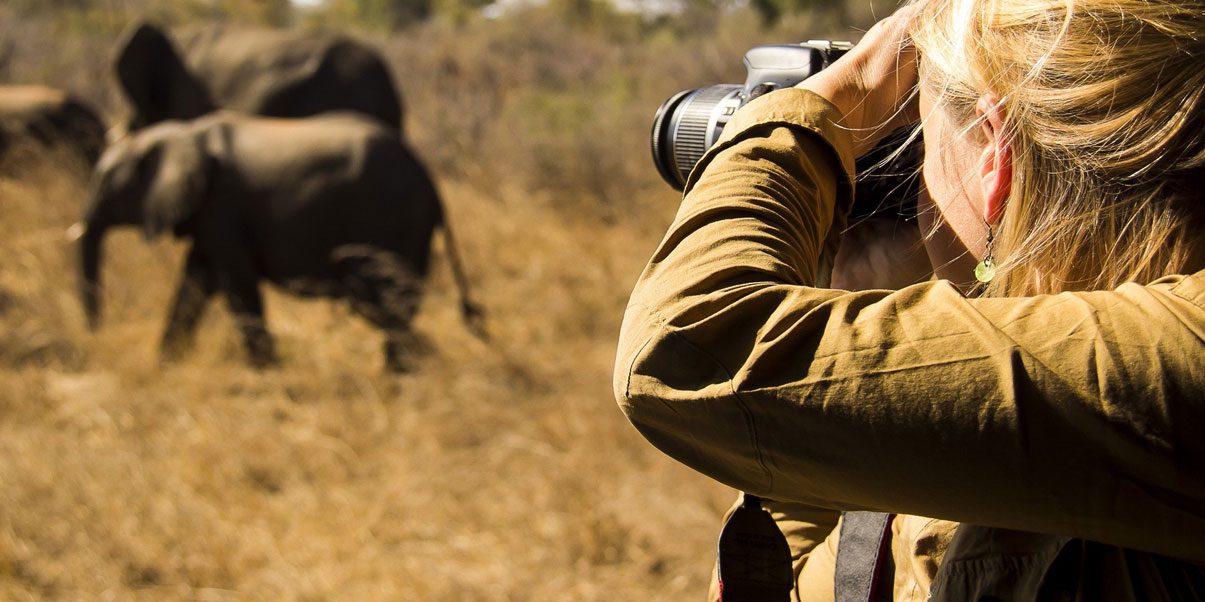
A Tanzania Big Five safari is the ultimate African wildlife adventure, blending iconic landscapes, luxury safari lodges, and …

Discover the ultimate Climbing Mount Kilimanjaro (Mount Kilimanjaro) is one of the most iconic African adventure travel experiences …

Exploring the Western Serengeti: All You Need to Know Tanzania’s Western Serengeti, a tapestry of diverse ecosystems and …
Climbing Mount Kilimanjaro (19,341 ft) is a non-technical trek, best undertaken over 7–8 days for optimal acclimatization, particularly from January-March or June-October. Key Mount Kilimanjaro Climbing Tour Packages routes include the popular Machame, scenic Lemosho, and beginner-friendly Marangu. “Pole pole” (slowly) is essential, with proper training and gear mandatory.
Kilimanjaro Climbing Guide - Expert Tips & Preparation
Conquer Africa’s highest peak with our Kilimanjaro Climbing Guide. Discover expert tips on the best routes, acclimatization strategies, gear essentials, and safety advice to maximize your summit success. Plan effectively with insights on physical preparation, ideal seasons, and trusted tour operators. Whether aiming for a challenging adventure or a once-in-a-lifetime experience, this guide ensures you climb Mount Kilimanjaro confidently, safely, and fully prepared for an unforgettable journey to the Roof of Africa.
The current query has no posts. Please make sure you have published items matching your query.
Top activities and things to do besides climbing Kilimanjaro
Beyond climbing Kilimanjaro, Tanzania offers unforgettable adventures: explore the wildlife-rich Serengeti National Park and Ngorongoro Crater, go hot-air ballooning over the savannah, visit the tranquil Lake Manyara and Lake Natron, trek through lush Materuni Waterfall trails, relax at Kikuletwa Hot Springs, and immerse in Maasai culture. Safari drives, cultural tours, and scenic hikes make your Kilimanjaro trip a full adventure, combining nature, wildlife, and authentic local experiences for an unforgettable journey.
The current query has no posts. Please make sure you have published items matching your query.
Plan Your Luxury Safari
Trip Length
6 – 15+ days
Comfort Level
Safari Style
Operator Rating
Specialized Tours
Filter by Operator
Other Tour Features
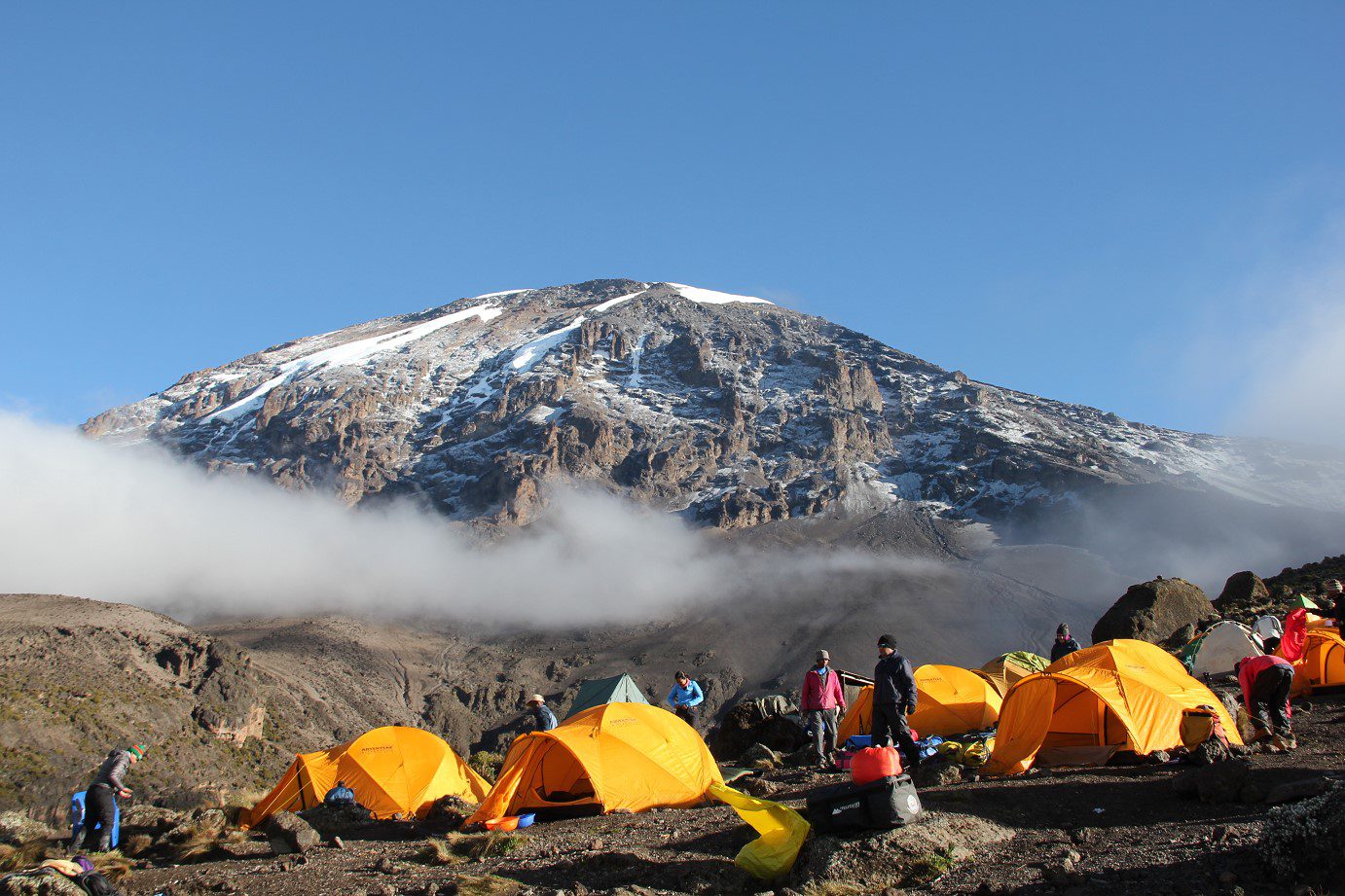
Expert-Planned, Locally Guided
Climbing Kilimanjaro Guide
Embark on the adventure of a lifetime with our ultimate Climbing Kilimanjaro Guide. Discover detailed insights on all major routes—Marangu, Machame, Lemosho, Rongai, and Northern Circuit—helping you choose the best path for your experience and fitness level. Learn about...
Popular Climbing Kilimanjaro Guide Packages
Real itineraries and expert planning across Tanzania's top parks.
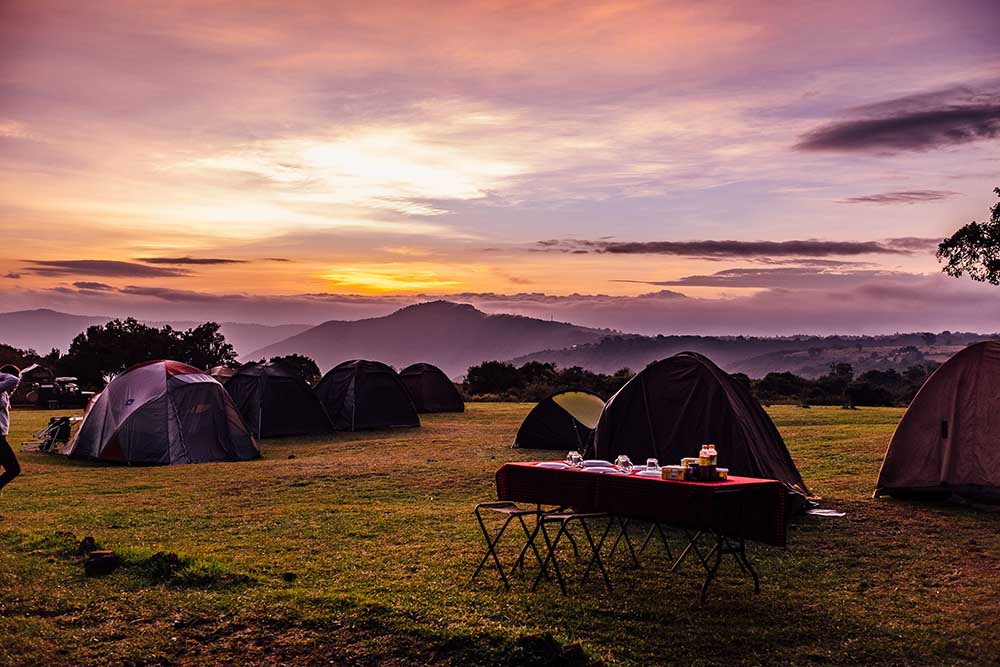
8-Day Remarkable Tanzania Safari
Remarkable 8-Day Tanzania Safari Plan your remarkable 8-day all-inclusive Tanzania safari. Privately discover Tarangire, the Serengeti's endless plains, and the…
View Package →
10-Day Best African Photographic Safaris
Discover 10 Day Best African Photo Safari. Adventures give you the best possible chance to experience and capture the best…
View Package →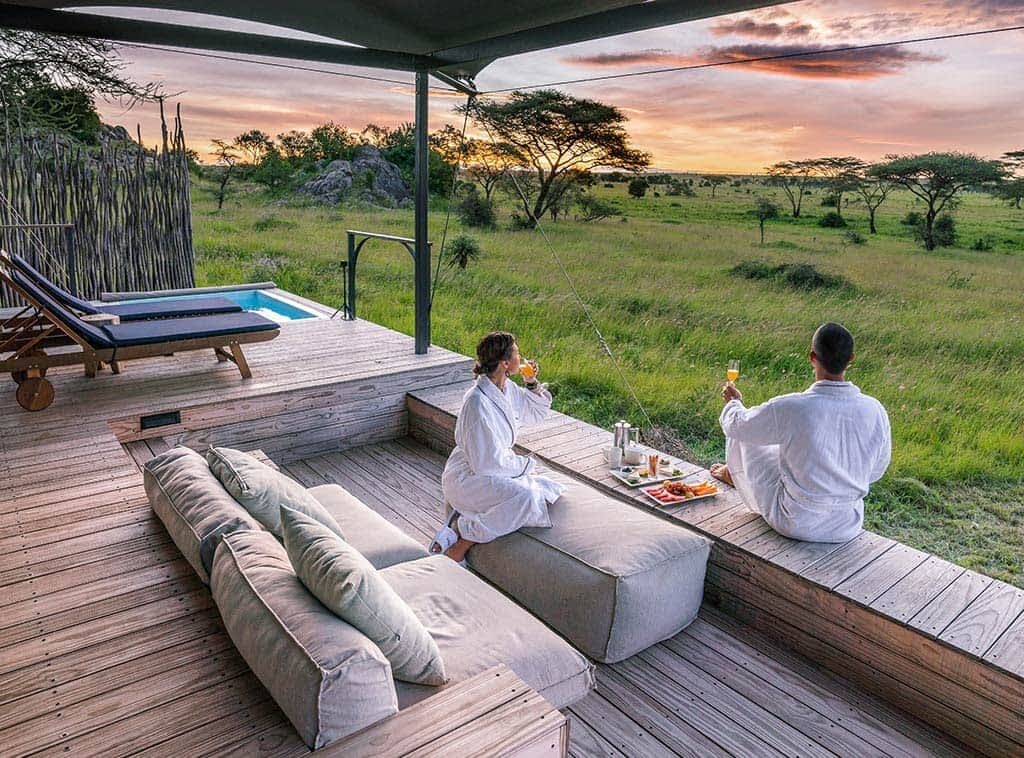
12-Day Serengeti Calving Safari & Zanzibar Beach Holiday
12-Day Serengeti Calving Safari & Zanzibar Beach Holiday ✓Serengeti Safari & Zanzibar • Amazing 12-Day Tanzania Luxury Safari and Zanzibar…
View Package →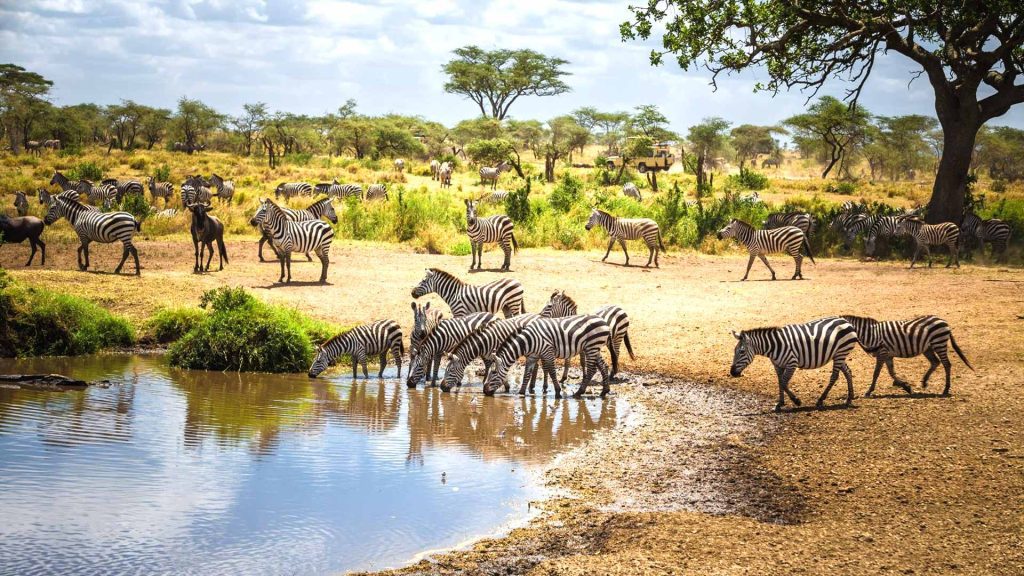
Top 10 Best Tanzania Photography Safari
Hand-picked Northern Circuit Tanzania Photography Tours Discover the ultimate Tanzania Photography Safari, where breathtaking landscapes and incredible wildlife encounters await.…
View Package →10-Day Amazing Northern Tanzania Safari
Incredible 10-Days Amazing Northern Tanzania Safari Itinerary Your ultimate 10-day Tanzania safari awaits! Explore Tarangire, Lake Manyara, the Serengeti wildlife,…
View Package →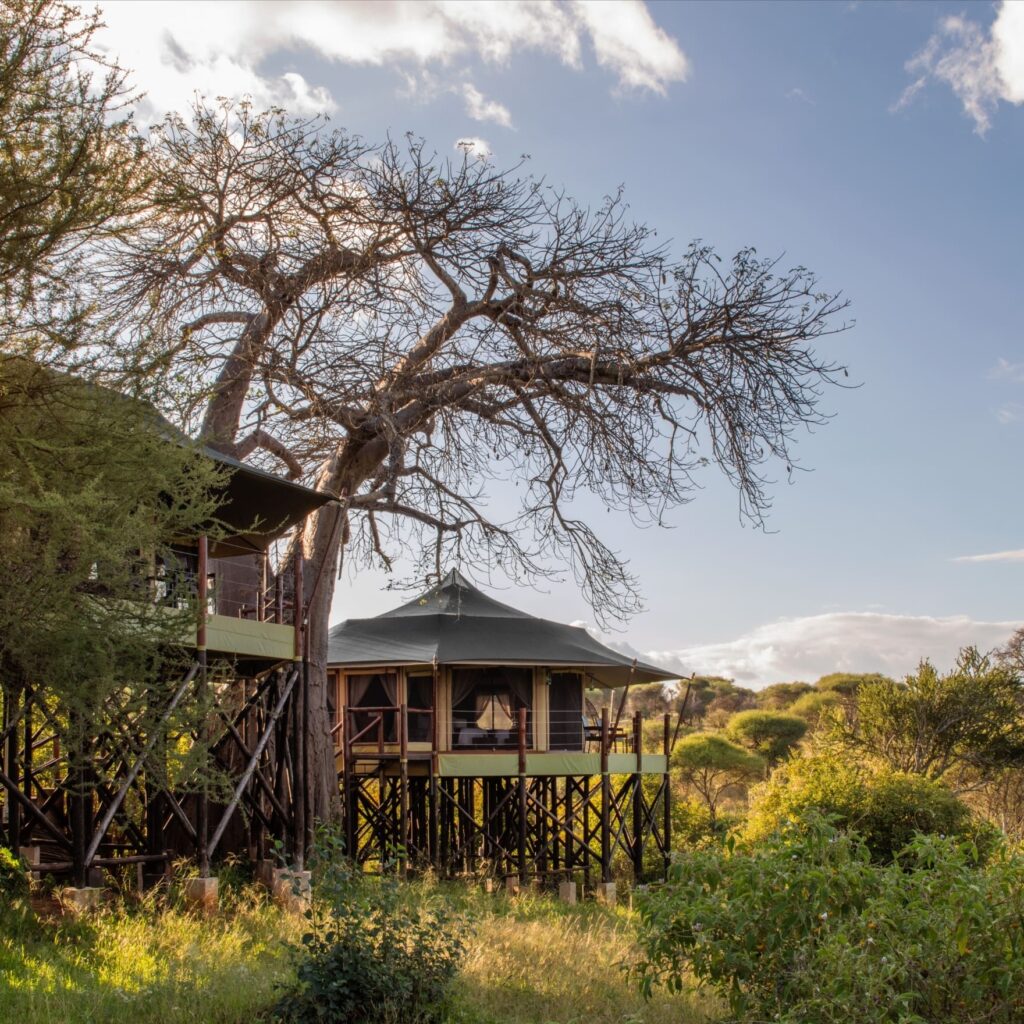
12-Day Alluring East African Luxury Safari
12-Day Alluring East African Luxury Safari World-class Award-Winning Luxury African Safari Specialists ✓Unforgettable African Big 5 Safari Experiences ✓ Heart…
View Package →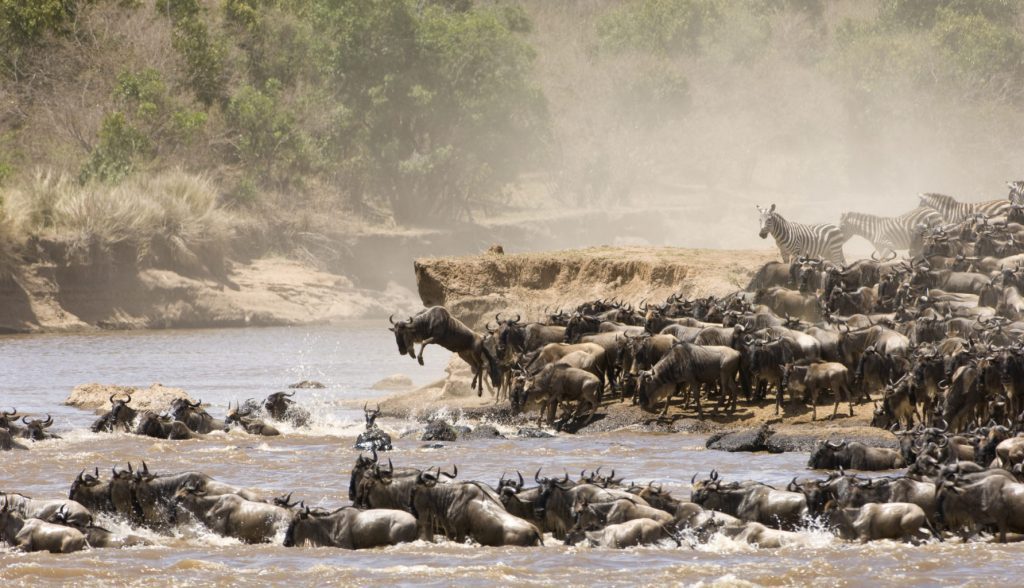
Luxury Tanzania Great Migration Safari
Enthralling 9-Day Luxury Tanzania Great Migration Safari ✓Big Five Safaris ✓ Exclusive Private Safari ✓ Great Wildebeest Migration Spectacle ✓…
View Package →
7-Day Serengeti Migration Safari
7 Days Serengeti Migration Safari Experience the thrill of a 7-day Serengeti Migration Safari through Tanzania’s iconic parks—Tarangire, Serengeti, and…
View Package →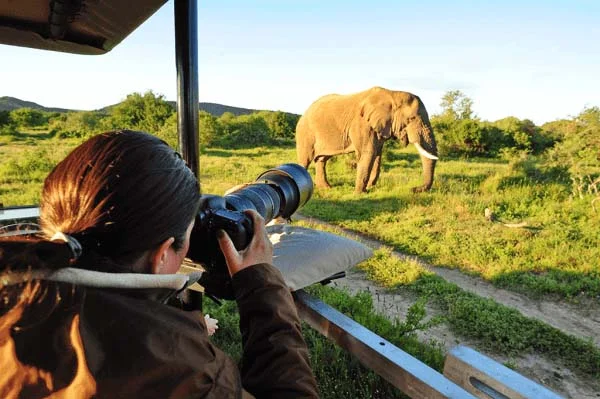
9-Day Classic Serengeti Safari
Classic Serengeti Safari Experience and discover an incredible 9-Day Classic Serengeti Safari, a premium Tanzania wildlife adventure designed for all…
View Package →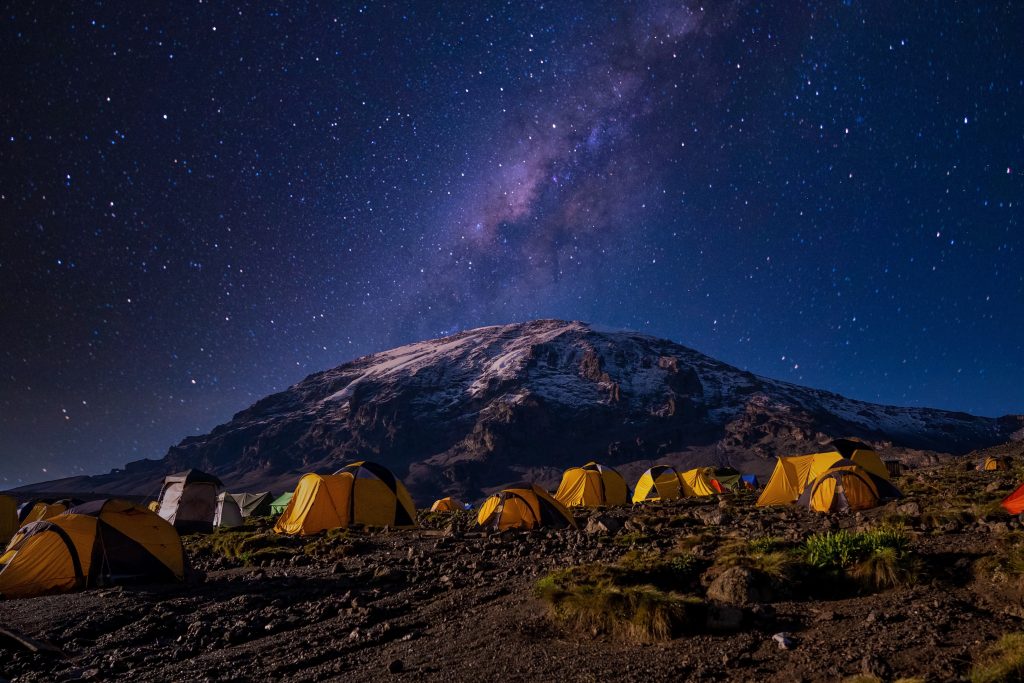
6-Day Umbwe Route
The 6-Day Umbwe route on Kilimanjaro – a detailed day-by-day description Experience the ultimate 6-Day Umbwe Route on Mount Kilimanjaro,…
View Package →
Essence 10-Day Tanzania Northern Circuit Luxury Safari
10-Day Tanzania Northern Circuit Luxury Safari ✓Big Five Encounters ✓ Full Package Adventures ✓ world-class First-Time Travelers Tanzania safari all-inclusive…
View Package →
7-Day Best of Serengeti Safari
7-Day Best of Serengeti Safari The 7-Day Best of Serengeti Safari is a premium Tanzania wildlife adventure designed for families,…
View Package →Why Choose Us for Climbing Kilimanjaro Guide
Best Climbing Kilimanjaro Guide Tour Operator
As one of Tanzania’s leading tour operators, we design authentic, personalized itineraries for Climbing Kilimanjaro Guide, pairing expert local guides with premium lodges for genuinely unforgettable Big Five wildlife encounters across the Serengeti, Ngorongoro Crater, and beyond.
We Offer Private, Tailor-Made Safaris
Our exclusive private safari packages for Climbing Kilimanjaro Guide are tailored entirely around you, with a dedicated vehicle, flexible daily pacing, and customizable itineraries designed to maximize wildlife sightings while delivering breathtaking landscapes and genuine comfort throughout.
Our Safari Guides Are World-Class
Our guides are world-class Big Five and photographic safari experts, combining deep local ecological knowledge with exceptional storytelling and tracking skills, ensuring an enriching, ethical wildlife experience on every trip we plan for Climbing Kilimanjaro Guide.
Fast Booking
All inquiries about Climbing Kilimanjaro Guide receive a reply within five minutes, backed by streamlined online booking and transparent pricing. Our travelers consistently report high satisfaction, reflecting our commitment to fast, reliable, and genuinely helpful service from first contact onward.
Support Team
Our dedicated 24/7 customer support team, based in Arusha and across Tanzania, remains available throughout your entire trip, ready to assist with itinerary changes, logistics, or emergencies so you can enjoy Climbing Kilimanjaro Guide with complete confidence and peace of mind.
Passionate Travel Experts
As an award-winning Tanzania safari specialist, we craft tailor-made wildlife adventures and Kilimanjaro mountain expeditions with genuine passion, combining decades of Tanzania safari expertise with a deep love for sharing East Africa’s most extraordinary experiences on Climbing Kilimanjaro Guide.
Climbing Kilimanjaro Guide Highlights
Unmatched Safety and Expertise
Choosing Foot Slopes Tours and Safaris ensures an expert Kilimanjaro climbing guide experience with unmatched safety standards, certified mountain guides, emergency protocols, and professional support for Machame Route, Lemosho Route, and Uhuru Peak summit success on Mount Kilimanjaro in Tanzania Africa adventure travel
Significantly Higher Success Rates
Foot Slopes Tours and Safaris ensures significantly higher Kilimanjaro summit success rates through expert acclimatization plans, professional guides, and proven trekking strategies, making it a top-rated Kilimanjaro climbing guide in Tanzania for safe, successful, and memorable Mount Kilimanjaro expeditions worldwide climbing experience excellence.
Cultural and Environmental Insight
Foot Slopes Tours and Safaris offers immersive Kilimanjaro climbing guide experiences with rich cultural encounters, Maasai heritage insights, and environmental conservation education, enhancing Tanzania trekking adventures while promoting sustainable tourism and unforgettable mountain journeys on Mount Kilimanjaro expert local guided safari experience.
24/7 Customer Support
Foot Slopes Tours and Safaris provides 24/7 Kilimanjaro climbing guide customer support, ensuring real-time assistance, travel updates, and emergency response services for Tanzania trekking adventures, making every climber feel safe, supported, and confident throughout their Mount Kilimanjaro expedition journey reliable expert guidance always.
Logistical Support and Comfort
Foot Slopes Tours and Safaris ensures seamless Kilimanjaro climbing guide logistics, including transport, accommodation, gear arrangements, and well-organized Tanzania trekking itineraries, delivering maximum comfort, efficiency, and stress-free planning for climbers pursuing successful Mount Kilimanjaro summit adventures ensuring safe and comfortable climbing experience guaranteed.
Ethical Support
Foot Slopes Tours and Safaris promotes ethical Kilimanjaro climbing guide practices, supporting fair porter treatment, responsible tourism, and environmental conservation, ensuring sustainable Tanzania trekking experiences that respect local communities and protect Mount Kilimanjaro’s natural ecosystem for future generations and long term preservation efforts.
What are the best Climbing Kilimanjaro accommodations
Choosing the best Mount Kilimanjaro accommodations is essential for a successful and comfortable climb. Unlike traditional hotels, Kilimanjaro offers a mix of mountain huts and high-quality camping options depending on your chosen route. On popular routes like the Marangu Route, climbers stay in permanent huts such as Mandara Hut, Horombo Hut, and Kibo Hut, offering basic beds, shared dining areas, and a sense of shelter. On routes like Machame, Lemosho, and Rongai, trekkers experience scenic camping safaris with durable tents, sleeping mats, and mobile dining setups managed by professional porters and guides. Luxury Kilimanjaro climbing packages even provide upgraded tents, portable toilets, and gourmet meals. Whether you prefer budget camping or premium comfort, Kilimanjaro accommodations are designed to balance safety, rest, and unforgettable high-altitude adventure experiences.
When Should I Book My Kilimanjaro Climb Local Expert Guide
Booking your Kilimanjaro climb at the right time is crucial for a safe and successful ascent. Local expert guides recommend reserving your trek 3–6 months in advance to secure the best routes, accommodations, and experienced guides. Peak climbing seasons—January to March and June to October—offer optimal weather and clearer skies, while off-peak months may provide fewer crowds and lower costs. Early booking ensures personalized itineraries, acclimatization plans, and reliable logistics. Trusting a local guide not only enhances safety but also enriches your experience with insider knowledge of trails, wildlife, and cultural insights unique to Mount Kilimanjaro.
How to Choose the Best Kilimanjaro Tour Operators
Choosing the best Kilimanjaro tour operator is key to a safe, successful climb. Look for licensed guides with strong safety records, experienced trekking staff, and personalized itineraries. Check reviews, success rates, and included services like meals, gear, and park fees. Consider operator expertise in different routes, group sizes, and altitude acclimatization strategies. Ethical and sustainable practices, transparent pricing, and 24/7 support ensure peace of mind. Whether you seek luxury, mid-range, or budget options, trusted operators from Arusha, Moshi, or Kilimanjaro International Airport make your climb seamless, memorable, and stress-free.
Climbing Kilimanjaro Guide Planning Guides
Questions About Climbing Kilimanjaro Guide
Unmatched Safety and Expertise?
Choosing Foot Slopes Tours and Safaris ensures an expert Kilimanjaro climbing guide experience with unmatched safety standards, certified mountain guides, emergency protocols, and professional support for Machame Route, Lemosho Route, and Uhuru Peak summit success on Mount Kilimanjaro in Tanzania Africa adventure travel
Significantly Higher Success Rates?
Foot Slopes Tours and Safaris ensures significantly higher Kilimanjaro summit success rates through expert acclimatization plans, professional guides, and proven trekking strategies, making it a top-rated Kilimanjaro climbing guide in Tanzania for safe, successful, and memorable Mount Kilimanjaro expeditions worldwide climbing experience excellence.
Cultural and Environmental Insight?
Foot Slopes Tours and Safaris offers immersive Kilimanjaro climbing guide experiences with rich cultural encounters, Maasai heritage insights, and environmental conservation education, enhancing Tanzania trekking adventures while promoting sustainable tourism and unforgettable mountain journeys on Mount Kilimanjaro expert local guided safari experience.
24/7 Customer Support?
Foot Slopes Tours and Safaris provides 24/7 Kilimanjaro climbing guide customer support, ensuring real-time assistance, travel updates, and emergency response services for Tanzania trekking adventures, making every climber feel safe, supported, and confident throughout their Mount Kilimanjaro expedition journey reliable expert guidance always.
Logistical Support and Comfort?
Foot Slopes Tours and Safaris ensures seamless Kilimanjaro climbing guide logistics, including transport, accommodation, gear arrangements, and well-organized Tanzania trekking itineraries, delivering maximum comfort, efficiency, and stress-free planning for climbers pursuing successful Mount Kilimanjaro summit adventures ensuring safe and comfortable climbing experience guaranteed.
Ethical Support?
Foot Slopes Tours and Safaris promotes ethical Kilimanjaro climbing guide practices, supporting fair porter treatment, responsible tourism, and environmental conservation, ensuring sustainable Tanzania trekking experiences that respect local communities and protect Mount Kilimanjaro’s natural ecosystem for future generations and long term preservation efforts.
What are the best Climbing Kilimanjaro accommodations?
Choosing the best Mount Kilimanjaro accommodations is essential for a successful and comfortable climb. Unlike traditional hotels, Kilimanjaro offers a mix of mountain huts and high-quality camping options depending on your chosen route. On popular routes like the Marangu Route, climbers stay in permanent huts such as Mandara Hut, Horombo Hut, and Kibo Hut, offering basic beds, shared dining areas, and a sense of shelter. On routes like Machame, Lemosho, and Rongai, trekkers experience scenic camping safaris with durable tents, sleeping mats, and mobile dining setups managed by professional porters and guides. Luxury Kilimanjaro climbing packages even provide upgraded tents, portable toilets, and gourmet meals. Whether you prefer budget camping or premium comfort, Kilimanjaro accommodations are designed to balance safety, rest, and unforgettable high-altitude adventure experiences.
When Should I Book My Kilimanjaro Climb Local Expert Guide?
Booking your Kilimanjaro climb at the right time is crucial for a safe and successful ascent. Local expert guides recommend reserving your trek 3–6 months in advance to secure the best routes, accommodations, and experienced guides. Peak climbing seasons—January to March and June to October—offer optimal weather and clearer skies, while off-peak months may provide fewer crowds and lower costs. Early booking ensures personalized itineraries, acclimatization plans, and reliable logistics. Trusting a local guide not only enhances safety but also enriches your experience with insider knowledge of trails, wildlife, and cultural insights unique to Mount Kilimanjaro.
How to Choose the Best Kilimanjaro Tour Operators?
Choosing the best Kilimanjaro tour operator is key to a safe, successful climb. Look for licensed guides with strong safety records, experienced trekking staff, and personalized itineraries. Check reviews, success rates, and included services like meals, gear, and park fees. Consider operator expertise in different routes, group sizes, and altitude acclimatization strategies. Ethical and sustainable practices, transparent pricing, and 24/7 support ensure peace of mind. Whether you seek luxury, mid-range, or budget options, trusted operators from Arusha, Moshi, or Kilimanjaro International Airport make your climb seamless, memorable, and stress-free.
Is Climbing Kilimanjaro Worth It?
Climbing Mount Kilimanjaro is absolutely worth it for adventurers seeking the ultimate challenge. Standing at 5,895 meters, Africa’s highest peak offers breathtaking landscapes—from lush rainforests to alpine deserts and the iconic snowy summit. Whether you’re chasing a personal achievement, stunning sunrise views, or unforgettable wildlife encounters along the trail, Kilimanjaro delivers a once-in-a-lifetime experience. Guided climbs ensure safety, support, and local cultural insights, making it accessible for fit beginners and seasoned hikers alike. Perfect for solo travelers, couples, or groups, this adventure combines physical endurance, natural beauty, and lifelong memories, making it a must-do bucket-list climb.
Kilimanjaro hike distance and elevation?
Embark on a thrilling Kilimanjaro hike, where adventure meets breathtaking landscapes. Climbers face varying distances depending on the route: Machame (62 km), Marangu (72 km), Lemosho (70 km), and Rongai (64 km). Elevation gain is equally impressive, starting at 1,800 m and reaching the summit at 5,895 m—Africa’s highest peak. Each trail offers unique scenery, from lush rainforests and alpine meadows to lunar-like volcanic deserts. Proper acclimatization is key to conquering the elevation safely. Whether you seek a challenging trek or a scenic journey, Kilimanjaro promises unforgettable experiences, stunning panoramas, and the ultimate high-altitude adventure.
Can you climb mount Kilimanjaro without a guide?
Climbing Mount Kilimanjaro without a guide is technically possible but highly discouraged. Tanzania law requires all climbers to hire licensed guides for safety, navigation, and environmental protection. Attempting it solo increases risks of altitude sickness, injuries, and getting lost on rugged trails. Guided climbs ensure proper acclimatization, access to reliable camps, and support from experienced staff. For first-time climbers, a professional guide dramatically improves success rates while preserving the mountain’s ecosystem. Whether choosing Machame, Lemosho, or Marangu routes, hiring a certified guide is essential for a safe, enjoyable, and legally compliant Kilimanjaro adventure.
Climbing Kilimanjaro Success Rates by Routes?
Climbing Kilimanjaro success rates vary significantly by route, season, and acclimatization. The Machame Route boasts a high success rate of 70–85% due to its gradual ascent and scenic variety. Lemosho offers the best odds, 80–90%, thanks to longer acclimatization days. Rongai and Northern Circuit routes provide moderate success (65–80%), while the shorter Marangu Route sees lower rates, around 50–60%, despite its popularity. Choosing a route that allows proper acclimatization, hiring experienced guides, and pacing yourself increase your summit chances. Understanding these rates helps climbers plan realistically and safely for their Kilimanjaro adventure.
How Hard Is It to Climb Mount Kilimanjaro?
Climbing Mount Kilimanjaro is challenging but achievable for most fit travelers. Difficulty depends on the chosen route, altitude gain, and physical fitness. Trekking involves long days, steep ascents, and coping with thin air above 4,500 m. Proper acclimatization, guided tours, and moderate pace dramatically increase success rates. While not technical, hikers face altitude sickness, cold nights, and variable weather. Preparation, training, and a positive mindset are key. With the right guide and strategy, reaching the summit is a rewarding adventure, offering breathtaking views of Africa’s highest peak.
Can a Beginner Climb Kilimanjaro?
Climbing Mount Kilimanjaro as a beginner is entirely possible with proper preparation, the right route, and a trusted guide. Most beginners choose easier routes like Marangu or Machame, which balance scenic views with manageable altitude gain. Success depends on gradual acclimatization, physical fitness, and understanding altitude sickness prevention. Tours offer full support including porters, guides, meals, and accommodations. With careful planning, beginners can safely reach Kilimanjaro’s summit, experience breathtaking landscapes, and enjoy an unforgettable adventure. Ideal for first-time climbers seeking a life-changing challenge in Tanzania’s iconic mountains.
What You Need to Know Before You Climb Kilimanjaro?
Climbing Mount Kilimanjaro is a once-in-a-lifetime African adventure, but proper preparation is essential for success. As the highest mountain in Africa and the tallest free-standing mountain in the world, Kilimanjaro attracts trekkers of all experience levels. You don’t need technical climbing skills, but you must be physically fit and mentally prepared. Choosing a reputable Kilimanjaro tour operator, understanding park regulations, and booking early are crucial steps. Altitude acclimatization is the biggest challenge, making route selection and itinerary length extremely important. Travel insurance, visa requirements for Tanzania, and necessary vaccinations should also be arranged in advance. Whether you’re planning a luxury Kilimanjaro climb or a budget trekking experience, preparation determines your summit success rate and overall experience on this iconic African safari and trekking destination.
When is Best Time to Climb Mount Kilimanjaro?
The best time to climb Mount Kilimanjaro is during the dry seasons: January to March and June to October. These months offer clear skies, better trail conditions, and higher summit success rates. January to March is slightly quieter, colder, and ideal for experienced trekkers seeking solitude and scenic snow-capped views. June to October is the most popular period, with warmer temperatures and excellent visibility, making it perfect for first-time climbers. Avoid the rainy seasons (April–May and November), when trails become slippery and challenging. However, budget travelers may find lower Kilimanjaro climbing costs during these months. Choosing the right season significantly impacts your trekking experience, safety, and comfort. Whether you want a luxury Kilimanjaro safari or a budget adventure, timing your climb properly ensures breathtaking views and a successful Uhuru Peak summit.
What’s the Safest Kilimanjaro Itinerary?
The safest Kilimanjaro itinerary focuses on gradual acclimatization and sufficient time on the mountain. Routes like the Lemosho Route and Northern Circuit Route are widely regarded as the best for safety and high summit success rates. These itineraries typically last 7–9 days, allowing your body to adjust to high altitude conditions and reducing the risk of altitude sickness. Shorter itineraries, such as the 5-day Marangu Route, may be cheaper but significantly lower your chances of reaching Uhuru Peak. A well-planned itinerary includes rest days, “climb high, sleep low” strategies, and experienced guides monitoring your health daily. Choosing a reputable Kilimanjaro trekking company that follows safety protocols is essential. Investing in a longer, safer itinerary ensures not only a successful summit but also a more enjoyable and memorable Mount Kilimanjaro climbing experience.
How Much Does It Cost to Climb Mount Kilimanjaro?
The cost to climb Mount Kilimanjaro typically ranges from $1,800 to $6,000 or more, depending on the route, duration, and level of comfort. Budget Kilimanjaro climbs $USD 1800- $USD3000 per person per hike, offer basic camping services, while mid-range Kilimanjaro climbs $USD 3500- $USD 5500 per person per hike, and luxury Kilimanjaro climbs packages $USD 6000+ per person per hike, include better equipment, experienced guides, and enhanced safety measures. Park fees alone account for a significant portion of the cost, including conservation fees, camping or hut fees, and rescue fees. Additional expenses include international flights to Tanzania, visas, travel insurance, tips for guides and porters, and gear rental. Luxury Kilimanjaro tours may include private guides, high-quality tents, and gourmet meals. While cheaper options exist, prioritizing safety and ethical tour operators is crucial. Investing in a reputable company increases your chances of reaching Uhuru Peak and ensures a responsible, sustainable trekking experience.
How Should I Train to Climb Kilimanjaro?
Training for Mount Kilimanjaro is essential for a successful and enjoyable climb. Focus on building endurance, strength, and cardiovascular fitness at least 8–12 weeks before your trek. Regular hiking with a backpack, stair climbing, and long-distance walking are excellent ways to simulate Kilimanjaro conditions. Incorporate aerobic exercises such as running, cycling, or swimming to improve stamina. Strength training should target your legs, core, and back to handle steep ascents and long trekking days. Mental preparation is equally important, as summit night can be physically and emotionally demanding. If possible, train at higher altitudes to improve acclimatization. Consistency is key—gradually increase intensity and duration over time. Proper training reduces fatigue, minimizes injury risk, and increases your chances of reaching the summit of Africa’s highest mountain.
Altitude Sickness and the Dangers of Climbing Kilimanjaro?
Altitude sickness is the biggest challenge when climbing Mount Kilimanjaro. As you ascend above 2,500 meters, oxygen levels decrease, potentially causing symptoms like headaches, nausea, dizziness, and fatigue. Severe conditions such as Acute Mountain Sickness (AMS), High Altitude Pulmonary Edema (HAPE), and High Altitude Cerebral Edema (HACE) can be life-threatening if not addressed promptly. The key to prevention is proper acclimatization, achieved through longer itineraries and gradual ascent profiles. Staying hydrated, eating well, and listening to your body are crucial. Experienced guides monitor your oxygen levels and health daily. Never ignore symptoms or push beyond safe limits. Choosing a reputable Kilimanjaro operator with strong safety protocols significantly reduces risks. Understanding altitude sickness ensures a safer and more successful climb to Uhuru Peak.
What to Pack to Climb Mount Kilimanjaro?
Packing for Mount Kilimanjaro requires careful planning to handle diverse climate zones, from tropical forests to arctic summit conditions. Essential gear includes layered clothing, moisture-wicking base layers, insulated jackets, waterproof outerwear, and sturdy hiking boots. A high-quality sleeping bag rated for sub-zero temperatures is crucial for cold nights. Other essentials include trekking poles, headlamp, sunglasses, gloves, and a warm hat. Don’t forget personal items like sunscreen, lip balm, reusable water bottles, and energy snacks. A well-organized daypack ensures easy access to daily necessities. Most Kilimanjaro tour operators provide group equipment, but personal gear is your responsibility. Renting gear is an option for budget travelers. Proper packing enhances comfort, safety, and overall trekking experience on Africa’s highest mountain.
What to Expect when Climbing Kilimanjaro?
Climbing Mount Kilimanjaro is a journey through diverse ecosystems, starting in lush rainforests and ending on a glacier-covered summit. Each day involves 5–8 hours of trekking at a slow, steady pace known as “pole pole” in Swahili. Expect changing weather conditions, from warm days to freezing nights. Accommodation ranges from tents on most routes to huts on the Marangu Route. Meals are freshly prepared by your support team, and porters carry most of your gear. Summit night is the most challenging, requiring a midnight ascent to reach Uhuru Peak at sunrise. The experience is physically demanding but incredibly rewarding. Stunning landscapes, unique wildlife, and breathtaking views make Kilimanjaro one of the best trekking adventures in the world.
Climbing Kilimanjaro Routes - Which is the Best Route?
Choosing the best route on Mount Kilimanjaro depends on your experience, budget, and goals. The Lemosho Route and Northern Circuit are considered the best for high success rates and scenic beauty, offering excellent acclimatization profiles. The Machame Route, known as the “Whiskey Route,” is popular for its balance of challenge and affordability. The Marangu Route, or “Coca-Cola Route,” is the only route with hut accommodations but has lower success rates due to shorter itineraries. Rongai Route is quieter and approaches from the north, while Umbwe Route is steep and suited for experienced climbers. Each route offers unique landscapes and experiences. Selecting the right route is crucial for maximizing your chances of reaching Uhuru Peak and enjoying a successful Kilimanjaro climb.
What happens to your body when you climb Kilimanjaro?
As you climb Mount Kilimanjaro, your body undergoes significant physiological changes due to reduced oxygen levels. Breathing becomes faster and deeper as your body tries to absorb more oxygen. Your heart rate increases, and you may experience fatigue, headaches, or loss of appetite. Acclimatization allows your body to produce more red blood cells, improving oxygen delivery. However, rapid ascent can overwhelm this process, leading to altitude sickness. Hydration and proper pacing are essential to support your body’s adaptation. Sleep may be disrupted at higher altitudes, and physical performance decreases. Despite these challenges, gradual ascent helps your body adjust safely. Understanding these changes prepares you mentally and physically for the demands of high-altitude trekking on Africa’s highest mountain.
Where do you go to the bathroom when climbing Kilimanjaro?
Bathroom facilities on Mount Kilimanjaro vary depending on the route. On camping routes like Machame and Lemosho, basic public toilets are available at campsites, but they are often simple and not always well-maintained. Many climbers opt for portable toilet tents provided by higher-end or luxury Kilimanjaro operators for added comfort and hygiene. On the Marangu Route, hut accommodations include shared bathroom facilities. During the day, when trekking between camps, you may need to use designated areas in nature, following Leave No Trace principles. Carrying toilet paper, hand sanitizer, and personal hygiene items is essential. Understanding bathroom conditions helps you prepare mentally and ensures a more comfortable and hygienic Kilimanjaro trekking experience.
Is climbing Mount Kilimanjaro dangerous?
Climbing Mount Kilimanjaro is generally safe for well-prepared trekkers, but it does carry risks. The primary danger is altitude sickness, not technical climbing difficulty. Weather conditions can change rapidly, with extreme cold, wind, and low oxygen levels near the summit. Physical exhaustion and dehydration can also pose challenges. However, with proper preparation, a good fitness level, and a reputable tour operator, the risks are significantly reduced. Professional guides monitor your health and ensure safety protocols are followed. Choosing longer itineraries improves acclimatization and success rates. While Kilimanjaro is considered a non-technical climb, it should never be underestimated. Proper planning and awareness make it a safe and achievable adventure for most people.
What is the Beginner's Guide to Climbing Mount Kilimanjaro?
For beginners, climbing Mount Kilimanjaro is achievable with the right preparation. Start by choosing a longer route like Lemosho or Machame for better acclimatization. Invest in proper training, focusing on endurance and hiking experience. Select a reputable Kilimanjaro tour operator with strong safety records and experienced guides. Pack appropriate gear for varying climates and ensure you have travel insurance covering high-altitude trekking. Understand the importance of pacing—“pole pole” increases your chances of success. Stay hydrated, eat well, and communicate openly with your guides about how you feel. Mentally prepare for the challenge, especially summit night. With the right mindset and preparation, even first-time trekkers can successfully reach Uhuru Peak and enjoy one of Africa’s greatest adventures.
How Long Does It Take to Summit Kilimanjaro?
Climbing Mount Kilimanjaro typically takes between 5 to 9 days, depending on the route and itinerary. Shorter routes like Marangu can be completed in 5–6 days, but they have lower success rates due to limited acclimatization time. Longer routes such as Lemosho and Northern Circuit take 7–9 days and offer higher summit success rates. Each day involves gradual altitude gain, with rest and acclimatization built into the itinerary. Summit night usually begins around midnight, with climbers reaching Uhuru Peak at sunrise. Taking more time increases your chances of success and reduces the risk of altitude sickness. Choosing the right duration is crucial for a safe and enjoyable Kilimanjaro climbing experience.
How Do I Get to Mount Kilimanjaro?
To reach Mount Kilimanjaro, most travelers fly into Kilimanjaro International Airport, the main gateway for climbers. The airport is conveniently located between Arusha and Moshi, the primary base towns for Kilimanjaro expeditions. International flights connect through major hubs like Doha, Amsterdam, and Nairobi. Alternatively, you can fly into Dar es Salaam and take a domestic flight or bus to Arusha. Upon arrival, your tour operator typically arranges airport transfers and accommodation. Proper planning of flights, visas, and travel logistics ensures a smooth start to your adventure. Whether you’re booking a luxury Kilimanjaro climb or a budget trek, getting there is the first step toward summiting Africa’s highest peak.
Do You Need Diamox to Climb Mount Kilimanjaro?
Climbing Mount Kilimanjaro does not strictly require Diamox (acetazolamide), but many trekkers use it as a preventative measure against Acute Mountain Sickness. This high-altitude medication helps your body acclimatize faster by improving breathing and oxygen efficiency. However, it is not a substitute for proper acclimatization, hydration, and a slow ascent profile—key factors for a successful Kilimanjaro summit. Popular routes like the Machame and Lemosho routes naturally support acclimatization through longer itineraries. Some climbers reach Uhuru Peak without Diamox, while others find it essential for comfort and safety. Always consult a medical professional before use, as side effects may occur. In summary, Diamox is helpful but optional—good planning, pacing, and listening to your body remain the most important success factors.
Do You Need Oxygen to Climb Mount Kilimanjaro?
Supplemental oxygen is not required for climbing Mount Kilimanjaro, making it one of the most accessible high-altitude treks in the world. Unlike technical climbs in the Himalayas, Kilimanjaro is a non-technical hike where climbers rely on acclimatization rather than oxygen tanks. However, altitude remains a real challenge, with Uhuru Peak reaching 5,895 meters. Professional guides carry emergency oxygen for safety, especially in severe altitude sickness cases. The best way to avoid needing oxygen is to choose longer routes like Lemosho or Northern Circuit, which improve acclimatization success rates. Maintaining a slow pace (“pole pole” in Swahili), staying hydrated, and proper nutrition are critical. In short, oxygen is for emergencies—not a standard requirement for a successful Kilimanjaro climb.
Do I Need a Pee Bottle for Kilimanjaro?
A pee bottle is not mandatory for climbing Mount Kilimanjaro, but it is highly recommended—especially during cold summit nights. Temperatures on Kilimanjaro can drop well below freezing, making it uncomfortable and even risky to leave your tent at night. A pee bottle offers convenience, warmth, and safety, particularly for female climbers who may prefer a female urination device. It also helps conserve energy for summit day. Hygiene is essential, so proper labeling and cleaning are necessary. Many experienced trekkers consider this a must-have item in their Kilimanjaro packing list. While it may seem unusual at first, it significantly improves comfort during your climb. Ultimately, it’s a small item that can make a big difference in your overall trekking experience.
Is 50 Too Old to Climb Kilimanjaro? Older Climbers Advice, Info & Tips?
Age is not a barrier to climbing Mount Kilimanjaro. Many climbers in their 50s, 60s, and even 70s successfully reach the summit each year. What matters most is physical fitness, mental determination, and proper preparation. Older climbers often excel due to patience and discipline—key traits for high-altitude trekking. Training should include cardio, strength, and hiking practice. Choosing longer routes like Lemosho or the Northern Circuit increases acclimatization success. Medical clearance is strongly advised, especially if pre-existing conditions exist. Hiring experienced guides ensures safety and proper pacing. Recovery time may be longer, so allow flexibility in your itinerary. In essence, 50 is not too old—it can be the perfect age for a meaningful Kilimanjaro adventure with the right preparation and mindset.
How Many Pairs of Socks for Kilimanjaro?
Packing the right number of socks is essential for comfort when climbing Mount Kilimanjaro. Most experts recommend bringing 4 to 6 pairs of high-quality hiking socks. These should include moisture-wicking liner socks and thicker wool or thermal socks for cold conditions. Clean, dry socks help prevent blisters, maintain warmth, and improve overall foot health during multi-day trekking. You’ll typically rotate socks daily, with extra pairs reserved for summit night when temperatures are extremely low. Avoid cotton socks, as they retain moisture and increase blister risk. Investing in durable brands designed for high-altitude trekking is worthwhile. Proper sock management—keeping them dry and clean—can significantly enhance your climbing experience and reduce foot fatigue on long trekking days.
What Is the Cheapest Kilimanjaro Route?
The most budget-friendly way to climb Mount Kilimanjaro is typically via the Marangu Route, often called the “Coca-Cola Route.” It is the cheapest Kilimanjaro route due to shorter duration (5–6 days) and the use of hut accommodations instead of camping. This reduces costs for gear, porters, and logistics. However, the trade-off is a lower summit success rate due to limited acclimatization time. Budget climbers may also consider shorter Machame itineraries, though camping costs can be higher. While saving money is important, choosing a route with better acclimatization may improve your chances of reaching Uhuru Peak. Ultimately, the cheapest route is Marangu, but balancing cost with safety and success is essential for a rewarding experience.
How to Climb Kilimanjaro on a Budget?
Climbing Mount Kilimanjaro on a budget is achievable with smart planning and the right choices. Start by selecting affordable routes like Marangu or shorter Machame itineraries. Travel during the low season (April–May or November) to access discounted prices from tour operators. Joining a group climb significantly reduces costs compared to private expeditions. Renting gear instead of buying expensive equipment is another effective way to save money. Choose local, reputable Tanzanian tour operators who offer competitive pricing without compromising safety. Avoid cutting costs on essential services like experienced guides and proper meals. Budget does not mean unsafe—it means strategic planning. With the right approach, you can enjoy an unforgettable Kilimanjaro adventure without overspending.
Which is the best route to climb Kilimanjaro?
Choosing the best route to climb Mount Kilimanjaro depends on your fitness level, budget, and summit success goals, but the Lemosho Route consistently ranks as the top choice for most climbers. Known for its high success rate, excellent acclimatization profile, and breathtaking scenery, Lemosho offers a gradual ascent that significantly reduces the risk of altitude sickness. Trekkers experience diverse landscapes—from lush rainforest to alpine desert—before reaching Uhuru Peak. The Machame Route, often called the “Whiskey Route,” is another popular option, offering scenic trails and a strong success rate, though it is steeper. For beginners seeking a simpler path, the Marangu Route provides hut accommodations but has a lower summit success rate. Ultimately, the best Kilimanjaro route balances acclimatization, safety, and experience, making Lemosho the most recommended for a successful and memorable climb.
Climb Kilimanjaro, Kilimanjaro trekking, Mount Kilimanjaro routes, Kilimanjaro climb cost, Kilimanjaro guides, Kilimanjaro tours, Kilimanjaro safari combo, Kilimanjaro best season, Kilimanjaro hiking tips, Kilimanjaro summit success, Kilimanjaro adventure travel, Tanzania mountain climbing, Kilimanjaro itinerary, Kilimanjaro bucket list, Kilimanjaro expedition, Kilimanjaro travel packages, Kilimanjaro safety, Kilimanjaro solo climb, Kilimanjaro family trek, Kilimanjaro luxury climb.
The Best Things to do After Climbing Kilimanjaro?
Conquer Africa’s highest peak with The Ultimate Kilimanjaro Climbing Guide. Discover detailed route comparisons, expert tips on acclimatization, safety measures, gear essentials, and best times to climb. Learn about costs, success rates, and guided vs. self-supported treks. Perfect for first-time climbers, adventure seekers, and seasoned hikers aiming for Uhuru Peak. This comprehensive guide ensures a safe, enjoyable, and unforgettable Kilimanjaro experience while helping you plan every step efficiently for a once-in-a-lifetime adventure.
Climbing Mount Kilimanjaro (19,341 ft) is a non-technical trek, best undertaken over 7–8 days for optimal acclimatization, particularly from January-March or June-October. Key Mount Kilimanjaro Climbing Tour Packages routes include the popular Machame, scenic Lemosho, and beginner-friendly Marangu. "Pole pole" (slowly) is essential, with proper training and gear mandatory.
Kilimanjaro Climbing Guide - Expert Tips & Preparation?
Conquer Africa’s highest peak with our Kilimanjaro Climbing Guide. Discover expert tips on the best routes, acclimatization strategies, gear essentials, and safety advice to maximize your summit success. Plan effectively with insights on physical preparation, ideal seasons, and trusted tour operators. Whether aiming for a challenging adventure or a once-in-a-lifetime experience, this guide ensures you climb Mount Kilimanjaro confidently, safely, and fully prepared for an unforgettable journey to the Roof of Africa.
Top activities and things to do besides climbing Kilimanjaro?
Beyond climbing Kilimanjaro, Tanzania offers unforgettable adventures: explore the wildlife-rich Serengeti National Park and Ngorongoro Crater, go hot-air ballooning over the savannah, visit the tranquil Lake Manyara and Lake Natron, trek through lush Materuni Waterfall trails, relax at Kikuletwa Hot Springs, and immerse in Maasai culture. Safari drives, cultural tours, and scenic hikes make your Kilimanjaro trip a full adventure, combining nature, wildlife, and authentic local experiences for an unforgettable journey.
Plan With Confidence
Plan Your Climbing Kilimanjaro Guide
Tell us your dates, style, and preferred parks, and we will build the perfect itinerary around you.
Book Now Online →What Our Travelers Say
Real 5-star reviews from guests who traveled with us
“
★★★★★
Our Private African luxury Safari experience with Foot Slopes Tours and Safaris was nothing short of exceptional. From the very beginning, owner Gabriel was incredibly responsive, making the entire booking process smooth and stress-free. Gabriel went above and
Charlotte T
“
★★★★★
We had an incredible private safari experience with Foot Slopes Tours and Safaris. Their office staff was very helpful and informative, and they communicated very well. Our pick-ups to and from the airport were on time and hassle-free, an unforgettable Safari
Evans Aiden
“
★★★★★
Foot Slopes Tours and Safaris is truly one of the best local tour companies in Tanzania. From start to finish, their service was professional, reliable, and personalized. The team went above and beyond to make sure every detail of our trip was perfect. Our saf
André T
“
★★★★★
Our family chose Foot Slopes Tours and Safaris for a custom 11-day safari itinerary, and we couldn’t be happier with our choice! Everything from our initial inquiry to building our custom itinerary to pre-departure and on-trip support was top quality. Communic
Ida N