
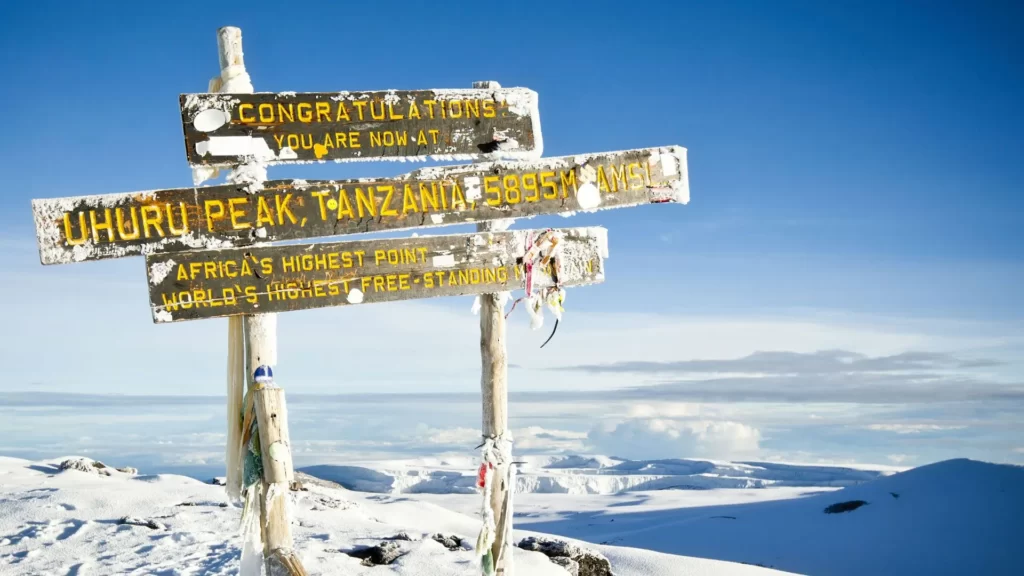
Climb Kilimanjaro
Popular Kilimanjaro Climb Packages
Expert-guided climbs across every major route, for every fitness level and budget.
7-Day Lemosho Route: The Most Beautiful Route on Mount Kilimanjaro
The most scenic route, with excellent acclimatization built in.
View Package →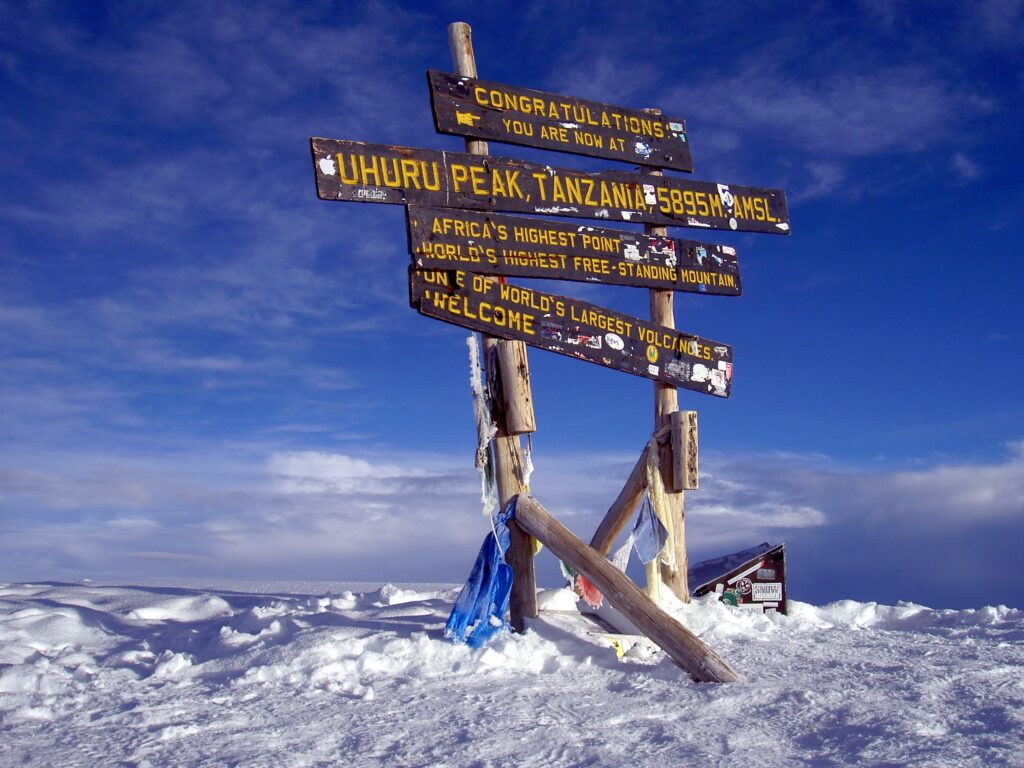
6-Day Machame Route
A popular, scenic route on Kilimanjaro's Whiskey Route.
View Package →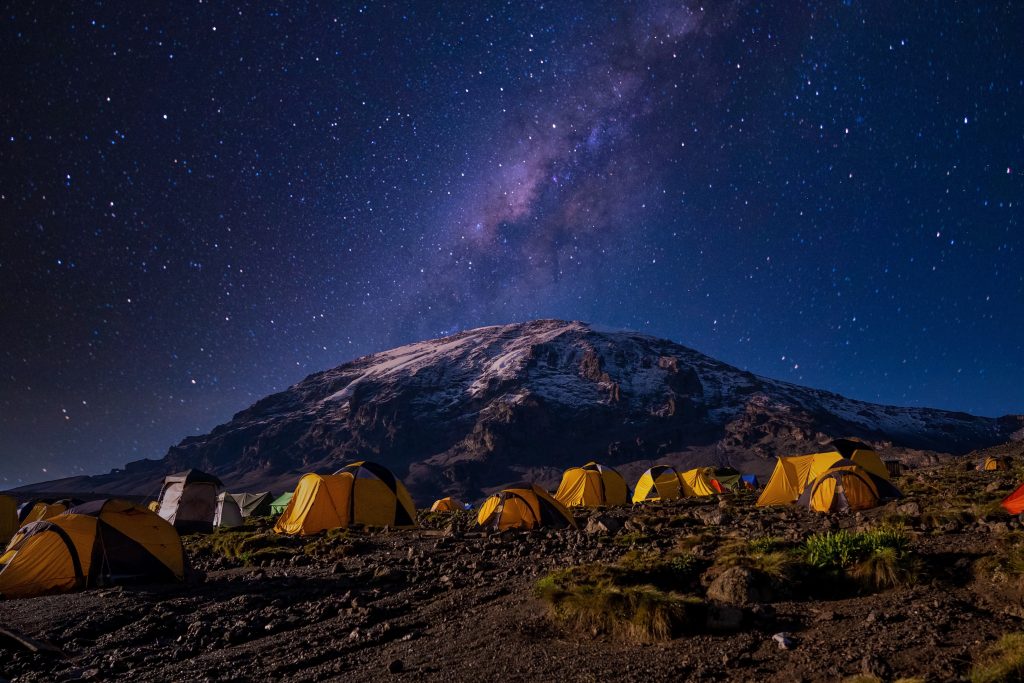
6-Day Marangu Route
The only route with hut accommodation, great for beginners.
View Package →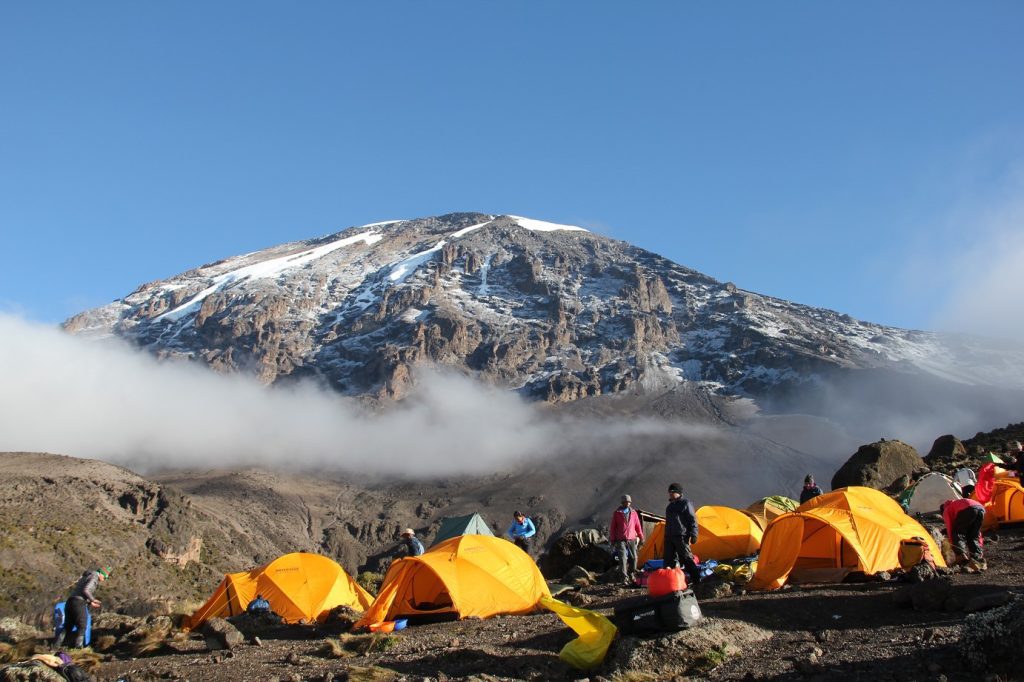
11-Day Northern Circuit: The Ultimate Extended Kilimanjaro Trek
The longest route, with the highest summit success rates.
View Package →7-Day Rongai Route
A quieter northern approach with drier trail conditions.
View Package →
6-Day Umbwe Route
A steep, quiet route for experienced climbers.
View Package →7-Day Shira Route on Kilimanjaro
A quiet, high-starting route with genuinely rewarding scenery.
View Package →8-Day Lemosho Route
An extra acclimatization day for an even higher summit chance.
View Package →Best Time to Go
December - March, June - October
Time Zone
ET +8 hours
Flights
Arusha (JRO); Dar es Salaam (DAR), Abeid Amani Karume International Airport ( Zanzibar)
Climb Kilimanjaro FAQs
Kilimanjaro Success Rate Calculator
A Kilimanjaro success rate calculator is a powerful planning tool for climbers aiming to summit Mount Kilimanjaro. By combining key factors—route choice (Machame, Lemosho, Marangu), acclimatization days, altitude profile, fitness level, and season—it estimates your summit success probability. Popular high-ranking terms like Kilimanjaro success rate, best route to climb Kilimanjaro, summit success percentage, Kilimanjaro climbing tips, and altitude sickness prevention are essential when evaluating results. Longer itineraries (7–9 days) significantly increase success rates, often exceeding 85%, while shorter climbs drop below 60%. A reliable calculator helps optimize your itinerary, improve safety, and guide smart decisions on pacing, hydration, and preparation—making your Kilimanjaro adventure safer, more strategic, and ultimately more successful.
How Hard Is It to Climb Mount Kilimanjaro?
Climbing Mount Kilimanjaro is challenging but achievable for beginners with proper preparation. Difficulty depends on altitude, fitness level, acclimatization, and route choice, like Machame or Lemosho. A Kilimanjaro difficulty “calculator” considers trekking days, summit success rate, and altitude gain to estimate effort. Most hikers struggle with altitude sickness, not technical climbing. Training, hydration, and slow pacing increase success. Keywords: Kilimanjaro climb difficulty, Kilimanjaro hiking fitness, summit success rate, best time to climb Kilimanjaro, altitude sickness tips. Overall, it’s a demanding trek, not a technical climb, making it one of Africa’s most accessible high-altitude adventures.
Can a Beginner Climb Kilimanjaro?
Yes, a beginner can successfully climb Mount Kilimanjaro with proper preparation, guidance, and mindset. This iconic Tanzania safari and trekking destination is one of the best beginner-friendly high-altitude climbs in Africa. Popular Kilimanjaro routes like Machame and Marangu offer gradual acclimatization, increasing summit success rates. With experienced guides, quality gear, and a well-planned itinerary, even first-time hikers can reach Uhuru Peak. Focus on fitness, altitude training, and choosing the best time to climb Kilimanjaro. Booking with trusted tour operators ensures safety, comfort, and an unforgettable African adventure travel experience.
Kilimanjaro Day-by-Day: What to Expect on the Mountain
Climbing Mount Kilimanjaro is the ultimate Tanzania safari adventure. Kilimanjaro Itinerary Day 1 begins in a lush rainforest with guided trekking and wildlife sights. Days 2–3 cross moorland with stunning views and altitude adjustment. Days 4–5 reach the alpine desert, focusing on acclimatization and summit preparation. Summit night delivers Uhuru Peak at sunrise—Africa’s highest point. Final days descend through diverse ecosystems. This Kilimanjaro climbing guide covers routes, costs, safety tips, packing list, best time to visit, and expert tour operators, ensuring a successful, bucket-list African trekking experience.
What You Need to Know Before You Climb Kilimanjaro
Climbing Mount Kilimanjaro requires smart planning, fitness, and expert guidance. Choose the best Kilimanjaro routes—Machame, Lemosho, or Marangu—for higher summit success rates. Understand Kilimanjaro climbing costs, permits, and park fees within Kilimanjaro National Park. Acclimatization is crucial to avoid altitude sickness; allow 6–9 days. Pack essential Kilimanjaro gear, including layered clothing and hiking boots. The best time to climb Kilimanjaro is during the dry seasons (January–March, June–October). Book with trusted tour operators offering experienced guides, safety protocols, and ethical practices for a safe, unforgettable Tanzania adventure.
Best Time to Climb Mount Kilimanjaro
The best time to climb Mount Kilimanjaro is during the dry seasons—January to March and June to October—when weather conditions are clear, trails are safer, and summit success rates are highest. These peak months offer stunning views, minimal rainfall, and ideal trekking conditions for Kilimanjaro routes like Machame and Lemosho. For budget travelers, April–May and November provide lower prices but wetter conditions. Choosing the right season enhances your Kilimanjaro climbing experience, ensuring better acclimatization, safety, and unforgettable panoramic views from Africa’s highest peak.
What’s the Safest Kilimanjaro Itinerary?
The safest itinerary for climbing Mount Kilimanjaro is the 7–9 day Lemosho or Northern Circuit route, designed for gradual acclimatization and higher summit success rates. These top-ranking Kilimanjaro routes reduce altitude sickness risk, improve safety, and maximize comfort with expert guides, oxygen support, and daily health checks. Travelers search for “best Kilimanjaro itinerary,” “safe Kilimanjaro climb,” and “high success rate routes”—all pointing to longer, slower ascents. Choose reputable operators, follow “pole pole” pacing, and include acclimatization days. This luxury or mid-range trekking experience ensures a safer, unforgettable African adventure to Uhuru Peak with breathtaking scenic diversity.
How Much Does It Cost to Climb Mount Kilimanjaro?
Climbing Mount Kilimanjaro costs between $1,800 and $6,500+, depending on budget, mid-range, or luxury safari-style trekking packages. Luxury Kilimanjaro climbing packages $ USD 6000 - $ USD 10000+ per person per hiking, Mid-range Kilimanjaro climbing packages $3500 and $5,500 USD per person, offering a balance of safety, comfort, and professional service, Budget Kilimanjaro climbing packages typically range from $1,900 to $2,000+ per person, offering essential services, shared accommodation, and meals, usually on the Marangu or Machame routes. Prices include park fees, professional guides, porters, camping or lodge accommodation, meals, and safety gear. Budget Kilimanjaro climbs are cheaper but less comfortable, while luxury Kilimanjaro expeditions offer premium services, private guides, and better success rates. Key factors affecting Kilimanjaro cost include route choice (Machame, Lemosho, Marangu), trip duration, group size, and tour operator reputation. For the best Kilimanjaro climbing experience, choose licensed operators, prioritize safety, tipping, travel insurance, and proper acclimatization to maximize summit success rates.
How Should I Train to Climb Kilimanjaro?
Training to climb Mount Kilimanjaro requires a structured fitness plan focused on endurance, strength, and altitude preparation. Begin with regular cardio workouts such as hiking, running, cycling, and stair climbing to build stamina. Incorporate strength training for legs, core, and back to handle long trekking days. Practice hiking with a loaded backpack on uneven terrain to simulate real Kilimanjaro trekking conditions. Include high-altitude hiking if possible and improve mental endurance. Follow a consistent 8–12 week Kilimanjaro training plan, stay hydrated, and maintain a healthy diet. Proper preparation increases summit success rate on Africa’s highest peak. Mount Kilimanjaro trekking tips guide
Altitude Sickness and the Dangers of Climbing Kilimanjaro
Altitude sickness on Mount Kilimanjaro is one of the most serious risks for climbers attempting the highest peak in Africa. Also known as Acute Mountain Sickness (AMS), it affects hikers during high-altitude trekking in Tanzania, especially above 3,000 meters. Common symptoms include headache, nausea, dizziness, fatigue, and shortness of breath, which can worsen without proper acclimatization. Climbing Kilimanjaro via Machame, Lemosho, or Marangu routes requires slow ascent, hydration, and professional guided tours for safety. Proper preparation, oxygen awareness, and altitude sickness prevention are essential to reach Uhuru Peak successfully and safely. Kilimanjaro climbing dangers require emergency descent response awareness.
What to Pack to Climb Mount Kilimanjaro?
What to pack to climb Mount Kilimanjaro is essential for a safe, successful, high-altitude trekking adventure in Tanzania. A complete Kilimanjaro packing list includes layered clothing, a waterproof jacket, an insulated down jacket, thermal base layers, hiking boots, trekking poles, gloves, a hat, sunglasses, and a headlamp. Essential gear also includes a 30–40L daypack, a sleeping bag rated for extreme cold, water bottles, sunscreen, and a first aid kit. Altitude sickness prevention items and energy snacks are important for summit success. Proper packing ensures comfort, warmth, and safety while climbing Mount Kilimanjaro, Africa’s highest peak and a world-famous trekking destination. This is the ultimate Kilimanjaro gear packing guide essentials.
Where to Stay During the Climbing Kilimanjaro
When climbing Kilimanjaro, choosing the right place to stay is key. Most trekkers start in Moshi or Arusha, where comfortable lodges, hotels, and guesthouses offer restful nights before the hike. On the mountain, climbers stay in well-equipped camps or huts along the route, ranging from basic shelters to more comfortable tents with sleeping mats. Picking accommodations near the trailheads ensures easy access, acclimatization, and a smooth start to your Kilimanjaro adventure.
Where to Go After Climbing Kilimanjaro
Where to go after climbing Mount Kilimanjaro? The best post-Kilimanjaro travel destinations in Tanzania include Serengeti National Park, Ngorongoro Crater, Tarangire National Park, and Lake Manyara for an unforgettable Tanzania safari experience. After your Kilimanjaro trekking adventure via Machame, Lemosho, or Marangu routes, relax in Arusha or Moshi before continuing to Zanzibar beaches for Indian Ocean luxury holidays. Many travelers choose luxury safari packages, wildlife tours, and cultural experiences with Maasai communities. From Big Five safaris to beach resorts, Tanzania offers the ultimate combination of mountain, safari, and coast for recovery, relaxation, and once-in-a-lifetime African adventure travel tourism destination.
Best Kilimanjaro Routes for Climbers
Best Kilimanjaro routes for climbers include Machame, Marangu, Lemosho, Rongai, and the Northern Circuit, offering diverse trekking experiences and high summit success rates in Tanzania. The Machame route is popular for scenic views and acclimatization, while the Marangu is known as the easiest and only hut-based option for budget climbers seeking comfort. Lemosho and Northern Circuit offer longer 7–8 day trekking tours with the highest summit success rate, ideal for a luxury Kilimanjaro climb and better altitude adaptation, while Rongai provides a quieter, dry-season route from northern Tanzania, perfect for adventure travelers and the best Mount Kilimanjaro climbing experience for all climbers worldwide today now
How Do You Get to Kilimanjaro? Flights to Kilimanjaro
How do you get to Kilimanjaro? Flights to Kilimanjaro are easiest through Kilimanjaro International Airport (JRO) in northern Tanzania, serving Arusha and Moshi gateways to Mount Kilimanjaro trekking and Tanzania safari tours. Major international flights connect via Doha, Istanbul, Nairobi, and Addis Ababa. Travelers searching for the best routes to Kilimanjaro should book flights to Kilimanjaro Airport for quick access to climbing routes, Machame, Marangu, Lemosho, and Rongai. This guide helps plan affordable and luxury Kilimanjaro travel packages for adventure tourism in Tanzania. From arrival, you can easily transfer to Arusha or Moshi for pre-climb preparation and safari extension tours.
The Ultimate Guide to Climbing Kilimanjaro
The Ultimate Guide to Climbing Mount Kilimanjaro covers essential, rich insights for trekkers seeking Africa’s highest peak adventure in Tanzania. Explore top routes such as Marangu, Machame, Lemosho, Rongai, and Umbwe, each offering unique trekking experiences, scenery, and success rates for climbers. Understand the best time to climb, costs, altitude sickness tips, professional guides, Kilimanjaro National Park regulations, and preparation strategies for a safe summit journey. Boost your trekking success with proper training, gear checklist, travel insurance, and eco-friendly, responsible tourism practices for an unforgettable Kilimanjaro climbing experience. Book with trusted Tanzania tour operators for the highest summit success rates, guaranteed safety.
The Best Things to Do After Climbing Kilimanjaro
The best things to do after climbing Mount Kilimanjaro include relaxing in Arusha, enjoying Tanzania safari tours in Serengeti National Park, Ngorongoro Crater, and Tarangire National Park, and unwinding on Zanzibar beaches. After a challenging Kilimanjaro trek, travelers often choose recovery activities such as visiting Kikuletwa Hot Springs, Materuni Waterfall, and coffee farm tours. Luxury and budget safari packages from Arusha or Moshi offer wildlife viewing, Big Five experiences, and cultural Maasai village tours. Post-climb wellness, spa treatments, and scenic flights over the Great Rift Valley complete the ultimate Tanzania adventure, combining relaxation, wildlife, and unforgettable African safari experiences journey.
Plan Your Kilimanjaro Climb
Tell us your dates, fitness level, and preferred route, and we will build the right itinerary for your summit attempt.
Book Now Online →What Our Climbers Say
Real 5-star reviews from climbers who traveled with us