
Soul of Tanzania Safari
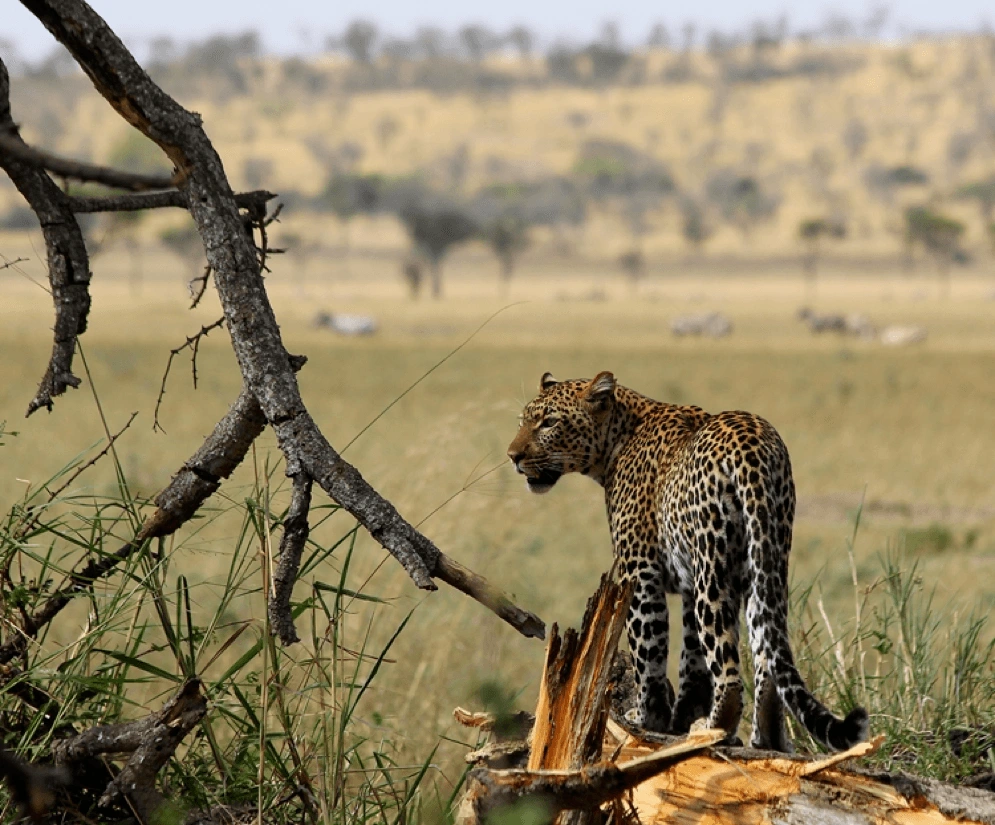
12-Day Soul of Tanzania Safari Discover the true essence of Africa with a Soul of Tanzania Safari, an unforgettable journey through the heart of Tanzania’s most iconic African wildlife safari destinations. From the endless plains of the Serengeti to the breathtaking Ngorongoro Crater, this immersive Tanzania safari experience blends luxury, adventure, and authentic cultural encounters. Witness the Great Migration, encounter the Big Five on a Tanzania safari package, and explore pristine landscapes teeming with wildlife. A Tanzania safari offers diverse experiences, including luxury lodges, mid-range tented camps, and budget-friendly options tailored for families, honeymooners, solo travelers, and photographers. Enjoy the Soul of Tanzania safari packages game drives in Tarangire National Park, famous for its elephants, and Lake Manyara, known for tree-climbing lions and flamingos. Expert guides ensure safe, informative, and eco-friendly Soul of Tanzania safari tours. With flexible itineraries from Arusha, Zanzibar, or Dar es Salaam, travelers can choose fly-in safaris, private tours, or all-inclusive Tanzania safari packages. The best time to visit Tanzania depends on wildlife viewing preferences, but year-round safaris are rewarding. Book with trusted tour operators for a seamless, ethical, and sustainable African safari adventure that truly captures the soul of Tanzania. 12-Day Soul of African Safari Full Tour Itinerary This 12-day “Soul of Tanzania Safari” is designed to be a luxurious and immersive African safari journey, taking you through the diverse landscapes and abundant wildlife of Tarangire National Park, Lake Manyara National Park, the legendary Serengeti, the breathtaking Ngorongoro Crater, the unique cultural heartland of Lake Eyasi, and the verdant Arusha National Park. This itinerary emphasizes comfortable lodge accommodations and expertly guided game drives, offering a truly unforgettable African Safari experience. Embark on a profound 12-day Soul of Tanzania safari review, journey into the very “Soul of Tanzania,” experiencing the country’s most iconic national parks and vibrant cultural landscapes. This meticulously crafted Soul of Tanzania safari cost itinerary blends thrilling wildlife encounters with the comfort and elegance of hand-picked lodges, ensuring a deep and unforgettable connection with the heart of Africa. Day 1: Arrival in Arusha, Tanzania – Grand Welcome As your flight touches down at Kilimanjaro International Airport (JRO), the warm Tanzanian air will embrace you, signaling the start of your extraordinary adventure. After clearing customs, you’ll be warmly greeted by your dedicated safari guide. A comfortable transfer will whisk you away to the exquisite Arusha Gran Melia Hotel, a haven of luxury nestled amidst lush gardens. Settle into your spacious room, relax after your journey, and enjoy a delicious welcome dinner, allowing the excitement of your upcoming safari to truly begin. Day 2: Arusha to Tarangire National Park – Elephant Kingdom After a hearty breakfast at the Gran Melia, your safari journey truly commences. You’ll embark on a scenic drive south towards Tarangire National Park. Renowned for its immense elephant herds and iconic baobab trees. Upon entering, prepare to be captivated by its majesty. Your game drive will involve searching for these gentle giants, along with lions, leopards, and a myriad of other wildlife. As dusk settles, you’ll check into the comfortable Tarangire Safari Lodge (or other related accommodation within Tarangire National Park). Perfectly positioned to absorb the park’s atmosphere. Enjoy dinner with the sounds of the African bush as your backdrop. Day 3: Tarangire National Park – Deep Immersion Awaken to the symphony of the African bush and enjoy a delicious breakfast at your lodge. Today is dedicated to a full day of extensive game drives within Tarangire National Park. Your expert guide will lead you to various corners of the park, seeking out predators and the vast array of antelopes that thrive here. The Tarangire River is a magnet for wildlife, especially during the dry season, offering incredible viewing opportunities. This extended stay allows for more relaxed viewing and photography, soaking in the unique ambiance of Tarangire. You’ll return to the Tarangire Safari Lodge for dinner and another peaceful night. Day 4: Tarangire to Lake Manyara National Park – Rift Valley Beauty After a final, invigorating breakfast at Tarangire Safari Lodge, you’ll embark on a scenic drive towards the Great Rift Valley and Lake Manyara National Park. This park, nestled at the base of the towering escarpment, offers a striking contrast with its lush groundwater forests and diverse habitats. Enjoy a captivating game drive. Keeping an eye out for Manyara’s famous tree-climbing lions (though sightings require a stroke of luck!). You’ll also encounter large troops of baboons, graceful giraffes, and a myriad of colorful birdlife. Including thousands of flamingos that often create a pink spectacle on the lake’s shores. After soaking in the beauty of Lake Manyara, you’ll continue your journey to the cooler highlands, checking into the charming Kitela Lodge near Karatu for dinner and a peaceful overnight stay. Day 5: Karatu to Central Serengeti – Journey to the Endless Plains Today marks an exciting transition as you journey towards the legendary Serengeti National Park. This isn’t just a transfer; it’s an en-route game drive as you traverse the vast plains of the Ngorongoro Conservation Area, occasionally spotting wildlife along the way. The landscape gradually opens up, revealing the seemingly endless grasslands that define the Serengeti. As you venture deeper into the park, the anticipation of encountering its famous inhabitants will build. Arrive at Kubu Kubu Tented Lodge in the Central Serengeti. Where exceptional comfort meets the heart of the wild. Settle into your luxurious tent, enjoy a gourmet dinner, and let the sounds of the African night envelop you. Day 6: Serengeti National Park – Heart of the Wild Awaken to the sounds of the Serengeti and enjoy a hearty breakfast at Kubu Kubu Tented Lodge. Today is dedicated to a full day of exhilarating game drives within the Central Serengeti. This region, known as Seronera, is a hotbed of year-round wildlife activity, making it a prime location for thrilling predator-prey interactions. Your expert guide will lead you through the plains. Searching for formidable lion prides, swift cheetahs on the hunt, and elusive leopards. You’ll witness vast herds of
10-Day Budget Safari In Tanzania
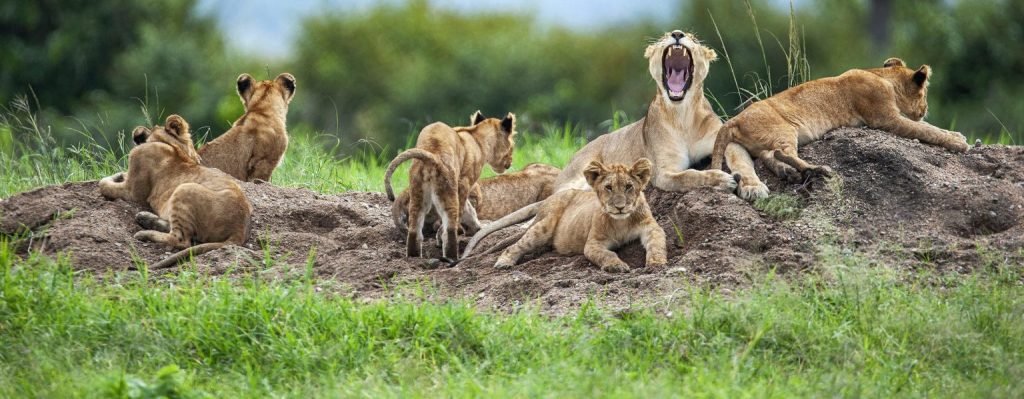
Explore 10 Days Budget Safari in Tanzania Embark on an incredible 10-Day budget Safari in Tanzania, exploring the iconic Arusha National Park, Lake Natron, Tarangire, Serengeti, Ngorongoro Crater, and more. Witness Africa’s wildlife up close without breaking the bank. Join us for an affordable and unforgettable adventure through Tanzania’s stunning landscapes and diverse habitats. Adventure Camping Safaris in Tanzania Explore 10 Days Budget Safari in Tanzania Vacation to Tanzania in a budget-friendly style enchanting adventure trips. Actually, this Budget Safari in Tanzania is planned for travelers and individuals with limited or low budgets. You will feel one with nature during your Budget safari in Tanzania on a Budget from Arusha. As you will spend your nights in various campsites. Witness what Tanzania has to offer! Don’t you find what you are looking for? Tailor-made your safari here. This 10-day camping safari allows you to experience the highlights of the Northern Safari Circuit. You will experience breathtaking wildlife in the midst of some of the most diverse landscapes; monkeys in the forest, lions in trees, elephants amongst acacias, and a huge variety of animals inside a collapsed volcano. You will also visit the world-famous Serengeti National Park. The landscapes are breathtaking and the variety and volume of wildlife you will see are unforgettable. Truly epic. for 10-Day Taste of Africa. Explore 10 Days Budget Safari in Tanzania Itinerary On average, a budget Tanzania safari costs $390 (USD) per person per day, a mid-range safari costs $590 per person per day, and a luxury safari costs $2600+ per person per day. We won’t beat around the acacia bush, Tanzania is one of Africa’s more expensive safari destinations. Day 1: Arrival in Tanzania You will be picking up at Kilimanjaro airport/ Arusha airport with our company representative with private transfer take you to hotel check-in. You will meet with our tour consultant for tour brief late continuous leisure in your hotel. Day 2: Arusha – Arusha National Park After breakfast, we will pick up you at your hotel drive you to Arusha National Park for a full game drive with a delicious packed lunch box. Where you will visit the best Tanzania Safari location begins. It’s only a short 40-minute drive from Arusha Town. Your day trip includes a visit to the Ngurdoto Crater which is well known as the “Little Ngorongoro”. After then in the evening you will return to Arusha for your dinner and overnight at the hotel we booked for your Venice Hotel. Day 3: Arusha to Tarangire National Park After breakfast at the hotel, you leave early to the Tarangire National park for your 10-Days Budget Safari In Tanzania. This is the third largest park in Tanzania and it is characterized by the amazingly large herds of elephants that can be encountered in this park. The Baobab trees are one of the other highlights of Tarangire and the Tarangire River that flows all year round is the lifeblood of the park. Many animals; predators and prey alike gather around the river where you can do excellent game viewing. Dinner and overnight are at Fanaka campsite. Day 4: Tarangire National Park – Lake Natron After breakfast, our driver will pick you up at your accommodation and depart to the Lake Natron. Visit Waterfall & Swimming. View Mount Oldonyolengai. Accommodation in Campsite: Lake Natron Campsite. Day 5: Lake Natron Serengeti National Park Early in the morning exploring the Lake Natron. After explore the Lake you will depart to Serengeti National Park. Descend into the heart of wild Africa – the Serengeti National Park – with its endless plains, rolling into the distance as far as the eye can see. We head to the Central Park area, known as the Seronera area, one of the richest wildlife habitats in the Park, featuring the Seronera River, which provides a valuable water source to this area and therefore attracts wildlife well representative of most of the Serengeti’s species. Arrive in time for lunch and enjoy a 2hrs late evening game drive in the Serengeti National Park. Accommodation in Campsite: Nyani Campsite Day 6 – 7: Serengeti National Park Early breakfast then with your picnic lunch drive to famous Serengeti National Park via Klein’s Gate game drive en route. Having a chance during ( best and unique Serengeti Safari for reasonable Cost). During your African budget safari, you can spot all big five see all big four e.g. Lions, Elephants, Buffalo, Leopard. And many other wild animals like Hippos, Zebras, Wildebeests, Cheetahs, Hyenas, and Thomson Gazelles just to mention a few. Dinner and overnight at Nyani Campsite. Day 8: Serengeti to Ngorongoro Crater After a relaxing morning and an early lunch, you will proceed to Ngorongoro. Today, you will be doing a Tanzania Safari Tours game viewing en-route during your way from Serengeti National Park to Ngorongoro Crater. You will be in Ngorongoro Crater late in the evening where the night will be spent on the crater rim. Dinner and overnight will be at Simba Campsite. Day 9: Ngorongoro Crater back to Arusha Today, you will have early breakfast and proceed directly to the crater floor for a five-to-six-hour crater tour with picnic lunch down the crater whereby you will be able to see all the “Big Five”. Later, you will proceed back to Arusha in the evening. Day 10: Departure | Budget Safari in Tanzania After breakfast in the hotel/lodge, we will transfer you to the airport either at Kilimanjaro/ Arusha airport. This will be the end of your tour and safari with us. Inclunsive & Exclusive Included for 10 Days Budget Safari In Tanzania Private Jeep 4×4 equipped with refrigerator, portable charging stations and pop-up roof 10 Nights Budget Safari Accommodation All park entrances fees Professional English speaking safari guide & chef Meals according to the itinerary Mineral water on all days All mentioned activities All government taxes Price. 18% VAT, Government increase entry fees 2024/2025 Ngorongoro crater services Lake Eyasi Safari Unlimited game drive Excluded for 10 Days Budget Safari In Tanzania International flights (from / to home) Personal items (souvenirs, travel insurance, visa
12-Day Thrilling Tanzania Budget Safari Tour

Authentic 12 Days Thrilling Tanzania budget Safari Tour Want to experience “Wild Africa” in an authentic way? A Tanzania Safari Package is for you! Tanzania budget safari Tour package is more price and pocket-friendly than their lodge safari packages and luxury safari packages counterparts. Book a 12-day thrilling Tanzania budget Safari Tour: Tarangire National Park, Lake Manyara National Park, Serengeti National Park, Ngorongoro crater and Lake Eyasi Experience a Thrilling Tanzania Safari that blends iconic wildlife, dramatic landscapes, and unforgettable cultural encounters into one seamless journey. Begin with a Kilimanjaro day trip for breathtaking views, then explore Arusha National Park’s lush forests and wildlife-rich plains. Continue to Tarangire National Park, famous for giant baobabs and elephant herds, and Lake Manyara National Park, known for tree-climbing lions and flamingos. Venture deep into the legendary Serengeti National Park for endless savannahs and big cat action, descend into the Ngorongoro Crater for close-up Big Five encounters, and connect with ancient traditions at Lake Eyasi among the Hadzabe and Datoga communities. Perfect for families, honeymooners and romantic couples, seniors, elders, solo travelers, and those seeking private, custom-made safaris, this journey suits holidays, trips, vacations, expeditions, and adventures alike. Enjoy special offers, expert guides, glowing reviews, stunning photos, detailed maps, and authentic experiences—crafted to deliver comfort, safety, and lifelong memories in the heart of Tanzania. Authentic 12 Days Tanzania budget Safari Tour Itinerary A thrilling and affordable Tanzania safari can be experienced through budget-friendly tours focusing on iconic locations like the Serengeti, Ngorongoro Crater, and the Tarangire National Park. These tours, often camping safaris, offer a close-to-nature experience and can range from a few days to a week or more. Budget options often include shared safaris and group tours, which can significantly reduce costs. Alright, buckle up for an authentic African Splendour and thrilling 12-day budget safari through the heart of Tanzania! This itinerary is packed with adventure, from hiking the slopes of Kilimanjaro to immersing yourself in the ancient cultures around Lake Eyasi. Let’s paint a vivid picture of this incredible journey. Destination to visit: Kilimanjaro Day Trip, Arusha National Park, Tarangire National Park, Lake Manyara National Park, Serengeti National Park, Ngorongoro crater and Lake Eyasi. Day 1: Arrival in Tanzania – Kilimanjaro International Airport (JRO) As you step off the plane at Kilimanjaro International Airport, the warm Tanzanian air welcomes you, carrying the scent of distant earth and adventure. The majestic silhouette of Mount Kilimanjaro, often playing hide-and-seek with the clouds, stands as a silent sentinel, hinting at the wonders to come. Your friendly and experienced local guide will greet you with a warm “Karibu!” and transfer you to a comfortable budget-friendly accommodation in Arusha, the bustling hub of Northern Tanzania. The sounds of Swahili chatter and the vibrant atmosphere of the town will be your introduction to this captivating land. Rest well, for your adventure begins in earnest tomorrow. Overnight at the chosen hotel in Arusha Day 2: Kilimanjaro Day Hike to Mandara Hut – A Taste of the Roof of Africa Today, you’ll get a taste of the grandeur of Africa’s highest peak with an exhilarating day hike on Kilimanjaro. After an early breakfast, you’ll journey to the Marangu Gate, the main access point for climbing Kilimanjaro. Accompanied by a knowledgeable local guide, you’ll trek through lush rainforest, where towering trees filter the sunlight and the air hums with the calls of exotic birds and playful monkeys. The trail gradually ascends to Mandara Hut, nestled in a clearing where you can take in breathtaking views of the surrounding landscape (weather permitting). This hike offers a fantastic opportunity to experience the lower slopes of this iconic mountain, stretch your legs, and acclimatize to the altitude before your safari adventures truly begin. You’ll descend back to the gate in the late afternoon, feeling invigorated and filled with awe for the majestic peak. Dinner and overnight at the chosen hotel in Arusha Day 3: Arusha National Park – Emerald Hills and Volcanic Beauty Today, you’ll explore the diverse landscapes of Arusha National Park, a gem often overlooked but brimming with natural beauty. Located near Arusha town, this park offers a fantastic introduction to Tanzania’s wildlife. You might spot playful black and white colobus monkeys leaping through the canopy in the lush montane forests. The Momella Lakes shimmer with pink hues from flocks of flamingos, while herds of buffalo and graceful giraffes graze on the open plains. With luck, you might even catch a glimpse of elusive leopards or the endangered black rhino. The park’s varied terrain, including the Ngurdoto Crater and Mount Meru (viewable from afar), provides stunning photographic opportunities. In the late afternoon, you’ll return to your budget accommodation in Arusha, ready for the journey south. Dinner and overnight at the chosen hotel in Arusha Day 4: Arusha to Tarangire National Park – Baobab Giants and Elephant Herds The real safari adventure kicks off as you journey south towards Tarangire National Park. The landscape transforms from the bustling town to open plains dotted with Maasai villages and their distinctive bomas. As you enter Tarangire, you’ll be immediately struck by the iconic baobab trees, their massive, bottle-shaped trunks standing as ancient sentinels of the savanna. Tarangire is renowned for its large herds of elephants, and you’ll likely witness them in their natural glory – families bathing in the Tarangire River, calves playfully nudging their mothers, and the gentle giants moving gracefully through the bush. Keep your eyes peeled for other wildlife, including giraffes, zebras, wildebeest, and various antelope species. As the sun dips below the horizon, painting the sky in vibrant colors, you’ll settle into a budget-friendly campsite or basic lodge near the park, the sounds of the African night serenading you. Dinner and overnight at the chosen Accommodations. Day 5: Tarangire to Lake Manyara National Park – A Rift Valley Oasis After an early morning game drive in Tarangire, soaking in the last glimpses of its unique charm, you’ll travel towards the Great Rift Valley escarpment. Descending into the valley, you’ll arrive
8-Day Remarkable Tanzania Safari
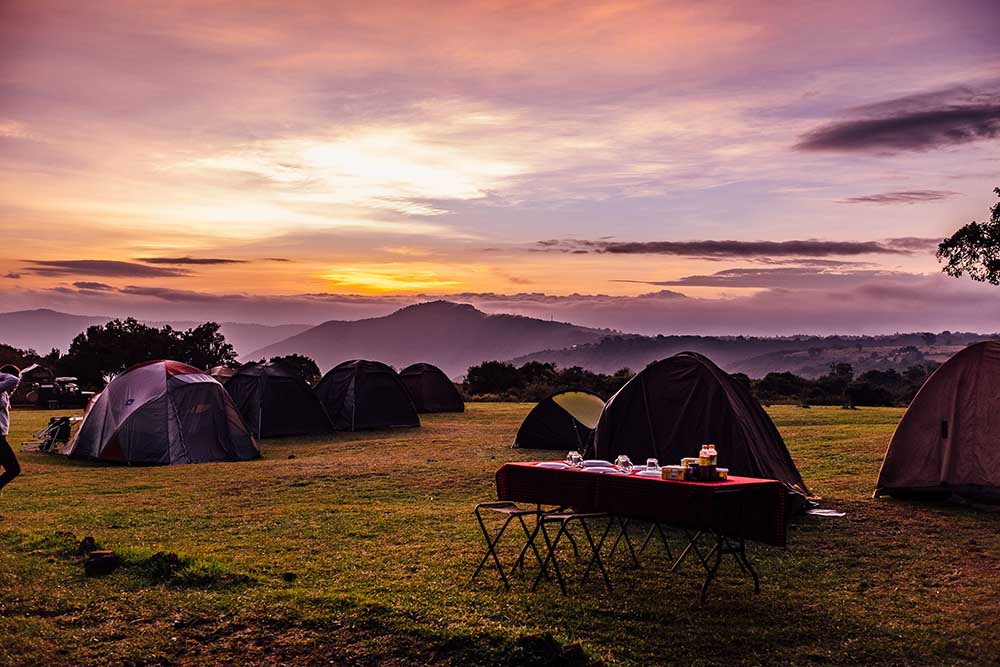
Remarkable 8-Day Tanzania Safari Plan your remarkable 8-day all-inclusive Tanzania safari. Privately discover Tarangire, the Serengeti’s endless plains, and the Ngorongoro Crater’s wonders. Find the ideal luxury or budget trip for your family or honeymoon. See our map and explore reviews and photos. Sources and related content Embark on an unforgettable 8-day, remarkable African Safari journey through Tanzania’s most iconic wildlife destinations. Your adventure begins in Tarangire National Park, famed for its large elephant herds and striking baobab trees. Then, venture into the vast Serengeti, where endless plains teem with diverse wildlife and the potential for witnessing the Great Migration. The grand finale awaits at the Ngorongoro Crater, a breathtaking natural amphitheater teeming with a remarkable concentration of animals, offering exceptional game viewing. This safari combines thrilling game drives, stunning landscapes, and comfortable accommodations, providing an immersive experience in the heart of Africa. Experience the magic of Tanzania, from its abundant wildlife to its awe-inspiring natural wonders, creating memories that will last a lifetime. A Tanzania safari offers remarkable wildlife viewing opportunities and diverse landscapes, with options for both standard and luxurious experiences. The country is renowned for the Great Migration in Serengeti, the Ngorongoro Crater, and Kilimanjaro. For those seeking a unique adventure, Tanzania also offers beach vacations on Zanzibar. 8-Day Remarkable Tanzania Safari Itinerary. Embark on an exclusive 8-day private Remarkable Northern Circuit Experience through the highlights of Northern Tanzania, a journey meticulously crafted for exceptional wildlife encounters and breathtaking landscapes. An 8-Day remarkable Tanzania Safari Itinerary can explore Tarangire National Park, Serengeti National Park, and Ngorongoro Crater. It typically amazing Tanzania Northern Circuits Big Five Safari includes game drives, wildlife viewing, and potentially the Great Migration (depending on the season). The itinerary usually starts and ends in Arusha. Day 1: Arrival in Tanzania – Kilimanjaro’s Warm Welcome As your flight lands at Kilimanjaro International Airport (JRO), the adventure begins. Your dedicated private safari guide will greet you with genuine Tanzanian hospitality, ready to usher you into this remarkable experience. A comfortable transfer will take you to your lodge nestled near Arusha, where you can settle in, relax, and anticipate the wonders to come with Foot Slopes Tours and Safaris Leading Travel Agency in Tanzania, during an 8-day remarkable Serengeti and Ngorongoro Safari. Your guide will provide a personalized briefing, outlining the itinerary and answering any questions you may have. Day 2: Arusha to Tarangire National Park – Land of the Baobabs and Elephants This morning, your private safari journey commences as you travel to Tarangire National Park. Renowned for its impressive herds of elephants. Often seen congregating around the Tarangire River, this park offers a unique and authentic safari atmosphere. Your private vehicle. Designed for optimal game viewing, it will navigate through the park’s diverse landscapes. From rolling savannah dotted with iconic baobab trees to acacia woodlands. Keep a watchful eye for giraffes gracefully reaching for high foliage, zebras and wildebeest grazing on the plains, and a variety of antelope species. The Tarangire River acts as a lifeline. It attracts a wealth of wildlife and provides excellent photographic opportunities. As the day concludes with thrilling sightings. You’ll retire to your chosen accommodation within or near Tarangire, the sounds of the African night serenading you. Day 3: Karatu to the Legendary Serengeti National Park – Endless Plains Await After a hearty breakfast, you’ll embark on a scenic drive towards the world-famous Serengeti National Park. The journey itself offers glimpses of local life and the changing landscapes of Tanzania. As you enter the Serengeti, the sheer vastness of the plains will unfold before you – an iconic African panorama stretching as far as the eye can see. Dotted with acacia trees and kopjes (rocky outcrops). Your private game drive will begin immediately. Introducing you to the incredible biodiversity of this renowned ecosystem. Be on the lookout for the “Big Five” lions, elephants, buffalo, leopards, and rhinoceroses, as well as a multitude of other fascinating creatures. The scale and abundance of wildlife in the Serengeti are truly awe-inspiring. You’ll settle into your exclusive accommodation within the Serengeti, allowing you to fully immerse yourself in the sounds and sights of the African wilderness. Day 4: Serengeti National Park – A Day of Unforgettable Game Viewing Today is dedicated to exploring the wonders of the Serengeti on your private game drives. With your experienced guide, you’ll venture deeper into different areas of the park, increasing your chances of witnessing diverse wildlife encounters. Depending on the season, you might have the extraordinary opportunity to witness the Great Migration, with millions of wildebeest and zebras traversing the plains. Your guide’s expertise will lead you to prime locations for spotting predators such as lions, cheetahs, and hyenas, as well as a plethora of herbivores and vibrant birdlife. Enjoy the flexibility of your private safari, allowing you to spend more time observing wildlife that captivates your interest and capturing those perfect photographic moments. As the sun sets over the Serengeti, casting a golden glow across the savanna, you’ll return to your comfortable camp or lodge, filled with the day’s incredible memories. Day 5: Serengeti Game Drive – Delving Deeper into the Wild Heart of Africa Another full day awaits in the Serengeti, offering further opportunities to explore this vast and dynamic ecosystem. Your private guide will tailor the day’s activities based on your interests and recent wildlife sightings. Perhaps you’ll track a specific animal, explore a different section of the park known for its unique landscapes or wildlife populations, or simply savor the tranquility of the African bush. The beauty of a private safari lies in its flexibility, allowing you to maximize your time and create personalized experiences. Consider an early morning game drive to witness the sunrise over the plains and catch nocturnal animals returning from their hunts, or enjoy a leisurely afternoon drive, soaking in the Serengeti’s serene atmosphere. Each day in this iconic park promises new and exciting discoveries. Day 6: Serengeti National Park to the Majestic Ngorongoro Crater – Journey to
Best Tanzania Safari Lodges & Camps

In this detailed guide, we explore some of the best Tanzania safari lodges and camps, carefully selected for their location, comfort, service, and exceptional safari experiences. Whether you are planning a luxury safari, honeymoon safari, family safari holiday, or private African safari adventure, these lodges offer unforgettable stays in the heart of Africa’s most iconic wildlife destinations. A Tanzania safari is one of the most extraordinary wildlife experiences in the world. From the endless plains of the Serengeti to the breathtaking rim of the Ngorongoro Crater and the baobab-filled landscapes of Tarangire National Park. Tanzania offers some of the finest safari destinations in Africa. Choosing the right Tanzania safari lodge or tented camp can transform a simple wildlife trip into a once-in-a-lifetime luxury adventure. The best safari lodges in Tanzania combine spectacular locations, exceptional wildlife viewing, world-class hospitality, and luxurious accommodations. Many of them sit in prime areas where guests can witness dramatic wildlife moments such as the Great Migration. Where more than 1.5 million wildebeest and zebras move across the Serengeti ecosystem in search of fresh grazing. Luxury lodges and camps in Tanzania range from intimate tented camps close to migration routes to elegant lodges overlooking wildlife plains or volcanic craters. Guests enjoy experiences such as sunrise game drives, hot-air balloon safaris, bush dinners under the stars, and guided walking safaris with Maasai guides. 1. Serengeti Migration Camp (Northern Serengeti) Located in the dramatic northern corridor of the world-famous Serengeti National Park, Serengeti Migration Camp is widely regarded as one of the best luxury safari camps in Tanzania for witnessing the Great Migration River crossings. Nestled beside the Grumeti River, this elegant tented camp blends authentic wilderness with premium comfort. Spacious canvas suites feature private verandas overlooking wildlife-rich plains where elephants, giraffes, and antelope roam freely. Guests enjoy exceptional game drives, Prime access to migration river crossings, and sundowners overlooking the Mara River. Exceptional wildlife photography opportunities, guided bush walks, and sunset views that showcase the untamed beauty of the Serengeti ecosystem. The camp’s prime location offers front-row seats to the Great Migration spectacle. Making it ideal for travelers seeking an unforgettable Northern Serengeti safari experience. Fine dining, attentive service, and spectacular scenery make this camp a top choice for luxury safari enthusiasts. 2. Ngorongoro Melia Safari Lodge (Ngorongoro) Perched dramatically on the rim of the legendary Ngorongoro Crater, Ngorongoro Melia Safari Lodge offers one of the most luxurious viewpoints in East Africa. The lodge blends elegant design with Maasai-inspired architecture, creating a unique atmosphere overlooking the wildlife-rich crater floor. Spacious suites feature panoramic terraces, fireplaces, and modern amenities, ensuring comfort after thrilling crater safaris. Guests enjoy Fine dining with panoramic views, Luxury rooms and suites overlooking the crater, spa services, infinity pools, and exceptional hospitality while exploring the UNESCO-listed Ngorongoro Conservation Area. Known for its dense wildlife population, including lions, elephants, and endangered black rhinos, the crater provides extraordinary game-viewing opportunities. This lodge is perfect for honeymooners, photographers, and travelers seeking a luxury Ngorongoro safari lodge with breathtaking scenery and world-class comfort. The Ngorongoro Crater is famous for its dense wildlife population, including lions, elephants, rhinos, buffalo, and leopards, making it one of the best safari locations in Tanzania. 3. Meliá Serengeti Safari Lodge (Central Serengeti) Set in the heart of the iconic Serengeti National Park, Meliá Serengeti Safari Lodge is one of the best luxury lodges in Central Serengeti for unforgettable wildlife safaris. Overlooking the vast Mbalageti Valley, the lodge offers spectacular panoramic views of endless savannahs dotted with acacia trees. Elegant rooms and suites feature private balconies, modern décor, and comfortable interiors inspired by local culture. Guests can relax by the infinity pool and enjoy fine international cuisine. Embark on thrilling game drives to see lions, leopards, elephants, and cheetahs. Its central location makes it ideal for year-round wildlife viewing and seasonal migration sightings. Combining luxury, comfort, and prime wildlife access, this lodge is a perfect base for travelers planning a Serengeti safari adventure. Explore luxury Tanzania safari lodges, Serengeti safari accommodation, Ngorongoro safari lodge, and Tanzania luxury safari camps. Great Migration safari lodge, and the best safari lodges in Tanzania. 4. Singita Sasakwa Lodge Located within the exclusive Grumeti Reserve bordering the Serengeti, Singita Sasakwa Lodge represents the pinnacle of ultra-luxury safari accommodation in Tanzania. Designed like an elegant Edwardian manor house, the lodge offers sweeping views across the Serengeti plains where wildlife roams freely. Private cottages feature plunge pools, expansive terraces, and luxurious interiors decorated with antiques and fine fabrics. Guests enjoy exceptional personalized service, gourmet cuisine, and curated safari activities including private game drives, horseback safaris, and guided nature walks. The reserve is famous for incredible wildlife encounters and spectacular migration viewing. Singita Sasakwa is a dream destination for travelers seeking a high-end Serengeti safari lodge that combines elegance, exclusivity, and outstanding conservation efforts. 5. Four Seasons Safari Lodge Serengeti (Central Serengeti) Nestled deep inside Serengeti National Park, Four Seasons Safari Lodge Serengeti offers a perfect blend of luxury resort comfort and authentic African safari adventure. The lodge overlooks a busy wildlife watering hole where elephants, buffalo, and antelope gather throughout the day. Elegant rooms, suites, and private villas provide stunning savannah views and modern amenities. Guests can relax at the infinity pool, enjoy spa treatments, or watch animals from the elevated viewing decks. Guided game drives reveal the incredible biodiversity of the Serengeti, including lions, leopards, and cheetahs. With exceptional service, world-class dining, and a spectacular location, this lodge is one of the best luxury safari lodges in Tanzania for families, honeymooners, and wildlife enthusiasts. 6. Singita Mara River Tented Camp Located in the remote northern reaches of the Serengeti National Park, Singita Mara River Tented Camp offers an intimate luxury safari camp experience near the Great Migration crossing points. The eco-friendly camp blends seamlessly into the surrounding wilderness with stylish canvas tents designed for sustainability and comfort. Each suite features river views, elegant interiors, and outdoor showers that immerse guests in the natural environment. Game drives in this region often
Ngorongoro in October

Ngorongoro in October is one of the most rewarding times to experience a Tanzania safari in the iconic Ngorongoro Crater. This period marks the end of the dry season, offering exceptional wildlife viewing opportunities as animals concentrate around water sources inside the crater. October is widely searched as one of the best times to visit Ngorongoro Crater, thanks to clear skies, excellent visibility, and active predator-prey interactions. Safari travelers enjoy fewer crowds compared to peak months, making game drives more exclusive and immersive. This month also provides fantastic photographic conditions with golden landscapes and dramatic wildlife scenes. For travel intent, Ngorongoro safari in October, Tanzania wildlife safari, and Ngorongoro Crater tours are among the top-ranking keywords attracting global travelers planning unforgettable African adventures. Weather in Ngorongoro in October Ngorongoro in October features warm daytime temperatures and cool mornings and evenings, making it ideal for a comfortable Tanzania safari experience. The weather is generally dry, with minimal rainfall before the short rains begin in November. This dry climate improves road conditions and allows easy access to all major wildlife viewing areas inside Ngorongoro Crater. Clear blue skies dominate most of the month, creating perfect safari photography conditions and high visibility for spotting animals. Many travelers search for Ngorongoro weather in October, Tanzania safari climate, and the best safari season in Africa due to these stable conditions. The dry vegetation also enhances wildlife visibility, as animals gather around remaining waterholes. Overall, October delivers one of the most reliable and rewarding safari weather patterns in Tanzania. Wildlife Viewing in October Wildlife viewing in Ngorongoro in October is outstanding, making it one of the top Tanzania safari destinations for game drives. Inside Ngorongoro Crater, visitors can easily spot the Big Five—lion, elephant, buffalo, rhino, and leopard—due to concentrated animal populations around water sources. October’s dry conditions reduce vegetation density, improving visibility and increasing chances of predator encounters. Lions are especially active during this period, while elephants and buffalo gather in large herds. Flamingos and hippos are also commonly seen in crater lakes. Search terms like Ngorongoro wildlife safari, Big Five Tanzania safari, and Ngorongoro Crater animals rank highly during this month. For wildlife photographers and safari lovers, October provides dramatic action scenes and unforgettable close-up encounters in one of Africa’s most iconic ecosystems. Safari Experience in October A safari in Ngorongoro in October delivers a classic African wildlife experience filled with dramatic landscapes and abundant animal sightings. Game drives inside Ngorongoro Crater offer a natural amphitheater of wildlife activity, making it one of the most sought-after Tanzania safari destinations. Tourists enjoy full-day game drives with picnic lunches on the crater floor while observing lions, zebras, wildebeests, and hyenas in their natural habitat. The dry season enhances road accessibility and allows safari vehicles to reach remote viewing areas. Key Tanzania safari packages, Ngorongoro Crater safari tours, and luxury safari Tanzania are highly relevant for October travel planning. This month provides a balanced mix of adventure, comfort, and high-density wildlife viewing, making it perfect for both first-time and experienced safari travelers. Photography Opportunities in October Ngorongoro in October is a dream destination for wildlife photography in Tanzania. The clear skies, golden savannah tones, and high animal density inside Ngorongoro Crater create perfect lighting conditions for professional and amateur photographers. The dry landscape reduces visual clutter, allowing sharp and dramatic wildlife shots, especially of predators like lions and cheetahs. Elephants moving across crater plains and flamingos in alkaline lakes provide iconic African safari imagery. Key terms such as Ngorongoro photography safari, Tanzania wildlife photography tours, and best safari destinations in Africa are commonly searched during this period. October’s soft morning and evening light enhances contrast and depth, making it one of the most visually rewarding months for capturing unforgettable safari moments in East Africa. Crowds and Tourist Numbers One of the biggest advantages of visiting Ngorongoro in October is the moderate tourist crowd levels. Compared to peak safari months, October offers a more relaxed and less congested experience inside Ngorongoro Crater. Safari vehicles are fewer on the crater floor, allowing for more intimate wildlife encounters and better viewing angles. This makes it ideal for travelers seeking a peaceful and exclusive Tanzania safari experience. Popular search terms include uncrowded Tanzania safari, Ngorongoro Crater best time to visit, and luxury safari Tanzania. Hotels and lodges also offer better availability and sometimes more competitive rates compared to peak season. Overall, October strikes a perfect balance between excellent wildlife viewing and manageable tourist flow, enhancing the overall safari quality. Migration Influence from Serengeti Although the Great Migration primarily takes place in the nearby Serengeti National Park, October still influences wildlife movement around Ngorongoro. Wildebeest and zebras begin transitioning southward, sometimes passing through conservation areas connected to the crater ecosystem. This seasonal movement attracts predators into and around Ngorongoro Crater, increasing chances of dramatic hunting scenes. Key attractions such as the Great Migration in Tanzania, the Serengeti migration safari, and the Ngorongoro safari, the October migration is highly searched during this period. Visitors benefit from the broader ecosystem connectivity between Serengeti and Ngorongoro, enhancing the diversity of wildlife encounters. October, therefore, serves as a transitional month, offering a blend of resident wildlife and migratory movement across northern Tanzania’s iconic safari circuit. Accommodation Options in October Ngorongoro in October offers a wide range of accommodation options, from luxury lodges to mid-range safari camps surrounding Ngorongoro Crater. This is an ideal time to enjoy premium Tanzania safari lodges due to good availability before the peak holiday season begins. Many travelers search for Ngorongoro luxury lodges, Tanzania safari accommodation, and crater rim hotels. Lodges located on the crater rim provide breathtaking panoramic views, while tented camps offer immersive wilderness experiences. October’s favorable weather ensures comfortable stays without heavy rains or extreme temperatures. Whether choosing budget safaris or luxury Tanzania safari packages, visitors can find well-equipped accommodations with guided game drives, cultural experiences, and full-board services, making the safari experience seamless and enjoyable. Activities in Ngorongoro in October Ngorongoro in October offers a wide range
Best Time to Visit Serengeti

The best time to visit Serengeti National Park depends on what kind of safari experience you’re seeking—whether it’s witnessing the Great Migration, spotting predators, enjoying fewer crowds, or finding the best safari prices. This world-famous destination offers year-round wildlife viewing, making it one of the top African safari destinations for luxury safaris, family safaris, honeymoon safaris, and budget tours alike. From the calving season in the southern plains to dramatic river crossings in the north, each month delivers something unique. Understanding Serengeti weather, migration patterns, and peak vs low seasons helps travelers plan the perfect Tanzania safari. Whether you’re departing from Arusha, Zanzibar, or Dar es Salaam, timing your trip correctly ensures unforgettable game drives, incredible wildlife photography, and the ultimate bucket-list African safari adventure. January to March – Calving Season Magic January, February, and March are some of the best times to visit Serengeti for witnessing the Great Migration calving season in the Ndutu plains. Thousands of wildebeest give birth daily, attracting predators like lions, cheetahs, and hyenas, making it perfect for dramatic wildlife encounters. This is peak safari season for photographers seeking action-packed scenes and close predator-prey interactions. The landscape is lush and green due to short rains, offering stunning scenery and excellent grazing conditions. Birdwatching is also exceptional during this time. Temperatures are warm, and crowds are moderate compared to peak months. This period is ideal for luxury safaris, family trips, and honeymoon safaris, looking for a unique and intimate experience. It’s also considered one of the most affordable high-quality safari periods. April to May – Green Season & Low Crowds April and May mark the long rainy season in Serengeti, often considered the low season. However, this is one of the best times for budget safaris, discounted luxury lodges, and fewer crowds. The landscape transforms into a lush green paradise, offering breathtaking scenery and excellent photography conditions. Wildlife is still abundant, though migration herds begin moving northwest. Roads can be muddy, making some areas less accessible, but experienced safari guides ensure rewarding game drives. Birdlife is at its peak, making it ideal for birdwatchers. If you’re seeking peaceful, crowd-free safari experiences and lower costs, this is a hidden gem period. It’s also great for travelers looking for sustainable and eco-friendly safari travel with fewer environmental impacts. June – Start of Dry Season & Migration Movement June marks the beginning of the dry season and is a fantastic time to visit Serengeti as the Great Migration moves toward the western corridor. The weather becomes cooler and drier, improving road conditions and game drive accessibility. Wildlife viewing becomes easier as animals gather near water sources. This month is less crowded than peak season, offering a balance between great wildlife sightings and fewer tourists. It’s an ideal time for those seeking mid-range and luxury safaris without peak-season prices. The Grumeti River crossings may begin late in June, providing thrilling safari moments. This is also a great time for photography, with golden light and dramatic landscapes enhancing the safari experience. July – Peak Season & River Crossings Begin July is one of the most popular months to visit Serengeti, marking the peak dry season and the start of dramatic river crossings in the western corridor. Wildebeest herds face crocodile-infested rivers, creating one of Africa’s most iconic wildlife spectacles. This is peak safari season, meaning higher prices and more visitors, especially in premium lodges and camps. The weather is cool, dry, and ideal for game drives. Wildlife viewing is exceptional, as animals concentrate around water sources. This is perfect for luxury safaris, photographic tours, and bucket-list travelers seeking unforgettable moments. Early booking is essential due to high demand. Despite crowds, the experience is unmatched and highly rewarding. August – Northern Serengeti Drama August is one of the best times to visit Serengeti for witnessing the Great Migration river crossings in the northern region near the Mara River. This is peak safari season, with spectacular wildlife action as herds attempt dangerous crossings. Predator activity is high, making it ideal for wildlife photography and documentaries. The weather remains dry and cool, perfect for game drives. Luxury safari camps in northern Serengeti offer premium experiences but require early reservations. This is also a great time for combining Serengeti with Maasai Mara safaris. While prices are high, the experience is once-in-a-lifetime. Expect crowds in popular areas, but also unmatched wildlife encounters. September – Continued Migration & Fewer Crowds September offers a continuation of the northern Serengeti migration experience, but with slightly fewer tourists compared to August. The herds remain near the Mara River, providing excellent opportunities for river crossings and predator sightings. The weather is still dry and pleasant, making it ideal for game drives and walking safaris. This is a great time for travelers seeking a balance between peak wildlife action and more relaxed safari conditions. Accommodation availability improves slightly, though booking is still recommended. September is perfect for honeymoon safaris, photography tours, and luxury travel experiences without the peak-season intensity of August. October – Shoulder Season Advantage October is considered a shoulder season in Serengeti, offering great wildlife viewing with fewer crowds and slightly lower prices. The migration herds begin moving southwards, and predator activity remains strong. The weather is dry early in the month, with occasional short rains toward the end. This is a fantastic time for travelers seeking value-for-money safaris, including mid-range and luxury options. Game viewing remains excellent, especially near water sources. The landscape starts to transition, offering a mix of dry and green scenery. October is ideal for flexible travelers who want great experiences without peak-season crowds. November – Short Rains & Scenic Beauty November brings short rains to Serengeti, transforming the landscape into a vibrant green ecosystem. While some travelers avoid this period, it offers unique advantages such as fewer tourists, lower safari costs, and excellent photography conditions. The migration begins returning to the southern plains, setting the stage for the calving season. Birdwatching is exceptional, with migratory species arriving. Game drives remain rewarding despite occasional showers.
Serengeti National Park Entrance Fees
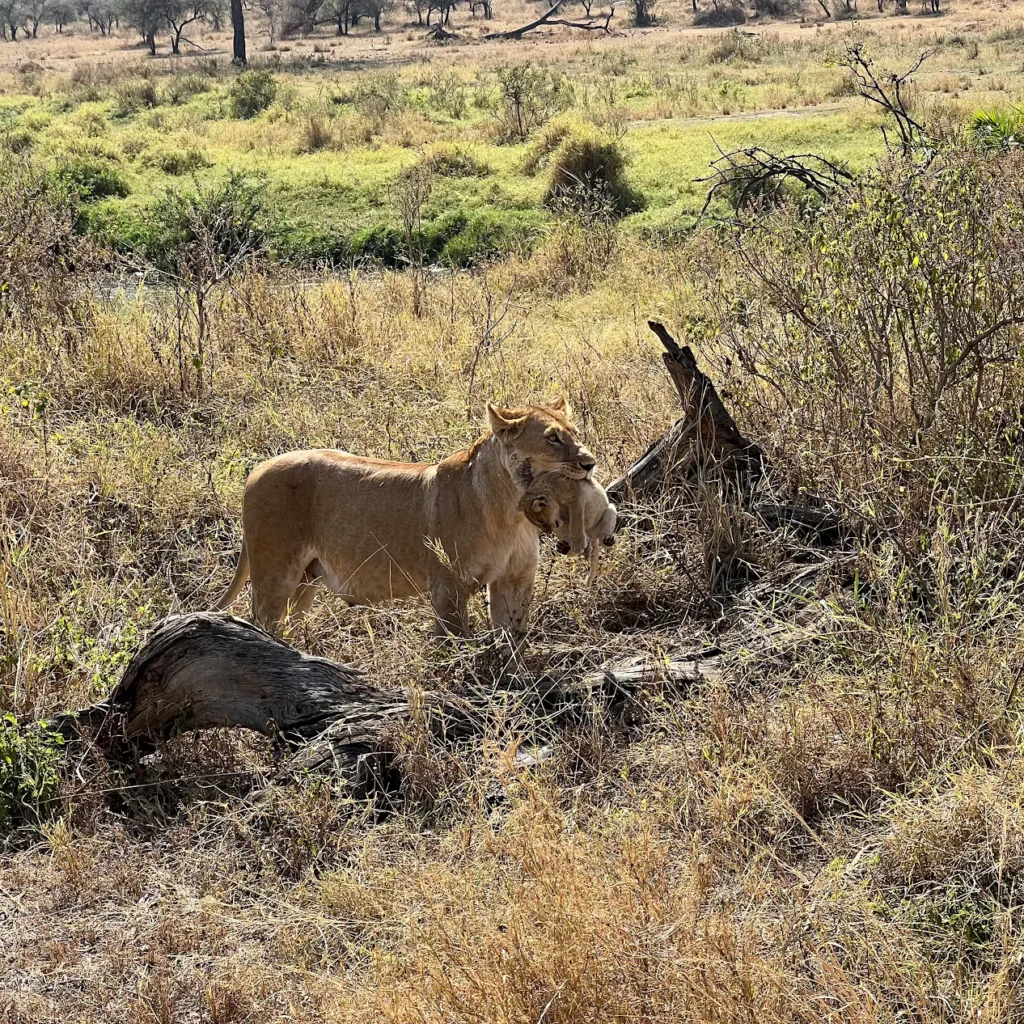
Serengeti National Park entrance fees are a crucial part of planning a Tanzania safari, whether you are booking a luxury safari, mid-range lodge, budget camping trip, or private guided tour. Understanding Serengeti park fees helps travelers budget accurately and avoid unexpected costs during their African wildlife adventure. These fees support conservation, wildlife protection, and sustainable tourism across one of the world’s most famous safari destinations. Visitors come to witness the Great Migration, Big Five safaris, and breathtaking landscapes, making it essential to know how park entry costs are structured. From daily conservation fees to vehicle permits and concession charges, every traveler—families, honeymooners, solo travelers, and photographers—must factor in these expenses when planning a Serengeti safari itinerary from Arusha, Kilimanjaro, Zanzibar, or Dar es Salaam. Serengeti National Park Entrance Fees for International Visitors Serengeti National Park entrance fees for international visitors are categorized based on age and residency status, making it easy to determine your safari budget. As of recent,a Tanzania National Parks Authority (TANAPA) rates, adult non-residents typically pay around $70 per person per day, excluding 18% VAT, while children aged 5–15 pay approximately $20. Children under five often enter free, making Serengeti safaris ideal for family travel experiences. These fees grant access for 24 hours, allowing visitors to enjoy full-day game drives, wildlife photography, and guided safari tours. Whether you’re on a luxury African safari, a fly-in Serengeti tour, or budget camping adventure, these entrance fees are mandatory and non-negotiable, ensuring conservation funding for wildlife protection, anti-poaching efforts, and maintaining the park’s pristine ecosystems. Concession Fees and Accommodation Costs Inside Serengeti In addition to standard entrance fees, Serengeti National Park charges concession fees for visitors staying inside the park at lodges, tented camps, or mobile camps. These fees typically range between $50 and $70 per person per night, depending on the accommodation type and location within the Serengeti ecosystem. Luxury safari lodges and premium tented camps often include concession fees within their package prices, while budget and mid-range operators may list them separately. These fees support infrastructure, waste management, and environmental conservation within the park. Travelers booking all-inclusive Serengeti safari packages should confirm whether concession fees are included to avoid hidden costs. Whether staying in Central Serengeti, Northern Serengeti, or remote wilderness camps, concession fees are essential for maintaining a high-quality safari experience and sustainable tourism practices. Vehicle Entry Fees and Safari Transport Costs Vehicle entry fees are another important component of Serengeti National Park costs, especially for private safaris, family, honeymoon, senior tours, and guided game drives. Safari vehicles, including 4×4 Land Cruisers and safari vans, are charged approximately $40–$50 per vehicle per day, depending on registration and capacity. Most travelers booking through reputable Tanzania safari tour operators will have these costs included in their overall package. However, for independent travelers, it is vital to account for vehicle permits, fuel costs, and park regulations. Professional safari guides and drivers are highly recommended, as they enhance wildlife sightings, ensure safety, and provide in-depth knowledge of the Serengeti ecosystems. These transport-related fees contribute to road maintenance, park management, and ensuring smooth safari logistics across vast wildlife areas. Additional Serengeti Park Fees and Hidden Costs Beyond entrance and concession fees, there are additional Serengeti National Park costs that travelers should consider when planning a safari. These may include camping fees for budget travelers, which range from $30 to $60 per person per night for public or special campsites. Guided walking safaris, balloon safaris, and night game drives (in permitted areas) come at extra costs but offer unique safari experiences. There are also fees for filming, professional photography, and research activities within the park. VAT at 18% is applied to most services, increasing the overall safari price. To avoid surprises, travelers should request detailed safari quotations from trusted tour operators. Understanding all potential fees ensures a smooth, stress-free Serengeti safari experience tailored to your budget and travel style. Serengeti National Park Entrance Fees Table Category Fee (USD) Details Non-Resident Adults (16+) $70 per person/day Excludes 18% VAT; valid for 24 hours Non-Resident Children (5–15) $20 per child/day Excludes VAT; under 5 years enter free East African Residents (Adults) ~$35 per person/day Requires valid ID or residency permit East African Children (5–15) ~$10 per child/day Discounted regional rate Concession Fee (Inside Park Stay) $50–$70 per night Applies to lodges, tented camps, mobile camps Public Campsite Fee $30–$60 per night Budget camping inside the park Vehicle Entry Fee $40–$50 per vehicle/day Depends on vehicle type and registration Hot Air Balloon Safari $500–$600 per person Optional premium activity Walking Safari (Guided) Varies ($20–$100+) Depends on operator and location VAT (Tax) 18% Applied to most park services and fees Note: Fees are subject to change, and it’s always best to confirm updated rates with your tour operator or directly through TANAPA before planning your safari. Best Ways to Save on Serengeti Entrance Fees While Serengeti National Park fees are fixed, there are smart ways to optimize your safari budget without compromising experience. Booking all-inclusive Tanzania safari packages often provides better value, as tour operators bundle entrance fees, accommodation, meals, and transport. Traveling during the low or shoulder seasons can reduce overall safari costs, even though park fees remain constant. Group safaris and shared game drives also help lower per-person expenses. Choosing accommodations outside the park, such as in Karatu or near conservation areas, may reduce concession fees, though it increases travel time. Comparing multiple safari operators ensures competitive pricing and transparent cost breakdowns. Ultimately, planning ahead, understanding fee structures, and working with reputable safari companies will help you enjoy a world-class Serengeti safari while staying within your budget. Why Serengeti Entrance Fees Are Worth It Serengeti National Park entrance fees are more than just a cost—they are an investment in one of the most iconic wildlife destinations on Earth. These fees directly support conservation programs, protect endangered species, and preserve the natural habitat of the Great Migration, lions, elephants, and countless other animals. They also fund park infrastructure, ranger salaries, and anti-poaching initiatives, ensuring long-term
How to Get to Serengeti National Park
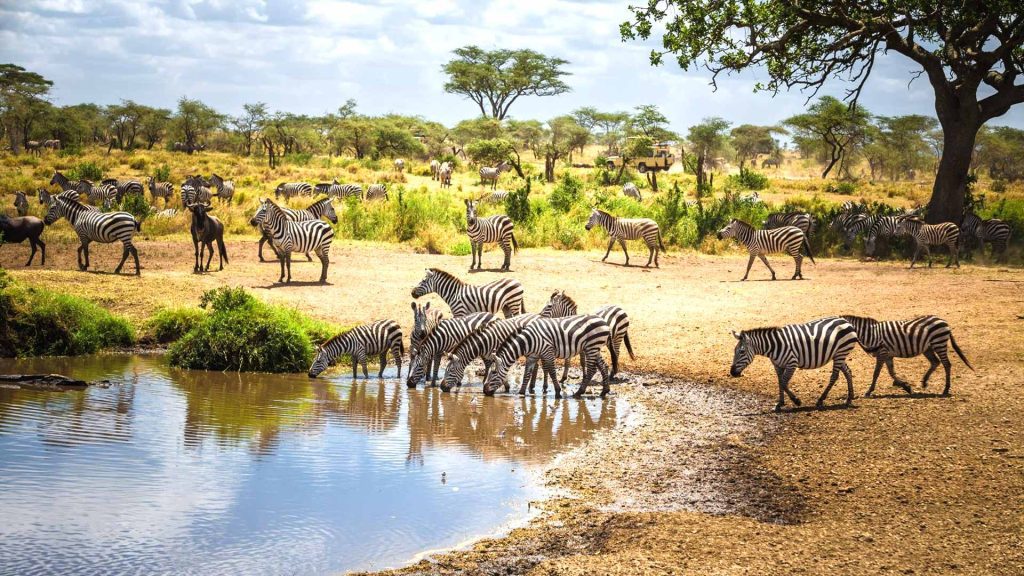
Reaching Serengeti National Park is easier than many travelers imagine, making it one of Africa’s most accessible safari destinations. Located in northern Tanzania, the Serengeti is connected by both domestic flights and scenic safari roads, offering flexible travel options for every budget and travel style. Most visitors begin their journey from Arusha or arrive via Kilimanjaro International Airport, the main gateway for Tanzania safaris. From there, you can either fly directly into the park’s airstrips or embark on an unforgettable road trip through the Ngorongoro Conservation Area. Whether you choose a luxury fly-in safari or a budget-friendly overland adventure, understanding travel routes, driving time, and logistics is essential for planning a seamless Serengeti safari experience. By Air (Fastest) Flying is the fastest and most convenient way to reach Serengeti National Park, especially for luxury travelers or those with limited time. Scheduled bush flights depart daily from Kilimanjaro International Airport or Arusha Airport to multiple Serengeti airstrips such as Seronera, Kogatende, and Grumeti. Flight time typically ranges from 1 to 1.5 hours, offering breathtaking aerial views of the Great Rift Valley and wildlife plains. Local airlines like Coastal Aviation and Auric Air operate these routes, making fly-in safaris seamless and efficient. Once you land, lodge vehicles transfer you directly to your camp. Flying is ideal during the rainy season or for travelers combining the Serengeti with Zanzibar, maximizing safari time while minimizing long road journeys. Domestic and charter flights between parks are usually booked by tour operators as part of the tour package. Domestic flights to Serengeti can be booked with several local carriers: Coastal Aviation Safari Air Link Auric Air Precision Air Regional Air By Road (Scenic) Traveling by road to Serengeti National Park is a classic African safari experience, offering scenic landscapes and cultural encounters. The journey from Arusha takes approximately 8 to 10 hours, depending on road conditions and entry gates. Most routes pass through the spectacular Ngorongoro Conservation Area, allowing travelers to enjoy crater views and Maasai villages along the way. A 4×4 safari vehicle is essential due to rough terrain, especially during rainy seasons. Although long, the drive is part of the adventure, with opportunities to spot wildlife even before entering the park. Many itineraries include overnight stops in Karatu or Ngorongoro, breaking up the journey and enriching the overall Tanzania safari experience. From Kenya Traveling to Serengeti National Park from Kenya is possible but requires careful planning due to border restrictions. Most travelers fly into Jomo Kenyatta International Airport and then connect to Tanzania via flights to Kilimanjaro International Airport or directly to Serengeti airstrips. Overland travel from Kenya is limited because the Bologonya border near the Serengeti is generally closed. Instead, travelers cross via the Namanga border and continue by road through Arusha. Flying remains the most efficient option, often combined with a Maasai Mara safari for a complete East African adventure. This route is ideal for witnessing the Great Migration across both ecosystems, enhancing your safari experience. Important Tips Gates Serengeti National Park has several access gates, each serving different regions of the park. The most popular is Naabi Hill Gate, the main entry point from Ngorongoro Conservation Area, ideal for the central Serengeti. Ndabaka Gate provides access from the western corridor near Lake Victoria, while Klein’s Gate connects to the northern region. All gates typically operate from 6:00 AM to 6:00 PM, and late arrivals are discouraged to ensure safe travel to lodges. Choosing the right gate depends on your safari itinerary and accommodation location. Understanding gate logistics helps optimize travel time and ensures a smooth entry into one of Africa’s most iconic wildlife destinations. Best Airport The best airport for accessing Serengeti National Park is Kilimanjaro International Airport (JRO), located between Arusha and Moshi. It serves as the primary gateway for international travelers and offers easy connections to domestic flights into the Serengeti. Alternatively, Julius Nyerere International Airport is useful for travelers combining the Serengeti with Zanzibar or southern Tanzania. However, this route often requires an extra domestic flight. For convenience, most safari itineraries begin in Arusha, which is just a short drive from JRO. Choosing the right airport can significantly reduce travel time and improve your overall safari experience. Passport, Visa & Other Entry Requirements Travelers visiting Tanzania to explore Serengeti National Park must have a valid passport with at least six months’ validity. Most nationalities require a tourist visa, which can be obtained on arrival or online through the Tanzania immigration system. Visa fees typically range between $50 and $100, depending on nationality. It is recommended to apply in advance to avoid long queues at airports. Proof of onward travel, accommodation, and sufficient funds may be required. Additionally, travelers should check vaccination requirements, including yellow fever certificates, if arriving from certain countries. Proper documentation ensures a smooth entry process and allows you to focus on enjoying your Serengeti safari adventure. Logistics Planning logistics for Serengeti National Park involves coordinating flights, transfers, accommodation, and park entry fees. Most travelers book through reputable safari operators who handle all arrangements, including transport and guides. Combining fly-in and drive-out safaris is a popular option, offering both convenience and scenic exploration. Fuel stations are limited within the park, mainly in Seronera, so proper planning is essential for self-drive travelers. Luggage restrictions apply on small aircraft, usually soft bags under 15 kg. Efficient logistics planning ensures a stress-free safari, allowing you to focus on wildlife viewing and unforgettable experiences in the Serengeti. Best Time The best time to visit Serengeti National Park depends on wildlife experiences and travel preferences. The park offers year-round safari opportunities, but the Great Migration is the highlight. From December to March, the southern Serengeti hosts calving season, attracting predators. Between July and October, the northern region features dramatic river crossings. The dry season (June to October) is ideal for wildlife viewing, as animals gather around water sources. Meanwhile, the green season (November to May) offers fewer crowds, lush landscapes, and excellent birdwatching. Choosing the right time enhances your safari
When To Go On Your Great Migration Safari

The Great Migration in Tanzania is one of the world’s most spectacular wildlife events, drawing thousands of travelers eager to witness mass wildebeest, zebras, and predators in action. Planning when to go on a Great Migration Safari is crucial for an unforgettable experience. While the Serengeti National Park offers year-round wildlife, each month brings a unique stage of the wildebeest migration, from calving in Ndutu to dramatic river crossings at the Grumeti and Mara Rivers. Choosing the right time ensures you witness lion hunts, cheetah sightings, and leopard stalking prey. Whether you’re seeking luxury safari lodges, mid-range tented camps, or budget safaris, understanding migration patterns and seasonal wildlife behavior will make your trip truly extraordinary. January – March (Southern Serengeti / Ndutu) From January to March, the Southern Serengeti and Ndutu region hosts the wildebeest calving season, making it one of the best times for a Tanzania safari. Over 200,000 newborn calves arrive, attracting predators such as lions, cheetahs, and hyenas, providing dramatic wildlife photography opportunities. These months fall in the short dry season, offering easier game drives, fewer tourists, and clear skies. Luxury lodges, glamping camps, and mid-range safari tents are available near Ndutu, giving guests front-row access to nature’s circle of life. This is ideal for family safaris, honeymoon safaris, or solo travelers seeking intense wildlife action. Booking early is recommended as high-demand safari tours fill quickly during this peak wildlife spectacle. April – May April and May mark the long rainy season in Tanzania’s Serengeti, making this a quieter, off-peak period for safari enthusiasts. While some roads may be challenging, the landscape transforms into lush green plains, attracting migratory birds, zebras, and wildebeest. This is perfect for travelers seeking budget safari options or private safaris without crowds. Luxury safari lodges and mobile tented camps often offer discounted rates, while the chance to see predators stalking prey remains high. Despite occasional rain, game drives in the Southern and Central Serengeti can reveal wildebeest grazing, lion prides, and cheetahs in action. This season is ideal for eco-friendly safaris, photographic safaris, and nature enthusiasts looking for authentic wildlife experiences. June – July (Western Corridor / Grumeti River) By June and July, the Great Migration moves into the Western Corridor and Grumeti River, presenting thrilling river crossing safaris. Wildebeest and zebras face dangerous waters filled with crocodiles, offering iconic wildlife photography moments. This period falls in the dry season, ensuring dust-free roads, better game visibility, and pleasant temperatures. Tented camps, luxury lodges, and all-inclusive safari packages provide strategic locations near Grumeti. Travelers can witness lion hunts, cheetah chases, and hyena packs taking advantage of the migration. Ideal for family safaris, honeymoon trips, and adventure seekers, June and July are prime for booking fly-in safaris, Serengeti safari tours, and guided wildlife experiences, guaranteeing a front-row seat to Africa’s greatest natural spectacle. July – October (Northern Serengeti / Maasai Mara) From July to October, the migration reaches the Northern Serengeti and Maasai Mara in Kenya, famous for dramatic river crossings at the Mara River. This is peak season for big cat sightings, as lions, leopards, and cheetahs capitalize on the dense herds. The dry season provides excellent safari conditions, clear skies, and optimum photography opportunities. Luxury lodges, glamping camps, and family-friendly safari accommodations fill quickly, making early booking essential. Travelers can enjoy fly-in safaris, bespoke safari tours, and private vehicle game drives. This period is perfect for honeymoon safaris, adventure tours, and wildlife photography expeditions, ensuring guests experience the migration’s full drama, from predator-prey interactions to vast herds stretching across the savannah. November – December (Serengeti Return) In November and December, the wildebeest migration returns to the Central and Southern Serengeti, completing the annual cycle. This season features short rains, rejuvenating the grasslands and attracting zebras, wildebeest, and elephants. Game drives reveal predators in action, while fewer tourists make for a more exclusive safari experience. Luxury lodges, mid-range tented camps, and mobile safari options remain available, often at lower rates compared to peak months. Ideal for family safaris, romantic getaways, and solo travelers, this period offers eco-friendly, ethical safari experiences with stunning sunsets, photographic opportunities, and wildlife encounters. Witnessing the migration’s return provides a complete perspective of one of the world’s most iconic wildlife spectacles. The best time to see the Great Migration each month The Great Migration is a year-round, perpetual cycle. The best time to see it depends on the action you want to witness: January–March is ideal for calving in the southern Serengeti, while July–October offers the dramatic, peak river crossings in the Masai Mara. January – Great Migration Safari January is ideal for Tanzania safari tours in the Southern Serengeti, particularly the Ndutu region. During this time, the wildebeest calving season begins, attracting predators like lions, cheetahs, and hyenas. Safari-goers can witness epic wildlife encounters and photographic safaris with minimal crowds. Luxury safaris, mid-range tented camps, and family-friendly lodges offer prime locations. Best safari packages in January often include fly-in safaris, private tours, and all-inclusive experiences for a bucket-list wildlife adventure. February – Great Migration Safari February continues the wildebeest calving season in Southern Serengeti and Ndutu, offering unforgettable safari wildlife experiences. Expect predator action with lion prides hunting calves. This period is perfect for luxury tented camps, glamping safaris, and family-friendly tours. Tanzania safari itineraries highlight game drives, balloon safaris, and photography-focused trips. February is also ideal for honeymoon safaris, solo traveler adventures, and those seeking private safari experiences with fewer crowds and spectacular wildlife sightings. March – Southern Serengeti / Ndutu Safari March is peak Southern Serengeti safari season, where wildebeest herds roam the Ndutu plains. Expect dramatic predator-prey interactions, especially lion, cheetah, and hyena hunts. Luxury safari lodges, mid-range camps, and all-inclusive tented options cater to families, couples, and solo travelers. Fly-in safaris maximize time in prime wildlife zones. March offers photography safaris with incredible wildlife action, fewer tourists, and a bucket-list Great Migration experience, perfect for ethical and sustainable safari tours. April – Great Migration Safari April is the rainy season in Tanzania, and