
Why Mount Kilimanjaro Is A Top Tourist Attraction Post Pandemic?
Why Mount Kilimanjaro Is A Top Tourist Attraction Post Pandemic?
Discover fabulous Mount Kilimanjaro remains one of Africa’s most powerful tourism magnets and a leading global trekking destination, especially in the post-pandemic travel era. As international tourism rebounds, travelers are increasingly searching for safe, open-air, and life-changing adventures, making Tanzania’s iconic peak a top choice. Mount Kilimanjaro offers unmatched biodiversity, scenic trekking routes, and world-famous summit experiences that attract hikers, photographers, and adventure seekers worldwide. Post COVID-19, demand for nature-based tourism, sustainable travel, and bucket-list expeditions has significantly increased, placing Kilimanjaro at the center of Africa’s tourism recovery. With improved safety protocols, flexible travel policies, and growing global interest in wellness and outdoor experiences, Kilimanjaro continues to dominate search trends such as “best trekking in Africa,” “highest free-standing mountain,” and “safe post-pandemic safari adventure,” reinforcing its status as a must-visit attraction.
Post-Pandemic Travel Demand for Open-Air Adventures
After the pandemic, global travelers shifted preferences toward open-air, less crowded, and physically engaging experiences, making Mount Kilimanjaro a leading choice. Unlike urban tourism, trekking Kilimanjaro provides natural social distancing, fresh mountain air, and immersive wilderness encounters. This shift has boosted search interest in terms like “post COVID adventure travel,” “safe Africa trekking,” and “outdoor tourism experiences.” Tanzania capitalized on this trend by improving mountain safety standards, guiding services, and health protocols. Kilimanjaro’s multiple routes, including Machame and Marangu, offer flexible options for different fitness levels, further increasing its appeal. As travelers prioritize health-conscious journeys, Kilimanjaro stands out as a symbol of freedom, resilience, and reconnection with nature, driving strong post-pandemic tourism recovery in East Africa.
Africa’s Highest Peak and Global Bucket-List Status
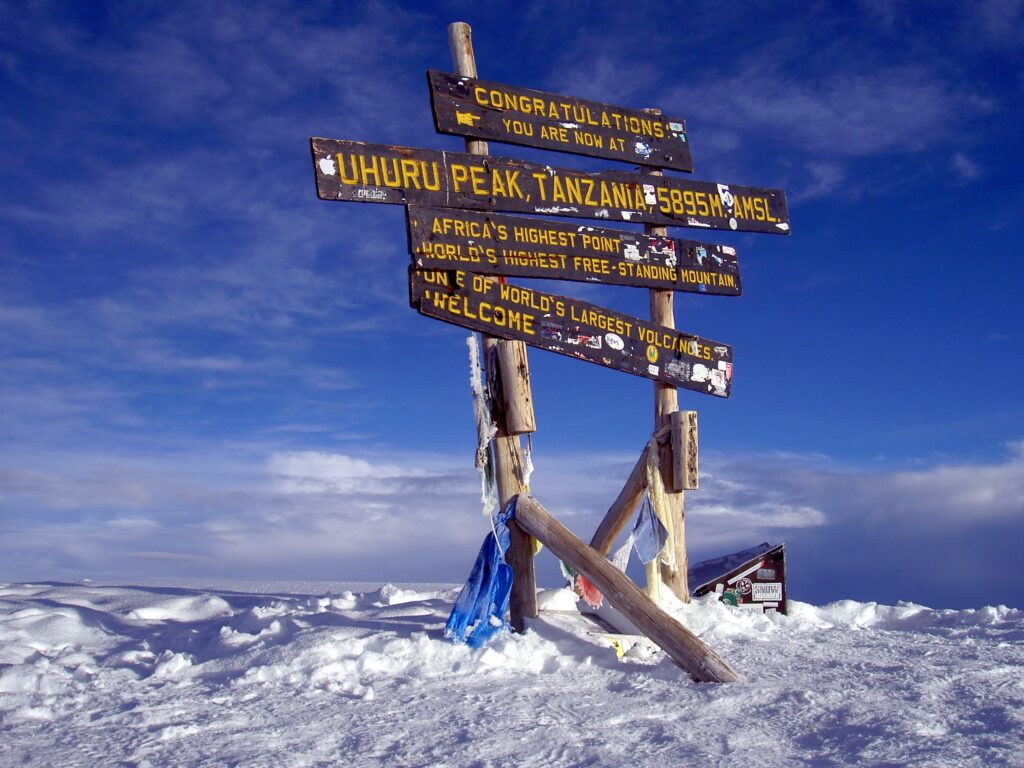
Mount Kilimanjaro is Africa’s highest peak and one of the world’s most iconic trekking destinations, making it a permanent fixture on global bucket lists. Its reputation as a non-technical climb attracts both experienced mountaineers and first-time hikers seeking a life-changing challenge. Post-pandemic, interest in “bucket list travel experiences” and “once-in-a-lifetime adventures” has surged dramatically. Kilimanjaro offers this in a uniquely accessible way compared to other high-altitude peaks like Everest or Kilimanjaro’s Himalayan counterparts. Travelers are drawn to its snow-capped summit, diverse ecological zones, and the emotional achievement of reaching Uhuru Peak.
Increased Interest in Sustainable Tourism
Sustainability has become a major driver of tourism decisions after the pandemic, and Mount Kilimanjaro plays a key role in eco-conscious travel trends. Visitors now actively search for “responsible tourism in Africa” and “eco-friendly trekking experiences,” boosting Kilimanjaro’s popularity. National park authorities and tour operators have strengthened conservation efforts, waste management systems, and porter welfare programs to protect the mountain’s fragile ecosystem. This aligns with global sustainability goals and attracts environmentally aware travelers. Kilimanjaro’s diverse ecosystems—from rainforest to alpine desert—offer a living classroom for biodiversity education. As a result, the mountain is not just a trekking destination but also a model for sustainable tourism in Africa, reinforcing Tanzania’s reputation as a responsible travel destination in the post-pandemic era.
Strong Recovery of International Flight Connectivity
Post-pandemic recovery of international flights has significantly boosted tourism to Tanzania, making Kilimanjaro more accessible than ever. Major airlines have resumed and expanded routes to Kilimanjaro International Airport, improving search visibility for “flights to Kilimanjaro,” “Tanzania safari travel,” and “Africa trekking packages.” Easier visa policies and streamlined entry requirements have further encouraged global travelers. Tour operators now offer flexible booking options, allowing tourists to plan safaris and Kilimanjaro climbs with greater confidence. This improved connectivity has revived tourism demand from Europe, North America, and Asia. As a result, Kilimanjaro has regained its position as a top African adventure destination, supporting Tanzania’s broader tourism economy and accelerating post-COVID travel recovery across East Africa.
Rising Demand for Wellness and Transformational Travel
Wellness tourism has surged after the pandemic, with travelers seeking meaningful, physical, and emotional transformation experiences. Climbing Kilimanjaro provides exactly that, combining endurance, mental resilience, and natural healing environments. Transformational travel,” mental wellness trekking,” and “spiritual mountain experience” are increasingly associated with Kilimanjaro tourism. The climb allows visitors to disconnect from digital stress and reconnect with nature through multi-day trekking in pristine wilderness. Many climbers describe the journey as life-changing, not just physically but emotionally. This growing wellness trend has made Kilimanjaro a powerful post-pandemic attraction, appealing to individuals seeking clarity, achievement, and personal renewal in a world reshaped by global health challenges and lifestyle shifts.
Tanzania’s Strong Tourism Branding and Global Promotion
Tanzania has significantly strengthened its tourism branding post-pandemic, positioning Mount Kilimanjaro as a flagship attraction. International campaigns highlight “Visit Tanzania,” “Explore Africa Safely,” and “Kilimanjaro Adventure Tours,” increasing global search visibility. Strategic partnerships with travel influencers, adventure bloggers, and global tour operators have amplified Kilimanjaro’s presence online. This strong digital presence has boosted bookings and inquiries from international markets. Combined with Tanzania’s reputation for safaris in Serengeti and Ngorongoro, Kilimanjaro completes a powerful tourism package. As a result, it remains one of the most popular and promoted trekking destinations in Africa’s post-pandemic tourism recovery strategy.
Safe and Well-Regulated Trekking Experience
Safety has become a top priority for travelers after COVID-19, and Kilimanjaro offers a well-regulated trekking environment. National park authorities enforce strict safety standards, licensed guides, and controlled climbing permits. Safe Kilimanjaro climb,” guided Africa trekking,” and “secure mountain expeditions” continue to rise. Medical checks, emergency rescue systems, and structured itineraries improve climber confidence. Tour operators now emphasize hygiene, group size control, and professional guiding services. These measures reassure post-pandemic travelers seeking secure adventure experiences. Kilimanjaro’s structured trekking system makes it one of the safest high-altitude climbs in the world, further enhancing its reputation as a reliable and attractive destination for international tourists.
Approach, feed or disturb wildlife, or leave the vehicle unless your guide says it is safe.
Follow your guide, carry travel insurance and check current health and travel advice.
Growing Popularity of Tanzania Safari Combinations
One of the biggest post-pandemic tourism trends is combining Kilimanjaro climbs with wildlife safaris. Travelers increasingly search for “Kilimanjaro and Serengeti safari packages” and “Tanzania adventure tours.” This combination offers both mountain trekking and iconic wildlife experiences, making Tanzania a complete travel destination. After climbing Kilimanjaro, tourists often explore Serengeti National Park, Ngorongoro Crater, and Tarangire National Park. This multi-experience travel model increases trip value and duration, boosting tourism revenue. The integration of trekking and safari experiences has made Kilimanjaro even more attractive in global travel planning. It positions Tanzania as a top-tier destination for adventure, wildlife, and cultural tourism in the post-pandemic tourism industry.
Affordable and Flexible Tour Packages
Post-pandemic tourism recovery has led to more competitive and flexible Kilimanjaro tour packages. Travelers now search for “affordable Kilimanjaro climbs,” “budget Tanzania trekking,” and “custom Kilimanjaro tours.” Tour operators offer varied pricing options, group discounts, and flexible itineraries to attract different types of travelers. This accessibility has made Kilimanjaro achievable for a wider audience, including solo travelers, couples, and groups. Payment plans and seasonal promotions further encourage bookings. The availability of multiple routes also allows climbers to choose experiences based on budget and difficulty level. These factors have significantly increased Kilimanjaro’s global appeal in the post-pandemic tourism market.
Strong Wildlife and Cultural Experience Add-ons
Kilimanjaro tourism is not only about climbing but also about cultural and wildlife experiences in nearby regions. Visitors often engage with Maasai communities, coffee plantation tours, and local village experiences. Cultural tours in Tanzania,” “Maasai village visit,” and “Mount Kilimanjaro culture experience” enhance search visibility. These add-ons enrich the overall travel experience and attract more international visitors. Tourists appreciate the opportunity to combine adventure with authentic cultural immersion. This combination of nature and culture strengthens Kilimanjaro’s appeal in the post-pandemic tourism industry, making it a holistic destination rather than just a mountain climb.
Improved Infrastructure and Mountain Facilities
Infrastructure improvements have significantly boosted Kilimanjaro’s attractiveness after the pandemic. Upgraded huts, improved trails, communication systems, and rescue services enhance the climbing experience. Kilimanjaro trekking routes,” “best climbing facilities,” and “modern mountain infrastructure” reflect growing interest. National park authorities have invested in trail maintenance and environmental protection. These improvements make the climb safer, more comfortable, and more accessible. Enhanced logistics support both tourists and guides, ensuring smooth operations throughout the trekking routes. As a result, Kilimanjaro continues to rank high among global trekking destinations with reliable infrastructure support.
Growing Demand from Emerging Travel Markets
Emerging travel markets such as Asia, the Middle East, and Latin America have increased their interest in Kilimanjaro post-pandemic. Search trends for “Africa adventure travel” and “Kilimanjaro tours from Asia” have risen significantly. Improved flight connectivity and online booking platforms have made it easier for global travelers to access Tanzania. Social media exposure and international travel fairs have further boosted awareness. These new markets contribute significantly to tourism recovery, diversifying visitor demographics. Kilimanjaro’s universal appeal as a challenging yet achievable climb continues to attract global attention, reinforcing its position as a leading international trekking destination.
Year-Round Trekking Opportunities
One of Kilimanjaro’s strongest advantages is its year-round trekking availability. Unlike many seasonal destinations, it remains accessible throughout most of the year, with peak seasons during January–March and June–October. This flexibility supports strong post-pandemic travel demand and allows tourists to plan trips conveniently. Consistent accessibility ensures steady tourism flow and supports local economies. This reliability strengthens Kilimanjaro’s reputation as a dependable global travel destination, especially in the uncertain post-COVID travel landscape.
Final Thought
Mount Kilimanjaro continues to stand as a symbol of resilience, adventure, and global tourism recovery in the post-pandemic world. Its unmatched combination of natural beauty, accessibility, cultural richness, and trekking challenge makes it one of the most powerful travel destinations in Africa. As global travel trends shift toward wellness, sustainability, and meaningful experiences, Kilimanjaro remains perfectly positioned to meet these demands. With improved infrastructure, strong marketing, and growing international interest, it continues to dominate search engines for Africa trekking,” “Kilimanjaro climb,” and “Tanzania adventure tourism.” Ultimately, Kilimanjaro is not just a mountain—it is a transformational journey that defines modern post-pandemic travel experiences and continues to inspire millions of explorers worldwide.
Why Mount Kilimanjaro Is A Top Tourist Attraction Post Pandemic?: FAQs
What should you know about post-pandemic travel demand for open-air adventures ?
After the pandemic, global travelers shifted preferences toward open-air, less crowded, and physically engaging experiences, making Mount Kilimanjaro a leading choice. Unlike urban tourism, trekking Kilimanjaro provides natural social distancing, fresh mountain air, and immersive wilderness encounters.
What is Africa’s Highest Peak and Global Bucket-List Status like?
Mount Kilimanjaro is Africa’s highest peak and one of the world’s most iconic trekking destinations, making it a permanent fixture on global bucket lists. Its reputation as a non-technical climb attracts both experienced mountaineers and first-time hikers seeking a life-changing challenge. Post-pandemic, interest in “bucket list travel experiences” and “once-in-a-lifetime adventures” has surged dramatically.
What can you expect from increased interest in sustainable tourism on Kilimanjaro?
Sustainability has become a major driver of tourism decisions after the pandemic, and Mount Kilimanjaro plays a key role in eco-conscious travel trends. Visitors now actively search for “responsible tourism in Africa” and “eco-friendly trekking experiences,” boosting Kilimanjaro’s popularity. National park authorities and tour operators have strengthened conservation efforts, waste management systems, and porter welfare programs to protect the mountain’s fragile ecosystem.
What should you know about strong recovery of international flight connectivity on Kilimanjaro?
Post-pandemic recovery of international flights has significantly boosted tourism to Tanzania, making Kilimanjaro more accessible than ever. Major airlines have resumed and expanded routes to Kilimanjaro International Airport, improving search visibility for “flights to Kilimanjaro,” “Tanzania safari travel,” and “Africa trekking packages.” Easier visa policies and streamlined entry requirements have further encouraged global travelers.
What should you know about rising demand for wellness and transformational travel on Kilimanjaro?
Wellness tourism has surged after the pandemic, with travelers seeking meaningful, physical, and emotional transformation experiences. Climbing Kilimanjaro provides exactly that, combining endurance, mental resilience, and natural healing environments. Transformational travel,” mental wellness trekking,” and “spiritual mountain experience” are increasingly associated with Kilimanjaro tourism. The climb allows visitors to disconnect from digital stress and reconnect with nature through multi-day trekking in pristine wilderness.
What should you know about Tanzania’s strong tourism branding and global Promotion on Kilimanjaro?
Tanzania has significantly strengthened its tourism branding post-pandemic, positioning Mount Kilimanjaro as a flagship attraction. International campaigns highlight “Visit Tanzania,” “Explore Africa Safely,” and “Kilimanjaro Adventure Tours,” increasing global search visibility. Strategic partnerships with travel influencers, adventure bloggers, and global tour operators have amplified Kilimanjaro’s presence online.
What is the safe and well-regulated trekking experience on Kilimanjaro like?
Safety has become a top priority for travelers after COVID-19, and Kilimanjaro offers a well-regulated trekking environment. National park authorities enforce strict safety standards, licensed guides, and controlled climbing permits. Safe Kilimanjaro climb,” guided Africa trekking,” and “secure mountain expeditions” continue to rise. Medical checks, emergency rescue systems, and structured itineraries improve climber confidence.
What should you know about growing popularity of Tanzania safari Combinations on Kilimanjaro?
One of the biggest post-pandemic tourism trends is combining Kilimanjaro climbs with wildlife safaris. Travelers increasingly search for “Kilimanjaro and Serengeti safari packages” and “Tanzania adventure tours.” This combination offers both mountain trekking and iconic wildlife experiences, making Tanzania a complete travel destination. After climbing Kilimanjaro, tourists often explore Serengeti National Park, Ngorongoro Crater, and Tarangire National Park.
Climb Kilimanjaro With Confidence
Tell us your dates and fitness, and our experienced mountain team will plan a safe, well-acclimatized private climb.



Social Media Influence and Viral Travel Content
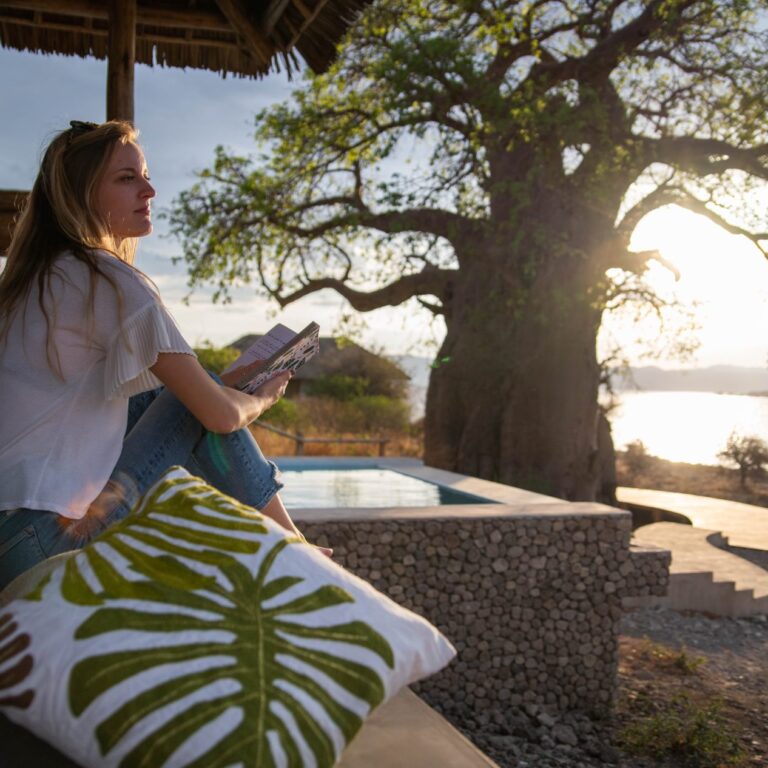
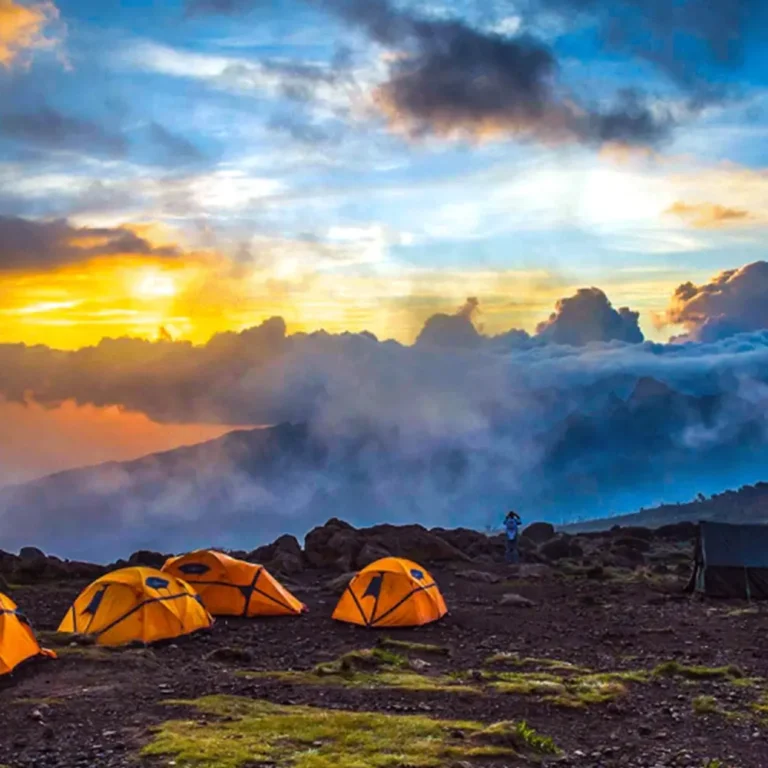
Social media has played a major role in boosting Kilimanjaro’s post-pandemic popularity. Platforms like Instagram, TikTok, and YouTube are filled with summit videos, sunrise shots, and trekking documentaries. Hashtags such as #KilimanjaroClimb and #UhuruPeak generate millions of impressions, increasing global curiosity. Influencers and travel creators showcase the emotional journey of climbing Africa’s highest mountain, inspiring new travelers. This viral content supports “best African trekking destinations” and “Kilimanjaro summit experience.” The emotional storytelling and visual appeal of Kilimanjaro make it highly shareable, driving organic tourism growth and strengthening its position as a must-visit destination in the digital travel era.