Where to Stay on the Machame Route: Camp-by-Camp Guide
Where to Stay on the Machame Route
The Machame Route on Mount Kilimanjaro is one of Africa’s most iconic trekking adventures, often called the “Whiskey Route” for its scenic beauty and rewarding challenge. Choosing where to stay on the Machame Route is essential for a successful Kilimanjaro climb, as accommodation directly impacts comfort, acclimatization, and overall experience. Unlike some routes, Machame is primarily a camping route, offering immersive wilderness stays under the stars. Climbers pass through diverse ecosystems—from rainforest to alpine desert—while staying in designated camps. Each campsite is strategically positioned for altitude gain and acclimatization. Whether you’re planning a private guided climb or a Kilimanjaro climb and safari combo, understanding accommodation options helps you prepare better. This guide explores all Machame camps, camping logistics, and alternative lodging options before and after your climb.
- Machame GateStart
- Machame CampNight 1
- Shira CampNight 2
- Barranco CampNight 3
- Karanga CampNight 4
- Barafu CampNight 5
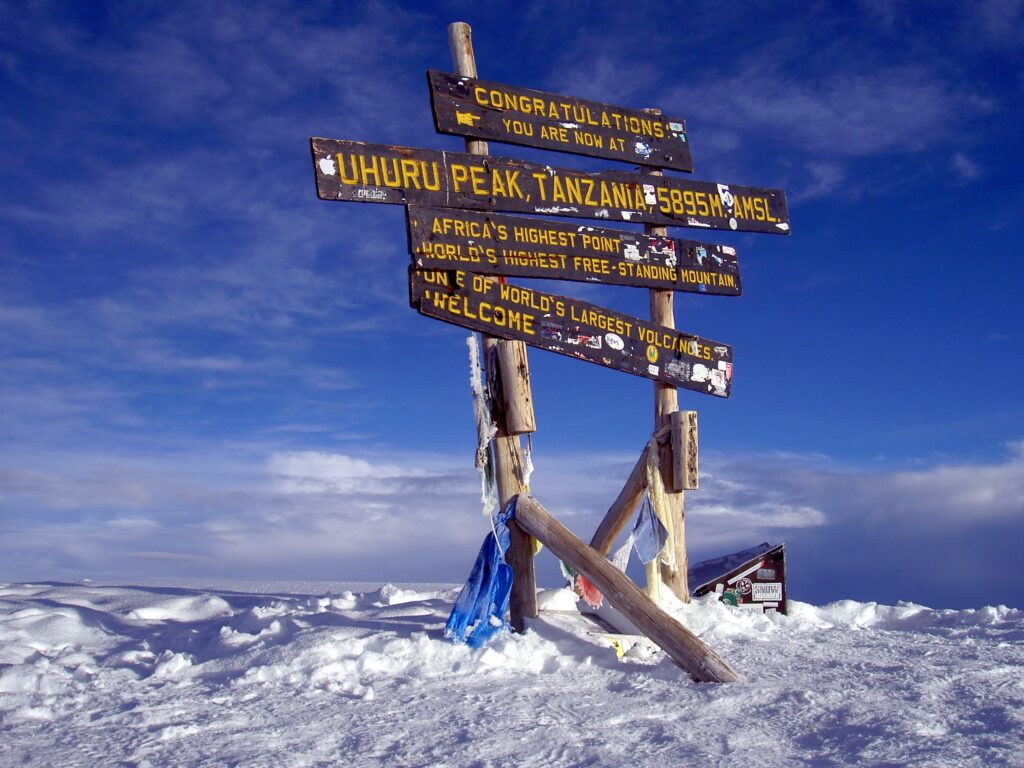
- Uhuru PeakSummit
- Mweka CampNight 6
Machame Camp (2,835 m / 9,301 ft)
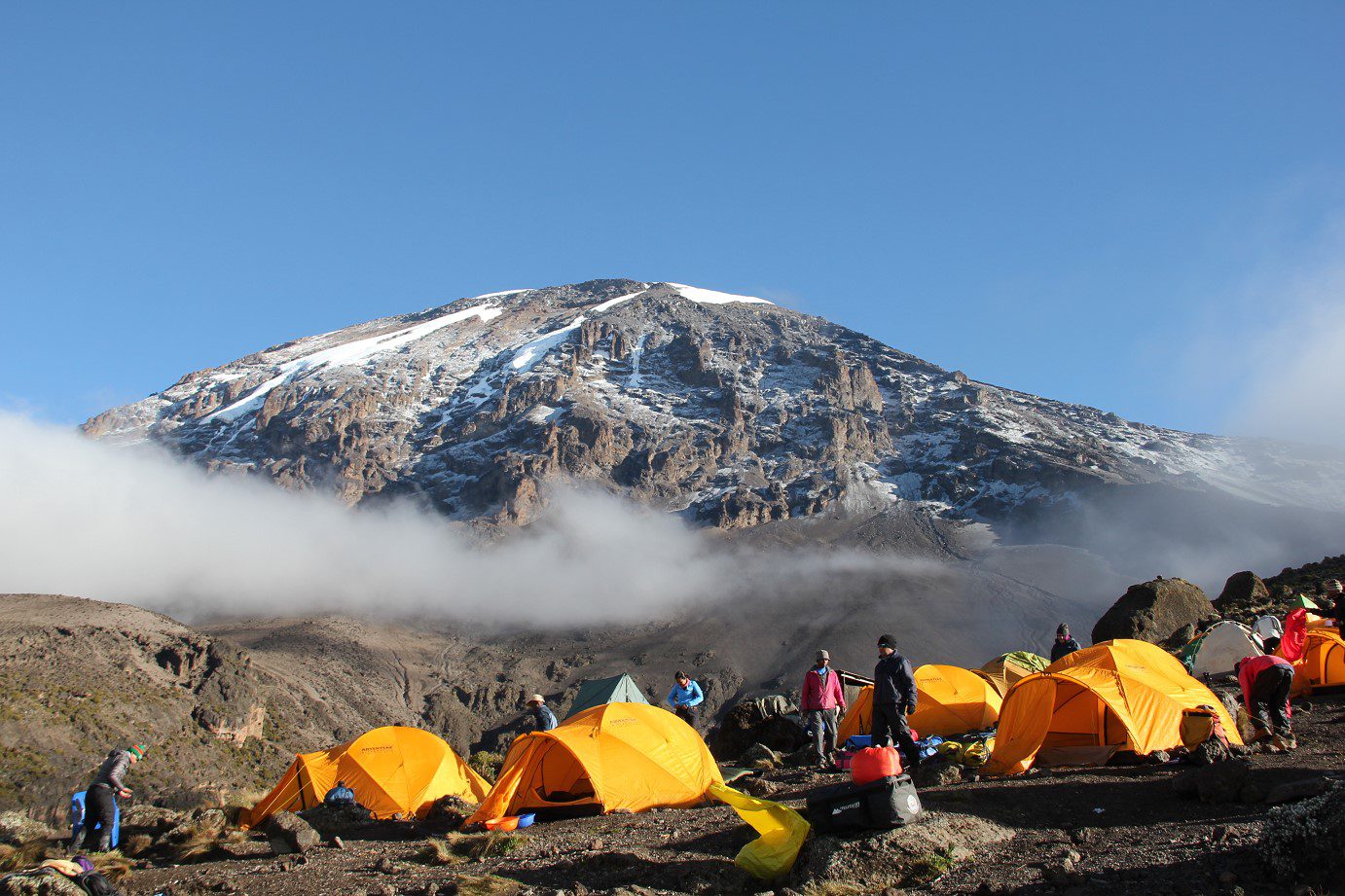
Machame Camp is the first overnight stop on the Machame Route and sits just above the lush rainforest zone of Mount Kilimanjaro. After trekking from Machame Gate, climbers arrive at this scenic campsite surrounded by dense vegetation and misty forest views. Accommodation here is strictly tented camping, typically arranged by your tour operator. High-quality mountain tents, sleeping mats, and dining tents provide comfort despite the wilderness setting. This camp is a vital introduction to altitude trekking, allowing climbers to begin acclimatization gradually. Facilities include basic toilets and designated cooking areas. For those booking Kilimanjaro climbing packages, porters handle setup, ensuring a hassle-free experience. Machame Camp offers a peaceful, immersive atmosphere, making it one of the most memorable first nights on the mountain.
Shira Camp (3,850 m / 12,631 ft)
Shira Camp, located on the expansive Shira Plateau, offers one of the most breathtaking landscapes along the Machame Route. Surrounded by volcanic rock formations and sweeping views, this campsite provides a dramatic shift from rainforest to alpine terrain. Accommodation remains tent-based, but the open environment allows for stunning sunrise and sunset experiences. Climbers often feel the effects of higher altitude here, making it a key acclimatization point during a Kilimanjaro trekking tour. Professional guides monitor health and hydration closely. The campsite features shared toilet facilities and designated cooking zones. Many climbers consider Shira Camp one of the most scenic overnight stops on Africa’s highest mountain, making it ideal for photography and relaxation before continuing the ascent.
Barranco Camp (3,950 m / 12,959 ft)
Barranco Camp is widely regarded as the most beautiful campsite on the Machame Route, set beneath the towering Barranco Wall. Surrounded by giant senecio plants and dramatic cliffs, it offers a unique alpine desert environment. Accommodation is again camping in high-altitude tents, carefully positioned by experienced porters. This camp plays a critical role in the “climb high, sleep low” acclimatization strategy, as climbers descend from Lava Tower before arriving. The atmosphere is vibrant, with climbers from around the world sharing stories. Facilities are basic but functional. Barranco Camp is a highlight of many Kilimanjaro climbing itineraries, offering both visual rewards and essential altitude adaptation before tackling the Barranco Wall the next day. Its unique landscape and strategic altitude make it a key stop on the Machame Route.
- Hike up to Lava Tower (about 4,630 m)
- Lunch at altitude
- Descend to Barranco Camp (3,950 m)
- Body adapts overnight
Karanga Camp (3,995 m / 13,106 ft)
Karanga Camp is a smaller, quieter campsite located in a valley below the final ascent to Barafu Camp. It serves as an important acclimatization stop on longer Machame itineraries. The setting features rugged terrain with sparse vegetation and impressive mountain views. Accommodation is tented camping, with porters setting up sleeping and dining tents for climbers. Water sources are available nearby, making it a key resupply point. Staying at Karanga Camp improves summit success rates by allowing the body to adjust to altitude gradually. Many Kilimanjaro tour operators include this stop to enhance safety and comfort. The peaceful environment and fewer crowds make Karanga a favorite among climbers seeking a more relaxed overnight experience.
Barafu Camp (4,680 m / 15,354 ft)
Barafu Camp is the final base camp before the summit push to Uhuru Peak on Mount Kilimanjaro. Located in a harsh alpine desert zone, this camp is exposed, rocky, and extremely cold. Accommodation is strictly high-altitude camping, with tents secured against strong winds. Climbers rest here briefly before beginning their midnight ascent to the summit. Despite its challenging conditions, Barafu Camp is a crucial staging point for success. Meals are light, and rest is prioritized. Facilities are minimal, reflecting the extreme environment. Many climbers describe Barafu as both physically demanding and emotionally intense. Proper preparation, warm gear, and hydration are essential for a safe and successful summit attempt. Barafu Camp is a critical stop in all Kilimanjaro climbing itineraries, offering the last chance to rest before summit night. It’s a defining moment in any Tanzania trekking adventure.
- ~23:30Wake-up, tea & biscuits
- ~midnightSummit push begins
- SunriseStella Point (5,756 m)
- MorningUhuru Peak (5,895 m)
- AfternoonDescend to Mweka Camp
Mweka Camp (3,100 m / 10,171 ft)
Mweka Camp is the final overnight stop after descending from the summit via the Mweka Route. Located in the upper rainforest zone, it offers a welcome return to thicker air and warmer temperatures. Accommodation is once again tent-based, but climbers often find this camp more comfortable after the summit challenge. The environment is lush and peaceful, providing a relaxing end to the expedition. Meals are more celebratory, and climbers reflect on their achievement of reaching Uhuru Peak. Mweka Camp is included in most Kilimanjaro trekking packages and serves as a transition point before exiting the park. It’s a rewarding final night on Africa’s tallest mountain.
Accommodation Styles On and Around the Machame Route
Camping is the primary accommodation style on the Machame Route, offering a true wilderness adventure on Mount Kilimanjaro. Tour operators provide high-quality tents, sleeping gear, and dining setups. Porters handle logistics, allowing climbers to focus on the trek. Campsites are designated and managed by park authorities, ensuring safety and sustainability. Camping allows climbers to experience diverse ecosystems, from rainforest to alpine desert. It is also the most popular choice for budget and mid-range Kilimanjaro climbs. Proper gear, layering, and preparation are essential for comfort. Camping on Kilimanjaro is both challenging and rewarding, making it a highlight of the journey.
Unlike routes such as Marangu, the Machame Route does not offer mountain huts. All overnight stays are in tents, making it a more adventurous and immersive experience. Mountain huts on Kilimanjaro typically provide dormitory-style lodging with basic beds, but Machame’s camping approach allows climbers to connect more closely with nature. For those seeking hut accommodation, alternative routes may be considered. However, many climbers prefer Machame’s flexibility and scenic diversity. The absence of huts is often seen as a benefit for those wanting a more authentic Kilimanjaro trekking experience.
While there are no luxury lodges directly on the Machame Route, climbers can enjoy premium accommodations before and after their trek in nearby towns like Moshi and Arusha. High-end lodges offer spa services, gourmet dining, swimming pools, and mountain views, making them ideal for relaxation. Many luxury Kilimanjaro safari packages combine these stays with guided climbs. Popular options include boutique eco-lodges and five-star safari lodges. These accommodations enhance the overall experience, especially for honeymooners or high-end travelers. Booking a luxury lodge ensures comfort, proper rest, and excellent service before embarking on the climb of Kilimanjaro.
Where to Stay Before and After Your Machame Climb
Climbers starting the Machame Route typically stay in hotels or lodges in Moshi or Arusha before entering Kilimanjaro National Park. These accommodations range from budget guesthouses to luxury safari lodges. Once the climb begins, all accommodation shifts to camping at designated campsites. Tour operators provide tents, meals, and support staff. There are no permanent structures along the route, ensuring a natural trekking experience. Choosing the right pre-climb accommodation is important for rest and preparation. Many climbers opt for packages that include airport transfers, hotel stays, and guided climbs for convenience and comfort.
Selecting accommodation for a Kilimanjaro climb involves evaluating comfort, reliability, and overall support. Climbers should prioritize experienced tour operators, quality camping equipment, and well-planned itineraries. Pre- and post-climb lodging should offer relaxation and recovery. Safety standards, guide experience, and porter welfare are also critical factors. Budget, travel style, and personal preferences influence decisions. Choosing the right accommodation enhances both the trekking experience and summit success rate. A well-organized climb ensures comfort, safety, and unforgettable memories on Africa’s highest peak.
Camping Fees on the Machame Route
Camping fees on the Machame Route are set by Kilimanjaro National Park and are included in most trekking packages. These fees cover campsite usage, park conservation, rescue services, and environmental management. Costs typically range from $50 to $70 per night per climber, depending on regulations. Tour operators bundle these fees into overall package prices, simplifying the booking process. Understanding these costs helps climbers budget effectively for their Kilimanjaro adventure. Transparent pricing and reputable operators ensure a smooth and well-organized trekking experience.
How to Prepare for High-Altitude Nights
Preparing for high-altitude accommodation on Mount Kilimanjaro involves proper gear, physical training, and mental readiness. Climbers should invest in high-quality sleeping bags rated for sub-zero temperatures, insulated mats, and layered clothing. Hydration and nutrition are essential for acclimatization. Training hikes and altitude exposure before the climb can improve performance. Choosing a reputable tour operator ensures access to quality equipment and experienced support staff. Understanding the challenges of high-altitude camping helps climbers stay comfortable and focused. Preparation is key to a safe and successful Kilimanjaro summit experience.
Preventing Altitude Sickness at Higher Camps
Preventing altitude sickness on Mount Kilimanjaro requires proper acclimatization, hydration, and pacing. Climbers should follow the “pole pole” (slowly, slowly) approach, allowing the body to adjust gradually. Drinking plenty of water, eating nutritious meals, and avoiding alcohol are essential. Guides monitor oxygen levels and symptoms daily. Medications may be recommended in some cases. Choosing longer itineraries improves success rates and reduces risk. Awareness and preparation are key to staying healthy at high altitudes. A safe climb ensures a more enjoyable and successful summit experience.
- 1Pole pole: walk slowly and steadily.
- 2Hydrate: drink 3–4 liters of water a day.
- 3Eat well: keep energy up, even with a low appetite.
- 4No alcohol during the climb.
- 5Report symptoms early to your guide.
- 6Choose a 7-day itinerary for better acclimatization.
- Machame Route has mountain huts.
- Barafu is the base camp for summit night.
- Barranco Camp sits beneath the Barranco Wall.
- Karanga is the last water point before the summit.
How to Choose the Right Accommodation and Operator
When selecting accommodation for a Kilimanjaro climb, climbers should consider comfort, safety, altitude adaptation, and tour operator quality. Since Machame is a camping route, the quality of tents, sleeping gear, and support staff is crucial. Choosing a reputable operator ensures proper equipment, experienced guides, and well-trained porters. Climbers should also consider itinerary length, as longer treks improve acclimatization and success rates. Weather conditions, personal fitness, and budget are additional factors. Proper preparation and informed choices can significantly enhance the overall experience and increase the chances of reaching Uhuru Peak.
Alternative accommodation options for Machame climbers exist primarily before and after the trek, including hotels, eco-lodges, and safari camps in Moshi and Arusha. Some climbers combine their climb with luxury safari experiences in Tanzania’s national parks. However, during the climb itself, camping remains the only option. Those seeking hut accommodation may consider other Kilimanjaro routes. Combining different travel experiences allows climbers to enjoy both adventure and comfort. Flexible travel packages cater to diverse preferences, making Kilimanjaro accessible to a wide range of travelers.
How to Book Your Kilimanjaro Accommodation
Climbers book accommodation for their Kilimanjaro climb through licensed tour operators in Tanzania. Packages typically include camping equipment, meals, guides, porters, park fees, and pre/post-climb lodging. Booking in advance ensures availability, especially during peak seasons. Reputable operators provide detailed itineraries, safety measures, and transparent pricing. Online reviews and recommendations help in selecting the right company. A well-organized booking process ensures a seamless and enjoyable trekking experience on Mount Kilimanjaro.
Accommodation on Other Kilimanjaro Routes
Other Kilimanjaro routes offer different accommodation styles. The Marangu Route features mountain huts with dormitory-style lodging, while routes like Lemosho, Rongai, and Northern Circuit rely on camping similar to Machame. Each route offers unique experiences and levels of comfort. Climbers can choose based on preferences, budget, and trekking style. Understanding these options helps in selecting the best route for a successful climb. A wide range of accommodation choices make Kilimanjaro accessible to a wide range of adventurers.
| Route | Accommodation |
|---|---|
| Machame | Tented camping |
| Marangu | Mountain huts (dormitory) |
| Lemosho | Tented camping |
| Rongai | Tented camping |
| Northern Circuit | Tented camping |
Final Thought
Choosing where to stay on the Machame Route is a key part of planning a successful Kilimanjaro climb. From scenic camps like Machame and Barranco to high-altitude challenges at Barafu, each night in the wilderness offers a unique experience. While camping is the only option on the route, it provides an authentic connection to nature. With proper preparation, quality gear, and a reliable tour operator, climbers can enjoy a comfortable and unforgettable journey to the Roof of Africa.
Machame Route Accommodation: FAQs
Where do you sleep on the Machame Route?
All nights on the Machame Route are spent in tents at designated campsites: Machame, Shira, Barranco, Karanga, Barafu and Mweka camps. Your operator provides sleeping and dining tents, and porters set up camp before you arrive. There are no huts or lodges on the route.
Are there huts on the Machame Route?
No. Unlike the Marangu Route, which offers dormitory-style mountain huts, the Machame Route is a camping route. Every overnight stay is in a tent, giving a more immersive wilderness experience. Climbers who prefer huts can consider the Marangu Route.
How far is Machame Gate from Kilimanjaro International Airport?
Machame Gate is roughly one hour by road from Kilimanjaro International Airport, about 45–50 kilometers depending on the route. Most climbers stay a night in Moshi or Arusha first, and operators usually include airport and gate transfers.
Which is the best campsite on the Machame Route?
Barranco Camp is widely considered the most beautiful, set beneath the Barranco Wall among giant senecios. Shira Camp is famous for sunsets on the open plateau, while Karanga is quieter with fewer crowds.
Which Machame camp is the coldest?
Barafu Camp, at about 4,680 meters, is the highest and coldest camp. It is exposed, rocky and windy, and temperatures often drop below freezing at night. Bring a sub-zero sleeping bag, warm layers and hot water bottles for summit night.
How much are camping fees on the Machame Route?
Kilimanjaro National Park camping fees typically range from $50 to $70 per climber per night. They cover campsite use, conservation, rescue services and environmental management, and are included in most climbing packages.
Is the 6-day or 7-day Machame Route better?
The 7-day itinerary adds a night at Karanga Camp, giving your body more time to acclimatize and improving your chances of reaching Uhuru Peak. The 6-day option goes straight from Barranco to Barafu, which is harder on the body.
Where should I stay before climbing the Machame Route?
Most climbers stay in a hotel or lodge in Moshi or Arusha before and after the climb, with options from budget guesthouses to luxury lodges with pools and mountain views. Staying in Moshi shortens the drive to Machame Gate.
Climb the Machame Route With Us
Tell us your dates and fitness, and our mountain team will plan a private 6- or 7-day Machame climb with quality tents, warm sleeping gear, hotel nights in Moshi or Arusha and airport transfers.