What Wild Animals Will I See Climbing Kilimanjaro
On a Kilimanjaro climb you are most likely to see black-and-white colobus monkeys and blue monkeys in the rainforest, colourful forest birds such as turacos, and white-necked ravens around the high camps. Small mammals like four-striped grass mice are common near camps, and you may hear bush babies and tree hyraxes at night. Large animals such as elephants, buffalo and eland live on the lower slopes but are rarely seen on the trails. For the Big Five, add a safari in the Serengeti or Ngorongoro after your climb.
Kilimanjaro is a mountain climb rather than a safari, but its forested slopes are home to a surprising and rewarding variety of wildlife, especially in the lush lower rainforest. As you climb through five climate zones, from forest and heath to alpine desert and the icy summit, the animals change with the altitude and become fewer and hardier. This guide explains which wild animals you are likely to see climbing Kilimanjaro, how sightings change by zone and route, which birds to look for, how to behave around wildlife and how to combine your climb with a private Tanzania safari afterwards.
Kilimanjaro Wildlife by Climate Zone
The animals you see on Kilimanjaro depend mainly on the climate zone you are walking through, because each zone offers different food, shelter and temperatures. Wildlife is richest in the montane rainforest on the first one or two days of your climb, and becomes much scarcer above the tree line, where only hardy birds, rodents and insects survive the cold, dry conditions. The table below summarises the five zones, their approximate altitude, the animals you may see in each and your realistic chance of a sighting, so you know exactly when to keep your camera ready and eyes open.
| Climate zone | Altitude | Animals you may see | Chance |
|---|---|---|---|
| Cultivated foothills | 800–1,800 m | Birds, small mammals, farm animals | Common near villages |
| Montane rainforest | 1,800–2,800 m | Colobus and blue monkeys, turacos, duikers, bush babies, tree hyraxes, chameleons | Best zone for wildlife |
| Heath and moorland | 2,800–4,000 m | Four-striped grass mice, sunbirds, ravens, occasional eland or duiker | Fairly common |
| Alpine desert | 4,000–5,000 m | White-necked ravens, small rodents, insects | Occasional |
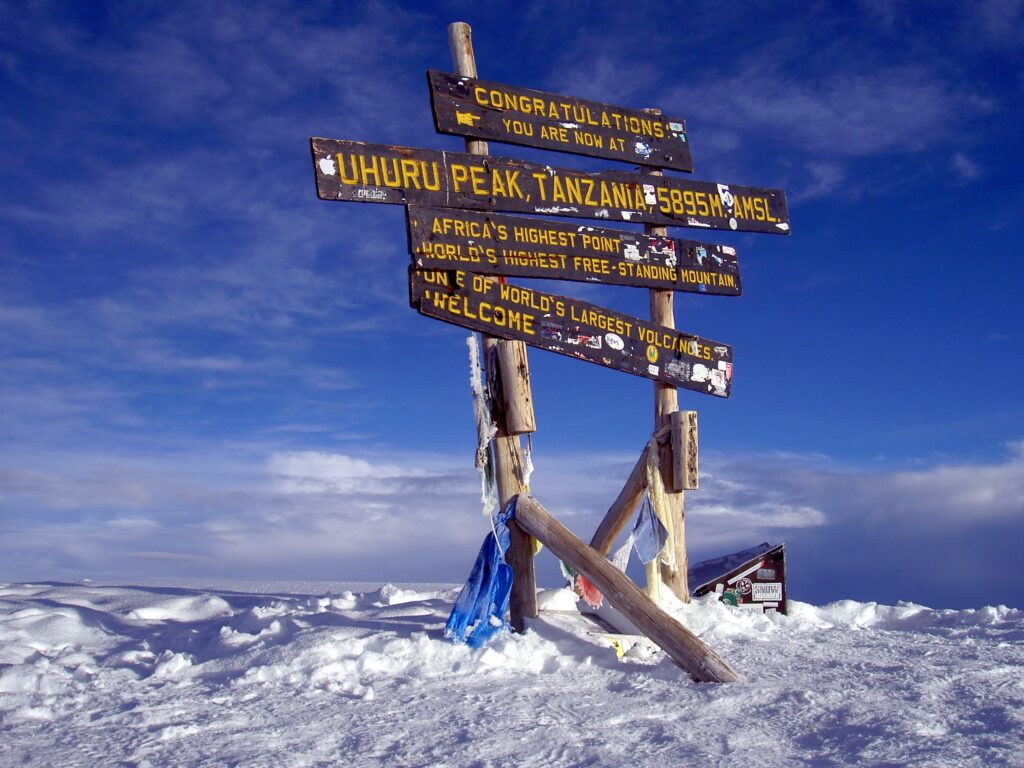
| Arctic summit | 5,000–5,895 m | Almost none; occasional ravens | Very rare |
Wild Animals You May See on Kilimanjaro
These are the wild animals climbers most often see or hear on Kilimanjaro, together with a few rarer species that live on the mountain but are seldom spotted on the trails. The ten tabs below cover each animal's preferred climate zone, your realistic chance of a sighting, the best time to look and how to recognise it. Remember that wildlife is unpredictable and the main trails are busy with crew, so shy animals often stay hidden. Walk quietly in the forest, keep your camera handy and ask your guide to point out tracks and calls along the way.
Black-and-White Colobus Monkey
Montane rainforest
Often seen
The black-and-white colobus is the monkey most climbers remember. Look for its black body, white face and long, flowing white tail as it leaps between trees in the rainforest. Colobus live in small family groups, feed mainly on leaves and are often seen on the first day of Machame, Marangu, Lemosho and Rongai. Listen for their deep, rolling calls.
Blue Monkey (Sykes’ Monkey)
Montane rainforest
Often seen
Despite the name, the blue monkey is mostly grey with a dark face and a faint bluish sheen. It lives in groups in the rainforest canopy, feeding on fruit, leaves, flowers and insects, and is often spotted near forest camps and gates. Blue monkeys can be curious around camps, so keep food sealed and never feed them, however tempting.
White-Necked Raven
Moorland to alpine desert
Very common
The white-necked raven is the bird you will see most often above the forest. This large, glossy black raven has a white patch on the back of its neck and a heavy, curved bill. Ravens circle high camps such as Barafu and School Hut, looking for scraps. They are clever and bold, so keep your daypack closed at camp.
Four-Striped Grass Mouse
Heath, moorland and alpine desert
Very common
This small, active rodent is one of the most common animals on Kilimanjaro. It has four dark stripes running down its back and darts between rocks and grass tussocks around many campsites, especially on the moorland. The mice are harmless but curious, so keep food in sealed bags and zip your tent closed to stop them investigating your snacks.
Bush Baby (Galago)
Montane rainforest
Often heard, rarely seen
Bush babies are small nocturnal primates with huge eyes, soft fur and powerful back legs for leaping between branches. You are much more likely to hear them than see them: their loud, wailing calls echo through the forest after dark, especially around Machame Camp and Mti Mkubwa. A headlamp may catch their shining eyes in the trees.
Southern Tree Hyrax
Montane rainforest
Often heard, rarely seen
The tree hyrax is a small, rounded, tree-dwelling mammal that is surprisingly related to elephants. It is nocturnal and very shy, but its call is unforgettable: a series of loud croaks that rise to screams after dark. Many climbers lie awake at their first forest camp wondering what is making the noise. Your guide will happily explain the culprit.
Jackson’s Chameleon
Montane rainforest and forest edge
Occasionally seen
Jackson's chameleon is a slow-moving green lizard famous for the three horn-like projections on the male's head. It lives in shrubs and trees in the forest and along the forest edge, where it changes colour to blend in with the leaves. Spotting one takes sharp eyes, so ask your guide to help you look. Never pick chameleons up.
Duiker (Small Forest Antelope)
Rainforest and moorland
Occasionally seen
Duikers are small, shy antelopes that live in the forest and on the moorland. Their name means diver in Afrikaans, because they dive into dense vegetation when disturbed. You may glimpse one crossing the trail early in the morning or late in the afternoon, but usually only for a moment. Walking quietly greatly improves your chance of seeing one.
Elephants, Buffalo and Eland
Lower slopes and forest
Rarely seen
Elephants, buffalo and eland live on Kilimanjaro's lower slopes, but they keep away from the busy trails and are rarely seen during a climb. On the quieter western and northern routes you may notice footprints, dung or broken branches. Eland occasionally wander onto the moorland. For close encounters with large mammals, a safari after your climb is the best option.
Serval, Mongooses and Honey Badger
Forest edge and moorland
Very rarely seen
Kilimanjaro is also home to shy, mostly nocturnal animals such as the serval, a slender spotted wild cat, the white-tailed mongoose, the honey badger and the aardvark. They avoid people and are very rarely seen by climbers. You are more likely to notice signs, such as burrows, tracks or droppings, which your guide can help you identify along the trail.
Birds to Look for on Kilimanjaro
Birdwatchers will find Kilimanjaro especially rewarding, because the mountain's different zones support a wide range of species, from brightly coloured forest birds to powerful raptors soaring high over the moorland. The cards below show six birds that climbers most often look for, together with the zone where you are most likely to see each one. Bring a small, lightweight pair of binoculars, look up regularly in the forest and around rocky ridges, and ask your guide to help identify calls and plumage, since many local Kilimanjaro guides are excellent birders and really enjoy sharing their knowledge with climbers.
Rainforest. A striking green bird with flashes of crimson in its wings when it flies.
Rainforest. A large hornbill with a pale casque, often heard before it is seen.
Moorland and alpine desert. The bold black-and-white raven of the high camps.
Moorland. A glittering green sunbird that feeds on giant lobelia flowers.
Forest edge and moorland. A broad-winged raptor often seen hovering over open ground.
Moorland and alpine desert. A small brown bird that hops fearlessly around camps.
Kilimanjaro Wildlife by Route
Your chance of seeing wildlife on Kilimanjaro depends partly on the route you choose, because each route passes through a different area of forest and receives different numbers of climbers. Quieter routes and longer forest sections generally give much better wildlife opportunities, while busy trails and short forest walks give fewer sightings. The table below compares the main routes for wildlife and highlights the animals you are most likely to encounter on each. Remember that the forest section is usually walked on the first day, so stay alert and keep watching from the very start of your climb.
| Route | Forest section | Wildlife highlights |
|---|---|---|
| Lemosho | Long, quiet western forest | Colobus and blue monkeys; occasional signs of buffalo and elephant |
| Northern Circuit | Western forest, remote northern slopes | Colobus, birds, rodents and wide views towards the plains |
| Rongai | Drier northern forest | Colobus monkeys and forest birds |
| Marangu | South-eastern forest near the gate | Blue and colobus monkeys, turacos and chameleons |
| Machame | Busy southern forest | Colobus and blue monkeys, bush babies at night |
| Umbwe | Steep southern forest | Monkeys and birds on a short forest section |
Wildlife Tips for Kilimanjaro Climbers
Seeing wildlife on Kilimanjaro is a real privilege, and responsible behaviour protects both the animals and the mountain environment for future climbers. Kilimanjaro National Park rules ask everyone to respect all wildlife, and your guide will remind you of them throughout the climb. The six simple and practical tips below help you enjoy more sightings while keeping the animals wild, your food safe and your camp tidy. Following them also helps keep monkeys, ravens and mice from becoming dependent on human food, which is one of the biggest wildlife problems at busy campsites on popular mountains around the world.
Feeding monkeys, ravens or mice harms their health and makes them bold around camps.
Keep snacks in sealed bags and zip your tent and daypack closed at camp.
Talking softly in the forest greatly improves your chance of seeing shy animals.
A small, light pair helps you enjoy birds and monkeys high in the canopy.
Watch and photograph animals from a distance and never try to touch them.
Your guide knows the animals, their calls and where it is safe to stop.
Combine Your Climb With a Safari
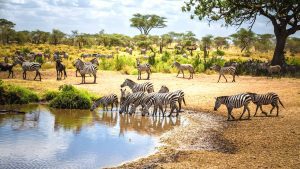
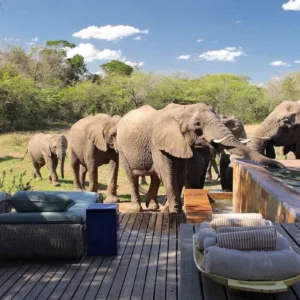
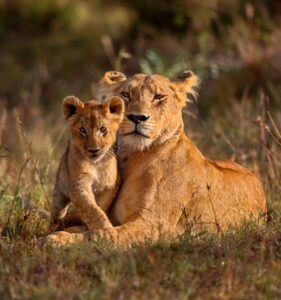
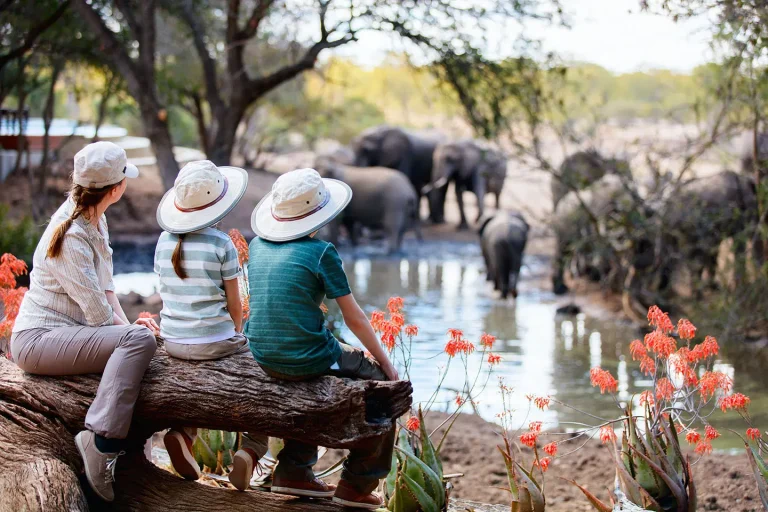
If you want to see lions, elephants, rhinos and the other Big Five animals up close, the best plan is to combine your Kilimanjaro climb with a private Tanzania safari. Northern Tanzania's famous parks are only a short drive or flight from Arusha, so many climbers rest for a night in Arusha after the mountain and then set out on safari. The cards below show four parks that pair perfectly with a Kilimanjaro climb. Foot Slopes Tours and Safaris arranges your climb and safari as one tailor-made private trip, with transfers and accommodation planned carefully around your own dates.
Vast plains, big cats and the Great Migration of wildebeest and zebra.
A huge volcanic caldera with dense wildlife, including black rhino.
Large elephant herds and ancient baobab trees, especially in the dry season.
Giraffes, colobus monkeys and views of Mount Meru, close to Arusha.
Kilimanjaro Wildlife: FAQs
What wild animals will I see climbing Kilimanjaro?
Most climbers see black-and-white colobus monkeys and blue monkeys in the rainforest, white-necked ravens around the high camps and four-striped grass mice near campsites. You may hear bush babies and tree hyraxes at night. Larger animals such as elephants, buffalo and eland live on the lower slopes but are rarely seen from the trails.
Are there dangerous animals on Kilimanjaro?
Dangerous encounters are extremely rare. Elephants and buffalo live in the lower forest but avoid the busy trails, and large predators are very rarely recorded on the mountain. Your guide knows the area well and will keep you safe. The bigger risks on Kilimanjaro come from altitude and weather rather than wildlife.
Will I see the Big Five on Kilimanjaro?
No. Kilimanjaro is a mountain climb, not a safari, and you are very unlikely to see the Big Five. Elephants and buffalo live on the lower slopes but are rarely seen. To see lions, leopards, rhinos, elephants and buffalo, combine your climb with a safari in the Serengeti, Ngorongoro Crater or Tarangire.
Where is the best place to see wildlife on Kilimanjaro?
The montane rainforest between about 1,800 and 2,800 metres is the best zone for wildlife. It is home to colobus and blue monkeys, turacos, hornbills, duikers, chameleons, bush babies and tree hyraxes. You usually walk through it on the first day of your climb and again on the final descent.
Which Kilimanjaro route is best for wildlife?
Quieter routes with long forest sections offer the best wildlife chances. Lemosho and the Northern Circuit start in the remote western forest, where colobus monkeys are common and signs of buffalo or elephant are occasionally seen. Rongai passes through drier northern forest, while Marangu's forest near the gate is good for monkeys and turacos.
Are there monkeys on Kilimanjaro?
Yes. Black-and-white colobus monkeys and blue monkeys are the most commonly seen animals on Kilimanjaro. Both live in the montane rainforest, and you are likely to see or hear them on the first day of most routes. Never feed them, and keep your food sealed when they are near camp.
What animals live at the top of Kilimanjaro?
Very few animals survive in the alpine desert and arctic summit zones. White-necked ravens soar around the high camps, and small rodents and insects live among the rocks. Above about 5,000 metres, wildlife is almost absent because of the cold, thin air and lack of food and water.
Can I see birds on Kilimanjaro?
Yes. Kilimanjaro is rewarding for birdwatchers. In the forest look for Hartlaub's turaco and silvery-cheeked hornbills, on the moorland look for scarlet-tufted malachite sunbirds and augur buzzards, and around the high camps look for white-necked ravens and alpine chats. Bring binoculars and ask your guide to help identify them.
Will animals come into camp on Kilimanjaro?
Some small animals visit camps regularly. White-necked ravens and four-striped grass mice look for food scraps, and blue monkeys sometimes approach forest camps. Keep snacks in sealed bags, zip your tent closed and never feed any animal. Larger animals do not normally come into campsites.
Can I combine Kilimanjaro with a safari?
Yes, and it is the best way to see Tanzania's big wildlife. Many climbers rest for a night in Arusha and then enjoy a private safari in the Serengeti, Ngorongoro Crater, Tarangire or Arusha National Park. Foot Slopes Tours and Safaris arranges your climb and safari as one tailor-made trip.
More Kilimanjaro Guides
Climb Kilimanjaro and See Tanzania’s Wildlife
Tell us your dates and interests, and our Arusha team will plan a private Kilimanjaro climb with an optional safari in the Serengeti, Ngorongoro or Tarangire.
Start Planning