What to Pack for an African Safari
What to Pack for an African Safari
Packing for an African safari is one of the most important steps in planning a successful wildlife adventure in destinations like the Serengeti National Park, Ngorongoro Crater, Tarangire National Park, and other top safari destinations in Tanzania and East Africa. A well-prepared African safari packing list ensures comfort, safety, and convenience throughout your journey. Whether you are going on a luxury safari, budget camping safari, or honeymoon safari, knowing what to pack for an African safari helps you enjoy game drives, nature walks, and cultural experiences without stress. Essential items to pack for an African safari include lightweight clothing, sun protection gear, travel documents, and photography equipment. This guide covers the ultimate safari essentials packing list and what to wear on an African safari, helping you prepare for changing weather conditions, dusty roads, and long game drives while maximizing your unforgettable wildlife experience in Africa.
African Safari Packing List: Clothing Essentials
When preparing your African safari packing list, clothing is the most important factor. The best safari clothing is lightweight, breathable, and neutral-colored, such as khaki, beige, green, and brown, to blend with nature and avoid attracting insects. Pack long-sleeved shirts and trousers to protect against sunburn and mosquitoes, especially in areas like the Serengeti and Ngorongoro Crater. A light jacket or fleece is essential for early morning and evening game drives when temperatures drop. Avoid bright colors and dark navy or black clothing. Quick-dry safari outfits are highly recommended for comfort during dusty and warm conditions. For Tanzania safari tours, layering is key due to changing temperatures. Comfortable cotton safari wear ensures flexibility during wildlife viewing, walking safaris, and lodge stays, making your African safari experience more enjoyable and practical.
African packing footwear for the safari list
Choosing the right footwear is a key part of your African safari packing list. Comfortable, durable walking shoes or lightweight hiking boots are essential for game drives, bush walks, and lodge activities. In destinations like Serengeti National Park and Tarangire National Park, terrain can be dusty, rocky, or uneven, so proper support is important. Closed shoes protect your feet from insects, thorns, and rough ground. Additionally, pack a pair of sandals or flip-flops for relaxing at safari lodges or tented camps. Breathable footwear helps keep your feet cool in warm African climates. Waterproof shoes may also be useful during the rainy season safari experience. Always break in your shoes before traveling to avoid blisters during long safari days. Good safari footwear ensures comfort and safety throughout your wildlife adventure in Tanzania and other African safari destinations.
African Safari Packing Accessories List
Safari accessories are essential for a smooth and enjoyable African safari experience. A wide-brim hat or cap protects you from the strong African sun during game drives in Serengeti and Ngorongoro Crater. Sunglasses with UV protection are also important for eye safety and comfort. A lightweight scarf or buff helps protect against dust on safari roads. A reusable water bottle is crucial to stay hydrated during long safari days. Binoculars are highly recommended for spotting distant wildlife such as lions, elephants, and giraffes. A small day backpack is useful for carrying essentials during game drives and excursions. Sunscreen and insect repellent are must-have safari travel items. These accessories enhance your comfort, safety, and wildlife viewing experience while exploring Tanzania’s top safari destinations and enjoying unforgettable African safari adventures.
African Safari Health and Medications Packing List
Health preparation is a vital part of your African safari packing list. Carry a basic first aid kit with essentials such as pain relievers, antihistamines, antiseptic cream, and motion sickness tablets. In Tanzania, safari destinations like Serengeti and Tarangire, insect repellent with DEET is highly recommended to prevent mosquito bites. Malaria prevention medication may also be advised depending on your travel plan. Pack personal prescription medications in original packaging with a doctor’s note. Hydration salts and diarrhea treatment tablets are useful for travel-related stomach issues. Hand sanitizer and wet wipes help maintain hygiene during game drives and bush stops. Travel insurance covering medical emergencies is essential for peace of mind. Preparing your health kit ensures a safe and worry-free safari experience while exploring Africa’s incredible wildlife and landscapes.
Approach, feed or disturb wildlife, or leave the vehicle unless your guide says it is safe.
Follow your guide, carry travel insurance and check current health and travel advice.
African safari camera and Electronics Packing List
Capturing memories is a key part of any African safari, so camera equipment is essential. A good DSLR or mirrorless camera with a zoom lens helps you photograph wildlife in Serengeti National Park and Ngorongoro Crater. Extra batteries and memory cards are important due to long game drives without charging access. A smartphone with a good camera can also be useful for quick shots. Power banks ensure your devices stay charged throughout the safari. A universal travel adapter is necessary for charging at lodges and camps. Binoculars with camera compatibility enhance wildlife viewing. A protective camera bag is essential to guard against dust and bumps on safari roads. These electronics help you capture stunning moments of the African wilderness, making your Tanzania safari experience unforgettable and well-documented.
Travel Documents & Money African Safari Packing List
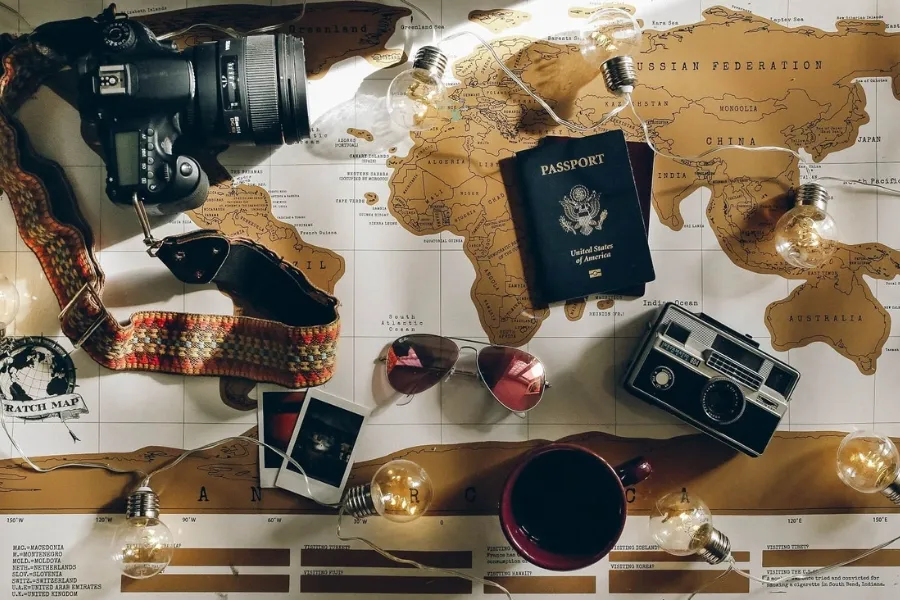
Proper travel documentation is essential for any African safari adventure. Your passport must be valid for at least six months, and a Tanzania visa may be required depending on your nationality. Carry printed and digital copies of travel insurance, flight tickets, and safari bookings. Yellow fever vaccination certificates may be required when entering certain African countries. Credit cards are widely accepted in major lodges, but carrying US dollars or local currency (Tanzanian Shillings) is recommended for tips and small purchases. Keep your documents in a waterproof travel pouch for safety. Emergency contact details and itinerary copies should also be included. Having organized travel documents ensures smooth entry, hassle-free travel, and a stress-free safari experience across Tanzania’s top wildlife destinations like Serengeti and Ngorongoro Crater.
- Accommodation
- Meals
- Park fees
- Vehicle & guide
- Transfers
- International flights
- Visas
- Travel insurance
- Tips
- Premium drinks
Luggage & Packing Bags
Choosing the right luggage is essential for an African safari packing list. Soft-sided duffel bags are highly recommended because they are easier to store in safari vehicles and small aircraft used for fly-in safaris. Hard-shell suitcases are not ideal for bush flights and remote safari camps. Pack light to avoid excess baggage restrictions, especially for internal flights between Serengeti, Arusha, and Zanzibar. A small carry-on backpack is useful for personal items during game drives. Packing cubes help organize clothing and accessories efficiently. Waterproof bags protect items from dust and rain during safari travel. Lightweight luggage improves mobility and convenience during transfers between lodges and camps. Proper safari luggage ensures a smooth travel experience across Tanzania’s diverse safari circuits and remote wilderness areas.
African Safari Seasonal Packing (Dry vs Wet Season)
Understanding seasonal changes is important when planning what to pack for an African safari. During the dry season (June to October), mornings and evenings can be cold, so warm layers like jackets and fleece are necessary, especially in Serengeti and Ngorongoro Crater. Light clothing is suitable for daytime game drives. In the wet season (November to May), pack a lightweight waterproof jacket, quick-dry clothes, and waterproof footwear. Rain showers are often short but frequent, especially in lush safari regions like Lake Manyara. Mosquito protection becomes more important during the wet season due to increased insect activity. Regardless of season, sunscreen and hats are essential year-round. Adapting your African safari packing list to seasonal weather ensures comfort, flexibility, and an enjoyable wildlife experience across Tanzania’s national parks and reserves.
Final Thoughts
Packing correctly for an African safari ensures a smooth, comfortable, and unforgettable wildlife adventure. From the Serengeti plains to the Ngorongoro Crater and Tarangire National Park, every destination requires thoughtful preparation. A well-planned African safari packing list helps you focus on the experience rather than missing essentials. Prioritize lightweight clothing, safari accessories, health items, travel documents, and reliable camera gear. Whether you are traveling on a luxury safari, family safari, honeymoon safari, or budget tour, proper packing enhances your comfort and safety. Africa’s wildlife and landscapes are breathtaking, and being well-prepared allows you to fully enjoy game drives, cultural encounters, and scenic views. With the right safari essentials, your Tanzania safari becomes a once-in-a-lifetime journey filled with unforgettable memories and incredible wildlife encounters.
What to Pack for an African Safari: FAQs
What is the most important thing to pack for an African safari?
The most important items to pack for an African safari are lightweight, neutral-colored clothing, comfortable walking shoes, and essential travel documents. Clothing in shades like khaki, beige, and green helps you blend into the environment while staying cool in destinations such as Serengeti National Park and Ngorongoro Crater. A good pair of binoculars is also highly recommended for wildlife viewing.
Do I need special clothing for an African safari?
Yes, special clothing is recommended for an African safari. The best safari outfits are lightweight, breathable, and neutral-colored to suit the natural environment and avoid attracting insects. Long-sleeved shirts and trousers are ideal for protection against sun, dust, and mosquitoes. Layering is important because early mornings and evenings can be cold, especially in areas like the Serengeti and Ngorongoro Crater. Avoid bright colors and heavy fabrics.
What shoes should I wear on African safari?
For an African safari, comfortable and durable footwear is essential. Lightweight hiking boots or sturdy walking shoes are best for game drives, bush walks, and uneven terrain found in parks like Tarangire and Serengeti. Closed shoes protect your feet from dust, insects, and sharp objects. It’s also recommended to bring sandals or flip-flops for relaxing at safari lodges or camps.
Should I bring electronics on African safari?
Yes, electronics are very useful on an African safari, especially for capturing wildlife moments. A camera with zoom lens is ideal for photographing animals in Serengeti National Park and Ngorongoro Crater. Extra batteries and memory cards are essential since charging opportunities may be limited in remote areas. A smartphone is also helpful for quick photos and communication. Power banks ensure your devices stay charged during long game drives.
Do I need insect repellent and medical supplies on an African Safari?
Yes, insect repellent and basic medical supplies are essential for an African safari. Mosquito repellent containing DEET helps protect against bites, especially in malaria-risk areas like parts of Tanzania. A basic first aid kit should include pain relievers, antihistamines, antiseptic cream, and motion sickness tablets. Personal prescription medications must be carried in original packaging. Hand sanitizer and wet wipes are useful for maintaining hygiene during travel.
What type of luggage is best for African safari travel?
The best luggage for an African safari is a soft-sided duffel bag. These bags are easier to fit into safari vehicles and small aircraft used for fly-in safaris. Hard-shell suitcases are often not suitable due to limited space in bush planes and safari camps. Packing light is important for convenience and flexibility when moving between lodges and national parks. A small backpack is useful for carrying essentials during game drives.
What documents should I carry on African safari?
When going on an African safari, important documents include a valid passport, visa (if required), travel insurance, and flight tickets. Your passport should be valid for at least six months from your travel date. Some destinations may require a yellow fever vaccination certificate. It is advisable to carry both printed and digital copies of all documents for safety.
How should I pack for different African safari seasons?
Packing for an African safari depends on the season. During the dry season (June to October), mornings and evenings can be cold, so warm layers like jackets and fleece are necessary, especially in Serengeti and Ngorongoro. Lightweight clothing is ideal for daytime game drives. During the wet season (November to May), pack a waterproof jacket, quick-dry clothing, and waterproof shoes.
Plan Your Private Tanzania Safari
Tell us your travel dates, interests and budget, and our local team will design a private tailor-made safari around you.