What makes the Ngorongoro Crater worth visiting?
What makes the Ngorongoro Crater worth visiting?
The Ngorongoro Crater is one of Africa’s most extraordinary safari destinations and a highlight of any Tanzania safari. Located within the UNESCO-listed Ngorongoro Conservation Area, this natural wonder attracts travelers seeking Big Five safaris, luxury African safaris, wildlife photography, and unforgettable nature experiences. Often called Africa’s Eden, the crater combines spectacular scenery, abundant wildlife, rich Maasai culture, and exceptional game viewing in a compact area. From black rhinos and large lion prides to flamingo-filled lakes and breathtaking volcanic landscapes, every moment inside the crater offers something remarkable. Whether you are planning a luxury Tanzania safari, honeymoon safari, family safari, or photographic expedition, the Ngorongoro Crater delivers one of the most rewarding wildlife experiences on the African continent and remains among the best safari destinations in the world.
Incredible Animal Density
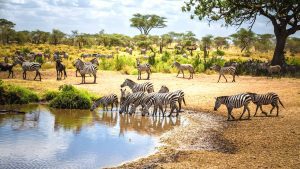
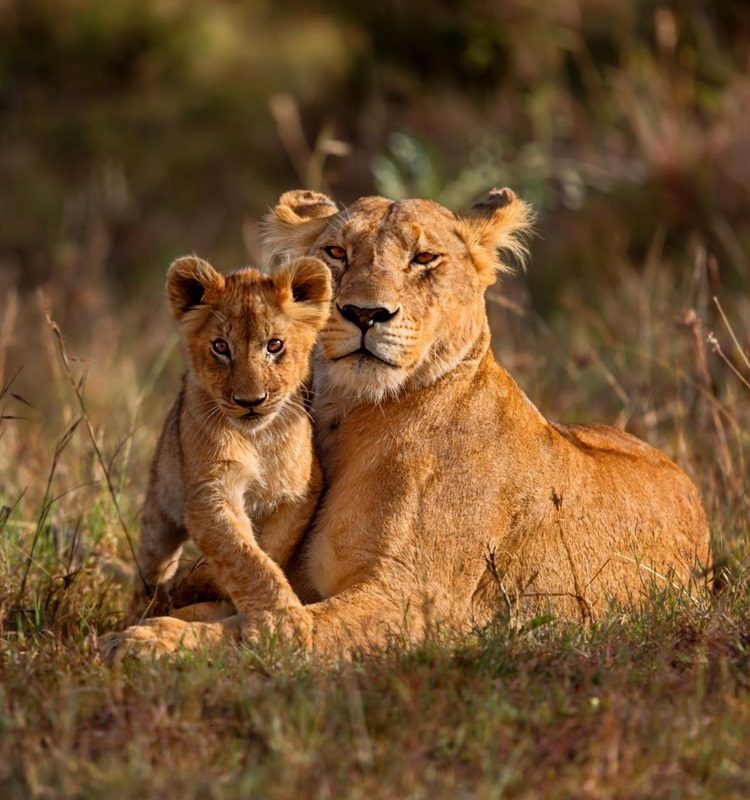
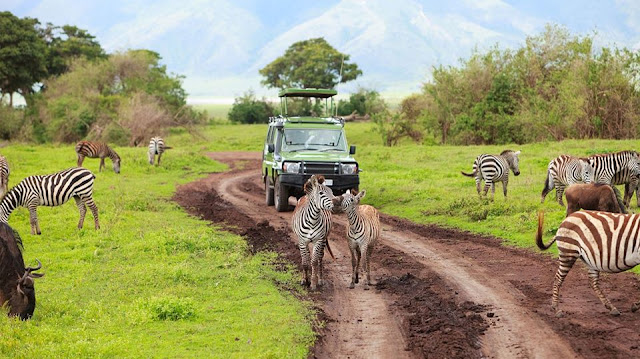
One of the biggest reasons the Ngorongoro Crater is worth visiting is its extraordinary concentration of wildlife. Covering approximately 260 square kilometers, the crater floor supports more than 25,000 large animals year-round. Unlike many safari destinations where wildlife migrates seasonally, animals remain within this natural enclosure, creating exceptional game-viewing opportunities. Visitors can encounter lions, elephants, buffaloes, zebras, wildebeests, hyenas, jackals, hippos, and numerous antelope species during a single game drive. The crater is widely regarded as one of the best places in Tanzania for seeing the Big Five in a single day. Its permanent water sources, fertile grasslands, and favorable climate sustain thriving wildlife populations throughout the year. This remarkable animal density makes every Ngorongoro Crater safari productive and highly rewarding for photographers, wildlife enthusiasts, and first-time visitors alike.
Rare Black Rhino Spotting
What makes the Ngorongoro Crater worth visiting? The Ngorongoro Crater is among the best locations in East Africa to observe the endangered black rhinoceros in its natural habitat. Conservation efforts within the protected area have helped maintain a small but important population of these rare animals. Spotting a black rhino is a dream for many safari travelers, and the crater significantly increases those chances. Experienced guides often track rhinos across the open grasslands where they graze peacefully among zebras and buffaloes. Their presence contributes to the crater’s reputation as a premier Big Five safari destination. Wildlife photographers particularly value the opportunity to capture images of this critically endangered species against the dramatic volcanic backdrop. Seeing a black rhino in Ngorongoro is not only exciting but also a powerful reminder of Tanzania’s successful conservation achievements and commitment to protecting biodiversity.
Breathtaking Topography
The breathtaking landscape of the Ngorongoro Crater is unlike anywhere else in Africa, which is what makes the Ngorongoro Crater worth visiting formed millions of years ago when a giant volcano collapsed inward, the crater features steep forested walls surrounding a vast wildlife-rich floor. Visitors descend from the crater rim through lush montane forests before emerging onto expansive plains, shimmering lakes, swamps, and acacia woodlands. Every turn reveals stunning scenery ideal for photography and sightseeing. The crater rim offers panoramic views that rank among Tanzania’s most spectacular natural attractions. Mist-covered highlands, dramatic escarpments, and golden grasslands create a constantly changing visual masterpiece. Whether viewed from luxury Ngorongoro Crater safari lodges perched on the rim or during a game drive below, the crater’s extraordinary topography leaves visitors amazed. It perfectly combines geological wonder with world-class wildlife experiences in one unforgettable destination.
Maasai Cultural Coexistence
A unique feature of the Ngorongoro Conservation Area is the harmonious coexistence between wildlife and the Maasai people, which makes the Ngorongoro Crater worth visiting. Unlike most national parks, local Maasai communities continue living within the conservation area while maintaining their traditional pastoral lifestyle. Visitors can explore authentic Maasai villages, learn about traditional customs, witness vibrant dances, and gain insights into centuries-old cultural practices. This cultural dimension adds depth to the safari experience beyond wildlife viewing alone. The Maasai’s strong connection to the land has helped preserve many natural habitats throughout the region. Interactions with Maasai communities provide meaningful cultural exchanges and a deeper understanding of Tanzania’s heritage. Combining wildlife encounters with cultural experiences creates a richer and more immersive journey. This rare balance of conservation and human tradition makes Ngorongoro one of Africa’s most distinctive destinations.
- ArushaGateway
- TarangireElephants
- NgorongoroCrater
- SerengetiBig Five
- ZanzibarBeach
Scenic Birdlife
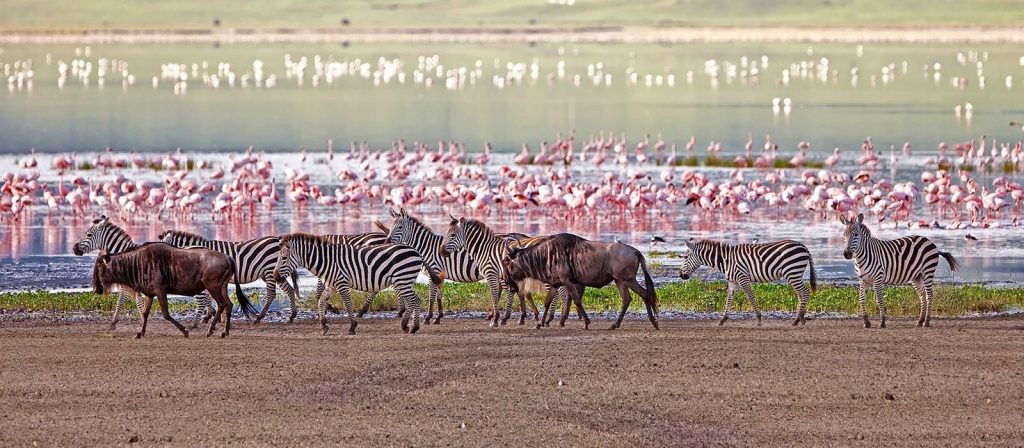
Birdwatchers consider the Ngorongoro Crater a paradise thanks to its impressive diversity of avian species, which makes the Ngorongoro Crater worth visiting. More than 500 bird species have been recorded within the conservation area, making it one of Tanzania’s premier birding destinations. The crater’s lakes, wetlands, forests, and grasslands support an incredible variety of resident and migratory birds. Visitors often see flamingos decorating Lake Magadi with brilliant pink hues, while crowned cranes, ostriches, kori bustards, secretary birds, and numerous raptors roam the surrounding plains. Forested slopes host colorful turacos, sunbirds, and hornbills. Bird photography opportunities are exceptional throughout the year. Even travelers primarily focused on mammals are often captivated by the abundance and beauty of the birdlife. The diverse habitats within the crater create ideal conditions for unforgettable birdwatching experiences during every safari.
It Is the World's Largest Unbroken Volcanic Caldera
The Ngorongoro Crater holds the distinction of being the world’s largest intact and unfilled volcanic caldera, which makes the Ngorongoro Crater worth visiting. Measuring approximately 19 kilometers across and covering around 260 square kilometers, this geological marvel was formed when a massive volcano collapsed after a powerful eruption millions of years ago. Unlike many calderas worldwide that have eroded or filled with water, Ngorongoro remains remarkably preserved. Its immense size and intact structure create a unique natural enclosure that supports abundant wildlife and diverse ecosystems. Scientists, geologists, and nature enthusiasts visit from around the world to study and admire this extraordinary formation. The crater’s geological significance is one reason it earned UNESCO World Heritage status. Standing on the rim and gazing across this immense volcanic basin is an awe-inspiring experience unlike any other.
Functioning as a Natural "Garden of Eden"
Many travelers describe the Ngorongoro Crater as a natural Garden of Eden because it contains everything needed for wildlife to flourish. Permanent water sources, fertile volcanic soils, rich grasslands, forests, and wetlands support a thriving ecosystem throughout the year. Predators and prey coexist in remarkable numbers, creating one of Africa’s most balanced natural environments. Lions hunt across open plains while elephants roam forests and hippos cool themselves in freshwater pools. The crater’s enclosed geography helps sustain wildlife populations and provides excellent game-viewing conditions. Visitors often experience an incredible variety of animals within a single day. This self-contained ecosystem offers a rare glimpse into nature functioning at its finest. The abundance of life and scenic beauty combine to create a destination that truly deserves its Garden of Eden reputation.
Final Thought
Ngorongoro Crater stands among the greatest natural wonders and premier safari destinations in the world. Its unique geological history, incredible concentration of wildlife, stunning scenery, and rich cultural heritage create an experience unlike any other in Africa. Whether you are seeking a luxury Tanzania safari, a family adventure, a photographic expedition, or a Big Five wildlife tour, the crater consistently exceeds expectations. From the dramatic crater rim to the wildlife-filled floor, every moment offers discovery and inspiration. Combined with nearby attractions such as Serengeti National Park and Olduvai Gorge, Ngorongoro forms the heart of Tanzania’s famous Northern Safari Circuit. For many travelers, a visit to Ngorongoro Crater becomes the highlight of their African safari journey.
The Pros and Cons of Visiting the Ngorongoro Crater
The Ngorongoro Crater is one of the most sought-after Tanzania safari destinations, offering exceptional wildlife viewing, breathtaking landscapes, and a high chance of spotting the Big Five in a single day. As a UNESCO World Heritage Site, it combines conservation, culture, and natural beauty. Visitors enjoy year-round game drives, excellent photography opportunities, and luxurious safari lodges. The crater floor hosts lions, elephants, rhinos, buffaloes, zebras, and thousands of wildebeest. However, the popularity of the crater can lead to busy game-viewing areas during peak seasons. Conservation fees are also higher than many other African safari parks. Despite these factors, the extraordinary concentration of wildlife and dramatic scenery make Ngorongoro Crater one of Africa’s most rewarding safari experiences.
What is so special about the Ngorongoro Crater
The Ngorongoro Crater is special because it is the world’s largest intact volcanic caldera and one of the best wildlife destinations in Africa. Formed millions of years ago, this natural wonder covers a vast area filled with grasslands, forests, wetlands, and lakes that support diverse wildlife. The crater offers one of the highest densities of animals in Tanzania, including the endangered black rhino. Unlike many safari destinations, animals remain in the crater throughout the year, ensuring outstanding game viewing in every season. Visitors can witness lions hunting, elephants roaming, hippos wallowing, and flamingos gathering around soda lakes. Combined with stunning scenery and rich Maasai cultural heritage, the crater delivers an unforgettable African safari adventure.
Why is there no giraffe in the Ngorongoro Crater
Many visitors wonder why giraffes are rarely seen inside the Ngorongoro Crater despite being common throughout Tanzania. Wildlife experts believe the crater’s steep walls create a natural barrier that discourages giraffes from entering and settling permanently. Giraffes prefer open woodlands and acacia-rich habitats where they can browse leaves from tall trees. The crater floor contains limited suitable browsing vegetation compared to surrounding areas. Additionally, the descent into the crater may be challenging for giraffes due to their unique body structure and long legs. While giraffes are frequently spotted on the crater rim and nearby conservation areas, they are generally absent from the crater floor. This unusual ecological feature makes Ngorongoro even more fascinating for wildlife enthusiasts.
What are 5 Interesting Facts About the Serengeti National Park
Serengeti National Park is one of Africa’s most famous safari destinations and complements a Ngorongoro safari perfectly. First, it hosts the Great Wildebeest Migration, the largest land-animal migration on Earth. Second, the park covers approximately 14,750 square kilometers of spectacular savannah and woodland habitats. Third, it supports one of the highest populations of lions in Africa. Fourth, Serengeti is a UNESCO World Heritage Site recognized for its ecological importance and biodiversity. Fifth, the park offers incredible year-round wildlife viewing, including cheetahs, leopards, elephants, giraffes, and countless bird species. Together with Ngorongoro Crater, Serengeti creates one of the most iconic safari circuits in the world, attracting travelers from every continent.
Ngorongoro Crater Facts
Ngorongoro Crater is among the most remarkable natural attractions in Africa. The crater formed approximately two to three million years ago after a giant volcano collapsed inward. It spans about 260 square kilometers and reaches depths of around 600 meters. The crater supports over 25,000 large mammals, making it one of the most densely populated wildlife areas on the continent. It is part of the larger Ngorongoro Conservation Area, where wildlife and Maasai communities coexist. The crater is one of the few places in Tanzania where visitors can potentially see the Big Five in a single day. Its diverse habitats include grasslands, swamps, forests, and alkaline lakes, creating exceptional biodiversity and unforgettable safari experiences.
Ngorongoro Crater Safari Cost
The cost of a Ngorongoro Crater safari varies depending on travel style, accommodation level, and itinerary length. Budget Ngorongoro Crater safaris generally range from $250 to $450 per person per day, while mid-range Ngorongoro Crater safaris often cost between $450 and $900. Luxury Tanzania safaris can exceed $1,000 per person daily, especially when staying at exclusive lodges overlooking the crater rim. Ngorongoro Crater safari prices typically include park fees, crater service fees, accommodation, meals, transportation, and professional safari guides. Additional costs may include international flights, travel insurance, and optional activities. Although Ngorongoro is among Tanzania’s more expensive safari destinations, the extraordinary wildlife density, breathtaking scenery, and opportunity to see rare species provide outstanding value for an unforgettable African safari adventure.
Ngorongoro Crater Map
A Ngorongoro Crater map reveals the remarkable geography and wildlife-rich regions within this natural wonder. The crater lies within the Ngorongoro Conservation Area between Arusha and Serengeti National Park. Key landmarks include Lake Magadi, Gorigor Swamp, Lerai Forest, Ngoitokitok Springs, and extensive grassland plains. The crater rim rises dramatically above the floor, providing panoramic viewpoints and luxury safari lodges. Access roads descend from the rim to the crater floor, where visitors explore diverse habitats supporting abundant wildlife. A detailed map helps travelers understand animal movement patterns, game-viewing hotspots, and important ecological zones. It also highlights nearby attractions, including Olduvai Gorge and Maasai cultural villages, enriching the overall Tanzania safari experience.
How Was Ngorongoro Crater Formed
Ngorongoro Crater was formed when a massive volcanic mountain, believed to have been taller than Mount Kilimanjaro, erupted and collapsed approximately two to three million years ago. Instead of creating a volcanic cone, the eruption emptied the magma chamber beneath the mountain, causing the summit to sink inward and form a giant caldera. Over time, rainfall, vegetation growth, and natural ecological processes transformed the crater into a thriving wildlife habitat. Today, the crater contains grasslands, forests, freshwater springs, swamps, and alkaline lakes that support thousands of animals. This extraordinary geological history has created one of the most spectacular safari destinations in Africa, attracting nature lovers, photographers, and wildlife enthusiasts from around the world.
Ngorongoro Crater National Park
Although many travelers refer to it as Ngorongoro Crater National Park, the crater is actually located within the Ngorongoro Conservation Area, a protected region in northern Tanzania. This conservation area balances wildlife protection with the traditional lifestyle of the Maasai people. The crater itself serves as the centerpiece, drawing visitors with its abundant wildlife and dramatic landscapes. The area is home to lions, elephants, buffaloes, leopards, black rhinos, hyenas, hippos, and numerous bird species. Its proximity to Serengeti National Park makes it a key stop on Tanzania’s Northern Safari Circuit. Rich biodiversity, cultural heritage, and geological significance have earned the conservation area international recognition as a UNESCO World Heritage Site.
Ngorongoro Crater Size
The Ngorongoro Crater is the world’s largest intact and unfilled volcanic caldera. It measures approximately 19 kilometers across and covers about 260 square kilometers. The crater walls rise around 600 meters above the floor, creating a natural enclosure that supports a rich concentration of wildlife. This unique size and structure help maintain a self-contained ecosystem where animals can thrive year-round. The crater floor contains diverse habitats, including grasslands, forests, wetlands, and soda lakes. These ecosystems support more than 25,000 large animals and countless bird species. The combination of impressive dimensions, extraordinary biodiversity, and breathtaking scenery makes Ngorongoro one of the most iconic safari destinations and natural wonders in Africa.
Ngorongoro Crater Accommodation
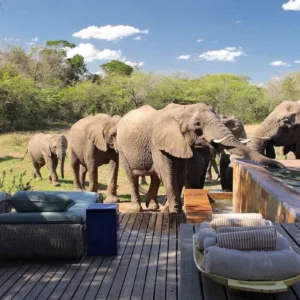
Ngorongoro Crater accommodation ranges from budget camps to ultra-luxury safari lodges, catering to every traveler’s preference. Luxury properties on the crater rim offer spectacular panoramic views, world-class service, gourmet dining, and elegant suites. Mid-range Ngorongoro Crater lodges offer comfortable amenities and excellent access to wildlife viewing. Budget-friendly Ngorongoro Crater camps and tented accommodations allow travelers to experience the beauty of the conservation area at a lower cost. Popular Ngorongoro Crater accommodation options often feature guided nature walks, cultural experiences, and easy access to crater game drives. Staying near the crater maximizes safari time and allows visitors to enjoy sunrise and sunset views over one of Africa’s most magnificent landscapes. Early booking of the Ngorongoro Crater safari is recommended during peak safari seasons.
What makes the Ngorongoro Crater worth visiting?: FAQs
What is the best time to go on safari in Tanzania?
The dry season from June to October is the most popular time, with excellent wildlife viewing as animals gather near water. January and February are ideal for the Serengeti calving season, while the green season from March to May brings lush scenery, fewer visitors and lower prices. Tanzania offers rewarding safaris all year, so plan around the experiences you value most.
How many days should a Tanzania safari be?
Most first-time visitors spend five to seven days on safari, enough to explore Tarangire, the Ngorongoro Crater and the Serengeti without rushing. Eight to ten days allows more time in the Serengeti or a visit to Lake Manyara, while adding three to five days in Zanzibar creates a relaxing bush-and-beach holiday.
Is a private safari better than a shared safari?
A private safari gives you your own vehicle and guide, flexible game-drive times and the freedom to stay as long as you like at sightings. It is ideal for families, couples and photographers. Shared safaris can cost less, but schedules are fixed and you travel with other guests. For comfort and flexibility, a private tailor-made safari is usually the best choice.
Can I see the Big Five in Tanzania?
Yes, Tanzania is one of the best countries to see the Big Five: lion, leopard, elephant, buffalo and rhino. The Ngorongoro Crater offers a strong chance of seeing all five in a single day, including the rare black rhino, while the Serengeti is famous for big cats and Tarangire for large elephant herds. Sightings are never guaranteed.
Is Tanzania safe for a safari?
Tanzania is generally regarded as one of Africa’s safest safari destinations when you travel with a reputable operator. Follow your guide’s instructions, stay in the vehicle during game drives and never approach wildlife. Keep valuables secure in towns, check current travel advice before departure and carry comprehensive travel insurance for peace of mind.
Can I combine a safari with Zanzibar?
Yes, a Tanzania safari followed by Zanzibar is one of Africa’s most popular holidays. After game drives in the Serengeti, Ngorongoro or Tarangire, a short flight takes you to Zanzibar for white-sand beaches, snorkelling, dhow cruises, spice tours and historic Stone Town. Plan three to five nights on the island to relax after your safari.
How much does a Tanzania safari cost?
Safari costs depend on the season, accommodation level, safari length, park fees and whether you travel privately. Budget camping safaris cost the least, while mid-range lodges and luxury tented camps cost more but add comfort and personal service. Request a detailed quotation listing inclusions and exclusions so you can compare value rather than headline prices.
What is the Great Migration?
The Great Migration is the year-round movement of more than a million wildebeest, with zebras and gazelles, around the Serengeti ecosystem in search of fresh grazing. Calving takes place in the southern Serengeti from January to March, the herds move west around June and July, and dramatic Mara River crossings occur in the north from about August to October.
Plan Your Private Tanzania Safari
Tell us your travel dates, interests and budget, and our local team will design a private tailor-made safari around you.