What are the Big 5 Animals on a Tanzania Safari?
The Big Five Animals on a Tanzania Safari at a Glance
The Big Five animals on a Tanzania safari are the African lion, African leopard, African elephant, Cape buffalo and rhinoceros. These iconic African big 5 safari animals are among the most sought-after wildlife species in Africa. Tanzania is one of the best destinations for a Big Five safari, with exceptional wildlife viewing in the Serengeti National Park, Ngorongoro Crater, Tarangire National Park, and other protected areas. Although the name originally referred to animals considered dangerous and challenging to hunt on foot, today the Big Five represent African wildlife, safari tourism, conservation, and unforgettable game-viewing experiences.
African Lion
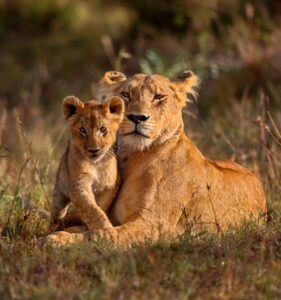
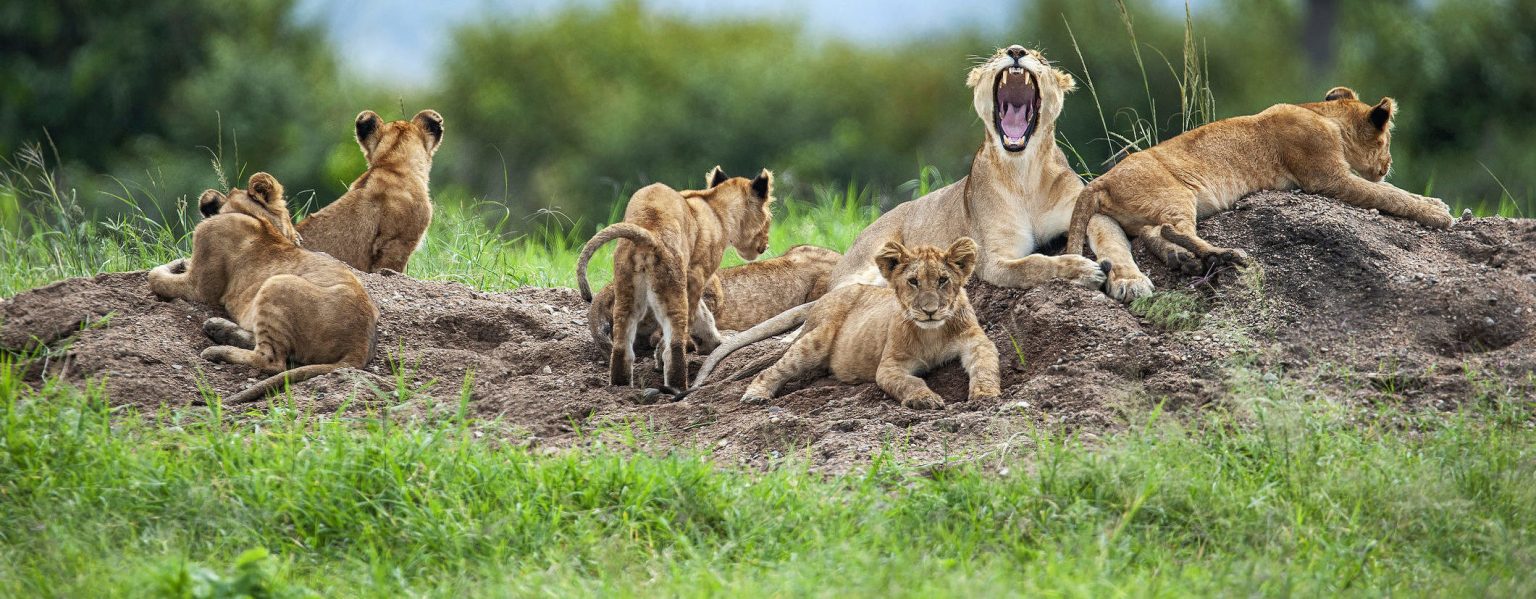
The African lion is one of Tanzania’s most iconic Big Five animals and a highlight of any Tanzania wildlife safari. Lions are social predators that usually live in prides consisting of females, cubs, and related individuals, with males protecting territories. Tanzania’s Serengeti is particularly famous for its large lion population and spectacular predator encounters. Lions can often be observed resting under trees, stalking prey, or interacting with their pride. Early-morning and late-afternoon game drives provide excellent opportunities to observe lion behaviour while exploring Tanzania’s spectacular savannah landscapes and abundant wildlife.
African Leopard
The African leopard is perhaps the most elusive member of Tanzania’s Big Five. This powerful, solitary predator is famous for its beautiful spotted coat, stealth, climbing ability, and exceptional camouflage. Leopards frequently rest in trees, where they may protect their prey from competing predators and scavengers. The Serengeti National Park offers excellent opportunities to search for leopards, although sightings require patience and an experienced safari guide. Because leopards are secretive and often active during low-light periods, finding one can become one of the most exciting and memorable moments of a Tanzania safari.
- Up in trees
- Riverine woodland and rocky outcrops
- The Serengeti’s wooded areas
- Early morning
- Late afternoon and dusk
- With a patient, experienced guide
African Elephant
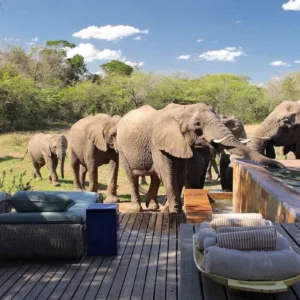
The African elephant is the largest land animal and one of the most impressive sights on a Tanzania safari. Elephants are highly intelligent, social mammals that typically live in family groups led by experienced females. Tanzania is famous for exceptional elephant viewing, particularly in Tarangire National Park, Serengeti, and other wildlife areas. Visitors can observe elephants feeding, drinking, bathing, communicating and caring for their young. Their enormous size, distinctive trunks and impressive tusks make them a favourite among safari photographers. Responsible wildlife viewing helps protect elephant habitats and supports long-term African elephant conservation.
Cape Buffalo
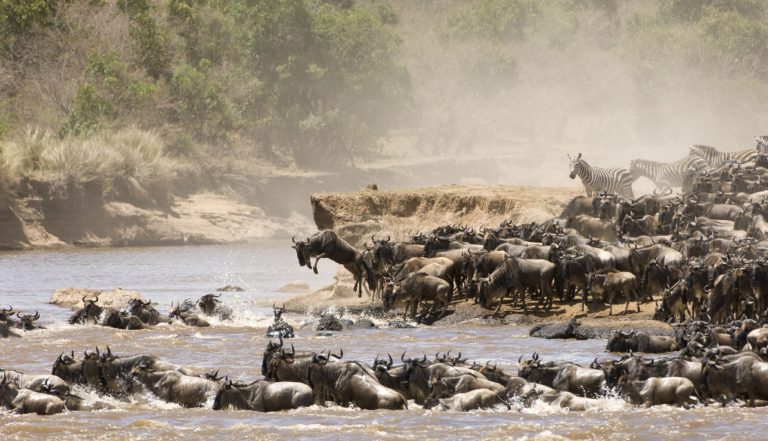
The Cape buffalo is a powerful and formidable member of Tanzania’s Big Five. These large herbivores commonly live in herds ranging from small groups to hundreds of individuals. Their characteristic curved horns, muscular bodies, and unpredictable defensive behaviour have contributed to their historical reputation as one of Africa’s most dangerous animals. Buffalo can be encountered across Tanzania’s grasslands, woodlands and wetlands, including the Serengeti and Ngorongoro ecosystems. During a guided game drive, visitors may see buffalo grazing, resting near water or moving in enormous herds—providing spectacular wildlife photography opportunities and fascinating insights into African animal behaviour.
- Cape buffalo can live in herds of hundreds.
- Buffalo never defend their herd members.
- Buffalo are found in grasslands, woodlands and wetlands.
Rhinoceros
The rhinoceros is one of the rarest and most difficult Big Five animals to encounter on a Tanzania safari. The black rhinoceros is the species most associated with Tanzania’s northern safari areas, particularly the Ngorongoro Conservation Area. Rhinos are powerful herbivores recognised by their thick skin, horns and distinctive body shape. Their threatened status makes every sighting especially meaningful and highlights the importance of wildlife conservation. Because rhino populations are carefully protected, sightings are never guaranteed. Visiting protected areas with experienced guides offers travellers an opportunity to appreciate these remarkable animals while supporting responsible conservation-based tourism.
What Are the Big Five Animals in Tanzania?
The Big Five in Tanzania are the lion, leopard, African elephant, Cape buffalo and rhinoceros. These iconic African safari animals are highly sought after by wildlife travellers and photographers. Lions are famous for their social prides and powerful hunting abilities; leopards are elusive, solitary predators; elephants are intelligent giants; Cape buffalo are strong, unpredictable herd animals; and rhinos are powerful, endangered herbivores. Tanzania provides excellent opportunities to see the Big Five during guided game drives, especially in the Serengeti, Ngorongoro Crater, and other northern and southern safari destinations. Seeing all five is a memorable highlight of an African safari.
The Big Five Animals of Tanzania at a Glance
African Lion: Powerful social predator often seen resting or hunting in prides. African Leopard: Elusive spotted cat, frequently found alone and sometimes resting in trees. African Elephant: Tanzania’s largest land mammal, recognised for its intelligence, family groups and impressive tusks. Cape Buffalo: Massive herd-forming herbivore known for strength and defensive behaviour. Rhinoceros: Rare, heavily built herbivore threatened by habitat loss and historical poaching. Together, these animals form Tanzania’s famous Big Five safari wildlife, attracting visitors seeking exceptional wildlife photography, game viewing and authentic African safari experiences.
| Animal | Top place in Tanzania | How easy to see |
|---|---|---|
| Lion | Serengeti | Often seen |
| Leopard | Serengeti | Challenging |
| Elephant | Tarangire | Common |
| Cape buffalo | Ngorongoro, Tarangire | Common |
| Rhinoceros | Ngorongoro Crater | Rare |
Why Are the Big Five Important on a Tanzania Safari?
The Big Five are important because they represent some of Africa’s most iconic wildlife and contribute significantly to Tanzania’s safari appeal and conservation economy. Tourists travel from around the world hoping to see lions, leopards, elephants, buffalo and rhinos in their natural environment. However, the Big Five are not necessarily Tanzania’s five largest animals. The term originated from dangerous animals considered challenging to hunt on foot. Today, it has a completely different conservation and tourism meaning, encouraging responsible wildlife viewing and supporting protected areas, local communities, guides and conservation programmes.
Best Places to See Tanzania’s Big Five
Tanzania has several outstanding destinations for Big Five wildlife safaris. The Ngorongoro Crater is particularly famous for excellent year-round wildlife concentrations and opportunities to see lions, elephants, buffalo and, with luck, rhinos. Serengeti National Park is renowned for lions, leopards, elephants and buffalo, as well as the Great Migration. Tarangire National Park is exceptional for elephants and large herds of buffalo. Nyerere National Park and other southern destinations also provide rewarding wildlife experiences. Because animals move naturally, sightings can never be guaranteed, making every Tanzania safari unique and exciting.
How to See All Big Five on a Tanzania Safari
Seeing all five Big Five animals on one Tanzania safari requires good planning, enough safari days, suitable destinations, and experienced guides. Combining the Serengeti and Ngorongoro Crater offers particularly strong wildlife opportunities, while adding Tarangire can enhance elephant and buffalo sightings. Rhinos are among the most difficult Big Five animals to find, so visiting areas known for rhino conservation can improve your chances. Early-morning and late-afternoon game drives are often productive because many animals are more active during cooler periods. Patience, careful observation, and realistic expectations are essential for a successful Big Five safari.
- ArushaStart your safari
- TarangireElephants and buffalo
- Ngorongoro CraterBest chance of rhinos
- SerengetiLions, leopards and the migration
What You Should Know About Big Five Safari Animals
The Big Five safari animals are not simply the five largest animals in Africa. The name historically referred to five animals considered particularly dangerous and challenging to hunt on foot: lion, leopard, elephant, Cape buffalo and rhinoceros. Today, the phrase is primarily a wildlife-tourism term. On a Tanzania safari, seeing these species provides opportunities to understand predator behaviour, herd dynamics, conservation, and African ecosystems. Each species occupies a different ecological niche, from apex predators to enormous herbivores. Responsible safari tourism allows visitors to appreciate these animals without disturbing their natural behaviour or habitat.
Characteristics of the Big Five Animals
Each Big Five animal has distinctive physical and behavioural characteristics. Lions live socially in prides and cooperate during hunts. Leopards are solitary, stealthy predators with exceptional climbing ability. Elephants are intelligent, social mammals with strong family bonds and excellent memories. Cape buffalo live in herds and possess powerful horns and formidable defensive instincts. Rhinos are large herbivores with thick skin, horns, and remarkable strength. Understanding these characteristics makes wildlife viewing more meaningful. On a Tanzania safari, observing natural behaviour rather than simply collecting sightings provides a deeper appreciation of African wildlife.
Dangerous Animals in Tanzania
Tanzania contains several potentially dangerous wild animals, including lions, leopards, elephants, Cape buffalo, hippos and crocodiles. The Big Five historically gained their name partly because of the danger they posed to hunters. However, wild animals generally avoid unnecessary human contact. Safari visitors should never approach, feed, or provoke wildlife and should always follow their professional guide’s instructions. Animals can become unpredictable when threatened, surprised, or protecting young. Staying inside the safari vehicle when instructed, maintaining a safe distance and respecting wildlife regulations are essential for a safe and responsible Tanzania safari experience.
- Follow your guide’s instructions
- Stay in the vehicle when told
- Keep a safe distance
- Approach or feed wildlife
- Provoke or surprise animals
- Get between a mother and her young
Guide to the Big Five Animals of Africa
Africa’s Big Five are the lion, leopard, elephant, Cape buffalo and rhinoceros. These species occur in different combinations across several African countries, although their ranges and habitats vary. Lions are widespread across suitable grassland and woodland habitats; leopards are highly adaptable; elephants occupy diverse ecosystems; buffalo favour water-rich grasslands and woodlands; and rhinos are more locally distributed because of conservation pressures. Tanzania is among the best African safari destinations for encountering these species. A professional safari guide can help identify tracks, calls, behaviour and habitats, turning a simple wildlife sighting into an educational safari experience.
Big 5 Animals in Africa: What They Are & Where to See Them
The African Big Five consist of lions, leopards, elephants, Cape buffalo and rhinoceroses. Excellent destinations include Tanzania’s Serengeti and Ngorongoro, Kenya’s Maasai Mara, South Africa’s Kruger National Park, Botswana’s Chobe and Okavango regions, Zambia’s South Luangwa and Zimbabwe’s Hwange. Tanzania is especially attractive for travellers seeking a classic Big Five safari, thanks to its large protected areas, diverse habitats and abundant wildlife. The best destination depends on the species you most want to see, travel season, budget, safari style and whether you want to combine wildlife viewing with experiences such as the Great Migration.
Finding the Big Five: Africa's Most Sought-After Animals
Finding the Big Five is one of the most exciting goals of an African safari. Lions may be relatively easier to locate in areas with abundant prey, while leopards often require patience because they are masters of camouflage. Elephants and buffalo can occur in large herds, making them spectacular to watch. Rhinos are generally more challenging because of their rarity and conservation status. Experienced safari guides use tracks, animal calls, fresh dung, habitat knowledge, and information from other guides to locate wildlife. Even with expert guiding, sightings remain unpredictable because animals are free-ranging and constantly moving.
All You Need to Know About the Little Five and Big Five of Tanzania
Tanzania’s Big Five are lion, leopard, elephant, buffalo and rhinoceros. The Little Five are smaller creatures whose names correspond creatively to Big Five species: the elephant shrew, buffalo weaver, rhinoceros beetle, leopard tortoise and antlion. The Little Five demonstrate that safari wildlife is not only about large mammals. Searching for these fascinating smaller species encourages visitors to observe insects, birds, reptiles and tiny mammals more carefully. A knowledgeable Tanzania safari guide can help identify both the Big Five and Little Five, creating a richer and more educational African wildlife experience beyond traditional game viewing.
Where Can You See the Big Five in Tanzania?
The best-known places to see the Big Five in Tanzania include Serengeti National Park, Ngorongoro Conservation Area, Tarangire National Park, and Nyerere National Park. The Serengeti offers outstanding predator viewing and large wildlife populations. Ngorongoro Crater is renowned for its dense concentration of animals and opportunities to spot endangered rhinos. Tarangire is particularly famous for elephants and large buffalo herds. Nyerere provides a different southern Tanzania safari environment with elephants, buffalo, lions, and other wildlife. Sightings vary according to season, habitat, weather and animal movements, so no reputable safari operator can guarantee every species.
Top Safari Activities Beyond Game Drives
Although game drives are the classic way to experience Tanzania’s Big Five, safari adventures extend beyond vehicle-based wildlife viewing. Depending on the destination, travellers can enjoy walking safaris, hot-air balloon safaris, cultural tours, birdwatching, photography safaris, conservation experiences and boat safaris. Walking allows visitors to focus on tracks, plants, insects and smaller wildlife, while balloon flights provide spectacular aerial views of landscapes and migrating animals. Cultural experiences can introduce travellers to local traditions and communities. Combining several activities creates a more complete Tanzania safari holiday rather than focusing exclusively on finding the Big Five.
Fun Facts About Africa's Big Five
Elephants communicate using sounds and vibrations that can travel considerable distances. Leopards are powerful enough to carry prey into trees, helping protect their meals from competitors. Lions are the only Big Five species that regularly live in large social groups. Cape buffalo can form enormous herds and are exceptionally powerful animals. Rhinoceroses have poor eyesight but possess strong senses of smell and hearing. Interestingly, the Big Five are not necessarily Africa’s five largest land mammals. Their importance comes from their historical reputation and modern status as iconic safari wildlife.
What Are Some Interesting and Unusual Facts About the Big Five Animals?
The Big Five display remarkable adaptations. Lions can rest for many hours between periods of activity, while leopards are exceptional climbers and highly secretive hunters. Elephants use their trunks for breathing, smelling, drinking, feeding, and communication. Cape buffalo have powerful horns and strong herd defence strategies. Rhinos rely heavily on smell and hearing because their eyesight is relatively weak. Another unusual fact is that the term Big Five originated from hunting terminology rather than zoological classification. Today, it has been transformed into a conservation and tourism symbol representing Africa’s extraordinary wildlife heritage.
The Big Five, Small Five, Special Five, and Big Seven
Beyond the Big Five, safari enthusiasts sometimes use terms such as Little Five, Special Five and Big Seven. The Little Five include the elephant shrew, buffalo weaver, rhinoceros beetle, leopard tortoise and antlion. The Big Seven is a tourism concept that commonly adds the cheetah and African wild dog to the Big Five, although definitions can vary. “Special Five” is also used differently by safari destinations and operators, so it does not have one universally accepted scientific list. These concepts encourage travellers to appreciate Africa’s wider biodiversity beyond the famous Big Five.
Shy Animals, Ugly Animals & Small Animals in Africa vs Big Five
A Tanzania safari is about far more than the Big Five. Shy species such as aardwolves, servals, genets and some antelopes can provide unforgettable sightings precisely because they are difficult to find. Animals sometimes labelled “ugly,” such as warthogs or vultures, play vital ecological roles. Small creatures including dung beetles, chameleons, lizards and insects are equally important to healthy ecosystems. The Big Five attract attention because of their size, power and iconic status, but Africa’s wildlife diversity is much broader. A good safari guide helps visitors discover fascinating species of every size and appearance.
Crazy Animal Facts You'll Find Hard to Believe
Africa’s wildlife offers extraordinary facts. An elephant’s trunk contains thousands of muscles and performs numerous tasks. Leopards can drag surprisingly heavy prey into trees. Lions have specialised teeth and powerful jaws designed for consuming meat. Cape buffalo can defend herd members aggressively when threatened. Rhinos may appear slow but can run surprisingly fast over short distances. Some elephant communication occurs at frequencies humans cannot easily hear. These remarkable adaptations show why Tanzania’s wildlife is so fascinating. A Big Five safari is not simply about photographing animals—it is an opportunity to witness millions of years of evolutionary adaptation.
How the “Big 5” Got Their Name and What They Represent Today
The term “Big Five” originated during Africa’s colonial-era big-game hunting history and referred to five animals considered especially difficult and dangerous to hunt on foot: lion, leopard, elephant, Cape buffalo, and rhinoceros. Today, the phrase has been transformed. Modern safari tourism uses the Big Five to represent some of Africa’s most iconic wildlife species. The emphasis is now on wildlife conservation, responsible tourism, photography and observation, rather than hunting. Tanzania’s protected areas benefit from tourism revenue that helps support conservation, park management, local communities and the long-term protection of threatened wildlife.
Little-Known Facts About Africa's 'Big Five' Animals
The Big Five have fascinating traits that many visitors overlook. Leopards are highly adaptable and can survive in varied habitats. Elephants have complex social structures and communicate through vocalisations and body language. Buffalo herds can display remarkable collective defensive behaviour. Lions may cooperate strategically when hunting and raising cubs. Rhinos use scent marking to communicate information about territory and individuals. Another important fact is that not every Big Five species is equally easy to see. Leopards and rhinos are often particularly challenging, demonstrating why a skilled guide, patience, and multiple safari days can greatly improve wildlife-viewing opportunities.
Uncovering the Secrets of the Big 5 Animals
Understanding the Big Five requires looking beyond photographs. Lions reveal complex social relationships within prides; leopards demonstrate extraordinary stealth and adaptability; elephants show sophisticated communication and family bonds; buffalo demonstrate collective defence; and rhinos highlight the importance of endangered-species conservation. Their behaviours are shaped by habitat, food availability, predators, competition and seasonal changes. On a Tanzania wildlife safari, experienced guides interpret these clues and explain what animals are doing and why. This transforms a Big Five game drive into a fascinating lesson about African ecosystems, animal behaviour, conservation and survival.
Big Five Safari Questions Answered
Detailed answers to the questions travellers ask most when planning a Big Five safari in Tanzania.
What Are the Big Five, the Largest Animals in Tanzania?
The Big Five are not Tanzania’s five largest animals. They are the lion, leopard, elephant, Cape buffalo and rhinoceros, a group defined historically by hunting difficulty rather than body size. The African elephant is the largest land animal among them and Tanzania’s largest terrestrial mammal. Other enormous animals, including giraffes and hippopotamuses, are not members of the Big Five. Therefore, the question “What are the largest animals in Tanzania?” is different from “What are the Big Five?” Understanding this distinction helps travellers appreciate the Big Five as a cultural and safari-tourism concept.
Which of the Big Five Is Hardest to See?
The rhinoceros is often considered one of the hardest Big Five animals to see in Tanzania, largely because populations are much smaller and more carefully protected than many other safari species. Leopards can also be challenging because of their solitary, secretive behaviour and camouflage. Ngorongoro Conservation Area is particularly well known for opportunities to search for black rhinos. Sightings are never guaranteed, however. Wildlife is free-ranging, and conditions change daily. Travelling with an experienced guide, spending several days on safari and visiting productive habitats can significantly increase your chances of encountering elusive Big Five species.
The Ultimate Complete Guide to the Big Five in Tanzania
The Big Five in Tanzania—lion, leopard, elephant, Cape buffalo and rhinoceros—are among Africa’s most iconic safari animals. For outstanding wildlife viewing, consider combining the Serengeti, Ngorongoro Crater and Tarangire, depending on your interests and itinerary. Serengeti is renowned for predators and the Great Migration, Ngorongoro for concentrated wildlife and rhinos, while Tarangire is exceptional for elephants. Choose the best travel season, allow enough safari days, use an experienced local guide, and remain patient during game drives. Remember that responsible wildlife tourism prioritises animal welfare, conservation and respectful observation over simply collecting sightings.
Why Is the Hippo Not in the Big Five?
The hippopotamus is not one of Africa’s Big Five because the term was created by big-game hunters to describe five animals considered particularly difficult and dangerous to hunt on foot: lion, leopard, elephant, Cape buffalo and rhinoceros. Although hippos are among Africa’s largest, strongest and potentially most dangerous animals, they were not included in this historical classification. Today, the Big Five is primarily a safari-tourism and wildlife-conservation term. Hippos remain an essential Tanzania safari species and are commonly seen in rivers, lakes and waterholes, particularly in Serengeti, Ngorongoro, Tarangire and Nyerere National Park.
Where to Stay During the Big 5 Tanzania Safari?
Choosing the right accommodation can enhance your Big Five Tanzania safari experience. In the Serengeti, consider safari lodges, luxury tented camps or mobile camps close to productive wildlife areas. Around the Ngorongoro Crater, crater-rim lodges provide spectacular views and convenient access for game drives. In Tarangire, safari lodges and tented camps offer excellent opportunities to experience elephants and other wildlife. Choose accommodation based on your safari route, budget, travel season and preferred style, including luxury, mid-range, budget, family, honeymoon and private safari options. Staying near wildlife areas maximises valuable game-viewing time.
What to Pack for a Big 5 Tanzania Safari?
Pack lightweight, breathable and neutral-coloured clothing for comfortable Tanzania safari game drives. Essential items include a wide-brimmed hat, sunglasses, sunscreen, comfortable walking shoes, lightweight trousers, long-sleeved shirts, a fleece or warm jacket, a rain jacket, binoculars, a camera, spare batteries, a power bank, and a reusable water bottle. A small daypack is useful for daily excursions. During cooler months, especially early mornings and evenings, bring warm layers. Also carry travel documents, personal medications, insect repellent, and any required health or travel essentials. Packing light, practical clothing makes your Big Five safari more comfortable.
Tips for Seeing the Big 5 Animals on a Tanzania Safari
For the best Big Five safari experience in Tanzania, travel with an experienced local safari guide, choose wildlife-rich destinations, and allow enough time for multiple game drives. Start early when animals are often active, remain patient, and carefully follow your guide’s instructions. Bring binoculars and a camera with a suitable zoom lens for distant wildlife. Do not expect guaranteed sightings because animals move freely through their natural habitats. Keep a respectful distance, remain quiet around wildlife, and never feed or approach animals. Combining Serengeti, Ngorongoro and Tarangire can provide excellent opportunities for diverse Big Five encounters.
What to Expect: Big 5 Animals on a Tanzania Safari?
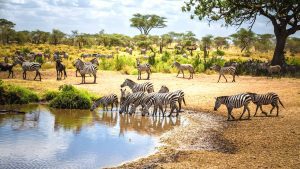
Expect an exciting and unpredictable Big Five Tanzania safari where every game drive can bring something different. You may watch lions resting or hunting, spot elusive leopards in trees, encounter elephants crossing the road, observe massive buffalo herds or search patiently for endangered rhinos. Wildlife sightings depend on season, habitat, weather and animal movements, so flexibility is essential. Your safari guide will interpret tracks, behaviour and landscapes while helping locate wildlife responsibly. Beyond the Big Five, expect giraffes, zebras, wildebeest, cheetahs, hippos, crocodiles and hundreds of bird species, creating an unforgettable African safari adventure.
Final Thought: More Than a Checklist
A Tanzania Big Five safari is far more than a checklist of five famous animals. Lions, leopards, elephants, Cape buffalo and rhinos each reveal a different side of Africa’s extraordinary ecosystems. From the vast Serengeti plains and Ngorongoro Crater to Tarangire’s elephant country, Tanzania offers remarkable opportunities for Big Five wildlife viewing, African safari photography and unforgettable game drives. While no safari can guarantee every sighting, expert guiding, carefully selected destinations, sufficient time, and patient observation can dramatically improve your chances. Most importantly, appreciate every animal—from the largest elephant to the smallest beetle—as an essential part of Tanzania’s wild heritage.
Big Five Safari in Tanzania: Frequently Asked Questions
What are the Big Five animals in Tanzania?
The Big Five are the African lion, African leopard, African elephant, Cape buffalo and rhinoceros. The name comes from big-game hunting, when these five were considered the most dangerous and difficult to hunt on foot. Today it is a wildlife-tourism and conservation term, and Tanzania is one of the best countries in Africa to see all five.
Where is the best place to see the Big Five in Tanzania?
The Ngorongoro Crater is the best single place, as its dense wildlife gives you a chance of lions, elephants, buffalo and, with luck, black rhinos, while leopards are seen less often. The Serengeti is excellent for lions and leopards, and Tarangire for elephants and buffalo. Combining all three gives you the strongest chance.
Can you see the Big Five in one day?
It is possible in the Ngorongoro Crater, where high wildlife concentrations sometimes allow visitors to see all five in a single game drive. However, leopards and rhinos are elusive and sightings are never guaranteed, because animals move freely. Spending several days across the crater, the Serengeti and Tarangire greatly improves your chances.
Which Big Five animal is hardest to see?
The rhinoceros is usually the hardest to see in Tanzania, because populations are small and carefully protected. The Ngorongoro Crater offers the best chance of spotting black rhinos. Leopards can also be challenging, as they are solitary, secretive and well camouflaged, often resting in trees or hunting in low light.
How many days do you need for a Big Five safari?
Allow at least four to five days to give yourself a good chance of seeing all five. A classic route combines Tarangire for elephants and buffalo, the Ngorongoro Crater for rhinos and the Serengeti for lions and leopards. More days mean more game drives, more patience at sightings and better chances of finding the elusive species.
When is the best time to see the Big Five in Tanzania?
The Big Five can be seen year-round, especially in the Ngorongoro Crater. The dry season from June to October is often easiest, as thinner vegetation and animals gathering near water make wildlife simpler to spot. Early-morning and late-afternoon game drives are most productive, as many animals are more active in cooler hours.
Why are hippos and giraffes not in the Big Five?
The Big Five is not a list of Africa’s largest animals. The term was created by big-game hunters to describe five animals considered particularly difficult and dangerous to hunt on foot. Hippos and giraffes are huge but were not part of that historical group. Both are commonly seen on a Tanzania safari, often alongside the Big Five.
What are the Little Five of Tanzania?
The Little Five are small creatures named after the Big Five: the elephant shrew, buffalo weaver, rhinoceros beetle, leopard tortoise and antlion. Searching for them encourages you to look more closely at insects, birds, reptiles and tiny mammals. A knowledgeable guide can help you spot both the Big Five and the Little Five.
Plan Your Big Five Safari
Tell us your travel dates, and our Tanzania-based team will design a private tailor-made Big Five safari combining Tarangire, the Ngorongoro Crater and the Serengeti for your best chances of seeing all five.