What Are All The Zones Of Serengeti National Park
What Are All The Zones Of Serengeti National Park
Serengeti National Park is one of the most iconic safari destinations in Africa, famous for the Great Wildebeest Migration, Big Five wildlife sightings, and vast savannah landscapes. Located in northern Tanzania, the park is divided into distinct ecological and safari zones that offer unique wildlife experiences throughout the year. Understanding the different zones of Serengeti National Park helps travelers plan the perfect Tanzania safari itinerary based on migration patterns, predator activity, and seasonal game viewing. From endless plains to river crossings and remote wilderness areas, each zone delivers a different safari atmosphere. Whether you are searching for luxury Tanzania safari tours, budget safaris, or photographic wildlife experiences, the Serengeti safari zones provide unmatched diversity, making it a top destination for African safari holidays, wildlife adventures, and unforgettable nature experiences in East Africa.
Central Serengeti: The Heartbeat of the Park
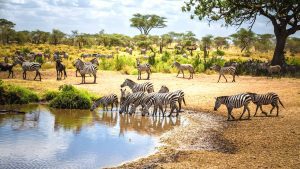
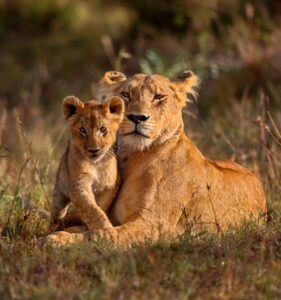
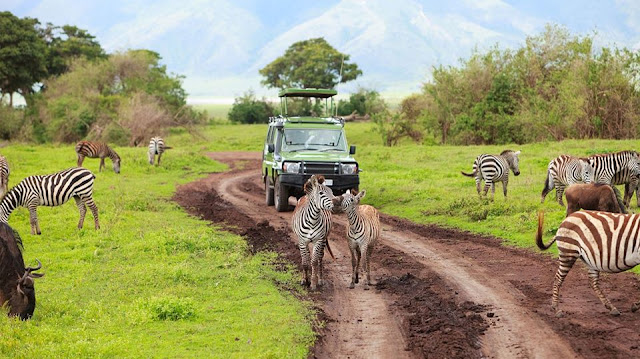
The Central Serengeti, also known as the Seronera region, is the wildlife-rich core of Serengeti National Park and one of the best safari zones in Tanzania. It is famous for year-round game viewing, making it ideal for travelers planning Tanzania safari tours at any time of the year. This area features open grasslands, river valleys, and scattered acacia woodlands that attract lions, leopards, elephants, and large herds of antelope. The Seronera River ensures a permanent water source, supporting resident wildlife even outside the Great Migration season. Central Serengeti is also known for excellent predator sightings, especially big cats. Luxury safari lodges and tented camps are concentrated here, offering comfort and accessibility. For first-time visitors, this zone is the perfect introduction to African safari experiences and Serengeti wildlife safaris.
Western Serengeti: Witness the Great Migration
The Western Serengeti is one of the most dramatic safari zones in Serengeti National Park, especially during the Great Wildebeest Migration. This region is dominated by the Grumeti River, where thousands of wildebeest and zebras cross while facing crocodile attacks and intense predator action. It is a highlight for Tanzania safari tours focused on wildlife photography and migration safari experiences. The Western Corridor is lush, green, and less crowded compared to Central Serengeti, offering a more exclusive safari experience. Visitors often witness dramatic river crossings between May and July. This zone is also home to elephants, giraffes, hippos, and large crocodiles. Luxury lodges and private safari camps provide high-end comfort in remote wilderness settings. The Western Serengeti is perfect for travelers seeking authentic, off-the-beaten-path African safari adventures with fewer tourists.
A general guide: the herds follow the rains.
Southern Serengeti: Birthplace of the Great Migration
The Southern Serengeti is one of the most important wildlife zones in Serengeti National Park, especially during the calving season of the Great Migration. This region, including the Ndutu plains, becomes the nursery of over half a million wildebeest calves between January and March. It is one of the best locations for Tanzania safari tours focused on predator-prey interactions, as lions, cheetahs, and hyenas follow the herds closely. The landscape is made up of short grass plains, ideal for spotting wildlife from a distance. Birdwatching is also excellent due to seasonal wetlands. The Southern Serengeti offers incredible photography opportunities, especially during dramatic hunts and newborn sightings. Safari lodges and mobile camps move with the migration, ensuring visitors stay close to the action. This zone is essential for witnessing the cycle of life in African safari ecosystems.
Northern Serengeti: Untamed Wilderness
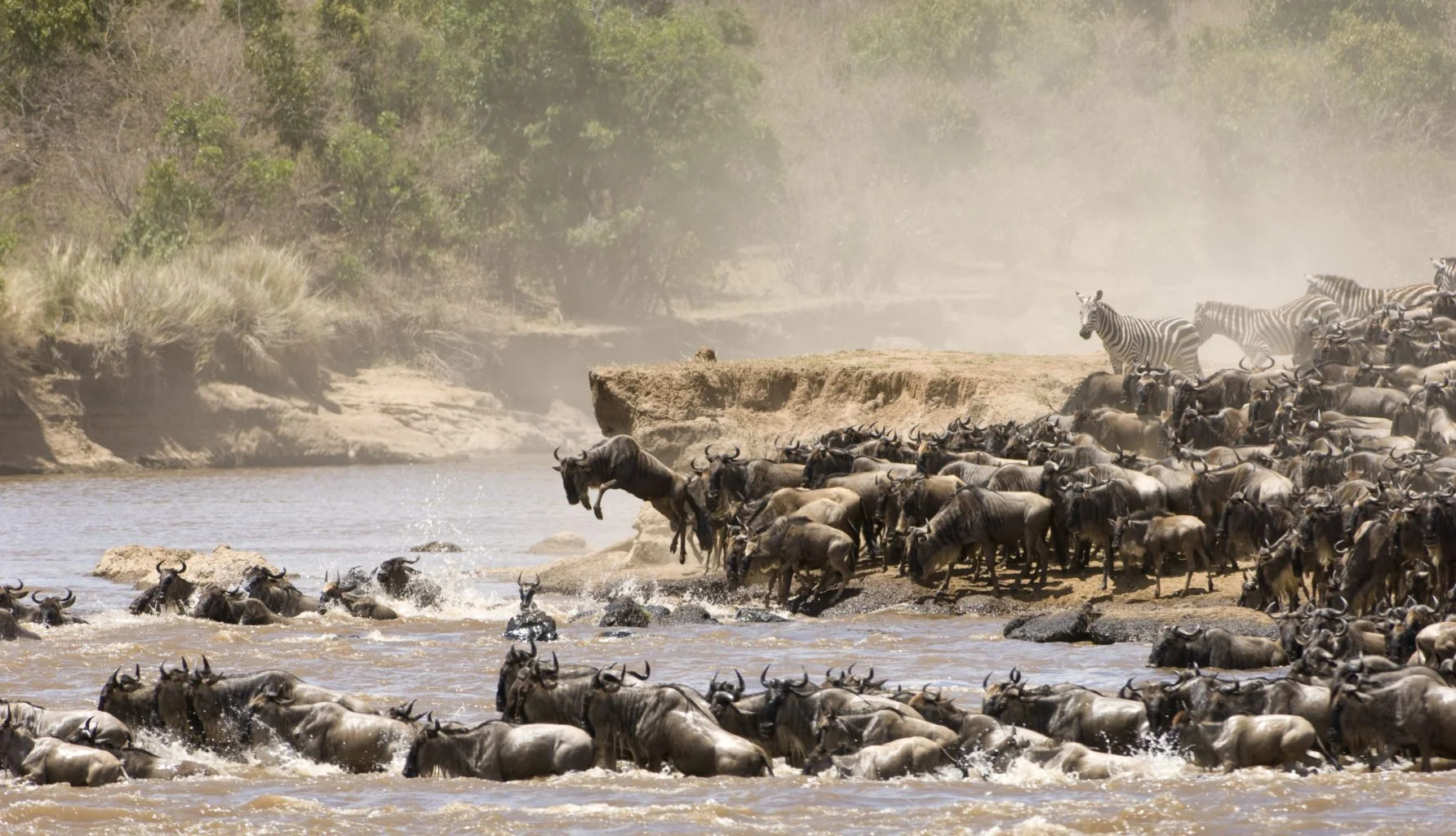
The Northern Serengeti is one of the most spectacular safari zones in Serengeti National Park, especially famous for the dramatic Mara River crossings during the Great Migration between July and October. This region is rugged, remote, and less crowded, offering some of the most thrilling wildlife experiences in Africa. Thousands of wildebeest and zebras gather at the riverbanks, risking crocodile-infested waters while migrating into Kenya’s Maasai Mara. This zone is ideal for high-end Tanzania safari tours and luxury mobile camps that follow the migration route. Apart from migration action, visitors can spot elephants, lions, leopards, and hippos in abundance. The Northern Serengeti is also known for its scenic beauty, rolling hills, and riverine forests. It is a top destination for photographers, wildlife enthusiasts, and travelers seeking raw, untouched African safari wilderness experiences.
Lobo Area: Serenity in the North
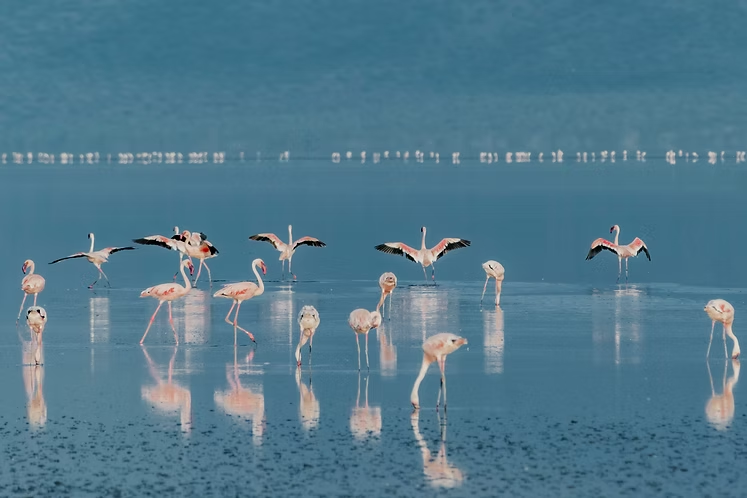
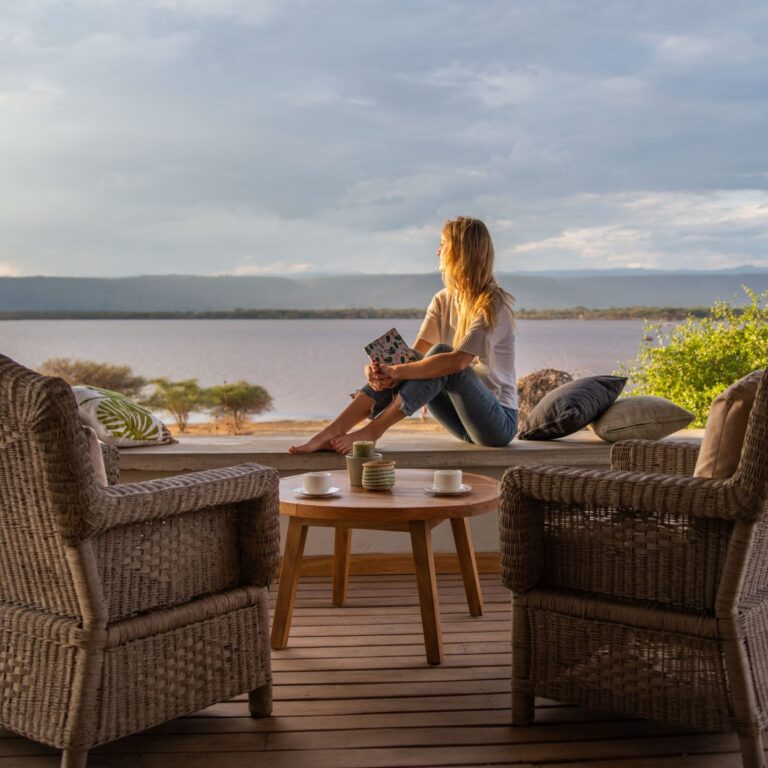
The Lobo Area is a peaceful and scenic part of the northern region of Serengeti National Park, known for its rolling hills, granite kopjes, and resident wildlife. Unlike the migration hotspots, Lobo offers year-round game viewing with fewer crowds, making it ideal for exclusive Tanzania safari tours. Elephants, buffalo, giraffes, and big cats are commonly seen in this quiet wilderness. During the migration season, herds pass through, but the area remains tranquil compared to river crossing zones. Luxury lodges in Lobo provide stunning panoramic views and immersive safari experiences. This region is also popular for birdwatching, with over 500 species recorded. Travelers looking for privacy, relaxation, and authentic African safari experiences often choose Lobo as a hidden gem within the Serengeti ecosystem. It is perfect for honeymoon safaris and photographic expeditions.
Grumeti Game Reserve: Exclusive Wilderness
Grumeti Game Reserve lies on the western edge of the Serengeti ecosystem and is part of the larger Great Migration corridor connected to Serengeti National Park. This exclusive private reserve is known for luxury safaris, low tourist density, and high-end conservation tourism. It protects key wildlife corridors, including the famous Grumeti River crossings during migration season. Visitors often witness large herds of wildebeest, zebras, and predators such as lions and crocodiles in action. The reserve is managed with strict conservation policies, ensuring sustainable wildlife protection. Luxury lodges and private camps offer world-class comfort and personalized safari experiences. Grumeti is ideal for travelers seeking privacy, exclusivity, and premium Tanzania safari tours. It represents a blend of conservation, luxury travel, and authentic African wilderness experiences in one of the most important ecosystems in East Africa.
- Private vehicle & guide
- Intimate tented camps
- Gourmet dining
- Fly-in transfers
- Bush dinners
- Spa treatments
What Are All The Zones Of Serengeti National Park: FAQs
What are the main zones of Serengeti National Park?
Serengeti National Park is divided into several key safari zones that create its diverse ecosystem. The main zones include Central Serengeti (Seronera), Western Serengeti (Grumeti Corridor), Southern Serengeti (Ndutu plains), Northern Serengeti (Mara River region), and Eastern Serengeti. Each zone offers different wildlife experiences depending on the season and migration movement. Central Serengeti is known for year-round game viewing, while the Southern and Northern regions are migration hotspots.
Which Serengeti zone is best for year-round safari?
Central Serengeti, also known as Seronera, is the best zone for year-round safaris in Serengeti National Park. This area has permanent water sources like the Seronera River, which attracts wildlife throughout all seasons. Visitors can consistently see lions, leopards, elephants, buffaloes, giraffes, and many antelope species. Unlike migration-dependent regions, Central Serengeti offers reliable game viewing even during the low season. It also has excellent safari infrastructure, including luxury lodges and camps.
When is the Great Migration in the Serengeti?
The Great Wildebeest Migration in Serengeti National Park is a year-round cycle rather than a single event. From January to March, calving occurs in the Southern Serengeti. Between April and June, herds move through the Western Corridor. July to October is the peak season for dramatic river crossings in the Northern Serengeti. From November to December, the herds return south.
Where are the best river crossings in Serengeti?
The most famous river crossings in Serengeti National Park occur at the Grumeti River in the Western Serengeti and the Mara River in the Northern Serengeti. The Grumeti crossings happen between May and July, featuring crocodile-filled waters and intense predator action. The Mara River crossings take place from July to October and are even more dramatic, with thousands of wildebeest and zebras attempting to cross into Kenya’s Maasai Mara.
Is Serengeti good for luxury safaris?
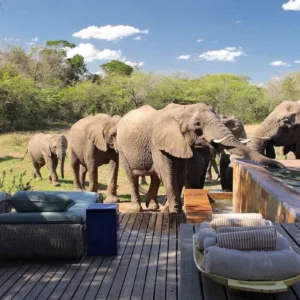
Yes, Serengeti National Park is one of Africa’s top luxury safari destinations. It offers world-class lodges, luxury tented camps, and private safari experiences across all major zones. Travelers can enjoy personalized game drives, gourmet dining, hot air balloon safaris, and exclusive wildlife viewing in remote areas. Central, Northern, and Western Serengeti all host high-end accommodations designed for comfort and privacy.
Which Serengeti zone is least crowded?
The Eastern Serengeti is the least crowded zone in Serengeti National Park, offering a remote and peaceful safari experience. Unlike Central or Northern regions, it receives fewer visitors, making wildlife sightings more private and exclusive. The landscape includes rocky outcrops, open plains, and scattered wildlife habitats. It is home to cheetahs, giraffes, antelopes, and unique predator activity. This zone is ideal for travelers seeking solitude, photography-focused safaris, and off-the-beaten-path Tanzania safari tours.
Can you see Big Five in Serengeti zones?
Yes, all zones of Serengeti National Park offer opportunities to see the Big Five: lion, leopard, elephant, buffalo, and rhino. Lions and elephants are commonly seen across most zones, especially in Central Serengeti. Leopards are often spotted in riverine areas, while buffaloes are widespread throughout the park. Rhinos are rarer but can sometimes be seen in protected areas or nearby conservation zones.
What makes Southern Serengeti special?
The Southern Serengeti in Serengeti National Park is famous for the calving season of the Great Migration between January and March. During this time, hundreds of thousands of wildebeest give birth on the short grass plains of Ndutu. This attracts predators like lions, cheetahs, and hyenas, creating intense wildlife action. The open landscape allows excellent visibility for game viewing and photography.
Is Northern Serengeti worth visiting?
Yes, Northern Serengeti is one of the most rewarding zones in Serengeti National Park, especially during the Great Migration river crossings from July to October. The Mara River crossings are dramatic, featuring thousands of wildebeest risking crocodile-infested waters. The region is also less crowded, offering a more exclusive safari experience. Wildlife such as lions, elephants, hippos, and leopards is commonly seen. The scenic landscapes include rolling hills and river valleys.
What is the best Serengeti zone for photography?
The best photography zones in Serengeti National Park are Northern and Western Serengeti due to dramatic river crossings and intense wildlife action. The Mara River and Grumeti River provide powerful scenes of predator-prey interactions. Southern Serengeti is also excellent during the calving season when newborn wildebeest attract predators. Central Serengeti is ideal for consistent, year-round wildlife photography, including lions, leopards, and elephants.
Plan Your Private Tanzania Safari
Tell us your travel dates, interests and budget, and our local team will design a private tailor-made safari around you.