Ways to reduce your eco footprint when hiking, trekking or camping
Safari Guide
Ways to reduce your eco footprint when hiking, trekking or camping
Big FiveLion, leopard, elephant, buffalo, rhino
Jun–OctPeak dry season
Northern CircuitSerengeti & Ngorongoro
Safari + beachWith Zanzibar
Ways to reduce your eco footprint when hiking, trekking or camping
Sustainable travel is becoming one of the most important global trends, especially for outdoor lovers exploring nature through hiking, trekking, and camping. Reducing your eco footprint ensures that forests, mountains, rivers, and wildlife remain protected for future generations. Whether you are practicing eco-friendly camping, low-impact trekking, or responsible hiking, every small action matters. Following Leave No Trace principles, using sustainable outdoor gear, and minimizing waste can significantly reduce environmental damage. This guide explores the top ways to reduce your ecological footprint while enjoying nature adventures. From choosing biodegradable products to respecting wildlife habitats, these optimized eco travel tips will help you become a responsible traveler. Embracing sustainable tourism not only protects nature but also enhances your overall outdoor experience with cleaner, greener, and more meaningful adventures.
01
Choose Eco-Friendly Hiking Gear
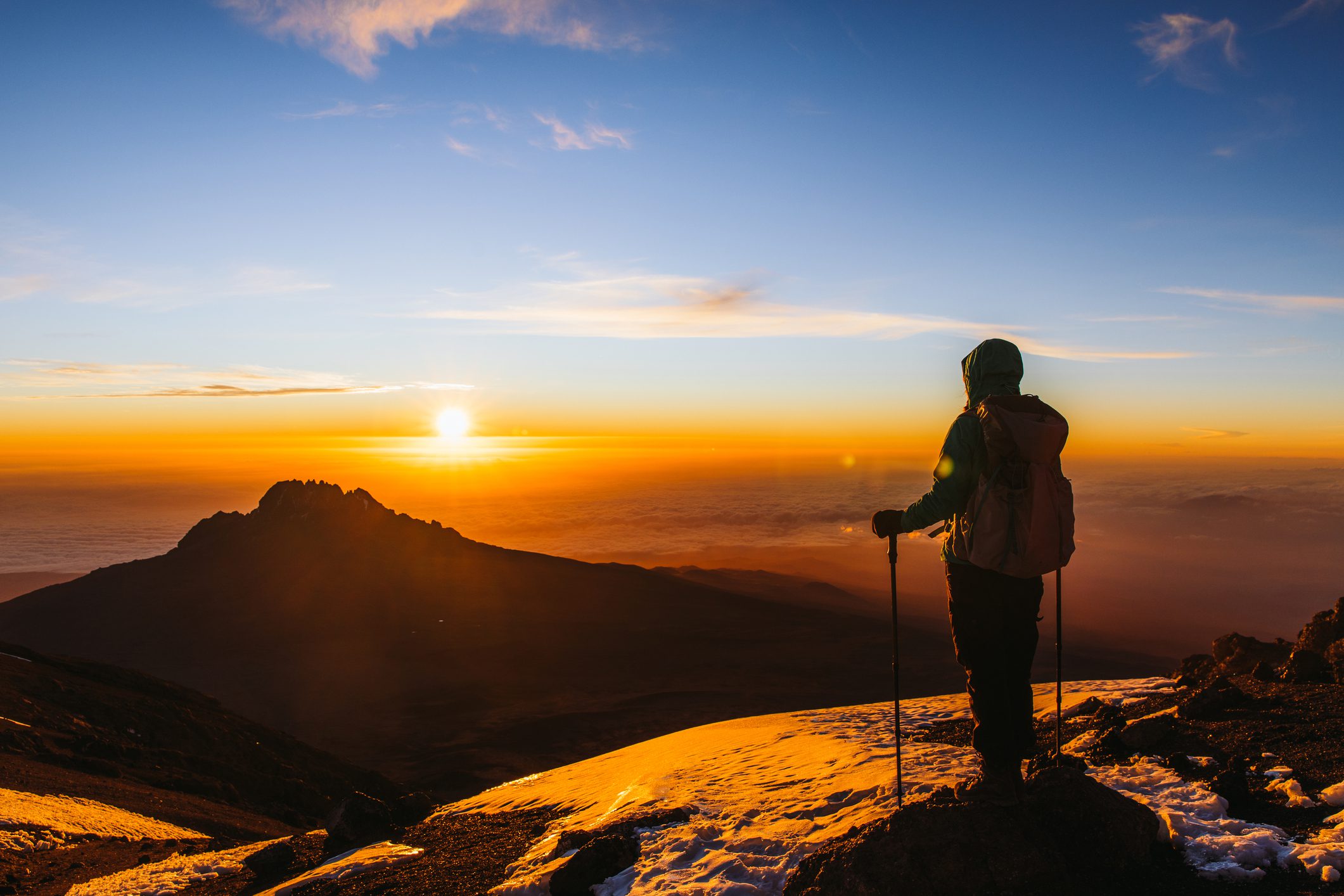
One of the most effective ways to reduce your eco footprint is by choosing eco-friendly hiking gear and sustainable outdoor equipment. Opt for reusable water bottles, biodegradable utensils, solar-powered gadgets, and gear made from recycled materials. Many eco-conscious brands now offer sustainable trekking boots, backpacks, and tents designed to minimize environmental impact. Avoid single-use plastics and cheaply made items that contribute to waste in natural environments. Investing in durable, high-quality equipment reduces the need for frequent replacements, lowering your overall environmental impact. Eco-friendly camping gear also includes lightweight cookware and non-toxic cleaning products. By prioritizing sustainable hiking gear, you actively support green manufacturing practices and reduce pollution, helping preserve forests, mountains, and wildlife ecosystems while enjoying your outdoor adventures responsibly and safely.
Safari packing checklist0 / 12
02
Follow Leave No Trace Principles
The Leave No Trace principles are essential for anyone engaging in hiking, trekking, or camping. These eco guidelines encourage outdoor enthusiasts to minimize their environmental impact by respecting nature. Key practices include packing out all trash, avoiding damage to plants, staying on marked trails, and not disturbing wildlife. Responsible camping means leaving natural areas exactly as you found them, or even cleaner. Following Leave No Trace ensures sustainable tourism and protects fragile ecosystems from human destruction. It is widely recognized as one of the most important eco-travel practices worldwide. By adopting these principles, hikers and campers help preserve biodiversity, reduce pollution, and maintain the natural beauty of outdoor destinations. This approach is essential for eco-friendly trekking and responsible adventure travel in forests, mountains, and national parks.
03
Reduce Single-Use Plastics
Reducing single-use plastics is one of the simplest yet most powerful ways to lower your environmental footprint while hiking or camping. Plastic bottles, bags, and packaging often end up polluting rivers, forests, and wildlife habitats. Instead, use reusable alternatives such as stainless steel bottles, cloth bags, and silicone containers. Many eco-friendly trekking enthusiasts also carry refillable hydration systems to avoid plastic waste entirely. Choosing unpackaged food or bulk snacks further reduces plastic consumption. Outdoor travelers should also avoid disposable cutlery and straws, which contribute heavily to environmental pollution. By minimizing plastic use, you actively support cleaner ecosystems and reduce harm to animals that may ingest or become trapped in plastic waste. This sustainable practice is a core part of eco-friendly hiking, responsible camping, and green travel lifestyles.
04
Stick to Marked Trails
Sticking to marked trails is crucial for protecting natural landscapes during hiking and trekking adventures. When hikers stray off designated paths, they risk damaging fragile vegetation, disturbing wildlife habitats, and increasing soil erosion. Staying on established trails helps preserve biodiversity and ensures that ecosystems remain undisturbed. Many national parks and conservation areas invest significant effort into creating safe and sustainable trekking routes, making it important for visitors to respect them. Following marked paths also enhances safety by reducing the risk of getting lost or encountering hazardous terrain. Eco-friendly hiking practices strongly emphasize trail discipline as part of sustainable tourism. By respecting these boundaries, outdoor enthusiasts contribute to long-term conservation efforts, helping maintain the natural beauty of forests, mountains, and protected wilderness areas for future generations.
05
Practice Responsible Wildlife Observation
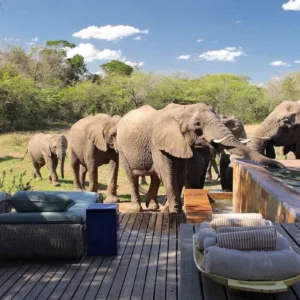
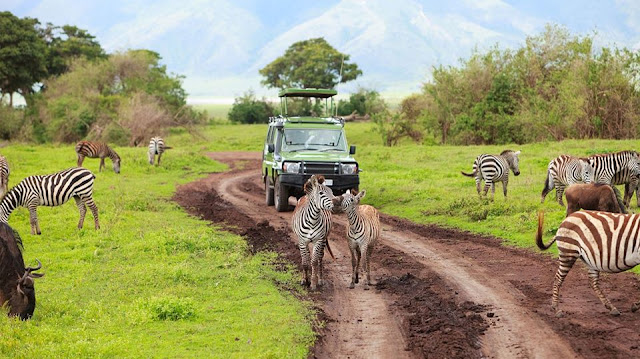
Responsible wildlife observation is essential when hiking, trekking, or camping in natural environments. Always maintain a safe distance from animals and avoid feeding or disturbing them. Human interaction can disrupt natural behaviors and create dependency on human food sources, which harms ecosystems. Using binoculars or zoom cameras allows you to observe wildlife without intrusion. Eco-friendly trekking emphasizes respecting animal habitats and minimizing noise pollution to avoid stress on wildlife. Staying quiet and patient increases your chances of seeing animals behaving naturally. It is also important to never chase or provoke wildlife for photos. Sustainable outdoor travel promotes harmony between humans and nature, ensuring that wildlife populations remain healthy and undisturbed. By practicing ethical wildlife observation, you help preserve biodiversity and support conservation efforts in hiking and camping destinations worldwide.
Big Five fun facts: tap a card
06
Use Sustainable Camping Sites
Choosing sustainable camping sites plays a major role in reducing your environmental footprint. Eco-friendly campsites are designed to minimize impact on surrounding ecosystems by providing designated areas for tents, waste disposal systems, and water conservation facilities. Many national parks and eco-lodges now promote green camping practices that support conservation efforts. Avoid setting up camp in sensitive areas such as riverbanks, wildlife breeding zones, or fragile vegetation regions. Using established campsites helps prevent soil erosion and habitat destruction. Sustainable camping also encourages responsible water use and waste management. By selecting eco-certified camping areas, you support environmentally conscious tourism businesses and contribute to local conservation initiatives. This approach ensures that natural landscapes remain preserved while still allowing visitors to enjoy safe and comfortable outdoor experiences in harmony with nature.
Budget camping & lodges
Affordable, adventurous and close to nature.
Mid-range lodges & tented camps
Comfort, good food and convenient locations.
Luxury tented camps & lodges
Spacious suites, personal service and prime wildlife areas.
Exclusive-use camps & villas
Complete privacy, private guides and bespoke experiences.
07
Conserve Water While Outdoors
Water conservation is a critical aspect of eco-friendly hiking, trekking, and camping. Outdoor environments often have limited freshwater resources, so it is important to use water responsibly. Simple practices like using minimal water for washing, carrying refillable bottles, and avoiding contamination of natural water sources can make a big difference. Biodegradable soaps should always be used far away from rivers or lakes to prevent pollution. Eco-conscious hikers also plan ahead to carry only the necessary amount of water to reduce waste. Conserving water not only protects ecosystems but also ensures availability for wildlife and future travelers. Sustainable trekking emphasizes efficient water use as part of the Leave No Trace principles. By respecting natural water systems, you help maintain ecological balance and support long-term environmental sustainability in outdoor destinations.
08
Pack Lightweight and Smart
Packing lightweight and smart is an effective way to reduce your eco footprint during hiking and camping trips. Carrying unnecessary items increases fuel consumption if traveling by vehicle and adds strain to natural trails. Lightweight gear reduces environmental pressure and makes trekking more efficient. Choose multi-purpose equipment such as compact cooking sets, foldable containers, and versatile clothing made from sustainable materials. Smart packing also involves bringing only what you truly need, minimizing waste, and excess consumption. Eco-friendly travel encourages thoughtful preparation to avoid leaving behind trash or unused items. By reducing your load, you also enhance mobility and safety during outdoor adventures. This sustainable approach aligns with eco trekking principles and supports responsible tourism practices that protect natural landscapes while improving your overall hiking experience.
9. Avoid Campfires or Use Them Responsibly
Campfires can have a significant environmental impact if not managed responsibly. In many eco-sensitive areas, open fires are discouraged or completely prohibited due to risks of deforestation, soil damage, and wildlife disturbance. Instead, use portable camping stoves, which are more efficient and environmentally friendly. If campfires are allowed, keep them small, use designated fire pits, and always fully extinguish them before leaving. Avoid collecting firewood from living trees, as this damages ecosystems. Responsible fire management is a key part of sustainable camping and Leave No Trace principles. Smoke emissions from uncontrolled fires also contribute to air pollution. By reducing or carefully managing campfire use, hikers and campers help preserve forests, protect wildlife habitats, and reduce their overall ecological footprint during outdoor adventures.
09
Dispose of Waste Properly
Proper waste disposal is one of the most important eco-friendly practices in hiking, trekking, and camping. Always carry a trash bag and pack out everything you bring in, including food wrappers, plastic, and biodegradable waste. Leaving waste behind damages ecosystems and harms wildlife. In remote areas, waste management systems are limited, so personal responsibility is essential. Separating recyclable materials when possible also helps reduce environmental impact. Eco tourism emphasizes the importance of clean trails and campsites to preserve natural beauty. Never bury or burn waste, as this can contaminate soil and air. Following proper waste disposal practices ensures that natural environments remain clean, safe, and enjoyable for everyone. This simple habit is a powerful step toward sustainable outdoor travel and environmental protection.
10
Respect Local Communities and Culture
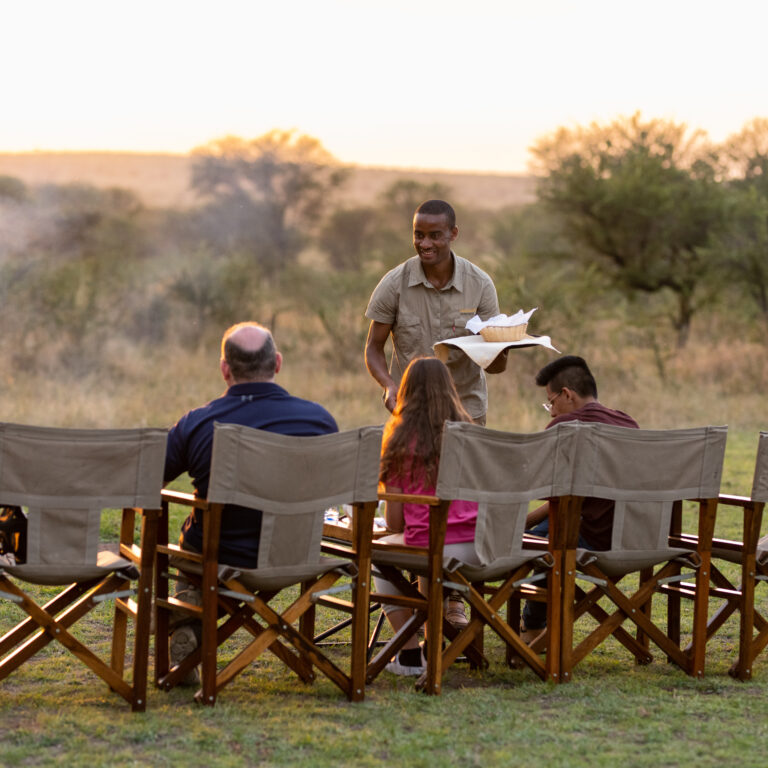
Respecting local communities and cultures is an important part of sustainable hiking and eco-friendly trekking. Many outdoor destinations are home to indigenous or rural populations who depend on natural resources for their livelihoods. Supporting local guides, purchasing locally made products, and respecting cultural traditions contribute positively to sustainable tourism. Avoid littering or damaging sacred sites and always ask permission before photographing people. Responsible travel also includes learning about local customs and environmental practices. By engaging respectfully with communities, hikers help promote cultural preservation and economic development. Eco tourism encourages meaningful interactions that benefit both travelers and locals. This respectful approach ensures that outdoor adventures contribute to social sustainability while protecting natural environments, creating a balanced and responsible travel experience.
11
Minimize Noise Pollution
Minimizing noise pollution is essential for maintaining the tranquility of natural environments during hiking, trekking, and camping. Loud music, shouting, or excessive noise can disturb wildlife and disrupt the peaceful atmosphere of forests and mountains. Many animals rely on sound for communication, navigation, and survival, so reducing noise helps protect their natural behaviors. Eco-friendly hiking encourages quiet enjoyment of nature, allowing travelers to fully experience the beauty of the outdoors. Using headphones at low volume instead of speakers is a more responsible choice. Silent observation also increases your chances of seeing wildlife in their natural habitat. By minimizing noise pollution, you contribute to a more sustainable and respectful outdoor experience that benefits both ecosystems and fellow hikers.
12
Choose Eco-Friendly Transportation
Choosing eco-friendly transportation options significantly reduces your overall carbon footprint when planning hiking or camping trips. Whenever possible, use public transport, carpooling, or shared shuttle services instead of private vehicles. Many eco-tourism destinations now offer low-emission transport options to reduce environmental impact. Cycling or walking to nearby trails is also an excellent sustainable choice. Air travel should be minimized for short-distance outdoor trips due to high carbon emissions. Planning efficient routes helps reduce fuel consumption and pollution. Eco-conscious travelers also prefer operators that use fuel-efficient vehicles or carbon offset programs. Sustainable transportation is a key element of responsible tourism and helps protect natural environments. By making greener travel choices, you contribute to reducing global emissions while enjoying nature more responsibly.
13
Support Conservation Efforts
Supporting conservation efforts is one of the most impactful ways to reduce your eco footprint while hiking, trekking, or camping. Many protected areas rely on tourism revenue and donations to maintain ecosystems, protect wildlife, and fund environmental projects. Choosing eco-certified tour operators, national park fees, and conservation programs helps sustain these efforts. Volunteers can also participate in tree planting, wildlife monitoring, and clean-up initiatives. Responsible tourism ensures that natural habitats are preserved for future generations. Educating yourself about conservation challenges also increases awareness and encourages better travel decisions. By actively supporting conservation projects, hikers and campers become part of the solution to environmental degradation. This strengthens sustainable tourism and ensures long-term protection of forests, mountains, and wildlife ecosystems worldwide.
14
Educate and Inspire Others
Educating and inspiring others is a powerful way to expand the impact of eco-friendly hiking and sustainable camping practices. Sharing knowledge about Leave No Trace principles, eco-friendly gear, and responsible travel encourages more people to adopt environmentally conscious habits. Social media, travel blogs, and community discussions can help spread awareness about reducing environmental footprints. Leading by example during outdoor adventures also inspires friends and fellow travelers to act responsibly. Teaching children and new hikers about sustainability ensures long-term environmental protection. Eco tourism thrives when more individuals understand their role in preserving nature. By becoming an advocate for sustainable trekking and camping, you contribute to a global movement that protects ecosystems, reduces pollution, and promotes harmony between humans and the natural world.
Final Thought
Reducing your eco footprint while hiking, trekking, or camping is not just a trend but a responsibility for every outdoor enthusiast. By following sustainable travel practices such as using eco-friendly gear, respecting wildlife, minimizing waste, and supporting conservation efforts, you actively contribute to protecting the planet. These eco-friendly habits ensure that forests, mountains, rivers, and wildlife remain untouched for future generations. Sustainable tourism and responsible hiking create a balance between enjoying nature and preserving it. Every small action, from carrying reusable bottles to staying on marked trails, makes a meaningful difference. Embracing green travel principles transforms your outdoor adventures into environmentally positive experiences. Ultimately, protecting nature ensures that its beauty, biodiversity, and serenity continue to inspire travelers worldwide for years to come.
Ways to reduce your eco footprint when hiking, trekking or camping: FAQs
What can you expect from choose eco-friendly hiking gear?
One of the most effective ways to reduce your eco footprint is by choosing eco-friendly hiking gear and sustainable outdoor equipment. Opt for reusable water bottles, biodegradable utensils, solar-powered gadgets, and gear made from recycled materials. Many eco-conscious brands now offer sustainable trekking boots, backpacks, and tents designed to minimize environmental impact.
What should you know about Follow Leave No Trace principles for ways to reduce your eco footprint when hiking, trekking or camping?
The Leave No Trace principles are essential for anyone engaging in hiking, trekking, or camping. These eco guidelines encourage outdoor enthusiasts to minimize their environmental impact by respecting nature. Key practices include packing out all trash, avoiding damage to plants, staying on marked trails, and not disturbing wildlife.
What can you expect from reduce single-use plastics?
Reducing single-use plastics is one of the simplest yet most powerful ways to lower your environmental footprint while hiking or camping. Plastic bottles, bags, and packaging often end up polluting rivers, forests, and wildlife habitats. Instead, use reusable alternatives such as stainless steel bottles, cloth bags, and silicone containers.
What should you know about stick to marked trails for ways to reduce your eco footprint when hiking, trekking or camping?
Sticking to marked trails is crucial for protecting natural landscapes during hiking and trekking adventures. When hikers stray off designated paths, they risk damaging fragile vegetation, disturbing wildlife habitats, and increasing soil erosion. Staying on established trails helps preserve biodiversity and ensures that ecosystems remain undisturbed.
What can you expect from practice responsible wildlife observation for ways to reduce your eco footprint when hiking, trekking or camping?
Responsible wildlife observation is essential when hiking, trekking, or camping in natural environments. Always maintain a safe distance from animals and avoid feeding or disturbing them. Human interaction can disrupt natural behaviors and create dependency on human food sources, which harms ecosystems. Using binoculars or zoom cameras allows you to observe wildlife without intrusion.
What should you know about use sustainable camping sites?
Choosing sustainable camping sites plays a major role in reducing your environmental footprint. Eco-friendly campsites are designed to minimize impact on surrounding ecosystems by providing designated areas for tents, waste disposal systems, and water conservation facilities. Many national parks and eco-lodges now promote green camping practices that support conservation efforts.
What can you expect from conserve water while outdoors for ways to reduce your eco footprint when hiking, trekking or camping?
Water conservation is a critical aspect of eco-friendly hiking, trekking, and camping. Outdoor environments often have limited freshwater resources, so it is important to use water responsibly. Simple practices like using minimal water for washing, carrying refillable bottles, and avoiding contamination of natural water sources can make a big difference.
What should you know about pack lightweight and smart for ways to reduce your eco footprint when hiking, trekking or camping?
Packing lightweight and smart is an effective way to reduce your eco footprint during hiking and camping trips. Carrying unnecessary items increases fuel consumption if traveling by vehicle and adds strain to natural trails. Lightweight gear reduces environmental pressure and makes trekking more efficient. Choose multi-purpose equipment such as compact cooking sets, foldable containers, and versatile clothing made from sustainable materials.
Plan Your Private Tanzania Safari
Tell us your travel dates, interests and budget, and our local team will design a private tailor-made safari around you.