What to Expect When Visiting a Maasai Village in Tanzania
What to Expect When Visiting a Maasai Village in Tanzania
Visiting a Maasai village in Tanzania is one of the most authentic cultural tourism experiences in East Africa, offering travelers a rare opportunity to explore traditional Maasai culture, lifestyle, and heritage while on safari in Serengeti, Ngorongoro, and surrounding regions. Travelers can expect a deeply immersive journey into Maasai traditions, including their iconic red shukas, beadwork, cattle culture, and semi-nomadic way of life that has remained unchanged for centuries. This cultural experience is often included in Tanzania safari itineraries, especially those exploring Ngorongoro Conservation Area and Serengeti National Park, making it a highlight for visitors seeking authentic African cultural encounters. It offers unforgettable Maasai village visits, cultural exchange, and insight into Tanzania’s rich heritage tourism experience. Perfect for safari travelers seeking meaningful cultural interaction and local community engagement experiences today.
Arrival and First Impressions
When you arrive at a Maasai village in Tanzania, the first impression is a striking contrast of vibrant red clothing, open landscapes, and traditional mud and stick manyatta homes. Visitors are usually welcomed by Maasai warriors, known as Moran, who greet guests with ceremonial chants and jumping dances called adumu. The atmosphere feels both warm and ceremonial, setting the tone for an unforgettable cultural tourism experience. You will immediately notice the strong connection between the Maasai people and their livestock, especially cattle and goats, which are central to their daily life and economy. The village setting near Serengeti or Ngorongoro often offers breathtaking views of savannah plains. This moment introduces travelers to authentic Maasai culture, traditional hospitality, and the beginning of a meaningful Tanzania cultural safari adventure filled with discovery and connection.
Traditional Maasai Welcome Ceremony
A key highlight of visiting a Maasai village in Tanzania is the traditional welcome ceremony, which showcases authentic Maasai cultural heritage. Visitors are greeted with rhythmic chants, singing, and energetic jumping dances performed by Maasai warriors. This ceremonial welcome is not just entertainment but a symbolic gesture of respect and hospitality deeply rooted in Maasai traditions. Tourists are often invited to participate, making it an interactive cultural tourism experience in East Africa. Elders may also offer blessings in the Maasai language, enhancing the authenticity of the moment. The ceremony reflects the strong unity of the Maasai community and their pride in preserving ancestral customs. Many Tanzania safari itineraries include this experience as part of Ngorongoro cultural tours or Serengeti village visits, giving travelers a powerful introduction to Maasai lifestyle, identity, and social structure.
Learning Maasai Culture and Traditions
During a Maasai village visit in Tanzania, travelers gain deep insight into Maasai culture, traditions, and daily life. Guides or elders explain the structure of Maasai society, including the roles of warriors, women, and elders. Visitors learn about traditional beliefs, rites of passage, and the importance of cattle in Maasai economic and spiritual life. This cultural tourism experience in Tanzania highlights how the Maasai maintain their heritage despite modern influences. You may hear stories about their migration history across East Africa and their relationship with wildlife around Serengeti and Ngorongoro. Handcrafted beadwork, jewelry, and clothing styles are also explained in detail, showcasing artistic expression and identity. This immersive learning experience helps travelers understand authentic African cultural tourism and creates a meaningful connection between visitors and the Maasai community in their natural environment.
Maasai Traditional Homes (Manyattas)
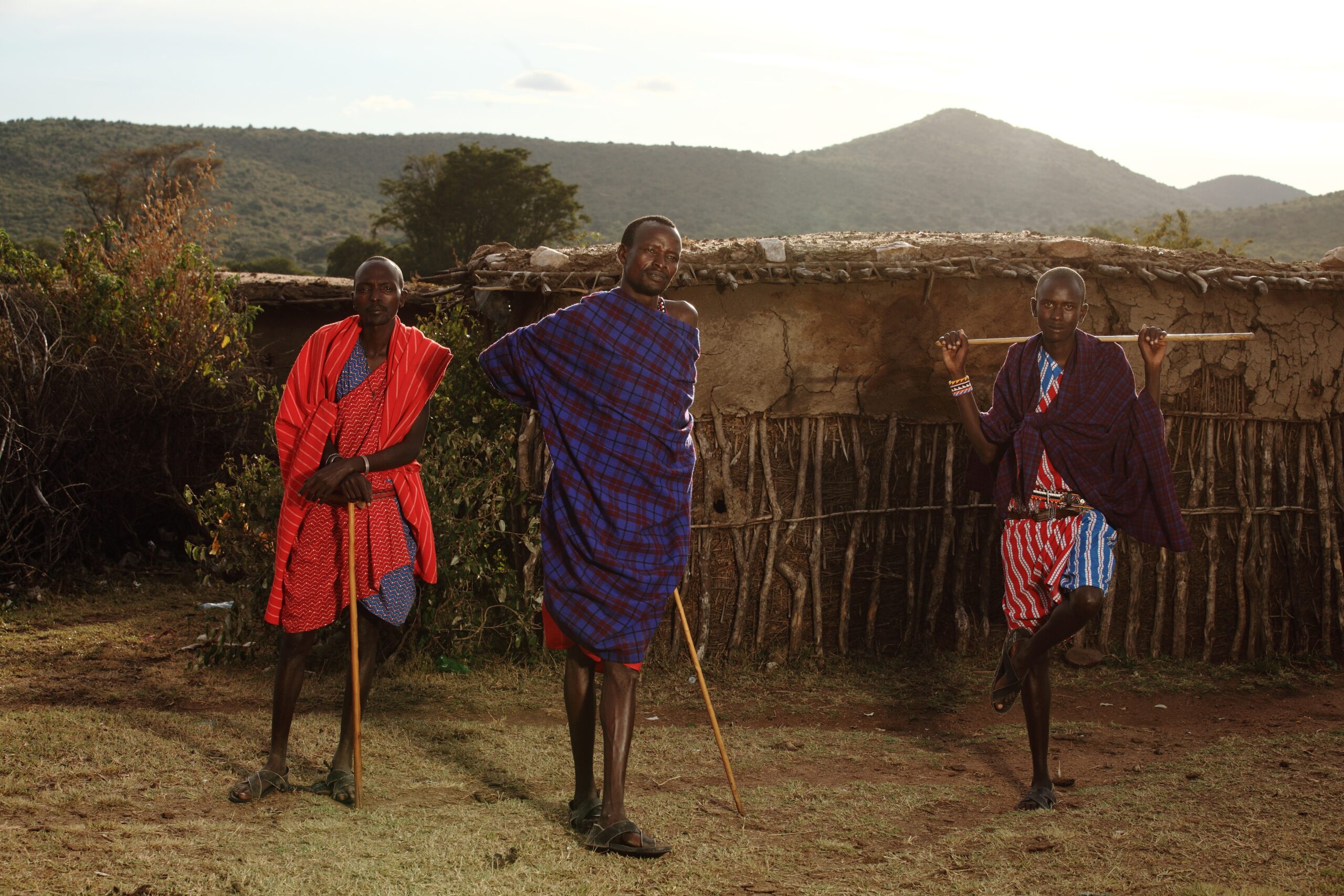
One of the most fascinating aspects of visiting a Maasai village in Tanzania is exploring the traditional homes known as manyattas. These circular huts are made from a mixture of mud, sticks, grass, and cow dung, carefully constructed by Maasai women. Inside, the homes are simple, with small sleeping areas, cooking spaces, and storage sections for household items. Despite their simplicity, manyattas are designed to be practical and durable, reflecting the Maasai way of life in harmony with nature. Visitors on cultural tourism safaris in Serengeti or Ngorongoro often get a guided tour inside these homes to understand daily living conditions. This experience highlights traditional African architecture and sustainable living practices. It offers a unique glimpse into Maasai culture, showing how families live in close connection with their environment and livestock.
- ArushaGateway
- TarangireElephants
- NgorongoroCrater
- SerengetiBig Five
- ZanzibarBeach
Maasai Dress and Beadwork
Maasai dress and beadwork are among the most recognizable symbols of Maasai culture in Tanzania. Visitors to Maasai villages will see men and women wearing brightly colored shukas, often in red, blue, or patterned designs. These garments represent identity, bravery, and cultural pride. Women are especially known for intricate beadwork jewelry, including necklaces, bracelets, and earrings, each carrying symbolic meaning related to age, marital status, and social position. During cultural tourism experiences in Ngorongoro or Serengeti regions, travelers often get a chance to try on Maasai attire and learn about bead-making techniques. This interaction supports local craftsmanship and helps preserve traditional skills. The vibrant colors and artistic designs make Maasai culture visually stunning and memorable, offering visitors a deeper appreciation of Tanzania’s rich cultural heritage tourism experience.
Maasai Dance and Music Experience
Maasai dance and music are powerful expressions of identity and celebration, often showcased during village visits in Tanzania. The most famous performance is the adumu, or jumping dance, performed by Maasai warriors in competitive rhythm and height displays. Accompanied by chanting, humming, and rhythmic vocal sounds, the dance reflects strength, unity, and community pride. Visitors on Tanzania cultural tourism safaris are often invited to join the dance, creating an interactive and unforgettable experience. The music is traditionally vocal-based, without instruments, emphasizing harmony and group participation. These performances are not staged entertainment but authentic cultural expressions rooted in Maasai traditions. Whether in Serengeti, Ngorongoro, or surrounding areas, this experience gives travelers a deeper emotional connection to Maasai culture and highlights the importance of oral tradition in East African heritage tourism.
Maasai Cattle Culture and Livelihood
Cattle are central to Maasai culture and livelihood, making them a key focus during any Maasai village visit in Tanzania. The Maasai are traditionally pastoralists, relying on livestock for food, income, and cultural identity. Visitors learn how cattle are used for milk, meat, and even social transactions such as dowries and ceremonies. This deep connection between people and animals reflects a sustainable lifestyle adapted to the savannah landscapes of Serengeti and Ngorongoro. Tour guides explain grazing patterns, seasonal movement, and herd management practices that have been passed down for generations. Cultural tourism in Tanzania highlights how the Maasai balance traditional livestock keeping with modern conservation efforts. This experience helps travelers understand the relationship between wildlife, humans, and land use in East Africa’s iconic safari ecosystems.
Maasai Role in Wildlife Conservation
The Maasai people play an important role in wildlife conservation around Tanzania’s famous safari destinations such as Serengeti National Park and Ngorongoro Conservation Area. During village visits, travelers learn how Maasai communities coexist with wild animals like lions, elephants, and zebras. Traditionally, the Maasai practiced coexistence rather than conflict, using knowledge of animal behavior to protect their herds. Today, they participate in community-based conservation programs that support eco-tourism and protect natural habitats. This cultural tourism experience highlights how indigenous knowledge contributes to modern conservation efforts in East Africa. Visitors gain insight into sustainable tourism practices that benefit both local communities and wildlife ecosystems. The Maasai’s involvement ensures that Tanzania remains one of the world’s top safari destinations while preserving cultural heritage and biodiversity.
Interaction with Maasai Families
A Maasai village visit in Tanzania often includes personal interaction with Maasai families, offering a closer look at daily life. Visitors may sit with women as they prepare meals, care for children, or craft beadwork. Men may explain livestock management or share stories about Maasai traditions and history. These interactions create a meaningful cultural exchange that goes beyond sightseeing. Travelers on cultural tourism safaris in Serengeti or Ngorongoro gain firsthand understanding of Maasai values, including community unity, respect for elders, and connection to nature. Conversations are often guided by translators to ensure clear communication. This experience helps bridge cultural gaps and fosters mutual respect between visitors and the Maasai community. It is one of the most rewarding aspects of authentic Tanzania cultural tourism experiences.
Maasai Language and Communication
During a Maasai village visit, travelers are introduced to the Maasai language, known as Maa, which is still widely spoken in Tanzania and Kenya. Guides often teach simple greetings and phrases, allowing visitors to engage more meaningfully with the community. Learning basic words enhances the cultural tourism experience and shows respect for Maasai traditions. Communication is also supported through Swahili and English, especially in tourist areas near Serengeti and Ngorongoro. Elders may share traditional sayings, proverbs, and storytelling techniques that reflect Maasai wisdom and philosophy. Language plays a key role in preserving identity and passing knowledge across generations. This interaction helps visitors appreciate the richness of East African linguistic diversity and deepens their understanding of Maasai culture during Tanzania safari experiences.
Maasai Food and Traditional Diet
Maasai traditional food reflects their pastoral lifestyle and close relationship with cattle. During a Maasai village visit in Tanzania, travelers may learn about their diet, which includes milk, meat, and occasionally maize-based foods. Milk mixed with blood is a traditional nutritional practice, though it is less common today due to modern influences. Visitors on cultural tourism safaris near Serengeti and Ngorongoro are often shown how food is prepared using simple, natural methods. Cooking is typically done over open fires using locally available materials. This experience highlights the simplicity and sustainability of Maasai living. It also provides insight into how traditional diets are adapted to the harsh savannah environment. Understanding Maasai food culture adds depth to Tanzania cultural tourism and enriches the overall safari experience.
Craft Markets and Souvenir Shopping
A Maasai village visit in Tanzania often includes opportunities to explore craft markets and purchase handmade souvenirs. These items include bead necklaces, bracelets, carved ornaments, sandals, and traditional clothing. Each piece reflects Maasai culture, creativity, and identity. Buying souvenirs directly from artisans supports local livelihoods and promotes sustainable cultural tourism in East Africa. Visitors traveling on safaris to Serengeti or Ngorongoro often find these crafts as meaningful reminders of their experience. Bargaining is common but should be done respectfully, as it is part of the local market culture. These handcrafted items are not only decorative but also carry cultural significance tied to Maasai traditions. This shopping experience enhances tourism interaction while contributing to community development in Tanzania.
Respectful Tourism and Cultural Etiquette
When visiting a Maasai village in Tanzania, respectful behavior and cultural etiquette are very important. Visitors are encouraged to ask permission before taking photographs, especially of individuals or ceremonies. Dressing modestly and listening attentively to guides shows respect for Maasai traditions and values. Cultural tourism in Serengeti and Ngorongoro emphasizes responsible travel that benefits local communities. Tourists should avoid interrupting rituals or entering homes without invitation. Learning about cultural norms enhances the authenticity of the experience and strengthens relationships between visitors and the Maasai people. Respectful tourism ensures that cultural heritage is preserved while supporting sustainable development. This approach creates a positive impact for both travelers and host communities in Tanzania’s safari regions.
Emotional Connection and Lasting Memories
A Maasai village visit in Tanzania leaves travelers with deep emotional connections and unforgettable memories. The experience goes beyond sightseeing, offering meaningful cultural exchange and personal reflection. Visitors often describe a strong appreciation for Maasai resilience, traditions, and harmonious way of life. Whether during Serengeti safaris or Ngorongoro cultural tours, this interaction becomes a highlight of Tanzania tourism. The warmth of the Maasai people, combined with their rich cultural heritage, creates lasting impressions that stay with travelers long after they leave. Photographs, stories, and handcrafted souvenirs serve as reminders of this unique journey. Cultural tourism in East Africa is not just about places, but about human connection and understanding. A Maasai village visit truly transforms a safari into a deeper, more meaningful African experience.
Final Thought
Visiting a Maasai village in Tanzania is more than a travel activity; it is a powerful cultural tourism experience that connects visitors with one of Africa’s most iconic communities. From traditional dances and handcrafted beadwork to cattle culture and daily village life, every moment reveals the depth of Maasai heritage. Integrated into popular safari routes such as Serengeti and Ngorongoro, this experience enriches any Tanzania safari itinerary. It promotes responsible tourism, cultural exchange, and community support while preserving ancient traditions. Travelers leave with greater respect for Maasai culture and a deeper understanding of East African identity. In a world of fast travel, this encounter offers authenticity, connection, and meaning. A Maasai village visit remains one of the most unforgettable highlights of any Tanzania safari adventure.
What to Expect When Visiting a Maasai Village in Tanzania: FAQs
What can you expect from Arrival and first impressions on a Tanzania safari?
When you arrive at a Maasai village in Tanzania, the first impression is a striking contrast of vibrant red clothing, open landscapes, and traditional mud and stick manyatta homes. Visitors are usually welcomed by Maasai warriors, known as Moran, who greet guests with ceremonial chants and jumping dances called adumu.
What should you know about traditional Maasai welcome ceremony ?
A key highlight of visiting a Maasai village in Tanzania is the traditional welcome ceremony, which showcases authentic Maasai cultural heritage. Visitors are greeted with rhythmic chants, singing, and energetic jumping dances performed by Maasai warriors. This ceremonial welcome is not just entertainment but a symbolic gesture of respect and hospitality deeply rooted in Maasai traditions.
What should you know about learning Maasai culture and traditions ?
During a Maasai village visit in Tanzania, travelers gain deep insight into Maasai culture, traditions, and daily life. Guides or elders explain the structure of Maasai society, including the roles of warriors, women, and elders. Visitors learn about traditional beliefs, rites of passage, and the importance of cattle in Maasai economic and spiritual life.
What should you know about Maasai traditional homes (manyattas) ?
One of the most fascinating aspects of visiting a Maasai village in Tanzania is exploring the traditional homes known as manyattas. These circular huts are made from a mixture of mud, sticks, grass, and cow dung, carefully constructed by Maasai women. Inside, the homes are simple, with small sleeping areas, cooking spaces, and storage sections for household items.
What can you expect from Maasai dress and beadwork ?
Maasai dress and beadwork are among the most recognizable symbols of Maasai culture in Tanzania. Visitors to Maasai villages will see men and women wearing brightly colored shukas, often in red, blue, or patterned designs. These garments represent identity, bravery, and cultural pride. Women are especially known for intricate beadwork jewelry, including necklaces, bracelets, and earrings, each carrying symbolic meaning related to age, marital status, and social position.
What is the Maasai dance and music experience like?
Maasai dance and music are powerful expressions of identity and celebration, often showcased during village visits in Tanzania. The most famous performance is the adumu, or jumping dance, performed by Maasai warriors in competitive rhythm and height displays. Accompanied by chanting, humming, and rhythmic vocal sounds, the dance reflects strength, unity, and community pride.
What should you know about Maasai cattle culture and livelihood ?
Cattle are central to Maasai culture and livelihood, making them a key focus during any Maasai village visit in Tanzania. The Maasai are traditionally pastoralists, relying on livestock for food, income, and cultural identity. Visitors learn how cattle are used for milk, meat, and even social transactions such as dowries and ceremonies.
What can you expect from Maasai role in wildlife conservation ?
The Maasai people play an important role in wildlife conservation around Tanzania’s famous safari destinations such as Serengeti National Park and Ngorongoro Conservation Area. During village visits, travelers learn how Maasai communities coexist with wild animals like lions, elephants, and zebras. Traditionally, the Maasai practiced coexistence rather than conflict, using knowledge of animal behavior to protect their herds.
Plan Your Private Tanzania Safari
Tell us your travel dates, interests and budget, and our local team will design a private tailor-made safari around you.