
Trail Shoes vs. Boots on Kilimanjaro – Which are Better?
Trail Shoes vs. Boots on Kilimanjaro – Which are Better?
Choosing between trail shoes and boots for Mount Kilimanjaro is one of the most important gear decisions for trekkers planning a successful summit of Africa’s highest peak. With routes like Machame, Lemosho, Marangu, and Rongai offering different terrain conditions, your footwear directly affects comfort, safety, and summit success. Many climbers debate between lightweight trail running shoes and traditional waterproof hiking boots. This guide explores Kilimanjaro hiking footwear in detail, comparing grip, ankle support, insulation, weight, durability, and weather performance. Whether you are preparing for alpine desert conditions, muddy rainforest trails, or freezing summit nights, understanding the difference between trail shoes and boots helps you make the best Kilimanjaro trekking choice for performance, comfort, and injury prevention on this iconic African mountain expedition.
Terrain Conditions on Mount Kilimanjaro
Mount Kilimanjaro features diverse terrain ranging from tropical rainforest at the base to alpine desert and arctic summit zones. This variation strongly influences footwear choice. Trail shoes perform well on dry, well-maintained paths, especially on lower sections like the Machame and Marangu routes. However, rocky scree slopes and icy summit sections demand more protection. Hiking boots provide better stability on uneven volcanic terrain and loose gravel. Because Kilimanjaro trekking involves continuous elevation gain and changing environments, climbers must consider both grip and protection. The terrain is not technical climbing, but it is long, demanding, and unpredictable. Therefore, understanding how your footwear interacts with mud, dust, rocks, and snow is essential for a safe and successful Kilimanjaro summit attempt.
Weight and Energy Efficiency
One of the biggest advantages of trail running shoes is their lightweight design, which reduces fatigue during long Kilimanjaro hiking days. On routes that take 6–9 days, saving energy becomes critical for summit success. Lighter footwear allows faster movement and reduces strain on legs, especially during steep ascents like Barranco Wall. However, traditional hiking boots are heavier but offer more protection. Some trekkers prefer the stability of boots despite the extra weight. Energy efficiency depends on your fitness level, acclimatization, and trekking pace. On Kilimanjaro, every kilogram matters, and lightweight footwear can improve endurance. Still, in harsh conditions, the extra weight of boots may be worth it for safety and comfort over long trekking hours on volcanic terrain.
Ankle Support and Injury Prevention
Ankle support is one of the strongest arguments for choosing hiking boots over trail shoes on Kilimanjaro. The mountain’s uneven volcanic rocks and loose scree can increase the risk of ankle twists, especially during descent. Boots with high ankle collars provide stability and reduce injury risk. Trail shoes, while flexible and comfortable, offer minimal ankle protection. However, experienced trekkers with strong ankles sometimes prefer shoes for freedom of movement. Injury prevention also depends on trekking technique and pole usage. On long Kilimanjaro routes, fatigue increases the chance of missteps. Therefore, hikers who prioritize safety often choose boots, while confident hikers looking for agility may lean toward trail shoes for better mobility and comfort.
Weather Conditions and Protection
Kilimanjaro weather changes dramatically across altitude zones, from heavy rainforest rain to freezing summit temperatures below -10°C. Waterproof hiking boots offer better insulation and protection against snow, wind, and cold. They also help keep feet dry during wet rainforest sections. Trail shoes dry faster but provide less thermal protection in extreme cold. During summit night, when temperatures drop sharply, insulation becomes crucial. Frostbite prevention and warmth are key considerations. While modern trail shoes may include waterproof membranes, they still cannot match the full coverage of boots. Climbers must prepare for mixed conditions, making weather resistance one of the most important factors when choosing Kilimanjaro trekking footwear for a safe ascent.
Comfort on Long Trekking Days
Comfort is essential during multi-day Kilimanjaro climbs, where trekkers walk 5–8 hours daily. Trail shoes often provide superior comfort due to better breathability and reduced stiffness. They allow natural foot movement and reduce pressure points. Hiking boots, however, may feel stiff at first but provide structured support over time. Comfort also depends on sock choice, fit, and break-in period. Many climbers experience swelling at high altitude, making slightly roomier footwear preferable. Trail shoes may feel more comfortable on lower slopes, while boots become more supportive as conditions become harsher. Ultimately, comfort is subjective, but on long trekking days, reducing foot fatigue is a major factor influencing success on Mount Kilimanjaro expeditions.
Durability and Long-Term Use
Durability is a key consideration for Kilimanjaro hiking gear. Hiking boots are generally more durable, designed to withstand rocky terrain, mud, and repeated long-distance trekking. They last longer under extreme conditions and provide reliable protection over multiple expeditions. Trail shoes, while lightweight and efficient, tend to wear out faster on abrasive volcanic surfaces. Climbers planning multiple treks or extended use often prefer boots for longevity. However, high-quality trail running shoes can still perform well for a single Kilimanjaro climb. The choice depends on the frequency of use and terrain intensity. For professional guides and frequent trekkers, durability often outweighs comfort, making boots the preferred long-term investment for serious mountain expeditions.
Breathability and Foot Health
Foot health is crucial on Kilimanjaro due to long walking hours and changing climate conditions. Trail shoes offer excellent breathability, reducing sweat buildup and lowering the risk of blisters and fungal infections. Air circulation keeps feet cooler in lower rainforest zones. Hiking boots, while protective, can trap heat and moisture, especially in warmer sections. However, modern boots with advanced ventilation systems have improved significantly. Proper socks and foot care are equally important regardless of footwear choice. Climbers must manage moisture, friction, and swelling to avoid discomfort. Breathability becomes a major advantage for trail shoes in mild conditions, while boots excel in protecting against cold and external elements at higher altitudes.
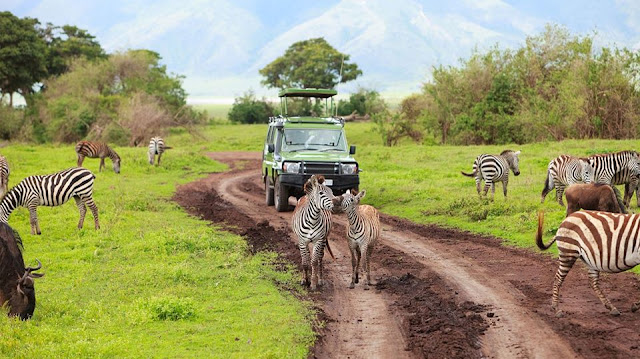
Approach, feed or disturb wildlife, or leave the vehicle unless your guide says it is safe.
Follow your guide, carry travel insurance and check current health and travel advice.
Summit Night Performance
Summit night on Kilimanjaro is one of the toughest challenges, with freezing temperatures, strong winds, and long hours of ascent. Hiking boots are often preferred for this stage due to insulation and compatibility with gaiters and crampon-like traction devices. Trail shoes may feel too cold and less protective in icy conditions. However, some experienced climbers still choose trail shoes combined with thick thermal socks for agility and reduced fatigue. The summit push requires mental strength, and comfortable footwear can make a difference. Ultimately, boots provide more security in extreme cold, while trail shoes offer speed and reduced weight. The best choice depends on your tolerance for cold and trekking experience in alpine environments.
Grip and Traction on Volcanic Slopes
Grip is essential on Kilimanjaro’s loose volcanic scree and rocky paths. Hiking boots typically have deeper lugs, offering better traction on unstable surfaces. This is especially important on steep sections like the Barranco Wall. Trail shoes also provide good grip, especially modern trail running models designed for rugged terrain. However, boots tend to perform more consistently in mixed conditions, including mud, gravel, and snow. Good traction reduces slipping risk and improves confidence during descent. Trekking poles also complement footwear by enhancing stability. While both options can work, boots generally provide a more reliable grip for challenging Kilimanjaro terrain, particularly in wet or high-altitude conditions where footing becomes less predictable.
Blister Risk and Foot Protection
Blisters are a common issue during the Kilimanjaro trek due to long walking hours and altitude swelling. Trail shoes, when properly fitted, can reduce blister risk thanks to their flexibility and reduced friction points. However, they may allow more foot movement, increasing rubbing in steep terrain. Hiking boots provide structured protection but can cause blisters if not broken in properly. Sock selection, foot powder, and proper lacing techniques are essential regardless of footwear. Many climbers underestimate blister prevention, but it can significantly impact summit success. Choosing between boots and trail shoes should consider fit, not just design. Proper preparation ensures that either option can perform well in preventing painful foot injuries during the climb.
Altitude Adaptation and Foot Swelling
As climbers ascend Mount Kilimanjaro, altitude causes natural foot swelling, which affects footwear comfort. Trail shoes often handle swelling better due to their flexible structure and lighter fit. Boots, if too tight, can become uncomfortable at high elevation. However, boots provide adjustable lacing systems that help accommodate swelling when used correctly. Choosing slightly roomier footwear is essential for long climbs. At higher altitudes like Barafu Camp, discomfort can slow progress and reduce summit chances. Proper sizing, sock layering, and a break-in period are crucial for both options. Understanding how altitude affects your feet helps you choose footwear that maintains comfort and circulation throughout the entire Kilimanjaro trekking experience.
Cost and Value Comparison
Cost is another factor when choosing Kilimanjaro hiking footwear. High-quality hiking boots are generally more expensive but offer long-term durability and protection for multiple expeditions. Trail shoes are often cheaper and easier to replace, but may not last as long under extreme mountain conditions. Budget climbers may prefer trail shoes for affordability, while serious trekkers invest in boots for reliability. Value also depends on usage frequency and trekking style. If you plan multiple African safaris and mountain climbs, boots provide a better long-term return. However, for a single Kilimanjaro summit, trail shoes may offer excellent performance at a lower cost. The decision depends on balancing budget, safety, and trekking goals.
- Accommodation
- Meals
- Park fees
- Vehicle & guide
- Transfers
- International flights
- Visas
- Travel insurance
- Tips
- Premium drinks
Experience Level and Trekking Style
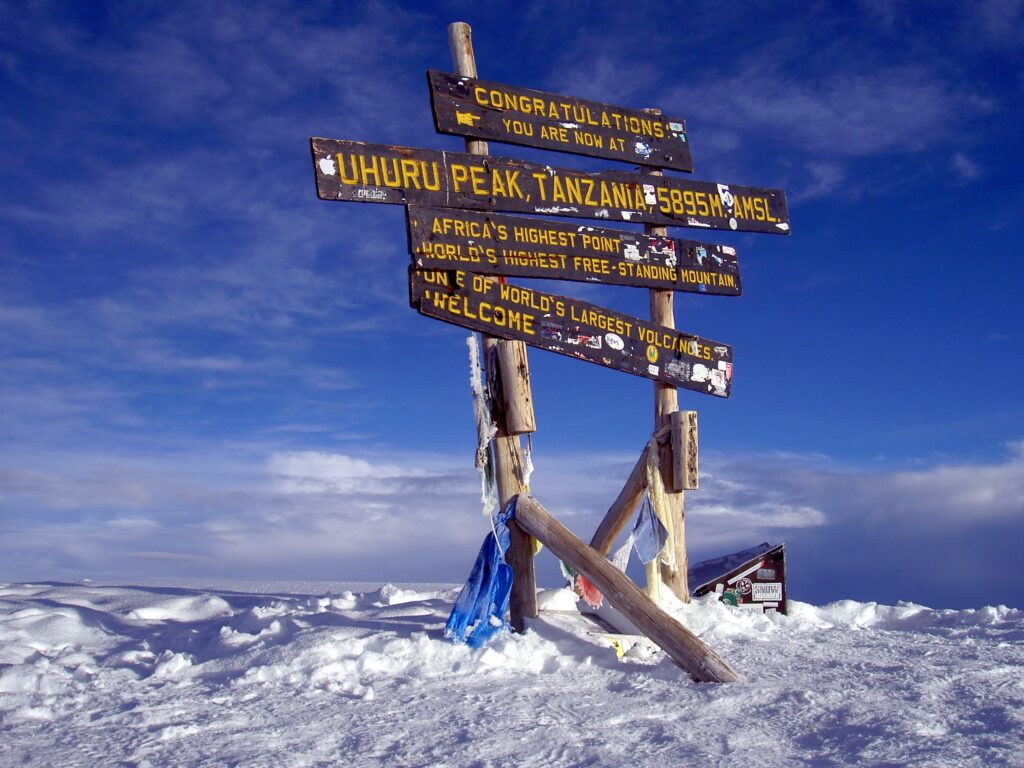
Your experience level plays a major role in choosing between trail shoes and boots on Kilimanjaro. Beginners often prefer hiking boots for added protection, stability, and confidence on uneven terrain. Experienced trekkers, especially those familiar with alpine hiking, may choose trail shoes for speed and comfort. Trekking style also matters—fast hikers and lightweight backpackers favor shoes, while traditional climbers prioritize boots. Group trekking, guided tours, and route difficulty all influence the decision. There is no universal answer, as both options can successfully reach Uhuru Peak. The best footwear is the one that matches your comfort, experience, and physical condition for a safe and enjoyable Kilimanjaro expedition.
Final Thought
The debate between trail shoes and boots for Kilimanjaro ultimately comes down to personal preference, experience, and trekking conditions. Hiking boots offer unmatched protection, insulation, and stability, making them ideal for harsh weather and challenging terrain. Trail shoes provide lightweight comfort, breathability, and energy efficiency, especially on well-maintained routes. Both options can successfully take you to the summit of Africa’s highest peak if chosen wisely and fitted properly. The most important factor is not just the footwear itself, but how well it matches your body, trekking style, and preparation. With the right choice, Kilimanjaro becomes not just a challenge, but a rewarding and unforgettable adventure.
Trail Shoes vs. Boots on Kilimanjaro – Which are Better?: FAQs
Should I wear trail shoes or boots on Kilimanjaro?
One of the most common questions among climbers is whether trail shoes or boots are better for Mount Kilimanjaro. In general, lightweight trail shoes are increasingly popular for experienced hikers, while traditional waterproof hiking boots remain the safer choice for most trekkers. Trail shoes offer better breathability, reduced weight, and comfort during long walking days. However, they provide less ankle support and protection from cold temperatures at higher elevations.
Are trail shoes safe for Kilimanjaro summit day?
Trail shoes can be safe for Kilimanjaro summit day, but only under the right conditions. The summit night is extremely cold, often dropping below freezing with snow and strong winds. Lightweight trail shoes may not provide enough insulation, increasing the risk of cold feet or discomfort. However, some experienced hikers prefer trail shoes combined with thick thermal socks and gaiters for flexibility and reduced fatigue.
Do hiking boots help prevent altitude-related foot problems?
Hiking boots do not directly prevent altitude sickness, but they can help reduce foot-related discomfort that worsens fatigue at high altitude. On Kilimanjaro, swollen feet, cold exposure, and reduced circulation are common issues. Boots provide better ankle support, insulation, and protection from uneven terrain, helping maintain stability during long trekking hours. This reduces strain on muscles and joints, which indirectly supports overall endurance.
Are trail shoes better for speed and comfort?
Yes, trail shoes are generally better for speed and comfort on lower slopes of Kilimanjaro. Their lightweight design reduces fatigue and allows for a more natural walking rhythm, especially during long daily hikes through rainforest and moorland zones. Many experienced hikers prefer trail shoes for early trekking days when temperatures are warmer and terrain is less extreme. However, comfort must be balanced with protection, especially as altitude increases.
Do boots perform better in cold summit conditions?
Yes, boots generally perform better in Kilimanjaro’s extreme summit conditions. At nearly 6,000 meters, temperatures can drop well below freezing, and strong winds are common. Insulated, waterproof boots help retain warmth and protect against frostbite risks in extreme environments. They also provide better grip on icy or rocky surfaces during summit night. Trail shoes, while lighter, may not offer sufficient insulation unless paired with specialized thermal gear.
What do most Kilimanjaro guides recommend?
Most Kilimanjaro guides recommend waterproof, well-broken-in hiking boots as the safest and most reliable footwear choice. Guides prioritize safety, stability, and protection against cold, wet, and rocky terrain. While they acknowledge that some experienced trekkers successfully use trail shoes, they usually advise boots for first-time climbers or those unsure about weather conditions. Guides also emphasize the importance of comfort and fit over brand or style.
What should you know about terrain conditions on Mount Kilimanjaro?
Mount Kilimanjaro features diverse terrain ranging from tropical rainforest at the base to alpine desert and arctic summit zones. This variation strongly influences footwear choice. Trail shoes perform well on dry, well-maintained paths, especially on lower sections like the Machame and Marangu routes. However, rocky scree slopes and icy summit sections demand more protection.
What can you expect from weight and energy efficiency for trail shoes vs. boots on Kilimanjaro – which are better?
One of the biggest advantages of trail running shoes is their lightweight design, which reduces fatigue during long Kilimanjaro hiking days. On routes that take 6–9 days, saving energy becomes critical for summit success. Lighter footwear allows faster movement and reduces strain on legs, especially during steep ascents like Barranco Wall.
Climb Kilimanjaro With Confidence
Tell us your dates and fitness, and our experienced mountain team will plan a safe, well-acclimatized private climb.