13 tips for planning an African Great Migration safari
Tips for Planning an African Great Migration Safari
Planning an unforgettable African Great Migration Safari, often called the world’s greatest wildlife spectacle, requires thoughtful preparation to maximize your experience. From choosing the right season to selecting ideal locations like the Serengeti and Maasai Mara, every detail shapes your journey. Travelers searching for the best African safari, Great Migration tours, luxury safari packages, and budget African safari deals must consider timing, accommodation, and logistics carefully. Whether you dream of witnessing river crossings or vast herds stretching across golden plains, strategic planning ensures a seamless adventure. This guide provides essential safari planning tips, helping you navigate African safari costs, the best time for migration safari, and top safari destinations in Africa. With the right approach, your migration safari becomes not just a trip, but a once-in-a-lifetime experience filled with breathtaking wildlife encounters.
Book with a Reputable Tour Operator
Choosing a Foot Slopes Tours and Safaris trusted operator is key to a successful African safari tour. Experienced companies offer expert guides, reliable logistics, and access to prime wildlife viewing areas. When searching for the best safari tour operators in Africa or top-rated Tanzania safari companies, look for strong reviews, certifications, and transparent pricing. A reputable operator ensures safety, comfort, and ethical practices, enhancing your overall experience. They also help customize luxury safari packages, private safari tours, or family-friendly safari itineraries. Booking with professionals means you benefit from insider knowledge about migration routes and timing. This is especially important for witnessing dramatic river crossings. Investing in a reliable operator may cost more upfront but guarantees value, making your Great Migration safari smooth, memorable, and stress-free from start to finish.
Time Your Trip Carefully
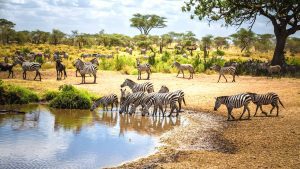
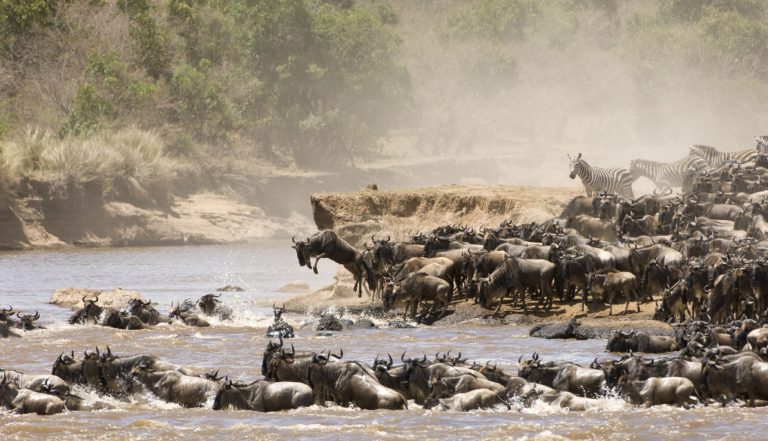
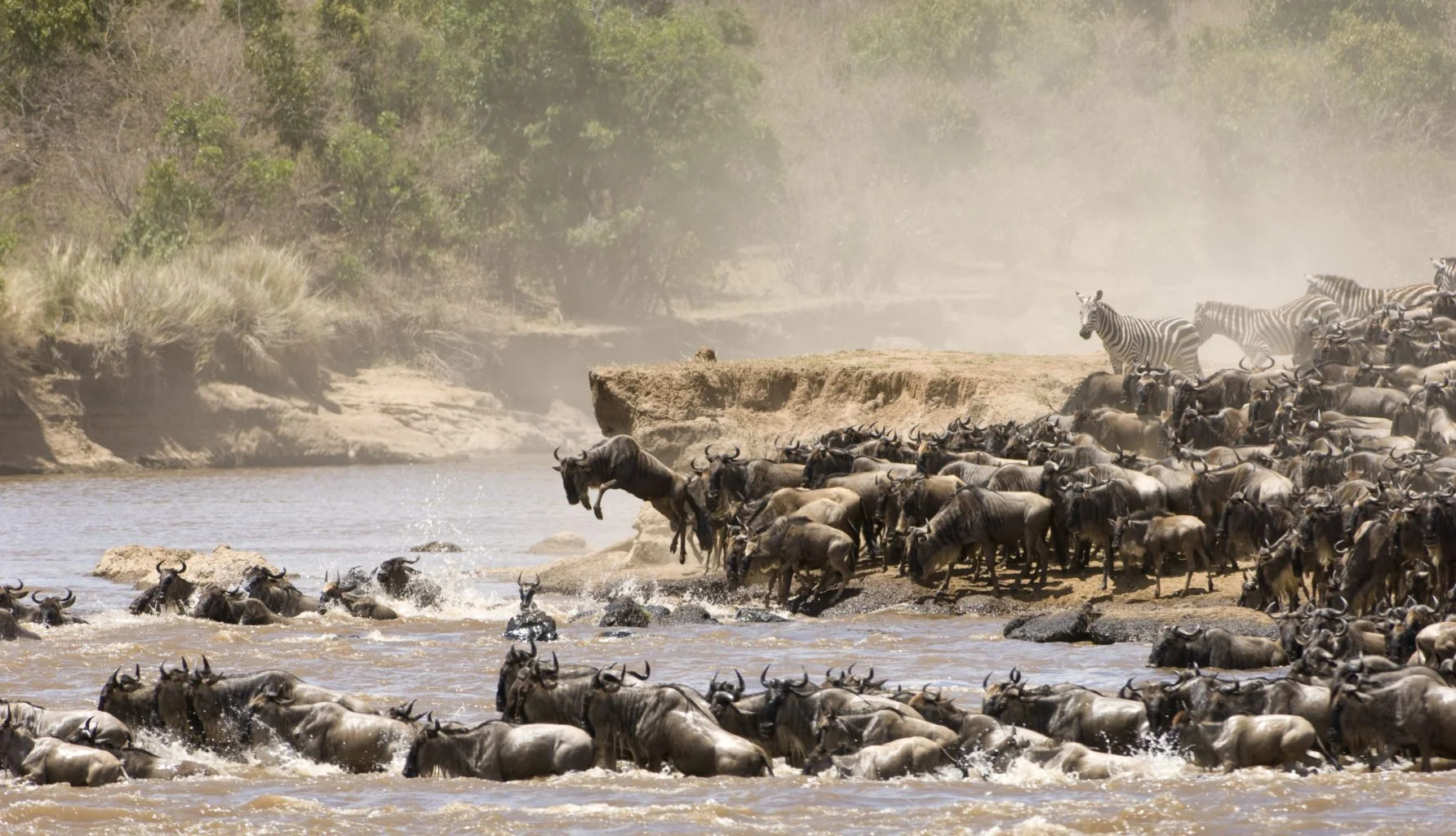
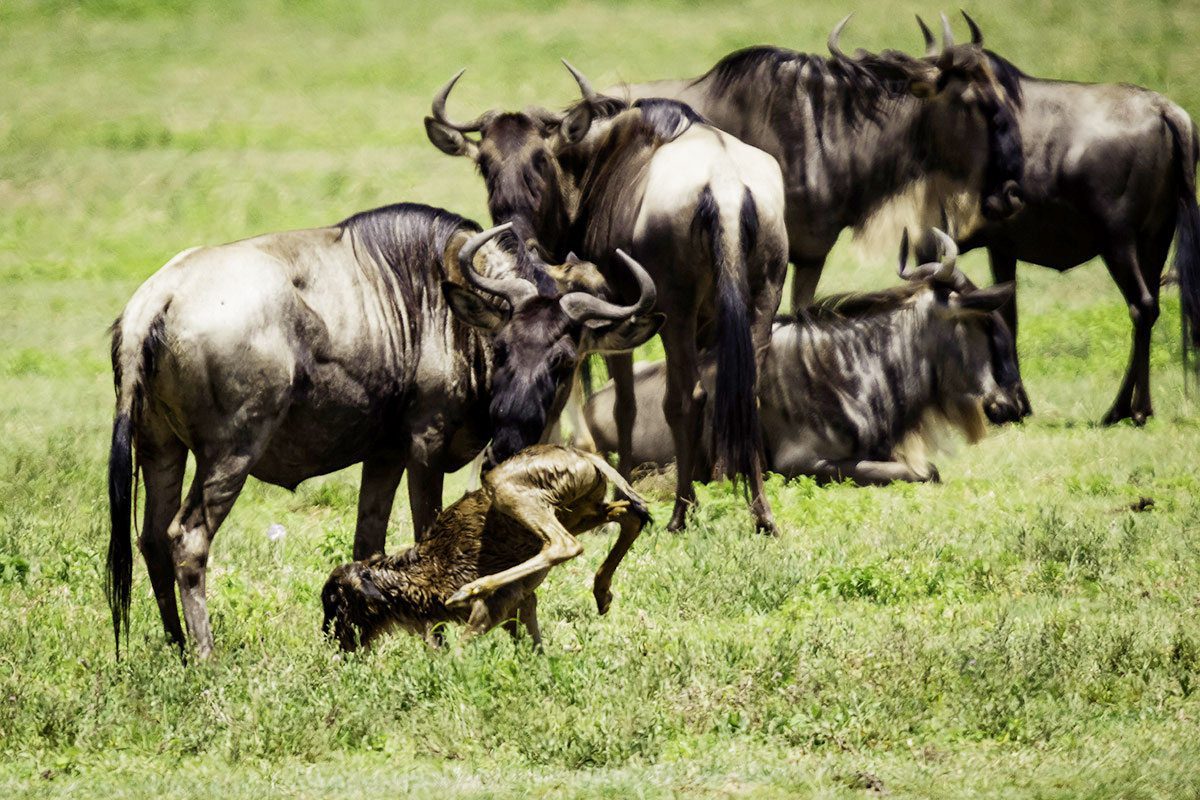
Timing is everything when planning a Great Migration safari in Africa. The migration moves throughout the year, so understanding the best time to visit the Serengeti or Maasai Mara migration season is crucial. River crossings usually occur between July and October, while calving season happens from January to March. Travelers searching for when to see the Great Migration or the best months for an African safari should align their itinerary with these natural events. Weather conditions, crowd levels, and wildlife density also vary by season. Visiting during peak months ensures dramatic sightings but may come with higher prices. Shoulder seasons can offer fewer crowds and better deals. Proper timing enhances your chances of witnessing iconic scenes, making your wildlife safari in Africa truly unforgettable.
Migration timing varies each year with the rains.
Choose Your Travel Style
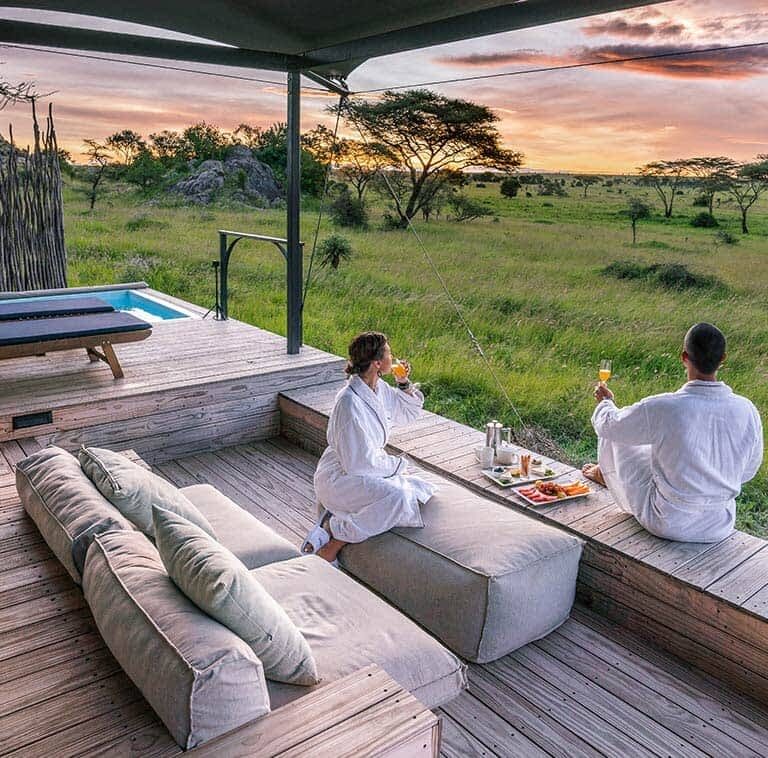
Your travel style defines your overall African safari experience. Options range from luxury safari lodges and all-inclusive safari packages to budget camping safaris and mid-range tented camps. Travelers searching for affordable African safaris or high-end safari experiences should choose based on comfort, expectations, and budget. Luxury safaris offer premium services, private guides, and exclusive locations, while budget safaris focus on adventure and value. Solo travelers, couples, and families all have tailored options available. Fly-in safaris save time, while overland safaris provide immersive journeys. Selecting the right style ensures your Great Migration safari tour matches your preferences. Whether you want a romantic honeymoon escape or a thrilling wildlife expedition, choosing the right travel style enhances comfort and enjoyment.
Premium lodges, private guides and exclusive locations, often with fly-in transfers.
Comfortable tented camps that balance cost and experience.
Camping safaris focused on adventure and value.
Save time with scenic flights between parks.
Immersive road journeys through Tanzania’s landscapes.
Pick the Right Accommodation
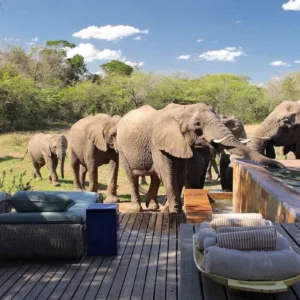
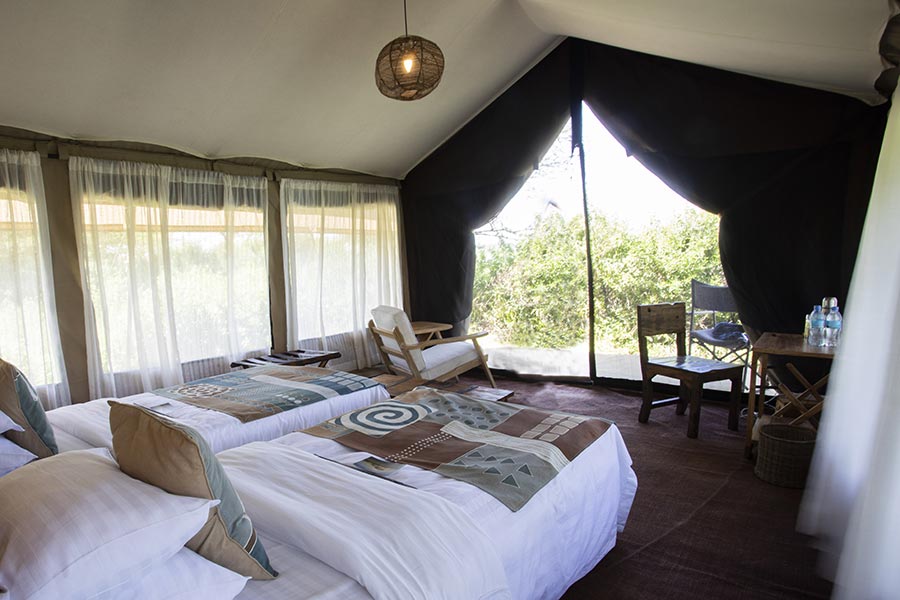
Accommodation plays a vital role in your African safari tour. From luxury safari lodges to tented camps in Serengeti, your choice affects comfort and proximity to wildlife. Travelers searching for the best safari accommodations in Africa or where to stay during the Great Migration should prioritize location. Staying near migration routes increases your chances of witnessing dramatic wildlife action. Mobile camps follow the herds, offering front-row access to the migration. Luxury lodges provide comfort, while mid-range camps balance cost and experience. Consider amenities, safety, and views when booking. Well-located accommodation reduces travel time and maximizes game viewing. Choosing wisely ensures your Great Migration safari is immersive, convenient, and filled with unforgettable wildlife encounters right at your doorstep.
Determine Your Safari’s Duration
The length of your safari significantly impacts your African safari experience. Most Great Migration safari tours range from 5 to 10 days, allowing enough time to explore key areas. Travelers searching for how long for an African safari or the ideal safari duration should consider travel time, budget, and interests. Short safaris may limit sightings, while longer trips offer deeper exploration and better chances to witness migration highlights. Combining destinations like Serengeti and Ngorongoro enhances diversity. A well-planned itinerary balances game drives, relaxation, and travel logistics. Extending your stay increases the likelihood of seeing dramatic wildlife events. Choosing the right duration ensures your wildlife safari in Africa is rewarding, immersive, and worth every moment spent in the wilderness.
Book Early
Early booking is essential for a successful Great Migration safari. Peak season demand for African safari packages and Serengeti accommodations is extremely high. Travelers searching for when to book an African safari or the best safari deals should secure reservations at least 6–12 months in advance. Early booking ensures access to prime lodges and experienced guides. It also allows better planning for flights and logistics. Last-minute bookings often result in limited options and higher costs. Planning gives you flexibility and peace of mind. This is especially important for witnessing river crossings, where accommodation near key areas fills quickly. Booking early guarantees the best experience, making your African safari tour seamless, stress-free, and perfectly organized.
- 6–12 months beforeSecure prime camps near river crossings
- 3–6 months beforeConfirm flights and logistics
- 1 month beforeVisas, health checks and packing
Pack Appropriately
Packing smart is crucial for a comfortable African safari adventure. Travelers searching for a safari packing list or what to wear on an African safari should focus on lightweight, neutral-colored clothing. Earth tones help blend into the environment and avoid attracting insects. Include essentials like hats, sunglasses, sunscreen, and comfortable walking shoes. Layered clothing is ideal for changing temperatures. Don’t forget travel documents, medications, and reusable water bottles. Packing efficiently ensures convenience during game drives and transfers. Avoid overpacking, as space in safari vehicles and small aircraft may be limited. Proper preparation enhances your Great Migration safari experience, allowing you to focus on wildlife sightings rather than discomfort or missing essentials during your journey.
Equip Yourself with Gear
Having the right gear enhances your wildlife safari in Africa. Travelers searching for the best safari gear or photography equipment for safari should prioritize binoculars, cameras, and extra batteries. A good zoom lens is essential for capturing distant wildlife during the Great Migration. Power banks and memory cards are also important for extended trips. Comfortable backpacks help carry essentials during game drives. Guides often provide spotting scopes, but personal binoculars improve your experience. Investing in quality gear ensures you don’t miss incredible moments. Whether you’re a professional photographer or casual traveler, proper equipment makes your African safari tour more engaging, allowing you to capture and relive unforgettable wildlife encounters.
Be Prepared for Dust
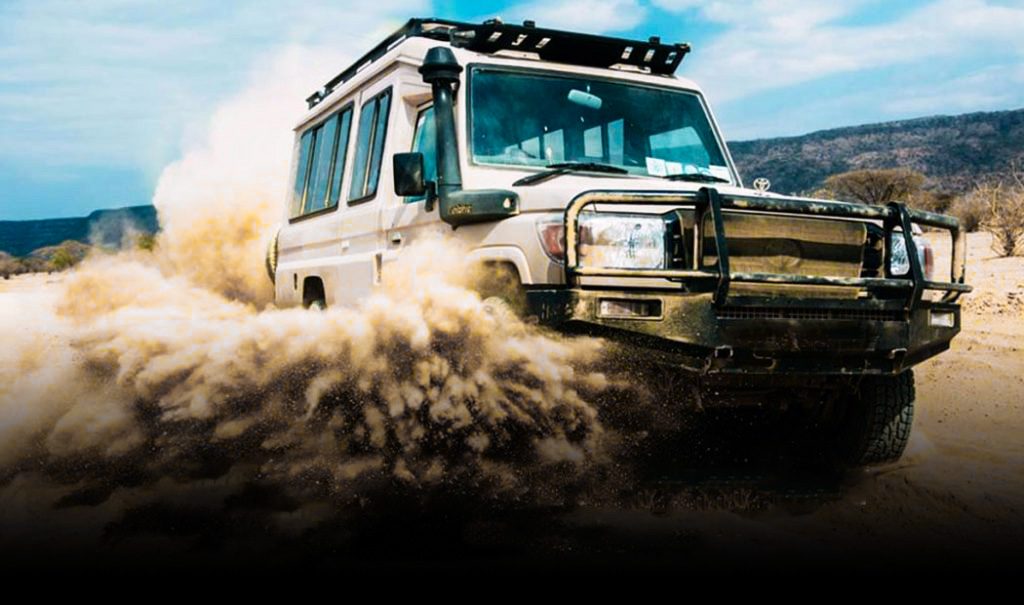
Dust is a natural part of any African safari experience, especially during dry seasons. Travelers searching for safari travel tips or what to expect on safari should prepare accordingly. Game drives often take place on unpaved roads, creating dusty conditions. Pack scarves, face masks, and sunglasses to protect yourself. Camera gear should be stored in protective cases. Dust can affect comfort, but being prepared minimizes inconvenience. Embrace it as part of the adventure. Proper preparation ensures your Great Migration safari remains enjoyable despite environmental challenges. Staying comfortable allows you to fully focus on wildlife sightings and breathtaking landscapes without distraction.

Stay Patient and Flexible
Patience is key during a Great Migration safari. Wildlife movements are unpredictable, and sightings require time and flexibility. Travelers searching for safari tips for beginners or how to see the Great Migration should understand that nature operates on its own schedule. Some days may offer dramatic action, while others are quieter. Trust your guide and remain open to unexpected experiences. Flexibility increases your chances of witnessing incredible moments. Avoid rigid expectations and embrace the journey. This mindset enhances your African safari tour, making every sighting meaningful. Staying patient ensures a richer, more rewarding wildlife experience filled with surprises.
Consider Your Travel Budget
Budget planning is essential for any African safari tour, a complete guide to a wildebeest migration Safari. The Ultimate Guide to planning a successful first African Safari costs vary widely depending on accommodation, duration, and travel style. Travelers searching for African safari costs, budget safari Africa, or luxury safari prices should define their spending limits early. Luxury Tanzania great migration safaris offer premium experiences, while budget options provide affordability. Consider park fees, flights, tips, and extras when calculating expenses. Booking a great migration safari in Tanzania during the shoulder seasons can reduce costs great migration Africa travel guide. Understanding your budget helps you choose the best Great Migration safari package without compromising quality. Proper financial planning ensures a smooth and enjoyable trip, allowing you to focus on the adventure rather than expenses great tips for planning an African Safari.
Understand the Migration Patterns
Understanding migration patterns is crucial for a successful Great Migration safari. The herds move in a continuous cycle across the Serengeti and Maasai Mara. Travelers searching for the Great Migration route or where the migration is now should research seasonal movements, a great guide to the Great Migration in Tanzania. Calving season, river crossings, and grazing periods occur at different times. Knowing these patterns helps you choose the best location and timing. Guides and tour operators provide valuable insights. Staying informed increases your chances of witnessing iconic events. This knowledge transforms your African safari experience, making it more strategic and rewarding.
- Dec–MarCalving in the southern Serengeti
- Apr–MayMoving through the central plains
- Jun–JulWestern Corridor & Grumeti River
- Jul–OctMara River crossings in the north
Respect Wildlife and the Environment
Respecting nature is essential during any African safari. Travelers searching for responsible tourism in Africa or an eco-friendly safari should follow ethical guidelines. Maintain safe distances from animals and avoid disturbing their natural behavior. Choose the right Tanzania safari operators committed to conservation and sustainability an incredible tips for planning your wildebeest migration safari. Avoid littering and respect local communities. Responsible travel protects wildlife and preserves ecosystems for future generations. Practicing ethical tourism enhances your Great Migration safari, ensuring a positive impact. Respecting the environment creates a more meaningful and authentic experience, connecting you deeply with Africa’s natural beauty.
- Keep a safe distance from animals
- Choose conservation-minded operators
- Respect local communities
- Take all litter with you
- Disturb natural behavior
- Crowd river crossing points
- Make loud noises near wildlife
- Leave designated tracks
Your Great Migration Planning Guides
How to Plan a Trip to See Africa's Great Migration
Planning a trip to witness the Great Migration safari, one of Africa’s most iconic wildlife events, requires timing, location, and expert guidance. Focus on top destinations like Serengeti National Park and the best times and places for a luxury migration safari. Choose between luxury Tanzania great migration safari packages, budget safaris, or fly-in safaris, depending on your needs. Book early with trusted Tanzania safari tour operators or Serengeti safari companies. Consider the best time to visit Serengeti, accommodation options, and migration routes to maximize wildlife sightings and unforgettable safari experiences, and discover everything you need to pack for the Great Migration Safari in Africa.
Complete Guide to a Wildebeest Migration Safari
A Wildebeest Migration safari offers thrilling encounters with over two million animals crossing vast plains. This African safari tour covers key areas like the Serengeti and Masai Mara, featuring Big Five safaris, river crossings, and predator action. Choose from luxury tented camps, mid-range lodges, or budget camping safaris. Guided by experienced experts, travelers enjoy game drives, photography, and cultural visits. Understanding migration patterns and booking with reliable African safari companies ensures a seamless, immersive, and truly unforgettable wildlife adventure.
A Complete Guide to The Great Migration in Africa
The Great Migration in Africa is the world’s largest land animal movement, primarily across Serengeti National Park and Masai Mara National Reserve. This wildlife safari experience features wildebeest, zebras, and predators in dramatic cycles. Travelers can enjoy luxury safaris, family safaris, or photographic safaris tailored to their needs. Understanding seasonal routes, weather patterns, and accommodation options helps create the perfect African safari itinerary. Booking early ensures access to prime viewing locations and top-rated safari lodges.
Your Guide to the Great Wildebeest Migration in Africa
Your Great Wildebeest Migration guide starts with choosing prime locations and timing. This bucket list safari includes river crossings, calving season, and predator encounters. Visit Serengeti for year-round action or Masai Mara for dramatic crossings. Select from all-inclusive safari packages, luxury lodges, or mobile camps. Expert guides enhance your journey with insights into wildlife behavior. Whether for honeymoon safaris, family vacations, or solo travel, planning guarantees the best African safari experience filled with breathtaking landscapes and unforgettable moments.
Related Great Migration Guides & Safaris
Tips for Planning Your Wildebeest Migration Safari→8 Day | The Great Migration Highlights – Luxury Safari→River Crossings vs Calving Season of the Great Migration in Tanzania→3- Day Great Migration River Crossings→Complete Guide to a Wildebeest Migration Safari→Final Thought
A well-planned African Great Migration Safari combines timing, preparation, and responsible travel. By following these expert safari planning tips, you can enjoy one of the world’s most extraordinary wildlife events. Whether you seek luxury safari experiences, budget-friendly tours, or private African safaris, careful planning ensures unforgettable memories. Embrace the adventure, stay flexible, and let nature guide your journey through Africa’s breathtaking landscapes.
Questions About Great Migration Safaris
When to go on your Great Migration safari?
The best time for a Great Migration safari depends on where the herds are. From December to March, the southern Serengeti and Ndutu host the calving season, ideal for predator action. From June to July, the herds move through the Western Corridor, and from July to October, dramatic Mara River crossings take place in the northern Serengeti and Masai Mara. An experienced safari operator will align your dates with the migration.
When is the best time to witness the Great Migration?
For calving season, visit the southern Serengeti between January and March, when thousands of wildebeest calves are born and predators are active. For dramatic river crossings, travel to the northern Serengeti or Masai Mara from July to September. These periods offer peak wildlife photography and thrilling safari moments. Shoulder seasons bring fewer crowds and better rates, making them a smart choice for value-focused travelers.
What is the difference between the Serengeti and the Masai Mara?
Serengeti National Park in Tanzania is vast and offers year-round Great Migration viewing, from calving in the south to river crossings in the north. Kenya’s Masai Mara National Reserve is smaller but famous for intense river crossings from July to October. Tanzania suits longer, more varied safaris, while Kenya offers shorter, accessible trips. Both deliver exceptional Big Five safaris, luxury lodges and unforgettable wildlife experiences.
Do I need a visa for a safari in Tanzania or Kenya?
Yes, most travelers need a visa for a Tanzania or Kenya safari. Visitors to Tanzania can apply for an eVisa online before travel, while Kenya requires an electronic travel authorization (eTA). Requirements can change, so always check the latest official rules for your nationality before booking flights. Make sure your passport is valid for at least six months, and apply early to ensure a smooth start to your safari.
What are the insider tips for the best Great Migration safari?
For the best Great Migration safari, book early, choose strategic camp locations and travel with expert guides. Stay in mobile camps that follow the herds or lodges near river crossings for front-row viewing. Consider shoulder seasons for fewer crowds and better rates, and pack binoculars and a camera with a zoom lens. A trusted local safari operator will customize your itinerary to catch the migration at its peak.
Are vaccinations required for a safari in East Africa?
Vaccinations are recommended for an East Africa safari. Travelers to Tanzania and Kenya often consider vaccines for yellow fever, hepatitis A and typhoid, and yellow fever certification may be required depending on your travel route. Malaria prevention is also advised. Requirements vary by country and change over time, so consult a travel-health professional several weeks before your trip for personalized advice and the latest entry rules.
What should I do in case of an emergency during a safari?
In an emergency on safari, stay calm and follow your guide’s instructions. Reputable safari operators provide trained guides, first-aid kits and emergency communication, and many lodges and camps have access to air evacuation services. Tell your guide immediately if you feel unwell. Always carry comprehensive travel insurance covering medical emergencies and evacuation, especially when exploring remote areas such as the Serengeti or Masai Mara.
How do I plan a Great Migration safari?
Plan a Great Migration safari by first choosing your timing, then the right location: the southern Serengeti for calving, the Western Corridor in June and July, or the northern Serengeti and Masai Mara for river crossings. Decide on luxury, mid-range or budget accommodation and whether to fly or drive. Book six to twelve months ahead with an experienced local operator who designs a private tailor-made itinerary.
What should I pack for a Great Migration safari?
Pack lightweight, neutral-colored clothing, a light jacket for chilly morning game drives, a wide-brim hat, sunglasses and comfortable walking shoes. Bring binoculars, a camera with a zoom lens, spare batteries and memory cards, sunscreen and insect repellent. A scarf or face mask helps with dust in the dry season. Use soft-sided luggage for safari vehicles and light aircraft, and keep travel documents and medications handy.
Plan Your Private Great Migration Safari
Tell us your dates and wishes, and we will design a private, tailor-made migration safari timed for calving season or river crossings.