Experience and discover incredible ulitmate climbing Mount Meru in Tanzania is one of the most rewarding trekking experiences in East Africa, offering a perfect blend of adventure, wildlife encounters, and breathtaking volcanic scenery. Located within Arusha National Park, Mt Meru stands at 4,566 meters and is often used as an acclimatization climb for Mount Kilimanjaro. This trekking route is gaining popularity among adventure seekers searching for “best Tanzania trekking tours,” “Mount Meru climb itinerary,” and “Arusha hiking adventures.” Unlike many other African mountains, climbers may encounter giraffes, buffaloes, and even elephants during the lower sections of the trail. The ascent passes through lush rainforest, alpine desert, and rocky ridges, making it a diverse ecological journey. Understanding the climb beforehand ensures safety, enjoyment, and successful summit attempts. This guide provides essential things you need to know before climbing Mt Meru, including preparation, costs, weather, routes, and expert tips for a successful summit experience in Tanzania.
1. Best Time to Climb Mount Meru
The best time to climb Mount Meru is during Tanzania’s dry seasons, which run from June to October and December to February. These months offer clear skies, stable weather conditions, and safer hiking trails, making them ideal for trekking and summit attempts. Travelers searching “best time to climb Mount Meru Tanzania” or “Arusha hiking weather conditions” will find these periods most favorable. The wet seasons, especially March to May and November, bring heavy rainfall, slippery paths, and reduced visibility, which can make the climb more challenging. Dry season trekking also improves wildlife viewing inside Arusha National Park, where animals are more active around the lower slopes. Temperatures vary significantly with altitude, from warm rainforest conditions at the base to freezing summit nights. Planning your climb during the optimal season increases summit success rates, enhances photography opportunities, and ensures a safer, more enjoyable trekking experience in Tanzania’s iconic volcanic mountain landscape.
2. Permits and Park Regulations
Before climbing Mount Meru, obtaining the required permits from the Tanzania National Parks Authority is mandatory. All trekkers must register through licensed operators and pay entrance, conservation, and guide fees. These regulations are strictly enforced within Arusha National Park to protect wildlife and preserve the fragile mountain ecosystem. Search terms like “Mount Meru trekking permits,” “Tanzania park fees,” and “Arusha National Park regulations” are commonly used by travelers planning their climb. Independent trekking is not allowed, meaning all climbers must be accompanied by an armed ranger due to the presence of wild animals such as buffalo and elephants. Permit costs vary depending on nationality and route duration, typically covering three to four days of trekking. Understanding these rules in advance helps avoid delays and ensures a smooth start to your expedition. Respecting park regulations also contributes to sustainable tourism and supports conservation efforts in Tanzania’s protected mountain environments.
3. Fitness Requirements
Climbing Mount Meru requires a moderate to high level of physical fitness due to steep ascents, long trekking hours, and high-altitude conditions. While it is considered less demanding than Mount Kilimanjaro, proper preparation is essential for success. Many travelers search “Mount Meru difficulty level,” “fitness for Tanzania trekking,” and “Arusha hiking preparation.” Regular cardio training such as running, cycling, or hiking with a backpack is highly recommended at least 6–8 weeks before the climb. Strength training for legs and core muscles also improves endurance on rocky and uneven terrain. Trekkers should be prepared to walk 5–8 hours daily, with the summit push requiring a midnight ascent. Altitude adaptation is another important factor, as oxygen levels decrease significantly above 3,000 meters. A well-prepared body reduces fatigue, improves acclimatization, and increases the likelihood of reaching Socialist Peak successfully during your Mount Meru adventure in Tanzania.
4. Altitude Sickness Awareness
Altitude sickness is one of the most important considerations when climbing Mount Meru. As you ascend above 2,500 meters, the oxygen level decreases, and symptoms such as headaches, nausea, dizziness, and fatigue may occur. Many trekkers search “Mount Meru altitude sickness tips” and “how to acclimatize in Tanzania mountains” before their journey. Proper acclimatization is crucial for a safe climb, and Mount Meru is often used as a preparation trek for Kilimanjaro because of its gradual elevation gain. Drinking plenty of water, maintaining a steady walking pace, and avoiding alcohol or smoking significantly reduce risks. Guides monitor climbers daily to ensure safety and may recommend rest or descent if symptoms worsen. Sleeping at Miriakamba Hut and Saddle Hut helps the body adjust gradually. Understanding altitude sickness and its prevention is essential for a successful and enjoyable Mount Meru trekking experience within Tanzania’s high-altitude environments.
5. Route Options and Trekking Path
The main Mount Meru climbing route begins at Momella Gate and passes through diverse landscapes within Arusha National Park. Trekkers typically follow a three- to four-day itinerary via Miriakamba Hut and Saddle Hut before reaching Socialist Peak. This route is the only officially permitted path and offers stunning views of wildlife, forest, and volcanic terrain. Search terms like “Mount Meru trekking route,” “Arusha hiking trails,” and “Tanzania volcano climb itinerary” are highly popular. The lower section features dense rainforest inhabited by monkeys and giraffes, while higher elevations transition into moorland and rocky ridges. The final summit push is done at night, allowing climbers to reach the crater rim at sunrise. The dramatic Ash Cone inside the crater is one of the highlights of the climb. Understanding the route helps trekkers prepare mentally and physically for the changing terrain and elevation challenges throughout the journey.
6. What to Pack for Mount Meru
Packing correctly for Mount Meru is essential for comfort, safety, and summit success. Key items include layered clothing, waterproof jackets, thermal wear, trekking boots, gloves, hats, and a warm sleeping bag suitable for sub-zero temperatures. Many travelers search “Mount Meru packing list,” “Tanzania trekking gear,” and “Arusha hiking essentials.” A lightweight backpack with hydration systems is highly recommended for daily use. Sunscreen, sunglasses, and lip balm protect against strong UV exposure at higher altitudes. Headlamps are crucial for the midnight summit ascent, while trekking poles provide stability on steep trails. Snacks, energy bars, and water purification tablets ensure proper nutrition and hydration. Since luggage is carried by porters, keeping your load light improves trekking comfort. Proper preparation ensures you are ready for changing weather conditions, from humid rainforest at the base to freezing winds at the summit of Mount Meru in Tanzania.
7. Guides and Porters Importance
Hiring professional guides and porters is mandatory and highly beneficial when climbing Mount Meru. Guides are trained in mountain safety, wildlife awareness, and altitude management, ensuring a secure trekking experience. Porters assist with carrying luggage, camping equipment, and food supplies, allowing climbers to focus on the hike itself. Travelers often search “Mount Meru guides Tanzania,” “Arusha trekking porters,” and “safe mountain climbing in Tanzania.” All climbs within Arusha National Park require armed rangers due to wildlife presence, adding an extra layer of safety. Guides also provide valuable insights about flora, fauna, and volcanic history, enriching the overall experience. Supporting local guides and porters contributes directly to community livelihoods and sustainable tourism in Tanzania. Choosing a reputable tour operator ensures fair treatment, proper wages, and professional service. Their expertise significantly increases summit success rates and enhances safety throughout your Mount Meru adventure.
8. Accommodation Huts on the Mountain
Mount Meru trekking involves overnight stays in designated mountain huts rather than camping. The main huts include Miriakamba Hut and Saddle Hut, both offering basic but comfortable shelter for climbers. These facilities are managed within Arusha National Park and provide sleeping areas, dining spaces, and essential services. Travelers frequently search “Mount Meru huts accommodation,” “Arusha mountain sleeping huts,” and “Tanzania trekking overnight stays.” Miriakamba Hut is located in the forest zone, while Saddle Hut sits higher up near the alpine zone, serving as the final stop before the summit push. Facilities are simple, with shared rooms and limited amenities, so climbers should come prepared. The huts also provide protection from wildlife and harsh weather conditions. Staying in these huts allows trekkers to rest, acclimatize, and prepare for the challenging ascent to Socialist Peak, making them an essential part of the Mount Meru climbing experience.
9. Wildlife Encounters and Safety
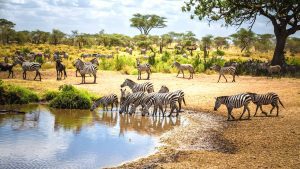
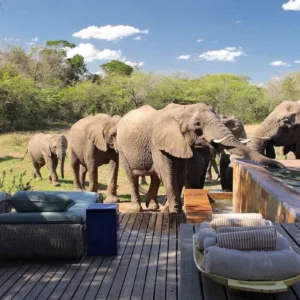
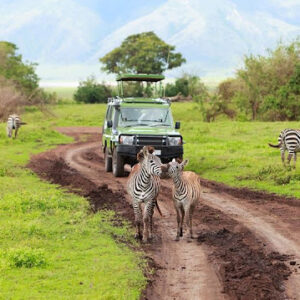
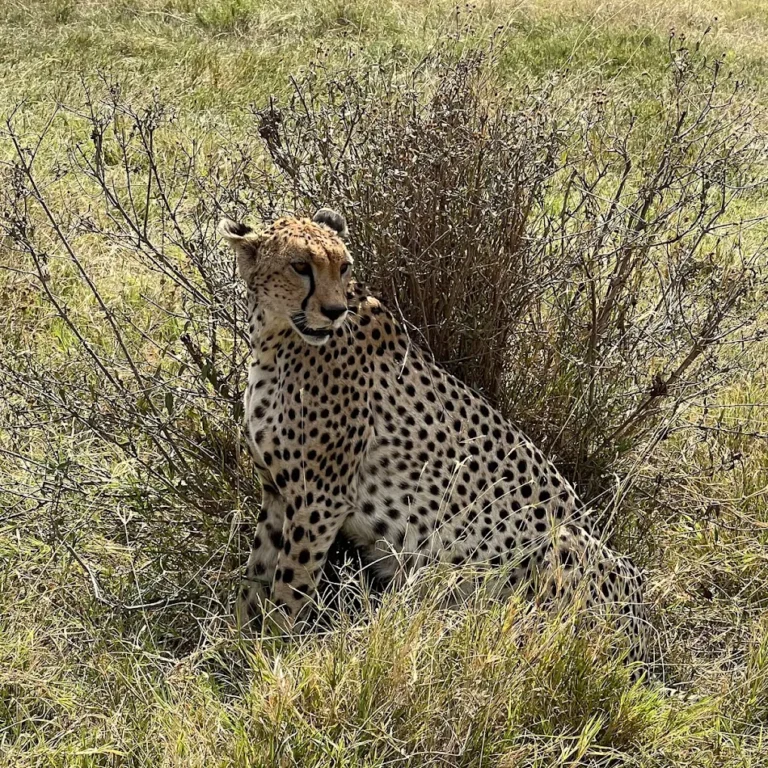
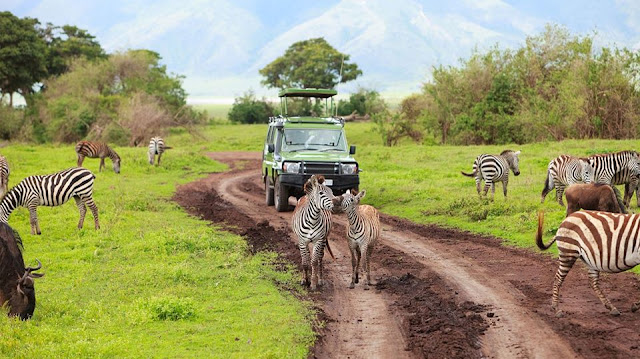
One of the most unique aspects of climbing Mount Meru is the opportunity to encounter wildlife during the trek. The lower slopes inside Arusha National Park are home to giraffes, buffaloes, warthogs, and monkeys, making the journey feel like a walking safari. Many travelers search “Mount Meru wildlife safari hike,” “Arusha animals trekking route,” and “Tanzania mountain wildlife safety.” Because of this, all climbers are accompanied by armed rangers for protection. While wildlife encounters are exciting, maintaining safe distance and following guide instructions is essential. Animals are generally not aggressive, but buffaloes and elephants can be unpredictable if disturbed. Noise, movement, and group trekking reduce risks significantly. The presence of wildlife adds a rare and unforgettable dimension to the Mount Meru climb, combining adventure trekking with authentic African safari experiences in one of Tanzania’s most scenic mountain environments.
10. Cost of Climbing Mount Meru
The cost of climbing Mount Meru varies depending on tour operator, group size, and services included. On average, prices range from budget to mid-range trekking packages, covering permits, guides, porters, accommodation, meals, and park fees. Travelers often search “Mount Meru climb cost,” “Tanzania trekking prices,” and “Arusha hiking tour packages.” Since the route is located within Arusha National Park, park fees form a significant portion of the total cost. Private climbs are more expensive but offer flexibility and personalized service, while group tours reduce overall expenses. Additional costs may include tips for guides and porters, equipment rental, and transport from Arusha. Booking through licensed operators ensures transparency and proper service quality. While not as expensive as Mount Kilimanjaro, Mount Meru still requires careful budgeting. Understanding the cost structure helps travelers plan efficiently and avoid unexpected expenses during their trekking adventure in Tanzania.
11. Training and Preparation Tips
Proper training is essential for successfully climbing Mount Meru. Preparation should begin several weeks before arrival, focusing on cardiovascular endurance, strength building, and hiking practice. Many trekkers search “Mount Meru training plan,” “Tanzania hiking preparation,” and “Arusha trekking fitness tips.” Activities such as stair climbing, jogging, cycling, and long-distance walking help simulate mountain conditions. Carrying a weighted backpack during training improves stamina and balance. Mental preparation is equally important, as altitude, fatigue, and long hiking hours can be challenging. Practicing hydration and nutrition strategies also improves performance on the mountain. Climbers who have previously trekked at high altitude will find Mount Meru easier to manage. Consistent preparation reduces injury risks and increases summit success rates. By training properly, trekkers can fully enjoy the scenic beauty, wildlife encounters, and volcanic landscapes that make Mount Meru one of Tanzania’s most rewarding hiking destinations.
12. Safety and Environmental Responsibility
Safety and environmental responsibility are crucial when climbing Mount Meru. Trekkers must follow guide instructions, respect wildlife, and stay on designated trails within Arusha National Park. Search queries like “Mount Meru safety tips,” “responsible trekking Tanzania,” and “eco-friendly hiking Africa” are increasingly popular among conscious travelers. Proper hydration, slow pacing, and altitude awareness reduce health risks. Climbers should avoid littering, use reusable water bottles, and minimize environmental impact. The mountain ecosystem is fragile, and conservation efforts depend on responsible tourism behavior. Wildlife encounters require calm behavior and safe distance, always under ranger supervision. Supporting eco-friendly tour operators ensures sustainable trekking practices. Emergency protocols are in place, but preparation and awareness remain essential. By prioritizing safety and environmental care, climbers help preserve Mount Meru’s natural beauty for future generations while enjoying a secure and meaningful adventure in Tanzania’s iconic volcanic landscape.
Final Thought
Climbing Mount Meru is a life-changing adventure that combines physical challenge, breathtaking scenery, and rich wildlife experiences in the heart of Tanzania. From the lush rainforests of Arusha National Park to the dramatic summit of Socialist Peak, every stage of the journey offers something unforgettable. Proper preparation, fitness, and understanding of altitude, costs, and safety requirements are essential for a successful climb. Unlike many other trekking destinations, Mount Meru provides a rare combination of safari-like wildlife encounters and alpine mountain trekking in one route. Whether used as a warm-up for Kilimanjaro or a standalone adventure, it delivers incredible value for travelers seeking “best Tanzania hiking experiences” and “authentic African mountain climbs.” With the right mindset and guidance, Mount Meru becomes more than just a trek—it becomes a powerful journey of discovery, resilience, and connection with Tanzania’s natural beauty.