The Ultimate Guide to Going on an African Safari
The Ultimate Guide to Going on an African Safari
An African safari is an unforgettable adventure filled with breathtaking wildlife encounters and cultural interactions. By planning thoughtfully, choosing your destination and type, packing appropriately, and respecting local customs, you can ensure a rewarding experience that will linger in your memory for a lifetime. So, gear up for your adventure, and get ready to explore the wild heart of Africa! Imagine waking up to the sounds of the African savanna, ready to witness lions, elephants, and zebras in their natural home. An African safari is a once-in-a-lifetime journey. It offers diverse landscapes, unique wildlife encounters, and rich cultural experiences. This guide has comprehensive information to plan your ideal safari adventure.’
Defining Your African Safari Dream
Before booking a flight, you need to define what kind of safari experience you're seeking. Are you interested in a luxurious, family, honeymoon/couple, solo travelers, all-inclusive experience or a more budget-friendly adventure? Consider the following factors:
Choosing Your Safari Duration
Safari trips can last anywhere from a few days to several weeks, so deciding how long to travel is an early planning step. A short safari of three or four days can cover highlights such as Tarangire, Lake Manyara and the Ngorongoro Crater. A longer trip gives you more time in each park and better chances of seeing a wide variety of wildlife, habitats and landscapes, including the vast Serengeti plains. More days also mean a slower, more relaxed pace with less time spent driving. A private tailor-made safari lets you choose the exact length that suits your interests and schedule.
Choosing the Right Safari Location
Different regions of Africa offer very different wildlife encounters, so choosing the right location shapes your whole safari. The Serengeti in Tanzania is famous for the Great Wildebeest Migration and its big cats, while Kruger National Park in South Africa is known for its diverse range of animals. Within Tanzania, the Ngorongoro Crater, Tarangire and Lake Manyara each have their own character and highlights. Start by listing the animals and experiences that matter most to you, then research which parks offer them at your travel time. A private tailor-made safari can combine several locations into one well-paced, rewarding itinerary.
A general guide: the herds follow the rains.
Setting Your Safari Budget
Safari costs vary significantly depending on the level of luxury, the type of accommodation, the length of the trip and the activities you include. Lodges, tented camps and campsites each come at different price points, and extras such as hot-air balloon flights or cultural visits add to the total. Start by setting a realistic budget, then compare options to find the best value for your money. Check carefully what each quote includes, such as park fees, meals, drinking water and transfers. A private tailor-made safari allows you to balance comfort and cost, choosing where to spend more and where to save.
Budget camping & lodges
Affordable, adventurous and close to nature.
Mid-range lodges & tented camps
Comfort, good food and convenient locations.
Luxury tented camps & lodges
Spacious suites, personal service and prime wildlife areas.
Exclusive-use camps & villas
Complete privacy, private guides and bespoke experiences.
Choosing Your Travel Style
Think carefully about how you want to travel before booking. A guided safari offers a structured experience with an expert driver-guide who knows the parks, spots wildlife quickly and handles logistics, permits and park rules for you. Self-drive trips offer more independence, but they require confidence driving on rough roads, navigating remote areas and understanding animal behaviour in unfamiliar environments. Many travellers find that a private tailor-made guided safari gives the best of both worlds: the flexibility to set your own pace and daily plans, combined with the safety, local knowledge and expertise of a professional guide in your own vehicle.
Defining Your Wildlife Focus
Some safaris concentrate on a particular interest, such as birdwatching, big cats or wildlife photography, while others offer a broader, general wildlife experience. Clarify what you most want to see and do so that the safari matches your expectations. Birders may want extra time in Lake Manyara or Tarangire, while those hoping to see the Big Five may prioritise the Ngorongoro Crater and the Serengeti. Sharing your priorities with your safari planner helps them design the right route, timing and pace. A private tailor-made safari can be built entirely around your personal wildlife interests rather than a fixed schedule.
Choosing Your African Safari Destination
Africa has many options for amazing safari trips. Each area provides unique experiences the ultimate guide to going on an African Safari. Think about what you want to see and do on your dream safari. Africa boasts various safari destinations, each offering unique experiences. Some of the most popular top Safari destinations in Africa options include:
- ArushaGateway
- TarangireElephants
- NgorongoroCrater
- SerengetiBig Five
- ZanzibarBeach
Serengeti and Ngorongoro Crater
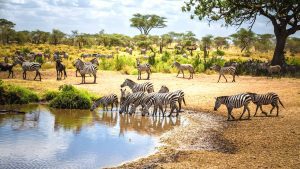
The Serengeti National Park in Tanzania is renowned for its annual Great Wildebeest Migration and is a treasure trove of wildlife, with excellent chances of seeing lions, elephants, leopards, cheetahs and vast herds of plains game. Its endless grasslands provide some of the finest game viewing in Africa throughout the year. Nearby, the Ngorongoro Crater is a natural wonder with a remarkably high concentration of wildlife inside its ancient caldera. It is one of the best places in Africa to spot the Big Five in a single day. Combining both on a private tailor-made safari creates a classic northern Tanzania itinerary.
Lake Manyara and Zanzibar Beaches
Lake Manyara National Park is famous for its tree-climbing lions, diverse birdlife and picturesque landscapes, from groundwater forest to the shimmering soda lake beneath the Rift Valley escarpment. It offers a striking contrast to the open plains of the Serengeti and is an easy addition to a northern Tanzania itinerary. For those who want to unwind after their safari, the white-sand beaches of Zanzibar provide the perfect tropical escape. The island is known for its vibrant Swahili culture, historic Stone Town, spice tours and crystal-clear waters, making a bush and beach holiday a relaxing way to end your trip.
Tarangire National Park
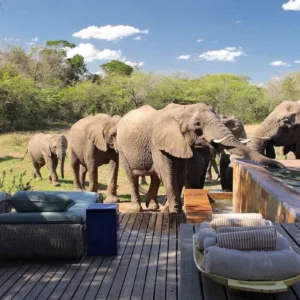
Tarangire National Park is one of northern Tanzania's hidden gems. It is home to some of the largest elephant herds in the country and is famous for its giant baobab trees, which create a striking backdrop for wildlife photography. The Tarangire River draws animals from across the surrounding ecosystem, so game viewing is excellent, especially during the dry season when zebras, wildebeest, buffalo, giraffes and predators gather near the water. The park also has rich birdlife. Located close to Arusha and Lake Manyara, Tarangire fits easily into a private tailor-made safari, often as the first stop on a northern circuit itinerary.
Cultural Visits at Lake Eyasi
Lake Eyasi offers some of the most authentic cultural experiences in Tanzania. Visitors have the opportunity to meet the Hadzabe, one of the last hunter-gatherer communities in Africa, and the Datoga, pastoralists known for their skilled metalwork. Both communities still follow traditional ways of life. Depending on the visit, you may join the Hadzabe on an early morning walk to learn how they track, forage and make fire, or watch Datoga blacksmiths craft jewellery and arrowheads. Lake Eyasi lies a short drive from Karatu and the Ngorongoro Crater, making it an easy and meaningful addition to a private tailor-made safari.
Arusha National Park and Mount Kilimanjaro
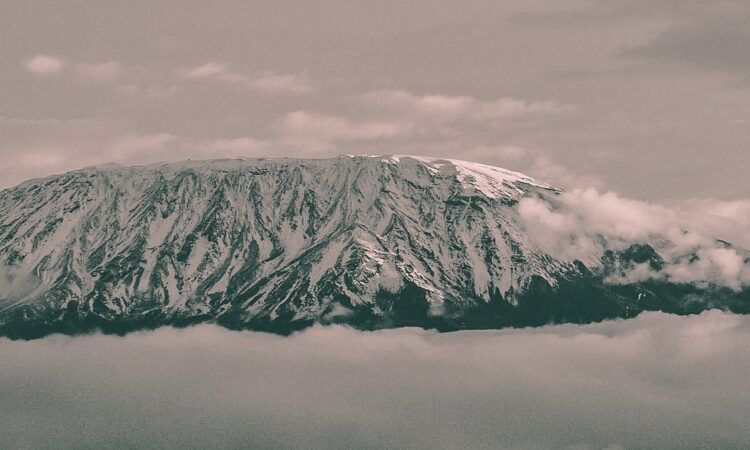
Arusha National Park is a smaller but beautifully scenic park, with lush montane forest, waterfalls, the Momella Lakes and views of Mount Meru. It is one of the best places in northern Tanzania to see black-and-white colobus monkeys, and it is a great spot for canoeing and walking safaris. If you are ready for a bigger adventure, climbing Mount Kilimanjaro is a true bucket-list experience. At 5,895 metres (19,341 feet), it is the highest mountain in Africa and the tallest free-standing mountain in the world. Kilimanjaro treks can be combined with a private tailor-made safari before or after the climb.
Climbing Mount Meru
Mount Meru, Tanzania's second-highest mountain, is a much quieter, less crowded alternative to Kilimanjaro. Located inside Arusha National Park, it offers a challenging yet rewarding trek with stunning views, including dramatic scenery around the crater rim and a spectacular sunrise view of Kilimanjaro from the summit area. Because the route passes through a national park, trekkers are accompanied by an armed ranger and often see wildlife such as giraffes, buffalo and colobus monkeys along the lower slopes. The climb usually takes three to four days and is also an excellent acclimatisation trek for those planning to climb Kilimanjaro afterwards.
Lake Natron and Its Flamingos
Lake Natron is one of the most surreal landscapes in Tanzania. Its highly alkaline waters often appear red or crimson because of salt-loving microorganisms, creating a striking contrast with the surrounding volcanic terrain. The lake is famous as the most important breeding ground for lesser flamingos in East Africa, and large flocks can be seen feeding along its shores. Nearby, you can walk to waterfalls, see ancient human footprints and view Ol Doinyo Lengai, the Maasai's sacred active volcano. Lake Natron lies in a remote area north of the Ngorongoro highlands and makes a memorable detour on a private tailor-made safari.
Specific Considerations for Destination Choice
Picking the right destination relies on budget and when you are going. Certain times of year are better for some wildlife views. What you want to see and do plays a big part too. Gorilla trekking permits cost much more than game drives the ultimate guide to planning a successful first African Safari. The dry season is often better for wildlife views, as animals gather around water sources.
Types of African Safaris: Finding the Right Experience for You
Many types of safaris exist, so find the one that matches what you want. Do you dream of a comfy lodge or moving from place to place?
Mobile and Luxury Lodge Safaris
Mobile safaris bring you closer to nature by moving from camp to camp as you travel through the wilderness. Staying in tented camps gives a true outdoor experience, with the sounds of the bush around you at night, and many mobile safaris also include guided walks to see the land up close. Luxury lodge safaris, by contrast, focus on comfort and excellent service. These lodges offer spacious rooms, fine dining and professionally guided game drives. While they cost more, they provide every comfort you need after a long day in the parks. Both styles can be arranged as private tailor-made safaris.
Budget Safaris
A budget safari is practical for travellers who want to see Tanzania's wildlife while keeping costs down. Affordable lodges, simple camps and public campsites make it possible to save money without sacrificing the core experience of game drives, expert guiding and spectacular scenery. The animals are the same whether you stay in a basic camp or a luxury lodge, and budget options are often located in excellent wildlife areas. To get the best value, travel outside peak season, choose a sensible route and confirm exactly what your quote includes. Even a budget trip can be arranged as a private tailor-made safari.
- Accommodation
- Meals
- Park fees
- Vehicle & guide
- Transfers
- International flights
- Visas
- Travel insurance
- Tips
- Premium drinks
Walking and Photographic Safaris
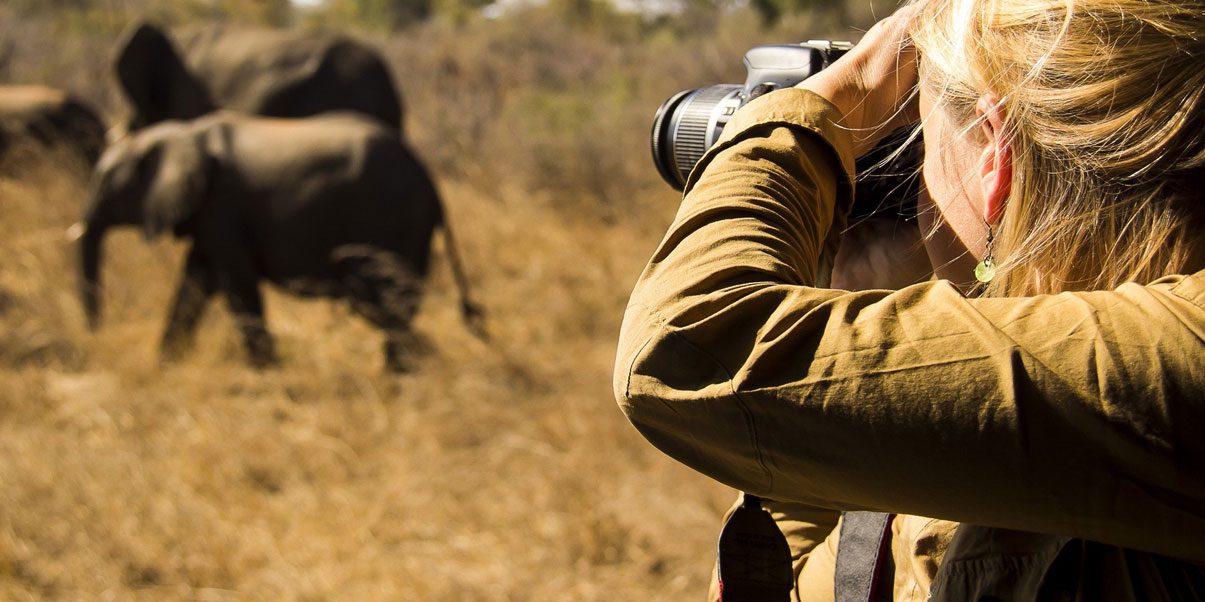
A walking safari lets you immerse yourself in the wilderness on foot. Accompanied by an armed ranger or experienced guide, you get closer to the plants, insects, tracks and smaller details of the bush that are easy to miss from a vehicle. It is a quieter, more personal way to experience nature. Photographic safaris are tailored for wildlife photography enthusiasts. With incredible landscapes, dramatic light, rich colour and impressive wildlife, Tanzania is a photographer's dream. These trips allow more time at sightings, flexible timing for the best light and guides who understand how to position the vehicle for great shots.
Tips for Photography on an African Safari
Safari Photography Tips
Great safari photos depend on preparation as much as luck. Choose the right camera and bring a good telephoto lens, and support it with a bean bag or tripod. Use high shutter speeds and burst mode for moving animals, focus on the eyes, and shoot in RAW if you can. Pack extra batteries, chargers and cleaning equipment, because dust is constant on game drives. Consider lighting and plan around early morning and late afternoon. Practise with your gear before you travel, talk to your guide about animal behaviour, anticipate the moment, stay patient and always respect the wildlife you are photographing.
Planning Your African Safari: A Step-by-Step Guide
Planning is vital for a smooth safari. Here’s how to create an amazing experience. Choosing the Right Safari Operator: Reputable safari operators are crucial for a smooth and safe experience. Research thoroughly and read reviews from previous clients. Look for operators who:
Ethical Operators and Experienced Guides
When choosing a safari operator, prioritise companies committed to sustainable tourism and conservation. Ask about their community involvement, how they support local people and how they reduce their environmental impact in the parks. Responsible operators follow park rules, respect wildlife and employ local staff. Equally important is the quality of the guides. A good guide is essential for finding and identifying wildlife and for sharing a deeper understanding of the region's culture, history and ecology. Look for guides who are knowledgeable, experienced, well trained and passionate about their work, as they will shape your entire private tailor-made safari experience.
Quality Accommodation and Safe Vehicles
Consider the level of comfort and amenities you want when choosing accommodation. Luxury lodges offer exquisite rooms and fine dining, while simpler tented camps provide a more immersive experience close to nature. A good operator will match lodges to your budget and travel style. Transportation matters just as much. Make sure the vehicles used for game drives are well maintained, safe and reliable, with experienced drivers. In Tanzania, safaris typically use sturdy 4x4 Land Cruisers with pop-up roofs ideal for game viewing and photography. On a private tailor-made safari, you have your own vehicle and guide throughout the trip.
Flexible Safari Itineraries
Some operators provide flexible itineraries, allowing you to adjust the schedule based on your interests, energy levels and wildlife sightings. This flexibility can make a big difference on safari. If you find a pride of lions or a river crossing, you may want to stay longer, or you may prefer a slower morning after a long travel day. A private tailor-made safari is designed around your preferences from the start, so you can choose the parks, pace, accommodation and activities that suit you. Ask your operator in advance how much flexibility is built into the plan and how changes are handled.
Booking Your Safari
Choosing a reliable tour company is the key to a successful safari. Start by reading genuine reviews and asking friends or fellow travellers for honest recommendations. Check carefully what is included in the price and what is not, such as park fees, accommodation, meals, drinking water, transfers and tips, so you know exactly what your trip covers. Ask the operator about their guides' experience and training, their conservation and community efforts, and their deposit and cancellation policies. A trustworthy company will answer questions clearly and help you plan a private tailor-made safari that suits your interests, budget and travel dates.
When to Go on Safari
Timing your trip well makes a big difference to wildlife viewing. In East Africa, the dry season from June to October is widely considered the best time for game drives and for following the Great Migration in the Serengeti. With less greenery and fewer water sources, animals gather in predictable places and are much easier to spot. The wetter months bring lush scenery, newborn animals and fewer visitors. Because the best lodges and camps fill quickly, especially in peak season, it is advisable to make reservations eight to twelve months in advance for a private tailor-made safari in Tanzania.
Budgeting for Your Safari: how much to budget for an African Safari? Safaris have different costs. Flights, places to stay, park fees, and activities all add up. Luxury lodges cost more than camping. Booking in advance helps you find better deals, a guide to your first African Safari. Also, it makes planning easier.
Where I’ve Stayed: Choosing an African Safari Lodge
Choosing the right African safari lodge enhances your experience, balancing comfort and adventure. I’ve stayed in luxury lodges like Four Seasons Serengeti, offering top-tier amenities and private game drives. For an authentic feel, Asilia’s Namiri Plains provided a blend of elegance and wilderness. Mid-range tented camps like Kati Kati Camp in the Serengeti offer affordability without sacrificing comfort. Eco-lodges in Ngorongoro provide sustainable, immersive experiences. Your choice depends on budget, location, and the type of adventure you seek.
Essential Packing List for an African Safari
What to Pack for an African Safari? Packing right is vital for your comfort and safety. Think about clothes, gear, and health needs. Packing appropriately is vital for a comfortable and successful safari. Pack light, but include:
Appropriate Clothing: Lightweight, breathable clothing in neutral colors is ideal for blending into the environment. Consider layers for varying temperatures.
Walking Shoes and Insect Repellent
Comfortable, supportive walking shoes are essential on safari. You will walk around lodges and camps, explore viewpoints, take nature walks and visit cultural sites, so choose well broken-in shoes or light hiking boots with good grip. Protection from insects matters just as much. No safari area in Tanzania is malaria-free, so speak to your doctor about malaria-prevention medication before you travel and pack a strong insect repellent. Apply it in the early morning and evening, when mosquitoes are most active, and wear long sleeves and trousers after sunset. These simple steps keep you comfortable and healthy throughout your safari.
Sunscreen, Hat and Binoculars
The equatorial sun in Tanzania can be intense, even on cooler or cloudy days and at higher altitudes such as the Ngorongoro Crater rim. Pack a high-factor sunscreen, sunglasses and a wide-brimmed hat to protect yourself from sunburn during long game drives with the roof hatch open. Reapply sunscreen regularly and drink plenty of water. A good pair of binoculars is another essential item. They let you observe wildlife and birds that are too far away to see clearly with the naked eye, and they make sightings far more rewarding. Bring one pair for each traveller so nobody misses a moment.
Camera: Capture the unforgettable moments of your safari.
First-Aid Kit: Pack essential medications and supplies for minor injuries.
Visa Requirements: Ensure you have the necessary visas and permits for the countries you'll be visiting. Check the specific requirements well in advance.
Best Time to Go on an African Safari
When is the best time to go on Safari in Africa by Month? The timing of your safari can greatly impact your experience. Generally, the dry season, which is from June to October, is the best time for game viewing. Wildlife tends to congregate around water sources, making it easier to spot animals. However, if you’re interested in witnessing the Great Migration, plan your trip around June – October for the best chances the ultimate guide to planning an African Safari. The ideal time for an African safari depends on the specific destination and the type of experience you seek.
Dry Season: June to October
The dry season, from June to October, is the best time for wildlife viewing in Tanzania. With little rain and thinning vegetation, animals gather around rivers, waterholes and other permanent water sources, making them easier to find and photograph. Days are usually sunny and mornings and evenings are pleasantly cool. Destinations such as the Serengeti National Park, Tarangire and Lake Manyara offer exceptional game sightings during this period, and it is also a popular time for climbing Mount Kilimanjaro. Because this is peak season, lodges and camps book up early, so plan your private tailor-made safari well in advance.
Wet Season: November to May
The wet season, from November to May, is an attractive time to visit Tanzania. Lush green landscapes, fewer tourists and excellent birdwatching, with migratory birds present, make safaris feel quieter and more scenic. Rain usually falls in short afternoon showers rather than all day, although April and May tend to be wetter. This is a wonderful time to visit the Ngorongoro Crater, with its dramatic green scenery, and to see newborn wildlife across the region, including wildebeest calves in the southern Serengeti early in the year. Lower prices at many lodges also make a private tailor-made safari more affordable.
Safety Precautions and Healthy During an African Safari
Stay safe and healthy on an African safari by following your guide’s instructions, staying hydrated, wearing sun protection, and using insect repellent. Get necessary vaccinations, carry a first aid kit, and take malaria prophylaxis if needed, the ultimate guide to going on an African Safari. Avoid close wildlife interactions and always respect park rules for a safe experience.
Respect the Wildlife
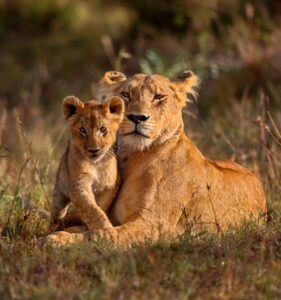
Respecting wildlife is one of the most important rules on any safari. Always keep a safe distance from animals and never try to approach, touch or feed them, however calm they may appear. Wild animals can be unpredictable, especially mothers with young or animals that feel cornered. Stay inside the vehicle during game drives unless your guide says it is safe to get out at a designated spot. Keep noise low, avoid sudden movements and follow the instructions and park guidelines your guide gives you. Responsible behaviour protects both you and the animals and ensures a better experience for everyone.
Listen to Guides and Stay Hydrated
Your guides and local staff are trained to keep you safe and to share valuable insights about wildlife, the landscape and local culture. Follow their instructions carefully, whether they ask you to stay seated in the vehicle, keep quiet near animals or remain inside camp after dark. They know the parks, animal behaviour and potential risks far better than any visitor. Staying hydrated is just as important. Drink plenty of water throughout the day, especially on hot days and drives, and carry a refillable bottle. Dehydration can cause tiredness and headaches, so keep drinking even when you are not thirsty.
Be Aware of Your Surroundings
Stay alert and mindful of your surroundings at all times while on safari. Many lodges and tented camps are unfenced, so wild animals can wander through at any hour. Always ask staff to escort you to and from your room after dark, look around before stepping out of your tent or vehicle and never wander off alone. Keep valuables secure and be sensible in towns and busy places, as you would anywhere when travelling. Watch for uneven ground, insects and thorny plants on walks. Being aware of potential risks helps you stay safe while still enjoying every moment of your adventure.
Ethical Considerations During an African Safari
Respect wildlife by keeping a safe distance and avoiding loud noises. Follow ethical guidelines, never feed animals, and support conservation-focused tour operators, an ultimate guide to planning your first African safari adventure. Choose eco-friendly lodges, minimize waste, and respect local cultures. The ultimate guide to going on an African Safari, responsible tourism ensures Africa’s natural beauty and wildlife thrive for future generations.
Support Communities and Travel Responsibly
Choose safari operators that support local communities and contribute to conservation. Responsible companies employ local guides and staff, buy from local suppliers and support projects such as schools, clean water and wildlife protection. Your choice helps ensure that tourism benefits the people who live alongside Tanzania's wildlife. You can also minimise your own environmental impact. Be mindful of your actions, avoid unnecessary waste, use refillable water bottles instead of single-use plastic, save water and electricity at lodges and never leave litter in the parks. Small, thoughtful choices like these help protect Tanzania's wild places for future generations of travellers.
Respect Local Culture
Take time to learn about the customs and traditions of the regions you visit and show respect for them. Dress modestly in towns and villages, especially in Zanzibar, greet people politely and always ask permission before taking photographs of individuals. Learning a few simple Swahili greetings, such as jambo or asante, is appreciated and often opens friendly conversations. Cultural visits to Maasai, Hadzabe or Datoga communities are a privilege, so follow your guide's advice. A safari in Africa is the adventure of a lifetime, offering unmatched opportunities to connect with wildlife, the natural world and the people who live there.
Ultimate Guide for the Luxury African Safari Tours
Embark on an unparalleled African adventure, discover the top 5 Luxury African Safari Experiences ultimate guide explores Serengeti, Tarangire, Lake Manyara, Arusha National Park, Ngorongoro crater, and Zanzibar beach vacation holiday trips. Traverse vast savannas, witness majestic wildlife, and indulge stay in opulent luxury safari lodges like Serengeti Melia Safari lodge, Four Season Serengeti Safari lodge, Melia Ngorongoro safari lodge. Expert guides unveil hidden gems, ensuring exclusive encounters. From hot air balloon safaris to gourmet bush dinners, this ultimate guide crafts bespoke journeys, blending untamed wilderness with refined luxury.
Conclusion: The Ultimate Guide to Going on an African Safari
An African safari offers an extraordinary experience, blending breathtaking landscapes with incredible wildlife encounters. By carefully planning your trip, choosing a reputable operator, and adhering to safety precautions, you can ensure a memorable and fulfilling adventure. Remember to respect the environment and local communities, making your safari a positive contribution to the conservation of Africa's natural heritage. Ultimately, responsible travel is key to ensuring that future generations can also experience the wonders of this remarkable continent.
The Ultimate Guide to Going on an African Safari: FAQs
What should you know about defining your African safari dream?
Before booking a flight, you need to define what kind of safari experience you're seeking. Are you interested in a luxurious, family, honeymoon/couple, solo travelers, all-inclusive experience or a more budget-friendly adventure? Consider the following factors:
What should you know about defining your wildlife focus on a Tanzania safari?
Some safaris concentrate on a particular interest, such as birdwatching, big cats or wildlife photography, while others offer a broader, general wildlife experience. Clarify what you most want to see and do so that the safari matches your expectations. Birders may want extra time in Lake Manyara or Tarangire, while those hoping to see the Big Five may prioritise the Ngorongoro Crater and the Serengeti.
What should you know about cultural visits at lake Eyasi on a Tanzania safari?
Lake Eyasi offers some of the most authentic cultural experiences in Tanzania. Visitors have the opportunity to meet the Hadzabe, one of the last hunter-gatherer communities in Africa, and the Datoga, pastoralists known for their skilled metalwork. Both communities still follow traditional ways of life.
What can you expect from types of African safaris?
Many types of safaris exist, so find the one that matches what you want. Do you dream of a comfy lodge or moving from place to place?
What are the safari photography tips on a Tanzania safari?
Great safari photos depend on preparation as much as luck. Choose the right camera and bring a good telephoto lens, and support it with a bean bag or tripod. Use high shutter speeds and burst mode for moving animals, focus on the eyes, and shoot in RAW if you can.
What should you know about booking your safari on a Tanzania safari?
Choosing a reliable tour company is the key to a successful safari. Start by reading genuine reviews and asking friends or fellow travellers for honest recommendations. Check carefully what is included in the price and what is not, such as park fees, accommodation, meals, drinking water, transfers and tips, so you know exactly what your trip covers.
What can you expect from sunscreen, hat and binoculars on a Tanzania safari?
The equatorial sun in Tanzania can be intense, even on cooler or cloudy days and at higher altitudes such as the Ngorongoro Crater rim. Pack a high-factor sunscreen, sunglasses and a wide-brimmed hat to protect yourself from sunburn during long game drives with the roof hatch open.
What should you know about safety precautions and healthy during an African safari?
Stay safe and healthy on an African safari by following your guide’s instructions, staying hydrated, wearing sun protection, and using insect repellent. Get necessary vaccinations, carry a first aid kit, and take malaria prophylaxis if needed, the ultimate guide to going on an African Safari.
Plan Your Private Tanzania Safari
Tell us your travel dates, interests and budget, and our local team will design a private tailor-made safari around you.