The Most Endangered Animals in Africa
The Most Endangered Animals in Africa
Africa is renowned for its incredible biodiversity, boasting a rich tapestry of wildlife that draws millions of tourists every year. However, many of these iconic species are facing dire threats due to habitat loss, poaching, and climate change. Understanding the plight of these animals is crucial for conservation efforts. Africa's wildlife faces a dire situation. Experts estimate that many species could vanish within our lifetime. Habitat loss and poaching are major factors. Climate change makes things even worse. This article highlights ten animals in danger. We'll explore the threats they face. Here, we explore ten of the most endangered animals in Africa, highlighting their challenges and the urgency for action.
African Elephant (Loxodonta africana)
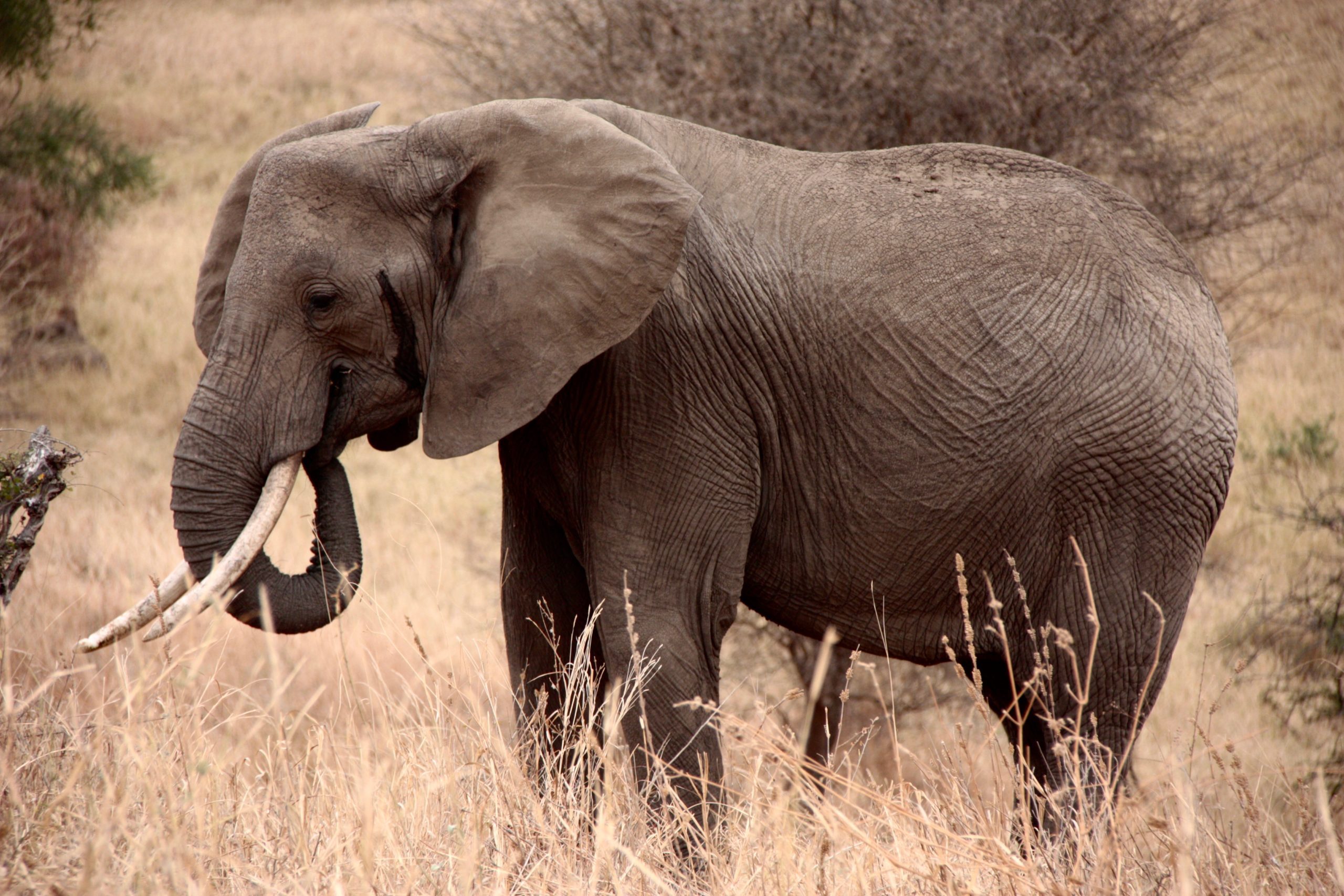
The African elephant, known for its majestic size and intelligence, is classified as endangered mainly due to poaching for ivory and habitat destruction the world's most endangered animals. Despite international bans on ivory trade, illegal poaching remains rampant, threatening populations across the continent. Conservation efforts must focus on anti-poaching initiatives and habitat preservation.
Mountain Gorilla (Gorilla beringei beringei)
Found in the mountainous regions of Uganda, Rwanda, and the Democratic Republic of Congo, the mountain gorilla's population is slowly increasing, but it remains the most endangered species in Africa critically endangered. They face threats from habitat loss due to agriculture, poaching, and diseases. Conservation organizations are working to protect their habitat and promote eco-tourism to generate income for local communities.
Black Rhino (Diceros bicornis)
Once abundant, the black rhino has seen its numbers dwindle drastically the most endangered animals and wildlife in Africa, primarily due to poaching for their horns. This species now critically endangered, with various subspecies facing extinction. Conservation programs focusing on anti-poaching patrols and habitat conservation are essential for their survival.
Black rhinos once roamed widely. Now, they're limited to a few protected areas. These rhinos are vital to their ecosystems. Their survival depends on our actions.
Rhinos: Poaching and Habitat Loss
Rhinos face two major threats: habitat loss and poaching. Farms and settlements are steadily destroying rhino habitat, limiting the space these animals need to live and feed. Poaching is an even bigger problem, because rhino horn is highly valued in some markets, and this demand fuels illegal hunting that threatens the species' very existence. Conservation efforts are working hard to reverse the decline. Anti-poaching teams protect rhinos around the clock, local communities are increasingly involved, and some animals are moved to safer locations. However, poaching networks are sophisticated, so protecting rhinos remains difficult and constant vigilance is crucial for their survival.
- Accommodation
- Meals
- Park fees
- Vehicle & guide
- Transfers
- International flights
- Visas
- Travel insurance
- Tips
- Premium drinks
Amur Leopard (Panthera pardus orientalis)
Though primarily found in the Russian Far East, leopard subspecies occasionally spotted in parts of Africa. With fewer than 100 individuals remaining, it is one of the world’s most endangered big cats. Habitat loss and poaching are the major threats facing these elusive predators.
Wild Dog (Lycaon pictus)
The African wild dog, known for its unique patterned coat and social behavior, endangered due to habitat fragmentation, human-wildlife conflict, and infectious diseases. Conservationists emphasize the importance of large protected areas and corridors to connect separated populations, allowing them to thrive.
African wild dogs are unique hunters list of wild Animals and endangered species of Africa. They live in tight-knit packs. These "painted wolves" are now in serious trouble. They are a fascinating species, and their numbers are dwindling.
African Wild Dogs: Threats and Conservation
African wild dogs are threatened by habitat fragmentation, as their range is broken into smaller areas. This isolates packs and reduces genetic diversity. Wild dogs sometimes hunt livestock, which leads to conflict with farmers who may kill them in return, so finding ways for people and wild dogs to coexist is essential. Disease is another serious danger, as outbreaks of rabies and other illnesses can devastate entire packs. Vaccination programmes are helping to protect them, and educating communities about wild dogs is also important. Protecting their habitat remains a key goal, but these remarkable predators still face great danger.
Saola (Pseudoryx nghetinhensis)
Often referred to as the "Asian unicorn," the saola incredibly elusive and was only discovered in 1992. While primarily found in Vietnam and Laos, its habitats can extend into African regions. With fewer than a few hundred believed to remain, this rare animal faces threats from habitat destruction and snaring.
Pangolin (Manis spp.)
All eight species of pangolins threatened, primarily due to illegal wildlife trade. These unique mammals heavily trafficked for their scales and meat. The most endangered animals in Africa. Conservation efforts focus on raising awareness about the importance of pangolins and stricter regulations on wildlife trafficking.
Pangolins and the Illegal Wildlife Trade
Pangolins are unique, scale-covered mammals that feed on ants and termites. Although many people have never heard of them, they are the most trafficked mammal in the world. Pangolins are hunted for both their scales and their meat. Demand comes mainly from Asia, where the scales are used in traditional medicine and the meat is regarded as a delicacy. This illegal trade is wiping out pangolin populations across Africa at an alarming rate. Shy, nocturnal and rarely seen, they are one of the most special sightings on safari, and protecting them depends on stopping the trade in pangolin products.
Pangolin Habitat Loss and Protection
Pangolins also suffer from habitat loss, which makes them even more vulnerable to poaching as their remaining populations become easier to find and target. Protecting them is challenging because they are difficult to study. Pangolins are shy, mostly nocturnal and often live in remote areas, so scientists still know relatively little about their numbers, behaviour and range. This lack of information makes it harder to plan effective conservation. Saving pangolins requires more research, stronger protection of their habitats, tougher enforcement against wildlife trafficking and greater public awareness, so that one of Africa's most endangered animals has a secure future.
Addax (Addax nasomaculatus)
The addax, or white antelope, one of the most endangered antelope species in the world. Once widespread in the Sahara desert, it now critically endangered due to overhunting and habitat loss. Protecting its remaining habitat is crucial for its survival.
Sunda Tiger (Panthera tigris sondaica)
While tigers primarily associated with Asia, the Sunda tiger's presence in Africa cannot be ignored. With habitat destruction and poaching decimating their numbers, strict conservation efforts required to ensure their survival.
Kakapo (Strigops habroptilus)
Known as one of the world's rarest parrots, the kakapo critically endangered due to habitat loss and introduced predators. Conservationists have implemented intensive breeding programs to save this flightless bird from extinction.
Ethiopian Wolf: The Rarest Canid in the World
The Ethiopian wolf is a specialized predator. It lives in the high mountains of Ethiopia. This wolf is the most endangered canid on Earth. Its future hangs in the balance.
Ethiopian Wolves: Habitat and Disease Threats
Ethiopian wolves live in a very small area of highland habitat, and human activity is putting it under increasing pressure. Livestock graze in wolf territory, which reduces the rodents the wolves depend on for food, while farming continues to destroy their habitat, leaving them with little room. Disease is another major threat. Rabies outbreaks have killed many Ethiopian wolves, and hybridisation with domestic dogs is a growing worry because it dilutes the wolf's unique genes. Protecting these rare wolves from disease and hybridisation is critical to preserving their unique lineage and ensuring the survival of Africa's most endangered carnivore.
Grevy's Zebra: A Striped Icon in Decline
Grevy's zebras are larger and have narrower stripes. They are important to their ecosystems. These zebras are struggling to survive. They face many threats in their harsh environment.
Zebras: Water Scarcity and Livestock Competition
Endangered zebra populations face serious pressure from water scarcity and habitat degradation. Severe droughts and heavy overgrazing cause water shortages and damage the grasslands, so zebras struggle to find enough food and water. Climate change is making these problems worse, yet zebras need reliable water sources to survive. They also compete with livestock for grazing and water, which can lead to conflict with local people. Community conservation programmes are working to help by managing water resources and restoring damaged habitats. Finding solutions that benefit both people and zebras is the real key to long-term protection of these iconic striped animals.
White Rhinoceros: Poaching Continues to Plague the Species
The White Rhinoceros (Ceratotherium simum) is classified as near threatened, with the population slowly recovering from the brink of extinction. However, the species is still severely impacted by poaching for its horns. Today, fewer than 20,000 white rhinos remain in Africa, mainly concentrated in South Africa, Namibia, Zimbabwe, and Kenya. Conservation efforts focus on strict anti-poaching laws, wildlife monitoring, and community education programs.
Giant Forest Hog: A Rare Species in the African Rainforest
The Giant Forest Hog (Hylochoerus meinertzhageni) is a large and elusive pig species found in the dense rainforests of central Africa. Despite its size, the species rarely seen in the wild, and its population declining due to hunting and habitat loss. With an estimated population of only a few thousand individuals, the giant forest hog remains one of Africa’s most endangered mammals.
Kordofan Giraffe: A Unique Species on the Brink
The Kordofan Giraffe (Giraffa camelopardalis antiquorum) is a subspecies of giraffe that is classified as endangered. Native to central and western Africa, fewer than 2,000 individuals remain in the wild African animals list with pictures. Habitat destruction, poaching, and human-wildlife conflict have led to a significant decline in their population. Conservation efforts focus on protecting their remaining habitats and curbing illegal hunting activities.
Sitatunga: The Swamp Antelope in Danger
The Sitatunga (Tragelaphus spekii) is a swamp-dwelling antelope found in central and western Africa. Its unique habitat in wetlands being destroyed due to draining and development. As a result, the Sitatunga is now classified as vulnerable. Conservation strategies involve wetland preservation and anti-poaching measures.
Nile Crocodile: A Threatened Reptile in African Waters
The Nile Crocodile (Crocodylus niloticus) is one of Africa's largest reptiles, but it is facing the threat of overexploitation and habitat loss. Conservation efforts have focused on protecting breeding sites, reducing human-wildlife conflict, and ensuring sustainable populations.
Spiny-Tailed Lizard: A Desert Dweller in Danger
The Spiny-Tailed Lizard (Uromastyx spp.) a critically endangered reptile found in arid regions of Africa. Overexploitation for the pet trade and habitat destruction are the primary threats to this species photos of African animals. Efforts to protect these reptiles focus on creating protected areas and enforcing laws against illegal wildlife trade small African animals.
African Grey Parrot: A Brilliant Mind Facing Extinction
The African Grey Parrot (Psittacus erithacus) known for its high intelligence and impressive mimicry. Unfortunately, its popularity in the pet trade, coupled with deforestation, has led to a sharp decline in its population. Conservationists are working to curb illegal trade and protect critical habitats to secure the future of this remarkable bird.
Somali Wild Ass: A Rare Desert Equid
The Somali Wild Ass (Equus africanus somaliensis) a wild equid found in the arid regions of the Horn of Africa. With fewer than 1,000 individuals left in the wild, this species faces severe threats from habitat loss, disease, and competition with livestock. Conservation efforts focused on habitat restoration and the prevention of poaching.
African Penguin: A Flightless Bird at Risk
The African Penguin (Spheniscus demersus) one of the few penguin species found outside of the Southern Hemisphere. Its numbers have dwindled significantly, with fewer than 25,000 individuals remaining. The species threatened by overfishing, climate change, and habitat destruction. Conservation initiatives have focused on creating marine protected areas, reducing human disturbances, and ensuring sustainable fishing practices.
Cheetah: The Fastest Land Animal Faces the Brink of Extinction
The Cheetah (Acinonyx jubatus) known for its incredible speed, but this iconic African predator is now at risk of disappearing. With a population of fewer than 7,000 individuals, the cheetah's survival is threatened by habitat loss, human-wildlife conflict, and the illegal wildlife trade. Conservation organizations are working to protect cheetah habitats, mitigate human-wildlife conflict, and implement breeding programs in captivity.
Black-Footed Cat: Africa's Smallest Carnivore Faces Extinction
The Black-Footed Cat (Felis nigripes) is one of the smallest and most ferocious predators in Africa. However, the species is facing severe threats due to habitat loss, human-wildlife conflict, and loss of prey. Conservation efforts are aimed at preserving their natural habitat and minimizing human-related deaths.
Yellow-Eyed Penguin: A Coastal Bird in Crisis
The Yellow-Eyed Penguin (Megadyptes antipodes) is one of the rarest and most endangered penguin species. The species faces significant risks from habitat destruction, predation by introduced species, and human disturbances. Conservation initiatives are focused on habitat restoration, predator control, and the protection of nesting sites.
- White-sand beaches
- Stone Town
- Spice tours
- Dhow cruises
- Snorkelling & diving
Fascinating facts about Africa's endangered animals
Africa's endangered animals have unique traits that captivate the world. The African Wild Dog has an impressive hunting strategy, relying on teamwork. The Cheetah is the fastest land animal, reaching speeds of up to 60 mph. Mountain Gorillas share 98% of their DNA with humans, showcasing their intelligence. The Pangolin is the world’s most trafficked mammal, and the African Elephant has a remarkable memory and strong social bonds, making them key players in Africa’s ecosystems.
Where to find the most endangered animals and species in Africa?
Africa’s most endangered animals can be found across various regions. Mountain Gorillas inhabit the forests of Rwanda, Uganda, and the DRC. Black Rhinos and White Rhinos are concentrated in South Africa, Tanzania, Namibia, and Kenya. African Wild Dogs roam in areas like Tanzania, Botswana and Zimbabwe. The Cheetah is found in savannas across Southern Africa, while the Pangolin is mainly located in central and West Africa. Conservation areas and national parks are key sanctuaries for these species.
Final Thought:
The need for urgent action to protect these endangered species in Africa is paramount. Supporting conservation initiatives, spreading awareness, and advocating for effective policies can help secure a brighter future for these remarkable animals. Every effort counts in the fight to preserve the incredible biodiversity of Africa.
The Most Endangered Animals in Africa: FAQs
What should you know about African elephant (Loxodonta africana)?
The African elephant, known for its majestic size and intelligence, is classified as endangered mainly due to poaching for ivory and habitat destruction the world's most endangered animals. Despite international bans on ivory trade, illegal poaching remains rampant, threatening populations across the continent. Conservation efforts must focus on anti-poaching initiatives and habitat preservation.
What can you expect from amur leopard (Panthera pardus orientalis)?
Though primarily found in the Russian Far East, leopard subspecies occasionally spotted in parts of Africa. With fewer than 100 individuals remaining, it is one of the world’s most endangered big cats. Habitat loss and poaching are the major threats facing these elusive predators.
What should you know about pangolin (Manis spp.)?
All eight species of pangolins threatened, primarily due to illegal wildlife trade. These unique mammals heavily trafficked for their scales and meat. The most endangered animals in Africa. Conservation efforts focus on raising awareness about the importance of pangolins and stricter regulations on wildlife trafficking.
What can you expect from Sunda tiger (Panthera tigris sondaica)?
While tigers primarily associated with Asia, the Sunda tiger's presence in Africa cannot be ignored. With habitat destruction and poaching decimating their numbers, strict conservation efforts required to ensure their survival.
What should you know about grevy's zebra?
Grevy's zebras are larger and have narrower stripes. They are important to their ecosystems. These zebras are struggling to survive. They face many threats in their harsh environment.
What can you expect from kordofan giraffe?
The Kordofan Giraffe (Giraffa camelopardalis antiquorum) is a subspecies of giraffe that is classified as endangered. Native to central and western Africa, fewer than 2,000 individuals remain in the wild African animals list with pictures. Habitat destruction, poaching, and human-wildlife conflict have led to a significant decline in their population.
What should you know about African Grey Parrot?
The African Grey Parrot (Psittacus erithacus) known for its high intelligence and impressive mimicry. Unfortunately, its popularity in the pet trade, coupled with deforestation, has led to a sharp decline in its population. Conservationists are working to curb illegal trade and protect critical habitats to secure the future of this remarkable bird.
What can you expect from black-Footed Cat?
The Black-Footed Cat (Felis nigripes) is one of the smallest and most ferocious predators in Africa. However, the species is facing severe threats due to habitat loss, human-wildlife conflict, and loss of prey. Conservation efforts are aimed at preserving their natural habitat and minimizing human-related deaths.
See Africa’s Wildlife Up Close
Tell us which animals you dream of seeing, and we will design a private tailor-made safari to the right parks at the right time.