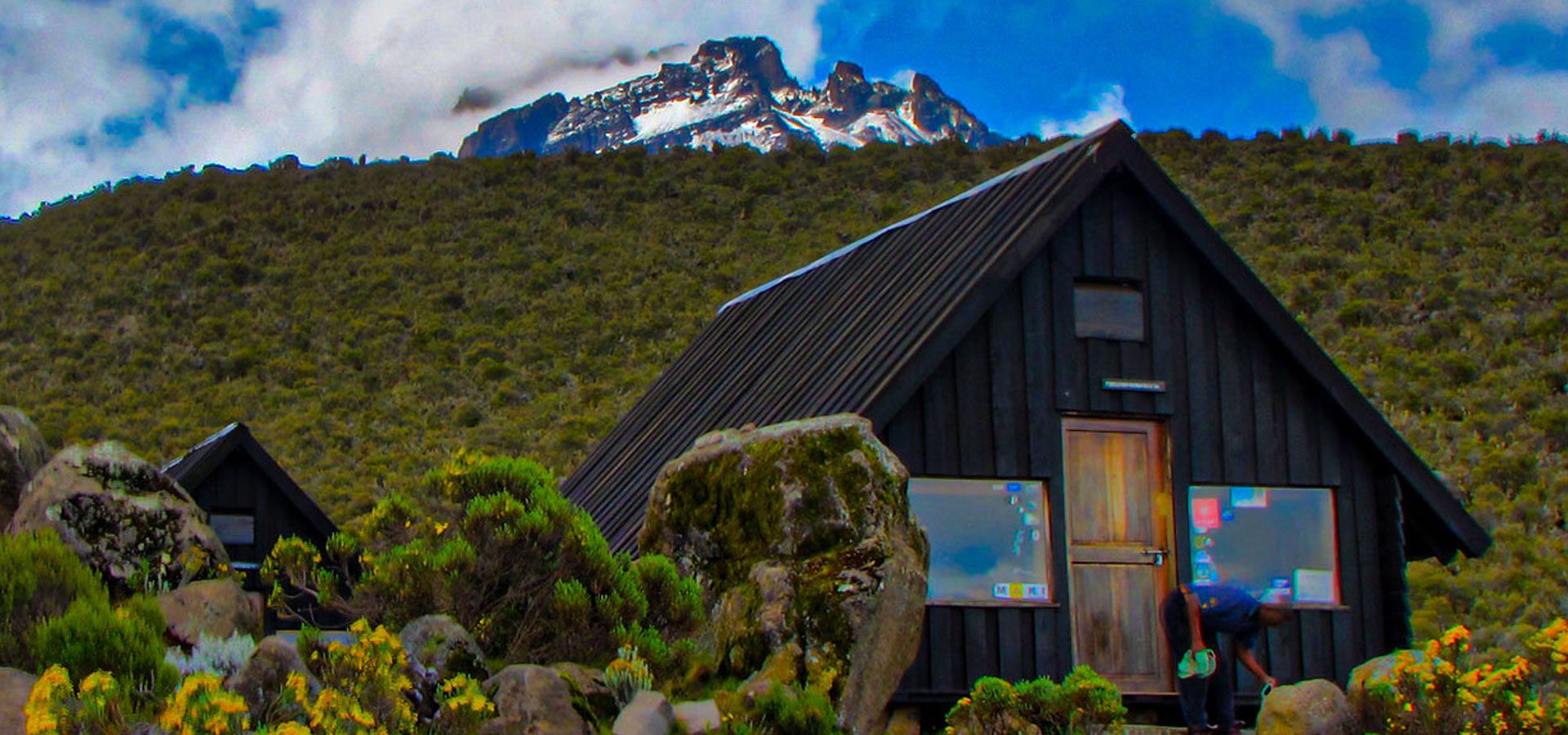
The Heath & Moorland Zone of Mount Kilimanjaro
The Heath & Moorland Zone of Mount Kilimanjaro
The Heath and Moorland Zone of Mount Kilimanjaro is one of the most dramatic and visually striking ecological belts found during a Kilimanjaro trekking expedition. Located roughly between 2,800 meters and 4,000 meters above sea level, this zone represents a major transition from lush rainforest to a harsher alpine environment. Often described as the “moonscape of Kilimanjaro,” it is characterized by open landscapes, giant heathers, lobelias, and surreal volcanic rock formations. For trekkers on popular routes such as Machame, Lemosho, and Shira, this zone marks a critical phase of acclimatization. Thin air, cooler temperatures, and increasing altitude challenges begin to test endurance. Yet, it also offers breathtaking panoramic views of the mountain and surrounding plains, making it a highlight for photographers and adventure seekers. Understanding this zone is essential for successful Kilimanjaro trekking preparation and altitude adaptation strategies.
Location and Altitude of the Heath & Moorland Zone
The Heath and Moorland Zone on Mount Kilimanjaro typically begins after the dense rainforest belt fades, usually around 2,800 meters, and extends up to about 4,000 meters. This altitude range makes it one of the most important transitional ecosystems on the mountain. Trekkers on routes like Machame and Lemosho first encounter open landscapes after leaving the forest canopy behind. The air becomes noticeably thinner, and temperatures drop significantly, especially at night. This zone is also known for its volcanic ridges and expansive views stretching toward the African plains.” Understanding its location helps climbers prepare mentally and physically for the increasing challenges ahead while adjusting to high-altitude trekking conditions effectively.
Climate and Weather Conditions
The climate in the Heath and Moorland Zone of Mount Kilimanjaro is significantly cooler, drier, and more unpredictable than the lower rainforest region. Daytime temperatures may range from 10°C to 20°C, but at night they can drop close to freezing. Strong winds are common due to the exposed terrain, especially along ridges and open slopes. The reduced humidity and thinner air create a challenging environment for trekkers, making proper layering essential. Weather changes can happen quickly, shifting from clear skies to mist or cold winds within minutes. “Kilimanjaro weather zones,” “mountain climate Kilimanjaro trek,” and “heath zone temperature Kilimanjaro” reflect its importance for climbers. Understanding these conditions helps trekkers prepare with proper gear, hydration strategies, and acclimatization pacing. The unpredictable weather also adds to the raw, wild beauty of this unique ecological zone.
Unique Vegetation and Plant Life
One of the most fascinating features of the Heath and Moorland Zone is its unique vegetation, adapted to survive harsh high-altitude conditions. This includes giant heathers, everlasting flowers, and iconic giant groundsels and lobelias, which are often used in content targeting “unique Kilimanjaro plants” and “alpine vegetation in Tanzania.” These plants have evolved special water-retention systems to withstand cold nights and intense daytime sunlight. Unlike the dense rainforest below, vegetation here is sparse but visually dramatic, creating surreal landscapes that attract photographers and nature enthusiasts. The plants grow in scattered formations across volcanic soil, giving the area a semi-alien appearance. This biodiversity plays a crucial role in the mountain’s ecological balance and is a key highlight for eco-tourism searches related to Kilimanjaro trekking experiences and African mountain flora exploration.
Landscape and Geological Features
The landscape of the Heath and Moorland Zone is defined by volcanic rock formations, rolling ridges, and wide-open plains shaped by centuries of volcanic activity from Mount Kilimanjaro. Unlike the dense rainforest below, this zone is exposed and rugged, offering panoramic views of the surrounding valleys and distant savannahs. Lava flows, eroded slopes, and ash deposits are common, reflecting the mountain’s volcanic origins, and often include “Kilimanjaro geology,” “volcanic landscape Kilimanjaro trek,” and “heath zone scenery Tanzania.” The terrain is both beautiful and physically demanding, requiring steady pacing from trekkers. These geological formations not only define the mountain’s character but also provide insight into its ancient volcanic history. For many climbers, this zone represents the first true feeling of being on a high-altitude African volcano.
Wildlife in the Heath & Moorland Zone
Although wildlife is less abundant than in the rainforest, the Heath and Moorland Zone still hosts several fascinating species adapted to high-altitude survival. Visitors may encounter small mammals such as hyraxes, which are surprisingly related to elephants, as well as various bird species like sunbirds and alpine chat birds. Occasionally, larger animals such as buffalo may be seen in more remote sections. “Kilimanjaro wildlife zones,” “animals on Mount Kilimanjaro trek,” and “heath zone fauna Tanzania.” The reduced vegetation means animals are more scattered and harder to spot, but their presence adds to the ecological richness of the zone. These species play an important role in maintaining the fragile mountain ecosystem and contribute to the overall biodiversity experience for trekkers exploring this unique altitude band.
Acclimatization Importance in This Zone
The Heath and Moorland Zone is a critical stage for acclimatization during a Kilimanjaro climb. As altitude increases, oxygen levels decrease, making it essential for trekkers to adjust gradually. This zone allows the body to begin adapting to thinner air before reaching higher alpine deserts. Proper acclimatization reduces the risk of altitude sickness, a major concern for climbers. “Kilimanjaro acclimatization tips,” “altitude sickness prevention Kilimanjaro,” and “trekking high altitude safety” are highly relevant here. Many routes, like Lemosho and Machame, incorporate slow ascents and rest days in this zone to improve success rates. Hydration, pacing, and rest are key strategies. Understanding this zone’s role in acclimatization significantly increases the chances of a safe and successful summit attempt.
Trekking Routes Passing Through the Zone
Several popular trekking routes pass through the Heath and Moorland Zone, including Machame, Lemosho, Shira, and Rongai routes. These paths are designed to give climbers gradual exposure to increasing altitude while showcasing diverse landscapes. The Machame Route is particularly famous for its scenic “Shira Plateau,” which lies within this zone. The best Kilimanjaro routes,” Machame route overview,” and “Lemosho route scenery.” Each route offers unique perspectives of the moorland landscape, from sweeping valleys to volcanic ridges. The experience of trekking through this zone is often described as surreal and cinematic. It serves as a vital segment of the overall Kilimanjaro journey, bridging the rainforest and alpine desert zones while testing endurance and acclimatization progress.
Challenges Faced by Trekkers
Trekkers in the Heath and Moorland Zone face several physical and environmental challenges. The most common include reduced oxygen levels, cold temperatures, and strong winds. Fatigue becomes more noticeable as the body adjusts to altitude. The terrain can also be uneven and rocky, requiring careful footing. Additionally, dehydration risk increases due to dry air and physical exertion. Mental resilience is just as important as physical fitness in this stage of the climb. Despite these challenges, proper preparation and pacing make the experience manageable and rewarding. Many trekkers find this zone to be a true test of endurance before entering the harsher alpine desert above.
Photography and Scenic Beauty
The Heath and Moorland Zone is one of the most photogenic sections of Mount Kilimanjaro. Its wide-open landscapes, unique vegetation, and dramatic lighting conditions make it a paradise for photographers. Sunrise and sunset views often cast golden hues over the volcanic terrain, creating breathtaking contrasts. Kilimanjaro photography spots,” best scenic views Kilimanjaro trek,” and “African mountain landscapes” are commonly associated with this zone. The giant groundsels and lobelias add surreal foreground elements to landscape shots. Clear skies also provide distant views of the surrounding plains of Tanzania. For many climbers, this zone offers some of the most memorable visual moments of the entire expedition, making it a highlight for travel bloggers and adventure photographers.
Environmental Conservation and Protection
The Heath and Moorland Zone is a fragile ecosystem that requires strict environmental protection to preserve its unique biodiversity. As part of Kilimanjaro National Park, conservation efforts focus on minimizing human impact, controlling trail erosion, and protecting native plant species. “Kilimanjaro conservation efforts,” “eco tourism Tanzania mountains,” and “environmental protection Kilimanjaro.” Trekkers are encouraged to follow “leave no trace” principles to maintain the purity of the environment. Tourism regulations help ensure that the ecosystem remains intact for future generations. Climate change also poses long-term risks to this zone, affecting vegetation patterns and water availability. Sustainable trekking practices are essential to preserving the natural beauty and ecological balance of this important altitude zone.
Cultural and Trekking Experience
Experiencing the Heath and Moorland Zone is not just a physical journey but also a cultural and emotional one. Many local guides and porters share stories and traditions related to the mountain, enriching the trekking experience. “Kilimanjaro cultural experience,” “guided trekking in Tanzania,” and “African mountain adventure tours” highlight its tourism value. The silence and vastness of this zone often create moments of reflection for climbers. It represents a transition not only in altitude but also in mindset, as trekkers prepare for the more demanding alpine desert and summit push. This stage of the journey is often remembered as one of the most meaningful parts of the entire Kilimanjaro expedition.
Final Thought
The Heath and Moorland Zone of Mount Kilimanjaro is a defining chapter in the journey to Africa’s highest peak. It blends raw natural beauty, ecological diversity, and physical challenge into a single unforgettable experience. From its unique vegetation and volcanic landscapes to its critical role in acclimatization, this zone prepares climbers for the ultimate summit push. It is both a test of endurance and a reward for the senses, offering some of the most iconic scenery on the mountain. For anyone planning a Kilimanjaro trek, understanding this zone is essential for safety, success, and appreciation of the mountain’s natural wonder.
The Heath & Moorland Zone of Mount Kilimanjaro: FAQs
What can you expect from location and altitude of the heath & moorland zone?
The Heath and Moorland Zone on Mount Kilimanjaro typically begins after the dense rainforest belt fades, usually around 2,800 meters, and extends up to about 4,000 meters. This altitude range makes it one of the most important transitional ecosystems on the mountain. Trekkers on routes like Machame and Lemosho first encounter open landscapes after leaving the forest canopy behind.
What is the climate and weather conditions on Kilimanjaro like?
The climate in the Heath and Moorland Zone of Mount Kilimanjaro is significantly cooler, drier, and more unpredictable than the lower rainforest region. Daytime temperatures may range from 10°C to 20°C, but at night they can drop close to freezing. Strong winds are common due to the exposed terrain, especially along ridges and open slopes.
What should you know about unique vegetation and plant Life on Kilimanjaro?
One of the most fascinating features of the Heath and Moorland Zone is its unique vegetation, adapted to survive harsh high-altitude conditions. This includes giant heathers, everlasting flowers, and iconic giant groundsels and lobelias, which are often used in content targeting “unique Kilimanjaro plants” and “alpine vegetation in Tanzania.” These plants have evolved special water-retention systems to withstand cold nights and intense daytime sunlight.
What is the landscape and geological features on Kilimanjaro like?
The landscape of the Heath and Moorland Zone is defined by volcanic rock formations, rolling ridges, and wide-open plains shaped by centuries of volcanic activity from Mount Kilimanjaro. Unlike the dense rainforest below, this zone is exposed and rugged, offering panoramic views of the surrounding valleys and distant savannahs.
What can you expect from wildlife in the heath & moorland zone?
Although wildlife is less abundant than in the rainforest, the Heath and Moorland Zone still hosts several fascinating species adapted to high-altitude survival. Visitors may encounter small mammals such as hyraxes, which are surprisingly related to elephants, as well as various bird species like sunbirds and alpine chat birds.
What should you know about acclimatization importance in this zone?
The Heath and Moorland Zone is a critical stage for acclimatization during a Kilimanjaro climb. As altitude increases, oxygen levels decrease, making it essential for trekkers to adjust gradually. This zone allows the body to begin adapting to thinner air before reaching higher alpine deserts.
What should you know about trekking routes Passing through the zone?
Several popular trekking routes pass through the Heath and Moorland Zone, including Machame, Lemosho, Shira, and Rongai routes. These paths are designed to give climbers gradual exposure to increasing altitude while showcasing diverse landscapes. The Machame Route is particularly famous for its scenic “Shira Plateau,” which lies within this zone.
What should you know about challenges Faced by trekkers on Kilimanjaro?
Trekkers in the Heath and Moorland Zone face several physical and environmental challenges. The most common include reduced oxygen levels, cold temperatures, and strong winds. Fatigue becomes more noticeable as the body adjusts to altitude. The terrain can also be uneven and rocky, requiring careful footing.
Climb Kilimanjaro With Confidence
Tell us your dates and fitness, and our experienced mountain team will plan a safe, well-acclimatized private climb.