Tanzania in January
Tanzania in January
If you're planning a magical, enthralling East African Tanzania Safari trip in January, which is one of the most exciting months to visit Tanzania. The country bursts into life with green landscapes, incredible wildlife encounters, and warm tropical weather. From witnessing the famous wildebeest calving season in the southern plains of Serengeti National Park to relaxing on the white beaches of Zanzibar, January offers a diverse mix of safari adventure and coastal relaxation. For many travelers planning a Tanzania safari, January falls within the green season, meaning lush scenery, fewer crowds, and competitive travel prices compared to the peak months of June to October. Wildlife viewing remains excellent, especially in the northern safari circuit that includes Tarangire National Park, Lake
Why Visit Tanzania in January
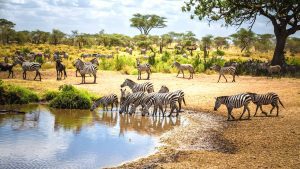
January is one of the most rewarding months for a Tanzania safari holiday. The landscapes are lush after the short rains, wildlife viewing is excellent, and the famous Great Migration calving season begins in the southern plains of the Serengeti National Park. Thousands of wildebeest give birth, attracting predators and creating dramatic safari moments for photographers and wildlife lovers. Travelers enjoy warm weather, vibrant green scenery, and fewer crowds compared to peak months like July and August. January is also ideal for luxury Tanzania safaris, honeymoon safaris, family vacations, and private tours. With excellent game viewing, stunning landscapes, and comfortable travel conditions, January offers one of the most photogenic safari seasons in East Africa. It’s the perfect time for a memorable Tanzania wildlife safari adventure.
Tanzania in January Travel Tips
Planning a Tanzania safari in January is easier when you know a few key travel tips. Book your safari lodges and tours early, especially in popular destinations like the Serengeti National Park and Ngorongoro Crater, as January attracts travelers interested in the Great Migration calving season. Pack lightweight clothing for warm days and a light jacket for cool early mornings on safari. Carry sunscreen, insect repellent, and a good camera for wildlife photography. January is also a great time for fly-in safaris, private safari tours, and luxury safari packages. Consider combining a northern circuit safari with a beach holiday in Zanzibar for the ultimate Tanzania safari and beach experience. Hiring a reputable local tour operator ensures safe travel and unforgettable wildlife encounters.
Tanzania Weather in January
The weather in Tanzania in January is warm, pleasant, and generally dry. Daytime temperatures usually range between 25°C and 30°C, making it ideal for game drives, photography, and outdoor adventures. Nights and early mornings can be cooler, particularly in highland areas around Ngorongoro Conservation Area and Arusha. January falls during Tanzania’s short dry season between the November and March rains. The landscapes remain lush and green, creating stunning scenery across national parks. Wildlife viewing is excellent because animals gather around water sources and open plains. Coastal areas like Zanzibar enjoy sunny beach weather, perfect for swimming and snorkeling. Overall, January offers a balance of comfortable temperatures, beautiful scenery, and great safari conditions across Tanzania’s most famous destinations.
Tanzania in January Crowds & Costs
January sits between Tanzania’s peak and shoulder travel seasons, meaning moderate crowds and good safari availability. Popular destinations like the Serengeti National Park and Ngorongoro Crater attract visitors eager to witness the Great Migration calving season. However, crowds remain manageable compared to peak months such as July and August. Safari costs in January vary depending on accommodation style. Budget safaris, mid-range lodge safaris, and luxury fly-in safaris are widely available. Travelers can expect slightly lower prices than in the high season, making January a great time for value. Luxury safari lodges still offer premium experiences with fewer guests. Booking early helps secure the best lodges, guides, and safari vehicles for your Tanzania wildlife safari holiday.
- Accommodation
- Meals
- Park fees
- Vehicle & guide
- Transfers
- International flights
- Visas
- Travel insurance
- Tips
- Premium drinks
Where to Go – Tanzania in January
Choosing where to go in Tanzania in January depends on the experiences you want. The southern plains of the Serengeti National Park are the best place to see the Great Migration calving season, where thousands of wildebeest gather. The nearby Ngorongoro Crater offers incredible Big Five game viewing in a unique volcanic landscape. Tarangire National Park is famous for its giant baobab trees and large elephant herds, while Lake Manyara National Park is known for tree-climbing lions and birdlife. For relaxation after safari, the tropical beaches of Zanzibar provide white sand beaches, turquoise waters, and world-class resorts. Together, these destinations create a perfect Tanzania safari itinerary in January.
- ArushaGateway
- TarangireElephants
- NgorongoroCrater
- SerengetiBig Five
- ZanzibarBeach
What to Do – Tanzania in January
There are countless things to do in Tanzania in January, making it a fantastic travel month. Game drives in the Serengeti National Park allow visitors to witness the dramatic Great Migration calving season and predator action. Explore the breathtaking wildlife ecosystem inside the Ngorongoro Crater, where lions, rhinos, elephants, and hippos thrive. Travelers can also enjoy cultural visits to Maasai villages, walking safaris, and photography tours. Adventure seekers may climb Mount Kilimanjaro or hike in Arusha National Park. After safari, relax on the beaches of Zanzibar with snorkeling, diving, and sunset dhow cruises. January offers the perfect mix of wildlife safaris, cultural experiences, and tropical beach escapes.
Tanzania in January – What to Bring
Packing correctly is important for a Tanzania safari in January. Lightweight, breathable clothing in neutral colors works best for safari conditions. Bring long-sleeved shirts and trousers to protect against the sun and insects during game drives in places like Serengeti National Park. Essential items include sunscreen, sunglasses, a wide-brim hat, insect repellent, and comfortable walking shoes. A light jacket is useful for early morning safaris in cooler highland areas around the Ngorongoro Conservation Area. Photography enthusiasts should carry a good camera with zoom lenses for wildlife shots. If you plan to visit Zanzibar, pack swimwear, sandals, and beachwear. Proper packing ensures a comfortable and enjoyable Tanzania safari adventure.
Tanzania Accommodations in January
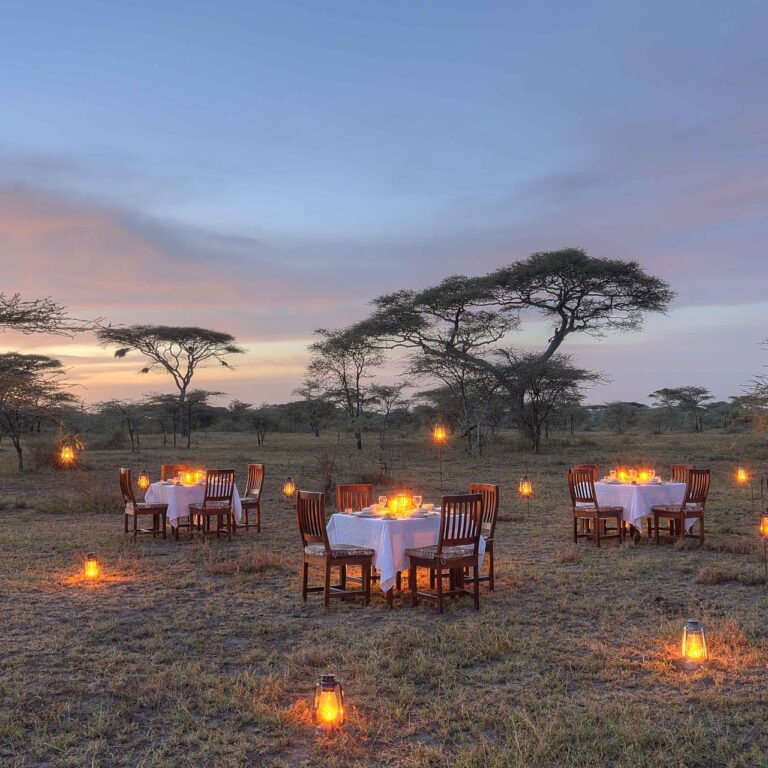
Tanzania offers a wide range of safari accommodations in January, from budget camps to ultra-luxury lodges. In the Serengeti National Park, visitors can stay in luxury tented camps located close to the Great Migration herds. Highlands around Ngorongoro Crater feature scenic lodges overlooking forests and volcanic landscapes. Tarangire National Park also offers beautiful safari lodges surrounded by baobab trees and wildlife. For beach lovers, resorts in Zanzibar provide beachfront villas, luxury hotels, and romantic honeymoon retreats. January is an excellent time to enjoy luxury Tanzania safari lodges, personalized service, and spectacular views of Africa’s most iconic landscapes.
Budget camping & lodges
Affordable, adventurous and close to nature.
Mid-range lodges & tented camps
Comfort, good food and convenient locations.
Luxury tented camps & lodges
Spacious suites, personal service and prime wildlife areas.
Exclusive-use camps & villas
Complete privacy, private guides and bespoke experiences.
Tanzania in January – Events
Although Tanzania focuses mainly on wildlife tourism, January still features interesting cultural experiences. In Zanzibar, visitors can explore historic markets, Swahili culture, and local music events in the famous Stone Town. Travelers can also visit Maasai communities near the Ngorongoro Conservation Area to learn about traditional lifestyles, cattle culture, and colorful beadwork. These cultural interactions enrich a Tanzania safari holiday. January is also a festive time in many towns following New Year celebrations, with lively markets and local gatherings. Combining wildlife adventures with cultural encounters offers travelers a deeper understanding of Tanzania’s traditions, landscapes, and communities.
Tanzania in January – When to Go
The best time to travel during January in Tanzania in January is early morning and late afternoon. Wildlife activity peaks during these cooler hours, making game drives in the Serengeti National Park particularly exciting. During the first half of January often offers slightly drier conditions, while the latter part may see occasional light rains. These rains are usually brief and help maintain the lush scenery. January is especially ideal for witnessing the Great Migration calving season on the southern Serengeti plains. Travelers planning a Tanzania safari itinerary should schedule several days in the Serengeti and nearby parks for the best wildlife viewing opportunities.
Tanzania in January Safaris & Tours
A Tanzania safari in January is perfect for exploring the famous Northern Safari Circuit. Popular itineraries include visits to Tarangire National Park, Serengeti National Park, and Ngorongoro Crater. Safari tours may range from 3-day short safaris to 10-day luxury safari adventures. Travelers can choose private guided safaris, group tours, fly-in safaris, or luxury lodge safaris. January safaris often focus on the Great Migration calving season, where thousands of wildebeest and zebras gather on open plains. Combining wildlife safaris with cultural tours and beach holidays in Zanzibar creates one of Africa’s most unforgettable travel experiences.
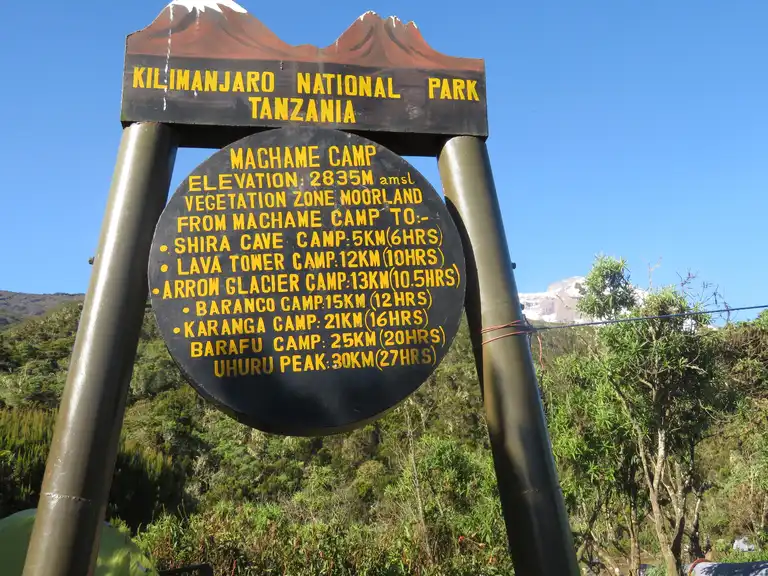
Kilimanjaro Climbing in January
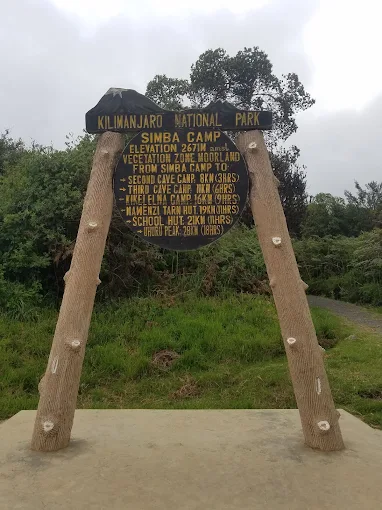
January is considered one of the best months to climb Mount Kilimanjaro, Africa’s highest peak. The weather is relatively warm and dry, offering clear views and comfortable trekking conditions. Popular climbing routes such as the Machame, Lemosho, and Marangu routes provide different experiences for trekkers. January’s stable weather makes it ideal for both beginner and experienced climbers. The lush landscapes along the lower slopes are beautiful after the short rains, while the summit often offers spectacular sunrise views above the clouds. Climbers should still prepare for cold summit temperatures and changing mountain weather. A January climb combines adventure, scenic beauty, and one of the world’s greatest trekking achievements.
Zanzibar in January
Visiting Zanzibar in January is perfect for a tropical beach escape. The island enjoys warm sunny weather with temperatures around 28–30°C, ideal for swimming and relaxation. Travelers can explore the historic streets of Stone Town, a UNESCO-listed cultural center filled with spice markets, mosques, and Swahili architecture. January is also great for snorkeling, scuba diving, and dhow sunset cruises along Zanzibar’s coral reefs. Many visitors combine a Tanzania wildlife safari with a relaxing beach holiday here. Luxury resorts, romantic beachfront villas, and vibrant island culture make Zanzibar a perfect complement to a January safari.
- White-sand beaches
- Stone Town
- Spice tours
- Dhow cruises
- Snorkelling & diving
Ngorongoro in January
The Ngorongoro Crater is spectacular in January thanks to lush green landscapes and abundant wildlife. The crater floor supports one of Africa’s highest concentrations of animals, including lions, elephants, buffalo, zebras, and the endangered black rhino. January’s mild temperatures and fresh scenery create excellent photography conditions. Game drives inside the crater often reveal predators hunting on the open plains. The surrounding highlands of the Ngorongoro Conservation Area are also home to Maasai communities and dramatic volcanic scenery. For travelers on a Tanzania safari itinerary, Ngorongoro remains one of the most unforgettable wildlife destinations in Africa.
Tarangire National Park in January
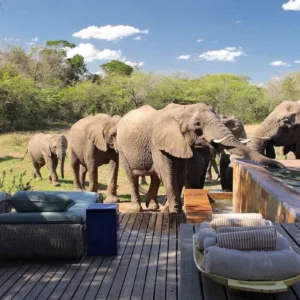
Tarangire National Park is a hidden gem during a Tanzania safari in January. The park’s lush landscapes and seasonal wetlands attract elephants, giraffes, zebras, and many bird species. Tarangire is famous for its ancient baobab trees and large elephant herds, which roam across the scenic savannah. January’s green season brings vibrant wildlife photography opportunities and fewer crowds compared to peak safari months. Birdwatchers especially enjoy this time of year, as migratory birds fill the park’s wetlands and forests. For travelers seeking a quieter safari experience, Tarangire offers stunning scenery, diverse wildlife, and authentic wilderness adventures.
Arusha National Park in January
Arusha National Park is an excellent destination in January for nature lovers and active travelers. Located near the safari gateway city of Arusha, the park features diverse landscapes including forests, lakes, and the slopes of Mount Meru. Visitors can enjoy walking safaris, canoeing on Momella Lakes, and scenic game drives. Wildlife here includes giraffes, zebras, buffalo, and many bird species. January’s green scenery and mild weather make the park especially beautiful. Arusha National Park is perfect for a day safari or pre-safari adventure before heading to the larger parks of Tanzania’s northern circuit.
Lake Manyara in January
Lake Manyara National Park is vibrant and green in January, creating stunning landscapes along the Great Rift Valley escarpment. The park is famous for its tree-climbing lions, large troops of baboons, and thousands of flamingos around the alkaline lake. January’s fresh vegetation attracts elephants, buffalo, and antelope, making game drives rewarding despite the park’s small size. Birdwatchers will especially enjoy the incredible variety of birdlife during this season. Visitors can also experience canoeing, walking safaris, and scenic viewpoints overlooking the lake. Lake Manyara offers a unique blend of wildlife, forests, and dramatic landscapes within Tanzania’s northern safari circuit.
Serengeti in January
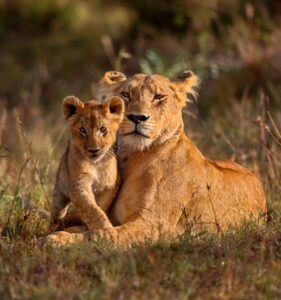
January is one of the most exciting months to visit the Serengeti National Park. The southern Serengeti plains become the stage for the Great Migration calving season, when hundreds of thousands of wildebeest give birth. This abundance of newborn animals attracts predators such as lions, cheetahs, and hyenas, creating dramatic wildlife encounters. The lush green plains provide incredible photographic backdrops for safari travelers. January safaris here are ideal for wildlife enthusiasts, photographers, and nature lovers seeking unforgettable experiences. With excellent game viewing, beautiful scenery, and thrilling predator action, the Serengeti remains the highlight of any Tanzania safari adventure in January.
Final thought:
A January safari in Tanzania is excellent, offering the unique "green season" experience with lush landscapes, fewer crowds, and prime wildlife viewing. The main highlight is the Great Migration's calving season in the southern Serengeti/Ndutu plains, where thousands of wildebeest are born daily, attracting high predator activity.
Tanzania in January: FAQs
Why Visit Tanzania in January?
January is one of the most rewarding months for a Tanzania safari holiday. The landscapes are lush after the short rains, wildlife viewing is excellent, and the famous Great Migration calving season begins in the southern plains of the Serengeti National Park. Thousands of wildebeest give birth, attracting predators and creating dramatic safari moments for photographers and wildlife lovers.
What is the Tanzania weather in January like?
The weather in Tanzania in January is warm, pleasant, and generally dry. Daytime temperatures usually range between 25°C and 30°C, making it ideal for game drives, photography, and outdoor adventures. Nights and early mornings can be cooler, particularly in highland areas around Ngorongoro Conservation Area and Arusha.
Where to Go?
Choosing where to go in Tanzania in January depends on the experiences you want. The southern plains of the Serengeti National Park are the best place to see the Great Migration calving season, where thousands of wildebeest gather. The nearby Ngorongoro Crater offers incredible Big Five game viewing in a unique volcanic landscape.
What can you expect from Tanzania in January?
Packing correctly is important for a Tanzania safari in January. Lightweight, breathable clothing in neutral colors works best for safari conditions. Bring long-sleeved shirts and trousers to protect against the sun and insects during game drives in places like Serengeti National Park. Essential items include sunscreen, sunglasses, a wide-brim hat, insect repellent, and comfortable walking shoes.
What should you know about Tanzania in January?
Although Tanzania focuses mainly on wildlife tourism, January still features interesting cultural experiences. In Zanzibar, visitors can explore historic markets, Swahili culture, and local music events in the famous Stone Town. Travelers can also visit Maasai communities near the Ngorongoro Conservation Area to learn about traditional lifestyles, cattle culture, and colorful beadwork.
What can you expect from Tanzania in January safaris & tours?
A Tanzania safari in January is perfect for exploring the famous Northern Safari Circuit. Popular itineraries include visits to Tarangire National Park, Serengeti National Park, and Ngorongoro Crater. Safari tours may range from 3-day short safaris to 10-day luxury safari adventures. Travelers can choose private guided safaris, group tours, fly-in safaris, or luxury lodge safaris.
What should you know about Zanzibar in January?
Visiting Zanzibar in January is perfect for a tropical beach escape. The island enjoys warm sunny weather with temperatures around 28–30°C, ideal for swimming and relaxation. Travelers can explore the historic streets of Stone Town, a UNESCO-listed cultural center filled with spice markets, mosques, and Swahili architecture.
What can you expect from Tarangire national park in January?
Tarangire National Park is a hidden gem during a Tanzania safari in January. The park’s lush landscapes and seasonal wetlands attract elephants, giraffes, zebras, and many bird species. Tarangire is famous for its ancient baobab trees and large elephant herds, which roam across the scenic savannah.
Plan Your Private Tanzania Safari
Tell us your travel dates, interests and budget, and our local team will design a private tailor-made safari around you.