 Private8 Days / 7 Nights
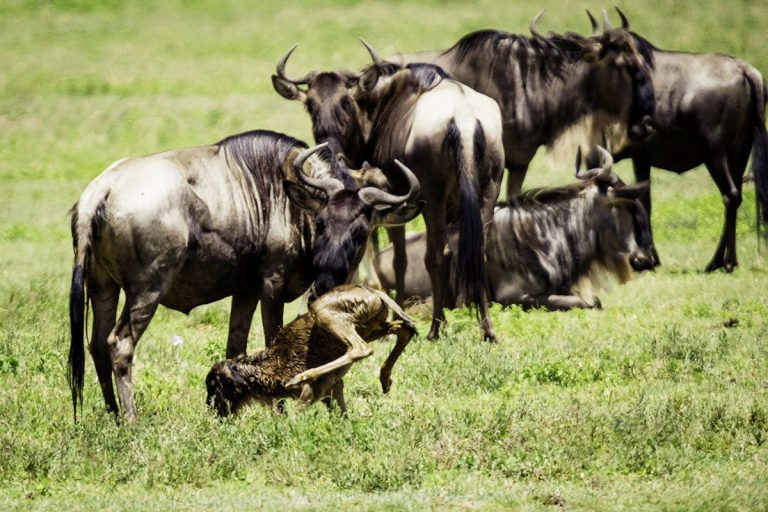
8-Day Mid-Range Ndutu Migration Calving Season
Destinations: Serengeti · Ndutu
Price per personOn request
View tour →
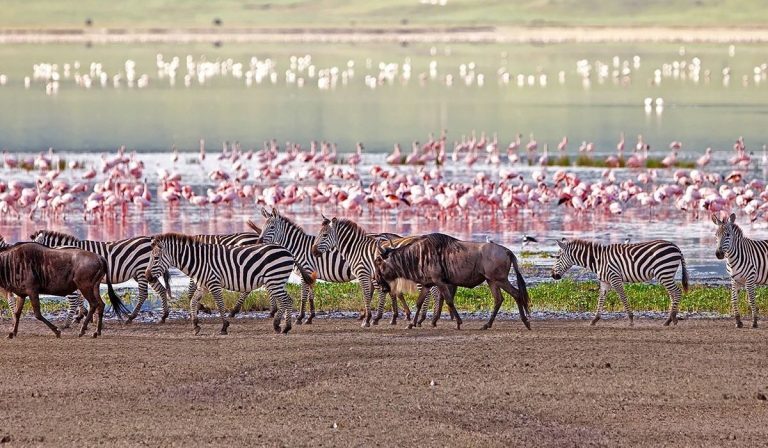
In January, the best African safari destination is Tanzania's southern Serengeti and Ndutu, where the Great Migration herds settle on fresh short-grass plains after the short rains and the first wildebeest calves begin to arrive late in the month. January is a warm, often dry window with green scenery, excellent birding and quieter roads after the festive season. Exact timing depends on rainfall. Foot Slopes Tours and Safaris creates private January safaris with your own guide and vehicle, often including Tarangire and the Ngorongoro Crater. See our January safari packages below.
Private8 Days / 7 Nights Private7 Days / 6 Nights
 Private7 Days / 6 Nights
 Private5 Days / 4 NightsPrivate4 Days / 3 Nights
 Private11 Days / 10 Nights
 Private12 Days / 11 Nights
Yes, January is a good time to see the Great Migration in Tanzania, because the herds have returned from the north and spread across the southern Serengeti and Ndutu plains. They graze the mineral-rich grass that the short rains have refreshed, so large numbers of wildebeest and zebra are easy to find. Predators follow closely. Movements always vary with rainfall, and our guides stay updated on herd locations so your private safari heads straight to the best areas.
You can often see the start of wildebeest calving in January, especially during the last two weeks of the month, when the earliest calves appear on the Ndutu plains. The main birthing peak usually follows in February, so a late-January safari offers a lovely balance of early calves, large herds and fewer vehicles. Timing depends on the rains each year. If newborns are your top priority, we can plan your private trip to run from late January into early February.
January in Tanzania is generally warm, green and fairly dry, falling between the short rains of November and December and the long rains starting around March. Expect sunny mornings, occasional afternoon showers and comfortable evenings, with cooler nights on the Ngorongoro Crater rim. It is one of the hottest months on Zanzibar and the coast. Light clothing, a sun hat, sunscreen, a light rain jacket and a fleece for early morning game drives are recommended.
Yes, January is one of the best months for birdwatching in Tanzania. Migratory birds from Europe and Asia are present, and many resident species show off breeding plumage. Tarangire, Lake Manyara, the Ngorongoro Crater and the Serengeti all offer rich birdlife, from raptors and bustards to flamingos and colourful weavers. A private safari lets your guide stop for every interesting sighting, making it ideal for keen birders who want time to observe and photograph without rushing.
Yes, January is one of the best months to climb Kilimanjaro and add a safari, because it falls in a drier, warmer climbing window with generally clear summit views. Many travelers climb first and then relax on a private safari to Tarangire, the Ngorongoro Crater and the southern Serengeti to see the migration herds. Allow roughly 7 to 8 days for the climb and 4 to 6 days for the safari. We coordinate everything so the whole journey flows smoothly.
Share your January dates and interests, and our Tanzania specialists will design a private southern Serengeti safari timed for the migration herds, early calves and superb birdlife.
Get a Free Quote →