Tanzania in April
Tanzania in April
Discover a unique East African Tanzania Safari in April, one of East Africa’s most unique travel experiences. As the long rains peak and wildlife viewing shifts, visitors discover lush landscapes, dramatic skies, and quieter safari routes. Whether you’re chasing the Great Wildebeest Migration in the southern Serengeti, climbing Kilimanjaro, or relaxing on Zanzibar’s beaches, April offers a different kind of Tanzania adventure. In this guide, we break down everything you need to know about Tanzania in April – weather, prices, safari experiences, travel tips, and more.
Why Visit Tanzania in April
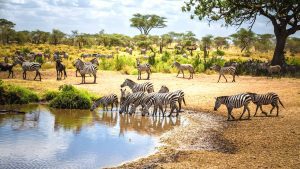
April in Tanzania offers a unique travel experience, blending lush landscapes with fewer tourists. It’s the tail end of the long rainy season, meaning vibrant greenery and flourishing wildlife. Our Tanzania Safari enthusiasts can witness the aftermath of the rains as animals gather near rivers and watering holes, providing excellent photo opportunities. April is also ideal for budget travelers since many lodges and tour operators offer lower prices due to the off-peak season. From the iconic Serengeti to the tropical paradise of Zanzibar, April provides an authentic and immersive Tanzanian adventure. Travelers can enjoy cultural experiences, birdwatching, and scenic drives without the heavy crowds.
Tanzania in April Travel Tips
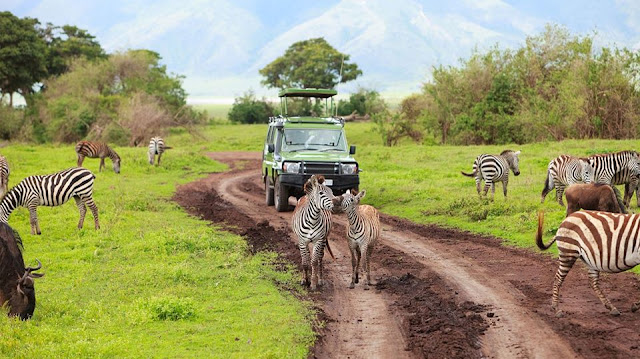
Traveling to Tanzania in April requires preparation for occasional rainfall and muddy roads. Lightweight waterproof clothing, quick-dry fabrics, and sturdy walking shoes are essential for safaris and hikes. Booking accommodations and tours in advance is recommended, even though it’s off-peak season, to secure the best deals. Travelers should stay hydrated, apply sunscreen, and take insect repellent to prevent malaria in endemic areas. Renting a 4x4 vehicle is advisable for remote parks, and hiring local guides can enhance wildlife spotting. Familiarizing yourself with local customs and Swahili greetings enhances cultural interactions. Additionally, keeping flexible plans helps navigate sudden weather changes while maximizing your Tanzanian adventure.
Tanzania Weather in April
April in Tanzania is marked by the long rainy season, with frequent afternoon showers across most regions. Temperatures are warm, averaging 25–30°C (77–86°F) in lowlands, while highland areas like Kilimanjaro and Arusha can be cooler. Rainfall nourishes the savannahs and forests, resulting in vibrant landscapes and plentiful birdlife. Despite showers, mornings are often sunny, providing excellent safari opportunities. Coastal areas, including Zanzibar, experience high humidity and occasional thunderstorms. Wildlife viewing remains rewarding as animals concentrate around water sources. Travelers should prepare for mud and slippery terrain, but the dramatic skies, lush scenery, and quieter parks make April a visually stunning and peaceful time to explore Tanzania.
Tanzania in April Crowds & Costs
April is considered Tanzania’s low season, meaning smaller crowds and more intimate safari experiences. National parks, lodges, and tours are less busy, providing tranquility for travelers seeking solitude or quality photography. Prices drop significantly compared to peak season, with discounted lodge rates, safari packages, and flights. Budget-conscious travelers benefit from off-peak promotions, while luxury options remain available at lower rates. Attractions like Serengeti, Ngorongoro, and Tarangire are more accessible, with fewer vehicles in the parks. However, some remote lodges may close temporarily due to weather. Overall, April offers an ideal balance of affordability, scenic beauty, and fewer tourists for an authentic Tanzanian experience.
- Accommodation
- Meals
- Park fees
- Vehicle & guide
- Transfers
- International flights
- Visas
- Travel insurance
- Tips
- Premium drinks
Where to Go – Tanzania in April
April is perfect for exploring Tanzania’s diverse destinations. Serengeti National Park remains a prime safari spot, offering lush scenery and abundant wildlife. Ngorongoro Crater presents excellent game viewing, with fewer visitors. Tarangire and Lake Manyara showcase elephants, flamingos, and unique landscapes at their greenest. Kilimanjaro offers challenging climbs amidst cooler weather and blooming flora. For beach relaxation, Zanzibar and Pemba Islands provide warm waters and vibrant coral reefs. Off-the-beaten-path locations like Lake Natron and Mkomazi National Park are also accessible. Travelers can combine cultural tours with safaris, visiting Maasai villages, local markets, and coffee plantations, ensuring a comprehensive Tanzanian experience during April’s verdant season.
- ArushaGateway
- TarangireElephants
- NgorongoroCrater
- SerengetiBig Five
- ZanzibarBeach
What to Do – Tanzania in April
April offers a range of activities in Tanzania. Wildlife safaris remain prime, with animals visible against lush green backdrops in Serengeti, Ngorongoro, and Tarangire. Birdwatching peaks due to migratory species. Hiking opportunities abound in Kilimanjaro, Mount Meru, and the Usambara Mountains. Cultural experiences, including Maasai village visits and local markets, offer insight into Tanzanian life. Coastal adventures in Zanzibar feature snorkeling, diving, and spice farm tours. Lake Manyara and Lake Eyasi allow fishing and canoe trips. Photography enthusiasts capture stunning landscapes and wildlife interactions. Even with rain showers, mornings and late afternoons provide optimal timing for safaris, hikes, and beach exploration, making April an active yet serene month to enjoy Tanzania.
Tanzania in April What to Bring
Packing for Tanzania in April requires preparation for rain and humidity. Essentials include lightweight waterproof jackets, quick-dry clothing, and sturdy hiking or safari shoes. Binoculars, camera gear, and power banks enhance wildlife viewing and photography. Insect repellent and malaria prophylactics are crucial in endemic areas. Sunglasses, sunscreen, and hats protect against sun exposure during safari drives. Layered clothing accommodates fluctuating temperatures, especially in highlands. A daypack, reusable water bottle, and travel umbrella improve comfort. Swahili phrasebooks or apps assist with cultural interactions. Bringing cash and local currency ensures smooth transactions in remote areas. Adequate preparation maximizes comfort, safety, and enjoyment while traveling across Tanzania’s diverse landscapes in April.
Tanzania Accommodations in April
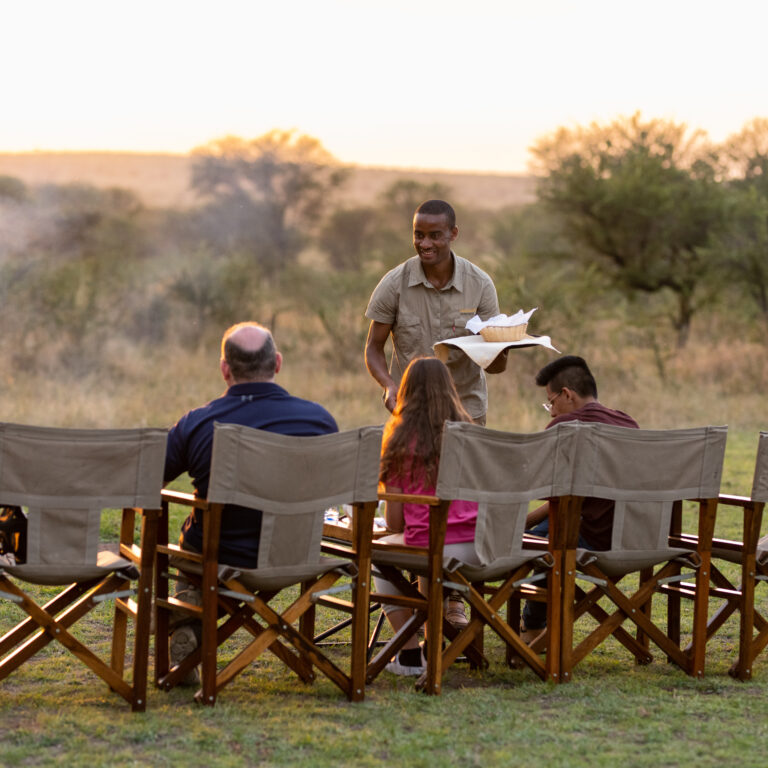
Accommodation options in April are plentiful and often discounted due to the off-peak season. Luxury lodges, tented camps, and boutique hotels provide comfort in Serengeti, Ngorongoro, Tarangire, and Zanzibar. Mid-range lodges and guesthouses offer authentic experiences at lower prices, often surrounded by nature and wildlife. Eco-lodges highlight sustainability and immersion in Tanzanian landscapes. Beach resorts in Zanzibar remain open, offering serene retreats amid fewer tourists. Some remote lodges may temporarily close due to rain, so advance bookings are advisable. Travelers can find flexible safari packages combining lodges and tented camps. April allows travelers to enjoy quality accommodations at affordable rates without the typical peak-season crowds.
Budget camping & lodges
Affordable, adventurous and close to nature.
Mid-range lodges & tented camps
Comfort, good food and convenient locations.
Luxury tented camps & lodges
Spacious suites, personal service and prime wildlife areas.
Exclusive-use camps & villas
Complete privacy, private guides and bespoke experiences.
Tanzania in April Events
April hosts several cultural and environmental events in Tanzania. Easter celebrations, observed in many regions, include church services and local festivals. Wildlife and conservation tours often coincide with the lush season, highlighting migratory birds and green landscapes. Zanzibar holds local music and cultural events showcasing traditional Taarab music. Coffee and spice farm harvest activities occur in the highlands. Eco-tourism initiatives, guided walks, and volunteer programs offer unique experiences for environmentally conscious travelers. Additionally, local markets in Arusha, Moshi, and Dodoma feature seasonal produce and crafts. Participating in these events enhances cultural immersion and provides insight into Tanzania’s vibrant traditions during April’s rain-nourished season.
Tanzania in April When to Go
April is ideal for travelers seeking fewer crowds, lower prices, and verdant landscapes. Early mornings and late afternoons provide optimal wildlife viewing, as midday rainfall is common. Visiting in the first half of April often offers drier conditions compared to late April when the rains peak. Coastal regions, including Zanzibar, experience warm temperatures with occasional storms. Highland areas like Kilimanjaro and Arusha are cooler and perfect for trekking. For safaris, planning game drives around morning and evening ensures better wildlife sightings and avoids muddy roads. Flexibility is key to maximizing enjoyment. Travelers benefit from combining parks, cultural experiences, and beach relaxation for a comprehensive Tanzanian adventure.
Tanzania in April Safaris & Tours
April safaris offer a unique chance to explore Tanzania’s wildlife amidst lush greenery. Serengeti, Ngorongoro, Tarangire, and Lake Manyara showcase elephants, lions, flamingos, and diverse bird species. Guided 4x4 tours provide safe and immersive wildlife experiences. Cultural tours to Maasai villages, coffee plantations, and local markets enhance the adventure. Water-based activities like canoeing at Lake Manyara or boat trips in Pangani complement land safaris. Off-peak pricing and smaller crowds allow for personalized experiences. Expert guides provide insights into wildlife behavior, photography opportunities, and local ecosystems. Tours are flexible to accommodate April’s rain showers while ensuring maximum engagement and scenic enjoyment.
Kilimanjaro Climbing in April
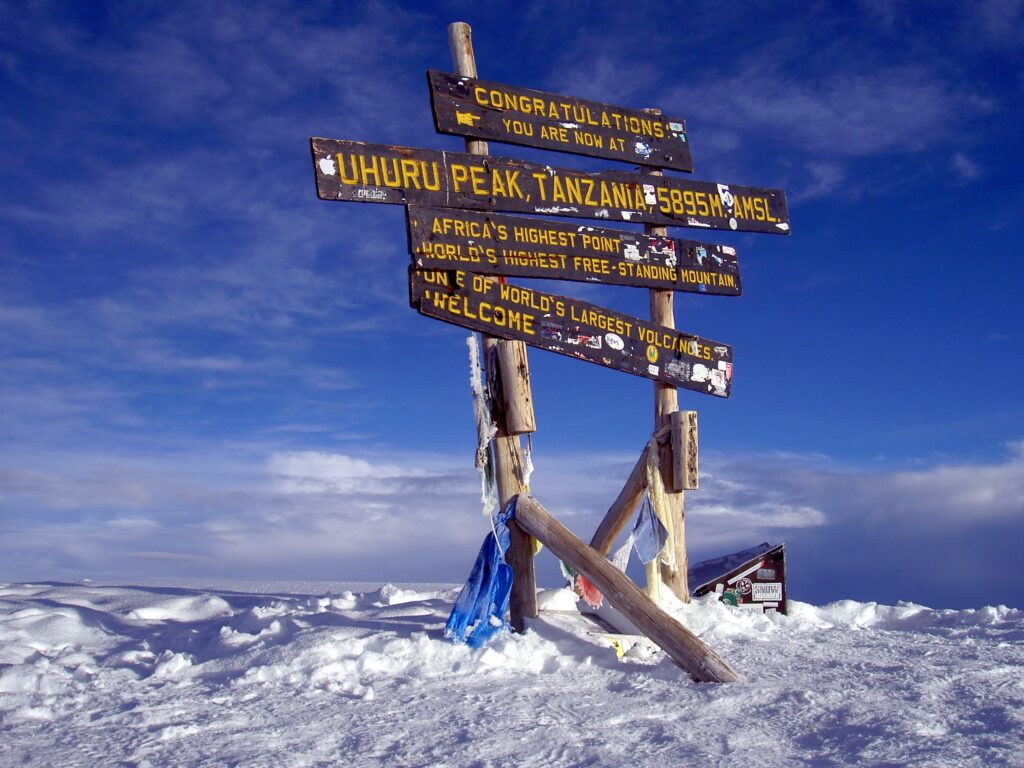
April is challenging but rewarding for climbing Mount Kilimanjaro. As part of the long rainy season, trails are lush, slippery, and less crowded, providing solitude. Temperatures are cooler, especially at higher altitudes, so layered clothing and proper gear are essential. Routes like Machame, Lemosho, and Rongai remain popular for experienced climbers, offering spectacular views of clouds, valleys, and snow-capped peaks. Guides assist with navigation and acclimatization, maximizing safety. Despite rain, mornings often offer clear skies for summit attempts. April climbers experience verdant flora, waterfalls, and misty landscapes, making the ascent visually stunning. Preparation, flexibility, and stamina are critical for a successful Kilimanjaro adventure in April.
Zanzibar in April
Zanzibar in April offers warm tropical weather, fewer tourists, and lush vegetation. The island experiences occasional short rains, which enhance the green landscape and coral reef visibility. Beaches like Nungwi and Kendwa are less crowded, ideal for relaxation, swimming, and water sports. Spice tours, exploring plantations of cloves, cinnamon, and nutmeg, thrive during this season. Stone Town provides cultural immersion, vibrant markets, and historical architecture. Snorkeling, diving, and boat excursions remain accessible, showcasing marine biodiversity. April allows travelers to enjoy Zanzibar’s natural beauty and cultural richness without peak-season crowds, making it a serene, off-peak tropical getaway.
- White-sand beaches
- Stone Town
- Spice tours
- Dhow cruises
- Snorkelling & diving
Ngorongoro in April
Ngorongoro Crater in April is vibrant and green, offering excellent wildlife viewing opportunities. The rainy season ensures plentiful water and abundant grazing for animals, making sightings of lions, elephants, rhinos, and wildebeest common. Fewer tourists mean less crowded game drives, enhancing the safari experience. Temperatures are mild, but early mornings can be chilly, so layered clothing is recommended. Birdwatching is particularly rewarding with migratory species present. Lodges surrounding the crater offer discounts during off-peak season. April’s lush landscapes provide striking photography opportunities, making it a visually stunning month to explore one of Tanzania’s most iconic safari destinations.
Tarangire National Park in April
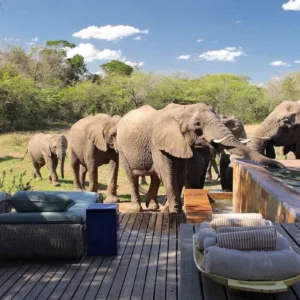
Tarangire National Park in April is a green haven, with rain-fed rivers and abundant vegetation. Elephant herds congregate near water sources, providing remarkable sightings. The park is quieter, allowing for intimate safari experiences. Birdwatchers benefit from migratory species and colorful endemic birds. Afternoon showers are common but typically brief, leaving mornings perfect for game drives. Off-peak pricing makes luxury lodges and tented camps more accessible. Photographers capture stunning contrasts between wildlife and lush landscapes. April showcases Tarangire’s baobab-dotted plains in their verdant glory, offering a serene and visually captivating safari experience.
Arusha National Park in April
Arusha National Park in April offers a diverse blend of landscapes, from grassy plains to volcanic peaks. The rainy season enhances waterfalls, rivers, and forests, attracting wildlife and migratory birds. Safari drives, walking safaris, and canoeing along Momella Lakes provide immersive experiences. Cooler temperatures at higher altitudes make hiking enjoyable. Smaller crowds during April allow for peaceful exploration of its unique ecosystems, including black-and-white colobus monkeys and giraffes. Accommodation options, including lodges and camps, often offer off-peak rates. Despite occasional rains, mornings remain ideal for wildlife spotting and photography, making Arusha National Park a rewarding destination in April.
Lake Manyara in April
Lake Manyara National Park in April is a birdwatcher’s paradise, with flamingos, pelicans, and migratory species abundant. The park’s forests and grassy plains flourish after rains, providing excellent habitats for elephants, hippos, and primates. Safari drives reveal animals near water sources, enhancing sightings. Off-peak season ensures fewer visitors and discounted lodges. Trails may be muddy, so sturdy footwear is recommended. The park’s diverse landscapes, from alkaline lakes to dense forests, are visually stunning and ideal for photography. April offers a peaceful, immersive safari experience in Lake Manyara, blending vibrant wildlife, lush scenery, and tranquil surroundings.
Serengeti in April
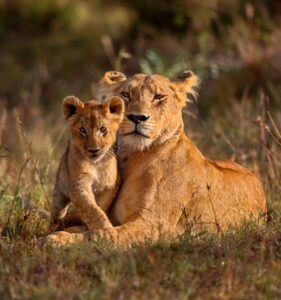
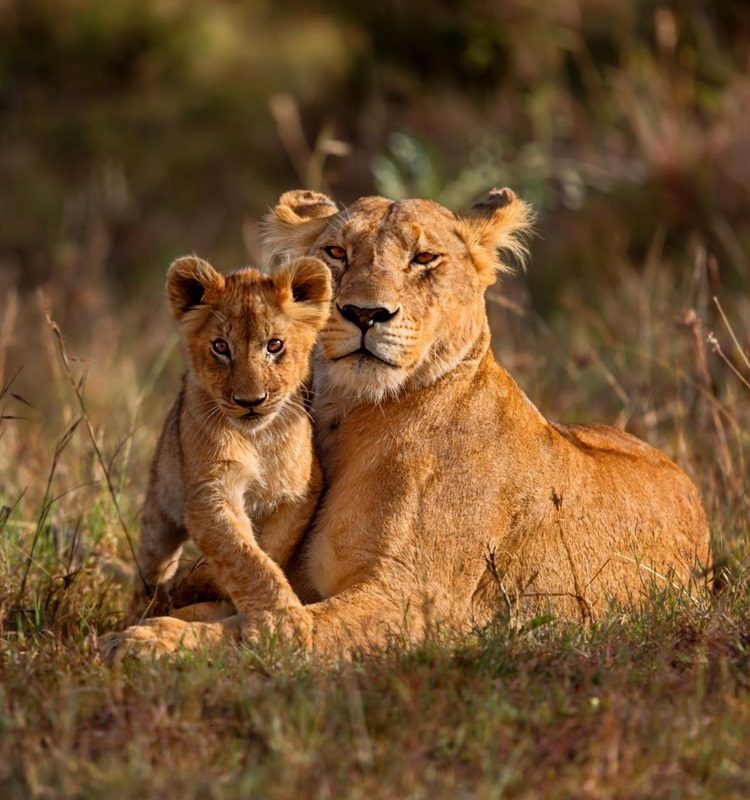
The Serengeti in April is lush, offering dramatic landscapes and active wildlife. The park sees fewer tourists, providing an intimate safari experience. Rainfall nourishes the plains, attracting herbivores and predators alike. Birdwatching is exceptional, with migratory species abundant. Game drives reveal lions, elephants, giraffes, and wildebeest in scenic settings. Accommodation, including lodges and tented camps, is more affordable due to the off-peak season. Despite occasional rains, mornings are ideal for wildlife observation and photography. April’s vibrant Serengeti showcases the park’s natural beauty, abundant wildlife, and peaceful atmosphere, making it a rewarding time for travelers seeking an authentic Tanzanian safari experience.
Quick Highlights:
Final Tip: Book with experienced local tour operators familiar with rainy season logistics to make the most of your Tanzania in April adventure.
Conclusion: Is April a Good Time to Visit Tanzania?
Absolutely — if you love green landscapes, vibrant wildlife behavior, fewer crowds, and budget‑friendly safaris. Tanzania in April offers unique experiences unavailable in the dry season, from dramatic migration scenes in the Serengeti to peaceful beaches in Zanzibar.
Tanzania in April: FAQs
Why Visit Tanzania in April?
April in Tanzania offers a unique travel experience, blending lush landscapes with fewer tourists. It’s the tail end of the long rainy season, meaning vibrant greenery and flourishing wildlife. Our Tanzania Safari enthusiasts can witness the aftermath of the rains as animals gather near rivers and watering holes, providing excellent photo opportunities.
What is the Tanzania weather in April like?
April in Tanzania is marked by the long rainy season, with frequent afternoon showers across most regions. Temperatures are warm, averaging 25–30°C (77–86°F) in lowlands, while highland areas like Kilimanjaro and Arusha can be cooler. Rainfall nourishes the savannahs and forests, resulting in vibrant landscapes and plentiful birdlife.
Where to Go?
April is perfect for exploring Tanzania’s diverse destinations. Serengeti National Park remains a prime safari spot, offering lush scenery and abundant wildlife. Ngorongoro Crater presents excellent game viewing, with fewer visitors. Tarangire and Lake Manyara showcase elephants, flamingos, and unique landscapes at their greenest.
What should you know about Tanzania in April What to Bring?
Packing for Tanzania in April requires preparation for rain and humidity. Essentials include lightweight waterproof jackets, quick-dry clothing, and sturdy hiking or safari shoes. Binoculars, camera gear, and power banks enhance wildlife viewing and photography. Insect repellent and malaria prophylactics are crucial in endemic areas.
What can you expect from Tanzania in April events?
April hosts several cultural and environmental events in Tanzania. Easter celebrations, observed in many regions, include church services and local festivals. Wildlife and conservation tours often coincide with the lush season, highlighting migratory birds and green landscapes. Zanzibar holds local music and cultural events showcasing traditional Taarab music.
What should you know about Tanzania in April safaris & tours?
April safaris offer a unique chance to explore Tanzania’s wildlife amidst lush greenery. Serengeti, Ngorongoro, Tarangire, and Lake Manyara showcase elephants, lions, flamingos, and diverse bird species. Guided 4x4 tours provide safe and immersive wildlife experiences. Cultural tours to Maasai villages, coffee plantations, and local markets enhance the adventure.
What can you expect from Zanzibar in April?
Zanzibar in April offers warm tropical weather, fewer tourists, and lush vegetation. The island experiences occasional short rains, which enhance the green landscape and coral reef visibility. Beaches like Nungwi and Kendwa are less crowded, ideal for relaxation, swimming, and water sports. Spice tours, exploring plantations of cloves, cinnamon, and nutmeg, thrive during this season.
What should you know about Tarangire National park in April?
Tarangire National Park in April is a green haven, with rain-fed rivers and abundant vegetation. Elephant herds congregate near water sources, providing remarkable sightings. The park is quieter, allowing for intimate safari experiences. Birdwatchers benefit from migratory species and colorful endemic birds. Afternoon showers are common but typically brief, leaving mornings perfect for game drives.
Plan Your Private Tanzania Safari
Tell us your travel dates, interests and budget, and our local team will design a private tailor-made safari around you.