Tanzania Culture: History, People, Clothing, Traditions
Tanzania Culture: History, People, Clothing, Traditions
Tanzania is one of Africa’s most culturally rich and diverse destinations, known for its deep-rooted traditions, vibrant heritage, and over 120 ethnic groups living in harmony. Tanzania culture is a unique blend of African traditions, Swahili coastal influence, and indigenous tribal lifestyles, making it a top in cultural tourism Africa and East African travel experiences. From the iconic Maasai warriors to Swahili coastal heritage, Tanzania traditions reflect music, dance, art, clothing, and ancient rituals passed down for generations. Visitors exploring Tanzania cultural tours discover authentic experiences such as traditional ceremonies, local cuisine, and historical storytelling. This cultural diversity makes Tanzania a leading destination for cultural safari experiences, heritage tourism, and immersive African travel adventures, attracting travelers seeking authentic African culture, traditions, and unforgettable human connections across the country’s landscapes and communities.
Cultural Diversity in Tanzania
Tanzania culture is defined by its extraordinary cultural diversity, shaped by more than 120 ethnic groups including Sukuma, Chagga, Haya, Zaramo, and the iconic Maasai people. Each community contributes unique traditions, languages, music, and rituals, making Tanzania one of the most culturally rich countries in Africa. Despite differences, Tanzanians share unity through the Swahili language, national identity, and peaceful coexistence. Cultural festivals, traditional ceremonies, and storytelling preserve ancient knowledge and customs. From inland farming communities to coastal Swahili settlements, Tanzania traditions reflect a blend of indigenous and Arab influences. This cultural harmony makes Tanzania a top destination for cultural safari experiences, African heritage tours, and immersive travel exploring living traditions and ethnic lifestyles.
Swahili Culture and Coastal Heritage
Swahili culture is one of the most influential aspects of Tanzania culture, especially along the Indian Ocean coast in cities like Zanzibar, Bagamoyo, and Dar es Salaam. Shaped by centuries of trade between Africans, Arabs, Persians, and Indians, Swahili traditions blend language, architecture, cuisine, and Islamic influences. The Swahili language, or Kiswahili, is a national identity symbol and one of Africa’s most widely spoken languages, making it a powerful key in East African cultural tourism. Coastal heritage is seen in coral stone houses, carved wooden doors, and historic mosques. Traditional Swahili music like Taarab reflects poetic storytelling and emotional expression. Festivals, spice markets, and dhow sailing experiences highlight Tanzania cultural tourism attractions. This coastal identity makes Tanzania a key destination for heritage tourism, cultural exploration, and immersive African coastal lifestyle experiences.
- White-sand beaches
- Stone Town
- Spice tours
- Dhow cruises
- Snorkelling & diving
Maasai Traditions and Lifestyle
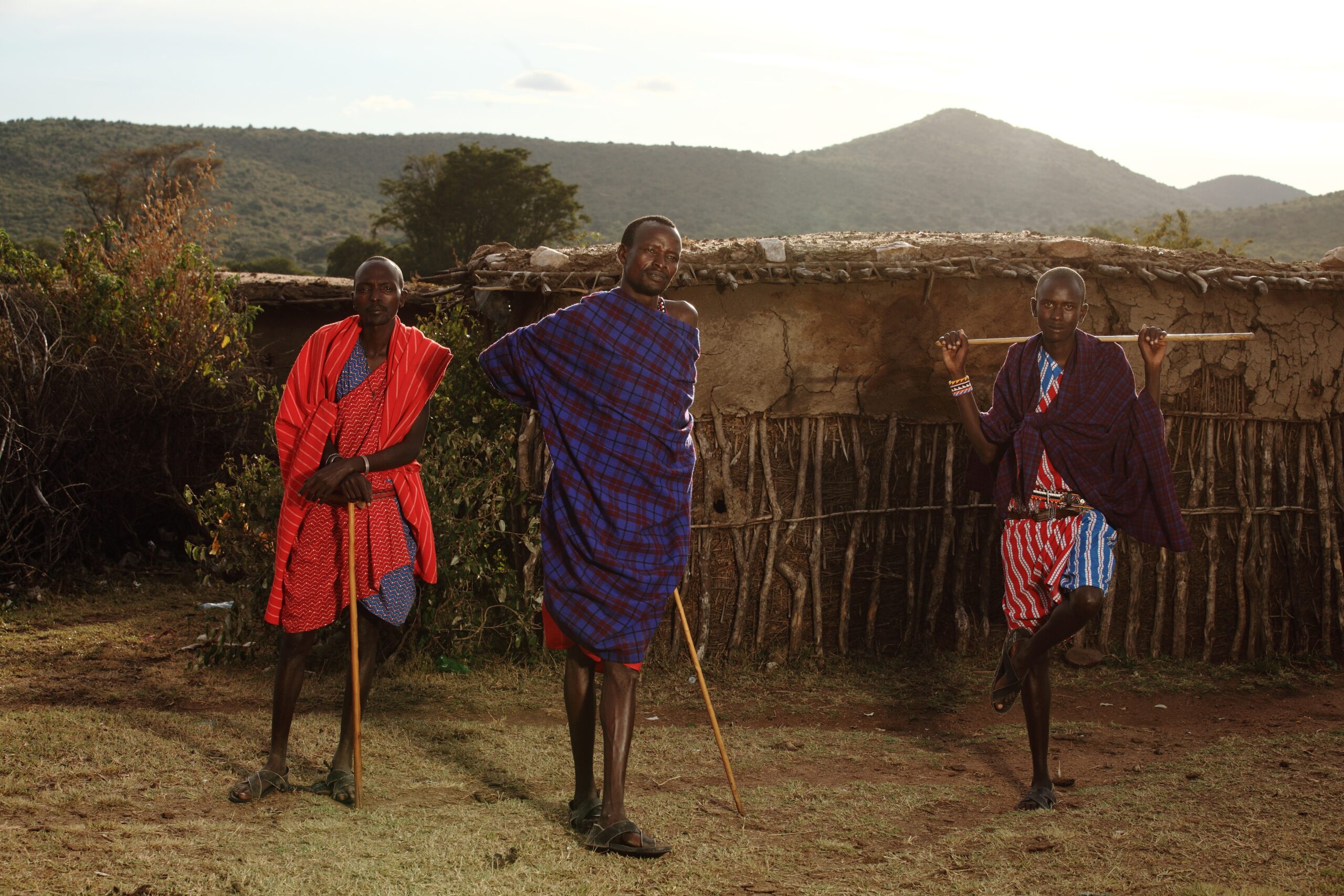
The Maasai are one of the most famous cultural groups in Tanzania, representing strength, tradition, and heritage in East African culture. Known for their red shukas, beadwork, and semi-nomadic lifestyle, the Maasai people preserve ancient customs that attract global attention in Tanzania cultural tourism. Their traditions include cattle herding, warrior ceremonies, and community-centered living. Visitors exploring Maasai villages experience traditional dances, storytelling, and rituals that reflect deep cultural identity. The Maasai also symbolize Tanzania safari culture, often seen near Serengeti and Ngorongoro regions. Despite modernization, they continue to protect their heritage and values. Their unique customs make them a top in African cultural experiences, tribal tourism, and authentic safari encounters. The Maasai culture remains a living example of Africa’s rich indigenous traditions and enduring cultural pride.
Traditional Music and Dance
Music and dance are essential elements of Tanzania culture, reflecting emotions, celebrations, and storytelling across different ethnic groups. Traditional rhythms use drums, flutes, and string instruments to create vibrant performances during weddings, harvests, and ceremonies. Each tribe has unique dance styles, making Tanzanian traditional music a key African cultural tourism. The Sukuma dance, Ngoma performances, and coastal Taarab music showcase the diversity of artistic expression. Music is also used to pass down history, educate younger generations, and celebrate community identity. In modern Tanzania, traditional sounds blend with Bongo Flava, a popular music genre influencing East African entertainment. Cultural festivals across the country highlight these performances, attracting tourists interested in immersive cultural experiences. Tanzania’s music and dance traditions continue to preserve heritage while evolving with modern African creativity.
Traditional Clothing and Attire
Traditional clothing in Tanzania reflects cultural identity, social status, and regional heritage. The Maasai are known for their red shukas and colorful bead jewelry, symbolizing strength and unity. Coastal Swahili communities wear elegant kangas and kitenge fabrics, often decorated with Swahili proverbs and artistic patterns. In inland regions, traditional garments vary depending on tribe and occasion. Clothing is worn during ceremonies, weddings, and festivals to express cultural pride. Modern fashion in Tanzania blends traditional textiles with contemporary designs, creating a growing African fashion industry. Tourists often purchase kitenge and handmade crafts as souvenirs of their cultural safari experience. Tanzania’s traditional attire continues to represent heritage, identity, and the vibrant diversity of African culture.
Tanzanian Cuisine and Food Culture
Tanzanian cuisine is a flavorful reflection of Tanzania culture, blending African, Arab, and Indian influences. Coastal regions offer coconut-based dishes influenced by Swahili traditions, while inland areas focus on maize, beans, and meat-based meals. Street food culture is vibrant, especially in cities like Dar es Salaam, where snacks such as chips mayai and mishkaki are widely enjoyed. Food plays a central role in family gatherings, festivals, and cultural ceremonies. Traditional cooking methods, such as clay pots and open-fire grilling, preserve authentic flavors. Tanzanian cuisine offers visitors a unique culinary journey, combining simplicity, richness, and cultural heritage. It is a key attraction for travelers exploring cultural safari experiences in East Africa.
Languages and Communication
Language is a central pillar of Tanzania culture, with over 120 indigenous languages spoken across the country. However, Swahili (Kiswahili) serves as the national language, uniting diverse ethnic groups and making communication accessible nationwide. English is also widely used in education and business, reflecting Tanzania’s global connections. Local dialects such as Sukuma, Chagga, and Haya preserve tribal heritage and oral traditions. Storytelling is an important communication method, passing history, morals, and cultural values through generations. Proverbs and sayings are commonly used in daily conversations, especially in Swahili culture. This linguistic richness enhances Tanzania cultural tourism experiences, allowing visitors to engage deeply with local communities. The blend of languages reflects unity in diversity, strengthening Tanzania’s identity as a culturally connected nation.
Traditional Arts and Crafts
Tanzania is renowned for its traditional arts and crafts, which are vital expressions of Tanzania culture and heritage. Skilled artisans create wood carvings, pottery, beadwork, and paintings that reflect tribal identity and everyday life. Makonde carvings are especially famous, showcasing intricate designs and storytelling themes. Handwoven baskets, kanga textiles, and jewelry are widely produced and sold in local markets. Art is often passed down through generations, preserving ancient techniques and cultural knowledge. Markets in Arusha, Dar es Salaam, and Zanzibar offer vibrant displays of handmade goods. Tanzanian art not only supports local economies but also attracts international collectors and tourists. This creative heritage highlights the importance of craftsmanship in preserving cultural identity and promoting sustainable cultural tourism in Tanzania.
Cultural Festivals and Celebrations
Cultural festivals are an essential part of Tanzania culture, showcasing music, dance, food, and traditional rituals. Events such as the Zanzibar International Film Festival, Sauti za Busara, and local harvest celebrations attract both locals and tourists. They provide a platform for artists, musicians, and performers to share heritage and creativity. Traditional ceremonies such as weddings and initiation rites are also celebrated with vibrant cultural expressions. Festivals often feature Swahili poetry, drumming, and traditional attire, highlighting Tanzania’s rich diversity. Visitors attending these events experience authentic African hospitality and community spirit. Cultural celebrations strengthen unity while preserving traditions across generations. Tanzania’s festivals make it a top destination for immersive cultural travel and heritage exploration.
Religion and Spiritual Beliefs
Religion plays a significant role in Tanzania culture, shaping values, traditions, and daily life. The country is religiously diverse, with Christianity, Islam, and indigenous beliefs coexisting peacefully. Traditional beliefs also remain important in many rural communities, where ancestors and nature spirits are respected. Religious festivals such as Eid, Christmas, and Easter are widely celebrated with communal gatherings and cultural practices. Mosques, churches, and sacred sites reflect Tanzania’s spiritual heritage and architectural diversity. Religion influences music, dress, and social behavior, reinforcing moral values and unity. This harmonious coexistence makes Tanzania a model of religious tolerance and cultural integration in Africa.
Family Structure and Social Life
Family is the foundation of Tanzania culture, emphasizing respect, unity, and strong community bonds. Extended families often live together or nearby, supporting each other in daily life. Elders hold respected positions, guiding decisions and preserving traditions. Social life is community-oriented, with neighbors sharing resources and participating in ceremonies together. This strong social structure is a key key African cultural lifestyle and Tanzania heritage tourism. Hospitality is deeply valued, and guests are warmly welcomed with food and conversation. Children are raised with cultural values, storytelling, and respect for elders. Weddings, births, and funerals are important social events that bring communities together. Tanzania’s family-centered society reflects African traditions of unity and cooperation, making it a culturally rich and socially connected nation.
Cultural Tourism in Tanzania
Cultural tourism in Tanzania is a growing sector that attracts travelers seeking authentic African experiences beyond wildlife safaris. Visitors explore Maasai villages, Swahili coastal towns, and traditional markets, making Tanzania cultural tourism a top global. Tourists engage in activities such as traditional cooking, dance performances, and storytelling sessions. Cultural tours provide insight into daily life, customs, and heritage of diverse ethnic groups. Popular destinations include Arusha cultural heritage centers and Zanzibar Stone Town. This form of tourism supports local communities by creating jobs and preserving traditions. It also promotes sustainable travel and responsible tourism practices. Tanzania’s cultural richness makes it a leading destination for immersive African cultural experiences, combining heritage, history, and hospitality in one unforgettable journey.
Modern Influences on Tanzanian Culture
Modern influences are reshaping Tanzania culture while preserving its traditional roots. Urbanization, technology, and globalization have introduced new lifestyles, fashion, and entertainment trends, especially in cities like Dar es Salaam. Bongo Flava music, social media, and modern education systems are blending with traditional values, creating a dynamic cultural evolution. This transformation is a key in modern African cultural studies. Despite these changes, traditional customs, ceremonies, and languages remain strong in rural areas. Youth in Tanzania often balance modern lifestyles with cultural identity, maintaining respect for heritage. International tourism and trade also influence cultural exchange and creativity. This balance between tradition and modernity makes Tanzania a unique example of cultural adaptation in Africa.
Final Thought
Tanzania culture is a powerful reflection of unity, diversity, and deep-rooted African heritage. From the traditions of the Maasai to the coastal Swahili influence, every aspect of life in Tanzania tells a story of identity, resilience, and harmony. The country’s cultural richness makes it one of the most attractive destinations for cultural tourism, African safaris, and heritage exploration. Despite modernization, Tanzania continues to preserve its languages, traditions, music, and customs, ensuring that future generations remain connected to their roots. This balance between tradition and modern life strengthens national pride and global appeal. For travelers, Tanzania offers more than wildlife—it offers a living cultural experience. Exploring Tanzania culture means discovering authentic Africa, where history, people, and traditions come together in a vibrant and unforgettable journey.
Tanzania Culture: History, People, Clothing, Traditions: FAQs
What should you know about cultural diversity in Tanzania for Tanzania culture?
Tanzania culture is defined by its extraordinary cultural diversity, shaped by more than 120 ethnic groups including Sukuma, Chagga, Haya, Zaramo, and the iconic Maasai people. Each community contributes unique traditions, languages, music, and rituals, making Tanzania one of the most culturally rich countries in Africa.
What can you expect from Swahili culture and coastal heritage?
Swahili culture is one of the most influential aspects of Tanzania culture, especially along the Indian Ocean coast in cities like Zanzibar, Bagamoyo, and Dar es Salaam. Shaped by centuries of trade between Africans, Arabs, Persians, and Indians, Swahili traditions blend language, architecture, cuisine, and Islamic influences.
What should you know about Maasai traditions and lifestyle?
The Maasai are one of the most famous cultural groups in Tanzania, representing strength, tradition, and heritage in East African culture. Known for their red shukas, beadwork, and semi-nomadic lifestyle, the Maasai people preserve ancient customs that attract global attention in Tanzania cultural tourism. Their traditions include cattle herding, warrior ceremonies, and community-centered living.
What can you expect from traditional music and dance for Tanzania culture?
Music and dance are essential elements of Tanzania culture, reflecting emotions, celebrations, and storytelling across different ethnic groups. Traditional rhythms use drums, flutes, and string instruments to create vibrant performances during weddings, harvests, and ceremonies. Each tribe has unique dance styles, making Tanzanian traditional music a key African cultural tourism.
What should you know about traditional clothing and attire?
Traditional clothing in Tanzania reflects cultural identity, social status, and regional heritage. The Maasai are known for their red shukas and colorful bead jewelry, symbolizing strength and unity. Coastal Swahili communities wear elegant kangas and kitenge fabrics, often decorated with Swahili proverbs and artistic patterns.
What can you expect from Tanzanian cuisine and food culture?
Tanzanian cuisine is a flavorful reflection of Tanzania culture, blending African, Arab, and Indian influences. Coastal regions offer coconut-based dishes influenced by Swahili traditions, while inland areas focus on maize, beans, and meat-based meals. Street food culture is vibrant, especially in cities like Dar es Salaam, where snacks such as chips mayai and mishkaki are widely enjoyed.
What should you know about languages and communication for Tanzania culture?
Language is a central pillar of Tanzania culture, with over 120 indigenous languages spoken across the country. However, Swahili (Kiswahili) serves as the national language, uniting diverse ethnic groups and making communication accessible nationwide. English is also widely used in education and business, reflecting Tanzania’s global connections.
What can you expect from traditional arts and crafts for Tanzania culture?
Tanzania is renowned for its traditional arts and crafts, which are vital expressions of Tanzania culture and heritage. Skilled artisans create wood carvings, pottery, beadwork, and paintings that reflect tribal identity and everyday life. Makonde carvings are especially famous, showcasing intricate designs and storytelling themes.
Plan Your Private Tanzania Safari
Tell us your travel dates, interests and budget, and our local team will design a private tailor-made safari around you.