How to Prepare for a Safari in Tanzania
How to Prepare for a Safari in Tanzania
Preparing for a safari in Tanzania is one of the most exciting steps in planning your African adventure. From the endless plains of the Serengeti National Park to the breathtaking Ngorongoro Crater and elephant-rich Tarangire National Park, Tanzania offers one of the world’s most iconic wildlife experiences. Proper preparation ensures a smooth, safe, and unforgettable journey. Key elements include understanding the best time to visit Tanzania, arranging travel documents, packing the right safari gear, and choosing trusted tour operators. Whether you are planning a luxury safari in Tanzania, a budget camping safari, or a honeymoon safari, preparation is essential.
Best Time to Visit Tanzania for Safari
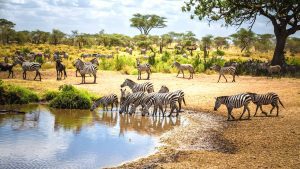
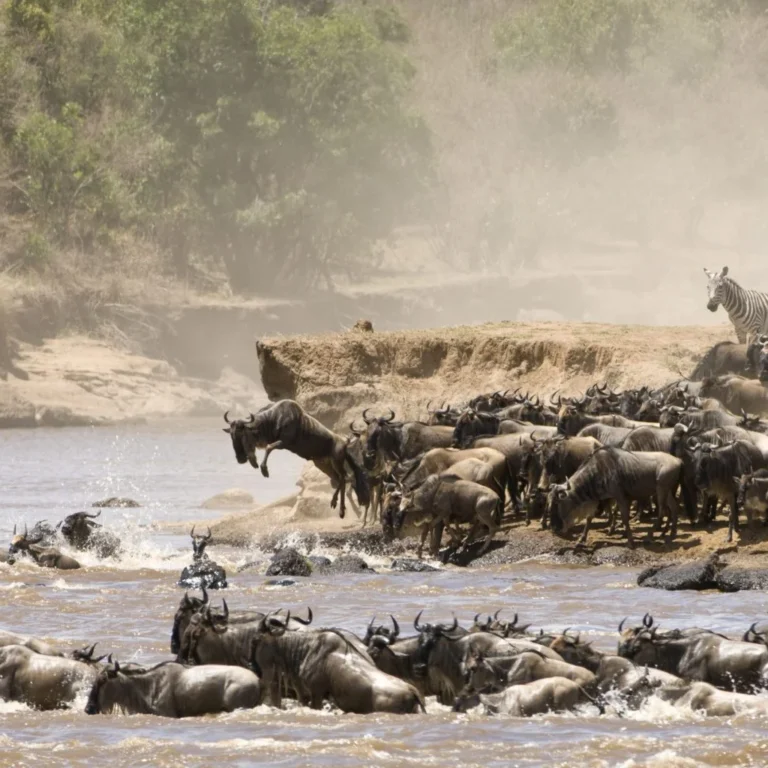
The best time to visit Tanzania for a safari largely depends on wildlife viewing goals. The dry season from June to October is considered the peak safari season, offering excellent game viewing in Serengeti National Park, Ngorongoro Crater, and Tarangire National Park. During this period, animals gather around water sources, making wildlife easier to spot. The Great Migration in the Serengeti is also a major highlight, attracting visitors worldwide. The wet season from November to May is ideal for bird watching, lush landscapes, and fewer crowds, making it perfect for budget Tanzania safari tours. Always align your safari schedule with your wildlife interests for the best experience.
Tanzania Visa and Entry Requirements
Before traveling for a Tanzania safari, understanding visa and entry requirements is essential. Most international travelers need a Tanzania tourist visa, which can be obtained online as an e-visa or on arrival at major airports like Kilimanjaro International Airport and Julius Nyerere International Airport in Dar es Salaam. A valid passport with at least six months’ validity is required. Some nationalities may also need additional documentation depending on entry regulations. It is important to check updated immigration policies before booking your African safari tour. Ensuring proper documentation prevents delays and guarantees a smooth start to your Tanzania wildlife safari adventure.
Health and Vaccinations for Tanzania Safari
Health preparation is a crucial part of planning a Tanzania safari. Travelers are often advised to get vaccinations such as yellow fever, hepatitis A and B, typhoid, and tetanus before visiting East Africa. Malaria prevention is also important, as Tanzania is a malaria-risk region, especially in safari destinations like Serengeti and Tarangire. Carrying insect repellent, mosquito nets, and prescribed anti-malarial medication is highly recommended. Travel insurance covering medical emergencies is also essential for all safari travelers. Proper health preparation ensures a safe and enjoyable wildlife safari experience across Tanzania’s national parks and game reserves.
Approach, feed or disturb wildlife, or leave the vehicle unless your guide says it is safe.
Follow your guide, carry travel insurance and check current health and travel advice.
Tanzania Safari Packing List Essentials
Packing correctly for a Tanzania safari is key to comfort and convenience. Essential items include lightweight neutral-colored clothing, binoculars, sunscreen, a wide-brim hat, comfortable walking shoes, and a high-quality camera for wildlife photography. Safari days often involve early morning and evening game drives, so layering clothing is important due to temperature changes. A small backpack, reusable water bottle, and power bank are also highly recommended. Avoid bright colors and heavy luggage when traveling between safari destinations like Serengeti, Ngorongoro, and Lake Manyara. Tanzania safari packing list, African safari essentials, and Serengeti travel gear help optimize travel planning searches. Proper packing ensures a smooth and enjoyable Tanzania wildlife safari experience.
What to Wear on a Tanzania Safari
Choosing the right safari clothing is important for comfort, safety, and blending into the natural environment. Neutral colors like khaki, beige, olive, and brown are recommended for Tanzania safari tours as they help avoid attracting insects and do not disturb wildlife. Lightweight, breathable fabrics are ideal for daytime game drives in Serengeti National Park and Tarangire. Early mornings and evenings can be cold, so a warm jacket is essential. Comfortable walking shoes or boots are necessary for walking safaris. Dressing appropriately enhances your overall Tanzania wildlife safari experience and ensures comfort throughout your adventure.
Choosing the Best Tanzania Safari Tour Operator
Selecting a reliable safari tour operator is one of the most important steps in planning a Tanzania safari. Trusted operators provide experienced guides, well-planned itineraries, and safe transportation across top destinations like Serengeti, Ngorongoro Crater, and Tarangire National Park. Look for licensed companies with positive reviews, transparent pricing, and strong local expertise. Whether you are booking a luxury safari, a budget safari, or a private safari, the right operator ensures a smooth experience. Tanzania safari companies, the best African safari operators, and Serengeti tour packages. A professional tour operator enhances wildlife sightings, safety, and overall satisfaction during your Tanzania wildlife safari journey.
Understanding Tanzania Safari Costs
The cost of a Tanzania safari varies depending on accommodation type, season, and itinerary. Budget safaris may start from affordable camping options, while luxury safaris in Tanzania can include high-end lodges and private game drives. Key cost factors include park fees, transportation, guide services, and accommodation in destinations like Serengeti National Park and Ngorongoro Crater. Peak season (June to October) is generally more expensive due to high demand. Tanzania safari prices, African safari cost guide, and Serengeti safari budget planning are popular. Proper budgeting helps travelers choose the right safari experience without compromising on quality or wildlife adventure expectations.
- Accommodation
- Meals
- Park fees
- Vehicle & guide
- Transfers
- International flights
- Visas
- Travel insurance
- Tips
- Premium drinks
Transportation and Getting Around Tanzania
Transportation plays a major role in Tanzania safari planning. Most travelers arrive via Kilimanjaro International Airport or Dar es Salaam before connecting to safari destinations by 4x4 safari vehicles or domestic flights. Road safaris offer scenic views of the African landscape, while fly-in safaris save time and provide luxury travel options. Destinations like Serengeti, Ngorongoro, and Lake Manyara are well-connected through established safari routes. Choosing the right transport option enhances comfort, efficiency, and overall safari experience in Tanzania’s top wildlife parks.
Wildlife Etiquette and Tanzania Safari Rules
Respecting wildlife and following safari etiquette is essential during a Tanzania safari. Visitors must always maintain a safe distance from animals and follow guide instructions at all times. Feeding wildlife is strictly prohibited in national parks such as the Serengeti and Ngorongoro Crater. Keeping noise levels low ensures a natural environment for animal behavior observation. Staying inside safari vehicles unless permitted is also important for safety. Practicing proper etiquette ensures conservation of wildlife and a respectful, sustainable safari experience in Tanzania’s protected ecosystems.
Photography Tips for Tanzania Safari
A Tanzania safari offers some of the best wildlife photography opportunities in the world. To capture stunning images, use a zoom lens for distant animals in Serengeti National Park or Ngorongoro Crater. Early morning and sunset light provide the best natural conditions for photography. Keeping your camera ready at all times is important as wildlife moments happen quickly. A bean bag or stabilizer helps reduce camera shake during game drives. Tanzania safari photography tips, Serengeti wildlife photography, and African safari photo guide are popular. Proper preparation ensures you capture unforgettable moments of lions, elephants, and the Great Migration.
Types of Tanzania Safari Accommodation
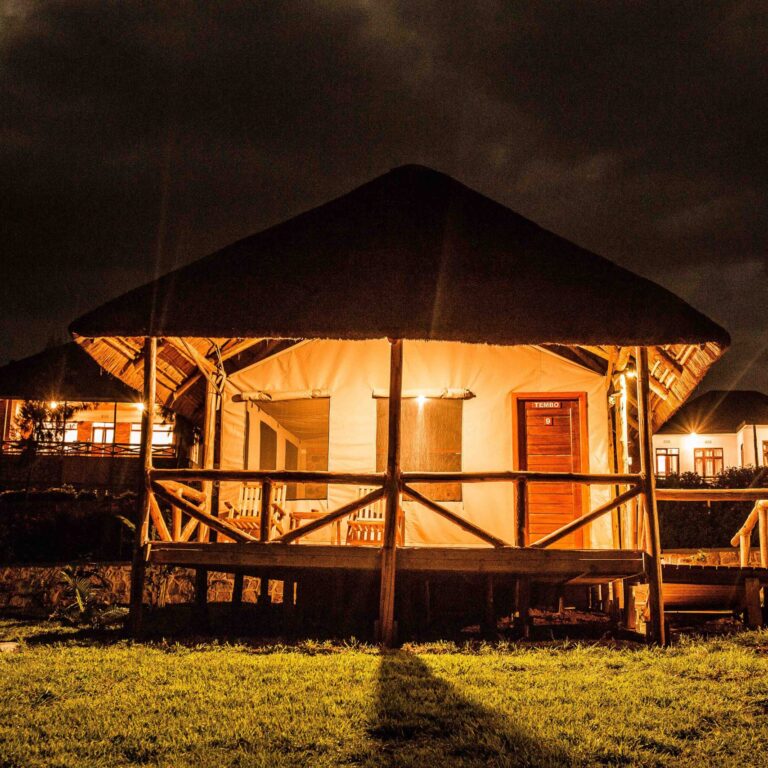
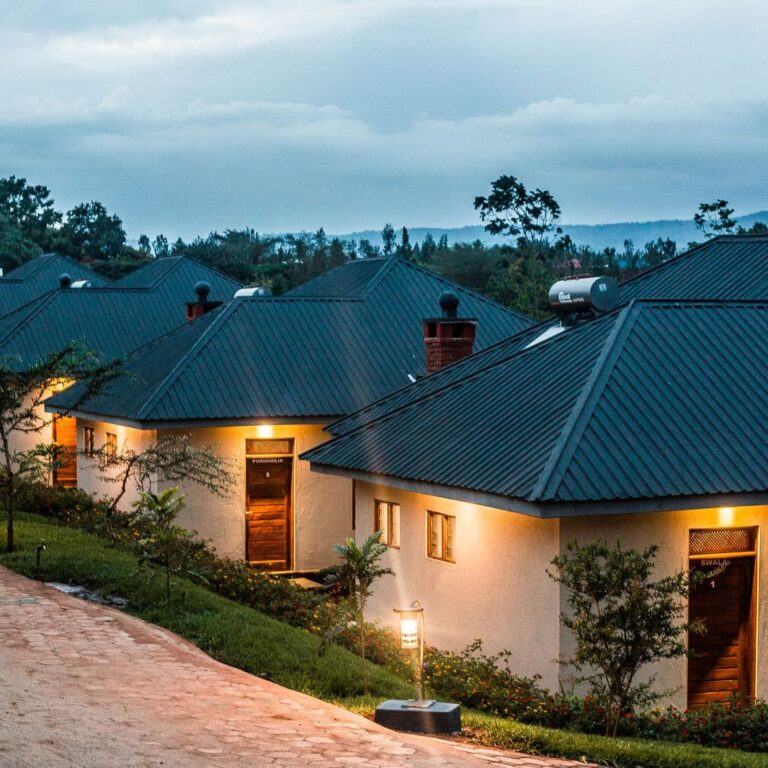
Tanzania offers a wide range of safari accommodation options to suit every traveler. These include luxury lodges, mid-range tented camps, budget campsites, and mobile safari camps. Luxury lodges in Serengeti and Ngorongoro provide comfort, fine dining, and stunning views of wildlife. Tented camps offer an authentic bush experience close to nature, while budget camping safaris are ideal for adventurous travelers. Choosing the right accommodation enhances comfort, immersion, and overall enjoyment of your Tanzania wildlife safari adventure.
Final Thought
Preparing for a Tanzania safari is the foundation of an unforgettable African adventure. From understanding the best time to visit Tanzania and organizing travel documents to packing the right gear and choosing a trusted safari operator, every detail matters. Tanzania’s world-famous destinations like Serengeti National Park, Ngorongoro Crater, and Tarangire offer unmatched wildlife experiences. With proper planning, travelers can enjoy safe, comfortable, and enriching safari journeys. Whether you are seeking a luxury Tanzania safari, budget wildlife tour, or honeymoon safari experience, preparation ensures success. Use this guide filled. Tanzania safari planning, African safari preparation, and Serengeti travel guide to create the perfect safari experience.
How to Prepare for a Safari in Tanzania: FAQs
Do I need a visa for Tanzania safari travel?
Yes, most international travelers need a tourist visa to enter Tanzania for a safari. You can apply online for an e-visa or obtain one upon arrival at major entry points such as Kilimanjaro International Airport and Julius Nyerere International Airport in Dar es Salaam. A valid passport with at least six months’ validity is required. Visa requirements may vary depending on nationality, so it is important to check official guidelines before travel.
What is the best time to go on a Tanzania safari?
The best time for a Tanzania safari is during the dry season from June to October. This period offers excellent wildlife viewing as animals gather around water sources in Serengeti, Tarangire, and Ngorongoro Crater. It is also the best time to witness the Great Migration in the Serengeti. The wet season from November to May is ideal for bird watching, lush scenery, and fewer tourists, making it perfect for budget safaris.
Is Tanzania safari safe for tourists?
Yes, Tanzania safaris are generally safe when organized through trusted tour operators. Professional guides ensure visitor safety during game drives and park visits. National parks like Serengeti and Ngorongoro have strict regulations to protect both wildlife and tourists. Travelers should always follow guide instructions, remain inside safari vehicles unless allowed, and avoid feeding animals. Basic health precautions such as malaria prevention and travel insurance are also recommended.
What vaccinations do I need for Tanzania safari?
Recommended vaccinations for a Tanzania safari include yellow fever (required in some cases), hepatitis A and B, typhoid, and tetanus. Malaria prevention is strongly advised since Tanzania is a malaria-risk region, especially in safari destinations like Serengeti and Tarangire. Travelers should also carry insect repellent and consult a healthcare professional before travel for personalized advice. Having travel insurance that covers medical emergencies is essential.
What clothes should I wear on safari in Tanzania?
Safari clothing in Tanzania should be lightweight, breathable, and neutral in color such as khaki, brown, or green. These colors help you blend into the natural environment and avoid attracting insects. Long-sleeved shirts and trousers are ideal for protection against sun and insects. Early mornings and evenings can be cold, so a warm jacket is necessary. Comfortable shoes are important for walking safaris.
Do I need travel insurance for Tanzania safari?
Yes, travel insurance is highly recommended for a Tanzania safari. It should cover medical emergencies, trip cancellations, evacuation, and lost luggage. Safari destinations like Serengeti and Ngorongoro are remote, so emergency evacuation coverage is especially important. While Tanzania safaris are generally safe, unexpected situations can occur, making insurance essential for peace of mind. Always check that your policy includes coverage for adventure travel and wildlife activities.
What documents do I need for a Tanzania safari?
To prepare for a Tanzania safari, you need a valid passport with at least six months’ validity and a Tanzania tourist visa. Depending on your country, the visa can be obtained online (e-visa) or on arrival at major airports such as Kilimanjaro International Airport and Julius Nyerere International Airport.
What safari gear do I need in Tanzania?
Essential Tanzania safari gear includes binoculars for wildlife viewing, a high-quality camera with extra batteries, a power bank, and a small backpack for daily game drives. A flashlight or headlamp is useful for tented camps or lodges. Sunscreen, lip balm, and insect repellent are also important due to the African climate. Many travelers also bring travel adapters for charging devices. A reusable water bottle helps stay hydrated during long safari drives.
How many days are ideal for a Tanzania safari?
The ideal Tanzania safari duration is typically 5 to 10 days, depending on the destinations you want to explore. A shorter 3–5 day safari may cover highlights like Serengeti National Park and Ngorongoro Crater, while longer itineraries allow visits to Tarangire, Lake Manyara, and even Zanzibar. Longer safaris provide better wildlife viewing opportunities and a more relaxed travel experience. Many travelers prefer 7-day Tanzania safari packages for balanced exploration and comfort.
Do I need cash on a Tanzania safari?
Yes, carrying some cash is recommended during a Tanzania safari, especially in local currency (Tanzanian Shillings) or US dollars. Cash is useful for tips, souvenirs, drinks, and small personal expenses in safari lodges or remote areas. However, most safari packages include accommodation, meals, park fees, and transport. Credit cards are accepted in many lodges and hotels but may not work in remote safari camps.
Plan Your Private Tanzania Safari
Tell us your travel dates, interests and budget, and our local team will design a private tailor-made safari around you.