Serengeti Safari Guide: Best Time, Migration, Regions and Planning
A Serengeti safari is a guided wildlife holiday in Serengeti National Park, Tanzania's most famous park, known for the Great Migration and Africa's highest concentration of big cats. The best time to visit is June to October for dry-season game viewing and Mara River crossings, or January to February for the calving season in the southern Serengeti. Plan at least three to four nights, ideally on a private safari combined with the Ngorongoro Crater, reached by road or a short flight from Arusha.
Serengeti National Park is one of the greatest wildlife destinations on Earth, with endless golden plains, iconic acacia trees, granite kopjes and the spectacular Great Wildebeest Migration. Planning a Serengeti safari raises many questions, from when to go and where to stay to how long you need and how the migration moves. This complete expert Serengeti safari guide answers them all, covering why to visit, the main regions, the best time and migration calendar, wildlife, trip length, accommodation, costs, getting there, activities and packing, and how to plan a private, tailor-made Serengeti safari with our experienced team in Arusha.
Why Visit Serengeti National Park?
Serengeti National Park is Tanzania's flagship safari destination and one of the most famous national parks in the world, protecting a vast and largely untouched savannah ecosystem. It offers excellent game viewing every month of the year, extraordinary predator sightings and the chance to witness the Great Migration, one of nature's greatest spectacles. The table below summarises the main reasons travellers choose a Serengeti safari and what each highlight means for your wildlife experience in Tanzania. Together, these highlights make the Serengeti a perfect choice for first-time safari visitors, families, couples on honeymoon, solo travellers and keen wildlife photographers.
| Highlight | Why it matters |
|---|---|
| Great Migration | Millions of wildebeest and zebra move through the park all year |
| Big cats | Excellent sightings of lions, leopards and cheetahs |
| Year-round wildlife | Resident animals ensure rewarding game drives every month |
| Vast landscapes | Endless plains, kopjes, rivers and woodland |
| Balloon safaris | Unforgettable sunrise views over the plains |
| Easy combinations | Pairs perfectly with the Ngorongoro Crater and Zanzibar |
Serengeti Regions: Where to Go on Safari
The Serengeti is enormous, so choosing the right region for your travel dates is one of the most important parts of planning a successful safari. Each area has its own landscapes, resident wildlife and migration season, and the best region changes as the herds follow the rains across the ecosystem. The five tabs below introduce the main Serengeti regions, the best time to visit each one and the wildlife highlights you can expect on a private safari. We match your camp location to the season, so you spend more time watching wildlife and less time driving between areas.
Central Serengeti and Seronera
All year
Big cats and resident wildlife
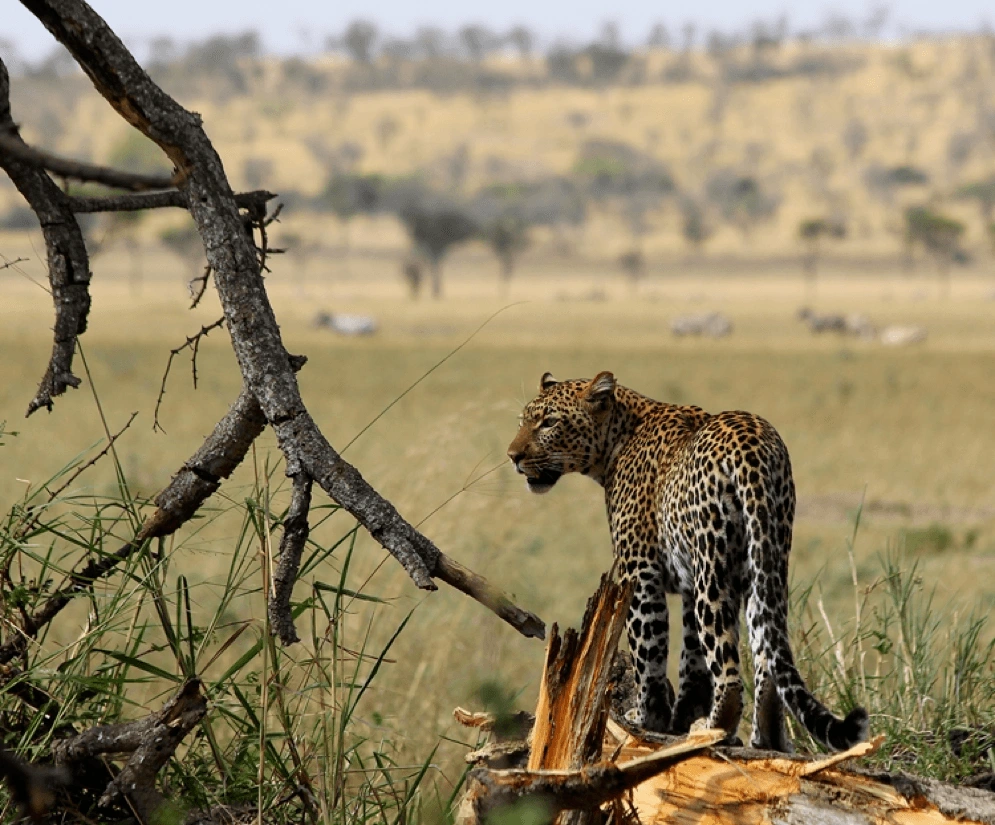
Central Serengeti, around the Seronera River Valley, offers excellent game viewing throughout the year thanks to permanent water and abundant resident wildlife. It is one of the best places in Africa to see lions, leopards and cheetahs, often resting on rocky kopjes or in sausage trees. Its central location also makes it ideal for first-time Serengeti visitors.
Serengeti private safari tours →Southern Serengeti and Ndutu
December to March
Wildebeest calving season
The short-grass plains of the southern Serengeti and the Ndutu area host the Great Migration during the green season, when hundreds of thousands of wildebeest calves are born. Calving usually peaks in February, attracting lions, cheetahs and hyenas in remarkable numbers. It is a spectacular time for predator action, newborn animals and dramatic, wide open landscapes.
Great Migration safari packages →Western Corridor and Grumeti River
May to July
Grumeti River crossings
The Western Corridor stretches towards Lake Victoria and is crossed by the Grumeti River, where the migrating herds often gather from around May to July. Huge Nile crocodiles wait in the river as wildebeest and zebra cross, creating dramatic scenes. Outside the migration season, the corridor is quiet, with resident lions, hippos and beautiful riverine forest.
Western Corridor migration safari →Northern Serengeti and the Mara River
July to October
Mara River crossings
Northern Serengeti, near the Kenyan border, is the place to see the famous Mara River crossings, usually between July and October. It is a remote and beautiful area of rolling hills, woodland and open plains, with fewer vehicles than the central region. Outside the migration season, it offers peaceful game drives with elephants, lions and buffalo.
Where to stay for the migration →Eastern Serengeti and Lobo
All year
Kopjes and quiet game drives
The eastern and northeastern Serengeti, including the Lobo area and the Gol Kopjes, offers wild scenery, granite outcrops and very few other vehicles. The open eastern plains are excellent for cheetahs and are visited by migrating herds in the green season. Lobo, with its rocky hills and valleys, provides peaceful game viewing and a genuine wilderness atmosphere.
Serengeti National Park →Best Time to Visit Serengeti and the Migration Calendar
The Serengeti is a year-round safari destination, but the best time to visit depends on whether you want dry-season game viewing, calving or river crossings. The Great Migration moves in a broad circle through the Serengeti and Kenya's Masai Mara, following rainfall and fresh grazing rather than a fixed calendar. The table below shows where the herds usually are each month and the main wildlife highlights, helping you choose the right season and region for your safari. Exact timing varies with the rains every single year, so no responsible safari operator can ever guarantee a specific river crossing.
| Months | Where the herds usually are | Highlights |
|---|---|---|
| December to March | Southern Serengeti and Ndutu | Calving season, peaking in February, with many predators |
| April to May | Central and southern Serengeti | Green season, herds start moving and parks are quiet |
| June to July | Western Corridor and central Serengeti | Grumeti River crossings and the start of the dry season |
| July to October | Northern Serengeti | Mara River crossings and excellent dry-season viewing |
| November | Eastern and central Serengeti | Herds return south with the short rains |
Serengeti Wildlife and the Big Five
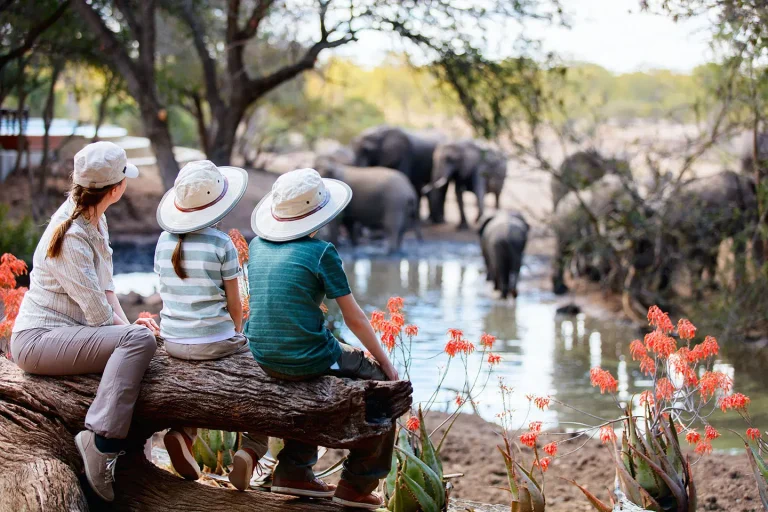
A Serengeti safari offers some of the finest wildlife viewing in Africa, with remarkable predator sightings and enormous herds of grazing animals across the plains. Four of the Big Five are seen regularly, while the rare black rhino lives in small numbers in protected areas and is easier to see in the nearby Ngorongoro Crater. The table below lists the animals travellers most hope to see in the Serengeti and the best areas to look for each of them. Your experienced private guide reads animal behaviour and tracks carefully, giving you the very best chance of memorable sightings.
| Animal | Where to look |
|---|---|
| Lion | Seronera, kopjes and the southern plains |
| Leopard | Seronera River Valley and riverine woodland |
| Cheetah | Southern and eastern short-grass plains |
| Elephant | Northern and western Serengeti woodland |
| Buffalo | Rivers, woodland and Lobo |
| Black rhino | Rare in the Serengeti, best seen in Ngorongoro Crater |
| Wildebeest and zebra | Follow the Great Migration through the year |
| Hippo and crocodile | Grumeti and Mara rivers, Retima hippo pool |
How Long Should a Serengeti Safari Be?
The ideal length of a Serengeti safari depends on your interests, budget, travel dates and how many other parks you want to include in your itinerary. Because the park is so vast, allowing at least three nights gives you time for full-day game drives and a real sense of the wilderness without rushing. The table below suggests how long to stay in the Serengeti and what each trip length allows you to experience on a private safari. Many travellers combine the Serengeti with the Ngorongoro Crater, Tarangire and Lake Manyara for a classic and rewarding Northern Circuit journey.
| Trip length | What it allows |
|---|---|
| 2 nights | A short visit to Central Serengeti, best by flight |
| 3 to 4 nights | Ideal for most visitors, with time for one or two regions |
| 5 to 6 nights | Two regions, migration focus and a relaxed pace |
| 7 to 10 days in Tanzania | Serengeti with Ngorongoro, Tarangire and Lake Manyara |
Where to Stay in the Serengeti
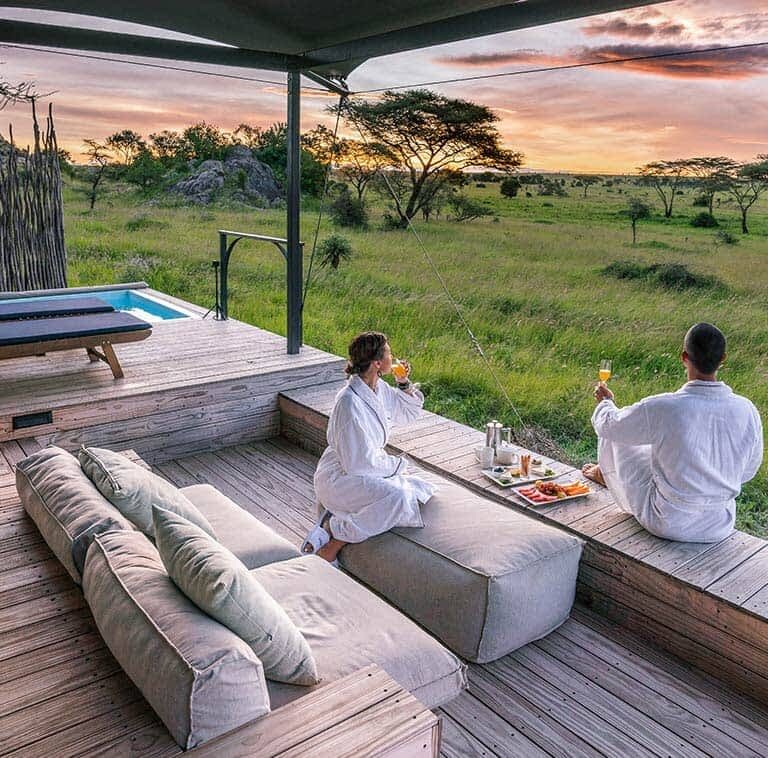
Serengeti accommodation ranges from public campsites and comfortable tented camps to stylish lodges, seasonal mobile camps and exclusive luxury properties. Location is always just as important as comfort, because staying close to the wildlife you want to see reduces long drives and gives you more time on game drives. The table below compares the main different types of Serengeti accommodation, what each one offers and the type of traveller it suits best. We personally select and regularly inspect every lodge and camp we use, carefully matching its location to the season, your budget and your preferred travel style.
| Accommodation | What to expect | Best for |
|---|---|---|
| Campsites | Simple tents and close contact with nature | Adventurous travellers |
| Tented camps | Spacious canvas rooms with private bathrooms | A classic safari feel |
| Mobile migration camps | Seasonal camps that move with the herds | Migration safaris |
| Lodges | Solid rooms, restaurants and often pools | Families and comfort |
| Luxury camps | Prime locations, fine dining and personal service | Honeymoons and special trips |
What Affects the Cost of a Serengeti Safari?
The cost of a Serengeti safari depends mainly on your accommodation level, the season, the length of your stay and whether you travel by road or fly in. Park and concession fees are charged per person for every day in the Serengeti, and peak migration months usually cost more than the quieter green season. The lists below show the most important factors that influence Serengeti safari prices and what a quality private safari quote should clearly include. We always happily provide a detailed, transparent quote, so you can compare real value rather than simply choosing the lowest price.
Main cost factors
- Accommodation level and location
- Peak or green season dates
- Number of nights in the park
- Road safari or fly-in safari
- Optional activities such as balloon flights
- Number of travellers sharing the vehicle
A good quote includes
- Park and concession fees
- Accommodation and meals
- Private 4x4 vehicle and professional guide
- Airport transfers
- Drinking water on game drives
- Clear list of exclusions
How to Get to the Serengeti
Most Serengeti safaris begin in Arusha, the gateway to northern Tanzania, which is a short drive from Kilimanjaro International Airport (JRO). From Arusha, you can travel to the Serengeti by private safari vehicle, usually via the Ngorongoro highlands, or take a scheduled flight to one of several park airstrips. The table below compares the two main ways of reaching the Serengeti, with their typical travel experience and the type of traveller each one suits best. Many travellers happily combine both options, driving in through the Ngorongoro highlands and flying back to Arusha at the end of their safari.
| Option | Travel experience | Best for |
|---|---|---|
| Road safari | A full day by private 4x4, often via Ngorongoro, with game viewing en route | Classic Northern Circuit safaris |
| Fly-in safari | A short scenic flight from Arusha to a Serengeti airstrip | Limited time and remote regions |
| Drive in, fly out | Road safari one way and a flight back to Arusha | Saving time on the return |
Serengeti Activities, Packing and Safety
Game drives are the heart of every Serengeti safari, but you can also enjoy a sunrise hot-air balloon flight, bush meals and cultural visits outside the park. Packing light, practical and comfortable clothing and following your guide's safety advice will make your Serengeti safari far more comfortable, safe and enjoyable. The lists below cover popular Serengeti activities and essential packing items, followed by simple safety guidelines that every visitor should always follow. Our friendly Arusha team always sends a detailed packing list, practical health guidance and helpful pre-travel advice once your private Serengeti safari is confirmed with us.
Popular activities
- Morning, afternoon and full-day game drives
- Sunrise hot-air balloon safari
- Bush breakfasts and picnic lunches
- Wildlife photography
- Cultural visits outside the park
- Sundowners at your camp
What to pack
- Light neutral-coloured clothing
- A warm fleece for cool mornings
- Sun hat, sunglasses and sunscreen
- Insect repellent and medication
- Binoculars, camera and spare batteries
- Soft luggage and a small daypack
How to Plan and Book a Serengeti Safari
Planning a Serengeti safari starts with your travel dates, because the season decides which region, camps and wildlife experiences will suit you best. Booking early is important for the popular migration months, when the best-located camps in the north and south often fill many months in advance. The steps below show how we plan and book a private, tailor-made Serengeti safari, from your first enquiry to your first game drive on the plains. Every itinerary is private and carefully designed around you and your interests, and your first consultation and detailed quote are always free and without obligation.
- Share your plansTell us your dates, interests, budget and who is travelling.
- Choose the right regionWe match the season with the best area and camps.
- Receive your itineraryGet a clear quote with parks, lodges and activities.
- Confirm and prepareSecure your booking and receive packing and travel advice.
- Arrive and exploreOur team meets you in Arusha and your safari begins.
Serengeti Safari: Frequently Asked Questions
What is the best time to go on a Serengeti safari?
June to October is best for dry-season game viewing and Mara River crossings, while January to February is best for the wildebeest calving season in the southern Serengeti. Wildlife is excellent all year.
How many days do you need in the Serengeti?
Three to four nights is ideal for most visitors. Five or six nights allows you to explore two regions, while two nights suits a short visit, preferably with a flight.
Where is the Great Migration each month?
The herds are usually in the southern Serengeti from December to March, move through the central and western areas from April to July, and reach the northern Serengeti from July to October.
Can you see the Big Five in the Serengeti?
Lion, leopard, elephant and buffalo are seen regularly. Black rhino are rare in the Serengeti, so most travellers combine it with the Ngorongoro Crater to complete the Big Five.
How do you get to the Serengeti?
Fly into Kilimanjaro International Airport near Arusha, then travel to the Serengeti by private safari vehicle via Ngorongoro or take a short scheduled flight to a park airstrip.
Is the Serengeti worth visiting outside migration season?
Yes. The Serengeti has abundant resident wildlife, especially in the central Seronera area, so game viewing is rewarding throughout the year, often with fewer vehicles.
Is a Serengeti safari safe?
Yes, a Serengeti safari is very safe when you travel with a licensed operator and professional guide, follow park rules and stay in the vehicle except at designated areas.
Can I combine the Serengeti with Ngorongoro and Zanzibar?
Yes. The Serengeti combines perfectly with the Ngorongoro Crater, Tarangire and Lake Manyara, and a short flight connects the park with Zanzibar for a beach extension.
Related Guides
Plan Your Serengeti Safari
Tell us your dates and interests, and our Arusha team will design a private, tailor-made Serengeti safari in the right region and season, with the best camps and an expert guide.
Start Planning