Seasons, regions, wildlife, costs and tips for an unforgettable Serengeti safari
Serengeti Safari Guide
A Serengeti Safari Guide helps travellers plan an unforgettable Tanzania safari in one of Africa’s most iconic wildlife destinations. This comprehensive guide covers the best time to visit Serengeti, wildlife, the Big Five, the Great Wildebeest Migration, safari costs, lodges, camps, game drives, accommodation, getting there, safety, packing and photography. Serengeti National Park offers exceptional wildlife viewing throughout the year, while different regions become especially rewarding during seasonal migration movements. From Central Serengeti and Seronera to Western and Northern Serengeti, choosing the right season and location can greatly enhance your safari experience.
Discover Serengeti National Park →Why Visit Serengeti National Park?
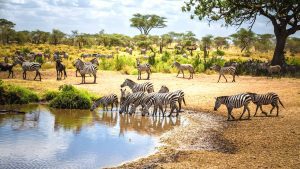
Serengeti National Park is one of Tanzania’s premier safari destinations, famous for vast golden plains, abundant wildlife, and the spectacular Great Wildebeest Migration. A Serengeti safari offers opportunities to see lions, leopards, cheetahs, elephants, buffalo, giraffes, hippos, crocodiles, zebras and numerous antelope species. The park is also renowned for dramatic predator-prey encounters and year-round game viewing. Travellers can choose from private Tanzania safaris, luxury Serengeti safaris, family safaris, budget camping safaris, honeymoon trips and photographic safaris. Its enormous landscapes and diverse habitats make every game drive different and rewarding.
- Golden plains
- Big cats
- Great Migration
- Year-round game viewing
- Private safaris
When Is the Best Time to Visit Serengeti?
The best time to visit Serengeti depends on your safari interests. June to October is generally excellent for dry weather, concentrated wildlife, and migration viewing, while January and February are particularly rewarding for wildebeest calving in the southern Serengeti. August and September are popular for possible Mara River crossings in Northern Serengeti. However, Serengeti is a year-round safari destination, and wildlife remains abundant outside peak seasons. The exact movement of migrating animals depends on rainfall, so no responsible safari operator can guarantee a particular crossing or herd location on a specific day.
Where Are the Best Places to See Wildlife in Serengeti?
The best Serengeti safari areas depend on the season and wildlife you want to see. Central Serengeti and Seronera are famous for excellent year-round game viewing and big-cat sightings. Southern Serengeti and Ndutu are important during the calving season, while the Western Corridor and Grumeti become significant as herds move north. Northern Serengeti and the Mara River region are particularly popular during the August–September migration period. Exploring different regions can reduce dependence on one wildlife area and create a more varied safari experience.
Peak calving in Southern Serengeti and Ndutu: thousands of newborn calves and intense predator action.
A general guide only: the herds follow the rains, so timing varies every year.
What Wildlife Can You See on a Serengeti Safari?
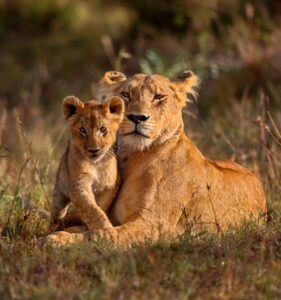
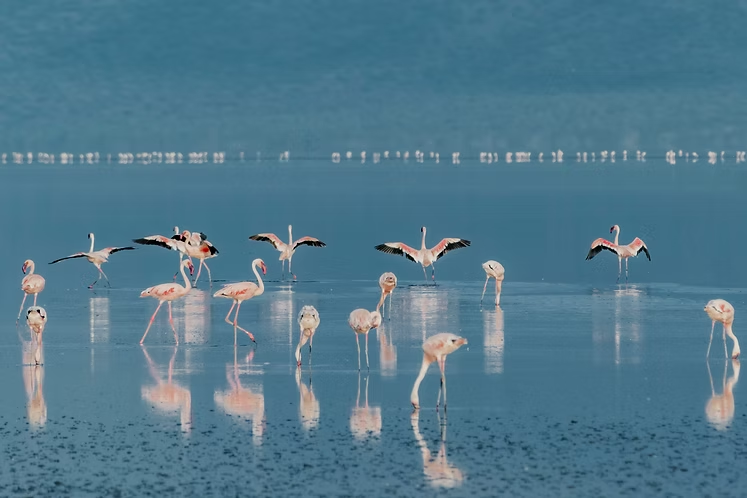
A Serengeti safari provides exceptional opportunities to see Africa’s iconic wildlife, including the Big Five: lion, leopard, elephant, buffalo and rhinoceros. The park is especially famous for its high density of lions and other predators, including cheetahs, spotted hyenas and jackals. Wildebeest, zebras and gazelles dominate the Great Migration, while giraffes, hippos, crocodiles, warthogs and numerous antelope species add to the diversity. Birdwatchers can also encounter many resident and migratory species. Early-morning and late-afternoon game drives often provide excellent opportunities for active wildlife and photography.
Gold buttons are the Big Five. Tap an animal when you spot it on your game drive.
How Long Should a Serengeti Safari Be?
A Serengeti safari can last from three days to two weeks or longer, depending on your itinerary and interests. For a first visit, 4–5 days in Serengeti provides valuable time for multiple game drives and exploration. A 6–8-day itinerary allows travellers to combine Central, Western or Northern Serengeti according to seasonal wildlife movements. Many visitors combine Serengeti with Tarangire, Ngorongoro Crater and Lake Manyara for a classic Northern Tanzania safari. Private safaris provide greater flexibility to adjust driving times, game-drive schedules, accommodation and destinations to suit families, couples, photographers or first-time safari travellers.
Where Should You Stay in Serengeti?
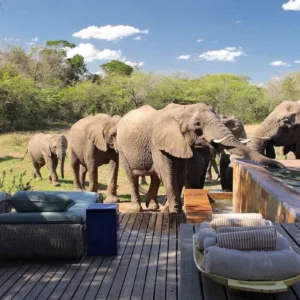
Choosing the right Serengeti accommodation depends on your budget, preferred location and travel season. Options range from public campsites and budget tented camps to comfortable mid-range lodges, luxury safari camps and seasonal mobile camps. Seronera has a strong concentration of accommodation and excellent resident wildlife, while mobile camps can provide a more seasonal migration-focused experience. Northern Serengeti camps are strategically positioned for migration viewing during the northern season, while southern properties suit calving-season safaris. Consider location carefully because Serengeti is vast and long daily drives can reduce time available for wildlife viewing.
- Public campsites
- Budget tented camps
- Mid-range lodges
- Luxury safari camps
- Seasonal mobile camps
What Does a Serengeti Safari Cost?
The cost of a Serengeti safari varies according to accommodation, safari duration, season, group size, transport, and whether the trip is private or shared. Budget camping safaris can offer lower-cost access, while mid-range lodges, luxury tented camps and fly-in safaris command higher prices. Peak-season travel is generally more expensive than low-season travel. When comparing Serengeti safari packages, check whether accommodation, park fees, meals, a professional guide, safari vehicle, transfers and game drives are included. A transparent quotation makes it easier to compare value rather than simply choosing the lowest advertised price.
Tick each item your quotation includes.
How Do You Get to Serengeti National Park?
Most international travellers begin their Serengeti safari by flying into Kilimanjaro International Airport (JRO) near Arusha. From Arusha, travellers can reach Serengeti by safari vehicle or domestic flight. Road safaris are scenic and commonly combine Serengeti with Ngorongoro and other Northern Circuit destinations. Scheduled and charter flights connect Arusha with several Serengeti airstrips, making fly-in safaris an efficient option for travellers with limited time. Another option is arriving in Dar es Salaam and connecting onward to northern Tanzania.
Scenic safari-vehicle journey from Arusha, often combined with Ngorongoro and the Northern Circuit.
Scheduled or charter flights from Arusha to Serengeti airstrips, ideal when time is limited.
What Should You Pack for a Serengeti Safari?
For a Serengeti safari, pack lightweight, comfortable and neutral-coloured clothing, long trousers, long-sleeved shirts, a warm fleece or jacket, sun hat, sunglasses and comfortable footwear. Early-morning game drives can be surprisingly cool, so layering is useful. Essential items include sunscreen, insect repellent, personal medication, binoculars, camera equipment, spare batteries, memory cards, power bank and travel documents. A small daypack is practical for daily game drives. If your itinerary includes domestic flights, follow your airline’s luggage restrictions. Pack lightly but ensure you have everything needed for several days in the wilderness.
What Safari Activities Can You Do in Serengeti?
The classic Serengeti safari activity is the game drive, offering opportunities to explore plains, woodland, river areas and wildlife-rich habitats. Depending on your itinerary, you may also enjoy hot-air balloon safaris, guided walking experiences in permitted areas, cultural visits outside the park and wildlife photography. Sunrise and sunset game drives provide different lighting and animal behaviour, while full-day drives allow travellers to explore farther from their accommodation. Balloon safaris offer an aerial perspective of the Serengeti landscape. Activities must follow park regulations and responsible tourism principles to protect wildlife and the environment.
- Game drives
- Hot-air balloon safaris
- Guided walks (permitted areas)
- Cultural visits
- Wildlife photography
Is a Serengeti Safari Safe?
A Serengeti safari is generally safe when travellers follow professional guide instructions and park regulations. Wildlife is wild and unpredictable, so never approach animals, feed wildlife, leave the vehicle without permission, or make sudden movements near animals. Tanzania National Parks regulations require visitors to respect wildlife, speed restrictions and designated routes, while night driving is restricted. Choosing an experienced safari operator and professional guide adds an important layer of safety. Travellers should also carry appropriate travel insurance and follow current medical, travel and entry advice before departure.
Approach or feed wildlife, leave the vehicle without permission, or make sudden movements near animals.
Follow your guide, respect speed limits and designated routes, and carry suitable travel insurance.
What Is the Great Wildebeest Migration in Serengeti?
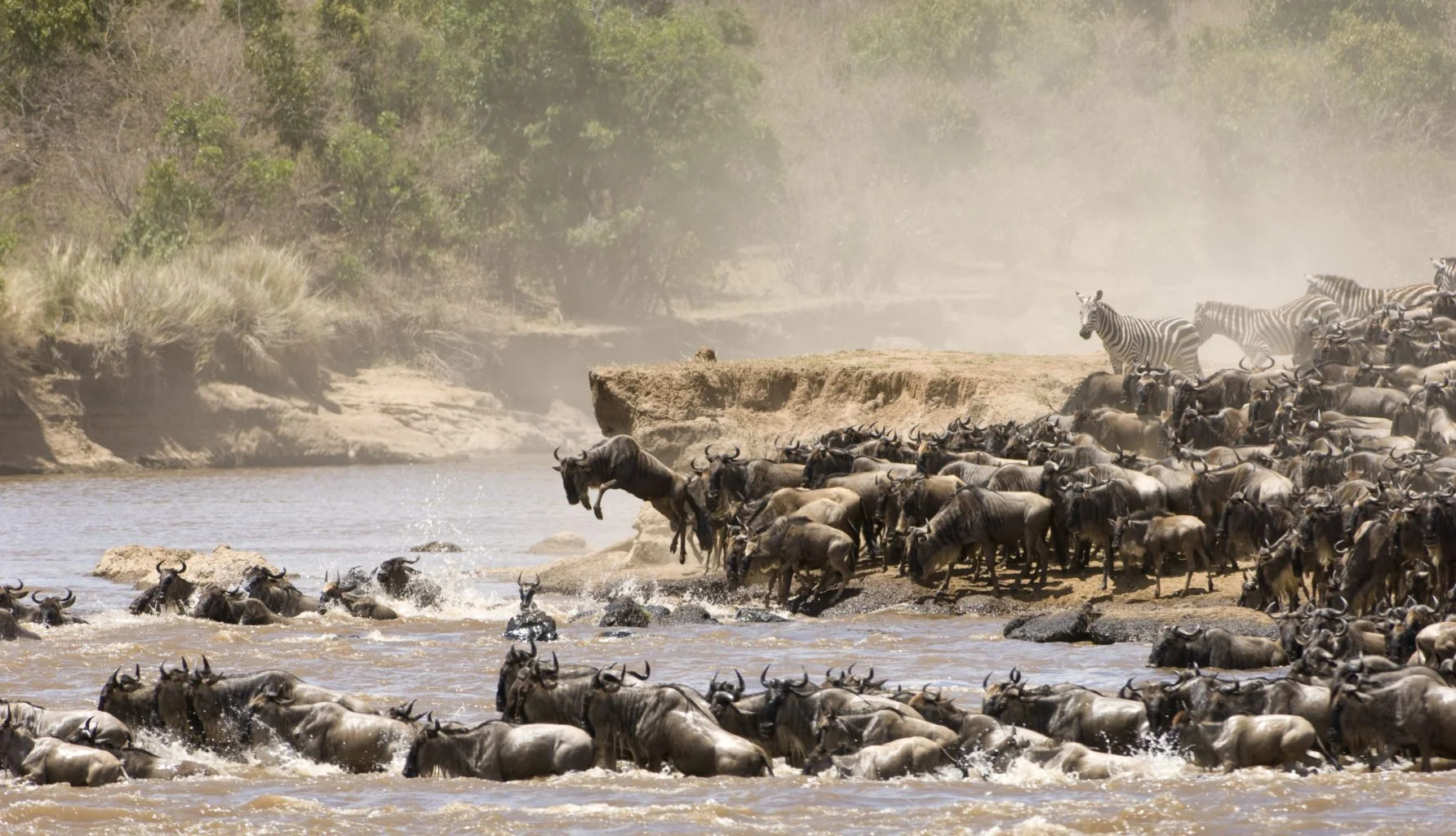
The Great Wildebeest Migration is the annual movement of millions of wildebeest, accompanied by zebras and gazelles, through the wider Serengeti-Mara ecosystem. The herds follow seasonal rainfall, fresh grazing, and water rather than following a fixed calendar. Southern Serengeti and Ndutu are particularly important during January–February calving, the Western Corridor is significant around June–July, and Northern Serengeti becomes a major focus around August–October. The migration creates spectacular wildlife experiences, including predator action and potentially dramatic river crossings. Exact timing varies with rainfall each year.
What Is the Best Way to Photograph Serengeti Wildlife?
For Serengeti safari photography, use a versatile telephoto lens for distant wildlife and a wider lens for landscapes and large herds. Carry spare batteries, memory cards, and appropriate camera protection against dust. Early morning and late afternoon often provide beautiful natural light. Use faster shutter speeds for running animals and continuous autofocus for movement. Be patient and let your guide position the vehicle responsibly. Avoid disturbing wildlife for photographs. A professional guide familiar with animal behaviour can help identify interesting opportunities while ensuring that photography remains respectful and consistent with park regulations.
- Telephoto + wide lens
- Dust protection
- Golden-hour light
- Fast shutter speeds
- Continuous autofocus
- Patience
How Do You Plan the Perfect Serengeti Safari?
- 1Dates, budget & priorities
- 2Best region for your season
- 3Safari style & accommodation
- 4Drive or fly
- 5Combine Northern Circuit parks
Start by deciding your Serengeti safari dates, budget, duration and wildlife priorities. Then choose the best region and accommodation for your travel season. Decide between a private, shared, camping, lodge or luxury safari and whether you prefer driving or flying. Consider combining Serengeti with Ngorongoro Crater, Tarangire and Lake Manyara for a broader Northern Tanzania experience. Families may prioritise shorter drives and comfortable lodges, while photographers may prefer longer game drives and strategically located camps. Build flexibility into your itinerary because wildlife movements and weather conditions can change.
How Do You Book a Serengeti Safari?
To book a Serengeti safari, compare reputable Tanzania safari operators based on experience, itinerary quality, accommodation, vehicle standards, professional guiding, reviews, and transparent pricing. Provide your travel dates, number of travellers, preferred accommodation level, interests, and estimated budget. Ask for a detailed itinerary showing accommodation, activities, transport, park fees, meals, transfers and exclusions. Book popular migration-season accommodation early, especially if you want a specific camp or location. A tailor-made private safari can provide greater flexibility than a fixed itinerary, allowing your operator to match the route with your interests and travel dates.
Final Thought
The Serengeti Safari is far more than a search for the Big Five or Great Wildebeest Migration. It is an immersive journey through one of Africa’s most extraordinary ecosystems, with exceptional wildlife, dramatic landscapes and diverse safari experiences. The best itinerary depends on when you travel, where you stay, what wildlife you want to see, and how much time you have. Serengeti can be visited throughout the year, while different seasons offer distinct advantages. With knowledgeable guides, responsible travel practices, well-positioned accommodation, and thoughtful planning, a Tanzania Serengeti safari can become an unforgettable African adventure.
Serengeti Safari Guide: Frequently Asked Questions
What is the best month to visit the Serengeti?
There is no single best month, because the Serengeti offers excellent game viewing all year. June to October brings dry weather and concentrated wildlife, with possible Mara River crossings in Northern Serengeti from August. January and February are ideal for the wildebeest calving season in Southern Serengeti and Ndutu. The long rains of April and May offer green scenery, fewer vehicles and attractive low-season rates.
How many days do you need in the Serengeti?
Plan at least three to four nights in the Serengeti for a rewarding first visit, allowing several full and half-day game drives without rushing. Five to six nights lets you explore two regions, such as Central and Northern Serengeti, following the migration. Adding Tarangire, the Ngorongoro Crater and Lake Manyara creates a classic seven- to ten-day Northern Tanzania private safari.
Where is the Great Migration month by month?
The herds usually calve in Southern Serengeti and Ndutu from December to March, move through Central Serengeti in April and May, and reach the Western Corridor and Grumeti in June and July. From August to October they are often in Northern Serengeti near the Mara River, before heading south again in November. Exact timing always depends on that year’s rainfall.
Can you see the Big Five in the Serengeti?
Yes, all of the Big Five live in the Serengeti. Lions, elephants and buffalo are seen frequently, and leopards are often spotted resting in trees along the Seronera River valley. Rhinos are the hardest to find, as only a small, protected population lives around the Moru Kopjes. Combining the Serengeti with the Ngorongoro Crater gives you the best chance of completing the Big Five.
Which part of the Serengeti is best?
Each region shines at different times. Central Serengeti and Seronera offer excellent year-round wildlife and big cats. Southern Serengeti and Ndutu are best during the calving season from December to March. The Western Corridor and Grumeti are rewarding in June and July, while Northern Serengeti is the place for possible Mara River crossings from August to October. Choose your region by travel month.
How much does a Serengeti safari cost?
A Serengeti safari cost depends on your travel season, safari length, accommodation level, transport and whether you drive or fly in. Park fees, camp or lodge rates, a private vehicle and professional guide, meals and transfers all contribute to the total. Peak migration months cost more than the green season. Ask for a detailed private safari quotation that clearly lists inclusions and exclusions before you book.
Is a fly-in Serengeti safari worth it?
A fly-in safari is worth it if your time is limited or you want to reach remote areas like Northern Serengeti quickly. Short flights from Arusha replace long road transfers, giving you more time for game drives. Road safaris are more affordable and let you enjoy scenery and stops along the way. Many private itineraries combine both, driving out and flying back.
Is the Serengeti suitable for a family safari?
Yes, the Serengeti is excellent for family safaris, offering abundant wildlife, family-friendly lodges and camps, and spacious safari vehicles. A private safari is ideal for families because you control the pace, game-drive length and rest breaks. Choose well-located accommodation to reduce driving times, and combine the Serengeti with the Ngorongoro Crater for a varied and memorable family adventure in Tanzania.
Is a hot-air balloon safari in the Serengeti worth it?
A hot-air balloon safari is a highlight for many travellers, offering a peaceful sunrise flight over the Serengeti plains, rivers and wildlife. Flights typically last about an hour and are followed by a celebratory bush breakfast. Balloon safaris operate from several areas, including Central Serengeti, and should be booked well in advance, especially during the busy migration season.
What should I wear on a Serengeti safari?
Wear lightweight, comfortable clothing in neutral colours such as khaki, beige and olive, which blend into the landscape and stay cooler in the sun. Layer a warm fleece or jacket over a long-sleeved shirt for chilly early-morning game drives, and add a sun hat and sunglasses. Comfortable closed shoes, long trousers in the evening and insect repellent complete your Serengeti safari wardrobe.
Plan Your Private Serengeti Safari
Share your travel dates, interests and budget, and we will design a private tailor-made Serengeti safari placed in the right region for the season, from calving in Ndutu to Mara River crossings.