Visiting Serengeti National Park in July is one of the most iconic African safari experiences, combining peak wildlife action, dry-season clarity, and world-famous landscapes. This is the height of the Great Migration safari season, when millions of wildebeest, zebras, and gazelles move dramatically toward the northern Serengeti in search of fresh grazing. July offers exceptional game viewing, luxury safari experiences, and unforgettable photographic opportunities. With clear skies, cooler temperatures, and minimal rainfall, it’s considered one of the best months to visit Tanzania. Travelers can expect thrilling predator-prey encounters, especially near river crossings, and excellent accessibility across the park. Whether you are planning a luxury safari, mid-range lodge stay, or budget camping adventure, Serengeti in July delivers bucket-list wildlife encounters, stunning scenery, and world-class safari moments that define Africa.
Weather in Serengeti in July
July marks the peak of the dry season in Tanzania, bringing cool mornings, sunny afternoons, and almost no rainfall in the Serengeti. Temperatures typically range between 12°C (54°F) in the early mornings and 25°C (77°F) during the day, making it comfortable for game drives and outdoor activities. The clear skies enhance visibility, creating ideal conditions for wildlife viewing and photography. Dust levels may rise slightly due to dry conditions, but this rarely impacts the overall safari experience. The lack of rain also means animals gather around water sources, making sightings more predictable and rewarding. Packing layers is essential, as mornings and evenings can feel chilly. Overall, July’s climate is one of the most favorable for safaris, offering consistent weather and excellent wildlife viewing conditions throughout the Serengeti ecosystem.
The Great Migration in July
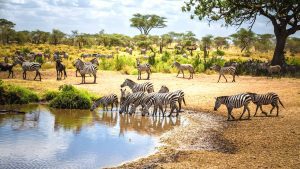
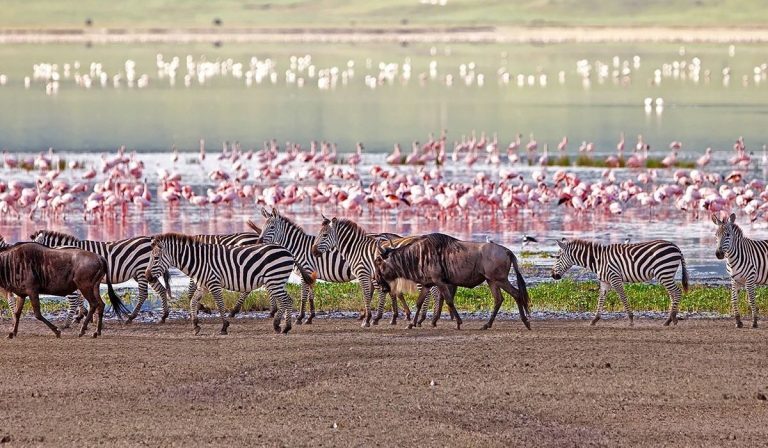
July is prime time to witness the legendary Great Migration in full motion. During this month, vast herds of wildebeest and zebras move north toward the Mara River, creating one of the most dramatic wildlife spectacles on Earth. This migration is driven by the search for fresh grazing and water, and it attracts predators such as lions, cheetahs, and crocodiles. The northern Serengeti becomes the focal point, offering visitors the chance to see massive herds stretching across the plains. Timing is key, as migration patterns vary slightly each year depending on rainfall. However, July consistently delivers intense action and unforgettable scenes. Safari travelers often plan their trips specifically around this period, as it represents the peak of wildlife activity and one of the most sought-after safari experiences in Africa.
Mara River Crossings
One of the biggest highlights of Serengeti in July is witnessing the dramatic crossings at the Mara River. Thousands of wildebeest gather at the riverbanks, hesitating before making the dangerous plunge into crocodile-infested waters. These crossings are unpredictable, intense, and often emotional, making them a bucket-list moment for safari enthusiasts. The spectacle includes massive herds surging forward, splashing water, and facing lurking predators. Not every visitor will see a crossing, as timing is uncertain, but spending several days in the northern Serengeti increases your chances. Professional guides track herd movements to maximize opportunities. Photographers especially love this time for capturing raw wildlife drama. The Mara River crossings represent nature at its most powerful, offering a front-row seat to survival and instinct in the wild African landscape.
Wildlife Viewing Opportunities
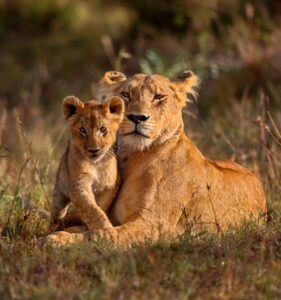
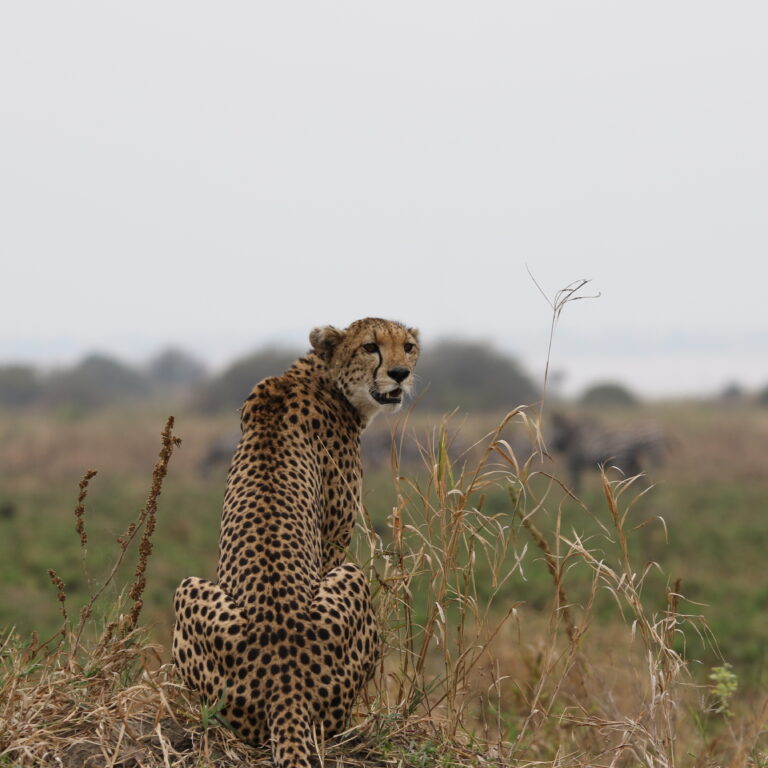
July offers exceptional wildlife viewing across Serengeti National Park, thanks to dry conditions that concentrate animals around water sources. Besides the migrating herds, visitors can easily spot lions, elephants, giraffes, buffalo, and leopards. The thinning vegetation improves visibility, making it easier to track animals during game drives. Predators are especially active during this time, as they follow the migration and take advantage of abundant prey. Birdlife also remains vibrant, with numerous resident species present. Game drives in the early morning and late afternoon are particularly rewarding. Whether you’re a first-time visitor or a seasoned safari traveler, July provides consistent and thrilling wildlife encounters. It’s widely regarded as one of the best months for a Tanzania safari due to the sheer density and diversity of animals in the park.
Best Areas to Visit
In July, the northern Serengeti is the prime location for safari activities, particularly near the Mara River. Areas like Kogatende and Lamai offer excellent opportunities to witness migration movements and river crossings. Central Serengeti (Seronera) remains productive year-round, providing reliable sightings of resident wildlife such as big cats. The western corridor may still have some migrating herds early in July, but the focus quickly shifts north. Choosing the right region is essential for maximizing your safari experience. Many travelers opt for a multi-location itinerary to experience different landscapes and wildlife patterns. Working with experienced tour operators ensures you stay in the best areas based on real-time migration updates. Overall, July’s strategic locations provide diverse safari experiences, from dramatic river scenes to classic savannah wildlife encounters.
Safari Costs in July
July falls within peak safari season, meaning prices for accommodation and tours are at their highest. Luxury lodges, tented camps, and fly-in safaris are in high demand, often requiring early booking. Costs vary depending on the level of comfort, ranging from budget camping options to high-end luxury experiences. Despite the higher prices, the value is exceptional due to unmatched wildlife viewing opportunities. Many travelers consider it worthwhile to invest in a July safari for the chance to witness the Great Migration and Mara River crossings. Booking months in advance is highly recommended to secure the best lodges and guides. Travelers can also find mid-range options that balance comfort and affordability. Overall, July offers premium safari experiences with world-class wildlife encounters that justify the increased costs.
Accommodation Options
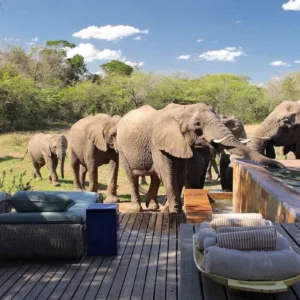
Serengeti in July offers a wide range of accommodation options, including luxury lodges, tented camps, mid-range camps, and budget campsites. Luxury travelers can enjoy exclusive camps with stunning views, private guides, and high-end amenities. Mid-range camps provide comfort and authenticity, while budget camps offer a more adventurous, immersive experience. Mobile camps are particularly popular during the migration season, as they move with the herds to ensure proximity to wildlife action. Many accommodations are strategically located in the northern Serengeti to maximize chances of witnessing river crossings. Booking early is essential due to high demand. Regardless of your budget, staying within the park enhances the safari experience by reducing travel time and allowing early access to game drives. Each option offers unique perspectives on the Serengeti’s breathtaking landscapes and wildlife.
Safari Activities
July provides a wide variety of safari activities, making it one of the most exciting months to visit. Game drives remain the highlight, offering close encounters with wildlife and migration events. Hot air balloon safaris provide a unique aerial perspective of the Serengeti plains at sunrise, followed by a champagne breakfast. Guided walking safaris are available in select areas, allowing visitors to explore the ecosystem on foot. Photography safaris are particularly popular due to the dramatic lighting and wildlife action. Cultural visits to nearby communities can also be included for a richer experience. Each activity enhances your understanding of the Serengeti ecosystem. Whether you prefer adventure, relaxation, or photography, July offers diverse safari experiences that cater to different interests and travel styles.
Photography in July
July is a dream month for wildlife photography in the Serengeti. The dry season provides clear skies, golden light, and minimal vegetation, making it easier to capture animals in their natural habitat. The Great Migration offers dynamic scenes, from vast herds to dramatic river crossings. Early morning and late afternoon light create perfect conditions for stunning images. Dust trails from moving herds add atmosphere and depth to photos. Professional photographers often choose July for its consistency and variety of subjects. Whether you’re using a smartphone or a professional camera, opportunities are endless. Patience and timing are key, especially when waiting for river crossings. Overall, July delivers some of the most iconic and powerful wildlife photography moments in Africa.
Packing Tips
Packing for a Serengeti safari in July requires preparation for both warm days and cool nights. Lightweight, breathable clothing in neutral colors is ideal for daytime game drives. Warm layers such as jackets and sweaters are essential for early mornings and evenings. Comfortable walking shoes, a hat, sunglasses, and sunscreen are must-haves. A good camera, binoculars, and extra batteries enhance your safari experience. Dust protection for electronics is also recommended due to dry conditions. Don’t forget travel essentials like insect repellent and personal medications. Packing efficiently ensures comfort and convenience throughout your trip. Many lodges offer laundry services, allowing you to travel lighter. Being well-prepared helps you fully enjoy the incredible wildlife and landscapes Serengeti has to offer in July.
Crowd Levels
July is one of the busiest months in the Serengeti, attracting visitors from around the world eager to witness the Great Migration. Popular areas, especially in the northern Serengeti, can experience higher vehicle density during river crossings. However, the vast size of the park ensures that crowds rarely feel overwhelming. Experienced guides know how to navigate less crowded areas while still providing excellent wildlife viewing. Booking early and choosing well-located camps can help minimize the impact of crowds. Despite the popularity, the energy and excitement during this peak season add to the overall safari experience. For many travelers, the chance to witness iconic wildlife events outweighs the presence of other visitors. With proper planning, you can still enjoy a private and immersive safari experience.
Accessibility and Travel
Traveling to the Serengeti in July is relatively easy, with multiple access options available. Visitors can fly into Kilimanjaro International Airport or Arusha, followed by domestic flights to airstrips within the park. Alternatively, overland safaris offer scenic drives through Tanzania’s diverse landscapes. Fly-in safaris are popular during peak season, saving time and providing aerial views of the wilderness. Road conditions are generally good due to the dry season, making travel smoother. Planning logistics is essential, especially during high demand. Working with experienced tour operators ensures seamless transfers and itinerary coordination. Accessibility in July supports both luxury and budget travelers, making it easier to explore one of Africa’s most famous safari destinations.
Safari Itinerary Ideas
A well-planned July safari itinerary typically includes multiple regions of the Serengeti to maximize wildlife viewing. Many travelers combine the central Serengeti for resident wildlife with the northern Serengeti for migration action. A 5 to 7-day itinerary allows enough time to explore different areas and increase chances of witnessing river crossings. Some itineraries also include nearby destinations like the Ngorongoro Crater for added diversity. Fly-in itineraries are ideal for covering long distances quickly, while road safaris offer a more immersive journey. Customizing your itinerary based on interests, budget, and travel style ensures a memorable experience. Professional guides play a key role in adapting plans based on wildlife movements. A flexible approach enhances your chances of experiencing the best of Serengeti in July.
Advantages of Visiting in July
July offers numerous advantages for safari travelers, making it one of the best months to visit the Serengeti. The dry weather ensures excellent road conditions and reliable game viewing. The Great Migration provides unmatched wildlife action, particularly in the northern regions. Cooler temperatures enhance comfort during game drives. Clear skies improve visibility and photography conditions. Accommodation options are at their peak quality, with many camps operating at full capacity. Despite higher costs, the overall experience is considered premium and highly rewarding. Wildlife density is at its highest, offering consistent sightings. For those seeking a classic African safari, July delivers everything from dramatic landscapes to thrilling animal encounters. It’s a month that truly captures the essence of the Serengeti.
Challenges of July Travel
While July is an exceptional time to visit, it does come with a few challenges. Peak season means higher prices for accommodation, flights, and tours. Availability can be limited, requiring early booking and careful planning. Popular wildlife areas may experience increased vehicle traffic, especially during migration events. Dust levels can rise due to dry conditions, which may affect comfort slightly. Additionally, river crossings are unpredictable, meaning there is no guarantee of witnessing them. However, these challenges are manageable with proper preparation and guidance from experienced safari operators. The benefits of visiting in July far outweigh the drawbacks, making it a worthwhile investment for travelers seeking a world-class safari experience in the Serengeti.
Why July is a Top Safari Month
July consistently ranks as one of the best months for a Serengeti safari due to its combination of weather, wildlife, and overall experience. The dry season creates ideal conditions for game viewing, while the Great Migration adds excitement and drama. Travelers can enjoy a wide range of safari styles, from luxury lodges to adventurous camps. Accessibility, safety, and well-developed infrastructure make planning easier. The diversity of wildlife ensures that every game drive offers something new and memorable. For photographers, nature lovers, and adventure seekers, July provides unmatched opportunities. It represents the perfect balance of comfort and wilderness. Choosing Serengeti in July means experiencing Africa at its most iconic and breathtaking.
Final Thought
A July safari in Serengeti National Park is more than just a trip—it’s a life-changing journey into one of the world’s greatest natural wonders. From the thunder of migrating herds to the quiet beauty of golden savannahs, every moment feels extraordinary. While planning requires foresight due to peak season demand, the rewards are unmatched. Whether you seek luxury, adventure, or photography, Serengeti in July delivers unforgettable experiences. It stands as the ultimate African safari destination, offering timeless memories and stories that last a lifetime.