The Ultimate Safari Photography Guide by Season
The Ultimate Safari Photography Guide by Season
Tanzania is one of the world’s most iconic photography safari destinations, offering unmatched wildlife moments, dramatic landscapes, and ever-changing seasonal beauty. From the endless plains of the Serengeti to the Ngorongoro Crater and Tarangire’s elephant herds, every month presents unique photographic opportunities. Understanding the best time for Tanzania photography safari is essential for capturing award-winning wildlife shots, dramatic golden-hour lighting, and the Great Migration in action. Whether you are a professional wildlife photographer or a passionate traveler with a camera, timing your visit correctly can transform your safari experience. This guide explores month-by-month conditions, wildlife behavior, lighting quality, and landscape changes to help you plan the ultimate photographic safari in Tanzania for breathtaking, high-impact images.
January – March: Calving Season and Green Backdrops
January to March is one of the most rewarding periods for a Tanzania photography safari, especially in the southern Serengeti and Ndutu region. This is the famous calving season of the Great Migration, where thousands of wildebeest give birth, attracting predators like lions, cheetahs, and hyenas. The lush green landscapes create a stunning contrast for wildlife photography, with dramatic skies and soft natural lighting. This period is ideal for capturing newborn wildlife, intense predator-prey interactions, and emotional safari storytelling images. The fewer crowds compared to peak season also allow for more exclusive photographic opportunities. Early mornings and late afternoons provide golden light conditions, making this one of the best seasons for wildlife photography in Tanzania’s Serengeti ecosystem.
A general guide: the herds follow the rains.
April – May: Lush Landscapes & Birdlife
April and May represent the long rainy season in Tanzania, but for photographers, this is a hidden gem. The landscapes become intensely green, creating dramatic, moody, and atmospheric safari photography conditions. While wildlife can be more spread out, this is the best time for bird photography in Tanzania, with migratory species filling the wetlands and forests. Storm clouds and rain showers add cinematic depth to images, perfect for creative landscape and wildlife storytelling. Fewer tourists mean uninterrupted photography sessions in Serengeti, Ngorongoro, and Tarangire. Although some roads may be challenging, experienced safari operators provide access to key photographic locations. This is an ideal time for photographers seeking unique, artistic safari images with rich color contrast and natural drama.
June – August: Peak Season Wildlife & Crisp Light
June to August marks the beginning of Tanzania’s dry season and is widely considered one of the best times for a photography safari in Africa. Vegetation becomes thinner, making wildlife easier to spot and photograph, especially around water sources. The lighting conditions are crisp, clean, and perfect for sharp wildlife images. This is also when the Great Migration starts moving north through the Serengeti, offering incredible herd photography opportunities. Predators are highly active, and action shots are common. The skies are clear, providing excellent visibility for landscape photography. However, this is peak safari season, so expect higher visitor numbers. Despite this, the photographic rewards are exceptional, making it a top choice for serious wildlife photographers.
July – October: River Crossings & the Great Migration
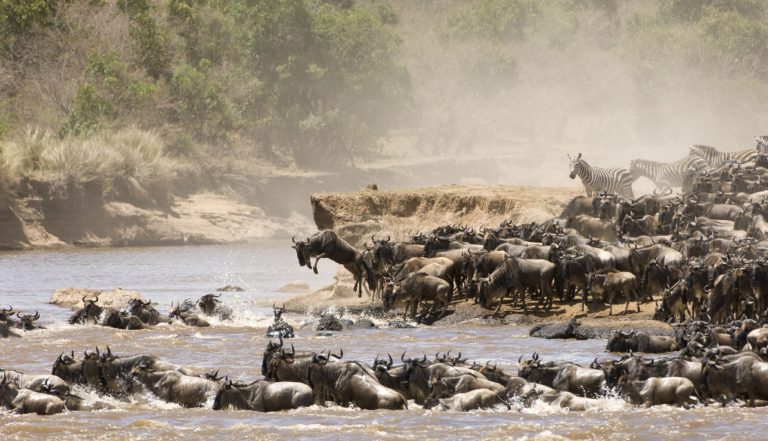
July to October is the most iconic period for Tanzania photography safari, especially in the northern Serengeti. This is when the dramatic Mara River crossings occur, a world-famous wildlife spectacle. Thousands of wildebeest and zebras brave crocodile-infested waters, creating intense, once-in-a-lifetime photography opportunities. The dry season ensures excellent visibility, golden light, and predictable wildlife movement. Photographers can capture high-action scenes, predator ambushes, and dramatic survival moments. This period is also ideal for capturing elephants, giraffes, and big cats in open savannah landscapes. Because of its global fame, this season attracts many visitors, but the photographic value is unmatched. It is considered the ultimate peak of the Tanzania safari photography calendar.
November – December: New Life & Green Season
November and December mark the short rains and the beginning of the green season in Tanzania. This is a beautiful time for photography, as the landscapes transform into vibrant green scenery filled with fresh vegetation. Migratory birds return, making it excellent for bird photography safari experiences. Wildlife begins to spread across the plains again, offering unique compositions and less crowded safari experiences. Dramatic skies, rain showers, and reflections create artistic photography opportunities. This period also marks the start of new life in some regions, with young animals appearing. The lighting is soft and warm, perfect for portrait-style wildlife photography. It is a peaceful, underrated time for capturing Tanzania’s natural beauty freshly and colorfully.
Serengeti National Park: Year-Round Photography Paradise
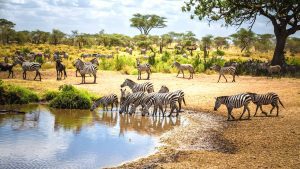
Serengeti National Park is the heart of Tanzania's photography safari experiences and offers exceptional wildlife photography opportunities throughout the year. Its vast open plains allow photographers to capture wide-angle landscapes, predator hunts, and migration herds in natural motion. The park’s diverse ecosystems, from river valleys to savannah grasslands, provide dynamic backgrounds for storytelling images. Depending on the season, photographers can capture the Great Migration, big cats, elephants, and rare species. Sunrise and sunset light in the Serengeti is particularly magical, creating golden tones and long shadows. Whether visiting during dry or green seasons, Serengeti remains one of the most reliable destinations for professional and amateur wildlife photographers seeking iconic African safari images.
Ngorongoro Crater: Compact Wildlife Photography Hotspot
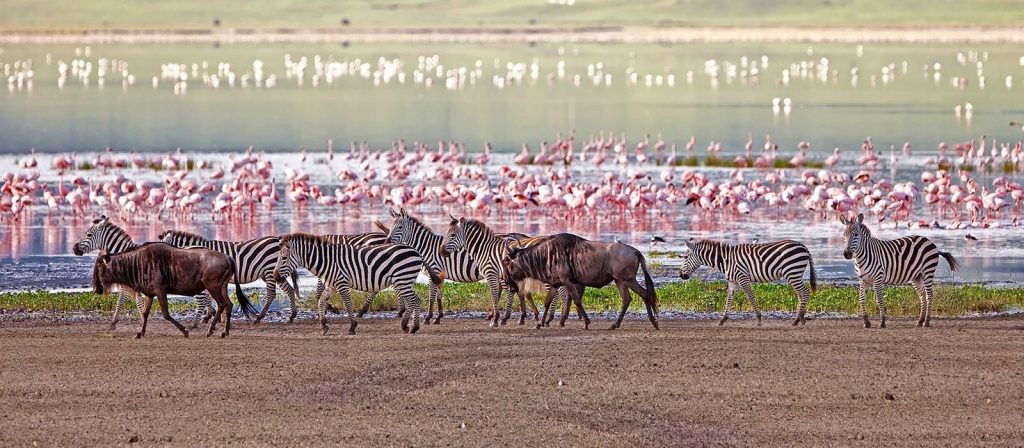
Ngorongoro Crater is one of the most unique photography safari locations in Tanzania due to its enclosed ecosystem and high wildlife density. Within a single day, photographers can capture lions, rhinos, elephants, buffalo, and flamingos. The crater’s dramatic volcanic landscape provides stunning natural framing for wildlife shots. Morning light is especially powerful here, as mist often rises over the crater rim, creating atmospheric conditions. Because animals remain within the caldera, sightings are highly predictable, making it ideal for photographers with limited time. The combination of wildlife abundance and scenic beauty makes Ngorongoro one of the best places in Africa for consistent, high-quality safari photography throughout the year.
Tarangire National Park: Elephant Photography Capital
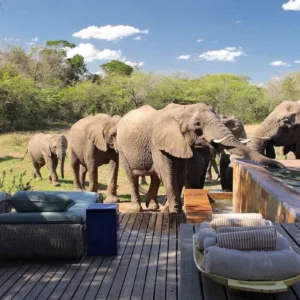
Tarangire National Park is famous for its massive elephant herds and ancient baobab trees, making it a dream destination for Tanzania photography safari enthusiasts. During the dry season, animals gather around the Tarangire River, offering excellent close-up wildlife photography opportunities. The park is less crowded than Serengeti, allowing for more intimate photography experiences. Golden light filtering through baobab silhouettes creates dramatic and artistic compositions. Birdlife is also abundant, with over 500 species recorded. Tarangire is especially good for capturing elephants interacting socially, dust bathing, and walking in large groups. It is a must-visit destination for photographers seeking unique African safari imagery beyond the Great Migration.
Lake Manyara: Birds, Forests & Tree-Climbing Lions
Lake Manyara National Park offers diverse photography opportunities, from lush groundwater forests to open lake shores filled with flamingos. It is especially known for tree-climbing lions, a rare behavior that attracts wildlife photographers from around the world. Bird photography is exceptional here, with pelicans, storks, and flamingos creating colorful scenes. The park’s compact size allows for varied habitats within a short drive, making it ideal for half- or full-day photography safaris. Early morning mist adds a magical atmosphere for forest photography, while sunset over the lake provides reflective compositions. Lake Manyara is a hidden gem for creative wildlife and landscape photography in northern Tanzania.
Golden Hour Photography in Tanzania Safaris
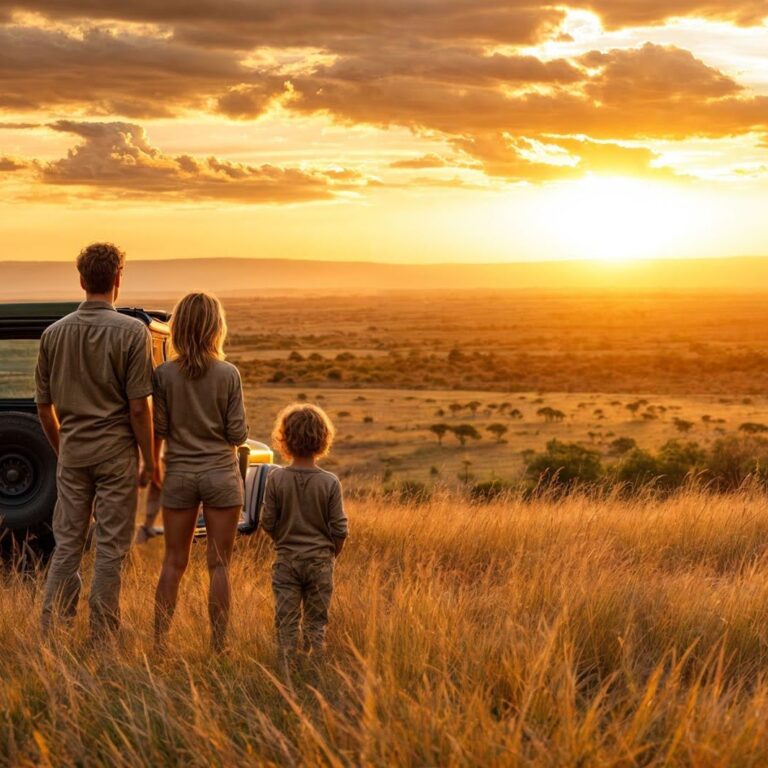
Golden hour is one of the most important elements in Tanzania photography safari planning. The soft light during sunrise and sunset enhances colors, textures, and shadows in wildlife and landscape images. In Tanzania’s national parks, golden hour often produces warm tones that highlight animal fur, savannah grasses, and dramatic skies. Photographers should plan game drives around these times for the best results. Early morning offers active wildlife behavior, while evening provides relaxed animal scenes with beautiful backlighting. Understanding light direction, cloud cover, and seasonal sun positioning can significantly improve safari photography quality. Mastering golden hour timing is essential for capturing professional-level African safari images.
Wildlife Behavior and Seasonal Movement Patterns
Understanding wildlife behavior is crucial for successful Tanzania photography safari experiences. Animals move based on rainfall, food availability, and migration cycles. During dry seasons, wildlife concentrates around water sources, making photography easier and more predictable. In wet seasons, animals disperse across vast landscapes, offering more natural and less crowded scenes. Predators follow prey movements, especially during the Great Migration. Knowing these behavioral patterns allows photographers to anticipate action shots, such as hunts, crossings, and social interactions. Seasonal timing directly influences composition opportunities, background quality, and wildlife density, making behavioral knowledge a key factor in safari photography success.
Equipment Tips for Tanzania Photography Safari
Having the right equipment is essential for a successful Tanzania photography safari. A DSLR or mirrorless camera with telephoto lenses (200–600mm) is ideal for wildlife shots. Wide-angle lenses are useful for landscapes and environmental storytelling. Extra batteries and memory cards are important due to long game drives. A bean bag or stabilizer helps when shooting from safari vehicles. Weather-sealed gear is recommended for dust and occasional rain. Binoculars also assist in spotting distant wildlife. Proper preparation ensures photographers can capture fast-moving action, low-light scenes, and wide scenic compositions without missing critical moments in the field.
Best National Parks for Photography Composition
Tanzania offers some of the best national parks in Africa for photographic composition. Serengeti provides endless horizons and migration drama, while Ngorongoro offers enclosed, high-density wildlife scenes. Tarangire delivers striking baobab landscapes and elephant herds, and Lake Manyara adds forests and lake reflections. Each park offers unique visual storytelling opportunities, from wide cinematic shots to intimate wildlife portraits. Combining multiple parks in one safari itinerary enhances photographic diversity. This variety allows photographers to build a complete portfolio of African safari images featuring different habitats, species, and moods across Tanzania’s northern safari circuit.
Crowd Levels and Photography Timing Strategy
Crowd levels can significantly affect Tanzania photography safari experiences, especially during peak migration season. July to September is the busiest period in Serengeti, which may require strategic positioning to avoid vehicle congestion. Choosing early morning game drives or remote regions can improve shooting conditions. Shoulder seasons like April–May and November offer fewer tourists and more flexible photography opportunities. Planning with experienced safari guides ensures better positioning for wildlife sightings. Understanding crowd flow helps photographers secure optimal angles, reduce distractions, and capture cleaner compositions in popular safari hotspots.
Ethical Wildlife Photography in Tanzania
Ethical practices are essential in Tanzania photography safari experiences. Photographers should respect wildlife by maintaining safe distances and avoiding disruptive behavior. Responsible safari operators follow park regulations to protect animals and habitats. Using natural light instead of flash preserves animal comfort, while avoiding overcrowding ensures better conservation outcomes. Supporting eco-friendly lodges and local communities contributes to sustainable tourism. Ethical photography not only protects Tanzania’s ecosystems but also enhances the authenticity of images. True wildlife photography captures natural behavior without interference, ensuring long-term preservation of Africa’s iconic safari destinations.
Choosing the Right Safari Operator for Photography
Selecting the right safari operator is crucial for a successful Tanzania photography safari. Experienced guides understand wildlife behavior, lighting conditions, and positioning for optimal shots. Specialized photography safaris offer customized vehicles with open roofs, charging ports, and flexible schedules. Operators familiar with Serengeti, Ngorongoro, and Tarangire provide better access to prime photography locations. A knowledgeable guide can anticipate animal movement and position you for rare moments like river crossings or predator hunts. Choosing a trusted, professional safari company ensures safety, comfort, and maximum photographic opportunities throughout your journey in Tanzania.
Final Thought
The best time for a Tanzania photography safari depends on your creative goals, whether it is capturing the Great Migration, dramatic landscapes, or newborn wildlife. Each season offers unique lighting, animal behavior, and scenic beauty across iconic parks like Serengeti, Ngorongoro, and Tarangire. With proper planning, timing, and guidance, Tanzania becomes a living photography studio where every moment tells a powerful story. For both amateur and professional photographers, Tanzania remains one of the most rewarding wildlife photography destinations in the world, delivering unforgettable images in every season of the year.
The Ultimate Safari Photography Guide by Season: FAQs
What is the best month for Tanzania photography safari?
The best month for a Tanzania photography safari depends on what you want to capture, but June to October is widely considered the peak season for wildlife photography in Tanzania. During these dry months, vegetation is thinner, making animals easier to spot and photograph clearly in iconic parks like Serengeti, Tarangire, and Ngorongoro Crater. This period also delivers golden savannah tones, dramatic skies, and predictable animal movement around water sources.
When is the Great Migration best for Tanzania photography Safari?
The Great Migration in Tanzania offers year-round photography opportunities, but the best time for capturing dramatic wildlife action is June to October in the Serengeti. This is when millions of wildebeest, zebras, and gazelles cross rivers and move across open plains, creating some of the most iconic African safari photography moments. River crossings, especially at the Mara River, are highly sought after for wildlife photographers aiming for action-packed shots.
Is the rainy season good for photography in Tanzania?
Yes, the rainy season in Tanzania—especially from November to May—can be excellent for photography safaris if you want dramatic, creative, and less crowded conditions. This season transforms the landscapes into lush green environments, ideal for landscape and creative wildlife photography. Skies become more dramatic with storm clouds, adding contrast and depth to images.
What is the best time for Tanzania wildlife photography lighting?
The best time for wildlife photography lighting in Tanzania is during the golden hours—early morning (6:00–9:00 AM) and late afternoon (4:00–6:30 PM). These times provide soft, warm, and directional light that enhances textures, colors, and animal details. Midday light is often harsh and less ideal, but it can still work for action shots or shaded forest areas like Lake Manyara.
When is Tanzania least crowded for photography?
Tanzania is least crowded for photography during the green season, particularly from April to May and again in November. These months are considered low tourist season, making them ideal for photographers seeking solitude, uninterrupted shots, and exclusive wildlife encounters. Parks like Serengeti, Ngorongoro, and Tarangire become quieter, allowing for more flexible positioning and fewer safari vehicles in your frame.
Can I photograph big cats year-round in Tanzania?
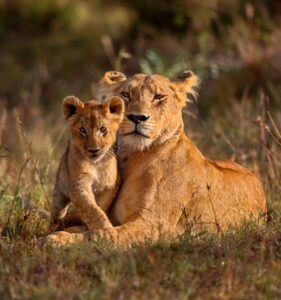
Yes, big cats such as lions, leopards, and cheetahs can be photographed year-round in Tanzania, making it one of the best destinations for big cat photography in Africa. Serengeti National Park and Ngorongoro Crater offer consistent sightings throughout all seasons. During the dry season (June–October), animals gather around water sources, making predators easier to locate and photograph. In the green season (November–March), lush backgrounds create stunning contrast for artistic shots.
Is January to March good for Tanzania safari photography?
Yes, January to March is one of the best times for safari photography in Tanzania, especially in the southern Serengeti and Ndutu area. This is the peak of the wildebeest calving season, offering exceptional opportunities for calving, predator action, and baby animal photography. Thousands of newborn wildebeest attract predators, resulting in dramatic hunting scenes involving lions, cheetahs, and hyenas.
What is the best park for photography in Tanzania?
The best park for photography in Tanzania depends on your style, but Serengeti National Park is widely regarded as the top destination for wildlife photography in Tanzania. It offers endless plains, dramatic Great Migration scenes, and abundant predators. Ngorongoro Crater is ideal for concentrated wildlife photography, with high chances of seeing the Big Five in a single day.
Do I need professional camera gear for Tanzania safari?
You do not strictly need professional camera gear for a Tanzania photography safari, but having advanced equipment significantly improves image quality. A DSLR or mirrorless camera with a telephoto lens (200–600mm) is ideal for capturing distant wildlife. However, even modern smartphones can produce impressive results in good lighting conditions. Essential accessories include extra batteries, memory cards, dust protection, and a bean bag for stability inside safari vehicles.
What makes Tanzania ideal for photography safaris?
Tanzania is ideal for photography safaris because it offers unmatched biodiversity, iconic landscapes, and year-round wildlife activity. From the endless plains of Serengeti to the dramatic Ngorongoro Crater, it provides some of the most photogenic wildlife scenes in Africa. The country hosts the Great Migration, Big Five sightings, and unique ecosystems such as Tarangire’s baobab forests and Lake Manyara’s birdlife.
What are the best Tanzania photography safari destinations?
The best Tanzania photography safari destinations are globally recognized for dramatic landscapes, rich wildlife density, and year-round photographic opportunities. The Serengeti National Park remains the top choice, especially for capturing the Great Migration, big cats, golden savannah light, and endless horizons ideal for wildlife photography. The Ngorongoro Crater offers compact, high-density wildlife scenes with rhinos, lions, and elephants framed by volcanic walls, making it perfect for close-up wildlife photography.
Where to Go in Africa on a Photographic Safari?
Tanzania is widely considered the ultimate destination in Africa for a photographic safari due to its unmatched biodiversity, varied landscapes, and consistent wildlife action. The Northern Safari Circuit—covering Serengeti, Ngorongoro Crater, Tarangire, and Lake Manyara—is the most recommended route for professional and amateur photographers seeking iconic wildlife photography in Africa. The Serengeti provides sweeping savannah scenes with lions, cheetahs, and migrating wildebeest, ideal for action shots and dramatic sunset photography.
What are the best lodges and camps for a Tanzania photography safari?
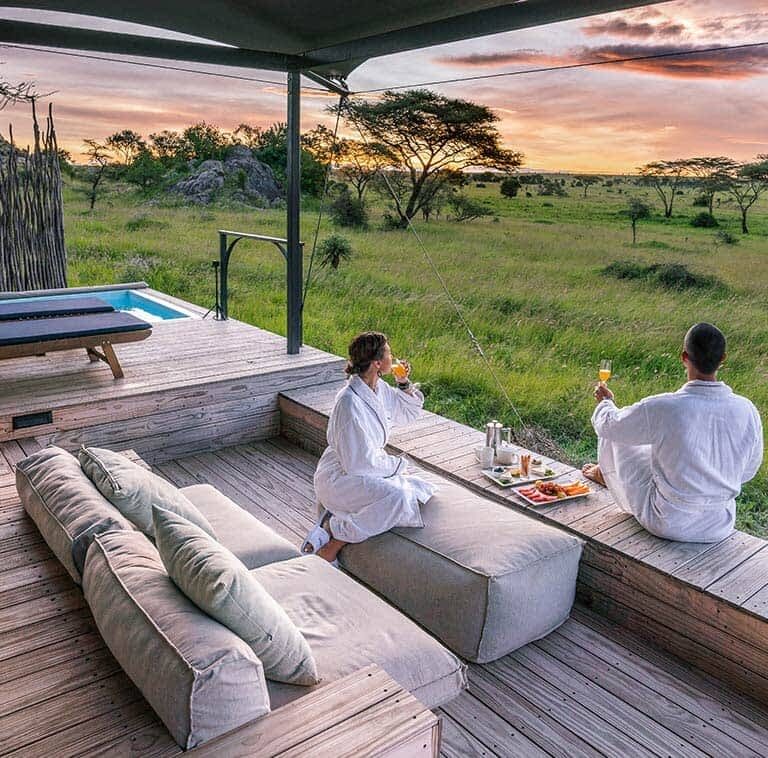
The best lodges and camps for a Tanzania photography safari are strategically located to maximize wildlife access, lighting conditions, and early-morning game drives. In the Serengeti, luxury tented camps like Serengeti Migration Camps and mobile camps in the northern and central regions place photographers directly in the path of the Great Migration.
Plan Your Photographic Safari
Tell us your photography goals and dates, and we will design a private safari with flexible timing and expert guides who know where the light and action are.