Reasons You Should Plan a Return Visit to Africa
Why Plan a Return Visit to Africa at a Glance
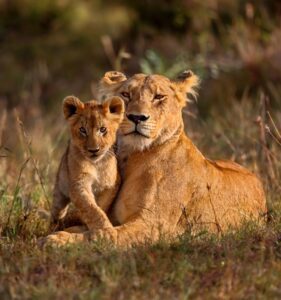
The Unfinished Symphony: Why Africa Beckons for a Return Visit. The dust settles, the photographs are sorted, and the stories have been shared. Yet, for many who have experienced the raw magic of an African adventure, a subtle yearning lingers. It’s the echo of a lion’s roar, the memory of a starlit sky unpolluted by city lights, the warmth of a genuine smile from a local artisan. Africa, once visited, often leaves an indelible mark, a feeling that the symphony of its wonders remains unfinished, compelling a return.
Why Africa Calls You Back
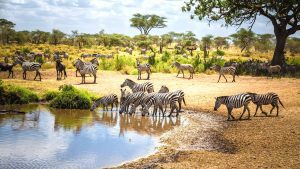
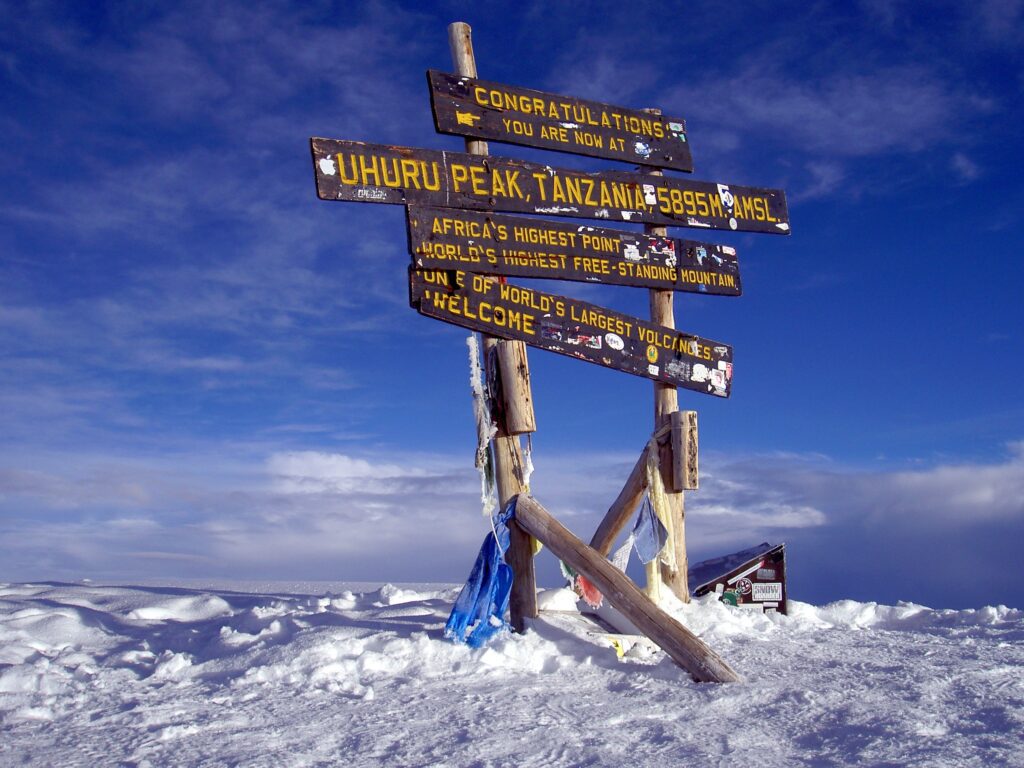
Africa's magnetic pull is as diverse as the continent itself. Your first trip might have introduced you to the Big Five in the Serengeti, sunny beaches on Zanzibar or a challenging climb up Kilimanjaro. Yet Africa is vast and astonishingly varied, with countless landscapes, cultures and wildlife encounters still waiting to be discovered. A return visit is more than a second trip; it is a chance to go deeper, explore different regions and rekindle your connection with a land that feels both ancient and new. The following compelling reasons explain why Africa deserves a place on your must-return list.
Unveiling Untouched Corners and Diverse Ecosystems
Africa is not a single entity but a mosaic of distinct countries, each boasting unique ecosystems and wildlife. Your first visit likely scratched the surface. A return allows you to explore contrasting landscapes – perhaps the lush rainforests of Uganda teeming with primates, the dramatic dunes of Namibia's Namib Desert, the intricate waterways of Botswana's Okavango Delta, or the vibrant coral reefs of the Red Sea. Each region offers a completely different flavor of African beauty and adventure.
Discover Hidden Gems
Africa is full of hidden gems that many travellers overlook on their first trip. A return visit lets you step away from the usual tourist trail and discover places rarely featured in travel brochures. Consider trekking in Ethiopia's Simien Mountains, island-hopping in Mozambique's Quirimbas Archipelago, sailing on a traditional dhow in Lamu or exploring remote wilderness areas in Central Africa. In Tanzania, lesser-visited parks such as Ruaha, Katavi and Mahale offer equally rewarding adventures. These quieter, remote destinations usually provide much more authentic, immersive experiences with far fewer crowds overall, and are ideal for a private tailor-made return safari.
Ruaha
Remote wilderness and big predators.
Katavi
Tanzania’s least-visited park.
Mahale
Chimpanzees on Lake Tanganyika.
Simien Mountains
Dramatic Ethiopian highlands.
Quirimbas
Mozambique island-hopping.
Lamu
Dhow sailing on Kenya’s coast.
Deepening Your Connection with Specific Wildlife
Your initial safari might have been a broad introduction to African fauna. A return visit offers the chance to focus on specific wildlife passions. Perhaps you long to spend more time observing the painted wolves of the Selous, track gorillas in the misty mountains of Rwanda, witness the lemurs of Madagascar, or dive with whale sharks off the coast of Mozambique. A focused itinerary allows for a more profound understanding and appreciation of particular species and their unique behaviors.
Experiencing Different Seasons and Their Unique Offerings
Africa's landscapes transform dramatically with the changing seasons. A return visit during a different time of year can offer entirely new perspectives. Witness the lush greenery and newborn wildlife of the rainy season, the dramatic river crossings of the Great Migration at its peak, or the incredible birdlife that flourishes during specific migratory periods. Experiencing these seasonal shifts provides a richer understanding of the continent's natural rhythms. Returning to Africa offers a chance to deepen cultural connections, experience diverse wildlife encounters, and engage in new adventures, all while supporting the continent's vibrant ecosystems and communities.
Immersing Yourself in Diverse Cultures and Traditions
Beyond the wildlife, Africa boasts a vibrant tapestry of cultures, each with its own unique traditions, languages, and art forms. A return visit provides an opportunity to delve deeper into these cultural experiences. Perhaps you'd like to spend more time with the Maasai in Tanzania, explore the ancient history of Ethiopia, learn about the intricate beadwork of the Zulu people in South Africa, or experience the vibrant music and dance of West Africa. These immersive encounters offer a richer and more meaningful understanding of the continent's human heritage.
Explore African Cuisine
African cuisine is as diverse as the continent itself and remains one of the most underrated reasons to travel there. A return visit is the perfect opportunity to explore culinary traditions more deeply, such as enjoying a traditional braai in South Africa, tasting tagines in Morocco, trying injera and doro wat in Ethiopia or feasting on spicy jollof rice in West Africa. In Tanzania, you can sample Swahili dishes and Zanzibar's famous spices. Food is a gateway to culture, and cooking classes, market visits and meals with local families offer new insights and truly unforgettable flavours to take home.
Supporting Conservation Efforts and Responsible Tourism
Having witnessed Africa's beauty firsthand, you might feel a stronger desire to contribute to its preservation. A return visit can be an opportunity to support lodges and tour operators committed to sustainable practices and conservation initiatives. By choosing ethical and responsible tourism, you directly contribute to the protection of wildlife and the well-being of local communities, making your journey even more meaningful.
Discovering New Adventures and Activities
Africa offers a plethora of adventurous activities beyond traditional game drives. Perhaps your first visit didn't allow time for white-water rafting on the Zambezi, trekking through the Drakensberg Mountains, exploring the rock art of the Sahara, or sailing along the coast of Kenya. A return visit can be tailored to pursue these specific interests, adding a new layer of excitement and discovery to your African experience.
Building Upon Previous Knowledge and Familiarity
Your first visit provided a foundation of knowledge and familiarity with the continent. A return allows you to build upon that base, recognizing familiar landscapes, understanding local customs with greater nuance, and perhaps even picking up a few phrases in a local language. This increased comfort and understanding can lead to a more relaxed and enriching travel experience.
Sharing the Magic with Loved Ones
Having experienced the transformative power of Africa, you might feel compelled to share its magic with family or friends. A return visit with loved ones allows you to witness their first reactions, share your favorite places, and create new, shared memories in this extraordinary land. Introducing someone new to the wonders of Africa can be a deeply rewarding experience.
The Continual Evolution of the African Landscape
Africa is a dynamic continent, with ongoing conservation efforts, new lodges and experiences emerging, and evolving political and social landscapes. A return visit offers the chance to witness these changes firsthand, to see the progress being made in conservation, and to experience the ever-evolving spirit of the continent.
The Lingering Call of the Wild and the Promise of More
Ultimately, the most compelling reason to return to Africa is the undeniable and often inexplicable pull it exerts on those who have experienced its magic. It's the feeling that there is still so much more to see, to learn, and to feel. Africa has a way of captivating the soul, leaving you with a sense of unfinished business and a deep longing to return to its wild heart. The symphony of its wonders continues to play.
Answer Africa's Call Again
Africa is like an unfinished symphony, and a return visit is your chance to hear more of its movements. Dust off your old maps, look again closely at your photographs and let the vivid memories of your first African adventure inspire your next journey. The continent is ready to reveal new wonders, deepen your connection and remind you why its extraordinary spirit keeps calling you back. Whether you return for a private tailor-made safari in Tanzania, a Kilimanjaro climb or a relaxing Zanzibar beach escape, your second visit promises to be an encore even more captivating than the first.
The Sheer Size and Diversity of the Continent
A Different Kind of Luxury
- Iconic highlights
- Classic Northern Circuit
- Comfortable mid-range stays
- Remote parks and hidden gems
- Focused wildlife or cultural passions
- Private camps and bespoke luxury
Africa Travel Questions Answered
Our Best East Africa Itineraries for Returning Visitors
Discover the magic of East Africa anew with our curated itineraries for returning visitors. Experience the thrill of wildlife safaris in the Serengeti, explore the vibrant cultures of Zanzibar, and trek majestic Mount Kilimanjaro. Delve deeper into local traditions, savor authentic cuisine and uncover hidden gems off the beaten path. Each journey is designed to reignite your passion for this breathtaking region, ensuring unforgettable memories and unique encounters await at every turn.Best Age for a Family Safari: When to Go With Kids
Embarking on a family safari is a thrilling adventure, and choosing the right age for your kids can enhance the experience. Ideally, children aged 6 and up are best suited for safari trips. They can appreciate the wildlife and follow safety guidelines. The dry season, from June to October. Offers excellent visibility and active wildlife, making it perfect for young explorers. Engaging in educational activities, like guided nature walks and cultural visits, fosters curiosity and connection to nature. With the right timing, your family safari can create lasting memories and ignite a lifelong love for the wild.Most Remote Places In Africa Worth Visiting
Africa is home to some of the world’s most remote and breathtaking destinations. Explore the untouched beauty of Mount Kilimanjaro in Tanzania, where dramatic landscapes and rare wildlife await. Journey to the vast plains of Serengeti National Park, home of the Great Wildebeest Migration, and discover the serene beauty of the Ngorongoro Conservation Area, a UNESCO World Heritage Site teeming with life. Each of these places offers a unique adventure, inviting intrepid travellers to experience Africa’s wild heart away from the crowds.
The Cheapest Time to Visit Every Country
Traveling the world on a budget requires timing. In East Africa, Tanzania, visit during the rainy season for lower prices and fewer crowds. In Europe, late autumn offers discounted rates as summer tourists fade. South America’s shoulder seasons, like spring and fall, reveal vibrant cultures at a fraction of the cost. In Africa, consider the dry season for wildlife viewing, but book early for the best deals. Southeast Asia’s off-peak months, like September, promise affordable accommodations. Each country has its rhythm; understanding these patterns unlocks the cheapest adventures, allowing travelers to explore without breaking the bank.Best Places To Stay On African Family Holidays
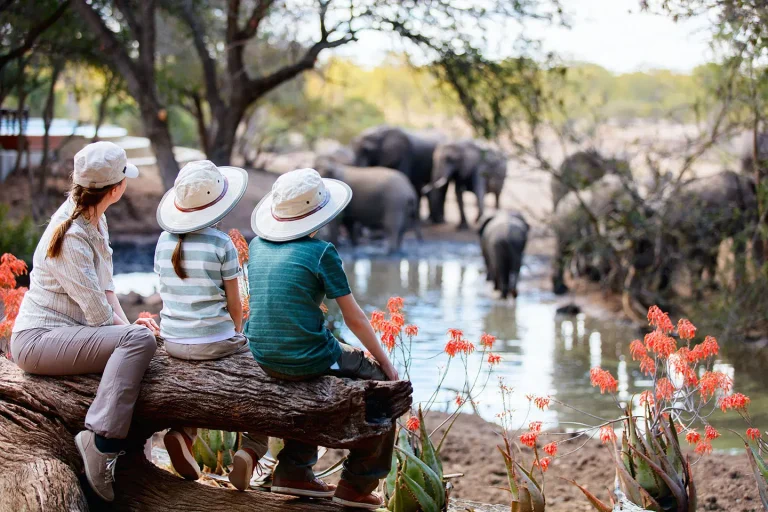
For unforgettable African family holidays, consider the vibrant beaches of Zanzibar, where resorts offer family-friendly amenities and cultural experiences. In Tanzania, Serengeti National Park features safari camps with guided activities tailored for kids, blending education and excitement. Around the Ngorongoro Crater, lodges provide stunning landscapes and family activities, while Tarangire National Park offers eco-lodges ideal for family bonding over wildlife encounters. Each destination promises enriching experiences and cherished memories for families exploring the diverse beauty of Africa.
Why should tourists visit Africa?
Usually, the number one reason for travellers visiting Africa is to embark on a wildlife safari or climb Kilimanjaro. But there are many more reasons to travel there, including incredible walking routes, big mountains to climb, glimmering seas to relax in, and wonderful islands to explore.Why did people want to explore Africa?
European explorers and missionaries began mapping the interior of Africa in the nineteenth-century. Adventurers like Henry Stanley revealed that Africa was full of raw materials that could be exploited to fuel the industrial revolution. They saw it as a new place to invest the money made in industry.Why do you think Africa is a tourist destination for many people around the world?
From the mighty Victoria Falls to the Mount Kilimanjaro, the landscapes of Africa are as varied as they are awe-inspiring. However, beyond its picturesque vistas lie abundant wildlife, rich historical legacies, and a plethora of adrenaline-pumping activities that beckon travelers to explore this remarkable continent.What are the positive effects of tourism in Africa?
Rural areas, in particular, stand to benefit from tourism-driven development. Often rich in natural beauty and cultural heritage, these regions can be transformed into hubs of economic activity. Attracting investment in infrastructure, creating jobs, and supporting local businesses
What are the good things about Africa?
The longest river in the world, the Nile River, runs for 6,853km (4,258 mi). The world's biggest inland delta, the Okavango Delta. The highest freestanding mountain in the world (and one of the Seven Summits), Mount Kilimanjaro (climb it on our Kilimanjaro treks).Interesting facts about Africa you didn't know
- It is the second-largest continent in the world.
- There are 54 countries in Africa.
- Africa has the world’s largest hot desert, the Sahara.
- It is home to the world’s longest river, the Nile.
- Much of the world’s diamonds come from Africa.
- Africa produces around 70% of the world’s cocoa beans.
- Our earliest ancestors originated in Africa.
- Over 1.4 billion people live in Africa.
- There are over 2,000 different languages spoken in Africa.
- Beware of hippos in Africa!
Final Thoughts: Why Africa Deserves More Than One Visit
To visit Africa once is to be introduced to its beauty. To visit again is to begin to understand it. The second trip is less about ticking off landmarks and more about forming deeper connections, discovering nuances and allowing the continent to speak to you in new ways. Whether you’re drawn back by the wildlife, the warmth of the people, the landscapes or the rhythm of life, Africa rewards those who return. It’s a place of complexity, resilience, and joy. And it welcomes you back, not as a stranger, but as a friend coming home.Return Visit to Africa: Frequently Asked Questions
What new places can I explore on a return visit to Africa?
A return trip lets you explore contrasting ecosystems and hidden gems, such as Uganda’s rainforests, Namibia’s dunes, Botswana’s Okavango Delta, Ethiopia’s Simien Mountains or Tanzania’s remote Ruaha, Katavi and Mahale parks, often with fewer crowds.
Can I focus on specific wildlife on a second safari?
Yes. A return visit can centre on your passions, such as wild dogs in Nyerere, gorillas in Rwanda, lemurs in Madagascar or whale sharks off Mozambique. A focused itinerary gives you more time and deeper understanding of particular species.
Why visit Africa in a different season?
Africa changes dramatically through the year. The green season brings lush scenery and newborn animals, the dry season brings peak Great Migration river crossings, and migratory periods bring incredible birdlife, so a second trip can feel completely new.
What cultural experiences can I add on a return trip?
You can spend more time with the Maasai in Tanzania, explore Ethiopia’s ancient history, learn about Zulu beadwork in South Africa or enjoy West African music and dance, plus cooking classes and market visits that bring local cuisine to life.
How does a return visit support conservation?
By choosing lodges and operators committed to sustainability, your trip helps fund wildlife protection and benefits local communities. Returning travellers often deepen their commitment to responsible tourism, making the journey even more meaningful.
What new adventures can I try on a return visit?
Try activities you missed the first time, such as white-water rafting on the Zambezi, trekking in the Drakensberg, exploring Saharan rock art, sailing Kenya’s coast or, in Tanzania, walking safaris, balloon flights and a Kilimanjaro climb.
Is a second trip to Africa more relaxed?
Often, yes. You already know the rhythm of safari life, recognise familiar landscapes, understand local customs better and may even know a few phrases of Swahili, which makes the trip more relaxed and enriching.
Should I bring family or friends on my next safari?
Sharing Africa with loved ones is deeply rewarding. You can show them your favourite places, watch their first reactions to wildlife and create new memories together, with an itinerary tailored to everyone’s ages and interests.
What changes might I notice when I return to Africa?
Africa is dynamic. You may find new lodges and experiences, conservation successes and changing communities, giving you a fresh perspective on places you have already visited and the progress being made across the continent.
Why does Africa keep calling travellers back?
Many travellers feel an inexplicable pull after their first visit, a sense that there is still more to see, learn and feel. Africa’s wildlife, landscapes and people leave a lasting longing to return to its wild heart.
How big and diverse is Africa?
Africa is a continent of 54 countries with distinct landscapes, cultures and languages, from Namibia’s dunes and Uganda’s forests to Kilimanjaro’s snow-capped peak and Ethiopia’s rock-hewn churches, so every return trip can explore somewhere new.
What kind of luxury can I enjoy on a return safari?
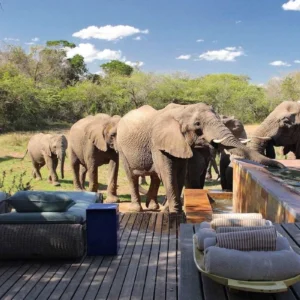
Africa’s luxury feels personal: eco-lodges in the Serengeti, private tented camps in Tanzania and beachfront villas on Zanzibar, with outdoor showers under the stars, private game drives and bespoke experiences tailored just for you.
Plan Your Return to Africa
Tell us what you loved last time and what you dream of next, and our Tanzania-based team will design a private tailor-made return journey to new parks, cultures and adventures.