Top 5 Reasons to Give Green Season the Green Light
Green Season Safari in Tanzania at a Glance
The "green season" in Tanzania, which typically spans from November to May, offers unique and compelling reasons to consider a safari, particularly for those seeking a more intimate and budget-friendly experience. Dramatic landscapes, abundant wildlife, excellent birdwatching opportunities, and fewer crowds make it an attractive alternative to the peak dry season. When planning a safari in Tanzania, the natural inclination is to aim for the dry season, from July to October. This is the peak season, known for its reliable dry weather and concentrated wildlife around shrinking waterholes. However, savvy safari enthusiasts and photographers in the know have long championed a different time of year: the "Green Season."
Running from November through May, with a lull in the heaviest rains during January and February, the Green Season is a period of dramatic transformation. The parched, dusty plains of the dry season are reborn, bursting into a vibrant tapestry of lush greenery. While some travelers fear the rain, those who give the Green Season the green light are rewarded with a unique and deeply rewarding safari experience. Here are the top 10 reasons why.
Unbeatable Value and Lower Prices
This is often the most persuasive reason to choose the Green Season. As it's considered the "off-peak" time for tourism, safari lodges, camps, and tour operators offer significant discounts. You can enjoy the same incredible wildlife experiences and stay at luxurious lodges that would be prohibitively expensive during the peak season, all for a fraction of the cost. These savings can allow you to extend your trip, upgrade your accommodation, or simply make your dream safari more accessible.
- July to October
- Highest lodge rates
- Busier sightings
- November to May
- Significant lodge discounts
- Room to extend or upgrade your trip
Fewer Crowds and Greater Exclusivity
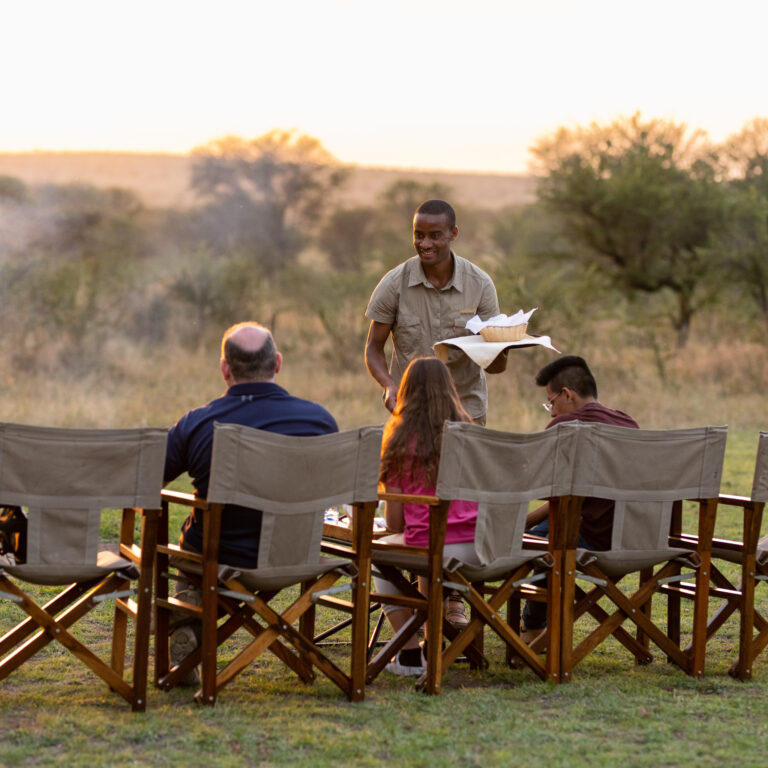
Imagine pulling up to a lion sighting with no other vehicles in sight, or having a vast savannah all to yourself. This is the reality of a Green Season safari. With fewer tourists, the national parks are wonderfully quiet, and game sightings feel more intimate and personal. There's no jostling for position or waiting in line at park gates. You get to experience the wilderness in its purest, most tranquil state, a luxury that is increasingly rare in popular safari destinations.
The Landscape is Reborn: A Photographer's Dream
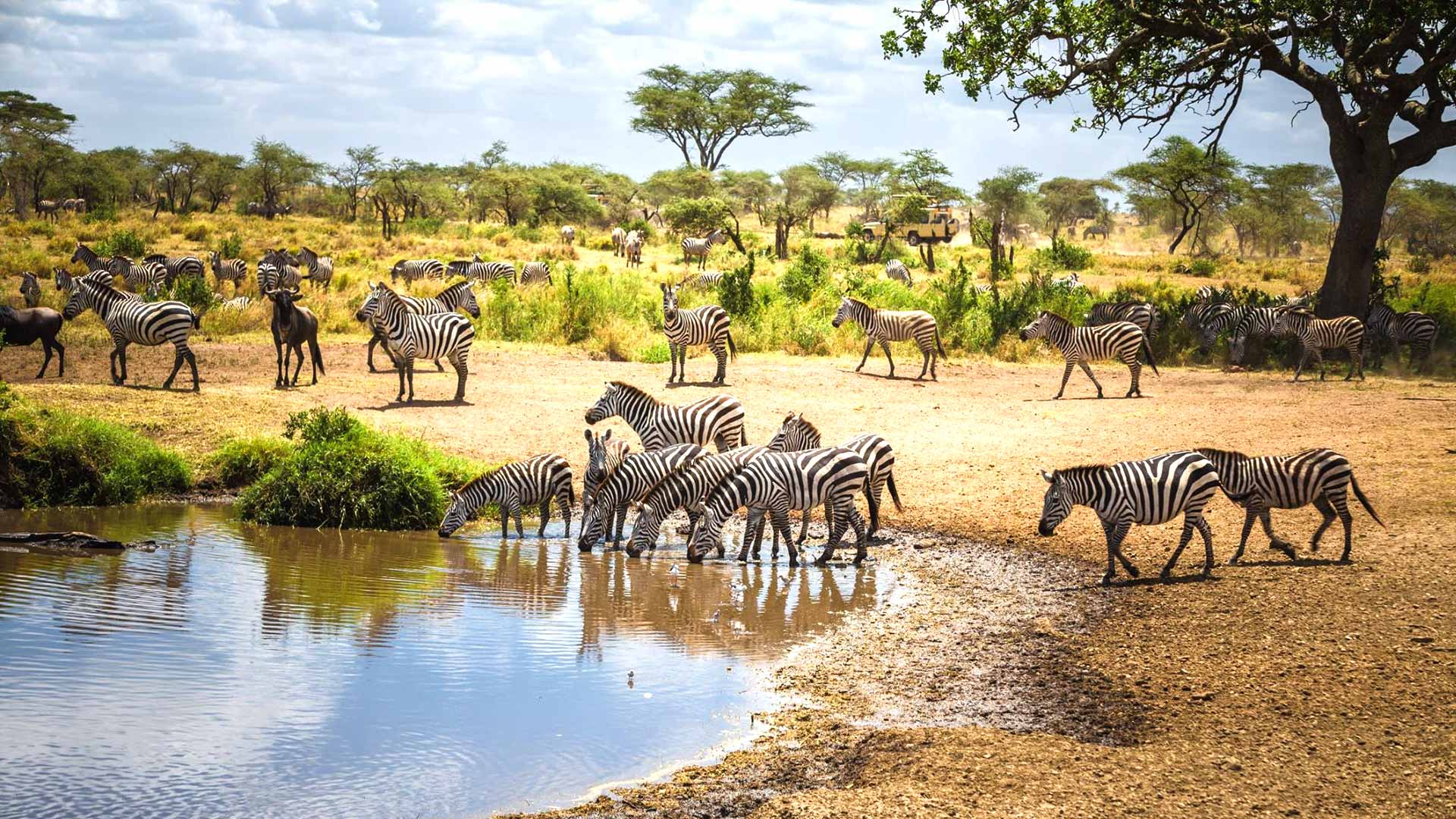
The Green Season is a visual masterpiece. The relentless golden-brown and dusty hues of the dry season are replaced by vibrant greens and blooming wildflowers. The air, cleansed by the rain, is crystal clear, and the light is softer and more diffused, perfect for photography. Dramatic, towering storm clouds create magnificent backdrops and spectacular sunsets, adding a layer of character and mood to every photograph. Forget the hazy skies of the dry season; this is when the African landscape truly pops with color.
Baby Animals Galore!
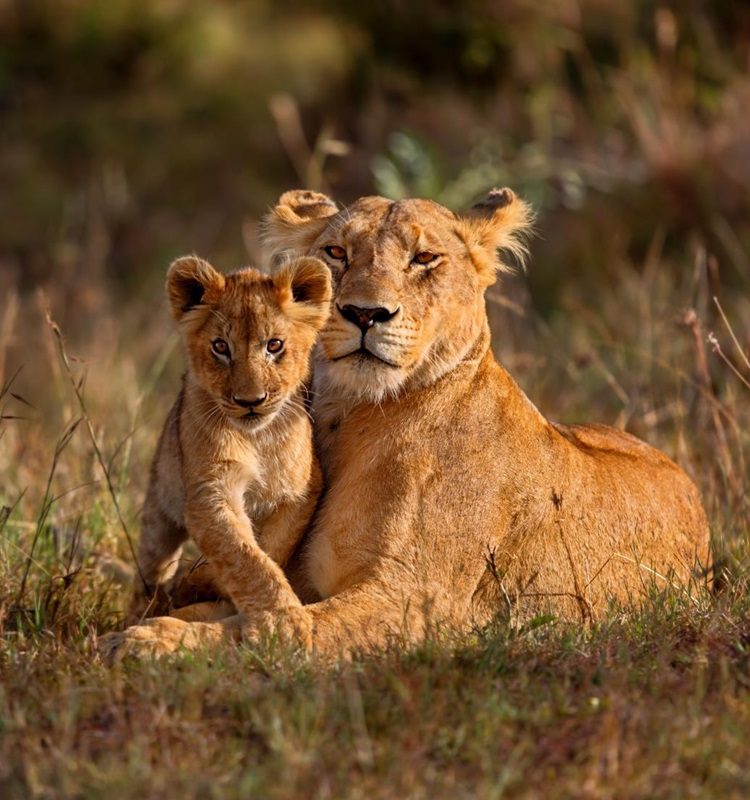
The abundance of water and fresh grass makes the Green Season the prime birthing period for many species. The plains are suddenly filled with adorable newborns—wildebeest calves, zebra foals, and baby antelopes. Witnessing a wobbly-legged calf take its first steps or a lioness tenderly caring for her cubs is a heartwarming and unforgettable sight. This is a time of renewal and new life, a joyous contrast to the brutal realities of the dry season.
Witness the Spectacular Wildebeest Calving Season
While the iconic river crossings get all the attention, the wildebeest calving season in the southern Serengeti and Ngorongoro Conservation Area from January to March is a spectacle in its own right. Hundreds of thousands of wildebeest gather on the short-grass plains of Ndutu to give birth, with as many as 8,000 calves born each day at the peak. This concentration of newborns is an irresistible draw for predators, making it a time of intense predator-prey action that rivals the drama of the river crossings.
A general guide: the herds follow the rains.
A Haven for Birdwatchers
For avid birders, the Green Season is the ultimate time to visit. Migratory birds from Europe and Asia flock to Tanzania, joining the resident species in a vibrant display of color and song. The lush landscapes and replenished water sources provide a paradise for a huge variety of birdlife. Even if you're not a dedicated birder, the sheer number and diversity of species—from colorful rollers to majestic storks—are a captivating sight.
Witness Incredible Predator Action
The presence of so many vulnerable young animals means that predators are highly active and well-fed. Lions, cheetahs, leopards, and hyenas take advantage of the abundant prey, leading to dramatic and thrilling hunting scenes. While the tall grass can make spotting animals a little more challenging, expert guides know where to look. You might even see predators using elevated vantage points like termite mounds or kopjes to survey the landscape for their next meal.
- Predators use termite mounds and kopjes as lookouts.
- Tall green grass makes spotting animals easier.
- The calving season attracts many predators.
Less Dust and More Comfortable Temperatures
The dry season can be characterized by intense heat and a thick layer of dust that coats everything. The rains of the Green Season settle the dust, leaving the air fresh and clean. While there can be high humidity, the temperatures are often more moderate than in the peak of the dry season, making game drives and other activities more pleasant.
- Intense heat at the peak
- Thick dust on roads and gear
- Rain settles the dust
- Fresh, clean air and often milder temperatures
Longer Daylight Hours
During the summer months in Tanzania, which coincide with the Green Season, the days are slightly longer. This means more hours of daylight for game drives and enjoying the stunning scenery. You can wake up a little later without missing the action and enjoy longer evenings for sundowners and relaxation at your lodge.
A Deeper Connection with Nature
A Green Season safari offers a more authentic and immersive experience. The feeling of solitude and the quiet hum of the revitalized ecosystem allow for a profound connection with nature. You can appreciate the intricate cycles of life and renewal without the distractions of a crowded park. It's a chance to see Africa not as a static postcard, but as a living, breathing, and ever-changing landscape.
Green Season Safari Questions Answered
Detailed answers to the questions travellers ask most about a Green Season safari in Tanzania.
The Green Season, or rainy season, is special in Tanzania because the rains transform the landscape into a lush, vibrant environment. Dusty plains turn emerald green, wildflowers bloom and the skies fill with dramatic clouds, creating stunning photographic moments. Wildlife activity increases as many animals give birth, most famously during the wildebeest calving season in the southern Serengeti, which in turn attracts predators. Migratory birds also arrive, making it an excellent time for birdwatching. Although the Green Season is often considered off-peak, it offers fewer crowds, better value and a rewarding safari experience for travellers who value quiet, intimate wildlife viewing.
The Green Season in East Africa, covering Tanzania and Kenya, generally falls between November and May or early June, following the arrival of the rains. It is a great time for a safari because of its lush landscapes, abundant wildlife and fewer crowds. The savannah turns vibrant green, attracting grazing animals and bringing the arrival of new life, from wildebeest calves to young antelope. Photographers enjoy clear air, fresh colours and dramatic skies. With fewer vehicles at sightings, the experience feels calmer and more personal. For many travellers, this season offers a serene and rewarding private tailor-made safari in Tanzania.
East African safaris have a high, or dry, season and a low, or wet, season, and each offers a different experience. The high season runs from about June to October, when drier weather thins out vegetation and animals gather around rivers and waterholes, making wildlife easier to find. The low season covers roughly March to May and November to December, when the landscapes are lush, there are fewer visitors and birdwatching is excellent, although thicker vegetation can make some animals harder to spot. Choosing between them depends on your priorities, budget and your preferred style of private tailor-made safari.
Conclusion: Give the Green Season the Green Light
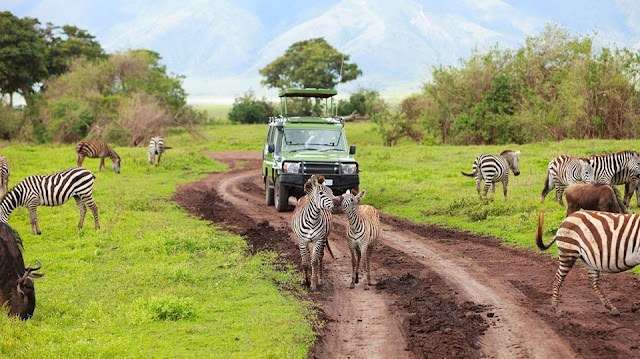
The Green Season may bring occasional afternoon showers and some muddy roads, but well-prepared travellers with a reliable 4x4 vehicle and an experienced guide will find these minor inconveniences far outweighed by the benefits. Rain usually falls in short bursts, leaving time for game drives. In return, you enjoy better value, more exclusive sightings with fewer vehicles, stunning photography under dramatic skies and the chance to witness nature at its most vibrant and fertile, including newborn animals. If you want a quieter, more personal private tailor-made safari in Tanzania, it is time to give the Green Season the green light.
Green Season Safari: Frequently Asked Questions
When is the green season in Tanzania?
The green season in Tanzania runs from November to May. The short rains usually fall in November and December, followed by a drier lull in January and February, and the long rains from March to May. During this time the plains turn lush and green, many animals give birth and migratory birds arrive, while visitor numbers are lower than in the dry season.
Is the green season a good time for a safari in Tanzania?
Yes. The green season offers lush landscapes, abundant wildlife, newborn animals, excellent birdwatching and fewer vehicles at sightings, often at lower lodge rates. Thicker vegetation can make some animals harder to spot, but experienced guides know where to look. It is ideal for travellers who value quiet, intimate and good-value wildlife viewing.
Does it rain all day during the green season?
Usually not. Rain often falls in short bursts or afternoon showers, leaving plenty of time for game drives. Some roads can become muddy, so a reliable 4x4 vehicle and an experienced guide make a big difference. The rains also settle the dust and clear the air, creating fresh conditions and dramatic skies for photography.
When is the wildebeest calving season in Tanzania?
The wildebeest calving season takes place from about January to March on the short-grass plains of Ndutu, in the southern Serengeti and Ngorongoro Conservation Area. Hundreds of thousands of wildebeest gather to give birth, with as many as 8,000 calves born each day at the peak, attracting lions, cheetahs and hyenas for thrilling predator action.
Is a green season safari cheaper?
Generally, yes. Because the green season is off-peak, many safari lodges, camps and operators offer significant discounts. You can enjoy the same wildlife experiences and stay at lodges that would cost much more in the peak season. These savings can help you extend your trip, upgrade your accommodation or make your dream safari more affordable.
What is the best month for a green season safari?
January and February are often considered the sweet spot, as the rains ease during this lull and the wildebeest calving season is in full swing in the Ndutu area. November and December bring fresh green landscapes and arriving migratory birds, while March to May offers the quietest parks and lush scenery.
What should I pack for a green season safari?
Pack a lightweight waterproof rain jacket, quick-dry neutral clothing, a warm layer for cool mornings, comfortable closed shoes and a waterproof cover or bag for your camera. Insect repellent is essential, and you should ask a travel clinic for malaria and health advice before you go. Binoculars are a must for birdwatching.
Can I book a private green season safari?
Yes. A private tailor-made green season safari gives you your own 4x4 vehicle and experienced guide, so you can follow the best sightings, wait out a shower and adjust your plans to the weather. We can include the Ndutu calving area, the Ngorongoro Crater and other parks to suit your dates.
Plan Your Green Season Safari
Tell us your travel dates and interests, and our Tanzania-based team will design a private tailor-made green season safari, from Ndutu calving to quiet crater game drives.