Ultimate Guide to Planning a Safari in Tanzania
Ultimate Guide to Planning a Safari in Tanzania
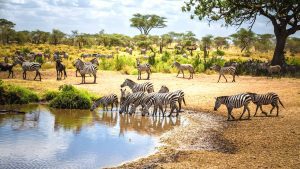
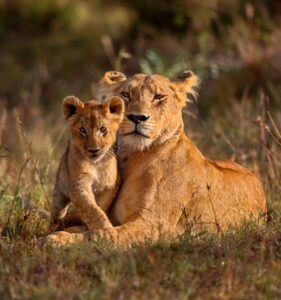
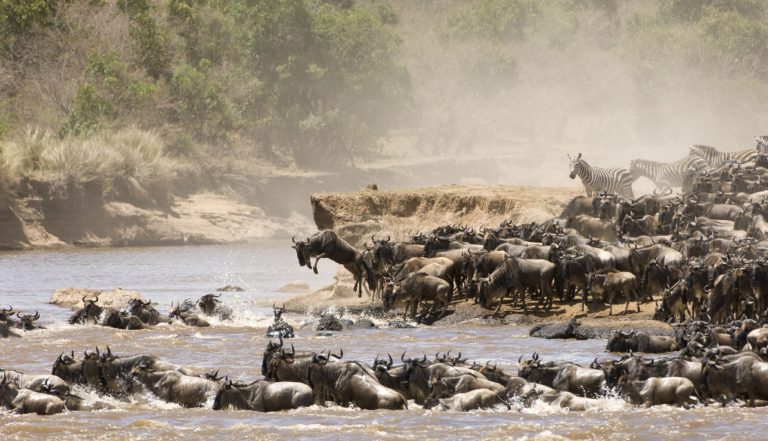
Tanzania is one of the world’s most iconic safari destinations, offering unmatched wildlife safari experiences, breathtaking landscapes, and rich cultural encounters. From the endless plains of the Serengeti National Park to the wildlife-rich Ngorongoro Crater, Tanzania delivers a classic African safari experience. It is home to the Great Migration, one of the most spectacular wildlife events on Earth, where millions of wildebeest and zebras move across the savannah. Travelers also explore Tarangire National Park, famous for large elephant herds, and Lake Manyara National Park, known for tree-climbing lions. With options ranging from luxury safaris to budget tours, Tanzania caters to all travelers. Whether you are planning a honeymoon safari, family safari, or adventure trip, Tanzania offers unforgettable memories, making it a top choice for African safari holidays.
Best Time to Visit Tanzania for a Safari
The best time to plan a Tanzania safari depends on wildlife viewing goals and weather conditions. The dry season, from June to October, is widely considered the best safari period as animals gather around water sources, making them easier to spot in Serengeti, Ngorongoro, and Tarangire National Park. This season also offers excellent conditions for witnessing the Great Migration river crossings. The wet season, from November to May, brings lush green landscapes, fewer tourists, and great birdwatching opportunities. January to March is ideal for calving season in the Serengeti, attracting predators like lions and cheetahs. While safaris operate year-round, choosing the right season enhances your experience. Understanding Tanzania’s climate helps travelers plan better safari itineraries, maximize wildlife sightings, and enjoy more affordable lodge and camp prices during off-peak months.
Top Safari Destinations in Tanzania
Tanzania is home to some of Africa’s most famous safari parks. The Serengeti National Park is the highlight, known for its endless plains and the Great Migration. The Ngorongoro Crater, a UNESCO World Heritage Site, offers one of the highest densities of wildlife in Africa. Tarangire National Park is famous for giant baobab trees and large elephant herds. Lake Manyara National Park offers diverse ecosystems, flamingos, and tree-climbing lions. For remote adventures, Ruaha National Park and Selous Game Reserve (Nyerere National Park) provide untouched wilderness and fewer crowds. Each destination offers unique safari experiences, from big cat sightings to birdwatching and scenic landscapes. Combining multiple parks in a Tanzania safari itinerary ensures a rich and diverse wildlife experience, making the Northern Safari Circuit one of the most popular travel routes in Africa.
- ArushaGateway
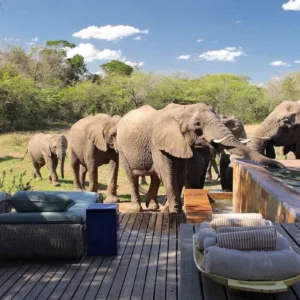
- TarangireElephants
- NgorongoroCrater
- SerengetiBig Five
- ZanzibarBeach
Types of Tanzania Safari Experiences
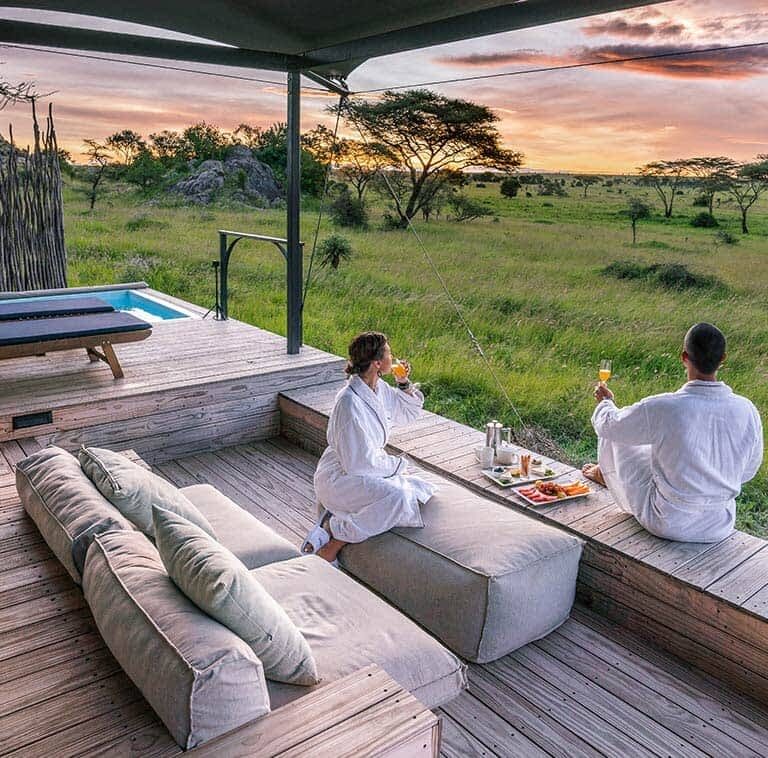
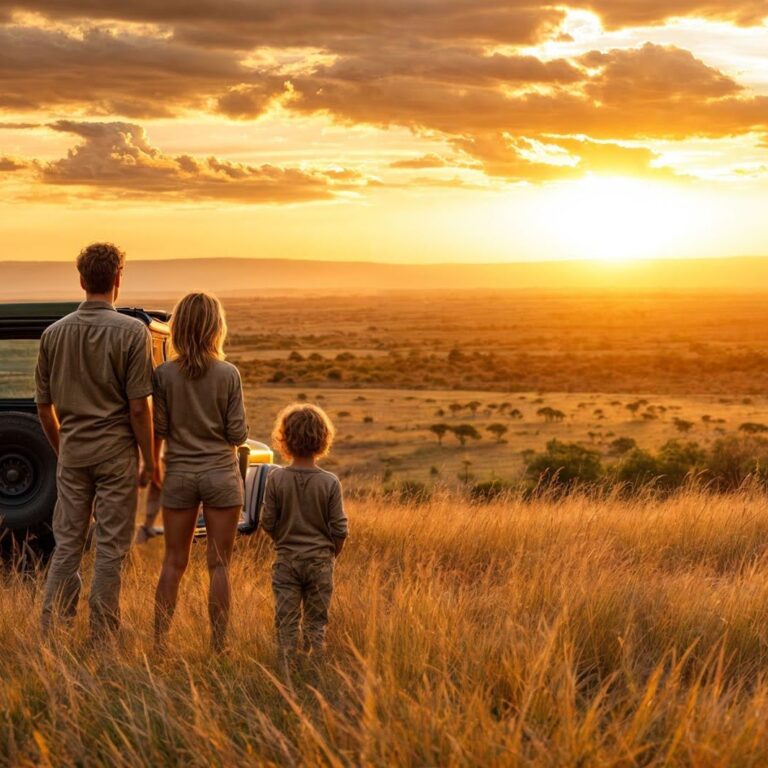
Tanzania offers a wide range of safari experiences tailored to different travel styles and budgets. Luxury Tanzania safaris feature high-end lodges, private guides, and fly-in transfers to remote parks like Serengeti and Ngorongoro. Mid-range Tanzania safaris provide comfortable tented camps and guided tours at affordable prices. Budget Tanzania safaris focus on private safari tours and basic camping experiences, perfect for backpackers. For romantic travelers, honeymoon safaris combine privacy, luxury lodges, and scenic sunset game drives. Families enjoy child-friendly safari packages with flexible itineraries. Adventure seekers often choose walking safaris or hot air balloon safaris over the Serengeti. Fly-in safaris and private tailor-made tours are also popular for premium travelers. With so many safari options, Tanzania remains one of the most flexible and rewarding safari destinations in Africa for all types of travelers.
How Much Does a Tanzania Safari Cost?
The cost of a Tanzania safari varies depending on accommodation, season, and itinerary. Tanzania Budget safaris typically start from $200–$350 per day per person, including camping and group tours. Mid-range Tanzania safaris range from $350–$700 per day, offering comfortable lodges and better services. Luxury Tanzania safaris can exceed $800–$2,000 per day, featuring private guides, fly-in transfers, and exclusive lodges in the Serengeti or Ngorongoro Crater. Additional costs include park fees, international flights, visas, and optional activities like balloon safaris. Prices are higher during peak season (June–October) due to demand, especially during the Great Migration. Travelers can reduce costs by booking early or choosing shoulder seasons. Overall, Tanzania offers safari packages for every budget, making it accessible to both luxury travelers and adventure seekers looking for authentic African wildlife experiences.
- Accommodation
- Meals
- Park fees
- Vehicle & guide
- Transfers
- International flights
- Visas
- Travel insurance
- Tips
- Premium drinks
How to Choose the Best Tanzania Safari Itinerary
Planning the perfect Tanzania safari itinerary depends on time, budget, and travel interests. A classic 5–7 day safari often includes Tarangire National Park, Serengeti National Park, and the Ngorongoro Crater. Longer itineraries of 10–14 days may include additional destinations like Lake Manyara, Lake Natron, or Ruaha National Park. Travelers seeking the Great Migration should focus on Serengeti routes based on seasonal movement. For Tanzania safari first-time visitors often start in Arusha, the safari gateway city. Private safaris allow flexibility, while group tours follow fixed schedules. Choosing the right itinerary ensures balanced wildlife viewing, relaxation, and travel time. Combining multiple parks gives a richer experience of Tanzania’s diverse ecosystems. A well-planned African safari itinerary is key to maximizing game drives, photography opportunities, and unforgettable safari memories across East Africa’s most iconic landscapes.
What to Pack for a Tanzania Safari
Packing correctly for a Tanzania safari is essential for comfort and practicality. For the Tanzania Safari Packing list, lightweight, neutral-colored clothing is recommended to blend with the environment and avoid attracting insects. Long-sleeved shirts and trousers protect against the sun and mosquitoes. A warm jacket is needed for early morning game drives in the Serengeti or Ngorongoro Crater, where temperatures can be cool. Comfortable walking shoes, a hat, sunglasses, and sunscreen are must-haves. Essential gear includes binoculars, a camera with extra batteries, and a day backpack. Don’t forget personal medication, insect repellent, and travel documents, including a visa and insurance. Soft-sided luggage is preferred for safari vehicles and small aircraft transfers. Packing smart ensures a smooth and enjoyable safari experience across Tanzania’s diverse parks, from dusty savannahs to cooler highland regions.
Wildlife You Can See on a Tanzania Safari
A Tanzania safari offers some of the best wildlife viewing in the world. The country is famous for the “Big Five”: lions, elephants, leopards, rhinos, and buffalo. In the Serengeti National Park, visitors witness massive herds of wildebeest and zebras during the Great Migration. Ngorongoro Crater is home to dense populations of predators and grazing animals within a unique volcanic caldera. Tarangire National Park is known for large elephant herds and ancient baobab trees. Other sightings include cheetahs, giraffes, hippos, crocodiles, hyenas, and hundreds of bird species. Tanzania’s ecosystems support one of the richest biodiversity networks in Africa. Every Tanzania safari Tours game drive offers new surprises, making wildlife photography and observation an unforgettable experience for travelers exploring East Africa’s premier safari destinations.
Booking a Tanzania Safari Tour Operator
Choosing a reliable Tanzania safari tour operator is crucial for a successful trip. Professional operators handle logistics such as accommodation, park permits, transportation, and experienced safari guides. Reputable Tanzania Safari companies offer customized safari packages including luxury, mid-range, and budget options. A good operator ensures safety, quality vehicles, and knowledgeable guides who enhance wildlife experiences in parks like Serengeti and Ngorongoro Crater. Travelers should compare reviews, safari itineraries, and pricing before booking. Local Tanzanian tour companies often provide better value and authentic experiences. Booking a Tanzania Safari in advance is highly recommended, especially during peak migration season. Whether you are planning a honeymoon safari, family safari, or adventure tour, working with Foot Slopes Tours and Safaris, trusted Tanzania safari operator, ensures a smooth, well-organized, and memorable journey through Tanzania’s top national parks.
Travel Tips for a Successful Tanzania Safari
Planning a successful Tanzania safari requires preparation and awareness. Always book accommodations and park tours in advance, especially during high season. Carry cash in US dollars for tips and small purchases, as not all areas accept cards. Respect wildlife by keeping a safe distance during game drives in Serengeti and Ngorongoro Crater. Follow your guide’s instructions at all times for safety. Early morning and late afternoon game drives offer the best wildlife sightings. Stay hydrated and protect yourself from the sun. Travel insurance is highly recommended for medical and trip protection. Learning basic Swahili phrases can enhance cultural interactions. Most importantly, choose a well-planned itinerary to avoid rushed travel. These tips ensure a smooth, safe, and unforgettable safari adventure across Tanzania’s world-famous national parks and wildlife reserves.
Cultural Experiences During a Tanzania Safari
A Tanzania safari is not only about wildlife but also about rich cultural experiences. Visitors can meet the Maasai people, known for their colorful dress, traditional dances, and pastoral lifestyle, near Ngorongoro Conservation Area. In Lake Eyasi, travelers can interact with the Hadzabe hunter-gatherers, one of the last remaining indigenous tribes in Africa. Cultural village tours offer insights into local traditions, crafts, and daily life. Markets in Arusha and nearby towns showcase handmade souvenirs and local foods. These experiences provide a deeper understanding of Tanzania’s heritage and community life. Combining Tanzania wildlife safari packages with cultural visits creates a more meaningful journey. It allows travelers to connect with both nature and people, making Tanzania one of the most culturally diverse and enriching safari destinations in Africa.
Getting Around on Safari in Tanzania
Transportation is a key part of planning a Tanzania safari, and how you move between parks greatly affects your overall experience. Most travelers use 4x4 safari vehicles, which are specially designed for rough terrain and game viewing in places like Serengeti National Park, Ngorongoro Crater, and Tarangire National Park. These vehicles usually come with pop-up roofs for better photography and wildlife viewing. Road safaris are the most common and budget-friendly option, allowing you to see rural landscapes and local villages along the way. For longer distances, especially between northern and southern parks, domestic flights (fly-in safaris) save time and offer aerial views of Tanzania’s landscapes. Popular airstrips connect Arusha, Serengeti, and Zanzibar. Choosing between road and air travel depends on your budget, time, and comfort preference. A well-planned transport strategy ensures smooth travel and maximizes wildlife viewing opportunities across Tanzania’s vast safari circuit.
The Importance of a Knowledgeable Safari Guide
A professional and experienced Tanzania safari guide plays a vital role in shaping your wildlife experience. In parks like the Serengeti, Ngorongoro Crater, and Tarangire National Park, guides are responsible for tracking animals, interpreting behavior, and ensuring safety throughout game drives. A knowledgeable guide can locate the Big Five, explain migration patterns, and identify rare bird species that most travelers would otherwise miss. They also share insights into local ecosystems, conservation efforts, and Maasai culture. Great guides enhance photography opportunities by positioning vehicles at the best angles for viewing wildlife. In addition, they help navigate park regulations and ensure responsible tourism practices. Choosing a certified and well-reviewed safari guide significantly improves your overall experience. In Tanzania, guides are often the difference between a good safari and an unforgettable once-in-a-lifetime adventure filled with meaningful wildlife encounters.
Health and Safety on a Tanzania Safari
Health and safety are important considerations when planning a Tanzania safari. Travelers are advised to take routine vaccinations and consult a travel clinic before visiting Africa. Malaria prevention is recommended in some safari regions, especially near Serengeti National Park and lowland areas. Drinking bottled or purified water is essential throughout the trip. Safari vehicles and camps are generally safe, but visitors should always follow their guide’s instructions, especially when observing wildlife at close range. Animals in parks like Ngorongoro Crater and Tarangire National Park are wild and unpredictable, so maintaining distance is crucial. Travel insurance covering medical emergencies, evacuation, and trip cancellations is highly recommended. Camps and lodges are well-secured, with trained staff ensuring guest safety. With proper preparation and awareness, Tanzania safaris are safe, enjoyable, and provide incredible wildlife experiences in some of Africa’s most protected environments.
Visa Requirements and Travel Insurance for Tanzania
Before traveling to Tanzania for a safari, visitors must understand visa requirements and travel insurance. Most international travelers can obtain a Tanzania tourist visa either online (eVisa) or on arrival at major entry points such as Kilimanjaro International Airport. A valid passport with at least six months’ validity is required. Visa fees vary depending on nationality, but a single-entry tourist visa is most common for safari travelers. In addition, comprehensive travel insurance is highly recommended. It should cover medical emergencies, evacuation, trip delays, and lost luggage. Insurance is especially important when visiting remote parks like the Serengeti or Ruaha National Park, where medical facilities are limited. Having the correct visa and insurance ensures a stress-free safari experience and allows travelers to fully enjoy Tanzania’s wildlife, landscapes, and cultural attractions without unexpected travel complications.
Conclusion
Planning a Tanzania safari is an exciting journey that combines adventure, nature, and cultural discovery. From the vast plains of the Serengeti National Park to the dramatic landscapes of the Ngorongoro Crater, every destination offers unforgettable experiences. Whether you choose a luxury safari, a budget camping tour, or a honeymoon getaway, Tanzania has something for everyone. With proper planning, the right itinerary, and a trusted safari operator, your trip becomes seamless and memorable. Understanding the best time to visit, packing essentials, and choosing the right parks ensures a successful adventure. Tanzania remains one of the world’s top safari destinations, offering unmatched wildlife encounters and breathtaking scenery. A well-planned safari here is not just a trip—it is a once-in-a-lifetime experience in the heart of Africa.
Ultimate Guide to Planning a Safari in Tanzania: FAQs
What is the best time to go on a Tanzania safari?
The best time for a Tanzania safari is during the dry season from June to October, when wildlife viewing is at its peak in areas like Serengeti National Park and Ngorongoro Crater. Animals gather around water sources, making them easier to spot. This is also the prime period to witness the Great Migration river crossings. However, the green season (November to May) offers fewer crowds, lower prices, and excellent birdwatching opportunities.
How many days do I need for a Tanzania safari?
A typical Tanzania safari itinerary ranges from 5 to 10 days for a well-rounded experience. A 5–7 day safari usually includes top destinations like Tarangire National Park, Serengeti National Park, and Ngorongoro Crater. For travelers who want a deeper exploration, 10–14 days allows time to visit more remote areas such as Ruaha National Park or Nyerere National Park.
Is Tanzania safe for safari travelers?
Tanzania is generally considered a safe destination for safari travelers, especially in well-known parks like Serengeti National Park and Ngorongoro Conservation Area. Safari lodges and camps follow strict safety standards, and experienced guides ensure secure game drives. Travelers should follow basic precautions such as listening to guides, avoiding walking alone at night, and keeping valuables secure.
Can I combine a Tanzania safari with Zanzibar beach holiday?
Yes, combining a Tanzania safari with a beach holiday in Zanzibar is one of the most popular travel options. After exploring wildlife in Serengeti National Park or Ngorongoro Crater, travelers can fly to Zanzibar for relaxation on white sandy beaches and turquoise waters. The island offers luxury resorts, cultural experiences in Stone Town, and activities like snorkeling and diving. This combination creates a perfect balance between adventure and relaxation.
How do I book a Tanzania safari?
Booking a Tanzania safari is best done through a reputable tour operator specializing in destinations like Serengeti National Park and Ngorongoro Crater. Start by researching companies, comparing reviews, and checking sample itineraries. Decide on your travel dates, budget, and preferred safari style—luxury, mid-range, or budget. Many operators offer customized packages that include accommodation, transport, park fees, and guides. Booking in advance is recommended, especially during peak migration season.
What are the best time to visit Tanzania for a safari on a Tanzania safari?
The best time to plan a Tanzania safari depends on wildlife viewing goals and weather conditions. The dry season, from June to October, is widely considered the best safari period as animals gather around water sources, making them easier to spot in Serengeti, Ngorongoro, and Tarangire National Park.
What are the top safari destinations in Tanzania on a Tanzania safari?
Tanzania is home to some of Africa’s most famous safari parks. The Serengeti National Park is the highlight, known for its endless plains and the Great Migration. The Ngorongoro Crater, a UNESCO World Heritage Site, offers one of the highest densities of wildlife in Africa.
What should you know about types of Tanzania safari experiences on a Tanzania safari?
Tanzania offers a wide range of safari experiences tailored to different travel styles and budgets. Luxury Tanzania safaris feature high-end lodges, private guides, and fly-in transfers to remote parks like Serengeti and Ngorongoro. Mid-range Tanzania safaris provide comfortable tented camps and guided tours at affordable prices.
Plan Your Private Tanzania Safari
Tell us your travel dates, interests and budget, and our local team will design a private tailor-made safari around you.