The Ngorongoro Crater is one of Africa’s most iconic natural wonders and a top-rated destination for Tanzania safari tours and wildlife photography safaris. Often described as the “Eden of Africa,” it is the world’s largest intact volcanic caldera and a UNESCO World Heritage Site known for its dense population of wildlife. Located within the Ngorongoro Conservation Area in northern Tanzania, the crater offers an unmatched concentration of animals, including the Big Five—lion, leopard, elephant, buffalo, and rhino. Travelers from around the world visit for unforgettable game drives, scenic landscapes, and luxury safari experiences. This natural amphitheater provides year-round wildlife viewing, making it one of the best safari destinations in Africa and a must-visit highlight on any Northern Tanzania safari itinerary.
Geological Formation of Ngorongoro Crater
The Ngorongoro Crater was formed approximately three million years ago when a massive volcano exploded and collapsed on itself, creating a vast caldera. This geological wonder spans about 260 square kilometers and is nearly 600 meters deep, forming a natural enclosure for wildlife. The fertile volcanic soil supports lush grasslands, forests, and swamps, making it one of the most productive ecosystems in Africa. This unique formation contributes to its high density of wildlife and year-round game viewing opportunities. For travelers interested in geology, nature, and safari adventures, Ngorongoro is a perfect blend of scientific marvel and natural beauty. It stands as one of the most famous natural safari attractions in Tanzania and a key highlight of East African safari tours.
Location and Accessibility of Ngorongoro Crater
Ngorongoro Crater is located in northern Tanzania, within the Ngorongoro Conservation Area, approximately 180 kilometers from Arusha, the main safari hub. It is easily accessible by road, making it a popular stop on Tanzania safari packages that include Serengeti National Park, Tarangire, and Lake Manyara. Visitors often travel by 4×4 safari vehicles as part of guided safari tours. The nearest airstrip is in Lake Manyara or Serengeti, allowing fly-in safari options for luxury travelers. Its strategic location makes it a key part of the Northern Safari Circuit in Tanzania. Whether traveling from Arusha, Kilimanjaro International Airport, or Zanzibar, Ngorongoro is a must-visit destination for wildlife lovers and adventure seekers exploring East African safari experiences.
Safari Reviews of Ngorongoro Crater
The Ngorongoro Crater is consistently rated as one of the best safari destinations in Africa and a UNESCO World Heritage Site. Travelers often describe it as a “natural wildlife sanctuary” where game viewing feels almost guaranteed in a single day. Ngorongoro Crater Safari reviews highlight the crater’s dense population of animals, short driving distances, and breathtaking scenery. Many visitors praise the opportunity to see the Big Five—lion, elephant, buffalo, leopard, and the rare black rhino—within a collapsed volcanic caldera. Tourists also appreciate the organized park management and professional Tanzania safari guides. Ngorongoro Crater safari experiences are frequently described as “unforgettable,” “photographer’s paradise,” and “must-visit on a Tanzania safari itinerary.” Most reviews recommend combining it with Serengeti National Park for a complete Northern Circuit safari adventure in Tanzania.
Wildlife & Animals in Ngorongoro Crater
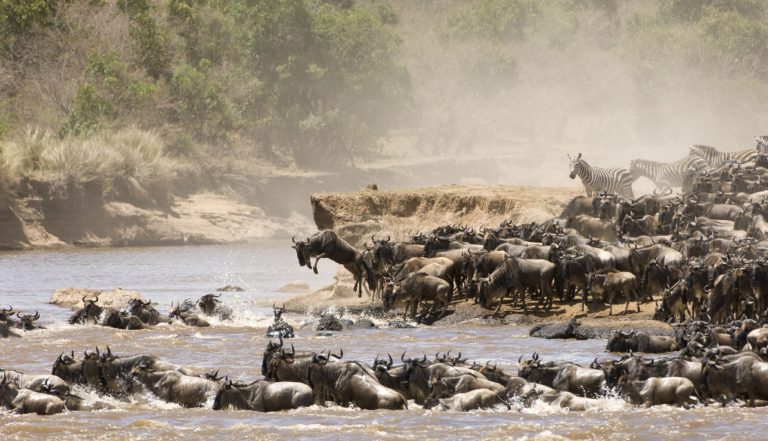
The Ngorongoro Crater is one of the most wildlife-dense safari destinations in the world, offering exceptional game viewing year-round. This natural amphitheater supports over 25,000 large animals living within its 260 km² floor. Visitors can spot lions, hyenas, elephants, buffalo, zebras, wildebeest, and gazelles roaming freely across grasslands and lakes. One of the biggest attractions is the endangered black rhinoceros, which is more easily seen here than in many other African parks. The crater also supports hippos in the freshwater pools and flamingos along Lake Magadi’s alkaline shores. Ngorongoro wildlife safaris are famous for “Big Five sightings in one day,” making it a top-rated Tanzania safari destination. Its unique ecosystem creates a natural enclosure where predators and prey coexist in constant balance.
Birds & Birding in Ngorongoro Crater
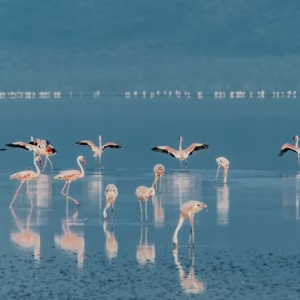
Birdwatching in the Ngorongoro Crater is a rewarding experience for both beginner and expert birders. The crater is home to over 500 bird species due to its diverse habitats, including grasslands, forests, wetlands, and soda lakes. Flamingos are among the most iconic sightings at Lake Magadi, creating stunning pink landscapes during certain seasons. Other common species include ostriches, crowned cranes, kori bustards, secretary birds, and martial eagles. Forested areas around the crater rim are excellent for spotting turacos, hornbills, and sunbirds. Ngorongoro birding safaris are especially popular for photography and nature lovers seeking biodiversity. The combination of resident and migratory birds makes every safari unique throughout the year. Bird enthusiasts often combine Ngorongoro with Lake Manyara National Park for an extended Tanzania birding safari experience.
Best Time to Visit Ngorongoro Crater
The best time to visit Ngorongoro Crater is generally during the dry season from June to October, when wildlife viewing is at its peak. During these months, animals gather around limited water sources, making sightings easier and more predictable. The roads inside the crater are also in better condition, improving safari accessibility. However, the green season from November to May offers lush landscapes, fewer tourists, and excellent photography opportunities. January and February are particularly rewarding for calving season, when wildebeest and zebras give birth, attracting predators. Ngorongoro safari planning often depends on combining weather conditions with wildlife behavior. Overall, the crater is a year-round destination, but the dry months remain the most popular for Tanzania safari tours and Big Five game drives.
Weather & Climate in Ngorongoro Crater
The Ngorongoro Crater has a cool highland climate due to its elevation of around 2,200–2,400 meters above sea level. Temperatures are generally mild throughout the year, ranging from 10°C in the early mornings to about 25°C during midday. Nights can be quite cold, especially on the crater rim, so warm clothing is essential for safari travelers. The area experiences two rainy seasons: the long rains from March to May and the short rains from November to December. Despite rainfall, game drives are still possible, and the landscape becomes lush and green. The climate supports rich biodiversity, making Ngorongoro one of the most stable wildlife habitats in East Africa. This consistent weather pattern makes it a reliable destination for Tanzania safari holidays all year round.
How To Get to Ngorongoro Crater– Flights, Roads, and Driving Time
Getting to Ngorongoro Crater is easy from major safari hubs in northern Tanzania. Most travelers fly into Kilimanjaro International Airport or Arusha Airport, then continue by road to the crater. The drive from Arusha to Ngorongoro takes approximately 3.5 to 4.5 hours, passing through scenic landscapes and Maasai villages. Many safari itineraries combine Ngorongoro with Serengeti National Park and Tarangire National Park along the Northern Circuit route. Domestic flights are also available to nearby airstrips such as Manyara Airstrip or Seronera Airstrip in Serengeti, followed by short road transfers. The final descent into the crater is via a steep road from the rim, offering breathtaking views of the caldera. Most Tanzania safari packages include private 4×4 vehicles with experienced driver-guides for a comfortable journey.
Malaria & Safety– Ngorongoro Crater
Ngorongoro Crater is generally considered a safe safari destination, with well-managed tourism infrastructure and experienced guides. Because of its high altitude and cooler temperatures, malaria risk is lower compared to lowland safari areas, but precautions are still recommended. Travelers are advised to use insect repellent, wear long sleeves in the evening, and consult medical professionals before travel. Safety within the crater is strictly regulated by the Tanzania National Parks Authority (TANAPA), ensuring controlled vehicle access and wildlife protection rules. Visitors must follow guide instructions at all times, especially around predators like lions and hyenas. Emergency support and ranger patrols are present in the area. Overall, Ngorongoro Crater safaris are safe, well-organized, and suitable for families, honeymooners, and solo travelers exploring Tanzania’s wildlife adventures.
UNESCO World Heritage Site Status
The Ngorongoro Crater was declared a UNESCO World Heritage Site in 1979 due to its outstanding universal value in terms of natural beauty, wildlife conservation, and cultural heritage. It is part of the larger Ngorongoro Conservation Area, which also supports Maasai communities living alongside wildlife. This dual focus on conservation and human coexistence makes it one of the most unique safari destinations in the world. The area protects endangered species such as the black rhino and supports one of the highest densities of predators in Africa. Its global recognition attracts millions of tourists seeking authentic Tanzania safari experiences. Conservation efforts ensure sustainable tourism, making Ngorongoro a model for wildlife protection and eco-tourism in Africa.
Safari Game Drives Experience
Game drives in Ngorongoro Crater are among the most thrilling safari experiences in Tanzania. Early morning safaris offer the best chance to witness predators like lions and hyenas in action. Guided by professional safari drivers, visitors descend into the crater floor to explore grasslands, forests, and lakes filled with wildlife. The compact size of the crater allows travelers to see a wide variety of animals within a single day. Safari tours often include picnic lunches near hippo pools, adding to the adventure. Whether on a luxury safari or a budget Tanzania safari package, Ngorongoro game drives guarantee unforgettable wildlife encounters and breathtaking landscapes that define the African safari experience.
Big Five Safari Destination
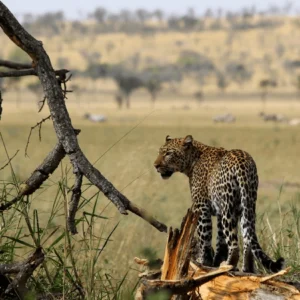
Ngorongoro Crater is one of the few places in Africa where travelers can spot all members of the Big Five in a single day. Lions roam the grasslands, elephants move through forests, buffaloes graze in herds, leopards hide in trees, and endangered black rhinos are carefully protected within the crater. This makes it a dream destination for wildlife enthusiasts and photographers. The high density of predators also ensures exciting predator-prey interactions, especially during early morning game drives. For those seeking a true African safari experience, Ngorongoro offers one of the most reliable and rewarding Big Five sightings in Tanzania and across the continent.
Maasai Culture and Heritage
The Ngorongoro Conservation Area is not only rich in wildlife but also in cultural heritage, as it is home to the Maasai people. These semi-nomadic pastoralists live in harmony with wildlife, preserving their traditional lifestyle for centuries. Visitors can explore Maasai villages to learn about their customs, dances, and unique way of life. Cultural tours offer insights into how humans and wildlife coexist in this protected ecosystem. This cultural experience adds depth to Tanzania safari tours, making Ngorongoro more than just a wildlife destination. It is a place where culture, history, and nature come together, offering a truly immersive African safari experience.
Ngorongoro Crater Floor Ecosystem
The crater floor is a self-contained ecosystem with grasslands, acacia forests, swamps, and a soda lake. This diverse environment supports a wide range of wildlife throughout the year. Lake Magadi attracts flamingos and other waterbirds, while Lerai Forest provides shelter for elephants and leopards. The open plains are ideal for spotting grazing herbivores and hunting predators. This ecological balance makes Ngorongoro one of the most stable wildlife habitats in Africa. Its unique geography ensures animals rarely leave the crater, offering consistent and rewarding safari game drives. For nature lovers, it is one of the best examples of a natural wildlife sanctuary in Tanzania.
Photography Safari Opportunities
Ngorongoro Crater is a paradise for wildlife photographers due to its stunning landscapes and high concentration of animals. The early morning mist, golden light, and dramatic scenery create perfect conditions for photography safaris. Lions on the hunt, flamingos at the lake, and elephants crossing open plains provide iconic African safari shots. The crater’s enclosed structure ensures close wildlife encounters, making it easier to capture detailed images. Many professional photographers consider Ngorongoro one of the top safari photography destinations in Africa. Whether using professional equipment or smartphones, every traveler can capture breathtaking memories of their Tanzania safari adventure.
Luxury Safari Experiences
Ngorongoro offers some of the most exclusive luxury safari experiences in Tanzania. High-end lodges and tented camps are located along the crater rim, offering panoramic views and world-class hospitality. Guests enjoy private game drives, gourmet dining, and personalized safari services. Luxury Tanzania safari packages often combine Ngorongoro with Serengeti and Tarangire for a complete Northern Circuit experience. These upscale experiences are ideal for honeymooners, couples, and travelers seeking comfort in the wild. The combination of breathtaking scenery and premium service makes Ngorongoro one of the top luxury safari destinations in Africa.
Budget Safari Options
Ngorongoro Crater is also accessible for budget travelers through affordable Tanzania safari tours. Group safaris, camping safaris, and shared game drives provide cost-effective ways to experience this natural wonder. Budget lodges and camps in nearby Karatu town offer comfortable accommodation at lower prices. Despite lower costs, visitors still enjoy full wildlife experiences, including Big Five sightings and guided crater tours. This makes Ngorongoro an inclusive destination suitable for all types of travelers. Whether luxury or budget, every safari experience delivers unforgettable memories of Africa’s wildlife and landscapes.
Conservation and Wildlife Protection
Conservation efforts in Ngorongoro are crucial for protecting endangered species and maintaining ecological balance. The area is strictly regulated to control tourism impact and preserve wildlife habitats. Black rhinos are closely monitored, and anti-poaching measures are enforced. The coexistence of Maasai communities and wildlife is carefully managed to ensure sustainability. Ngorongoro serves as a global model for conservation tourism in Africa. Visitors contribute to these efforts through park fees and responsible tourism practices. This ensures that future generations can continue to enjoy one of the world’s most important safari ecosystems.
Ngorongoro Crater Safari Itineraries and Packages
Ngorongoro Crater is commonly included in Tanzania safari itineraries ranging from 3-day trips to 10-day luxury tours. Popular routes combine Arusha, Tarangire, Serengeti, and Ngorongoro for a complete wildlife experience. Many safari packages also include Zanzibar beach extensions for a perfect bush-to-beach holiday. Fly-in safaris are available for luxury travelers, while road safaris offer immersive scenic journeys. Whether planning a honeymoon safari, family safari, or solo adventure, Ngorongoro fits seamlessly into all Tanzania safari itineraries, making it one of the most flexible and essential safari destinations in Africa.
Ngorongoro Crater travel tips for Visitors
When visiting Ngorongoro Crater, it is important to plan properly for the best safari experience. Early morning game drives are recommended for optimal wildlife sightings. Warm clothing is advised due to cooler temperatures at the crater rim. Binoculars and cameras enhance the safari experience, especially for wildlife photography. Booking with experienced tour operators ensures safety and better game viewing opportunities. Visitors should also respect park rules and conservation guidelines. Proper preparation guarantees a smooth and memorable Tanzania safari adventure in one of Africa’s most famous natural wonders.
Final Thought
Ngorongoro Crater remains one of the most extraordinary safari destinations in the world, combining wildlife, geology, and culture in one breathtaking location. As a UNESCO World Heritage Site and a key highlight of Tanzania safari tours, it offers unmatched opportunities for Big Five sightings, luxury travel, and authentic African experiences. Whether visiting for adventure, photography, or relaxation, Ngorongoro delivers unforgettable memories. Its unique ecosystem and conservation success make it a symbol of Africa’s natural beauty. For anyone planning a safari in Tanzania, Ngorongoro Crater is not just a destination—it is a once-in-a-lifetime experience that defines the true spirit of African wildlife safaris.