Lemosho vs. Marangu Route
Lemosho vs. Marangu Route
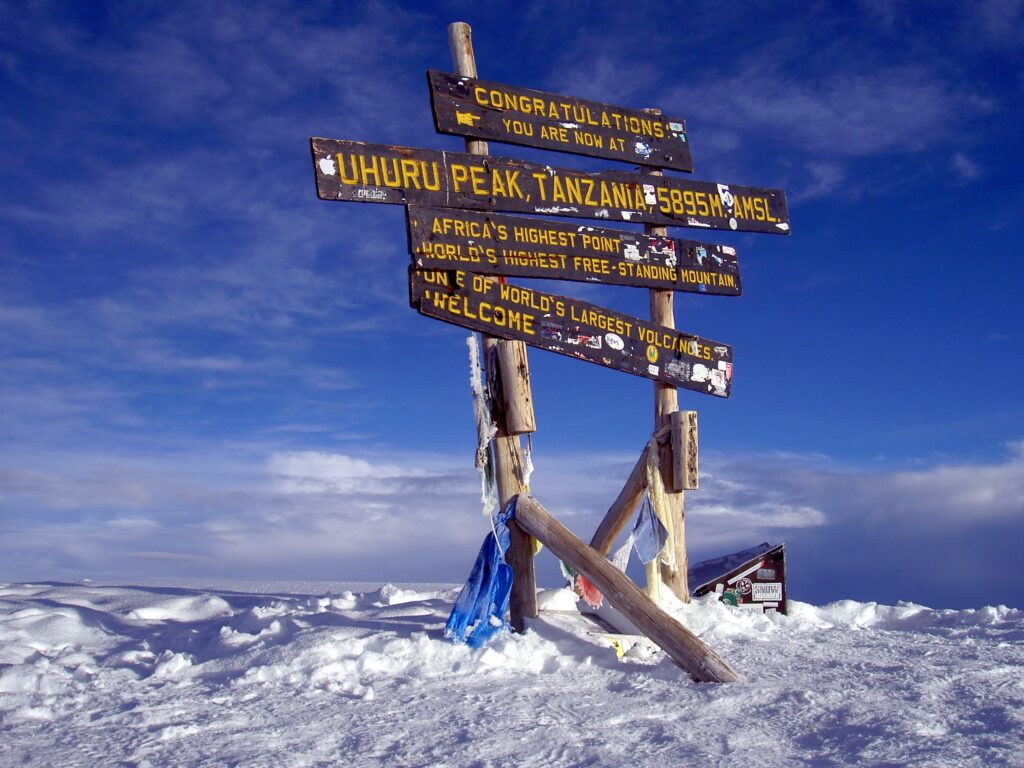
Choosing between the Lemosho Route vs Marangu Route is one of the most important decisions when planning a Mount Kilimanjaro climb. Both routes offer unique experiences, landscapes, success rates, and comfort levels, making them popular among trekkers, adventure travelers, and safari enthusiasts. The Lemosho Route is widely regarded as the best route for high summit success rates, scenic beauty, and gradual acclimatization, while the Marangu Route, known as the “Coca-Cola Route,” is famous for its hut accommodation, shorter duration, and budget-friendly appeal. Whether you’re seeking a luxury Kilimanjaro trek, a budget climb, or a once-in-a-lifetime African adventure, understanding the differences between these two iconic routes helps you plan better, pack smarter, and increase your chances of reaching Uhuru Peak, the highest point in Africa.
Route Overview
The Lemosho Route begins on the western side of Mount Kilimanjaro, offering a remote, less crowded start through lush rainforest and dramatic scenery. It gradually joins the Machame Route, providing excellent acclimatization and higher summit success rates. This route typically takes 7–8 days, making it ideal for climbers seeking a premium, scenic, and high-success Kilimanjaro experience. In contrast, the Marangu Route approaches from the southeast and is the only route offering hut accommodations instead of camping. It is shorter, usually 5–6 days, and follows the same path up and down. While it is considered the most budget-friendly Kilimanjaro route, its shorter duration can reduce acclimatization time, making it more challenging to reach the summit successfully for some trekkers.
Scenic Beauty and Landscapes
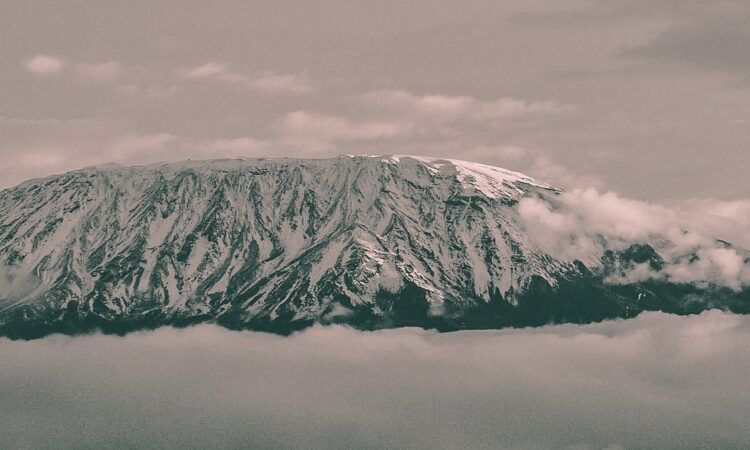
When it comes to scenic diversity, the Lemosho Route stands out as one of the most beautiful routes on Mount Kilimanjaro. Trekkers pass through rainforest, moorland, alpine desert, and arctic summit zones, with breathtaking views of the Shira Plateau and expansive wilderness. Wildlife sightings, including colobus monkeys, are also possible in the early stages. The Marangu Route, while still scenic, offers less variation in landscapes and retraces the same path during descent. It passes through dense rainforest and moorland but lacks the wide panoramic views found on Lemosho. For travelers seeking photography opportunities, dramatic landscapes, and immersive nature experiences, Lemosho is often ranked among the best Kilimanjaro routes for scenic trekking.
Difficulty Level
Both the Lemosho and Marangu Routes are considered non-technical climbs, meaning no mountaineering skills are required. However, difficulty varies due to duration, altitude gain, and acclimatization profile. The Lemosho Route is longer and more gradual, allowing climbers to adapt better to altitude, making it physically demanding but more manageable overall. The Marangu Route, despite being shorter, is often underestimated. Its rapid ascent profile gives less time for acclimatization, increasing the risk of altitude sickness. This makes it potentially more challenging, especially for beginners. For climbers seeking a higher success rate and safer altitude adjustment, Lemosho is often recommended by guides and tour operators as the best Kilimanjaro route for beginners and experienced trekkers alike.
Acclimatization and Success Rate
Acclimatization is crucial when climbing Mount Kilimanjaro, and this is where the Lemosho Route excels. Its longer itinerary follows the “climb high, sleep low” principle, giving trekkers more time to adjust to altitude changes. As a result, Lemosho boasts one of the highest summit success rates, often exceeding 85–90% on 8-day itineraries. On the other hand, the Marangu Route has a lower success rate due to its shorter duration and less effective acclimatization profile. Many climbers experience symptoms of altitude sickness, which can prevent them from reaching the summit. For those prioritizing safety, comfort, and reaching Uhuru Peak, Lemosho is widely considered the best route for Kilimanjaro success and altitude acclimatization.
Accommodation Style
One of the biggest differences between the Lemosho and Marangu Routes is accommodation. The Lemosho Route is a camping route, where trekkers sleep in high-quality mountain tents set up by support teams. This offers a more immersive wilderness experience under the African sky. In contrast, the Marangu Route is the only Kilimanjaro route with permanent huts, providing dormitory-style sleeping arrangements with basic amenities. While huts may seem more comfortable, they can be crowded during peak seasons. Lemosho camping, especially on luxury Kilimanjaro climbs, often includes upgraded tents, private toilets, and personalized service. Travelers choosing between camping vs hut accommodation on Kilimanjaro should consider comfort preferences, privacy, and overall adventure experience.
Cost and Budget
The Marangu Route is generally the most affordable Kilimanjaro route, making it popular among budget travelers and first-time climbers. Its shorter duration and hut accommodations reduce overall logistics and costs. In contrast, the Lemosho Route is more expensive due to its longer itinerary, park fees, and additional support required for camping. However, many climbers consider it a better value due to higher success rates and a richer experience. Prices for both routes vary depending on whether you choose budget, mid-range, or luxury Kilimanjaro packages, including services like private guides, high-end tents, and gourmet meals. For travelers balancing cost vs experience, Lemosho offers premium value, while Marangu remains the best budget Kilimanjaro climbing option.
- Accommodation
- Meals
- Park fees
- Vehicle & guide
- Transfers
- International flights
- Visas
- Travel insurance
- Tips
- Premium drinks
Crowds and Traffic
If you prefer a quieter and more exclusive trekking experience, the Lemosho Route is an excellent choice. It starts in a remote area and sees fewer climbers in the early days, offering a sense of solitude and wilderness. As it joins other routes later, traffic increases slightly but remains manageable. The Marangu Route, on the other hand, is one of the most popular and busiest routes on Kilimanjaro. Its reputation as the easiest and cheapest route attracts many trekkers, especially during peak seasons. Crowded huts and trails can reduce the overall experience. For those seeking a less crowded Kilimanjaro climb with scenic tranquility, Lemosho is often recommended as the best route for avoiding crowds.
Duration and Itinerary
The Lemosho Route typically takes 7 to 8 days, providing a longer and more gradual ascent profile. This extended duration significantly improves acclimatization and enhances the overall trekking experience. Each day is carefully designed to balance trekking and rest, increasing summit success rates. The Marangu Route, by comparison, is shorter, usually completed in 5 or 6 days. While this appeals to travelers with limited time, it reduces the body’s ability to adapt to altitude. Many guides recommend adding an extra acclimatization day, but even then, it may not match Lemosho’s effectiveness. For climbers prioritizing success, safety, and a well-paced Kilimanjaro itinerary, Lemosho stands out as the best route for longer, safer climbs.
Wildlife and Nature Experience
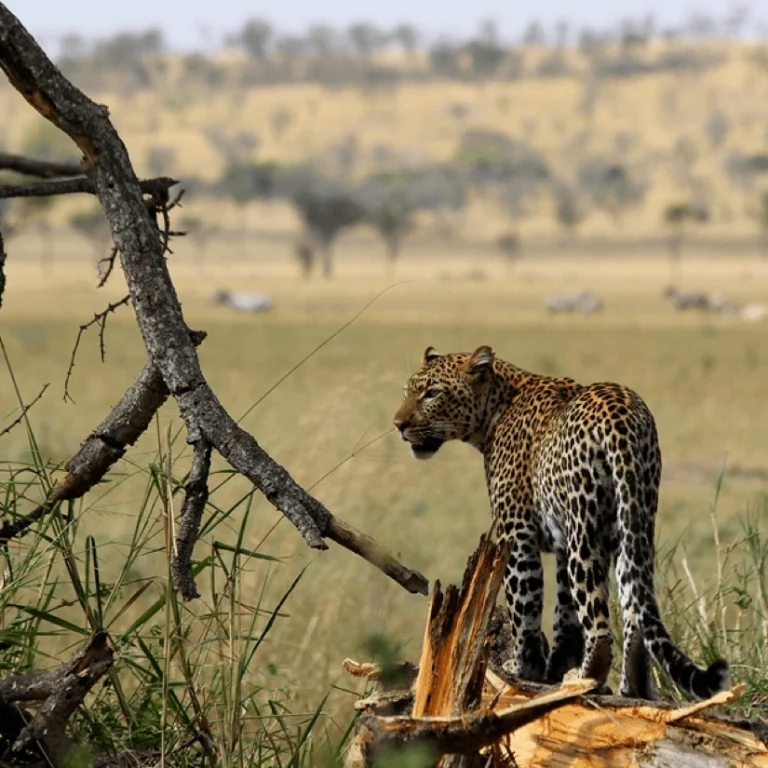
The Lemosho Route offers one of the richest wildlife and nature experiences on Mount Kilimanjaro. Starting in a remote rainforest zone, climbers may encounter colobus monkeys, antelope, and diverse bird species, making it a favorite for nature lovers and photographers. The route’s varied ecosystems enhance the sense of adventure and exploration. In contrast, the Marangu Route also begins in the rainforest but has fewer wildlife sightings due to higher traffic and a more direct path. While still beautiful, it lacks the same level of immersion in untouched wilderness. For travelers seeking a true African adventure with wildlife encounters and natural diversity, Lemosho is widely considered the best Kilimanjaro route for nature and biodiversity.
Summit Experience
Reaching Uhuru Peak is the ultimate goal of any Kilimanjaro climb, and the experience differs slightly between routes. On the Lemosho Route, summit night is approached after better acclimatization, increasing confidence, and endurance. Climbers often feel stronger and more prepared for the final push. The Marangu Route summit attempt follows a steeper, more direct ascent, which can be physically and mentally demanding due to limited acclimatization. Both routes reach the same iconic summit, but the journey there shapes the experience. For those seeking a higher chance of success and a more rewarding summit journey, Lemosho provides a smoother and more enjoyable path to the Roof of Africa.
Best for Beginners
Choosing the right Kilimanjaro route is crucial for first-time climbers. While the Marangu Route is often marketed as the easiest, its shorter duration can make it less suitable for beginners due to poor acclimatization. The Lemosho Route, despite being longer, is actually better for beginners because it allows the body to adjust gradually to altitude. This significantly improves comfort and success rates. Many professional guides recommend Lemosho as the best Kilimanjaro route for beginners, especially those with moderate fitness levels. With proper preparation, training, and support, even first-time trekkers can successfully reach the summit. For a safer and more enjoyable first climb, Lemosho is often the top choice for beginner-friendly Kilimanjaro trekking.
Luxury vs Budget Experience
The Lemosho Route is ideal for travelers seeking a luxury Kilimanjaro experience. Many operators offer premium packages with spacious tents, private toilets, gourmet meals, and personalized service. This makes it a popular choice for honeymoon safaris, VIP travelers, and high-end adventure seekers. The Marangu Route, with its hut accommodations, aligns more with budget Kilimanjaro climbs, offering a simpler and more cost-effective experience. While it lacks the exclusivity of luxury camping, it still provides a comfortable and structured climb. Whether you’re looking for a high-end Kilimanjaro adventure or an affordable trekking package, both routes cater to different travel styles, making it essential to choose based on your preferences and budget.
Weather and Conditions
Weather conditions on both the Lemosho and Marangu Routes are influenced by Kilimanjaro’s unique climate zones. However, Lemosho’s longer duration allows climbers to adapt better to changing conditions, from humid rainforest to cold alpine desert. The route’s western approach also provides slightly drier conditions in some seasons. The Marangu Route, starting from the southeast, can be wetter, especially in the rainforest section during rainy seasons. Regardless of the route, climbers should prepare for temperature extremes, strong winds, and freezing summit conditions. The best time to climb Kilimanjaro—January to March and June to October—applies to both routes. Proper gear and planning are essential for a successful and safe climb.
Packing and Preparation
Kilimanjaro Packing list correctly is essential for both routes, but the Lemosho Route requires more preparation due to camping logistics. Climbers need sleeping bags, layered clothing, trekking poles, and high-quality gear for varying weather conditions. Porters typically carry equipment, making the journey manageable. On the Marangu Route, hut accommodations reduce the need for some camping gear, but proper clothing and essentials are still crucial. Regardless of the route, items like thermal wear, waterproof jackets, hiking boots, and hydration systems are mandatory. Preparing physically through cardio and endurance training also improves performance. A well-planned Kilimanjaro packing list and training routine can make the difference between reaching the summit and turning back early.
Sustainability and Ethical Climbing
Sustainable tourism is increasingly important on Mount Kilimanjaro. The Lemosho Route, with fewer crowds and longer itineraries, often aligns better with eco-friendly and ethical climbing practices. Many operators emphasize fair porter treatment, waste management, and environmental conservation. The Marangu Route, due to its popularity, faces higher environmental pressure, including trail congestion and waste challenges. Choosing a responsible tour operator that follows KPAP (Kilimanjaro Porters Assistance Project) guidelines is essential on both routes. Supporting ethical tourism ensures better working conditions for porters and preserves Kilimanjaro’s natural beauty. For environmentally conscious travelers, Lemosho is often seen as the best route for sustainable and responsible Kilimanjaro trekking.
Who Should Choose Each Route
The Lemosho Route is best suited for climbers seeking a high success rate, scenic beauty, and a premium trekking experience. It is ideal for beginners, photographers, and travelers prioritizing safety and acclimatization. Luxury travelers and those on longer itineraries will also find it highly rewarding. The Marangu Route is better for those on a tight budget or limited schedule, offering a shorter climb with hut accommodations. It suits trekkers who prefer not to camp and want a straightforward route. Ultimately, the choice depends on your goals, budget, and time. For most climbers, especially first-timers, Lemosho is considered the best all-around Kilimanjaro route, while Marangu remains a practical budget option.
Final Thought
Deciding between the Lemosho vs Marangu Route ultimately comes down to your priorities—budget, comfort, time, and summit success. While the Marangu Route offers affordability and hut accommodation, it falls short in acclimatization and overall success rates. The Lemosho Route, though more expensive, delivers a premium Kilimanjaro climbing experience with stunning scenery, better pacing, and a higher chance of reaching Uhuru Peak. For most travelers, especially those investing in a once-in-a-lifetime African adventure, Lemosho stands out as the best route for safety, success, and unforgettable memories. By choosing the right route and a trusted tour operator, you can turn your Mount Kilimanjaro dream into reality and experience one of the world’s greatest trekking adventures.
Lemosho vs. Marangu Route: FAQs
What is Route Overview like?
The Lemosho Route begins on the western side of Mount Kilimanjaro, offering a remote, less crowded start through lush rainforest and dramatic scenery. It gradually joins the Machame Route, providing excellent acclimatization and higher summit success rates. This route typically takes 7–8 days, making it ideal for climbers seeking a premium, scenic, and high-success Kilimanjaro experience.
What can you expect from difficulty level for Lemosho vs. Marangu route?
Both the Lemosho and Marangu Routes are considered non-technical climbs, meaning no mountaineering skills are required. However, difficulty varies due to duration, altitude gain, and acclimatization profile. The Lemosho Route is longer and more gradual, allowing climbers to adapt better to altitude, making it physically demanding but more manageable overall.
What should you know about accommodation style for Lemosho vs. Marangu route?
One of the biggest differences between the Lemosho and Marangu Routes is accommodation. The Lemosho Route is a camping route, where trekkers sleep in high-quality mountain tents set up by support teams. This offers a more immersive wilderness experience under the African sky. In contrast, the Marangu Route is the only Kilimanjaro route with permanent huts, providing dormitory-style sleeping arrangements with basic amenities.
What can you expect from crowds and traffic for Lemosho vs. Marangu route?
If you prefer a quieter and more exclusive trekking experience, the Lemosho Route is an excellent choice. It starts in a remote area and sees fewer climbers in the early days, offering a sense of solitude and wilderness. As it joins other routes later, traffic increases slightly but remains manageable.
What is the wildlife and nature experience for Lemosho vs. Marangu route like?
The Lemosho Route offers one of the richest wildlife and nature experiences on Mount Kilimanjaro. Starting in a remote rainforest zone, climbers may encounter colobus monkeys, antelope, and diverse bird species, making it a favorite for nature lovers and photographers. The route’s varied ecosystems enhance the sense of adventure and exploration.
What are the best for beginners for Lemosho vs. Marangu route?
Choosing the right Kilimanjaro route is crucial for first-time climbers. While the Marangu Route is often marketed as the easiest, its shorter duration can make it less suitable for beginners due to poor acclimatization. The Lemosho Route, despite being longer, is actually better for beginners because it allows the body to adjust gradually to altitude.
What is the weather and conditions for Lemosho vs. Marangu route like?
Weather conditions on both the Lemosho and Marangu Routes are influenced by Kilimanjaro’s unique climate zones. However, Lemosho’s longer duration allows climbers to adapt better to changing conditions, from humid rainforest to cold alpine desert. The route’s western approach also provides slightly drier conditions in some seasons.
What should you know about sustainability and ethical climbing for Lemosho vs. Marangu route?
Sustainable tourism is increasingly important on Mount Kilimanjaro. The Lemosho Route, with fewer crowds and longer itineraries, often aligns better with eco-friendly and ethical climbing practices. Many operators emphasize fair porter treatment, waste management, and environmental conservation. The Marangu Route, due to its popularity, faces higher environmental pressure, including trail congestion and waste challenges.
Climb Kilimanjaro With Confidence
Tell us your dates and fitness, and our experienced mountain team will plan a safe, well-acclimatized private climb.