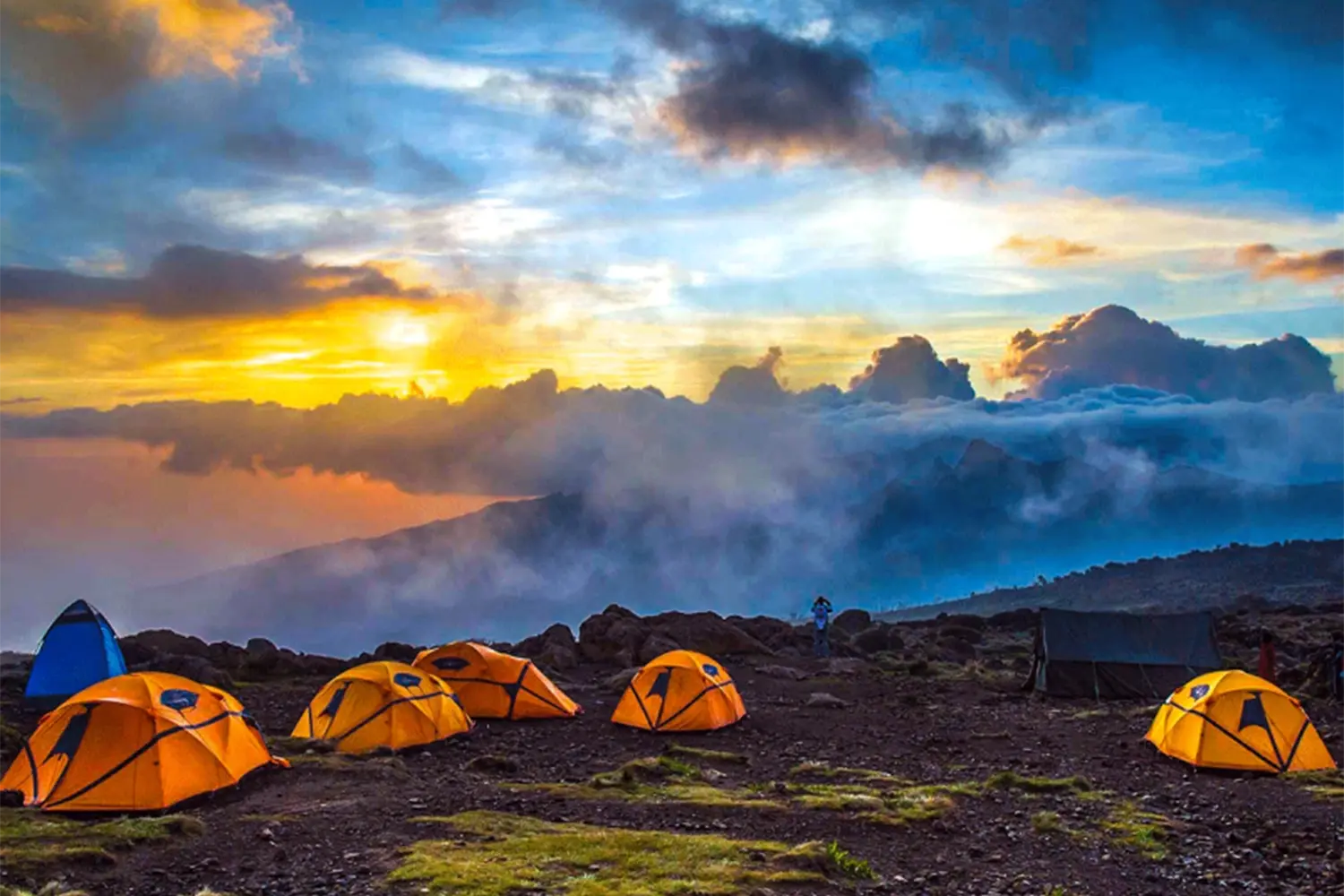
The ladies’ “down there” guide to staying clean, comfortable and confident on Kilimanjaro
Ladies’ “Down There” Guide For Kilimanjaro
Preparing for Mount Kilimanjaro means planning every detail, including intimate feminine hygiene, so that this ladies' “down there” guide helps women stay clean, comfortable, and healthy during a Kilimanjaro climb. Learn the best menstrual hygiene tips, female urination techniques, biodegradable toilet paper advice, pee funnels, wet wipes, intimate washes, moisture management, UTI prevention, and packing essentials for high-altitude trekking. Whether climbing the Machame Route, Lemosho Route, Marangu Route, or Rongai Route, proper feminine care improves confidence, hygiene, and summit success. Discover practical advice trusted by experienced female trekkers, mountain guides, and Kilimanjaro tour operators for every stage.
Why Feminine Hygiene Matters on Kilimanjaro
Maintaining feminine hygiene during a Mount Kilimanjaro trek is essential for comfort, health, and confidence. Long hiking days, changing temperatures, sweating, and limited washing facilities require smart hygiene practices. Proper intimate care helps prevent irritation, infections, unpleasant odours, and urinary tract infections (UTIs). Female trekkers should pack biodegradable wipes, pH-balanced feminine wash, breathable underwear, menstrual products, and hand sanitiser. Staying clean supports overall wellbeing and allows climbers to focus on reaching Uhuru Peak. Good preparation ensures women enjoy their Tanzania trekking adventure, regardless of age, experience level, or the Kilimanjaro climbing route selected.
Managing Your Period While Climbing Kilimanjaro
Many women successfully climb Mount Kilimanjaro during their menstrual cycle. Careful preparation makes managing periods simple and comfortable. Pack enough tampons, sanitary pads, menstrual cups, period underwear, sealable disposal bags, hand sanitiser, and wet wipes. Dispose of waste responsibly by packing everything out according to Leave No Trace principles. Hydration and nutritious meals help reduce cramps and fatigue at altitude. Wear moisture-wicking underwear and change products regularly to stay comfortable. Whether trekking the Machame, Lemosho, Northern Circuit, or Marangu Route, menstruation should never prevent achieving your Kilimanjaro summit goal.
- 1Track your cycle before the climb
- 2Pack extra supplies
- 3Carry sealable disposal bags
- 4Use hand sanitiser every change
- 5Pack out all waste
Choosing the Best Menstrual Products
Selecting suitable menstrual products improves comfort during a Kilimanjaro expedition. Tampons offer convenience while hiking, sanitary pads provide familiarity, menstrual cups reduce waste, and reusable period underwear offers additional protection overnight. Every woman has different preferences, so test products before your climb. Bring extra supplies in waterproof bags to protect them from moisture. Hand sanitiser and biodegradable wipes help maintain hygiene when clean water is limited. Female trekkers often combine menstrual cups with period underwear for maximum comfort during multi-day trekking adventures across Mount Kilimanjaro National Park, especially during long summit nights.
Preventing Urinary Tract Infections (UTIs)
UTIs are preventable during a Kilimanjaro trek through good hygiene and hydration. Drink plenty of purified water daily, urinate regularly, avoid holding urine for long periods, and wipe from front to back. Change damp underwear after hiking and wear breathable, moisture-wicking fabrics. Avoid heavily scented hygiene products that may cause irritation. Cranberry supplements may help some women, although hydration remains most important. Wash hands before changing menstrual products whenever possible. Following these simple habits helps female climbers remain healthy throughout their Tanzania mountain adventure, ensuring greater comfort and increasing the likelihood of summit success.
Toilet Facilities on Mount Kilimanjaro
Toilet facilities vary across Mount Kilimanjaro routes. Public camps usually provide basic long-drop toilets, while premium operators may arrange portable private toilets for additional comfort and hygiene. Carry toilet paper, biodegradable wet wipes, hand sanitiser, and sealable waste bags. Female trekkers often appreciate privacy tents during rest breaks. Practice using any female urination device before travel if planning to use one. Understanding toilet conditions helps women prepare confidently for every day of the trek. Reliable Kilimanjaro tour operators ensure camps remain clean and encourage environmentally responsible waste disposal throughout the expedition.
- Long-drop camp toilets
- Private portable toilets (premium)
- Toilet paper
- Biodegradable wipes
- Hand sanitiser
Choosing the Right Underwear and Clothing
Comfortable clothing plays an important role in feminine health during a Kilimanjaro climb. Choose breathable, moisture-wicking underwear made from merino wool or technical synthetic fabrics. Avoid cotton because it retains moisture and increases the risk of irritation. Carry several pairs to change daily and after heavy sweating. Lightweight hiking trousers with quick-drying fabrics improve comfort throughout changing weather conditions. Sleeping in clean, dry underwear helps reduce discomfort overnight. Proper layering, combined with quality hiking apparel, supports warmth, hygiene, and confidence while trekking across the diverse environments of Mount Kilimanjaro, from rainforest to alpine desert.
Breathable, moisture-wicking merino wool or technical synthetic underwear and comfortable layers.
Cotton underwear, which retains moisture and increases the risk of irritation.
Personal Hygiene Essentials to Pack
Every female climber should prepare a compact personal hygiene kit before climbing Mount Kilimanjaro. Include biodegradable wet wipes, pH-balanced feminine wash, toilet paper, hand sanitiser, menstrual products, sealable disposal bags, tissues, anti-chafing cream, lip balm, moisturiser, sunscreen, and spare underwear. A small quick-drying towel is also useful for freshening up at camp. Store all hygiene items inside waterproof dry bags to protect them from rain and condensation. Proper packing ensures convenient access throughout the trek while reducing unnecessary backpack weight, helping women stay clean, comfortable, organised, and confident from start to summit.
Female Urination Tips on the Trail
Learning efficient urination techniques improves comfort during long hiking days on Mount Kilimanjaro. Choose private locations away from water sources whenever guides permit. Some women prefer using female urination devices or pee funnels, while others squat naturally. Practice using any device before your expedition. Carry toilet paper, biodegradable wipes, and hand sanitiser for cleanliness. Always follow environmental guidelines by packing out paper where required. Staying hydrated remains more important than limiting bathroom breaks. Proper preparation helps women feel more confident and comfortable while trekking through Tanzania's spectacular mountain landscapes during every stage of their climb.
- Private spots away from water
- Female urination device or pee funnel
- Squat technique
- Ask your guide for stops
Staying Fresh at High Altitude
Cold temperatures and limited shower facilities make freshness challenging during a Kilimanjaro trek, but daily hygiene routines make a significant difference. Clean your face, underarms, feet, and intimate areas using biodegradable wipes or a damp cloth. Change into dry camp clothes every evening and air out hiking clothing whenever possible. Wash hands regularly before meals and after toilet visits. Moisturise dry skin and lips because altitude quickly reduces moisture levels. Consistent personal care improves comfort, reduces skin irritation, and helps women maintain energy and confidence while trekking toward the summit of Mount Kilimanjaro.
- 1Clean face, underarms and feet
- 2Freshen intimate areas with wipes
- 3Change into dry underwear
- 4Use the warm water from camp
- 5Moisturise and protect skin
What to Do if You Experience Discomfort
Minor discomfort can occur during any Mount Kilimanjaro expedition, especially after several days of trekking. Pack anti-chafing cream, soothing ointment, blister plasters, pain relief medication, and personal prescriptions. If irritation, unusual symptoms, or signs of infection develop, inform your mountain guide immediately. Experienced guides can assist with basic first aid and determine whether medical attention is needed. Never ignore persistent pain or severe discomfort at altitude. Early treatment helps prevent complications and keeps your focus on enjoying the adventure while safely progressing toward Uhuru Peak, Africa's highest point.
Confidence Tips for First-Time Female Climbers
Thousands of women successfully summit Mount Kilimanjaro every year. Confidence comes from preparation, quality equipment, experienced guides, and realistic expectations. Practice using your hiking gear, menstrual products, and hygiene routine before departure. Follow your guide's pacing advice, stay hydrated, eat nutritious meals, and prioritise rest. Do not hesitate to ask female guides or fellow climbers for practical advice. Every challenge becomes easier with planning and a positive mindset. Whether travelling solo, with friends, or in a group, women of all ages can enjoy a rewarding and unforgettable Kilimanjaro climbing experience.
- Prepare well
- Quality gear
- Experienced guides
- Realistic expectations
- Practise your routine
Eco-Friendly Feminine Hygiene on Kilimanjaro
Responsible trekking protects Mount Kilimanjaro National Park for future generations. Use biodegradable wipes sparingly, minimise plastic packaging, and always pack out sanitary waste using sealable bags. Reusable menstrual cups and period underwear reduce waste while remaining practical for multi-day climbs. Avoid leaving tissues or hygiene products on the mountain. Follow your guide's environmental instructions and support sustainable trekking practices. Eco-friendly feminine hygiene protects wildlife, preserves fragile mountain ecosystems, and demonstrates responsible travel. Sustainable habits benefit both female trekkers and the environment while ensuring Kilimanjaro remains one of Africa's greatest adventure destinations.
- Use wipes sparingly
- Minimise plastic
- Pack out sanitary waste
- Choose reusable products
Tips for Women Climbing Kilimanjaro
Climbing Mount Kilimanjaro is an achievable goal for women of all ages and fitness levels with proper preparation. Choose a reputable Kilimanjaro tour operator, train consistently before your trek, and select a route with adequate acclimatisation, such as the Lemosho Route or Northern Circuit Route. Pack moisture-wicking clothing, quality hiking boots, feminine hygiene essentials, and sufficient menstrual products if needed. Stay hydrated, eat nutritious meals, maintain a steady pace, and listen to your guide's advice. Prioritise rest, practise good hygiene, and embrace the journey with confidence. Careful planning greatly increases your comfort, safety, and chances of reaching Uhuru Peak.
How to choose the best Kilimanjaro route →Final Preparation Checklist for Women
Before climbing Mount Kilimanjaro, confirm you have packed menstrual supplies, moisture-wicking underwear, biodegradable wipes, hand sanitiser, toilet paper, disposal bags, pH-balanced feminine wash, medications, anti-chafing cream, sunscreen, lip balm, moisturiser, and a quick-drying towel. Test new products before travelling and organise essentials in waterproof packing cubes. Stay hydrated, follow your guide's advice, and maintain good hygiene throughout the expedition. Careful preparation allows women to trek comfortably, confidently, and safely across every Kilimanjaro route while maximising the chances of reaching Uhuru Peak and enjoying an unforgettable Tanzania adventure.
Women Climbing Kilimanjaro: FAQs
Can I Climb Kilimanjaro While on My Period?
Yes. Thousands of women successfully climb Mount Kilimanjaro while on their period every year. Menstruation should never stop you from reaching Uhuru Peak with proper preparation and hygiene. Pack enough sanitary pads, tampons, menstrual cups, period underwear, biodegradable wipes, hand sanitiser, and disposal bags for the entire trek. Stay hydrated, eat nutritious meals, and change menstrual products regularly to remain comfortable and reduce irritation.
What Menstrual Products Work Best on Kilimanjaro?
The best menstrual products for Mount Kilimanjaro depend on your personal preference and experience. Many female trekkers choose menstrual cups because they are reusable, lightweight, and environmentally friendly. Others prefer tampons for convenience, sanitary pads for familiarity, or period underwear for extra protection, especially during summit night. Always test new products before your expedition rather than trying them for the first time on the mountain.
Are Toilets Available on Kilimanjaro?
Yes. Every Mount Kilimanjaro route has basic toilet facilities at designated camps. Most consist of simple long-drop pit toilets that vary in cleanliness depending on the route and season. Many premium Kilimanjaro tour operators also provide private portable toilets for greater comfort, hygiene, and privacy. Carry your own toilet paper, biodegradable wet wipes, hand sanitiser, and sealable disposal bags because supplies are rarely provided.
How Do I Stay Clean Without Showers?
Showers are generally unavailable during a Mount Kilimanjaro climb, but staying clean is simple with the right supplies. Use biodegradable wet wipes or a soft cloth with warm water supplied at camp to clean your face, hands, feet, underarms, and intimate areas each evening. Change into clean underwear and dry sleeping clothes daily. Wash your hands before meals and after using the toilet with soap or hand sanitiser.
How Can I Prevent UTIs While Trekking?
Preventing urinary tract infections during a Kilimanjaro trek begins with staying well hydrated. Drink plenty of purified water throughout the day and avoid delaying toilet breaks. Wear breathable, moisture-wicking underwear and change out of damp clothing after hiking. Always wipe from front to back and clean your hands before changing menstrual products whenever possible. Avoid heavily scented soaps or feminine hygiene products that may cause irritation.
Should I Bring Extra Underwear?
Absolutely. Pack at least four to six pairs of moisture-wicking underwear for your Mount Kilimanjaro climb, depending on the length of your itinerary. Merino wool or technical synthetic fabrics dry quickly, reduce odours, and help prevent chafing better than cotton. Changing into clean underwear every evening improves comfort, hygiene, and confidence throughout the trek. Carry one or two additional pairs in case of unexpected rain or heavy perspiration.
Can I Use a Menstrual Cup at High Altitude?
Yes. A menstrual cup works perfectly well during a Mount Kilimanjaro expedition and is a popular choice among experienced female trekkers. Altitude does not affect its performance. Menstrual cups reduce waste, save packing space, and eliminate the need to carry large quantities of disposable products. Wash your hands thoroughly before inserting or removing the cup, and clean it using safe drinking water whenever possible.
Are Female Guides Available on Kilimanjaro?
Yes. Several reputable Kilimanjaro tour operators employ experienced female mountain guides, assistant guides, and porters. While male guides remain more common, the number of trained female professionals continues to grow every year. If you prefer a female guide, request one when booking your climb, as availability may be limited during peak trekking seasons.
What Hygiene Products Should I Pack?
Pack a lightweight hygiene kit specifically designed for your Mount Kilimanjaro trek. Essential items include biodegradable wet wipes, toilet paper, hand sanitiser, menstrual products, pH-balanced feminine wash, tissues, sealable disposal bags, anti-chafing cream, moisturiser, lip balm, sunscreen, and a small quick-drying towel. Include any personal medications and spare underwear in waterproof dry bags to protect them from rain and condensation. Keeping your hygiene kit organised allows quick access throughout the trek.
Is Kilimanjaro Safe for Female Travellers?
Yes. Mount Kilimanjaro is considered one of Africa's safest trekking destinations for women when climbing with a licensed and reputable Kilimanjaro tour operator. Professional guides, trained porters, structured itineraries, and well-established camps provide a secure environment throughout the expedition. Solo female travellers regularly join group departures or book private climbs with excellent experiences. Follow your guide's instructions, respect altitude safety guidelines, secure valuables, and maintain good personal hygiene during the trek.
Climb Kilimanjaro With Confidence
Tell us your dates and any preferences, including private toilets or a female guide where available, and we will plan a comfortable, well-supported private Kilimanjaro climb.